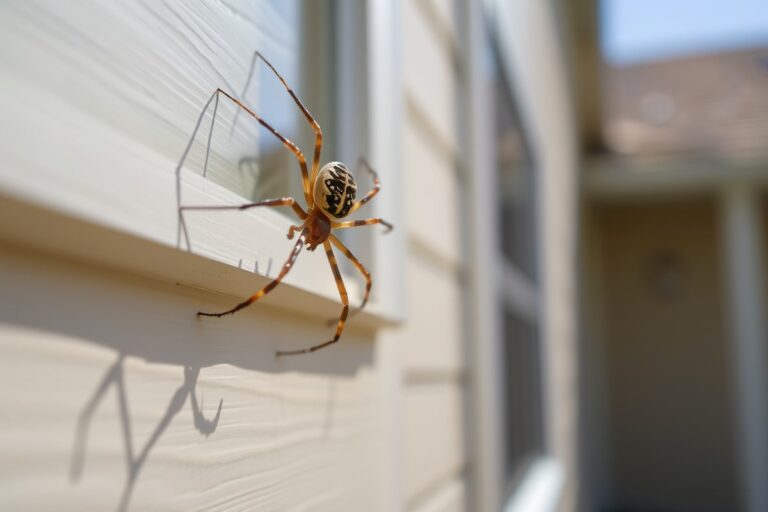
How Often Should Pest Control Be Done in an Apartment: A Complete Scheduling Guide
How often should pest control be done in an apartment depends on factors like the type of pests, apartment conditions, and local climate. Generally, quarterly treatments offer effective prevention and control for most situations, but infestations or sensitive environments may require monthly visits. Adjusting the schedule according to early pest signs, seasonality, and building policies helps avoid unnecessary chemical use and protects your health.
This information benefits tenants, landlords, and property managers working to keep apartments pest-free while balancing safety and costs. You’ll learn how to tailor pest control frequency based on specific pests, timing, treatment methods, and cooperation with building management to maintain a pest-free home efficiently.
Key Takeaways
- Schedule professional pest control every three to six months for apartments with moderate risk and typical pest exposure.
- Increase treatment frequency if apartment conditions favor pests or if infestations involve fast-breeding species like cockroaches or rodents.
- Act promptly at the first signs of pests, such as droppings or damage, to prevent larger infestations needing more frequent treatments.
- Professional pest control generally needs less frequent application than DIY methods, which require monthly or bimonthly repetition for effectiveness.
- Adjust pest control schedules based on local climate and seasonal pest activity, typically increasing treatments in warmer, wetter months.
- Coordinate treatment timing with landlords or property managers to ensure consistent coverage and avoid overlapping or missed applications in multi-unit buildings.
How Often Should Pest Control Be Done in an Apartment for Best Results?

Standard pest control schedules for apartments typically range from quarterly to biannual treatments, depending on the type of pests and severity of infestation. Quarterly treatments every three months are common for preventing common pests like ants, cockroaches, and spiders because these pests reproduce rapidly and can re-infest quickly. In contrast, a biannual or yearly schedule may be enough when pest issues are minimal, or the apartment is well maintained and kept clean.
Monthly pest control services may be necessary for heavy infestation areas such as apartments with rodent problems, bed bugs, or severe cockroach infestations. Frequent treatments help break pest life cycles, especially for bed bugs, where monthly inspections and treatments over several months are critical to fully eradicate the population.
Different pests require different treatment frequencies due to their biology and habits. For example, roaches and ants often need treatments every 2 to 3 months because they reproduce swiftly and can inhabit cracks and crevices, making them hard to eliminate permanently. Rodents may require monthly monitoring and bait replacement during active months due to their mobility and rapid breeding. Termites usually require yearly inspections since infestations develop slowly but cause severe damage if untreated.
Applying pest control treatments consistently and following a recommended schedule improves results by preventing pest populations from establishing or rebounding after treatment. A typical routine includes inspecting the apartment for signs of pests, applying targeted treatments to hotspots like kitchens, bathrooms, and basements, and advising residents on sanitation and maintenance to reduce attractants.
Costs vary based on treatment frequency and pest type. Quarterly treatments might cost anywhere from $50 to $150 per visit for basic apartment units, with more intensive monthly treatments or specialized services like bed bug control costing more, often several hundred dollars per session. The key is balancing cost against the risk of infestation, damage, and tenant complaints. Skipping treatments or extending intervals beyond recommended periods often results in pest resurgence, which leads to higher costs and more invasive procedures later.
To decide the precise frequency, consider the apartment’s location, past pest history, resident habits, and surrounding environment. High-rise apartments rarely need monthly treatments unless pests are already present, while ground-level units near green areas may require more frequent attention. Maintaining clean common areas and residents promptly reporting signs of pests can reduce the need for excessive treatments and catches issues early, making standard quarterly or biannual schedules effective for most situations.
How Apartment Conditions and Pest Types Affect Treatment Frequency

The condition of your apartment and the type of pests present directly influence how often pest control treatments should occur. Older or poorly maintained units generally require more frequent treatments, while different pests demand tailored schedules based on their behavior and biology. Cleanliness also plays a key role in determining how soon you’ll need another treatment.
Key Apartment Factors Influencing Frequency
Aging apartments often have cracks, gaps, and other structural issues that give pests easy access and nesting spots. This means infestations can develop faster and reoccur quickly, necessitating treatments every 30 to 60 days rather than every 90 days. Regular inspections to identify entry points and maintenance to seal them will help extend the time between treatments.
Apartment cleanliness impacts pest pressure significantly. Cluttered spaces with leftover food, unwashed dishes, and garbage buildup provide pests with food and shelter. In these cases, treatments might be needed monthly until sanitation improves. Keeping surfaces clean, storing food in sealed containers, and taking out trash frequently reduce the need for repeated pest control visits.
Frequency Differences by Common Pests
Rodents like mice and rats require ongoing monitoring and baiting since they reproduce quickly and create nests within walls. Treatments are usually scheduled every 30 days to maintain control, especially in buildings with older plumbing or holes. Ants tend to be seasonal and can sometimes be managed with quarterly treatments, but heavy infestations may call for monthly follow-ups.
Bed bugs need a different approach because they hide in mattresses and furniture and are harder to eradicate. Effective treatment typically involves multiple visits spaced two weeks apart, with post-treatment inspections at one and three months. One or two treatments don’t clear bed bugs, so scheduling depends on pest life cycle and apartment conditions.
Impact of Prior Infestations on Scheduling
Previous infestations usually mean the apartment harbors conditions favorable to pests. A history of cockroaches or rodents often justifies more frequent treatments, such as every 30 to 45 days, to break the breeding cycle. Monitoring devices and traps can guide adjustments to treatment intervals based on population changes over time.
If an apartment has had a recent pest outbreak, the initial treatment phase will be more intensive. After achieving control, the frequency can be reduced to routine preventative visits every 60 to 90 days. Ignoring prior infestations or delaying treatments often leads to deeper infestations, increasing costs and treatment complexity.
Prioritize fixing leaks and sealing cracks to reduce pest entry; this simple step can lower treatment frequency and improve long-term results.
Recognizing Early Signs That Pest Control Is Needed Sooner
Early detection of pest problems is essential for timely treatment that can prevent infestations from spreading or becoming severe. Visible signs such as live insects, shed skins, small holes, or gnaw marks on food packaging or furniture signal that pest control measures should accelerate beyond regular maintenance schedules. A single pest sighting can mean a developing colony nearby. Pest droppings are especially urgent; they indicate active feeding and breeding, which means pests are established and multiplying.
To identify these early signs, perform a simple inspection checklist weekly or biweekly. Check common entry points like cracks near windows, door frames, and baseboards. Look within cabinets and pantry shelves for damage or droppings. Inspect behind appliances and under sinks where moisture and warmth attract pests. Knowing where to inspect helps catch problems sooner and reduces the risk of costly treatments later.
- Spot dead or live insects around light fixtures or corners.
- Notice small droppings that vary by pest type, rodents leave pellet-shaped droppings, cockroaches leave smudges.
- Detect chew marks on food packages, wood trim, or wires.
- Observe unusual smells, like musty or oily odors, which may indicate pest nests.
- Watch for grease marks or tracks along walls or baseboards.
- Pay attention to noises like scratching inside walls or ceilings, typical of rodents.
- Find shed skins or egg cases near baseboards or corners.
Schedule treatment immediately after identifying any of these signs. Waiting until the next routine pest control can allow pests to multiply and spread to neighboring units. If the apartment has vulnerable residents such as children or people with allergies, acting quickly is even more important to reduce health risks. Contact a professional pest control service to assess the severity and recommend appropriate treatment. The cost for an unscheduled visit tends to be higher than regular maintenance, but delaying can lead to expensive property damage or medical expenses.
For less obvious cases, set up sticky traps or monitoring stations in suspected areas to confirm pest activity over a few days. Keep records of sightings and conditions to provide detailed information to the pest control provider. This can reduce guesswork and allow them to tailor the treatment, saving time and money.
Comparing Professional and DIY Pest Control Frequency and Effectiveness
DIY pest control usually requires more frequent treatments than professional services, often every few weeks to maintain results. Professionals apply treatments less often, sometimes quarterly or biannually, because they use stronger products and strategies that last longer. DIY approaches cost less upfront but might not handle severe infestations effectively, while professional services offer better long-term control at a higher price.
DIY Pest Control Methods and Typical Schedules
DIY pest control relies on over-the-counter sprays, traps, baits, and powders that generally require repeated application every 1 to 4 weeks. You’ll need to follow the product label instructions closely for timing and safety. For minor or isolated infestations, these treatments can work if applied regularly and thoroughly, especially combined with good sanitation.
Common DIY schedules include applying sprays weekly or every two weeks for insects like ants or cockroaches, and replacing traps monthly for rodents. However, DIY methods rarely eliminate an infestation completely on the first attempt. You must inspect your apartment often and reapply treatments as soon as you spot signs of pests returning or surviving. Skipping treatments or inconsistent application usually allows pests to re-establish quickly.
Professional Treatments and Long-Term Protection
Professional pest control uses more concentrated pesticides and integrated pest management approaches to target infestations thoroughly. Treatments often last 3 to 6 months, reducing the frequency of reapplications needed. Technicians can identify hidden pest sources and treat problem areas outlets and structural gaps that DIY users tend to miss.
Professionals schedule follow-up visits typically every 3 or 4 months during active pest seasons or annual visits for prevention in low-risk apartments. These visits include inspection, targeted treatments, and adjustments based on pest activity and building conditions. This planned approach limits the chances pests return quickly, especially for apartment units with shared walls allowing pest movement.
Cost and Risk Comparison
DIY pest control costs vary but typically range from $10 to $50 per treatment product, with ongoing expenses adding up due to frequent reapplications and multiple product types. Professional service costs depend on the size of the apartment and severity of infestation, usually from $150 to $300 per visit for basic services, with contracts offering discounts for routine treatments.
Spending less on DIY means covering more ongoing effort and the risk of ineffective control, allowing pests to return. Professional treatments cost more upfront but lower long-term damage and health risks by eradicating pests faster and using treatments safely. Overusing DIY pesticides can also cause exposure risks if not done carefully according to label directions. Below is a clear comparison table showing differences in frequency, cost, and effectiveness to help decide what fits your apartment pest control needs.
| Aspect | DIY Pest Control | Professional Pest Control |
|---|---|---|
| Treatment Frequency | Every 1 to 4 weeks | Every 3 to 6 months |
| Cost per Treatment | $10 to $50 | $150 to $300 |
| Effectiveness for Severe Infestations | Poor to moderate, often requires retries | High, especially for established infestations |
| Time Investment | High, frequent applications and monitoring | Low, technician handles treatment and follow-ups |
| Risk of Chemical Exposure | Higher if products not used correctly | Lower, professionals trained in safe application |
| Long-Term Pest Prevention | Depends on regular home maintenance | Includes inspections and targeted prevention tactics |
Choosing between DIY and professional pest control depends on the pest severity, your budget, and willingness to invest time. DIY might suffice for small problems if you keep up with treatments and cleaning. For persistent or severe infestations, professionals provide a better value through their expertise and longer-lasting results.
Seasonal and Regional Factors Influencing Pest Control Schedules
Pest control frequency in an apartment varies depending on seasonal pest activity and local climate conditions. Warmer and more humid regions often need treatments more frequently, especially during spring and summer when pests are most active. Adjusting your pest control schedule based on regional pest cycles helps maintain effective prevention and control.
Seasonal Pest Activity Overview
Pests become more active during certain seasons, typically from spring through early fall. Warmer temperatures encourage breeding, feeding, and movement of common pests like ants, cockroaches, and mosquitoes. Apartments may require monthly or bi-monthly treatments in these months to keep infestations under control. In colder months, pest activity slows down, so quarterly treatments may suffice if no major infestations exist. This seasonal approach helps avoid unnecessary treatments when pests are dormant or less active.
For example, in northern states, pest control can be reduced to every three or four months during late fall and winter. Southern regions may see year-round activity, making seasonal reductions less effective without careful monitoring. Planning treatments around these peaks reduces costs and exposure to chemicals while targeting pests when they pose the greatest risk.
Regional Climate Impacts on Pest Frequency
Hot, humid regions drive up pest populations by creating ideal habitats for many insects and rodents. High humidity increases breeding rates for mosquitoes and cockroaches, while warmth accelerates life cycles, leading to faster infestations. Apartments in these climates often need more frequent treatments, roughly every 30 to 45 days during the active seasons, to prevent populations from exploding. Dry and cooler climates might only require treatments every 60 to 90 days during the warmer months.
Areas with mild winters or tropical climates may experience pest activity year-round, so scheduled treatments every one to two months become necessary. In contrast, places with prolonged cold seasons can reduce frequency, focusing on early spring to reset pest populations before they peak. This regional variation ensures pest control efforts align with how pests live and multiply locally.
Adjusting Schedules by Local Pest Cycles
You can refine pest control timing by tracking when local pests typically appear and peak. For instance, termites often swarm in the spring shortly after rain, so scheduling preventive termite treatments before this period helps stop infestations early. Ants and cockroaches usually increase in late spring through summer, demanding more proactive treatment during these months.
Discussing common local pests with a reputable pest control professional can give you insight into when and how often treatments should occur. They may recommend starting monthly treatments in March or April and scaling back to quarterly visits after September in northern climates. Hotter climates may require continuous monthly visits since many pests never fully disappear. Adjusting the timing based on actual pest sightings and activity helps avoid both overtreatment and gaps that allow infestations to grow.
Monitor your apartment for any increase in pest activity after seasonal weather changes and alert your pest control provider immediately to adjust treatment frequency accordingly.
Health, Safety, and Chemical Use Concerns with Frequent Pest Treatments
Frequent chemical pest treatments can pose health risks to tenants and pets if not applied properly or if used excessively. You should allow adequate ventilation and avoid reentry for at least four to six hours after common pesticide applications to reduce exposure. Some stronger treatments may require staying out of the apartment for up to 24 hours. Following label instructions about reentry and cleanup is essential for your safety.
Natural or low-toxicity options like boric acid, diatomaceous earth, or gel baits often pose fewer health risks and can be used more regularly without requiring residents to vacate. These alternatives work well for managing roaches, ants, and other common pests while reducing chemical exposure. Consult a professional familiar with integrated pest management (IPM) to select treatments based on your apartment’s specific conditions.
The exact waiting time before reentering an apartment after a chemical spray depends on the product used. For example, pyrethroid sprays usually require a 4-hour reentry, while fipronil-based baits allow immediate reentry but must remain undisturbed. Always check product labels or ask your pest control provider for guidance. In apartments with children, seniors, or pets, extra caution and longer ventilation times may be necessary to prevent respiratory or skin irritation.
Frequent treatments with traditional pesticides can lead to chemical buildup indoors, increasing health risks and sometimes causing pest resistance. You can reduce the need for frequent chemical applications by combining them with thorough cleaning, sealing cracks, and fixing leaks. For example, sealing entry points can lower the number of treatments needed by 30 to 50 percent over a year because pests cannot easily return.
In apartments housing pets, schedule treatments that avoid direct exposure to pets, keep pets out of treated areas for the recommended time, and remove pet food and bedding before treatment. Pest control companies that use fumigants or foggers require pets to be removed for 24 hours or more due to high chemical concentrations. Inform your landlord or property manager about your pets so they can coordinate with pest control technicians.
Discuss an IPM plan with your property manager if chemical treatments feel too frequent or harsh. This plan emphasizes monitoring, cleaning, and targeted low-toxicity interventions. IPM focuses on long-term pest prevention and limits chemical use to spot treatments when necessary. This approach can keep residents safer and lower chemical exposure without compromising effective pest control. In many cases, IPM can reduce chemical applications from monthly to quarterly or less, depending on pest pressure and building conditions.
Coordinating Pest Control Scheduling with Landlords and Property Managers
Tenants can legally request pest control treatments since landlords generally have a responsibility to maintain rental units in habitable condition, which includes addressing infestations. The frequency landlords must provide pest control varies by state and local laws, but many require treatment upon tenant request when pests impact habitability or health. This makes clear, timely communication essential to get effective service.
The best way to request pest control is through written communication, such as an email or a letter, to create a record of your request. Start by explaining the pest problem briefly, mention how long it has been noticed, and kindly ask for professional treatment. Include your contact information and availability for scheduled access. Keep the tone formal but polite so your request will be taken seriously.
Craft a simple template like this: “Dear [Landlord/Property Manager], I’m writing to inform you of a pest issue in my apartment unit [number]. I’ve noticed [type of pest] since [time period], and it is affecting my living conditions. Could you please arrange for a professional pest control service at the earliest convenience? I am available for entry on [days and times]. Thank you for your prompt attention to this matter. Sincerely, [Your Name, contact info].” This covers all necessary points clearly and professionally.
After sending your request, allow a reasonable response time, usually 3 to 7 days. If you do not hear back or the issue persists, follow up with a reminder referencing your original message. Keep copies of all communication in case further action is needed, such as contacting a tenant rights organization or health department.
Responsibilities differ in multi-unit buildings. Sometimes landlords schedule regular pest control for all units, but they still must address individual complaints promptly to prevent spreading. Tenants should inquire about existing schedules or if treatments require unit preparation, such as food removal or vacating during treatment. Coordinating your availability with these times helps ensure the process goes smoothly.
Costs for pest control typically fall on the landlord, especially if the problem is not caused by tenant negligence. Some leases specify tenant responsibility if pests result from poor cleanliness or damage, so review your lease terms. Reporting issues early usually leads to quicker resolutions and lower overall treatment costs since infestations are smaller.
Effective Pest Control Methods and Their Recommended Reapplication Intervals
Different pest control methods vary in how long they protect your apartment and when they need reapplication. Knowing the lifespan of bait stations, sprays, and heat treatments helps you plan treatments effectively, limiting infestations and reducing unnecessary chemical use. Below, the main methods are compared by their effective duration and retreatment schedules.
Chemical Sprays and Residual Timelines
Chemical sprays kill pests on contact and leave residues that continue working on pests for a period afterward. Liquid insecticides in crack-and-crevice or surface applications typically remain effective for 2 to 4 weeks. This is because residues degrade with time, dust, cleaning, or moisture exposure. Sprays need repeating every 3 to 4 weeks during active pest seasons to maintain control, especially for crawling insects like ants and cockroaches.
Contact sprays work instantly but only kill pests present at the time of application. Residual sprays provide longer protection by killing pests that contact treated surfaces later. Overusing sprays can lead to resistance, so use targeted applications and combine with sanitation for best results.
Baits and Traps Reapplication Frequency
Bait stations deliver slow-acting poison that foraging pests carry back to their nests. These remain effective as long as the bait is fresh and accessible. Typically, baits last 4 to 6 weeks but require inspection every 2 weeks to check consumption and replace spent bait. Delayed replacement invites reinfestation, and dry or contaminated bait loses efficacy.
Traps like glue or pheromone traps function more as monitoring tools, needing weekly or biweekly checks and resets. For rodent baits or insect gel baits in apartments, routine maintenance every 3 to 4 weeks matches pests’ feeding habits and life cycles, maintaining steady control without excess pesticide use.
Heat Treatments and Specialized Methods
Bed bug heat treatments heat the entire apartment to lethal temperatures for bugs and eggs. This method kills all stages of bed bugs in a single treatment but does not provide lingering protection. Repeat heat treatments usually happen every 2 to 3 weeks if reinfestation occurs, due to eggs hatching or migrating bugs.
Heat treatments are resource-intensive, requiring professional equipment and apartment preparation. They work best combined with residual sprays and monitoring to prevent reinfestation. Frequent heat treatments without addressing causes or sealing entry points can lead to repeated infestations. The following table summarizes common pest control methods, their typical protection length, and recommended retreatment intervals for apartments.
| Method | Protection Duration | Retreatment Interval | Notes |
|---|---|---|---|
| Residual Chemical Sprays | 2 to 4 weeks | Every 3 to 4 weeks | Best for ants, cockroaches; affected by cleaning and environment |
| Bait Stations | 4 to 6 weeks (bait efficacy) | Inspect every 2 weeks; replace bait as needed | Continuous bait presence important; dry bait less effective |
| Glue/Pheromone Traps | Used as monitoring; effective as long as maintained | Check and reset weekly or biweekly | Not a control method alone; detects activity |
| Bed Bug Heat Treatment | Kills all bugs at application; no residual | Repeat every 2 to 3 weeks if reinfestation occurs | One effective treatment kills current infestations |
Regular inspection and timely retreatment ensure treatments remain effective. Combining methods, like using baits with residual sprays or heat treatments with monitoring, improves overall success and reduces pesticide reliance.
Keep records of treatment dates and pest activity to avoid unnecessary repeat applications or gaps that let pests rebound.
How Prevention, Sanitation, and Maintenance Can Reduce Pest Control Frequency
Maintaining good sanitation, repairing potential entry points, and managing waste properly can significantly lower how often pest control treatments are needed in an apartment. These ongoing efforts create conditions that pests find unattractive or hard to access, reducing infestations before they start.
Cleaning Routines to Deter Pests
Regular cleaning removes food particles, spills, and clutter that attract pests like cockroaches, ants, and rodents. You should clean kitchen counters, floors, and sinks daily, and wipe down appliances where crumbs collect. Don’t forget less obvious spots such as behind the fridge or under the stove, where food debris can accumulate unnoticed.
Vacuuming carpets and rugs at least once a week reduces flea eggs and other pest residues. For bathrooms, scrub sinks, tubs, and tiles regularly to avoid moisture buildup, which invites silverfish and certain insects. Establish a cleaning checklist that covers:
- Daily wiping of kitchen surfaces and dining areas
- Weekly vacuuming and mopping hard floors
- Regularly emptying trash cans and cleaning them
- Monthly deep cleaning behind appliances and furniture
- Prompt spill and stain cleanup on upholstery
- Keeping pet feeding areas clean to prevent attracting pests
- Drying bathroom surfaces to reduce humidity
Skipping these routines can lead to persistent pest pressure, which makes it harder to reduce treatment frequency. In contrast, thorough cleaning can extend the time between professional pest control visits by removing key attractants.
Repair and Sealing for Pest Entry Points
Preventing pests from entering your apartment depends on sealing cracks, holes, and gaps where they can sneak inside. Inspect door frames, windows, baseboards, and utility openings for any openings larger than a quarter inch. Rodents can enter through gaps as small as ¼ inch, and insects need even less space.
Use caulk or weather-stripping to seal these small cracks, and fit door sweeps to close gaps under exterior doors. Repair damaged window screens, and seal holes around plumbing or electrical fixtures with expanding foam or silicone. This maintenance is straightforward but essential:
- Inspect and seal gaps every 3 to 6 months
- Replace or repair torn window and door screens promptly
- Add door sweeps on all exterior doors
- Seal openings around pipes, cables, and vents
- Report structural issues like damaged walls or flooring to your landlord
Missing holes or leaving entry points open leads to recurrent infestations that require more frequent treatments. Proper sealing reduces pest access and can effectively lower your pest control visits to only as often as scheduled prevention checks or seasonal treatments.
Garbage and Food Storage Best Practices
Properly managing waste and storing food securely are critical for limiting pest activity. Keep garbage in containers with tight-fitting lids and empty waste bins daily or every other day depending on volume. If your apartment has shared trash chutes or dumpster areas, minimize time that trash remains indoors to prevent attracting pests.
Store dry food items in sealed plastic or glass containers rather than cardboard or paper packaging that pests can easily chew through. Refrigerate perishables promptly and avoid leaving dirty dishes or food out overnight. For pet food, store extras in sealed containers and feed pets in designated areas that you clean regularly.
- Use trash bins with lids and empty them regularly
- Keep shared trash areas clean and free of spilled waste
- Seal pantry foods in pest-proof containers
- Clean pet feeding dishes after each meal
- Avoid leaving uneaten food or crumbs overnight
Ignoring waste management allows pests to thrive around your apartment, increasing the need for pest treatments. Good storage and garbage habits reduce food sources for pests, making your home less inviting and lowering the chances of frequent infestations.
Scheduling Pest Control in Multi-Unit Buildings and Special Cases Like Pets
Coordinating pest control treatments across multiple units in an apartment building requires synchronized scheduling to avoid pest migration between treated and untreated areas. Adjusting treatment frequency for units with pets or short-term rental properties involves tailored approaches that consider health, safety, and occupancy patterns to ensure effective control without unnecessary exposure or disruption.
Coordination in Multi-Unit Buildings
The best way to handle pest control in an apartment complex is to schedule treatments for all units within a short timeframe, ideally on the same day or within a few days. This prevents pests from moving from untreated units to those already treated. Property managers should communicate in advance with tenants about the scheduled dates to prepare for access and remove any blocked areas or food items.
Organizing treatment windows based on building size and pest pressure helps. For large complexes, grouping buildings or floors into coordinated treatment cycles every three to six months works well. Managing this with a centralized pest control company ensures standardized procedures and timing. Missed or delayed treatments in some units can reduce overall effectiveness, so follow-up inspections are essential after initial service to confirm results.
Adjusting Schedules If Pets Live in Units
Pets require special consideration when planning pest control frequency. Products and treatment timing must minimize risks of exposing animals to harmful chemicals. Using pet-safe or lower-toxicity pesticides is advisable in these units. Scheduling treatments when pets can be temporarily removed, such as a few hours before and after application, reduces direct exposure.
Frequency may need to be increased or decreased based on pet behavior, pet type, and pest species. For example, flea treatments should be more frequent in pet units to break the life cycle consistently. Coordination with veterinarians or pet owners about the safest timing helps avoid health issues. Landlords or managers might need to arrange alternate accommodations during treatment if high-toxicity chemicals are necessary.
Pest Control for Short-Term Rental Properties
Short-term rentals like Airbnb properties require adaptable pest control schedules aligned with guest turnovers. Conducting treatments between guest stays reduces exposure risks and supports tenancy satisfaction. For properties with frequent reservations, monthly or bi-monthly treatments might be needed, especially in high-pest-activity seasons.
Clear communication with cleaning teams is important so they can prepare units properly before pest control crews arrive. Tracking last service dates and pest activity logs avoids unnecessary treatments while still addressing infestations early. Automating notifications through property management software helps maintain consistent scheduling without guest inconvenience.
Step-by-Step Action Plan for Scheduling Pest Control in Your Apartment
Set a pest control schedule based on your apartment’s conditions, pest risks, and local factors to keep infestations under control and reduce treatment frequency over time.
- Before Moving In or Immediately After: Inspect the apartment carefully for any signs of pests such as droppings, damage, or live insects. Arrange for a professional pest control treatment right away if you notice early signs or if previous tenants had issues. Early intervention prevents infestations from becoming entrenched.
- Monthly for the First 3 Months: Use either a professional service or carefully applied DIY treatments monthly to target active pests or those common in your region and season. Frequent monitoring during this period gives better control and helps you track what methods work based on pest activity.
- Every 3 to 6 Months Thereafter: Transition to a quarterly or biannual professional inspection and treatment schedule if no new infestations appear. Apartments with persistent pest issues, shared walls, or poor sanitation may require quarterly visits. Less troubled units may manage with biannual checks.
- Continuously: Maintain strict sanitation and apartment upkeep, clean food residues, fix leaks, seal cracks, to reduce attraction and entry points for pests. This effort directly lowers how often you need chemical treatments and supports lasting results.
- Seasonally: Increase inspection frequency during known pest seasons based on your local climate, such as spring for ants and summer for cockroaches. Adjust your pest control timing accordingly to prevent outbreaks before they start.
- When Sharing a Multi-Unit Building: Coordinate pest control schedules with your landlord or property manager to cover entire buildings or common areas simultaneously. Individual treatments in isolation often fail to stop pests moving between units.
- Within 1 to 2 Weeks After Treatment: Monitor for pest activity to assess treatment effectiveness. A significant drop or absence of pest signs shows success. Persistent presence after this window means a follow-up or a different treatment method is needed.
- Before Using Frequent Chemical Treatments: Consider health and safety concerns, especially if pets or children live in the apartment. Use integrated pest management strategies, combining prevention and spot treatments, to avoid overuse of chemicals and reduce risks.
Frequently Asked Questions
How Often Should Pest Control Be Done in an Apartment to Prevent Termite Damage?
Pest control for termite prevention usually needs inspection every 1 to 2 years. Termites cause hidden damage, so regular professional inspections can catch infestations early before costly repairs are required.
Can Pest Control Treatments Damage Apartment Interiors If Done Too Frequently?
Frequent treatments might cause surface damage or chemical residue buildup inside apartments. Using integrated pest management limits chemical use, reducing risks to finishes and indoor air quality while controlling pests effectively.
How Can Tenants Effectively Track Pest Control Schedules in Multi-Apartment Buildings?
Tenants should keep records of treatment dates, types, and notices from property managers. This helps coordinate treatments and ensures no gaps in service that insects or rodents can exploit between units.
What Role Does Apartment Building Age Play in Determining Pest Control Frequency?
Older buildings tend to have more pest entry points and require treatment every 3 to 4 months. Newer construction may need less frequent service if sealed and maintained properly. Building age influences infestation risk and treatment needs.
Are There Pest Control Frequency Differences for Apartments Near Food Establishments?
Apartments next to restaurants often need quarterly or bimonthly pest control treatments. Food waste attracts pests, increasing pressure, so more frequent service helps maintain a pest-free environment in these settings.
Can Air Conditioning and Ventilation Affect Pest Control Schedules in Apartments?
Yes, good ventilation reduces moisture, which pests like cockroaches and silverfish need to thrive. Apartments with poor airflow may need more frequent treatments to combat pests attracted to damp conditions.
Key Points to Remember
Routine pest control every three to four months suits most apartments but adjust this based on pest type, building conditions, and local climate to avoid overusing chemicals and risking health. Check your apartment for small signs like droppings or damage weekly and report problems immediately to your landlord or property manager to trigger faster, more targeted treatments. Today, review your lease or HOA rules about pest control to understand who handles scheduling and chemical use, then schedule a professional treatment if more than four months have passed since the last one. Maintaining cleanliness and sealing entry points between treatments helps reduce how often you need pest control visits while keeping pests at bay.