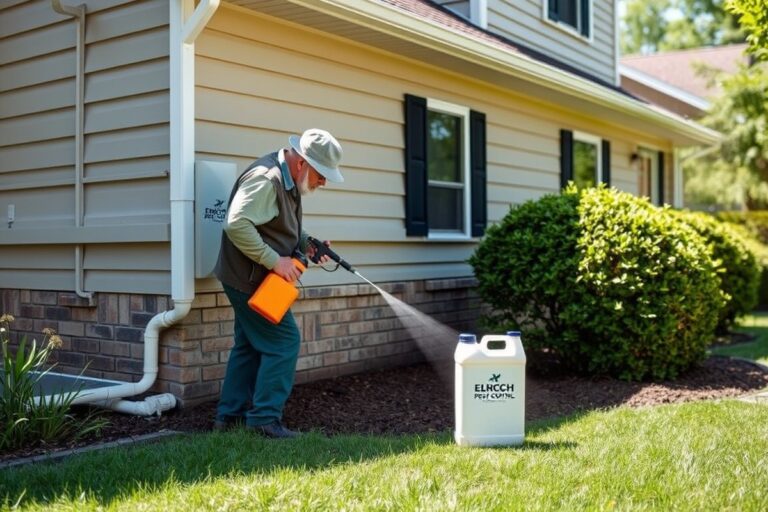
How to Compare Household Pest Control Packages? Complete Guide to Choose Smartly
Comparing household pest control packages requires looking closely at the services offered, pests covered, treatment frequency, guarantees, and pricing. Start by listing what pests each package targets and what is excluded, then check how often treatments occur and any service guarantees. Pricing varies widely depending on coverage, chemicals used, and contract terms, so understanding those details helps you choose the best value for your home.
This guide suits homeowners or renters ready to select or switch pest control services. It covers how to assess contract terms, cancellation policies, safety for children and pets, and eco-friendly options. You’ll also learn how to prepare for treatments, what outcomes to expect, and how to verify provider licensing and reputation for reliable support.
Key Takeaways
- Compare pest control packages by the type of pests covered and check which common pests are excluded to match your needs.
- Review package details carefully, including treatment frequency, service scope, and satisfaction guarantees before committing.
- Understand pricing by identifying cost drivers like treatment complexity, frequency, and additional services included in each package.
- Examine contract terms closely for cancellation policies, contract length, and any hidden fees or obligations in the fine print.
- Consider safety factors including chemical use, child and pet safety, and availability of eco-friendly treatment options.
- Prepare your home for treatments based on provider instructions and know what post-treatment effects or restrictions to expect.
What Types of Household Pest Control Packages Are Available?

Household pest control packages generally fall into three main types: one-time treatments, ongoing subscription-based services, and preventative plans. Each package suits different needs based on the severity of the pest issue, budget, and long-term goals. Understanding these options will help you pick a service that matches your home situation and pest concerns.
One-Time Pest Control Treatments
One-time treatments address pest problems that are isolated or recently detected. You pay for a single visit where professionals apply pesticides or set traps targeting the current infestation. These treatments cost less upfront, usually $150 to $300, but don’t include follow-up visits or ongoing monitoring. One-time treatments work well for minor problems or when quick removal is needed before a specific event, such as a party. However, pests can return if there are underlying conditions that aren’t fixed or if eggs and hidden nests remain untreated.
Because one-time treatments don’t guarantee long-term control, you might need another visit in a few weeks or months, doubling your cost and effort. Use this option if the infestation is new, limited, or if you want to test a provider before committing. Make sure the service includes a clear report on what was treated and advice on home maintenance to avoid repeats.
Ongoing Subscription-Based Packages
Subscription or ongoing pest control packages involve regular visits, typically monthly or quarterly, for a set fee. This type of service suits households with chronic pest problems or those aiming to prevent re-infestations long-term. Monthly plans often range from $40 to $70 per visit, depending on home size and pest types targeted. This continuous approach includes inspections, treatment, and reporting each time the technician visits.
The benefits of subscription plans include early detection of pests before they become a major problem and consistent application of preventative measures. The trade-off is you commit to a contract, often with a minimum term of one year. Some providers offer termination options with notice; others may charge fees for early cancellation. Check if the contract covers all pest types you have problems with or charges extra for certain pests. This option matches households wanting proactive pest management or those who live in areas prone to re-infestations.
Preventative Pest Control Plans
Preventative pest control packages focus on reducing the likelihood of pests entering your home rather than treating active infestations. These plans include regular inspections and treatments targeting vulnerable entry points like cracks, windows, and crawl spaces. They often combine chemical treatments with physical barriers or habitat management. Costs for these plans vary widely based on frequency and services but generally range around $30 to $60 per visit.
Preventative services are ideal for homes in high-risk areas or for residents who want to avoid the costs and inconvenience of major infestations. Not all pests are covered equally by prevention plans; some companies focus more on ants, spiders, and roaches but exclude rodents or termites unless the plan is upgraded. Make sure any preventative package comes with a clear scope of the pests covered and what homeowner maintenance is needed, like cleaning gutters or sealing doors. Preventative plans work best combined with homeowner vigilance for best results.
Customizable Options for Specific Pests
Many pest control companies offer customizable packages tailored to your household’s specific pest problems. You can add or remove certain pests from the service list depending on what you face, such as focusing only on rodents or termites rather than general insects. Customizing usually requires an initial inspection to identify the primary pest problems and establish a treatment plan. This approach helps focus your budget on the pests that matter most to your home and lifestyle.
For example, if you have persistent termite activity, your package might include regular termite bait stations alongside general insect control. Custom packages may cost more upfront due to specialized treatments or materials but can save you money over time by targeting the real problems instead of paying for broad coverage you don’t need. Confirm with the provider whether customization affects contract terms or pricing and what guarantees come with the tailored services. Customizable plans fit households with unique pest challenges or those wanting to avoid unnecessary treatments.
Which Pests Are Typically Covered and What’s Often Excluded?

Typical household pest control packages cover a core group of common pests such as ants, spiders, cockroaches, and rodents. Many packages exclude pests requiring specialized treatment like termites or bed bugs, which often need separate contracts or additional fees. Understanding what pests fall within the standard coverage helps you avoid unexpected costs or ineffective treatments.
Common Household Pests Covered
Most standard pest control packages focus on indoor invaders that homeowners frequently encounter, including ants, spiders, cockroaches, mice, and rats. These pests are targeted because they pose common nuisance and health concerns and are easier to treat with regular spraying or baiting methods. Services typically include a visit every month or quarter, and the application targets entry points and breeding sites inside and around the foundation. Treating these pests regularly helps prevent infestations before they become severe.
Other frequently included pests are silverfish, earwigs, and some types of flies. Bed bugs and termites generally don’t fall under standard packages because they require specialized detection and treatment methods, such as heat treatment for bed bugs or fumigation for termites. You want to verify the pest list clearly in any contract to confirm if pests known in your area, like carpenter ants or squirrels, are included or treated as exceptions.
Less Common or Specialized Pest Exclusions
Pests like termites, bed bugs, carpenter bees, wildlife such as raccoons or squirrels, and certain wood-boring insects usually get excluded from basic pest control packages due to their treatment complexity. These require advanced equipment, longer treatment times, and sometimes specialist certifications. For example, termite control typically involves a termite inspection, soil treatment, bait systems, or more extensive structural repairs, and is sold separately from routine pest services.
Rodents in attics or crawl spaces may also be excluded if the provider limits service to inside the living area or immediate perimeter. Wildlife control often involves trapping and removal permits that standard pest control companies might not handle. Knowing these exclusions upfront prevents surprises where you get partial treatment and must coordinate with other specialists, which can increase your total pest management cost and effort.
Regional Variations in Pest Coverage
Pest control packages vary significantly by region due to local pest presence and climate. For example, termite threats are more prevalent in southern states like Florida and Texas, making termite control a common package add-on there but less standard elsewhere. Coastal areas might also include mosquito control options or treatments for saltwater roaches, which are less relevant in inland regions.
In northern states, pest packages may emphasize prevention of rodents and overwintering insects that enter homes in colder months. It’s also common for pest control companies to exclude or offer extra pricing on pests unique to an area, such as carpenter ants in the Pacific Northwest. Always ask providers about pests common in your location and whether those infestations are included in their standard coverage, especially if you’ve struggled with specific pests before.
Review the pest control contract’s pest list carefully before signing to ensure all common pests in your area are included and identify any costly exclusions.
How to Compare Package Features: Services, Frequency, and Guarantees
Comparing household pest control packages involves closely examining what services are included, how often treatments occur, and the guarantees offered. Focus on inspection details, treatment schedules, and warranty terms to understand the value and protection each package provides.
Inspection and Initial Assessment
A thorough inspection often starts any reputable pest control package. This step establishes what pests are present and the extent of infestation, which shapes the treatment plan. Inspections sometimes include visual checks inside and outside the home, looking for signs or nests, and discussing any pest activity you’ve noticed. Some providers add diagnostic tools like moisture meters or live monitoring devices for precise detection.
Make sure the package discloses whether the initial inspection is included or charged separately. When symptoms or pest types differ from the original assessment, confirm the provider offers reassessments at no extra cost during the service period. Not all companies include a detailed written report. Request one to understand the findings and recommended treatments.
Treatment and Follow-Up Visits
Most packages include several treatment visits after the inspection, targeting pests identified. Treatments often combine chemical application, bait placement, or mechanical removal depending on the pest. Verify exactly which methods are part of the package and if alternatives like eco-friendly products are available at no extra charge.
Follow-up visits matter because some pests require multiple treatments to ensure removal. Packages that clearly specify how many follow-ups you get and any conditions for those visits hold more value. Review whether follow-ups include additional inspections to check treatment effectiveness and if emergency visits between scheduled treatments come at a premium.
Treatment Frequency Options
Check how often pest treatments are applied; the most common plans schedule visits monthly or quarterly. Monthly treatments may suit homes with heavy or persistent infestations, while quarterly service works for routine prevention in low-risk areas. Some companies offer semiannual or customized schedules based on your home’s pest history and environment.
Decide your preference before comparing packages. More frequent treatments usually raise the cost but can reduce pest resurgence. Less frequent plans may save money at first but risk more infestations later, potentially increasing long-term expenses. When pests tend to spike seasonally, ask about flexible scheduling to concentrate treatments during high-risk months.
Service Agreements and Guarantees
Service guarantees are important. Look for warranties that promise follow-up treatments if pests return within a certain timeframe, commonly 30, 60, or 90 days after service. Some providers extend guarantees as long as you maintain an active contract. Understand the terms that trigger guarantee coverage, such as customer compliance or treatment exclusions.
Carefully read the fine print about cancellations, refunds, or additional charges during or after the contract period. Strong packages offer clear remedies if pests persist, including re-treatments at no charge or money-back guarantees. Avoid plans with vague guarantees or those requiring complicated claims processes, as these reduce your protection.
Understanding Pricing: Cost Factors and Typical Price Ranges
Household pest control package prices vary widely based on multiple factors, including the pest type, property size, treatment frequency, and contract terms. Understanding these variables helps you compare quotes and avoid unexpected costs beyond the initial estimate.
Typical Pricing Ranges Explained
Basic pest control packages generally start around $40 to $70 per month for small homes with standard pest issues like ants or spiders. Larger properties or packages targeting more challenging pests, such as termites or rodents, can run $100 to $300 or more per treatment. One-time treatments often cost between $150 and $500, depending on severity.
Frequency also influences pricing: quarterly treatments tend to cost less per visit than monthly services but may not control pests as aggressively. Some companies offer annual contracts with a flat fee that includes several visits and follow-ups. Pick a pricing option based on pest pressure and budget rather than lowest cost alone.
Factors Affecting Cost
Pest type affects cost because specialized treatments require different materials and expertise. Treating termites involves inspections, bait stations, and wood treatments, while general pest control might only need spray applications. Property size matters too; the more square footage, the more product and labor required.
Treatment frequency impacts how much you pay overall. Monthly visits control populations quickly but increase your annual expense. Less frequent visits cost less upfront but may allow pests to rebound. Contract terms such as commitment length, included repairs, or guarantees also alter pricing.
Seasonal infestations or previous pest problems might require extra treatments, raising costs. Some regions have higher prices due to local regulations or supplier costs. Ask providers to explain which services are included and how your home’s specifics affect the quote.
Hidden Fees to Watch Out For
Quotes sometimes exclude charges for special treatments, retreatments outside the agreement, or startup inspection fees. For example, a base package may not cover termite inspections or rodent bait stations, which are billed separately. Clarify if your initial quote includes these or they’ll be added later.
Companies often charge extra for service calls outside scheduled visits or emergency treatments for pest outbreaks. Some require contracts with cancellation penalties or fees for early termination. Additional charges can also come from required repairs like sealing entry points or removing nests.
Ask providers for a written breakdown to avoid surprises. Confirm if the price includes all labor, materials, follow-ups, and warranties. Knowing your contract details lets you negotiate better and pick a plan fitting your needs with transparent pricing.
Example Cost Comparisons over Time
Consider a typical 1,500-square-foot home dealing with ants. A monthly general pest control plan might charge $50 per visit, totaling $600 annually. A quarterly plan at $90 a treatment adds up to $360 per year but with less frequent applications, potentially reducing short-term effectiveness.
Overlay contracts vary: signing a two-year agreement at $45 monthly would cost $1,080, but some companies lower monthly rates to $40 with longer commitments, saving $240 over that period. One-time intensive treatments for persistent pests can cost $250 to $400 but won’t continue ongoing management.
For termite control, expect upfront fees around $1,000 to $2,500 due to inspection and bait setup, with annual monitoring costing $150 to $300 extra. If untreated, termite damage repairs can cost thousands more. Comparing total costs over multiple years helps evaluate whether ongoing maintenance or a single treatment suits your budget and pest risk.
Contract Terms, Cancellation Policies, and Fine Print to Watch
Contract terms and cancellation policies directly affect your commitment and total cost when you sign up for pest control services. You need to understand common contract lengths, renewal details, fees for ending service early, and what the fine print might require. Taking a close look before signing helps you avoid unexpected charges or being locked into long agreements you don’t want.
Common Contract Lengths and Renewal Terms
Typical pest control contracts run from six months to a year, sometimes longer. This length matches the cycle of routine treatments to control pests seasonally and ensures your service provider plans recurring visits. Shorter contracts offer flexibility but might cost more monthly without the long-term discount. Longer contracts often reduce monthly fees but require you to stay signed up to get the savings.
Renewal terms usually state that your contract automatically continues under the same conditions unless you notify the company before the end date. This auto-renewal can extend your commitment without fresh approval, sometimes trapping you into paying for services you don’t want. Some contracts also switch the billing cycle after renewal, so your monthly cost might change.
Cancellation and Refund Policies
Cancellation fees are common in pest control contracts and range from a flat fee around $50 to several months’ worth of service costs. They compensate the company for the initial low pricing or the cost of setting up treatment plans. You might also forfeit any prepaid portions of your contract balance if you cancel early.
Refunds for unused services vary. Some companies offer prorated refunds if you cancel mid-contract, but many do not, especially if the cancellation occurs after a treatment has started. It’s important to check if cancellation requires written notice, how far in advance you must notify, and under what circumstances refunds are allowed. Failing to meet those requirements can lead to additional charges or no refund.
Auto-Renewal Clauses Explained
Auto-renewal clauses keep your contract active beyond the initial term without a new signature, typically adding six months or a full year automatically. Providers use this clause to maintain steady clientele and avoid gaps in service. However, auto-renewals can also cause you to pay for extended service you didn’t plan for if you miss the cancellation window.
You should watch for the exact deadlines to cancel before renewal and whether the provider must remind you about the upcoming auto-renewal. Some states require these notices, but many companies do not send them unless asked. Knowing the renewal date and how to cancel preserves your control over continuing the service and stops charges you don’t intend to pay.
Questions to Ask Before Signing
Before you agree to any pest control package, ask these questions clearly and get answers in writing: What is the contract length? Does it auto-renew, and if so, when do I need to cancel to avoid renewal? Are there cancellation fees, and how much? Are refunds available for unused service periods? What are the notice requirements if I want to end the contract early? Is there a trial period or satisfaction guarantee that allows easy cancellation?
Request a written copy of the full contract and read all terms carefully. Look for hidden fees or vague phrases that could cause confusion later. Confirm that all verbal promises, such as free follow-up visits or pest guarantees, appear in the contract. Holding the provider accountable at signing protects you from unexpected surprises during the service period.
Always get contract terms in writing before paying or allowing treatments; verbal promises often don’t hold up if a dispute arises.
Here is a script you can use when talking to a pest control representative: “Can you explain your standard contract length and whether it renews automatically? What are the cancellation fees if I decide to stop service early? If I pay upfront, do I get a refund for unused months? How much notice do you require to cancel without penalty? Where can I find all these terms in writing?”
Safety Considerations: Chemicals, Child and Pet Safety, and Eco Options
Pest control packages use different chemicals and application methods that vary in safety levels for children and pets. Some companies offer eco-friendly or organic options that reduce chemical exposure. Carefully evaluating the chemicals used, the safety measures recommended, and the availability of less toxic alternatives helps you match a package to your household needs.
Common Chemicals and Application Methods
Most household pest control firms use synthetic insecticides such as pyrethroids, organophosphates, or neonicotinoids, applied as sprays, baits, or dusts. Pyrethroids are common because they break down relatively fast and have low mammalian toxicity when used according to label directions. Bait stations limit exposure by enclosing the chemical inside tamper-resistant containers, reducing risk to humans and pets. Dust formulations target hard-to-reach cracks but may linger longer on surfaces.
Another method involves non-chemical treatments like heat, cold, or traps, but these are usually supplementary or used for specific pests. Liquid sprays generally offer immediate knockdown but require ventilation and dry times before re-entry. Always ask the provider which chemicals they plan to use and how: whether treatments require vacating rooms, closing windows, or waiting before allowing pets or kids back in. Understanding these details ensures you can prepare and minimize exposure during and after the treatment.
Child and Pet Safety Precautions
Children and pets are more vulnerable to pesticide exposure due to their smaller size and behaviors like crawling or licking surfaces. Effective pest control companies should provide clear instructions on how to protect your family before and after service. This can include removing toys and pet bowls from treatment areas, covering fish tanks, and temporarily relocating pets during and for several hours post-application.
Packages that use baits or gels often provide improved safety because these products limit chemical spread in the environment. Likewise, exterior treatments applied away from entry points reduce indoor pesticide residues. When children or pets have known sensitivities, ask if the company offers low-toxicity or organic options that comply with your safety requirements. Make a checklist to compare firms: confirm they provide safety data sheets on chemicals used, offer a protocol for emergencies, and verify their technicians are trained in child and pet-safe application.
Eco-Friendly and Organic Treatments
Some pest control companies market packages with eco-friendly or organic pest control options that use natural oils, boric acid, or microbial agents instead of traditional synthetic chemicals. These alternatives often have lower acute toxicity and break down more quickly in the environment, lessening long-term risks. However, their effectiveness may vary by pest species and severity of infestation.
Choosing organic products typically involves integrated pest management (IPM) practices, combining habitat modification, sealing entry points, and targeted treatments only where necessary. This reduces overall chemical use and prevents resistance buildup. Expect organic packages to cost more or require more frequent service visits. Request detailed information on the active ingredients, how they work, and potential limitations so you can gauge whether this approach fits your home and budget.
How to Verify Safety Certifications
Look for pest control providers whose technicians hold licenses and certifications from recognized state or national agencies. Certified applicators must pass exams on pesticide safety, application techniques, and environmental protection, ensuring professional standards. Ask for proof of certification and inquire if the company follows OSHA guidelines and state pesticide regulations.
Some providers also participate in voluntary programs like GreenPro or have endorsements from environmental groups, signaling stricter safety and eco standards. Check if the company offers Material Safety Data Sheets (MSDS) or Safety Data Sheets (SDS) for all chemicals used. These documents explain hazards, first aid measures, and proper handling. Confirm that the company trains all employees regularly on safety procedures, including spill response and safe storage, which reduces the risks of accidental exposure to your family and pets.
How to Prepare for Treatments and What to Expect After
Preparing your home before pest control treatment is essential for effective results and safety. Knowing what to expect on service day and how to care for your home afterward helps maintain those results and protects your family and pets.
Pre-Treatment Preparation Steps
Before the pest control technician arrives, clear areas where treatment will occur. This allows better access to baseboards, cabinets, and corners where pests hide. Move furniture at least 12 inches from walls and clear pantry shelves to allow inspection and treatment.
Cleaning floors and counters reduces food residue that attracts pests, increasing treatment effectiveness. Avoid vacuuming carpets too thoroughly right before service, since some treatments use residual chemicals that work best against pests hiding in fibers. Here’s a checklist to guide your preparation:
- Remove items and clutter near walls and crawl spaces
- Wash dishes and clean kitchen surfaces thoroughly
- Store or remove pet food and water bowls
- Secure or relocate fish tanks and cover exposed food
- Avoid laundry, vacuuming, or floor cleaning hours before treatment
- Inform the technician if anyone in your home has allergies or sensitivities
- Plan to be out of the house during treatment if recommended by the company
Different pests and treatment types may require specific preparations, such as sealing up areas or leaving windows open. The pest control provider should give you a tailored prep list based on your package and pest problem.
Service Day Considerations
Technicians typically arrive within a window you’ll be told in advance. Expect the treatment to take between 30 minutes to a few hours, depending on the size of your home and complexity of the pest issue. Do not attempt to clean or disturb treated areas right after application.
Most chemical treatments require you and your pets to leave the premises during service and return after designated ventilation time, usually around 2 to 4 hours. Follow the provider’s instructions closely to avoid exposure risks. Some treatments use traps or baits that remain active for weeks and require monitoring.
Post-Treatment Care and Precautions
Avoid cleaning floors, walls, and treated areas for at least one week after treatment to let pesticides work effectively. Moving furniture back into place should wait until the technician confirms it is safe. This keeps the residual effect intact and improves pest control performance.
Close monitoring of pest activity helps gauge treatment success. Keep using non-chemical tactics like sealing entry points and maintaining cleanliness to reduce reinfestation risks. If you see increased pest activity soon after treatment, some pest control plans include follow-up visits within a set timeframe.
Be aware of any unusual smells, residues, or reactions among family members or pets. Report these promptly to your pest control provider to adjust treatments or offer guidance.
Expected Timeline for Results
Results depend on the type of pest and treatment method. Most common pests such as ants, cockroaches, and spiders show reduced activity within 3 to 5 days after initial treatment. You may still see some pests during this period as they die off.
For pests like termites or rodents, results take longer to become obvious because these problems require ongoing baiting and monitoring. It can take several weeks before noticeable decline in pest signs occurs. Follow-up treatments are common.
Providers typically schedule a follow-up inspection within 30 days to check the effectiveness and treat remaining infestations if necessary. Ongoing maintenance packages aim to prevent resurgence by treating regularly every few months based on pest pressure in your area.
Verifying Pest Control Providers: Licensing, Reputation, and Support
Verifying a pest control provider’s licensing, reputation, and customer support helps ensure you hire a qualified, trustworthy company that delivers effective service. Start by confirming their licensing to meet state requirements, then assess their reputation using reviews and referrals. Finally, evaluate the quality of their customer service by asking specific questions before and after treatment.
Checking Licensing and Certification
Licensing guarantees that the pest control company complies with state regulations and has trained technicians. States require pest control businesses to hold active licenses that prove they understand safe pesticide use and proper application methods. You can verify a company’s license by visiting your state’s Department of Agriculture or Pest Control Board website, where you can enter the business name or license number. Many states make these records available online.
Confirm that the license is current and covers the specific pest treatments you need, such as termite control or rodent removal. Some companies also carry additional certifications from professional organizations like the National Pest Management Association, which indicates a higher standard of service. Hiring an unlicensed provider risks ineffective treatment, legal fines, and damage to your property due to improper chemical use.
Researching Customer Reviews and Testimonials
Online reviews on platforms such as Google, Yelp, or Angie’s List offer insight into other customers’ experiences. Look for companies with a high number of detailed, recent reviews rather than those with only a few glowing comments. Pay attention to how the company responds to negative feedback; a professional response shows commitment to customer satisfaction.
Focus on comments about treatment effectiveness, timeliness, and professionalism. A pattern of unresolved complaints about repeat infestations or missed appointments is a red flag. You can also search for reviews mentioning how well the company handles warranty or follow-up visits, which is important for ongoing pest control packages.
Asking the Right Questions on Customer Support
Customer service often reflects how well a company will support you during and after treatment. Before signing a contract, ask how the company handles scheduling, cancellations, and emergency calls. A good provider will offer clear communication channels via phone or email and provide a written plan outlining treatment steps and timelines.
During your initial contact, note whether representatives answer your questions clearly and patiently. After treatment, confirm if they provide follow-up inspections or re-treatments under warranty at no extra cost. Some companies assign a dedicated technician or account manager for ongoing support, which can improve response times and personalized service quality.
Using Referrals and Local Recommendations
Word-of-mouth referrals from friends, family, or neighbors often lead to reliable pest control providers. Ask about their satisfaction with the company, especially regarding results and professionalism. Local Facebook groups, community forums, or neighborhood apps can also provide recent recommendations tailored to your area.
When comparing multiple companies, note referrals from people with similar pest issues and property types, as service quality can vary with different pests or home conditions. A trusted referral reduces the risk of scams or inadequate services and is often the fastest way to find a reputable provider without spending hours researching online.
Always verify a pest control company’s license through state records before considering reviews or referrals to ensure they legally operate and handle chemicals safely.
Step-by-Step Action Plan to Compare Household Pest Control Packages
Start by identifying your pest concerns and then systematically evaluate package features, costs, and provider credentials to make a well-informed choice.
- Day 1: List Your Pest Issues and Needs
Write down the types of pests you want controlled and consider any special needs like child safety or eco-friendly options. Knowing this upfront helps you eliminate packages that don’t cover your specific pests or safety preferences. - Day 2: Gather Package Details from Multiple Providers
Contact at least three pest control companies. Request detailed information on what pests are covered, service frequency, guarantees, and chemicals used. This prepares you to compare apples to apples rather than vague offers. - Day 3: Compare Services and Coverage
Create a side-by-side chart showing which pests each package targets, treatment frequency, any follow-up services, and exclusion clauses. Watch for packages that exclude common pests in your area or don’t promise follow-up visits if needed. - Day 4: Review Pricing and Contract Terms
Understand cost drivers like number of treatments or warranty durations. Check contract length, cancellation policy, and any hidden fees such as upfront setup charges. Avoid long contracts with heavy penalties unless the price justifies it and you plan to stay long term. - Day 5: Verify Provider Credentials and Safety Practices
Confirm each provider is licensed by your state’s pest control regulatory agency. Ask about chemical safety, especially if you have kids or pets. Choose companies that offer environmentally safer options if that matters to you. - Before Scheduling Treatment: Prepare Your Home
Follow provider instructions like clearing clutter, sealing food, or ventilating rooms as advised. Proper preparation improves treatment effectiveness and reduces risks. - After First Treatment: Monitor and Communicate
Note any pest activity changes over the next two weeks. Contact your provider promptly if pests persist despite the promised service schedule. This ensures follow-ups or adjustments happen quickly. - After 3 to 6 Months: Reassess and Decide on Renewal
Evaluate if the package met your pest control needs, stayed within your budget, and honored contract terms. Be ready to switch providers or negotiate new terms if results or service quality fell short.
Frequently Asked Questions
How Do Seasonal Pest Activity Patterns Affect the Choice of Pest Control Packages?
Pest activity changes with seasons, so choose packages offering treatments aligned with local pest cycles. For example, termite and mosquito control usually peaks in spring and summer, while rodent activity increases in winter, requiring more frequent or targeted services during these times.
Can I Customize a Pest Control Package to Fit My Specific Pest Problem?
Some providers allow customizing packages based on your pest issues and home size. This helps avoid paying for unnecessary services, but make sure the provider assures treatment effectiveness for the pests you have identified.
How Do Pest Control Companies Handle Recurring Infestations in Package Plans?
Most packages include follow-up visits for recurring pest problems, but their frequency and coverage vary. Check if retreatment visits are included without extra charge and how long the coverage period lasts to assess ongoing value.
What Are Common Hidden Fees Not Included in Advertised Pest Control Packages?
Extra fees can occur for emergency visits, difficult-to-access areas, or treatments outside standard pest lists. Always ask upfront about additional charges tied to specific pest species or special services that may raise your overall cost.
Are Inspection Fees Typically Included in Household Pest Control Packages?
Some packages bundle initial inspections into the cost, but others charge separately. Verify whether a thorough home inspection is covered because it ensures accurate pest identification and treatment planning.
How Do Pest Control Companies Measure and Guarantee Treatment Effectiveness?
Many offer guarantees based on reduction targets or timeframes, often requiring maintenance visits. Confirm the warranty terms and any conditions, like homeowner preparation, to ensure the guarantee applies to your situation.
Final Thoughts
Select pest control packages by focusing on your specific pest issue, treatment frequency, and what guarantees apply to avoid surprises. Start by requesting written quotes from at least three licensed providers, comparing items like service details, contract length, and chemical safety measures to see which best matches your home’s needs. Pay attention to cancellation policies and any exclusions in coverage, since these often vary and can affect long-term costs. Gathering these details today helps you avoid rushed decisions and ensures you invest in the most effective service for your situation.