

How to Get Rid of a UTI Quickly: 8 Effective Ways That Actually Work
Prescription antibiotics offer the quickest way to eliminate a UTI, often clearing it within three days. Ciprofloxacin is a common antibiotic prescribed for this purpose, but consulting your doctor ensures you receive the correct treatment and avoid complications. While some home remedies might provide symptom relief or help prevent UTIs, they should not replace professional medical care when symptoms occur. Understanding how to address a UTI quickly involves knowing when to get medical help and which safe home measures to follow.
This article is for anyone experiencing UTI symptoms or wanting to prevent future infections. You’ll find clear advice on recognizing signs early, the causes behind UTIs, effective home remedies, safe symptom relief, and when to get medical help. Use this information to manage your health confidently and avoid prolonged discomfort or serious issues.
Key Takeaways
- Start antibiotic treatment like ciprofloxacin promptly to clear uncomplicated UTIs within 3 to 7 days and avoid complications.
- UTIs mostly affect people with vaginas, caused by bacteria entering the urinary tract, often after sexual activity or poor hygiene.
- Recognize early symptoms such as burning during urination, frequent urges, and cloudy urine to seek timely treatment and prevent spread.
- Use a symptom chart: treat mild symptoms at home, consult a pharmacist for guidance, see a doctor if symptoms worsen or persist over 48 hours.
- D-mannose shows promise as a home remedy to prevent recurrent UTIs after antibiotics, with fewer side effects than some medications.
- Prevent UTIs by staying hydrated, wiping front to back, urinating after sex, and avoiding irritating feminine products.
1. How to Get Rid of a UTI Quickly and Safely

The quickest and most reliable way to get rid of a urinary tract infection (UTI) is through antibiotics. These medications typically clear the infection within three to seven days. For mild or early-stage UTIs, home remedies like drinking plenty of water, urinating frequently, and using supplements such as D-mannose may help support recovery, but antibiotics remain the gold standard for fast and complete treatment.
Using Antibiotics: When and How
Antibiotics are the primary treatment for UTIs because they target the bacteria causing the infection directly. A typical course lasts from three to seven days, often resolving symptoms quickly. For example, ciprofloxacin (Cipro) can work in as little as three days, while fosfomycin requires only a single dose, which can be especially helpful if you want a shorter treatment.
It’s necessary to start antibiotics as soon as a healthcare provider confirms the diagnosis. Untreated UTIs can worsen or spread, causing more discomfort or serious complications. Your provider will determine the appropriate antibiotic based on your symptoms, medical history, and local bacterial resistance patterns. Completing the full course of antibiotics, even if you feel better in a few days, is important to ensure the infection clears completely and to reduce the risk of recurrence.
Home Remedies to Support Recovery
Besides antibiotics, you can use home treatments to help your body fight the infection and relieve symptoms. These remedies are best combined with medical treatment but can also be effective in very mild cases caught early. The key is to flush bacteria out and prevent them from multiplying.
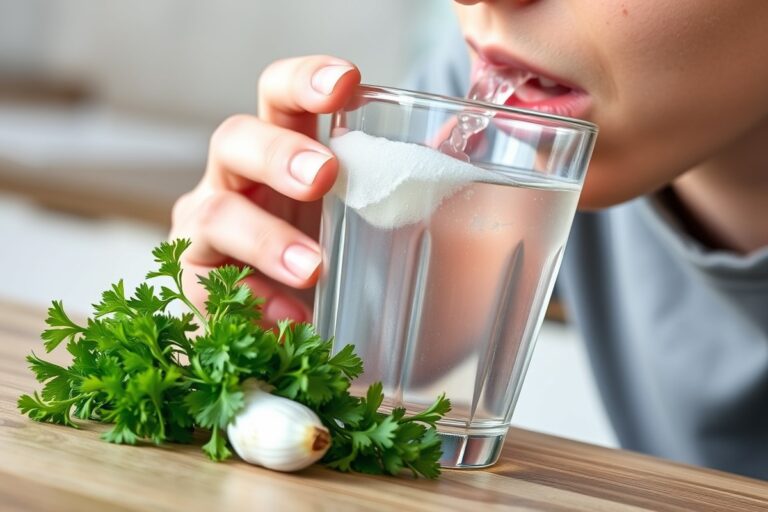
Increasing your fluid intake, aim for at least 8 cups (64 ounces) of water a day, helps flush out bacteria through urine. Urinating frequently, especially immediately after sexual activity, reduces bacterial growth in the bladder. Taking D-mannose supplements may block bacterial attachment to the bladder walls, aiding faster recovery.
Cranberry juice or supplements have some evidence showing they may reduce bacteria sticking to the urinary tract, but their effects are slower and less reliable than antibiotics or D-mannose. These remedies also support long-term urinary health when used daily. Below is a checklist of steps to take when managing a UTI at home:
- Drink at least 8 cups of water daily to flush your urinary system.
- Urinate frequently and avoid holding urine for long periods.
- Take D-mannose supplements according to package instructions to prevent bacteria from sticking to the bladder.
- Use a heating pad on your lower abdomen to ease discomfort if needed.
- Avoid caffeine, alcohol, and spicy foods, as they can irritate your bladder.
- Wear loose, breathable clothing and cotton underwear to reduce moisture and bacterial growth.
- Consult your healthcare provider if symptoms worsen or persist beyond 48 hours.
When to Avoid Self-Treatment
Self-treating a UTI without antibiotics is not recommended for everyone. In some cases, home remedies and watchful waiting may be insufficient, especially if symptoms are severe, persistent, or affect high-risk groups. Men and post-menopausal women often need professional evaluation because UTIs can be complicated in these populations.
If you experience fever, chills, back pain, nausea, vomiting, or blood in your urine, seek medical care promptly. These signs suggest the infection might have spread beyond the bladder, requiring immediate treatment. Also, if you have recurrent UTIs, two or more within six months, or a history of kidney issues, antibiotics and medical supervision are necessary to prevent complications.
2. What Causes a Urinary Tract Infection and Why They Occur

A urinary tract infection (UTI) happens when harmful bacteria enter and multiply within your urinary system. The most common cause is bacteria from the digestive tract reaching the urethra, which then spreads to other parts of the urinary tract. Women are more prone to UTIs largely due to their anatomy and some lifestyle factors that make bacterial transfer easier.
Bacterial Entry Points in the Urinary Tract
The urinary tract includes the kidneys, ureters, bladder, and urethra. UTIs typically begin when bacteria enter through the urethra, the tube that carries urine out of the body. The bacteria often come from the skin surface near the anus or rectum, which is close to the urethral opening, especially in women. Once bacteria reach the urethra, they can multiply and move upward into the bladder, causing cystitis, or even further to the kidneys, leading to a more serious infection.
Intercourse can push bacteria into the urethra, which is why many UTIs develop within a day or two after sexual activity. Any blockages or incomplete emptying of the bladder can also trap bacteria and create an environment where they thrive, encouraging infection.
Common Risk Factors Increasing UTI Chances
Several risk factors increase your likelihood of getting a UTI. Using certain types of birth control, like spermicides or diaphragms, can irritate the urethra and increase bacterial growth. Holding in urine for long periods or not fully emptying the bladder lets bacteria multiply inside the urinary tract.
Other factors include menopause, which decreases estrogen levels and affects the natural balance of bacteria in the vagina and urethra. Certain medical procedures involving the urinary tract can also introduce bacteria. A history of recurrent UTIs significantly raises your risk; about 27% of women who had one UTI developed another within six months.
How Anatomy Influences Infection Likelihood
Women are more prone to UTIs because their urethra is shorter, about 1.5 inches compared to around 8 inches in men. This shorter distance allows bacteria quicker access to the bladder. The urethral opening is also located closer to the anus, the main source of bacteria like Escherichia coli (E. Coli) that cause most UTIs.
In men, the longer urethra and the antibacterial properties of the prostate fluid reduce infection chances. However, about 12% of men will develop a UTI at some point, often related to prostate issues or urinary tract blockages.
Role of Immune System in UTI Development
Your immune system helps to fight off harmful bacteria and prevent infections. However, if bacteria overwhelm your defenses or your immune system is weakened by illness, stress, or certain medications, you’ll be more likely to develop a UTI. Even normal flora bacteria can cause infections if they get into parts of the urinary tract where they don’t belong.
Good hydration and regular urination help flush out bacteria before they can take hold. Some people also use probiotics to help maintain a healthy bacterial balance, which may aid in UTI prevention. Still, once an infection sets in, your immune system alone often can’t clear it without medical treatment.
Always wipe from front to back after urinating to lower the risk of transferring bacteria from the anus to the urethra.
3. Recognizing UTI Symptoms Early and Accurately
Recognizing a urinary tract infection early depends on knowing the common symptoms and some less obvious signs across different groups. Most people notice an urgent need to urinate often, plus a burning or painful feeling while urinating. Urine may look cloudy, dark, or have a strong, foul smell. Women can experience pelvic pain or pressure just above the pubic bone.
Changes in urine color or smell do not always mean a UTI. These changes can also result from dehydration, certain foods like asparagus, or new medications. If you do not have the typical UTI symptoms such as burning or urgency, watch your symptoms for 24 to 48 hours before seeking care. Persistent or worsening signs need evaluation.
- Strong, frequent urge to urinate but passing only small amounts
- Burning sensation during urination
- Cloudy, dark, or strong-smelling urine
- Pelvic pain or pressure in women
- Fever or chills, which could mean infection spread
- Older adults may show confusion or unsteadiness rather than urinary symptoms
- Children might have irritability, fever, or incontinence
Symptoms vary by age and gender. Men generally have fewer UTIs but should see a healthcare provider immediately if symptoms appear, since UTIs in men may involve deeper parts of the urinary system. Children often show fever, fussiness, or bedwetting, which differs from adult symptoms. Older adults might not have the usual burning or urgency; instead, sudden confusion, agitation, or loss of balance can be signs. Pregnant women and people with diabetes or catheters require prompt medical attention at the first sign of symptoms to avoid complications.
Early recognition allows you to get treatment sooner, reducing discomfort and preventing the infection from spreading. Keep an eye on symptom changes, and seek care if you notice burning, frequency, fever, or any unusual signs lasting more than one to two days. Prompt treatment is especially important for men, children, older adults, and pregnant individuals because their symptoms can progress quickly.
4. Evaluation Chart: When to Treat at Home, See a Pharmacist, Doctor, or Emergency
Deciding when to treat a UTI at home, see a pharmacist, visit a doctor, or seek emergency care depends on the severity and duration of your symptoms. Mild symptoms may respond well to home remedies. However, timely professional advice is important since untreated UTIs can worsen or spread to the kidneys. Pay attention to how quickly symptoms develop and change. Use the following checklist and decision rule to guide your next step:
| Situation | Recommended Action | Timeframe or Key Signs |
|---|---|---|
| Mild UTI symptoms (burning, urgency, mild discomfort) | Start home remedies (hydration, rest, over-the-counter pain relief) | Observe for up to 48 hours |
| Symptoms persist or worsen after 48 hours | See a pharmacist for evaluation and possible antibiotic treatment | Within 2 days if no improvement |
| Severe or recurrent symptoms, fever, chills, back pain | Visit a doctor for urine tests and prescription antibiotics | Immediately if symptoms worsen or new severe symptoms appear |
| Symptoms including nausea, vomiting, confusion, weakness, or dehydration signs | Seek emergency or urgent care immediately | Do not delay; these may indicate kidney infection or sepsis |
| Home remedies used alongside worsening symptoms or uncertainty | Contact healthcare provider to evaluate and plan treatment | As symptoms evolve |
Home remedies can help manage early or mild UTI symptoms by flushing bacteria and reducing irritation, but they do not treat the infection directly. If symptoms do not improve or get worse within 48 hours, consult a pharmacist who can provide quick antibiotic treatment similar to a general practitioner. This option is often faster and affordable, even without insurance.
Always seek doctor’s advice if the infection persists beyond a few days or if you experience severe symptoms like fever or flank pain. These signs may indicate the infection has spread to your kidneys, requiring longer antibiotic courses (typically 5 to 7 days). Ignoring serious symptoms can lead to complications requiring urgent care. When in doubt, choosing professional medical care protects your health.
5. Comparing Popular Home Remedies for UTIs: What Works Best?
Several popular home remedies are often used to manage or prevent urinary tract infections (UTIs), but their effectiveness varies considerably. Drinking plenty of water consistently helps flush bacteria from the urinary tract, which can support faster recovery but does not cure the infection by itself. Cranberry products, such as unsweetened juice or supplements, are widely believed to help prevent UTIs by stopping bacteria from sticking to the bladder walls. However, evidence for cranberry’s ability to treat active infections is weak and inconclusive. Vitamin C is another common suggestion, thought to acidify urine and hinder bacterial growth; yet, scientific support for this claim is limited. Natural antibiotics like garlic show promise in isolated cases, but strong research backing their use for UTIs is lacking. Probiotics may help maintain urinary tract health and prevent infection recurrence, but they should not replace medical treatment for an active UTI.
| Home Remedy | What It Is | Evidence for Effectiveness | Speed of Recovery | Safety Considerations |
|---|---|---|---|---|
| Water | Increased fluid intake to flush bacteria | Strong support for aiding recovery by flushing bacteria | Helps speed recovery but not a cure | Safe and recommended |
| Cranberry Juice or Supplements | Products containing cranberry proanthocyanidins | Some evidence to prevent bacteria adherence; limited for treatment | May help prevent but does not speed recovery of infection | Generally safe but choose unsweetened; supplements vary in quality |
| Vitamin C | Vitamin to acidify urine | Lack of strong evidence supporting UTI treatment or prevention | No significant effect on recovery time | Safe in moderate doses; excess can cause stomach upset |
| Garlic | Natural antibiotic compound allicin | Some case reports suggest benefit; no strong research evidence | Unclear effect on speed of recovery | Safe for most but can cause digestive discomfort |
| Probiotics | Live beneficial bacteria supplements | May help prevent UTI recurrence; no evidence for curing active UTI | No proven role in speeding acute recovery | Generally safe; choose strains with clinical support |
Using these remedies properly means understanding their role mostly in prevention or supporting recovery, not replacing antibiotics when a UTI is confirmed. Cranberry juice or supplements can be taken daily in unsweetened form to potentially reduce UTI risk. Drinking at least 8 to 10 cups of water daily helps flush your bladder but won’t eliminate an infection on its own. Vitamin C can be included in your diet without harm but won’t cure a UTI. Garlic may be taken as part of a balanced diet but shouldn’t replace prescribed treatment. Probiotics aimed at urinary health may reduce future infections but won’t speed up current symptoms.
Do not rely on home remedies alone if your symptoms worsen or persist beyond 48 hours; seek medical advice promptly.
6. How to Prevent UTIs and Avoid Recurrence over Time
Preventing urinary tract infections involves a mix of good hygiene, lifestyle habits, and tailored actions based on your personal risk factors. Staying well hydrated is one of the simplest and most effective steps. Drinking plenty of water helps flush bacteria from the bladder before they can cause infection. For women, this can mean upping your fluid intake by about 1.5 liters per day more than usual to reduce the risk of recurrent UTIs by half, as seen in some studies.
Sexual activity raises the risk of UTIs because it can introduce bacteria near the urethra. Urinating soon after sex helps clear out bacteria from the urinary tract. Using spermicide or diaphragms can also increase risk by disturbing normal bacteria and irritating tissues. You don’t need to avoid sex during a UTI, but you should practice hygiene measures and consider waiting for symptoms to resolve to avoid worsening the infection or spreading it.
People with frequent UTIs, defined as having two or more infections in six months or three or more in a year, may be offered preventive treatment options. These include daily low-dose antibiotics, taking antibiotics at the onset of UTI symptoms, or a dose after sexual activity to prevent infection. It’s important to discuss these choices with your healthcare provider, especially if you have conditions like menopause, diabetes, or kidney issues that increase risk.
People using urinary catheters must be especially vigilant since catheters give bacteria a direct path to the bladder. Keeping the catheter clean and monitoring for symptoms closely can help reduce infections. Other conditions that interfere with complete bladder emptying, such as an enlarged prostate or nerve problems, require medical advice to manage and reduce UTI risk.
- Drink plenty of water daily, aim for at least 8 glasses to dilute urine and flush bacteria
- Always urinate after sexual intercourse to clear bacteria introduced during sex
- Avoid douching or using sprays in the genital area as they can disrupt normal bacteria and irritate tissue
- Wear breathable cotton underwear and avoid tight clothing to keep the area dry and reduce bacterial growth
- Change menstrual pads or tampons regularly with good hygiene but no increased UTI risk if used properly
- Consider cranberry products or D-mannose supplements cautiously to reduce recurrent infections; evidence shows cranberry reduces recurrence risk by about 25%
- Consult a healthcare provider if UTIs recur frequently or if you have chronic risk factors for customized preventive strategies
Good genital hygiene means wiping from front to back after urinating or a bowel movement to prevent transferring bacteria from the anus to the urethra. Menopause changes vaginal and urethral lining, increasing UTI risk; using vaginal estrogen prescribed by a doctor can help restore protective tissues. Avoiding long delays in urination helps prevent stale urine that bacteria can colonize. With these habits and medical support where needed, you can significantly reduce the chance of future UTIs and avoid complications that arise from untreated or repeated infections.
7. Safe Symptom Relief: Using Water, Heating Pads, and Painkillers
Drinking plenty of water helps support your body’s defense against urinary tract infections by promoting frequent urination, which can flush bacteria from the urinary tract. Aim to drink about 2 to 3 liters (70 to 100 ounces) of fluids daily. This amount encourages flushing without overwhelming your system. However, drinking excessive amounts beyond this may lead to discomfort or frequent bathroom trips without added benefit. Avoid beverages that can irritate your bladder, such as caffeine, alcohol, or acidic drinks, as they can worsen symptoms like burning or urgency.
Using a heating pad or hot water bottle on your lower abdomen can provide meaningful relief from cramping and pelvic pain caused by a UTI. Apply heat for about 15 to 20 minutes at a safe, warm temperature to avoid burns. This method does not treat the infection but eases discomfort until you receive appropriate medical care or your symptoms improve.
Over-the-counter painkillers like ibuprofen or acetaminophen are useful for managing inflammation and pain. These medications can reduce burning during urination and dull aches in the lower abdomen. Follow package instructions carefully or ask a pharmacist to recommend the right dose. Avoid taking painkillers on an empty stomach to prevent irritation, and consult a healthcare provider if you have pre-existing conditions or take other medications.
- Drink 2 to 3 liters (70, 100 oz) of water or non-irritating fluids daily
- Limit caffeine, alcohol, and acidic drinks to avoid bladder irritation
- Apply a warm heating pad to the lower abdomen for 15, 20 minutes as needed
- Use over-the-counter ibuprofen or acetaminophen following label directions
- Do not rely on fluids or heat alone to cure the infection
- Seek medical advice if symptoms worsen or persist beyond a few days
Drinking enough water combined with regular urination helps keep bacteria from settling but cannot clear an established infection by itself. Heating pads and painkillers focus on comfort and symptom relief, making it easier to manage discomfort. These steps should complement, not replace, proper medical evaluation and treatment, especially if pain or urinary symptoms are severe or worsening. Monitoring your symptoms and maintaining hydration plays an important role in supporting recovery and preventing further irritation.
8. Recognizing When UTIs Get Worse or Spread Beyond the Bladder
You can tell your UTI is getting worse or spreading when symptoms change or new, more severe signs appear. Early recognition matters because untreated UTIs may develop into kidney infections or sepsis, which need urgent medical treatment to avoid serious complications. Knowing what to watch for and when to seek care helps prevent lasting damage or hospitalization.
Signs of Kidney Involvement
A UTI spreading to your kidneys usually causes more intense symptoms than a bladder infection. Watch for fever higher than 100.4°F (38°C), chills, or shaking. Pain in your lower back or side, especially under the ribs, can signal a kidney infection. Nausea or vomiting often accompany kidney infections, making drinking fluids and taking medications harder. Blood in the urine or very painful urination might also mean the infection is worsening.
Kidney involvement drastically increases the risk of complications. Prompt medical care within a few days of symptom worsening is needed to avoid progression.
Complications from Untreated UTIs
Ignoring a UTI can cause an ascending infection, where bacteria travel from the bladder to the kidneys. This can lead to pyelonephritis, a serious kidney infection. In some cases, the infection can enter the bloodstream, causing sepsis, a life-threatening condition requiring emergency care. Older adults and individuals with weak immune systems face higher risks of these complications.
Severe infections might require intravenous antibiotics and longer hospital stays. Untreated UTIs can also cause scarring of the kidneys or permanent damage, affecting kidney function over time.
Urgent Symptoms Requiring Emergency Care
Seek emergency care if you experience:
- High fever above 102°F (39°C), shaking chills
- Severe side or lower back pain
- Persistent vomiting preventing fluid intake
- Difficulty breathing or confusion, especially in older adults
- Blood in urine or inability to urinate
- Rapid heartbeat or lightheadedness
These symptoms suggest the infection has spread or caused complications like sepsis. Immediate medical evaluation can prevent life-threatening outcomes.
Do not delay seeking medical care if signs of kidney infection or systemic illness appear, even if you started home treatment for a UTI.
Your Quick-Start Plan to Get Rid of a UTI Safely
Follow these practical steps to manage your urinary tract infection quickly and know when to get medical help. This plan focuses on safe home care, symptom relief, and prevention.
- Day 1: Begin Hydration and Symptom Monitoring, Drink at least 8 glasses of water to flush bacteria. Track symptoms like burning during urination or urgency to see if they improve by Day 2.
- Day 2: Use Safe Symptom Relief, Apply a heating pad to your lower abdomen and take recommended doses of over-the-counter painkillers such as ibuprofen to ease discomfort. Note if pain decreases or urine feels less irritating.
- Day 2 to 3: Try Evidence-Based Home Remedies, Consider cranberry products or D-mannose supplements, as some studies suggest they may help prevent bacteria from sticking to the urinary tract. Watch for symptom improvement by Day 4.
- Day 3: Evaluate Symptoms Against the Chart, If you have fever, severe pain, nausea, or symptoms worsen or don’t improve, seek a doctor immediately. If symptoms are mild and improving, continue home care.
- Day 4 to 5: See a Pharmacist if Symptoms Persist, Pharmacists can assess your symptoms and suggest if you need medical evaluation or prescription antibiotics. Improvement within 48 hours of starting treatment signals effective care.
- Once Treated: Implement Prevention Strategies, Practice good hygiene, urinate after sex, and stay well-hydrated to avoid recurrence. Track your health for any returning symptoms.
Frequently Asked Questions
What Are the 10 Causes of UTI?
UTIs often result from bacteria entering the urinary tract through the urethra. Common causes include poor hygiene, sexual activity, certain birth control methods, catheter use, urinary retention, menopause, pregnancy, kidney stones, diabetes, and a weakened immune system.
Can I Treat Myself for a UTI?
Treating yourself for a UTI is not recommended because prescription antibiotics are usually needed. Over-the-counter pain relief can help symptoms, but seeing a doctor ensures proper diagnosis and fast treatment to prevent complications.
Can I Flush a UTI Out Naturally?
You can’t flush out an established UTI with fluids alone since bacteria cling to the bladder lining. Drinking plenty of water helps prevent infection but won’t reliably cure an existing UTI without proper medication.
Can UTI Go Away on Its Own?
Some mild UTIs may resolve without treatment, but most require antibiotics to clear the bacteria safely. Untreated UTIs risk spreading to the kidneys and causing serious infections, so medical evaluation and treatment are typically best.
How Long Does It Take Antibiotics to Clear a UTI?
Antibiotics usually clear a UTI within 3 to 7 days, depending on the drug and infection severity. Fosfomycin works with a single dose, while others like ciprofloxacin may take several days.
Can Cranberry Juice Help Get Rid of a UTI?
Cranberry juice may prevent bacteria from sticking to the urinary tract but won’t cure an active UTI. It’s best used as a preventive measure, not a treatment for established infections.
The Bottom Line
Getting rid of a UTI quickly requires prompt attention to symptoms and safe treatment, often involving antibiotics when appropriate. Start by drinking plenty of water today to help flush out bacteria and relieve discomfort while you monitor your symptoms closely. If symptoms worsen or don’t improve within a couple of days, contacting a healthcare provider is the next best step to avoid complications.



4 Comments