
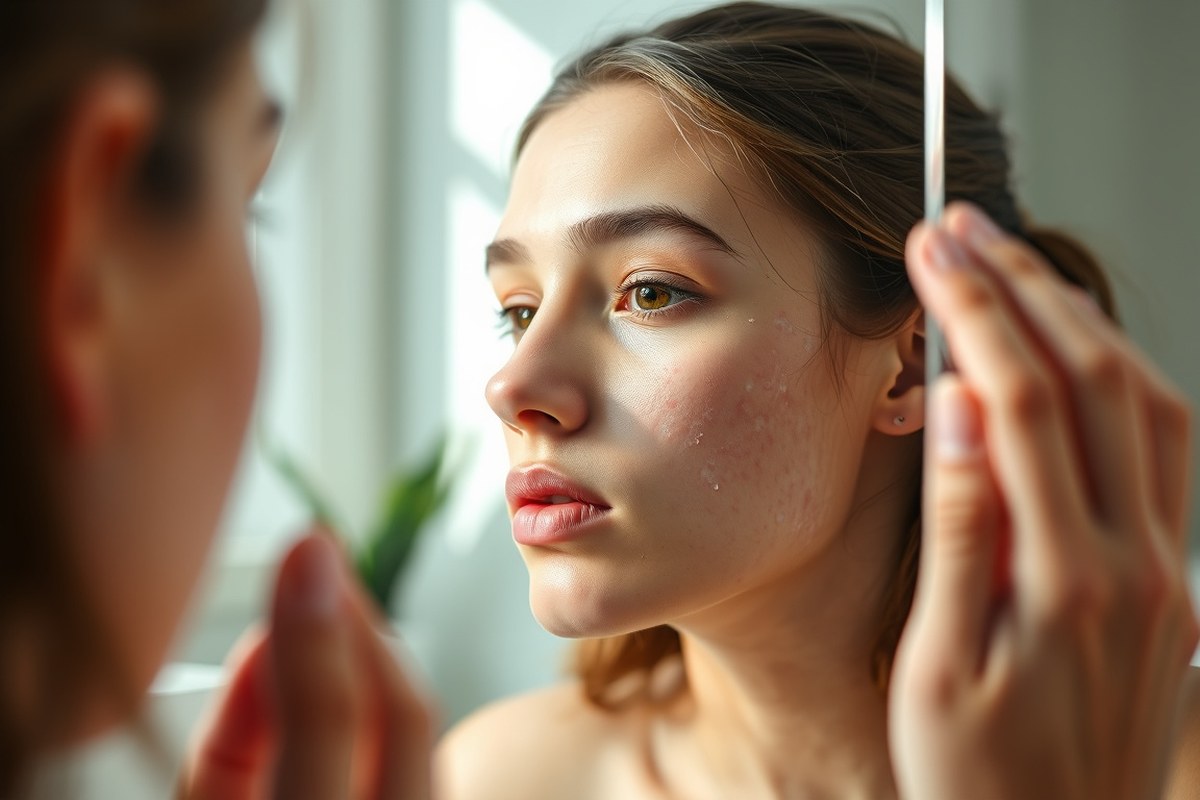
How to Get Rid of Acne Scars: 8 Proven Treatments and Expert Tips
How to get rid of acne scars depends largely on the type and severity of your scars. Effective treatments range from at-home options like topical retinoids to professional procedures such as chemical peels and laser therapy. Achieving noticeable improvement requires patience and selecting the right approach for your specific skin needs.
This article is for anyone struggling with mild to severe acne scars and seeking clear, practical solutions. You’ll learn how to identify scar types, explore both over-the-counter and clinical treatments, understand what to expect from advanced procedures, and discover expert advice on preventing new scars and when to consult a dermatologist.
Key Takeaways
- Identify your acne scar type first to choose the most effective treatment, as different scars respond to different methods.
- Over-the-counter products like Differin 0.1% gel and natural remedies such as aloe vera or honey can help reduce mild acne scars.
- Chemical peels improve skin texture by removing damaged outer layers and are effective for treating shallow acne scars.
- Microneedling can improve atrophic scars by 31, 62% and is often combined with platelet-rich plasma injections for better results.
- Laser treatments like CO2 resurfacing are effective but carry risks and require careful evaluation by a dermatologist.
- Dermal fillers temporarily fill deep acne scars, typically lasting 3 to 4 months before requiring additional treatment.
1. What Are Acne Scars and How Do They Form?

Acne scars form when the skin’s deeper layer, called the dermis, sustains damage during the healing process of acne lesions. This damage affects collagen production, essential for smooth and healthy skin. When the body produces too little or too much collagen while healing, scars develop. These marks vary based on how the skin repaired itself and what type of acne caused the injury.
The causes behind acne scars begin with the severity and type of acne. Severe inflammation, cysts, and nodules that deeply penetrate the skin are more likely to leave scars. Squeezing or picking at pimples can also increase the risk by further traumatizing the skin. The depth and duration of the inflammation largely determine whether and what kind of scar forms.
Acne scars fall into four main types, each with distinct features and treatment needs. Atrophic scars look like indentations or depressions in the skin, often called “icepick,” “boxcar,” or “rolling” scars. Icepick scars are narrow and deep, boxcar scars have sharp edges and a wider base, while rolling scars appear as wave-like depressions due to fibrous bands under the skin. These scars result from collagen loss during healing.
Raised scars show up as thickened skin patches that stand out from the surrounding tissue. Hypertrophic scars remain confined within the injury’s original borders and feel firm to the touch, whereas keloid scars grow beyond the edges of the initial wound and often become thicker, sometimes causing itchiness or pain. These raised scars form because the body generates an excess of collagen during the healing phase.
Dark spots, or post-inflammatory hyperpigmentation, differ from true scars since they do not involve texture changes. They remain because excess melanin pigment forms after inflammation, leaving temporary discoloration. While dark spots can fade with time and treatments like topical dark spot removers or chemical exfoliants, real acne scars require targeted approaches.
Understanding your scar type is key to choosing the right treatment. For example, atrophic scars are difficult to eliminate with only at-home remedies and usually benefit from professional options like laser resurfacing or microneedling. Raised scars may improve with corticosteroid injections or silicone sheets. Dark spots respond well to topical agents and superficial chemical peels.
The decision rule for treating acne scars starts with identifying if your marks are textural scars or pigmentation issues. If you notice indentations or raised bumps, professional evaluation can help select procedures such as subcision, microneedling with radiofrequency, or laser treatments. For dark spots alone, OTC lightening creams with ingredients like hydroquinone or vitamin C can be effective but might require several weeks to months of consistent use.
Typical costs vary widely: professional laser treatments or microneedling sessions often range from $200 to $700 per visit depending on your location and scar severity. At-home options generally cost under $50 but have milder effects. Realistic results involve gradual improvement, often requiring multiple treatment sessions over months to see visible changes. Scars caused by deep acne lesions may never fully disappear but can become much less noticeable with proper care.
2. How to Identify Your Acne Scar Type for Best Treatment
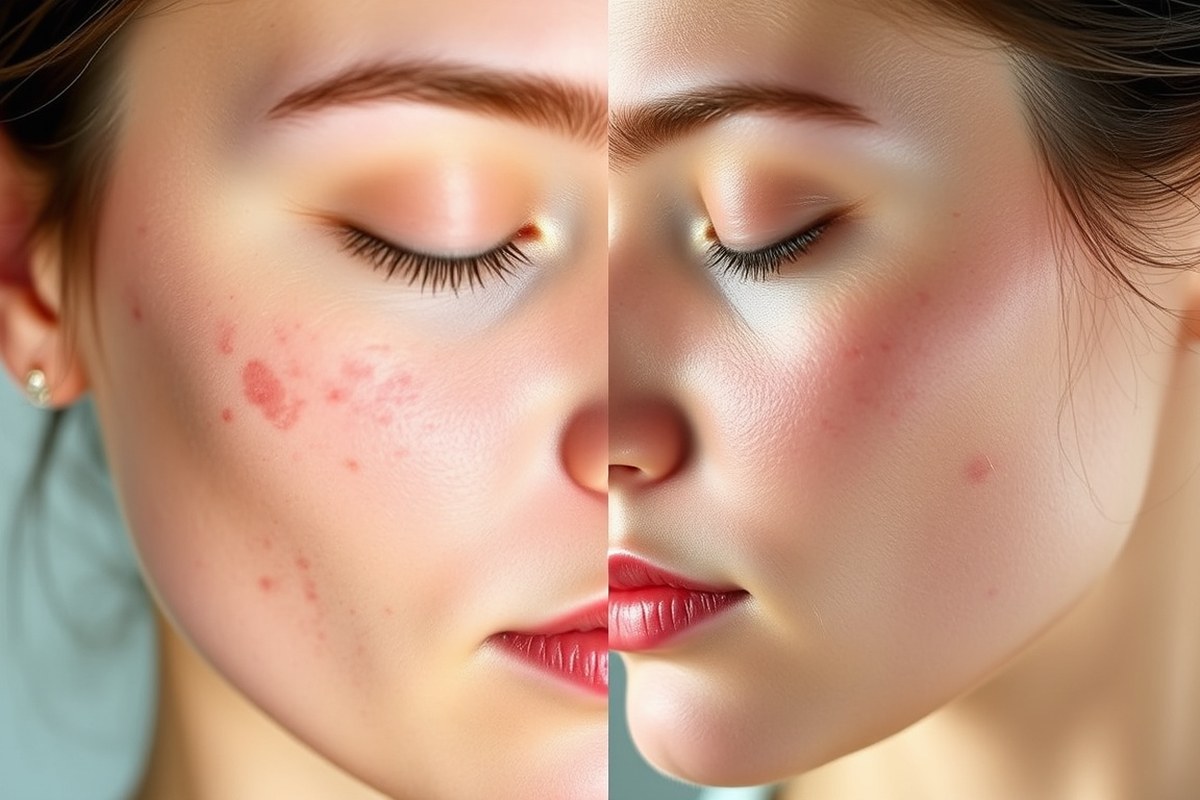
Different acne scar types respond better to specific treatments, so identifying your scar type is essential for effective care. Atrophic scars come from collagen loss, hypertrophic and keloid scars result from excess tissue, and hyperpigmentation involves color changes without texture issues. Knowing which type you have directs you to the right treatment approach, from topical creams to professional procedures like lasers or injections.
Recognizing Atrophic Scars
Atrophic scars are sunken or pitted marks that form when the skin loses collagen during acne healing. These scars often appear as small indentations or depressions, sometimes resembling ice pick, boxcar, or rolling scars. They are the most common type and usually respond well to treatments that boost collagen production, such as retinoids, peptides, or chemical exfoliants like glycolic acid.
To identify atrophic scars, examine your skin in natural light and feel for unevenness or dips on the surface. If your scars vary in depth and look like small valleys, atrophic scarring is likely. Treatments that promote skin resurfacing or collagen stimulation tend to improve these scars gradually over months.
Features of Raised Scars: Hypertrophic and Keloids
Hypertrophic scars look like raised, thickened skin in the area where acne lesions healed, caused by excess collagen production during healing. Keloids are similar but extend beyond the original wound boundary and can grow larger over time. These scars often feel firm and may be sensitive or itchy.
Distinguishing between hypertrophic and keloid scars can be done by noting the scar size and spread. Keloids go beyond the original acne site, while hypertrophic scars remain within it. Dermatologists often recommend combination treatments for these scars, such as laser therapy paired with corticosteroid injections applied into the scar tissue, to reduce thickness effectively.
Do not try to treat keloid or hypertrophic scars with over-the-counter products alone; they usually require professional evaluation for safe and effective results.
Understanding Post-Inflammatory Hyperpigmentation
Post-inflammatory hyperpigmentation (PIH) is a flat discoloration that remains after acne heals, ranging in color from pink to dark brown depending on your skin tone. It is a result of skin inflammation triggering extra melanin production, not actual scarring or textural changes. This means PIH can fade naturally over several months or be improved with topical treatments like vitamin C, azelaic acid, or mild chemical exfoliants.
Because PIH is a pigmentation issue rather than a structural scar, aggressive scar treatments like lasers or fillers may be unnecessary and costly. Instead, consistent use of sunscreen and topical antioxidants can speed up fading. Knowing you have PIH rather than a true scar can prevent you from using ineffective or overly invasive treatments.
3. Over-the-Counter and At-Home Treatments That Help Acne Scars
Over-the-counter products can help reduce the appearance of acne scars, especially mild ones, making your skin look smoother over time. Topical retinoids encourage cell turnover and collagen production, which improves skin texture and fades discoloration. Products with glycolic acid or salicylic acid work by exfoliating the skin’s surface, removing dead skin cells and encouraging new growth. Niacinamide also reduces inflammation and evens skin tone, providing a gentle but effective approach.
Using these products correctly is key. Start with a retinoid cream or gel once nightly, applying a pea-sized amount to clean, dry skin. Glycolic or salicylic acid treatments often come in concentrations between 5-10% and can be used every other night, depending on your skin’s tolerance. Niacinamide serums are typically safe for daily use. These treatments usually cost between $15 and $40 for a month’s supply, available at drugstores or online. Expect to see noticeable improvements after 8 to 12 weeks of consistent use, though results vary.
Natural remedies may offer some help reducing scars but tend to have limited and slower effects. Lemon juice, diluted half and half with water, can lighten pigmentation but must be applied carefully to avoid irritation. Apple cider vinegar diluted to 50% strength and used with a cotton ball daily might kill bacteria and fade scars but carries a risk of skin sensitivity. Applying ice can soothe inflamed areas, reduce redness, and improve the skin’s appearance temporarily.
Always patch-test any product or home remedy to avoid excessive irritation or allergic reactions. Avoid overuse of acids or retinoids, as they can cause dryness or peeling if applied too often. For deep or stubborn scars, these treatments might not yield significant improvement without professional care.
- Use a gentle cleanser before applying any treatment to prepare your skin.
- Apply retinoids once per night, starting slowly to build tolerance.
- Use glycolic or salicylic acid products every other night, monitoring skin response.
- Incorporate niacinamide daily for calming inflammation and tone improvement.
- Dilute lemon juice or apple cider vinegar before applying only on scars. Avoid surrounding skin.
- Use ice on inflamed scars to reduce redness as needed, limiting to a few minutes at a time.
- Wear sunscreen daily to prevent darkening of scars and protect sensitive skin during treatment.
Natural treatments can be a low-cost option starting around $5 for household items but expect gradual and limited results. OTC acids and retinoids offer a more reliable path with clearer instructions and measurable progress but should be paused if irritation occurs. Work with a dermatologist if you experience persistent redness or if you’re dealing with severe scarring that doesn’t improve after several months of at-home care.
4. Chemical Peels and Their Role in Acne Scar Reduction
Chemical peels help get rid of acne scars by removing the damaged outer skin layers, which encourages your skin to repair itself with fresh, new cells. Different strengths of peels target varying depths of scars, making the right peel choice important for effective results. Side effects range from mild redness to blistering, depending on the peel’s intensity and your skin type.
Types of Chemical Peels
Chemical peels come in three main categories: superficial, medium, and deep, each designed to reach different skin depths. Superficial peels use mild acids like alpha-hydroxy acid to remove only the outermost layer. They can reduce minor discoloration and surface-level scars with minimal downtime, causing mild redness similar to a sunburn that lasts 3 to 7 days. Medium peels penetrate deeper into the skin to treat more significant scarring and discoloration. They often use trichloroacetic acid (TCA) to reach the middle skin layers, resulting in swelling and blistering that crust and peel over 7 to 14 days. Deep peels, the strongest option, remove skin down to the deeper dermis. These are reserved for severe scars and require professional supervision because of longer recovery times and risks of complications. Your dermatologist can recommend the peel type best suited to your scar severity, skin tone, and sensitivity.
Preparing for a Chemical Peel
Before a chemical peel, your dermatologist will assess your skin and may suggest a skin prep routine. This often involves using gentle cleansers, moisturizers, and sometimes topical agents like retinoids or hydroquinone for a couple of weeks to make your skin more receptive to the peel. Avoid sun exposure and any irritants like harsh scrubs or waxing at least one week before treatment. On the day of the peel, your skin will be cleaned thoroughly, and the chemical solution will be carefully applied. Superficial peels happen quickly, often lasting minutes, while deeper peels may require more precise application and monitoring to control the depth and avoid damage to surrounding skin.
Aftercare and Side Effects
After a superficial peel, expect mild redness and peeling that resembles a sunburn. Keeping your skin moisturized and protecting it from the sun with a broad-spectrum SPF 30 or higher is essential. For medium and deep peels, swelling, blistering, and crusting are normal responses. Avoid picking at peeling skin to prevent infections and worsen scarring. Use gentle cleansers and apply ointments as your dermatologist directs until your skin fully heals, which can take up to two weeks or longer with deeper peels. Some risk of pigmentation changes exists, especially if you have darker skin tones, so discuss this with your dermatologist. Proper aftercare helps you achieve smoother skin and fewer visible scars, but poor care or choosing the wrong peel type can cause irritation or uneven results.
5. Laser Treatments, Microneedling, and Fillers: What to Expect
Laser treatments, microneedling, and dermal fillers offer different approaches and effectiveness levels for reducing acne scars. Ablative CO2 laser resurfacing is one of the most common and effective options, working by removing layers of skin to stimulate collagen production and promote new skin growth. Fractional lasers target only a fraction of the skin at a time, reducing recovery time but also extending the course of treatment. Pico lasers use very short pulses to break down pigmentation and promote collagen without the heat damage of ablative lasers, but they are generally less effective on deep scars. Microneedling, especially fractional microneedle radiofrequency, creates tiny controlled injuries to the skin, triggering collagen remodeling and healing that improves depressed scars over multiple sessions. Dermal fillers fill in indented scars temporarily by injecting substances like hyaluronic acid underneath the skin, offering immediate but not permanent results.
| Treatment | How It Works | Pros | Cons | Cost Range | Typical Timeline |
|---|---|---|---|---|---|
| CO2 Ablative Laser | Removes surface skin layers, stimulates collagen | Highly effective on deep scars, permanent | Long recovery (1, 2 weeks), risk of hyperpigmentation | $1,200-$3,000 per session | 1, 3 sessions, spaced 4, 6 weeks apart |
| Fractional Laser | Treats fractions of skin, stimulates collagen | Less downtime than ablative, good for moderate scars | May require multiple treatments, less impact on deep scars | $900-$2,500 per session | 4, 6 sessions, 3, 4 weeks apart |
| Pico Laser | Short pulses break pigment and stimulate collagen | Minimal downtime, good for pigmentation | Less effective on deep scars, multiple sessions needed | $500-$1,500 per session | 4, 8 sessions, 2, 4 weeks apart |
| Microneedling (Fractional RF) | Tiny needle injuries stimulate collagen remodeling | Effective non-surgical option for depressed scars | Requires 4, 6 sessions, mild redness after treatment | $200-$700 per session | 4, 6 sessions, 3, 4 weeks apart |
| Dermal Fillers | Injects hyaluronic acid to plump scars and stimulate collagen | Immediate improvement, minimally invasive | Temporary (6, 18 months), may require repeat treatments | $600-$1,200 per syringe | Single session with touch-ups as needed |
Each treatment carries risks and benefits relevant to your scar type, skin tone, and downtime tolerance. CO2 laser resurfacing offers longer-lasting results but involves more discomfort and recovery time. Fractional lasers and microneedling provide a balance between effectiveness and downtime with multiple sessions required. Dermal fillers can quickly improve deep, indented scars but do not permanently erase them. Cost varies based on location, practitioner, and number of sessions needed, so budget accordingly.
Tip: Consult a board-certified dermatologist to choose the safest and most effective treatment for your specific acne scars and skin type.
6. How Long Does It Take for Acne Scar Treatments to Show Results?
Acne scars typically do not fade overnight. Natural improvement occurs slowly as new collagen forms beneath the skin, often taking several months to see noticeable change. Mild scars may begin to lighten within three to six months, but deeper scars can take longer or may not fully disappear without treatment. Patience is key when managing expectations.
Different treatments vary in how quickly they show results. Over-the-counter creams containing peptides and ceramides could help newer scars start improving within 60 to 90 days by supporting skin healing and reducing inflammation. In contrast, procedures like chemical peels, microneedling, or laser treatments often require multiple sessions, spaced weeks apart, with optimal results appearing only after two to three months. Fillers provide immediate volume improvement but do not erase scars permanently and usually require repeat visits every six to twelve months.
Several factors influence how fast acne scars improve. The type and severity of the scar matter: ice pick or deep boxcar scars take longer to respond, while shallow, rolling scars fade quicker. Skin type and age also affect healing speed, as younger skin tends to regenerate more efficiently. Following proper skincare routines and avoiding new breakouts support better outcomes. Starting scar treatment too soon after stopping acne medications like isotretinoin might cause complications, so consulting a dermatologist on timing is important.
Managing expectations helps avoid frustration. Realistic timelines mean committing to consistent care over months and attending all recommended treatment sessions. Some treatments cost between $200 and $500 per session depending on the procedure and location, which can add up if multiple sessions are needed. Side effects like redness or peeling are common in professional procedures and typically resolve within a week, but these temporary setbacks should be factored into decision-making.
To track progress, keep a photo diary to compare your skin every four to six weeks. Note any improvements or irritation to share with your skincare provider. Adjusting treatments based on response ensures your plan stays effective. Remember, some scars may improve enough to be less noticeable rather than disappearing completely, making ongoing skincare and sun protection essential parts of maintenance.
7. Preventing New Acne Scars and Protecting Your Skin
Preventing new acne scars starts with managing acne effectively to reduce inflammation and skin damage. Consistent use of topical acne treatments prescribed by a healthcare provider can control breakouts and lower the risk of scarring. Acne scars form primarily when inflammation from breakouts penetrates deep layers of skin, so preventing new breakouts is key to avoiding fresh scars.
Protecting your skin from the sun is essential to prevent current acne scars from darkening and becoming more visible. Ultraviolet light activates cells that produce pigment, which can deepen scarring by increasing discoloration. Choose a broad-spectrum sunscreen with a high SPF, like Eucerin Oil Control Sun Gel-Cream Dry Touch SPF50+, which is designed for oily and acne-prone skin. Apply it daily, ideally 15 minutes before going outside, and reapply every two hours when spending time in direct sunlight.
Beyond skincare, lifestyle habits play a role in both preventing and helping scars heal. Diet with balanced nutrients supports skin repair, and maintaining good hygiene prevents clogged pores. Stress can worsen acne by increasing inflammation, so managing stress with exercise, adequate sleep, and relaxation techniques benefits skin health. Avoid sunbeds, which cause similar UV damage to natural sunlight and may worsen scars.
- Use effective acne treatments daily to prevent breakouts
- Apply broad-spectrum SPF50+ sunscreen every morning and reapply every two hours outdoors
- Incorporate a gentle cleansing routine twice daily to maintain skin hygiene
- Limit sun exposure from 10 a.m. To 4 p.m., when UV rays are strongest
- Include anti-inflammatory ingredients like sandalwood or pink clay masks 1-2 times per week
- Keep stress in check through physical activity and rest
- Eat a balanced diet rich in antioxidants and avoid high-glycemic foods linked to acne flare-ups
Consistent care helps prevent new scars and aids the healing of existing marks. After acne treatment, maintaining skin moisture and avoiding harsh scrubbing or picking reduces the chance of further injury. Products like coconut oil can moisturize but may not actively promote scar healing as well as ingredients targeting inflammation and pigment control. If scars persist or worsen, professional consultation offers customized treatment options.
8. When to See a Dermatologist and How to Combine Treatments Safely
You should see a dermatologist when your acne scars are deep, persistent, or causing emotional distress, and at-home methods haven’t improved their appearance after several months. Professional treatments often involve medical procedures that can accelerate healing and provide results that over-the-counter options can’t achieve safely. Combining treatments should be guided by a specialist to prevent skin damage and ensure steady progress.
Signs You Need Professional Help
One sign you need a dermatologist is when your acne scars are severe, such as deep pitted scars or thick, raised scars that don’t improve with home remedies after three to six months. If your scars cause pain, itching, or frequent irritation, professional evaluation is necessary. Another reason to seek help is when scars affect your confidence or quality of life, which justifies exploring advanced treatment options. Dermatologists can assess if scars are mixed types, such as a combination of ice pick, boxcar, or hypertrophic scars, and tailor your treatment plan accordingly. Persistent hyperpigmentation that lasts several months despite sunscreen and topical agents also signals the need for medical treatments.
Professional dermatologic procedures include laser resurfacing, microneedling, chemical peels, steroid injections for raised scars, and, in rare cases, surgical removal. These treatments usually come with guided aftercare, making them safer and often more effective than self-treatment. Costs vary widely, from a few hundred dollars per session for laser treatments to more for surgery, depending on severity and location. Consultation visits typically run from $100 to $300, not including treatment.
Common Mistakes to Avoid
Using multiple aggressive treatments at once without professional advice can worsen scarring or irritate your skin. For example, combining strong chemical peels, retinoids, and laser therapy too soon can cause redness, peeling, or hyperpigmentation, especially if you have darker skin tones. Applying treatments too frequently or not allowing proper healing time between sessions reduces their effectiveness and raises the risk of complications.
Avoid expecting instant results; most treatments take several weeks to show noticeable improvements. Overuse of scrubs or aggressive at-home devices can trigger inflammation and slow down healing. Also, skipping sun protection during treatment periods greatly increases the risk of darkening scars or permanent discoloration. Another mistake is neglecting ongoing maintenance after professional treatments, which can lead to fading of results over time.
Never combine aggressive procedures like laser resurfacing and deep chemical peels without your dermatologist’s explicit guidance to avoid serious skin damage.
Safe Treatment Combinations and Maintenance
Combining treatments can work well under professional supervision to target different scar types and layers of skin. For instance, a dermatologist might alternate microneedling sessions with mild chemical peels spaced several weeks apart. Steroid injections can safely be added to reduce raised scars without affecting other treatment areas. Using topical retinoids or vitamin C serums between professional sessions can support skin regeneration while maintaining minimal irritation.
A practical approach is to follow a dermatologist’s schedule, typically spacing treatments by four to six weeks, allowing skin to heal. During this period, strict sun protection with broad-spectrum SPF 30 or higher is essential. You should also maintain gentle skin care routines and avoid picking or squeezing acne lesions to prevent new scarring. The dermatologist will create a tailored maintenance plan based on your skin’s response, often gradually reducing treatment frequency once results stabilize.
For stubborn scars, surgical options might be considered after less invasive treatments fail. This requires careful evaluation of risks and benefits and should be performed by an experienced specialist. Maintenance includes using prescribed topical agents and monitoring skin health to prevent recurrence of scarring.
Step-by-Step Action Plan to Start Reducing Acne Scars
Follow this plan to identify your scar type, choose the right treatments, and protect your skin while tracking progress. Adjust steps based on your results and when professional care is needed.
- Before you start: Examine your scars closely to determine if they are ice pick, boxcar, rolling, or hypertrophic. This helps select effective treatments. Use a mirror and good lighting; if uncertain, note this to discuss with a dermatologist.
- Day 1: Begin a daily skincare routine with over-the-counter products containing ingredients like retinoids or silicone gels suited to your scar type. Look for gentle usage instructions and start slowly to avoid irritation.
- Week 2: Assess your skin’s response to the routine. If irritation or no improvement occurs, adjust product amount or frequency. Positive signs include smoother texture or reduced redness.
- Weeks 3, 4: Incorporate sun protection daily using broad-spectrum SPF 30 or higher to prevent darkening of scars. Check for consistent application and absence of new pigmentation spots.
- Month 2: Schedule a consultation with a dermatologist if scars persist or are severe. Discuss options like chemical peels, laser treatments, microneedling, or fillers based on scar type and skin sensitivity.
- After professional treatment: Follow post-care instructions meticulously, such as avoiding sun exposure and applying recommended moisturizers. Notice improvements like faded scars or improved skin texture over the following 4, 6 weeks.
- Ongoing: Continue preventive care by avoiding picking acne, maintaining hydration, and regular sunscreen use. Monitor for new scars and revisit your dermatologist annually or as needed to adjust treatment.
Frequently Asked Questions
Can I Completely Get Rid of Acne Scars at Home?
Most acne scars, especially indented ones, are difficult to remove completely at home. Over-the-counter products may improve appearance but usually can’t eliminate scars permanently, so professional treatments are often needed for significant improvement.
Are Dermal Fillers a Permanent Fix for Acne Scars?
Dermal fillers provide temporary improvement, usually lasting 3 to 4 months, so treatments need repeating for ongoing results. They help raise depressed scars but don’t address underlying skin texture or discoloration.
Does Diet Affect How Acne Scars Heal?
Diet has a limited direct impact on acne scars, though a healthy diet supports overall skin healing. Reducing inflammation through balanced nutrition can assist your skin’s recovery, but it won’t erase scars on its own.
How Does Sun Exposure Affect Acne Scars?
Sun exposure can darken scars and slow healing, making scars more visible. Always use a broad-spectrum sunscreen to protect scarred skin during treatment and prevent discoloration.
Can I Use Retinoids If I Have Sensitive Skin and Scars?
Some topical retinoids help reduce acne scars but may irritate sensitive skin. Start with low concentration and patch test, then gradually increase usage as tolerated to avoid worsening irritation.
Is It Safe to Combine Multiple Acne Scar Treatments?
Combining treatments like chemical peels and laser therapy can improve results but should be done under a dermatologist’s supervision to prevent skin damage or irritation.
Wrapping Up
Getting rid of acne scars requires patience and choosing the right approach for your scar type. Start by examining your skin closely to identify your scar pattern, then consider trying a gentle at-home treatment like silicone gels or retinoid creams to encourage healing. Schedule a consultation with a dermatologist if your scars are deep or persistent to discuss professional options tailored specifically for you.


3 Comments