

How to Get Rid of Acne: A Complete Guide with Fast and Lasting Remedies
To get rid of acne effectively, target the causes like excess oil, clogged pores, and bacteria with appropriate cleansing, topical treatments, and healthy habits. Quick remedies at home can reduce swelling and redness, while longer-term care involves choosing the right over-the-counter or prescription products and adjusting your skincare routine. Managing diet, stress, and lifestyle also plays a key role in preventing new pimples.
This information is for teens, young adults, and anyone struggling with stubborn acne or occasional breakouts. You’ll learn how pimples form, compare common treatments, explore natural remedies, improve daily habits, and recognize when to seek professional help to clear your skin and avoid common treatment mistakes.
Key Takeaways
- Give over-the-counter acne treatments at least 4 weeks to work, then consider adding a second product if no improvement appears.
- Use benzoyl peroxide at 2.5 to 5% strength all over affected areas, avoiding higher doses that can cause irritation.
- Apply ice to reduce redness quickly and use color-correcting makeup for fast pimple concealment within 5 minutes.
- Start a gentle daily skincare routine with products like Differin Adapalene 0.1% gel to keep pores clear and prevent new pimples.
- Avoid common mistakes like overusing strong acne products or picking pimples, which can worsen inflammation and cause scars.
- Seek professional care if cystic acne is painful or unresponsive after several days, or if rapid, guaranteed results are needed before events.
What Causes Acne and How Do Pimples Form?
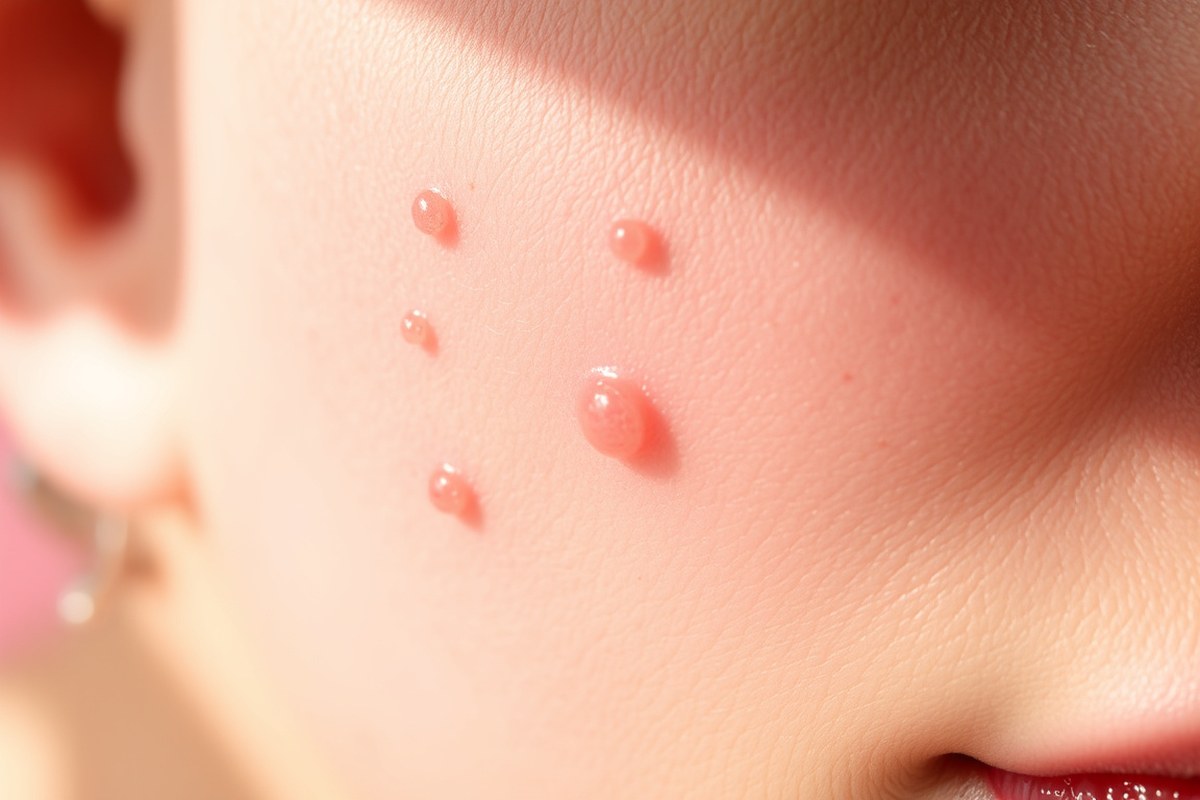
Acne forms when hair follicles on your skin become clogged with oil, dead skin cells, and bacteria. Your skin naturally produces an oily substance called sebum to keep it lubricated, but excess sebum can build up inside the follicles. This creates a plug that traps bacteria, causing inflammation and the formation of pimples.
Different pimples develop depending on how clogged the follicle becomes and the presence of bacteria. Whiteheads occur when the plugged follicle closes at the surface, trapping oil and bacteria inside. Blackheads form when the follicle remains open, and the trapped material oxidizes, turning dark. Papules are small, red, inflamed bumps, while nodules or cysts develop deeper under the skin as larger, painful lumps. These latter types often result from more severe inflammation.
Hormones, especially during puberty or hormonal changes in adulthood, can increase sebum production. Higher sebum levels make clogged pores and pimples more likely. Stress hormones also contribute to increased oil production and inflammation, making breakouts worse. Also, bacteria such as Propionibacterium acnes grow inside clogged follicles, triggering your immune system and causing redness and swelling.
Understanding these causes can help you manage acne by targeting specific factors. For example, using gentle cleansers helps remove excess oil and dead skin cells to prevent clogged pores. Some treatments reduce bacteria or calm inflammation, addressing the root causes of pimples. Avoid popping pimples, as it can push bacteria deeper and cause more inflammation or scarring. If you have large, painful cysts or acne that does not improve with home care after several days, consult a dermatologist for professional advice.
Multiple types of acne lesions often appear simultaneously. Your skin could have blackheads, whiteheads, and inflamed papules all at once. This variety means you might need a combination of treatments to target different aspects of acne formation. Recognizing how hormones, bacteria, and oils interact to cause these lesions helps you choose the right care for your skin and reduce breakouts more effectively.
How to Get Rid of a Pimple Quickly at Home

Though you can’t completely erase a pimple in minutes, you can reduce its redness and swelling quickly to make it far less noticeable. Use a strategic approach over 24 hours, combining ice therapy, targeted spot treatments, and hydrocolloid patches. This method often shrinks pimples by 50-80%, easing pain and speeding healing.
Hydrocolloid patches are particularly effective for pimples with visible white heads, called pustules. They work by drawing out fluid, protecting the spot from bacteria, and speeding skin repair. Apply one after initial swelling calms to accelerate reduction, which often shows clear improvement within 12 to 24 hours.
To visibly reduce redness in about 5 minutes, ice the pimple briefly. Cold slows blood flow, helping calm inflammation. You can also gently dab on a spot treatment with sulfur or tea tree oil, which helps shrink bumps and fades redness without strong irritation.
- Apply ice for 1 to 2 minutes. Wrap ice cubes in a clean cloth and press gently on the pimple to reduce swelling and redness quickly without risking frostbite.
- Cleanse the area with a gentle, non-irritating cleanser. This removes excess oil and bacteria, preparing skin for treatment.
- Use a spot treatment containing sulfur, tea tree oil, or benzoyl peroxide. These ingredients target inflammation and bacteria directly. Apply a thin layer only on the pimple to avoid nearby irritation.
- Cover with a hydrocolloid pimple patch if a whitehead is visible. This creates a moist healing environment, speeds healing, and prevents picking or contamination.
- Repeat spot treatment application every 8 to 12 hours. Keep the area treated consistently to maintain reduction in size and redness over 24 hours.
- Protect irritated skin with a gentle, fragrance-free moisturizer. This helps prevent dryness from treatments like benzoyl peroxide.
- Use color-correcting makeup if needed for quick redness camouflage. Green-tinted primers neutralize red tones temporarily but don’t replace treatment.
This protocol should leave most pimples visibly reduced and less painful within a day. Avoid squeezing or picking, which prolongs healing and risks scarring. If a pimple is extremely inflamed or persistent, a dermatologist’s cortisone injection acts fastest, reducing swelling significantly within 24 to 48 hours.
Applying ice directly for more than 2 minutes can damage skin; always wrap ice in a cloth before use.
Comparing Over-the-Counter Acne Treatments and How to Use Them
Benzoyl peroxide, salicylic acid, and adapalene are the most effective over-the-counter treatments for acne, each with distinct benefits and side effects. Choosing between benzoyl peroxide and salicylic acid depends on your acne type, benzoyl peroxide targets inflammatory pimples, while salicylic acid works best on clogged pores and blackheads. Proper concentration and safe layering of these products can maximize results and minimize irritation.
Benzoyl Peroxide: Benefits and Side Effects
Benzoyl peroxide is a powerful antibacterial agent that fights acne by killing bacteria under the skin and reducing inflammation. It is effective for inflammatory acne such as red pimples and pustules. It comes in creams and gels with strengths of 2.5%, 5%, and 10%. Starting with a lower concentration like 2.5% is advised to reduce irritation without sacrificing effectiveness.
Common side effects include dryness, redness, peeling, and possible bleaching of fabrics or hair. To reduce irritation, apply a pea-sized amount all over affected areas once daily at first, then increase to twice daily if your skin tolerates it. Avoid applying benzoyl peroxide close to sensitive areas like the eyes and lips.
Salicylic Acid: Uses and Limitations
Salicylic acid is a beta hydroxy acid that exfoliates dead skin cells and unclogs pores, making it effective for treating blackheads and whiteheads. Most over-the-counter products contain 2% salicylic acid, a level that balances efficacy and tolerability. It helps reduce inflammation and prevents future breakouts by clearing pores and shedding excess skin.
Salicylic acid is generally gentler than benzoyl peroxide but can still cause dryness or mild irritation, especially in sensitive skin. It’s available in cleansers, toners, and spot treatments, which can be used daily. Because it exfoliates, avoid combining salicylic acid with other strong exfoliants or retinoids without professional guidance.
Adapalene: Best Practices and Application Tips
Adapalene is a topical retinoid available over the counter that regulates skin cell turnover and prevents clogged pores, addressing the root cause of acne formation. It is suited for acne-prone skin and works well for both inflammatory and non-inflammatory acne. Adapalene takes longer to show results, usually 8 to 12 weeks, but is effective for long-term acne management and scar prevention.
Apply a pea-sized amount once daily in the evening after cleansing. Use sunscreen during the day, as adapalene can increase sun sensitivity. Initially, expect mild dryness or redness; these symptoms usually improve after a few weeks. It’s best to avoid combining adapalene with benzoyl peroxide unless directed by a healthcare provider, to minimize irritation.
How to Safely Combine Treatments
Combining acne treatments can improve results but requires care to avoid irritation. Generally, using benzoyl peroxide or salicylic acid in the morning and adapalene at night works well. Start by introducing one product at a time over several days or weeks. For example, use salicylic acid cleanser daily, benzoyl peroxide spot treatment in the morning, and adapalene cream in the evening.
Both benzoyl peroxide and salicylic acid may cause dryness, so using a non-comedogenic moisturizer is important. Avoid layering benzoyl peroxide directly on top of adapalene to reduce skin sensitivity. Always patch test new products to check for adverse reactions before full application.
| Ingredient | Typical Strength | Primary Use | Common Side Effects | Application Advice |
|---|---|---|---|---|
| Benzoyl Peroxide | 2.5% to 10% | Inflammatory acne (red pimples, pustules) | Dryness, peeling, redness, bleaching of fabric | Start with 2.5%, apply pea-sized amount to affected areas once daily |
| Salicylic Acid | 2% | Clogged pores, blackheads, exfoliation | Dryness, mild irritation | Use daily in cleanser or toner; avoid combining with other exfoliants |
| Adapalene | 0.1% (OTC) | Prevents clogged pores, long-term acne management | Dryness, redness, sun sensitivity | Apply at night, use sunscreen daily, avoid combining with benzoyl peroxide initially |
Identifying your acne type will help you pick the right treatment. For inflamed pimples, benzoyl peroxide is a strong choice. For blackheads and clogged pores, salicylic acid helps keep pores clear. Adapalene suits those aiming for long-term improvement. Combining these products safely involves spacing application times and moisturizing regularly to maintain skin barrier health.
Natural and Home Remedies: What Works and What Doesn’t
Some natural treatments and home remedies appear helpful in calming pimples due to their antibacterial and anti-inflammatory effects. Ingredients such as aloe vera, honey, and green tea extract can decrease redness and swelling when applied lightly overnight. These remedies tend to be mild and inexpensive, showing the best results with regular use over several days or weeks. Use unprocessed forms like pure aloe vera gel or organic raw honey to prevent irritation from additives. Testing a small area of skin before full use reduces the risk of allergic reactions.
Natural oils, however, require caution. Oils like coconut or olive oil may clog pores and worsen acne, especially if you have oily or combination skin. Some essential oils offer antibacterial effects, but the Food and Drug Administration (FDA) does not regulate their purity or safety rigorously. Undiluted essential oils can irritate or sensitize the skin, so always dilute them in a carrier oil and test carefully. Using oils only in small amounts and avoiding sensitive areas lowers the risk of harm.
Avoid home treatments that promise quick miracle cures or heavily irritate your skin. Harsh scrubs, lemon juice, baking soda, and toothpaste are common home remedy myths that can damage skin barriers and cause inflammation, leading to more breakouts. Also, avoid picking or popping pimples yourself, as this may cause permanent scarring and spread bacteria. Instead, stick to gentle cleansing, moisturizing, and targeted natural treatments to support your skin’s healing.
For consistent results, combine natural remedies with proper skincare routines. Cleansing twice daily with a mild cleanser helps remove excess oil and dirt. Applying natural treatments like aloe vera overnight can soothe pimples while you sleep. If you want to try supplements, a specific strain of brewer’s yeast called Hansen CBS has some evidence suggesting it may reduce acne when taken orally, but speak with a healthcare provider before adding it to your routine.
Applying home remedies typically costs little, raw honey, aloe vera leaves, or green tea bags range from a few dollars to under $10. Their ease of use makes them accessible without much time investment. However, if your acne does not improve or worsens after several weeks, it’s wise to seek professional advice. Dermatologists can prescribe treatments that penetrate deeper, like topical retinoids or hormonal therapies, while home remedies primarily provide mild relief and support healthy skin.
Daily Habits and Skincare Routine to Prevent Pimples
Preventing pimples requires a consistent daily routine that balances cleansing, moisturizing, sun protection, and proper hygiene. These habits help keep your skin clear by controlling oil, removing dirt, and avoiding irritation.
Cleansing: Frequency and Product Types
Wash your face twice a day with a gentle cleanser designed for acne-prone skin. Use lukewarm water to avoid stripping your skin’s natural oils, which can cause more oil production and irritation. Choose non-comedogenic, fragrance-free cleansers that contain acne-fighting ingredients like salicylic acid or benzoyl peroxide if your skin tolerates them. Avoid harsh scrubs or over-cleansing, which can worsen redness and inflammation. Here’s a checklist for cleansing your face properly:
- Use a gentle, acne-safe cleanser twice daily (morning and night).
- Wash with lukewarm water, not hot or cold.
- Pat your skin dry with a clean towel, do not rub.
- Avoid scrubs that are too rough or abrasive.
- If using acne treatments with salicylic acid or benzoyl peroxide, start every other day to gauge tolerance.
- Remove makeup thoroughly before cleansing to prevent clogged pores.
Adjust cleansing based on skin type; oily skin may need a foaming cleanser, while dry or sensitive skin benefits from a hydrating or cream cleanser.
Moisturizing and Sunscreen Best Practices
Moisturizing is essential even for acne-prone skin to maintain the skin’s barrier and prevent excessive dryness from acne treatments. Use light, oil-free, non-comedogenic moisturizers labeled “won’t clog pores.” Apply moisturizer after cleansing and acne treatments to soothe your skin and reduce irritation.
Sun protection helps prevent acne scars from darkening. Use a broad-spectrum sunscreen with at least SPF 30 daily. Choose oil-free, non-comedogenic formulas made for the face. Apply sunscreen every morning and reapply every two hours when outdoors.
Applying sunscreen protects healing skin and prevents future discoloration and damage that can worsen acne marks.Tips for moisturizing and sun protection include:
- Apply a small amount of moisturizer immediately after cleansing or acne treatment.
- Use lightweight, non-greasy, and fragrance-free moisturizers.
- Choose sunscreens formulated for sensitive or acne-prone skin.
- Apply sunscreen 15 minutes before sun exposure.
- Reapply sunscreen every two hours, especially if sweating or swimming.
Hygiene Tips: Pillowcases, Hair, and Avoiding Touching Face
Keeping items that touch your skin clean reduces bacteria and oil that can clog pores. Change pillowcases at least twice a week and wash hats and scarves regularly. Avoid resting your hands or phone against your face, as these surfaces carry oils and germs that can cause breakouts.
Wash hair regularly and keep it off your face to prevent oil and hair products from triggering forehead acne. Avoid using heavy hair products near your hairline or forehead, as they can clog pores.
Consistent hygiene with fabrics and minimizing face contact can significantly reduce pimples and irritation.Practical hygiene habits include:
- Washing pillowcases and bedsheets twice a week.
- Keeping hair clean and pulled back from the face.
- Using non-comedogenic hair products and avoiding heavy sprays near your face.
- Avoiding touching your face with unwashed hands.
- Cleaning your phone screen before calls or texting.
Makeup Choices for Acne-Prone Skin
Choose makeup labeled as non-comedogenic and oil-free, specifically designed for sensitive or acne-prone skin. Mineral-based foundations can be less irritating, and those with added anti-inflammatory ingredients may help calm the skin. Always remove makeup completely before going to bed using a gentle cleanser or a dedicated makeup remover.
Take your time removing makeup to avoid leaving residue that can clog pores overnight. Using makeup wipes alone often isn’t enough; follow them with a cleanser. Avoid heavy or thick makeup layers that can trap dirt and oil, increasing acne risk.
Proper makeup removal every night prevents pore blockage and gives your skin a chance to breathe and heal.
- Pick non-comedogenic, oil-free makeup products.
- Use gentle, hypoallergenic formulas when possible.
- Remove makeup completely using a two-step process: makeup remover then cleanser.
- Limit makeup to minimal coverage on acne-prone areas.
- Avoid using expired or shared makeup products to prevent contamination.
Diet, Stress, and Lifestyle Factors Affecting Acne
Diet can impact acne by influencing hormone levels and inflammation but is not a direct cause. Studies indicate that consuming a lot of dairy and high-glycemic foods like white bread, sugary treats, and sweet drinks may aggravate acne. Eating whole foods, such as vegetables, fruits, lean meats, and whole grains, can help balance blood sugar and lower inflammation, which might relieve acne symptoms. Avoid processed foods and cut back on dairy if you notice skin breakouts after eating those products.
Stress plays a significant role in acne development by increasing hormone production that can boost oil secretion and inflammation. Managing stress through techniques like mindfulness meditation, exercise, or deep breathing can lower flare-ups. Sleep also impacts acne since lack of rest disrupts hormone balance and weakens your immune system. Aim for 7 to 9 hours of quality sleep per night to help your skin heal and regulate oil production. You might notice fewer pimples and less redness with consistent stress management and good sleep habits.
Lifestyle choices such as skincare routines, hygiene, and sun exposure affect acne severity. Avoid over-washing or scrubbing your face harshly as this irritates the skin and can worsen pimples. Instead, cleanse gently twice daily and wear sunscreen every day to prevent redness and protect against scar worsening. Don’t pick or squeeze pimples because this can spread infection and cause lasting scars. Exercising regularly supports healthy circulation and stress reduction, which may benefit your skin. Smoking and excessive alcohol intake tend to make acne worse and interfere with skin healing. Here’s a table summarizing key diet, stress, and lifestyle changes you can try for clearer skin:
| Factor | Recommended Actions | Why It Helps |
|---|---|---|
| Diet |
|
Reduces inflammation and hormone fluctuations |
| Stress |
|
Decreases hormones that trigger acne oiliness and inflammation |
| Sleep | Get 7, 9 hours of quality sleep every night | Supports hormone balance and immune function |
| Skincare and Habits |
|
Prevents irritation, scarring, and protects skin health |
| Other | Avoid smoking and limit alcohol consumption | Reduces skin inflammation and supports healing |
Adjusting these factors takes commitment and patience. Visible improvement can begin within weeks, but significant changes may take several months. If you notice no improvement after 6 to 8 weeks of careful diet and lifestyle changes, consulting a dermatologist is a sensible next step to explore medical options. Different skin types and hormonal profiles mean results can vary, so a personalized approach often works best.
When and How to Seek Professional Acne Treatment
You should seek professional acne treatment if your acne doesn’t improve after a month or if your pimples are moderate to severe. Dermatologists offer various prescription medications and procedures that target stubborn acne effectively and safely. Personalized care is especially important for cystic or hormonal acne.
Indicators You Need Professional Help
Seeing a dermatologist is a good idea if your acne is moderate to severe, if it doesn’t improve after using over-the-counter treatments for 4 to 6 weeks, or if you have painful cysts or nodules. Acne that leaves scars or dark marks also signals the need for professional care. Younger children with acne, especially under 8 years old, should see a pediatric dermatologist to rule out other causes. Persistent acne that affects your confidence or causes physical pain warrants a visit to a skin specialist.
Another sign is if topical treatments dry out your skin without improving acne or if you notice sudden worsening, more inflammation, or deep cysts. Avoid waiting too long to get help, since severe acne can cause permanent scarring. A dermatologist can assess your skin and create a plan that fits your condition and lifestyle, preventing complications.
Overview of Prescription Medications
Dermatologists often use a stepwise approach, starting with topical prescription retinoids and antibiotics if needed. For moderate to severe acne, oral antibiotics can reduce bacteria and inflammation quickly. Hormonal therapies, such as birth control pills or anti-androgen medications, help if your acne is linked to hormonal fluctuations, especially in young women.
When acne is severe and resistant to other treatments, isotretinoin (commonly known as Accutane) is prescribed. This medication works by reducing oil production and has led to complete remission or long-lasting improvement in most patients after a 5 to 6-month course. Because of its potency and possible side effects, isotretinoin requires careful medical supervision, regular blood tests, and strict adherence to guidelines, especially regarding pregnancy prevention in women.
Professional Procedures: Safety and Expectations
Cortisone injections provide a fast and effective solution for painful cystic pimples by reducing inflammation within 24 to 48 hours. These injections are generally safe and used when cysts do not respond to topical or oral medications. They can also alleviate pain and minimize the risk of scarring if performed promptly by an experienced dermatologist.
Other in-office procedures include chemical peels and light-based therapies designed to remove dead skin cells, reduce bacteria, and improve skin texture. These treatments are usually recommended alongside medication for persistent or resistant acne. Some people may need procedures like drainage of large cysts or laser treatments to manage severe cases or acne scarring. Your dermatologist will explain the costs, potential side effects, and what to expect during recovery.
Special Considerations for Hormonal and Severe Acne
Hormonal acne often appears as deep, inflamed pimples along the jawline and lower face, and responds best to hormonal therapies combined with topical treatments. Oral contraceptives or anti-androgens can regulate hormone levels that cause excess oil production. This targeted approach helps reduce acne flare-ups that are not controlled by standard treatments.
Severe cystic acne requires prompt professional attention to prevent scarring and infection. A dermatologist might combine corticosteroid injections, oral antibiotics, and isotretinoin to control inflammation, clear existing lesions, and prevent new breakouts. Severe acne sometimes involves managing emotional impacts, so regular follow-ups and adjustments to treatment plans are key to achieving long-term improvement.
Common Acne Treatment Mistakes and How to Fix Them
Trying to get rid of acne faster by popping or squeezing pimples often backfires. Picking at acne can push bacteria deeper into the skin, causing more inflammation and increasing the risk of scarring. Instead, allow pimples to heal naturally or use targeted treatments like adapalene, a topical retinoid available over the counter known to improve acne over weeks.
Worsening acne usually comes from several common mistakes. Over-washing your face strips away natural oils, which can trigger your skin to produce more oil, worsening pimples. Another mistake is introducing new acne products too often. Switching treatments every few days disrupts your skin’s balance and may irritate it, leading to breakouts.
Knowing when to stick with a treatment is just as important as choosing the right one. Many acne treatments take several weeks, often 6 to 12 weeks, before showing visible improvements. Changing products too soon can prevent your skin from benefiting fully and cause new irritation.
- Do not pop or squeeze pimples to avoid infection and scarring.
- Wash your face twice daily with a gentle cleanser, no more.
- Introduce one new acne product at a time and wait 6 to 12 weeks to assess results.
- Apply products in the correct order: cleanser, treatment (like adapalene), then moisturizer.
- Avoid over-layering harsh products to prevent irritation.
- Keep your hands off your face and regularly clean items like phone screens and pillowcases.
Improper layering of products can lead to irritation rather than better results. Apply treatments like adapalene to clean skin, allow it to absorb for a few minutes, then follow with a non-comedogenic moisturizer to reduce dryness. Avoid combining multiple strong acne treatments simultaneously unless directed by a professional.
Waiting at least 6 weeks before judging a new acne treatment helps prevent unnecessary changes that might irritate your skin further.
Professional advice can offer real help for stubborn acne or urgent breakouts. Specialists can provide treatments beyond what at-home products deliver safely. Contacting a dermatology center like the Phoenix Surgical Dermatology Group at (480) 666-5568 can connect you with tailored solutions and emergency care when needed.
Step-by-Step Action Plan for Clearer Skin
Follow these practical steps to reduce pimples quickly, prevent new breakouts, and know when to get professional help.
- Before you start: Cleanse your face twice daily with a gentle, non-comedogenic cleanser to remove excess oil and dirt. You’ll know it’s working if your skin feels fresh but not tight or irritated.
- Day 1: Apply an over-the-counter treatment with benzoyl peroxide or salicylic acid on active pimples. Check for reduced redness or smaller bumps within 24 to 48 hours.
- Day 2: Use a cold compress on swollen pimples for 5 to 10 minutes to reduce inflammation. You should see less swelling and redness after this step.
- Within the first week: Adjust your daily skincare routine by avoiding harsh scrubs and using a lightweight, oil-free moisturizer. Skin texture should feel smoother and less irritated.
- Week 2: Monitor your diet and stress levels by limiting sugary, fatty foods and practicing relaxation methods like deep breathing. Notice if flare-ups become less frequent.
- After 2 weeks: Evaluate your progress. If pimples persist, worsen, or cause discomfort, schedule a consultation with a dermatologist for personalized treatment.
- Ongoing: Maintain a consistent skincare routine, avoid touching your face, and protect your skin from excessive sun exposure. Expect clearer skin and fewer breakouts over time.
Frequently Asked Questions
How Do You Get 100% Clear Acne?
Complete acne clearance is rare; consistent treatment helps most. Using dermatologist-recommended products like adapalene can clear pores and reduce outbreaks over time.
What Naturally Kills Acne?
Honey and green tea have natural antibacterial properties that fight acne. They reduce inflammation and bacteria like P. Acnes that cause pimples, aiding in clearer skin.
What Are Five Causes of Acne?
Acne often results from clogged pores, excess oil, bacteria, hormones, and inflammation. Each factor contributes to pimples forming on your skin’s surface.
What Age Is Acne Worst?
Acne is usually worst between ages 12 and 24 when hormones produce more oil. Adult acne can occur but tends to be less severe due to lower sebum levels.
Can Diet Alone Clear Acne?
Diet alone rarely clears acne but can influence it. Reducing foods that trigger inflammation may help, but combining diet with skincare is better.
How Long Does It Take Over-The-Counter Treatments to Work?
Over-the-counter acne treatments usually take 6 to 8 weeks to show improvement. Patience and consistent use are key before considering dermatologist care.
Final Thoughts
Getting rid of acne involves understanding your skin and choosing the right treatment for your specific needs. Start by establishing a simple, gentle skincare routine that includes a proven over-the-counter treatment like benzoyl peroxide or salicylic acid. Today, try washing your face twice with a mild cleanser and applying a spot treatment to active pimples to see how your skin responds before adding more products.




2 Comments