

How to Get Rid of Ants in the House Quickly: 8 Proven Methods That Work Fast
To eliminate ants inside your home rapidly, begin by clearing away any food sources they might find attractive. Set up DIY baits designed to reach entire colonies and block off entryways to prevent more ants from entering. Using natural deterrents such as essential oils combined with thorough cleaning helps keep ants from returning. Together, these actions offer quick control while maintaining a safe environment for your family and pets.
This advice suits homeowners, renters, and DIYers facing sudden ant invasions. You’ll learn how to identify ant types, use effective natural methods, and when it makes sense to call in a professional. Following these proven tactics helps you solve the problem efficiently and keep ants away for good.
Key Takeaways
- Spray a 10% dish soap and water solution directly on indoor ants for immediate kill without toxic chemicals.
- Use DIY bait stations indoors to attract and eliminate entire ant colonies, but avoid bait below 50°F temperature.
- Identify the ant species to choose the most effective treatment, since species like carpenter ants require different control methods.
- Seal cracks and entry points around windows, doors, and baseboards to prevent new ants from entering your home.
- Apply natural repellents such as essential oils, though these may only temporarily discourage ants rather than completely eliminate them.
- Keep kitchen and dining areas clean, promptly wipe spills, and store food in sealed containers to reduce ant attractants.
1. Fast Ways to Kill Ants Immediately Indoors

To kill ants immediately inside your home, using a simple dish soap and water spray or boiling water on outdoor hills offers quick and safe results. Dish soap breaks down the ant’s exoskeleton fast, killing visible ants on contact. Boiling water can eliminate entire colonies in ant hills outdoors but is not safe for indoor use because of the risk of burns and damage to surfaces. These methods work instantly, especially when you spot ants or their trails, but only affect ants you directly target.
For a pet- and kid-safe solution that kills ants on sight, mix dish soap with water. This approach is affordable, easy to prepare, and leaves no harmful residue. Boiling water quickly exterminates ants in their outdoor nests but should never be poured inside your house.
- Prepare a soap spray: Add 1 teaspoon of dish soap plus 1 teaspoon of cooking oil to 1 quart of water in a spray bottle. Shake gently to mix.
- Spot spray visible ants: Target the ants directly with the soap spray. This breaks their outer shell and kills them instantly.
- Treat ant entry points: Spray the baseboards, doorways, and windowsills where ants enter to kill those in sight and disrupt their trails.
- Check for outdoor ant hills: Locate ant nests near your home. Using boiling water, slowly pour it into the ant hills outside to kill ants inside.
- Keep kids and pets away: Use caution spraying in areas accessible to children or animals to avoid soap ingestion or skin contact with concentrated spray.
- Repeat as needed: Soap spray kills only visible ants, so reapply every few days or after cleaning to catch new ants.
- Follow up with preventive measures: After immediate kills, seal entry points and remove food to stop ants from returning.
Dish soap kills ants on contact by dissolving their protective coating, which causes dehydration and death. A typical concentration uses just a few drops of soap per quart of water, making it safe for indoor use with proper caution around children and pets. Boiling water effectively destroys ants in their nests quickly by scalding them, but applying it safely outdoors only prevents accidental burns or damage to flooring or furniture inside.
These immediate methods clear ants you see quickly but do not eliminate the colony hidden elsewhere. Use soap spray indoors to manage ants safely, and for outdoor nests, boil water cautiously as an instant ant-killer. Avoid pouring boiling water inside to prevent serious hazards.
2. Using DIY Ant Baits to Eliminate Entire Colonies

DIY ant baits using borax and sugar work by attracting ants with sugar while slowly poisoning them with borax. These baits usually eliminate entire colonies within seven days to three weeks. Using these baits correctly ensures you target the entire colony, including the queen, rather than just the ants you see.
Why Borax and Sugar Work Against Ants
Borax, also known as boric acid, disrupts ants’ digestive systems. When mixed with sugar, it attracts ants looking for food. The ants collect the bait and carry it back to their nest, sharing it with other colony members and the queen, which leads to the colony’s gradual elimination.
This method works slower than quick-kill sprays because it targets the whole colony rather than just surface ants. Typically, you will notice a reduction in visible ants within a few days, but complete colony elimination can take up to three weeks depending on the colony’s size and location.
Preparing and Placing Your DIY Ant Baits
Preparing effective baits involves mixing borax and sugar in the right ratio. A common recipe uses one part borax to three parts sugar. The sugar attracts the ants while the borax poisons them slowly. You need to place the bait where ants are active but out of reach from pets and children. Here’s how to create and place borax-sugar ant baits safely and effectively:
- Mix one tablespoon of borax with three tablespoons of sugar.
- Add enough warm water (around 1/2 cup) to dissolve the ingredients and form a syrup.
- Pour a few drops of the syrup onto small pieces of cardboard, bottle caps, or shallow containers.
- Place the bait near visible ant trails, entry points, or spots ants frequent inside your home.
- Avoid placing baits near food preparation areas or where children and pets can reach them.
- Do not spray insecticides or cleaning agents near the baits, as chemicals may repel ants.
- Wait patiently for ants to find the bait and carry it back to their nests.
Gel and liquid baits containing borax can also be purchased online or at hardware stores. These products are easy to apply and have similar effects. They may be especially useful if you are dealing with small cracks or hard-to-reach areas.
Monitoring and Replenishing Baits Safely
Check your baits daily to see if the syrup has been consumed or dried out. Replace baits once they are empty or appear dry to maintain a steady supply of attractive bait for the ants. Expect visible ant activity to peak early, as more ants find the bait and then disappear as the colony dies.
Complete eradication of the colony might take up to three weeks depending on nest size and location. Keep the bait in place throughout this time to ensure that the queen and all worker ants ingest the poison. Do not disturb the bait too much during this process to avoid scaring away ants.
Keep borax-sugar baits away from pets and children to avoid accidental ingestion and always label homemade bait containers clearly.
3. Identifying Ant Types and Why It Matters
Identifying the ant species invading your home is essential because different ants require different treatment approaches. To figure out which ants you’re dealing with, start by observing their size, color, and behavior. For example, carpenter ants are large, usually black or red and black, and can damage wood, while odorous house ants are small, dark brown, and emit a strong coconut-like smell when crushed. Pavement ants are tiny, dark brown or black, often seen in kitchens or near cracks in concrete, while pharaoh ants are very small, yellow or light brown, and tend to form large colonies indoors.
The reason identification matters is that some species respond differently to insecticides or baiting strategies. For instance, applying the wrong treatment to pharaoh ants can cause their colonies to split and spread, worsening the infestation. Odorous house ants and pavement ants are attracted to sweets and grease but prefer moist areas, so targeting their water sources matters. Carpenter ants look for damp wood to nest in, so controlling moisture and repairing leaks helps with long-term management.
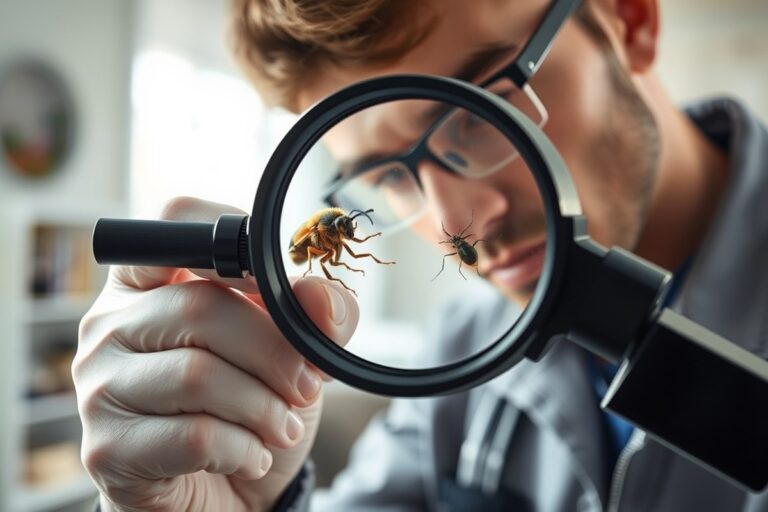
To identify ants accurately, collect a few specimens by placing sticky tape over visible trails or gently scooping them into a small container. Use a magnifying glass or smartphone camera to note their size and color precisely. There are free online resources like “Solve Pest Problems” that provide detailed photos and descriptions for matching your samples with common indoor species. Checking where you find ants also helps. Ant trails consistently appearing in kitchens or bathrooms usually indicate odorous house ants or pavement ants, while sightings near wooden structures could mean carpenter ants.
Since ants come indoors mainly searching for food, water, and shelter, tracking their paths to these resources gives clues about species and infestation severity. Most ants invade kitchens because they are constantly foraging for food, such as crumbs, sugars, or greasy residues. Water sources like leaking pipes, pet bowls, or damp plant soil attract ants needing moisture. Shelter can be found in wall cracks, under floors, or within insulation, especially for carpenter ants requiring moist wood.
A simple decision rule is to begin treatment with non-toxic baits or traps that match the identified species’ food preferences, sweet baits for odorous house ants, protein-based baits for carpenter ants, and seal water leaks or entry points accordingly. If identification is unclear or ants multiply despite your efforts, consult a professional who can confirm the species and recommend specific insecticides or control methods tailored to your situation. Identifying ants takes some time and care but reduces wasted effort and costs from ineffective treatments, improving chances of fast and lasting elimination.
4. Sealing Ant Entry Points to Prevent New Infestations
Locating and sealing ant entry points is important for blocking their access and reducing the chance of new infestations. Ants typically enter through tiny cracks, gaps, and holes in your home’s foundation, walls, windows, and doors. They may also use trees or shrubs touching the house as bridges. Since ants are very small, you’ll need to look carefully. Sealing these openings creates a physical barrier that significantly cuts down on ant traffic indoors, though it may not be possible to stop every ant entirely because of their size and persistence.
To effectively block ant entry, focus on applying durable sealants like caulk or weatherstripping to the areas ants use most. This method works best when paired with routine home maintenance and keeping the exterior clear of plants or debris touching the structure. Sealing entry points is a low-cost solution; a tube of silicone caulk or acrylic latex caulk typically costs between $5 and $10 at hardware stores and lasts for months to years depending on exposure. Inadequate sealing or missing small gaps can allow ants to find alternate routes, so thorough inspection and repeated maintenance are important. Follow these steps to locate and seal ant entry points around your home:
- Inspect for Ant Trails: Observe where ants appear inside your home, especially near windowsills, door frames, baseboards, and along plumbing entrances. Look for visible trails leading outdoors.
- Examine Exterior Walls and Foundation: Walk around your house and check foundations, siding seams, vents, and cracks. Pay special attention to areas where plants or tree branches contact the structure.
- Use a Flashlight and Magnifying Glass: Shine a flashlight along suspected cracks or crevices and use a magnifying glass to spot small gaps ants might use.
- Clean and Dry the Area: Before sealing, clean the surface to remove dirt and debris, and dry thoroughly to ensure good adhesion of the sealant.
- Apply Caulk or Sealant: Use silicone or acrylic latex caulk to fill cracks and gaps at entry points. Smooth the bead with a caulking tool or your finger for even coverage.
- Install Door Sweeps and Weatherstripping: Attach door sweeps to exterior doors and apply weatherstripping around windows and doors to close gaps that ants can crawl through.
- Trim Trees and Shrubs: Cut back any branches or foliage touching your home’s exterior to eliminate natural bridges for ants to enter.
- Monitor and Reapply as Needed: Check sealed areas regularly, especially after heavy rain or temperature changes, and reseal any new cracks that appear.
Using an indoor insect spray like Ortho® Home Defense® Max® can provide a protective barrier after sealing to further reduce ant access. Keep in mind that while sealing stops many ants, complete exclusion is challenging without combining multiple control methods and keeping up maintenance over time.
5. Natural Remedies and Essential Oils That Repel Ants
Natural repellents like vinegar, lemon juice, essential oils, and cinnamon can be effective to repel ants quickly. They work primarily by disrupting ant scent trails and overwhelming their sense of smell, which ants rely on to navigate. These remedies provide a fast, non-toxic way to discourage ants, though they usually only last for a few hours before needing reapplication.
Vinegar and Lemon Juice as Ant Repellents
Vinegar and lemon juice are both acidic liquids that can disrupt ant pheromone trails. Vinegar, especially white vinegar, is a widely recommended option because it’s cheap, easy to find, and can both kill and repel ants on contact. Lemon juice works similarly by masking the trail ants follow to food sources.
To use vinegar or lemon juice, mix equal parts with water in a spray bottle. Spray it directly along ant trails, entry points, or any surfaces where ants appear. This should be repeated every few hours to maintain effectiveness, as the strong smell dissipates quickly. Avoid using pure vinegar or lemon juice on delicate surfaces to prevent damage; dilution helps minimize this risk.
Essential Oils: Peppermint, Tea Tree, and Cinnamon
Essential oils such as peppermint, tea tree, and cinnamon oil offer a strong natural barrier that ants dislike. Peppermint oil is considered the strongest natural ant deterrent due to its potent scent. Tea tree oil also has repellent properties and may kill some insects, though it generally works more as a deterrent. Cinnamon oil, containing compounds like trans-cinnamaldehyde, can repel and even kill ants by disrupting their nervous system.
Apply essential oils by mixing 10, 20 drops with water in a spray bottle. Spray areas where ants enter or gather, like windowsills, door frames, and baseboards. Alternatively, soak cotton balls in essential oil and place them along ant trails or entry points. Reapply every 4 to 6 hours for continued effect. Using these oils regularly can create an invisible barrier ants avoid crossing.
Other Natural Deterrents and How to Apply Them
Cinnamon powder works similarly to cinnamon essential oil. Sprinkle it along ant paths or entryways to create a scent barrier. Clove and citrus oils also repel ants but are used less often than peppermint or cinnamon. Cornstarch can suffocate some ants if applied thickly, but it’s less effective as a standalone remedy.
Diatomaceous earth is a natural powder that kills ants on contact by damaging their exoskeletons. Unlike oils and vinegar, it provides longer-lasting control but only affects ants that cross it. Apply a thin line near ant entry points and areas of activity. Reapply after cleaning or if it becomes damp.
| Natural Repellent | How It Works | Application | Duration of Effect |
|---|---|---|---|
| White Vinegar | Kills and disrupts scent trails | Mix equal parts with water; spray on trails | Few hours; reapply frequently |
| Lemon Juice | Masks ant pheromone trails | Mix with water; spray entry points | Few hours; regular reapplication needed |
| Peppermint Oil | Strong scent repels ants | 10-20 drops in water; spray or cotton balls | 4-6 hours; repeat often |
| Tea Tree Oil | Repels ants; may kill some insects | Dilute and spray or use soaked cotton balls | 4-6 hours; needs reapplication |
| Cinnamon (Powder or Oil) | Disrupts ant nervous system; repels | Sprinkle powder or dilute oil; apply to trails | Several hours; refresh as needed |
| Diatomaceous Earth | Kills ants on contact (abrasive) | Sprinkle thin line near entry points | Days to weeks; remains until cleaned or damp |
Choosing which natural repellent to use depends on your situation. Vinegar and lemon juice are best for quick disruption of trails inside kitchens or bathrooms. Essential oils are great for creating longer-lasting scent barriers around windows and doors. Diatomaceous earth suits areas where ants travel frequently and provides more persistent control.
Note: Natural repellents often require repeated application and won’t eliminate entire colonies alone; combine them with cleaning and sealing measures for best results.
6. Housekeeping and Cleaning Practices to Discourage Ants
Ants use scent trails called pheromones to navigate and communicate where food is located. Wiping down surfaces with glass cleaner or a vinegar solution removes these scent trails, disrupting their ability to find their way back. Apply these cleaners daily along entry points, kitchen countertops, and visible ant trails. Avoid relying on soap and water alone, since it doesn’t erase pheromones thoroughly, vinegar diluted with water (equal parts) works well and costs just a few dollars per bottle.
Keeping your home spotless makes it less attractive to ants by removing their access to food and water, which they need to survive. Even small crumbs, sticky spills, or pet food left out can draw ants inside. Take extra care in the kitchen and dining areas to wipe countertops, sweep floors, and clean under appliances daily. Seal all food in airtight containers, including sugar, cereal, and pet snacks. Store fruits in the refrigerator rather than on counters. The following checklist helps maintain a clean, ant-unfriendly environment:
- Wipe all kitchen surfaces with vinegar solution or glass cleaner every day
- Store food in sealed containers or the refrigerator to avoid attraction
- Sweep and vacuum floors daily, paying attention to corners and under appliances
- Empty trash cans frequently and use tightly sealed lids
- Remove pet food dishes promptly after meals instead of leaving food out all day
- Fix leaky faucets and remove standing water sources
- Use natural repellents like cloves near entry points to confuse ants and discourage trail formation
Ants are persistent, so even with perfect cleaning, they may return if their scent trails remain or if hidden food sources exist. Regularly spraying natural deterrents around doors, window sills, and baseboards helps keep them confused and less likely to establish new trails inside. These methods generally cost little and rely on common household products, making continuous upkeep manageable. Ant control through housekeeping demands consistency but provides a foundation to prevent infestations and reduces reliance on chemical treatments.
7. Using Diatomaceous Earth Safely for Long-Term Indoor Control
Diatomaceous earth (DE) offers a natural and effective way to control ants inside your home by dehydrating them on contact. It’s safe for indoor use when you choose food-grade DE, but careful application and proper handling ensure safety and lasting results. Applying it in dry areas where ants travel helps maintain long-term ant control.
How Diatomaceous Earth Works Against Ants
Diatomaceous earth is a fine powder made from fossilized remains of tiny aquatic organisms called diatoms. It kills ants by damaging their exoskeletons, causing them to lose moisture and die from dehydration. Unlike chemical pesticides, DE doesn’t poison ants but instead uses this physical method, meaning ants don’t develop resistance.
This powder is most effective against crawling insects like ants because they have to walk through it to reach nests or food sources. It does not work if it gets wet, as moisture reduces its ability to dehydrate pests. Its natural composition makes food-grade DE safe for use around pets and humans when used correctly.
Safe Indoor Application and Placement
Using food-grade diatomaceous earth indoors requires thoughtful placement and careful handling to avoid creating dust clouds, which can irritate your lungs or eyes. Avoid using non-food-grade DE indoors since it can contain harmful additives. Follow these steps to apply DE indoors safely and effectively:
- Choose food-grade diatomaceous earth, available for around $10 to $20 per pound at garden centers or online.
- Wear a dust mask, gloves, and goggles to protect yourself from inhaling the powder during application.
- Identify dry areas where you typically see ants, such as baseboards, cracks, under sinks, or near pantry edges.
- Lightly dust a thin layer of DE along these paths and entry points with a duster or by tapping a small amount from a container; avoid piles that can be disturbed.
- Keep DE away from areas where it could get wet, like near sinks or areas prone to spills, as moisture will render it ineffective.
- Vacuum any visible DE after 48 hours in high-traffic areas to prevent inhalation risks and reapply in ant-prone areas as needed.
Applying DE in these key dry zones maximizes ant contact and allows the powder to work over time without washing away or losing effectiveness.
Limitations and When to Reapply
Diatomaceous earth works slowly, usually taking several days to weeks to significantly reduce ant populations because it kills ants only through physical contact and dehydration. Its effectiveness drops if it becomes damp, so reapplication is necessary after cleaning or moisture exposure.
Reapply DE whenever you see new ant activity or notice the powder has been disturbed or dampened. In homes with high humidity or in areas prone to condensation, expect to replenish DE more frequently to keep it working.
While DE helps reduce and control ants over the long term, it usually does not eliminate entire colonies on its own. Combine DE use with good housekeeping, sealing entry points, and other natural methods for the best results. If ants return quickly or infest multiple rooms despite these steps, professional pest control is advisable to handle the colony at its source.
8. When to Call a Professional Pest Control Service
Calling a professional pest control service becomes necessary when ants keep returning despite your efforts or when you notice a large, persistent infestation. Look for signs like constant ant trails, multiple nests near or inside your home, and ants appearing in different rooms after repeated DIY treatments. Professionals have access to stronger, more targeted treatments that can eliminate colonies at their source, which DIY methods may not fully achieve.
Comparing commercial sprays with homemade remedies highlights important tradeoffs. Commercial sprays often contain chemicals designed to kill ants quickly and suppress colonies for weeks, offering faster results especially for large infestations. They usually cost between $10 and $30 per can. In contrast, homemade remedies such as vinegar, essential oils, or baking soda are less toxic and safer to use around pets and children but may take longer to work and are generally less effective for severe infestations. Homemade baits can control small groups of ants but won’t eliminate hidden nests entirely.
If your ant problem returns after treatment, it may indicate undiscovered nests outside your home or inside walls. Outdoor ant nests close to foundation walls can continuously send scouts indoors. In these situations, professional services offer perimeter treatments and colony-specific solutions that prevent reinfestation. Regular inspections and maintenance after treatment are essential. Professionals also provide advice on landscape management to reduce outdoor habitats near your dwelling.
Outdoor ant nests affect indoor problems because many ant species live primarily outside but send worker ants indoors looking for food and water. Even if you exterminate ants inside, untreated outdoor nests will cause repeated indoor visits. For ants like the Pharaoh ant, which nest indoors, professionals may treat inside wall voids or difficult-to-reach spots with gel baits rather than surface sprays.
Never apply commercial sprays near food preparation areas without following label directions; improper use can contaminate surfaces and expose family members to chemicals.
When deciding whether to call in a pro, start by assessing the scale of your infestation. Small, isolated ant sightings can often be managed with cleaning, sealing entry points, and natural deterrents. Larger or recurring infestations, especially if ants bite or the species is hard to identify, call for professional evaluation. Licensed pest control technicians typically charge between $150 and $300 for initial treatments but may save you time and repeated expenses associated with ineffective DIY attempts.
Professional pest control service providers usually combine insecticide sprays, ant baits, and preventive measures tailored to your situation. They also educate homeowners on best practices to maintain an ant-free environment, including managing moisture, food storage, and structural repairs. Consulting a professional offers a long-term solution, especially when your DIY efforts aren’t making a dent in the problem.
Step-by-Step Action Plan to Get Rid of Ants Quickly
Follow these clear steps to stop ants immediately, remove entire colonies, and keep your home ant-free for good.
- Day 1: Spray a fast-acting indoor ant killer on visible ants and trails. You’ll see ants stop moving within minutes, confirming immediate control.
- Day 1, 2: Set DIY ant baits near entry points and areas of ant activity. Check bait consumption daily; steady disappearance of ants means the colony is being eliminated.
- Day 1: Identify the ant type by comparing common indoor ants online or using a guide. Knowing the species helps tailor bait and prevention tactics for better results.
- Day 2, 3: Seal cracks, gaps, and openings around windows, doors, and baseboards with caulk or weather stripping. No new ants inside over the next few days shows entry points are secured.
- Day 3, 7: Apply diatomaceous earth in thin lines along ant trails and hidden corners. When ants vanish or decrease noticeably within a week, the powder is working safely and effectively.
- Ongoing: Clean kitchen counters, sweep floors, and store food in airtight containers daily. Should ants not return after this routine, your housekeeping is discouraging infestation.
- After 2 weeks: Use natural repellents like peppermint or lemon essential oil around problem spots. Fewer ants near these areas confirms the repellents’ effectiveness.
- If infestation persists: Reach out to a licensed pest control professional for a targeted treatment plan. Permanent removal is more likely with expert help on stubborn colonies.
Frequently Asked Questions
What Gets Rid of Ants Immediately?
A spray of water mixed with a few drops of dish soap kills ants on contact quickly, eliminating visible ants instantly. Spray directly on ants and their trails for fast results.
What Smell Do House Ants Hate?
House ants dislike the scent of vinegar, lemon juice, and essential oils like peppermint, which disrupt their scent trails and discourage them from entering. Sprinkle or spray these scents along entry points.
What Kills Ants in the House Overnight?
Using DIY bait traps with borax-based mixtures can kill ants overnight by attracting and poisoning the colony when ants carry the bait back home. It works as a delayed killer for long-term effect.
Does Dawn Dish Soap Really Kill Ants?
Yes, Dawn dish soap kills ants by breaking down their exoskeleton, causing them to die quickly on contact. A simple mix of Dawn and water sprayed on ants is an effective short-term method.
Can Ants Come Back After I Kill Them All?
Ants often return if you don’t seal entry points or remove food sources; eliminating visible ants is just the first step. Prevent reinfestation by cleaning regularly and sealing cracks.
Is It Safe to Use Essential Oils Around Pets to Repel Ants?
Some essential oils can be harmful to pets, so use them cautiously and in diluted form. Always check pet safety information before applying oils indoors.
Final Thoughts
Getting rid of ants in your house fast involves combining quick-kill methods with longer-term strategies like sealing entry points and maintaining cleanliness. Start today by inspecting your kitchen and pantry for ant trails and wiping them down with soapy water to disrupt their scent paths. This simple step helps stop ants immediately while you plan for more complete control.



One Comment