

How to Get Rid of Ants in the House: 8 Proven Steps for Fast, Safe Control
Getting rid of ants in your house starts with identifying where they come from and what attracts them. You need a step-by-step approach to target the colony, remove food sources, seal entry points, and choose treatments that work quickly without risking your family’s health. Fast action combined with long-term prevention stops ants from returning.
This information is for homeowners and renters facing ant infestations and looking for safe, effective control methods. You’ll learn how to spot different ant types, use natural and chemical options, time treatments for best results, and keep your home ant-free over time.
Key Takeaways
- Identify your ant species and entry points early to choose the most effective treatment and spot infestation signs quickly.
- Remove all food crumbs, standing water, and grease to eliminate indoor attractants that lure ants into your home.
- Use contact sprays that act quickly to kill ants on contact, but be aware it might take 5 to 10 days before you notice a significant drop in the overall ant population.
- Try natural remedies like essential oils, vinegar, diatomaceous earth, or borate sugar baits, but expect varied effectiveness and slower results.
- Weigh the safety, speed, and cost differences between natural and chemical treatments to select the best option for your household.
- Seal cracks and gaps around doors, windows, and foundations to block ant entry and reduce reinfestation risk permanently.
1. How to Identify Ant Types, Entry Points, and Infestation Signs

Start by figuring out which ants are entering your home, finding where they come in, and checking for trails or nests indoors. Common indoor varieties include carpenter ants, odorous house ants, pavement ants, and pharaoh ants, each differing in size and habits. Carpenter ants can grow as large as 1/2 inch and often signal wood damage, while odorous house ants are smaller and emit a strong smell if crushed. Knowing the ant species helps you choose the most effective treatment method.
Ants typically enter through cracks, crevices, gaps around windows and doors, or openings in the foundation. They also use plants, wires, and pipes touching your home as pathways. Identifying these entry spots is important because sealing them reduces future infestations. Ant trails often appear along these structural elements. These trails look like lines of tiny ants moving in a path between their nest and a food or water source.
Nests inside are usually hidden in wall voids, under floors, behind baseboards, or inside potted plants. Large infestations may show multiple trails in different rooms, especially with species like Argentine or odorous house ants, which can maintain several nests indoors and outdoors. If entry points are unclear, placing bait on known trails will attract more ants; their movement to and from the bait will reveal how they enter your home. To identify ant types, entry points, and infestation signs accurately, use the following step-by-step checklist:
- Observe the ant’s size, color, and behavior. Note if ants are large and nesting in wood (carpenter ants) or small with a sweet-seeking habit (odorous or white-footed house ants). This information helps in choosing the right bait or treatment.
- Follow visible ant trails carefully. Trace their path from where they are seen indoors back toward walls, windows, doors, or foundation cracks to find entry points.
- Inspect common entryways and surrounding areas. Check around window frames, door seals, cracks in the foundation, and places where pipes or wiring enter your home; ants often exploit these tiny openings.
- Look for multiple trails in various rooms. Multiple lines usually indicate a large colony with several nests inside and outside your home, requiring thorough treatment both indoors and outdoors.
- Place ant baits along trails if entry points are hidden. Baits attract worker ants who recruit others and reveal the exact entry route, which can be marked by the line connecting bait to the ants’ exit.
- Inspect hidden areas for nests. Check behind baseboards, inside wall voids, and under potted plants for concentrated ant activity or visible nest materials.
- Note the sign of ants on walls, floors, or near food. Sightings inside the home often indicate nearby nests or fresh entry, especially if ants appear regularly in the same spots.
- Maintain regular direct inspections. Frequent checks help catch new infestations early before they grow, reducing the amount of treatment needed over time.
2. What Attracts Ants Indoors and How to Remove Their Food and Water Sources

Ants come indoors mainly looking for food, water, warmth, and shelter. They especially like sugary and syrupy foods, crumbs, and pet food left out on counters or floors. Wet or damp areas such as leaky pipes, sinks, or pet water bowls also attract ants. Removing these food and water sources reduces the chance they will stay and multiply inside your home.
To stop ants from invading, you need to clean thoroughly and store food properly. Wipe down all kitchen surfaces regularly with soapy water or household cleaners like glass cleaner or dish detergent. These help erase the pheromone trails ants leave behind, which guide other ants to food. Store sugar, honey, syrup, pet food, and other attractive items in airtight containers that have been rinsed clean on the outside. Avoid leaving sweet or sticky foods exposed.
- Clean up spills and crumbs immediately on counters and floors
- Wash dishes regularly; don’t leave dirty dishes out overnight
- Store dry goods, sugar, and pet food in sealed containers
- Fix leaks and standing water to eliminate moisture sources
- Take out garbage frequently and clean trash bins
- Remove ripe fruit or aphid-infested plants near your home’s exterior
- Use soapy water to wipe baseboards, doorways, and windowsills
Ants can enter through tiny cracks around windows, doors, and floors as they search for these resources. When natural habitats are disrupted by construction or weather, ants seek new places indoors. You can deter ants naturally by spraying a mix of 1 teaspoon of dish soap, 1 teaspoon of cooking oil, and 1 quart of water on ants and trails, disrupting their movement and scent markers.
Cleaning immediately after seeing ants and sealing food properly makes a big difference in preventing infestation.
Keeping your home dry, clean, and free of accessible food teaches ants quickly that it’s not a good place to settle. Remember that managing food and water sources is a first and ongoing step since ants come back if they find new attractants. Doing this consistently helps lower ant activity and supports any other control methods you choose to use.
3. Fast-Acting Sprays and Contact Killers to Eliminate Ants Immediately
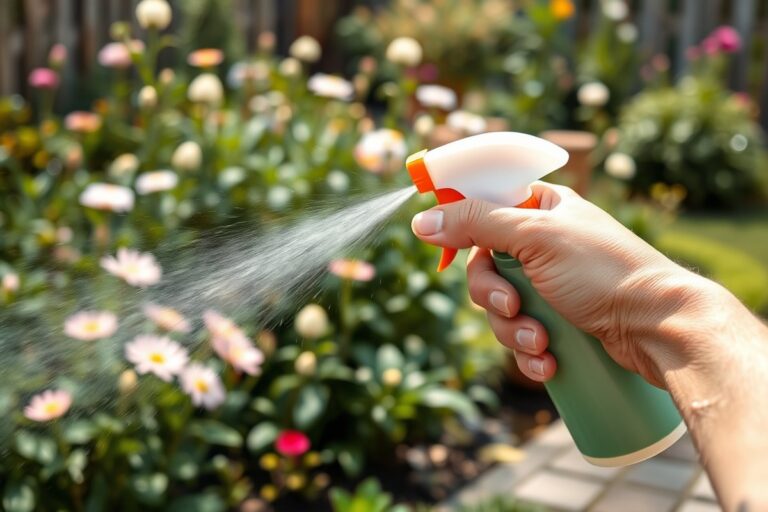
The fastest way to get rid of ants inside your house is using fast-acting sprays and contact killers designed specifically for indoor use. These products kill ants instantly on contact by breaking down their exoskeleton. To use them effectively, first identify the trails and entry points the ants use. Spray directly onto visible ants and along the ant trails. This approach eliminates the ants you see quickly and removes their scent trails, which ants rely on to navigate back to their food sources or nest.
Killing ants on sight only solves part of the problem because ants leave scent trails to recruit others. To disrupt these trails, clean the sprayed areas thoroughly after treatment. Use a mixture of vinegar or lemon juice diluted with water to wipe down countertops, floors, and other surfaces. Vinegar and lemon juice mask ant scent trails and discourage further ant movement, though their effect is short-term and requires frequent reapplication throughout the day.
For effective cleaning, mix one part white vinegar or lemon juice with one part water in a spray bottle. Spray it on countertops and floors where ants have been spotted, and wipe with a clean cloth. This not only removes trail pheromones but also disinfects surfaces. Avoid using bleach or ammonia, as these can leave residues that attract ants.
Choose contact killers or ant sprays that specify indoor use and non-staining formulas. Products like the Extended Reach Comfort Wand® spray control ants on non-porous surfaces for up to 12 months, providing longer-lasting protection. Sprays with essential oils such as peppermint or lemongrass work as repellents and can help keep ants away after initial treatment. Expect to spend around $10 to $25 per spray bottle, depending on brand and size.
When using indoor sprays, always follow label directions closely to minimize risks to family and pets. Use sprays in well-ventilated areas, wear gloves if recommended, and keep children and pets away until surfaces are dry. Avoid spraying food-preparation areas directly or wash treated surfaces before food contact. Most contact killers affect only ants on sight, so persistent infestations require repeated spray treatments and follow-up cleaning.
Contact killers work best combined with other steps such as removing food sources and sealing entry points. Spraying ant nests directly, if found, can provide a quicker end to colony presence. However, if you do not locate the nest, fast-acting sprays still help by immediately killing foraging ants and breaking their trails, which disrupts colony communication.
Failures often occur when sprays are applied too sparingly or only in one location, allowing ants to find alternative routes or new food sources. Frequent monitoring and repeated spraying along all active trails improve results. Avoid overusing repellents that only mask trails without killing ants, as this can spread ants to different parts of the house. Fast-acting contact killers combined with scent trail cleaning give the fastest noticeable reduction in indoor ants.
4. Natural Remedies That Work: Essential Oils, Vinegar, Diatomaceous Earth, and Homemade Baits
Natural remedies can be effective in controlling and repelling ant infestations, especially if you prefer safer, less toxic options. Borax mixed with sugar creates a bait that worker ants carry back to their colony, gradually eliminating it in about a week. Essential oils such as peppermint and cinnamon act as repellents when applied to surfaces, while food grade diatomaceous earth kills ants that walk across it. Using these treatments properly and safely around children and pets involves following precise measurements and application methods.
DIY Borax and Sugar Ant Bait Recipe
Borax is a natural mineral toxic to ants but relatively safe when used in low concentrations. A typical homemade bait combines borax with sugar to attract worker ants and carry the poison back to the nest, effectively targeting the whole colony over several days. Use food-grade borax and keep the bait out of reach of children and pets to minimize any risk. Follow these steps to prepare and place the bait correctly:
- Mix 1 tablespoon of borax with 3 tablespoons of granulated sugar in a bowl.
- Add about 1.5 cups (12 fluid ounces) of warm water and stir until the borax and sugar dissolve completely.
- Soak cotton balls or small pieces of sponge in the solution to absorb the bait.
- Place the soaked cotton balls inside shallow containers or jar lids for easy access by ants.
- Put the containers where you see ant trails, away from children’s reach and pet activity areas.
- Check the bait daily and replace it every 3, 4 days to maintain freshness.
- Expect to see a reduction in ant activity within 3 to 7 days as the colony is affected.
Keep the bait sealed when not in use and discard any unused solution after one week. Avoid using this method if toddlers or pets might accidentally ingest it.
How to Mix and Apply Essential Oil Sprays
Essential oils like peppermint, cinnamon, tea tree, and citrus oils repel ants by masking scent trails and irritating their sensory receptors. Peppermint oil is the strongest natural deterrent among these. You can make a simple spray to apply to ant entry points, countertops, baseboards, and other affected areas. Here are instructions to prepare and use an essential oil spray:
- Combine 15 to 20 drops of peppermint oil (or a blend with cinnamon or tea tree oil) with 2 cups (16 fluid ounces) of water in a spray bottle.
- Add 1 tablespoon of white vinegar to boost the repellent effect and improve cleaning power.
- Shake the bottle well to mix the ingredients evenly before each use.
- Spray directly onto ant trails, near windows, doors, baseboards, and cracks where ants enter.
- Reapply every 4 to 6 hours or after cleaning surfaces, since these oils dissipate quickly.
- Avoid spraying directly on food preparation areas just before cooking; let the surface air dry.
You can also soak cotton balls in the mixture and place them infested spots to extend the effect. Essential oils are non-toxic to humans in these concentrations but may irritate pets, especially cats, so keep animals away during and shortly after application.
Using Diatomaceous Earth Inside the Home
Food-grade diatomaceous earth (DE) is a powder made from fossilized algae that kills ants by damaging their exoskeletons and dehydrating them. It only works through physical contact and does not repel ants. DE is best used in cracks, crevices, and along ant trails where ants crawl. To apply diatomaceous earth indoors safely and effectively:
- Purchase food-grade DE specifically labeled for pest control (avoid pool-grade DE, which is harmful).
- Wear a dust mask while handling DE to avoid inhaling fine particles.
- Use a duster or a brush to spread a thin, visible layer along baseboards, under sinks, behind appliances, and near entry points.
- Do not apply DE on countertops or areas frequently wiped or touched by children or pets.
- Leave DE in place for at least 7 to 10 days, then vacuum up and reapply if needed.
Diatomaceous earth costs around $10 to $15 per pound and can cover large areas, making it a cost-effective option. Keep DE dry since moisture reduces its effectiveness. Use this method as part of a combined approach with baits and repellents to get the best results.
5. Comparing Natural and Chemical Treatments: Safety, Speed, and Cost
Choosing between natural and chemical ant treatments depends on your priorities for safety, speed, and cost. Natural options like essential oils, vinegar, and diatomaceous earth tend to be safer around pets and children but usually take longer to show results, often needing several days to weeks. Chemical treatments generally work faster, killing ants more quickly or disrupting their colonies, but they require careful use indoors to avoid risks to pets and people.
When selecting chemical products for indoor use, look for those labeled as safe for households with pets. Products containing fipronil (found in Termidor SC) or thiamethoxam (in Taurus SC) are common active ingredients in effective ant baits and treatments. These baits can take several days to a couple of weeks to eliminate an infestation because ants must carry the poison back to the colony. Using refillable bait stations keeps the toxin contained and reduces exposure risks to pets.
The cost difference is significant. Natural remedies often involve common household items and cost under $10, while commercial chemical baits and sprays typically run from $15 to $50 per treatment. Natural methods require more frequent application and patience, whereas chemical treatments might offer control for months but necessitate following label directions meticulously.
| Factor | Natural Treatments | Chemical Treatments |
|---|---|---|
| Effectiveness Speed | Days to weeks for colony impact | Days to 1-2 weeks with baits; immediate with sprays |
| Pet and Child Safety | Generally safe, low toxicity | Safe if used properly; bait stations reduce risk |
| Cost per Treatment | Less than $10 using household items | $15 to $50 depending on product and size |
| Long-term Control | Needs repeated applications, less consistent | Potentially lasts several months with bait stations |
| Application Complexity | Simple sprays or spread powders | Requires bait placement, following label directions |
Dealing with ants quickly often means using chemical baits or sprays, but only after removing their food sources and cleaning trails to improve bait uptake. Natural sprays make good barricades to block entry points and reduce ant movement indoors. Cornmeal is a cheap home remedy but tends to be slower and less reliable for heavy infestations. You can start with natural repellents if you have concerns about chemicals, switching to bait stations if the infestation persists.
Keep ant baits out of reach of pets and children by placing them in concealed spots or using tamper-resistant bait stations for safe, effective control.
6. How to Find and Seal Ant Entry Points to Prevent Reinfestation
To stop ants from coming back, find their entry points and seal every crack or gap carefully. Identifying where ants enter helps block their access, reducing the chances of reinfestation. You’ll need the right tools and techniques to achieve a long-lasting seal that keeps out ants and other pests.
Common Areas Where Ants Enter
Ants typically enter through the smallest openings. Check around door and window frames, baseboards, and the edges of crawl spaces. Pay special attention to cracks in walls, gaps around plumbing pipes, electrical outlets, and vents. Ant trails often lead right to these spots, so follow visible ant paths closely.
Outdoor entry points include cracks in the foundation, gaps under exterior doors, and spaces around window sills. Also inspect areas where different building materials meet, such as siding against brick or concrete. Warm, shaded areas near these openings are preferred ant access points.
Materials and Tools for Sealing Cracks
Choose high-quality materials that last and resist weathering. Use silicone or acrylic latex caulk for small cracks and gaps under ¼ inch wide. For larger gaps, expanding foam can fill spaces but trim the excess once it cures. Weather stripping and door sweeps help seal bigger openings under doors.
Aside from sealing, applying a residual insecticide like Taurus SC or FUSE Insecticide around entry points can kill ants attempting to enter. Ortho® Home Defense® MAX® Indoor Insect Barrier also provides a chemical barrier when sprayed correctly. Always follow label instructions for safe, effective application.
Avoiding Common Sealing Mistakes
One frequent error is missing tiny cracks by not inspecting carefully in good lighting. Ants can squeeze through gaps as narrow as 1/16 of an inch. Regularly check near visible trails and reapply caulk if it cracks or peels over time. Another mistake is sealing only some openings; any unsealed entry allows ants back inside.
Do not rely solely on sprays or baits without physically sealing entry points. Sprays kill ants but won’t stop new ones from arriving. Avoid sealing wet or dirty surfaces as caulk won’t adhere properly. Thorough cleaning before sealing ensures better results. Follow these steps to find and seal entry points effectively:
- Inspect all rooms and exterior walls during daylight, using a flashlight to spot small cracks and ant trails.
- Mark entry points with tape to prioritize sealing areas where ants frequently appear.
- Clean surfaces around cracks to remove dirt, grease, and debris using soapy water; wait for them to dry.
- Apply caulk to fine cracks and gaps, ensuring a continuous, tight bead without breaks.
- Use expanding foam for gaps larger than ¼ inch, trimming excess after it hardens to make a flush seal.
- Install door sweeps and weather stripping on exterior doors to block gaps under thresholds.
- Spray a residual insecticide like Taurus SC around sealed entry points following product instructions.
- Recheck sealed areas weekly for cracks returning or new ant activity and reseal as needed.
7. Ant Activity and Treatment Timing: Seasonal and Regional Considerations
Ant activity tends to increase during warmer months and declines in colder seasons, directly influencing when you should apply treatments. In most regions, late spring through early fall sees the peak for common house-invading ants such as black house ants and odorous house ants. These species become more active as temperatures rise above 50°F, searching intensively for food and water. This period represents the best time to target them with efficient treatments since they are foraging frequently and thereby more likely to come into contact with baits or sprays.
During winter or when temperatures consistently drop below 50°F, ant activity usually slows or ants take shelter deeper inside walls or underground, making treatments less effective. Applying ant control measures too early, before ant colonies are active, may waste time and resources. Concentrate your efforts on late spring through early fall, when you can observe active trails inside your home or near entry points. Keeping an eye on weather trends helps; long spells of hot, dry weather or heavy rain often drive ants indoors in search of water and shelter, triggering sudden infestations.
In regions with mild winters, such as much of the southern United States, ants may remain active year-round. In this case, monitor activity consistently and apply controls whenever you notice ants indoors. For colder regions, plan your treatments mainly from late April through September. This timing lets you target ant colonies when they expand and forage, increasing chances of successful colony elimination before they retreat for the winter.
Adjusting your treatment schedule to these seasonal patterns improves results. Start baiting or applying non-repellent sprays like Taurus SC or Navigator SC as soon as you spot ants returning in spring. These products work best when ants are actively foraging because the slow-acting poison spreads back to the colony. Avoid broadcasting sprays during cold or wet spells, as ants may be inactive, hiding, or scattered, which reduces bait uptake and treatment efficacy.
Heavy rain or temperature extremes can cause ants to abandon outdoor nests and move indoors, causing sudden influxes even outside the typical active seasons. When you notice this, increase frequency of inspections around kitchens, bathrooms, and entry points. Replace ant bait stations every two weeks if ants remain visible. This tactic helps maintain fresh attractants that fit current ant foraging habits and environmental conditions.
In yards with fire ant infestations, seasonal treatment is also important. Fire ants often require a whole-yard broadcast treatment costing around $150 for average-size properties, optimally applied in late spring and again in early fall to target colony growth stages. Spot treatments of individual mounds are less effective and more expensive over time.
Recognizing that ant species, local climate, and weather conditions influence their behavior allows you to time treatments when ants are most vulnerable. Consistent monitoring through peak seasons paired with timely reapplication of baits or sprays will increase your odds of successful elimination. Skipping or mistiming treatments can let colonies recover or force ants to scatter, making the infestation harder to control.
8. Long-Term Prevention and Monitoring: Keeping Ants Away for Good
Keeping ants away for good requires a mix of consistent cleaning, careful monitoring, and knowing when a professional is needed. Establish habits that remove food and water sources, track any changes in ant activity, and call pest control if the problem persists or worsens.
Daily and Weekly Cleaning Routines
Ants return when they find food or moisture. Wiping down kitchen counters and dining areas daily removes crumbs and spills that attract ants. Empty trash bins regularly and keep lids sealed to stop odors from drawing them in.
On a weekly basis, scrub floors and clean pantry shelves to remove sticky residues or food buildup. Store food in airtight containers and avoid leaving pet food out overnight. These habits reduce your home’s appeal as a food source and help stop reinfestations.
- Wipe counters and tables with soap and water every day
- Sweep and mop floors weekly, focusing on corners and edges
- Seal food in plastic or glass containers with tight lids
- Take out garbage regularly and clean bins periodically
- Fix leaks and dry wet areas to remove water sources
- Remove dirty dishes promptly after meals
- Limit pet food availability, especially overnight
Maintaining these cleaning steps lowers the chance of ants returning after treatment by removing the rewards that attract them.
Monitoring and Recognizing Signs of Recurrence
Checking regularly for new ant activity helps catch infestations early. Look along baseboards, near sinks, and around entry points for trails or small groups of ants. Inspect stored food areas and damp spaces weekly.
Keep a simple monitoring log to note the dates, locations, and number of ants seen. Improvement is seen when sightings drop each week and disappear within a month after treatment. If ants start reappearing in increasing numbers or spread to new rooms, that signals a worsening problem.
A sudden increase in ant trails or sightings after a period of absence means action is needed to prevent a larger infestation.
This ongoing observation helps you decide if your prevention measures are working or if further treatment is necessary.
Indicators for Professional Help
Calling a pest control professional makes sense when ants persist despite your cleaning and control efforts. Larger infestations with multiple entry points or hard-to-reach nests often require expert knowledge and equipment. Services typically cost between $150 and $300, depending on infestation size and treatment types.
Use this decision rule to know when to call: If ant sightings do not decrease after four weeks of prevention and treatment or if you see dozens of ants daily in multiple rooms, professional pest control is recommended. Appearance of aggressive ant species or damage to property also means faster intervention is needed.
Professionals can identify the ant species accurately and apply targeted baits, sprays, or treatments to eliminate colonies and prevent return visits. Scheduling routine inspections once or twice a year can also keep your home ant-free long term.
Step-by-Step Action Plan to Get Rid of Ants in Your House
Follow this clear plan to identify, eliminate, and prevent ants in your home efficiently and safely. Track your progress at each step to ensure success.
- Day 1: Identify Ant Types and Entry Points, Inspect your home carefully to locate ant trails, nests, and entry spots like cracks or gaps. Confirm success when you can pinpoint where ants enter and what species you’re dealing with, which guides treatment choices.
- Day 2: Remove Food and Water Sources, Clean all surfaces, store food in airtight containers, fix leaks, and eliminate standing water. You’ll know this worked if ant sightings decrease as their attractants disappear.
- Day 3: Apply Fast-Acting Sprays or Contact Killers, Use a targeted insecticide spray on visible ants and trails for immediate reduction. Success means seeing fewer ants the same day and no new trails appearing.
- Day 4, 7: Use Natural Remedies Alongside Treatments, Place diatomaceous earth near entry points, spray essential oil or vinegar solutions on trails, and prepare homemade baits to disrupt colonies. These methods should reduce activity within a few days.
- Week 2: Seal Ant Entry Points, Use caulk or weatherstripping to close cracks, gaps, and holes identified initially. Check effectiveness by watching for new ant entry; none means sealing was successful.
- Weeks 3, 4: Monitor Ant Activity and Adjust Treatments, Continue cleaning, inspect for new ant signs regularly, and reapply treatments or natural deterrents if needed. Ant-free days indicate control is maintained.
- Month 2 and Beyond: Maintain Prevention Practices, Keep your home clutter-free, food sealed, and regularly inspect potential entry areas. Ongoing absence of ants confirms long-term success.
Frequently Asked Questions
Why Do I Suddenly Have Ants in My House?
Ants often appear suddenly when they find food, water, or shelter indoors. Seasonal changes like spring can trigger more activity as ants search for resources or new nesting sites inside your home.
What Will Keep Ants Away Permanently?
It’s hard to keep ants away permanently, but sealing entry points and removing food and water sources helps. Regular cleaning and outdoor maintenance reduce their attraction.
What Scent Will Keep Ants Away?
Mint scent keeps ants away; planting mint near your foundation helps. Essential oils like peppermint or vinegar spray also repel ants.
What Kills Ants in the House Overnight?
Borate-based baits can kill ants in the house overnight by attracting and poisoning the colony. Immediate sprays kill ants on contact but don’t stop more from coming.
Can Ants Live Inside Walls?
Yes, some ants build nests inside walls, which makes control harder. Identifying nest locations helps target treatments effectively.
Do Ants Come Back After Treatment?
Ants can return if the colony isn’t fully eliminated or entry points remain. Ongoing prevention and monitoring are necessary to keep ants away.
Wrapping Up
Getting rid of ants in your house requires a mix of quick action and ongoing prevention. Start today by thoroughly inspecting your kitchen and pantry for any exposed food or crumbs that attract ants, and clean these areas immediately. Keeping your home clean and sealing off entry points makes a big difference in stopping ants before they become a bigger problem.




2 Comments