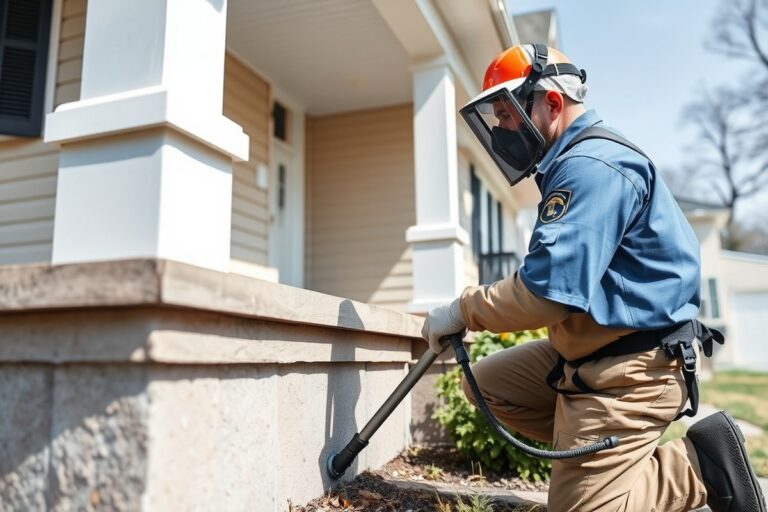
How to Get Rid of Armadillos: A Complete Guide for Fast, Humane Control
How to get rid of armadillos starts with identifying their presence by spotting shallow, cone-shaped holes and digging signs in your yard, then using humane removal methods and barriers to keep them out. Because armadillos squeeze through small gaps and dig extensive burrows, sealing entry points and maintaining your yard are key steps. For the fastest, most reliable results, contacting a local pest control company can provide tailored solutions specific to your property.
This information is designed for homeowners and gardeners dealing with armadillo damage and looking for effective, safe ways to stop their nighttime digging. You’ll learn how to recognize signs of armadillos, what attracts them, humane removal techniques, preventive yard care, and when professional help is necessary. Understanding common control mistakes and available treatment options will help protect your lawn and garden from further harm.
Key Takeaways
- Identify armadillo damage on your lawn by spotting shallow holes shaped like cones, measuring about 1 to 3 inches in depth and 3 to 5 inches across.
- Armadillos are attracted to yards with loose soil, grubs, insects, brush piles, and areas near foundations or decks.
- Use a 30-inch metal cage trap to humanely capture and remove armadillos from your property safely and effectively.
- Install fencing at least 24 inches tall, bury 12 to 18 inches deep, and angle outward 40 degrees to block armadillos from entering.
- Maintain your yard by reducing insect populations, cleaning brush piles, and keeping soil compact to discourage armadillo activity.
- Natural repellents and electronic devices provide limited armadillo control; sturdier fencing and traps yield better results.
How to Identify Armadillo Presence and Damage on Your Property

Confirming armadillo activity starts with recognizing their distinctive tracks and digging patterns. Look for tracks about 1 to 2 inches wide showing claw marks, which differ from the smaller prints of rodents or the larger prints of raccoons. Armadillos create shallow, cone-shaped holes, usually 3 to 5 inches wide and 1 to 3 inches deep, as they forage for insects. These holes are often scattered across lawns or garden beds rather than grouped like mole tunnels.
Large burrows are another strong indicator of an armadillo presence. These burrows can extend up to 15 feet and reach depths of around five feet, unlike the shorter burrows of skunks or rabbits. You may notice one or several entrances with loose soil piled nearby. Plant damage such as uprooted flowers or disturbed vegetable gardens usually accompanies these holes and burrows.
Active armadillos are mostly nocturnal. Listening for rustling or scratching sounds at night near the affected area can help confirm their presence. Spotting an armadillo during daylight is less common but possible after foraging or if disturbed. Differentiating armadillo damage from other wildlife relies on the size and shape of holes, track marks, and timing of disturbances.
- Look for shallow, cone-shaped holes 3, 5 inches wide, 1, 3 inches deep
- Check for 1, 2 inch-wide tracks with visible claw marks
- Identify large burrows up to 15 feet long and 5 feet deep
- Observe for uprooted or disturbed plants near digging sites
- Listen for nighttime rustling or scratching sounds in the yard
- Compare holes and tracks to those made by other animals (moles, skunks)
- Spot armadillos directly if possible, especially at dusk or night
Use this checklist to decide whether your yard has active armadillo issues. Early identification matters because minor digging on a few plants can quickly escalate to extensive lawn damage and large burrow networks undermining your property. If armadillo activity is confirmed, filling burrows requires care; simply packing soil can lead to collapse. Filling burrows with gravel and tamping it down discourages re-entry and stabilizes the soil.
For those less comfortable distinguishing animal signs, or if damage worsens rapidly, professional wildlife controllers can precisely identify armadillo activity. They use experience and tools to differentiate signs quickly, which can save your yard from prolonged damage and allow for targeted removal strategies that prevent recurrence.
What Attracts Armadillos to Your Yard and Garden?

Armadillos are drawn to yards and gardens primarily by the availability of food, water, and shelter. Their digging behavior comes from searching for insects and grubs beneath the soil, while they often set up burrows in places that offer protection and moisture. Controlling these attractants is key to reducing armadillo visits.
Common Food Sources for Armadillos
Armadillos mainly eat insects, grubs, worms, and other soil-dwelling invertebrates. The small holes they dig, ranging from 3 to 5 inches wide, are typically made while probing for grubs and insects underground. Lawns rich in these food sources, especially those with soft, moist soil, become inviting hunting grounds.
Reducing the insect and grub population is one of the most effective ways to make your yard less attractive. Applying lawn treatments that target grubs and soil insects can significantly decrease their numbers. Expect to treat the lawn carefully following package instructions and consider repeating treatments every season if armadillos are persistent. However, take care not to disturb the soil excessively during application to avoid encouraging armadillos to dig more in search of new food sources.
Using insecticides may reduce food sources but can cause armadillos to dig more if applied improperly or irregularly.
Maintaining a well-kept lawn by mowing regularly limits the habitat for insects, indirectly reducing grub numbers. Avoid overwatering your lawn, as moist soil encourages insects and worms that armadillos feed on. In tough cases, professional lawn care services can apply grub control treatments safely and effectively over large areas.
Shelter Opportunities in Yards
Armadillos seek shelter in areas that provide protection and cover. Common structures that attract them include wooden sheds, decks with open foundations, woodpiles, brush piles, and tall grass patches. These spots offer shade and hiding places, making your yard an ideal home base.
Eliminating or securing these shelters can discourage armadillos from settling. Stack wood neatly, improve off the ground if possible, or remove it entirely. Seal any gaps under decks or porches with wire mesh buried 6 to 12 inches deep to prevent burrowing underneath. Clearing brush and keeping grass trimmed below 3 inches reduces hiding spots that promote armadillo activity.
In areas prone to armadillos, consider installing fencing buried at least 6 inches into the soil along these shelter spots to block access. Over time, removing these shelter opportunities makes your property less inviting, pushing armadillos to relocate.
Water Availability and Its Role
Armadillos favor yards with accessible water sources like ponds, birdbaths, drip irrigation systems, and even damp areas near foundations. Water availability supports the insects and grubs they feed on and provides them with hydration.
To reduce water-related attraction, fix leaks in irrigation and outdoor hoses promptly and reduce standing water around your home. Avoid overwatering your lawn and garden beds to keep soil from staying overly moist. Birdbaths should be cleaned regularly and filled with fresh water only as needed. While removing water sources alone rarely repels armadillos entirely, controlling moisture levels helps limit their food supply and makes your yard less comfortable overall.
Environmental Factors Encouraging Visits
Soft, moist soil is especially appealing to armadillos because it’s easier to dig. Soils that retain moisture after rain or irrigation create an active insect environment, making these areas prime feeding sites. Yards with poor drainage or shaded, cool spots tend to stay moist longer, increasing the likelihood of armadillo visits.
Improving drainage by aerating your lawn and adjusting irrigation schedules to prevent soggy soil helps deter their digging activity. Limiting mulch and leaf litter buildup lowers soil moisture and insect populations as well. After you’ve taken these steps, expect to monitor your yard for new signs since armadillos can be persistent and may test the area over several weeks before moving on.
Effective and Humane Methods to Remove Armadillos
To remove armadillos humanely and effectively, live trapping combined with deterrents like natural repellents and barriers works best. Poison and lethal traps are not recommended due to legal restrictions and ethical concerns. Methods like castor oil, garlic, or cayenne pepper repel armadillos but require consistent application. Setting the trap near active burrows late in the afternoon and relocating the animal at least 10 miles away increases success and prevents return.
Types of Armadillo Traps and Their Pros and Cons
Live traps designed for armadillos are metal cage traps roughly 30 inches long and at least 12 inches high to accommodate their size. These traps are effective because they catch the animal without harm, allowing you to relocate it under local wildlife regulations. However, they can also attract non-target animals such as raccoons or opossums, requiring monitoring. Lethal traps or poisons are usually illegal and inhumane for armadillos.
Natural repellents like castor oil, garlic oil, cayenne pepper, and ammonia can discourage armadillos from entering your yard but seldom eliminate an infestation on their own. Consistent reapplication every 1 to 2 weeks is necessary. Barriers such as buried, outward-angled fencing prevent digging under fences, keeping armadillos out effectively. Combining methods yields the best results.
Step-by-Step Guide to Setting and Baiting Live Traps
First, choose a metal cage trap sized about 30 by 12 inches. Place the trap near active armadillo burrows or along their trails. Set it up late in the afternoon when armadillos are inactive and less cautious. Bait the trap with earthworms or canned cat food, which attracts armadillos. To improve capture rates, create a “V” shape using boards leading into the trap entrance to funnel the armadillo inside.
Check the trap frequently, at least twice daily, to reduce stress on captured animals. Wear gloves when handling the trap to avoid scents that might deter armadillos. After capture, cover the trap with a cloth to calm the animal before relocation. Clean the trap between uses to maintain bait effectiveness.
Timing and Relocation Best Practices for Trapping
Armadillos are mainly nocturnal and early-morning foragers, so setting traps before dusk works best. Setting traps mid-afternoon, when animals are less active, prevents spooking. Spring and fall are ideal trapping seasons since armadillos are more active and food is abundant, improving bait success.
When relocating a trapped armadillo, release it at least 10 miles away from your property to prevent its return, according to wildlife guidelines. Relocate the animal to an area with suitable habitat, wooded and away from residential areas. Never release in urban settings or where armadillos are prohibited. Check local laws before relocation because requirements vary by state.
Installing Fencing and Barriers to Keep Armadillos Out
To keep armadillos out effectively, installing a fence designed to block both digging and climbing is essential. The fence should be at least 24 inches tall above ground to prevent armadillos from stepping over, but height alone won’t stop them. Armadillos are skilled diggers, so the fence needs to be buried deeply, typically 12 to 18 inches underground, to stop them from tunneling underneath. For extra protection, angle the fence outward at the top by roughly 40 degrees to make climbing harder.
Materials like hardware cloth or heavy-duty chicken wire work best for armadillo-proof fencing because they provide a sturdy barrier without gaps that armadillos can exploit. Wood fence panels can also be effective, especially when combined with an underground barrier, but they need to be tightly sealed at the bottom. The fencing should be strong enough to resist being pushed or bent, since armadillos can dig persistently around weak spots.
Installing the fence correctly requires some planning and effort, but it prevents costly damage to your yard in the long run. Cost typically ranges from $100 to $300 depending on the yard size and materials used. Consider digging a trench about 12 to 18 inches deep where the fence will be placed. Set your fence material into this trench, then backfill with soil to secure it tightly underground. Attach the upper part of the fence to posts spaced about every 6 to 8 feet to maintain stability and create the outward angle at the top. Regularly check for breaches or areas where soil erosion could create gaps.
- Use hardware cloth or heavy-duty chicken wire for durable, dig-resistant fencing
- Bury fencing 12 to 18 inches underground to block digging
- Install fencing at least 24 inches high above ground to prevent climbing
- Angle the top 40 degrees outward to deter climbing attempts
- Secure fence posts every 6 to 8 feet for stability
- Dig trenches for easy fence installation and solid anchoring
- Inspect and repair fence regularly to prevent breaches
For areas with heavy armadillo activity or loose soil, increasing the buried depth to 18 inches and raising the fence height to 3 to 4 feet can offer extra security. Since armadillos can leap up to 4 feet when startled, taller fences might be necessary near homes or gardens with frequent animal traffic. Combining a well-constructed fence with other deterrent strategies improves your chances of keeping armadillos away long-term. Neglecting proper fence installation can result in frequent tunneling under or climbing over, costing you both time and money to repair damaged plants and soil.
Preventing Armadillo Problems Through Yard Maintenance
Maintaining your yard through proper lawn care and reducing shelter areas makes your property less inviting to armadillos. These animals prefer dark, quiet places like woodpiles, dense shrubbery, and brush piles for shelter and burrowing. Clearing these spots removes potential homes, discouraging armadillos from settling. Start by regularly removing woodpiles and cutting back thick shrubs or ground cover, particularly where soil remains moist and shaded. Clearing vegetation at least 3 feet from your home’s foundation and any outbuildings can eliminate ideal resting places.
Reducing the food sources available in your yard also plays a key role in prevention. Over 90% of an armadillo’s diet consists of insects such as termites, beetles, grubs, and maggots. Managing these populations with natural or chemical controls can make your yard less appealing. For example, spreading beneficial nematodes, a biological treatment available at garden centers, helps reduce grub populations in your soil. Applying nematodes requires moist soil conditions around 70°F and should be repeated every 4 to 6 weeks during active seasons, typically spring through fall. Avoid overwatering after application to ensure nematode survival.
Other simple actions include removing excess mulch and leaf litter where insects thrive and never leaving pet food outdoors, as it can attract armadillos indirectly. If insecticides are chosen, use those labeled for lawn pests and follow manufacturer instructions carefully, since chemical treatments can impact beneficial insects and require patience over several weeks to reduce grub numbers.
An effective maintenance routine involves weekly yard inspections, clearing fallen branches or brush, and addressing any holes promptly to prevent re-burrowing. Consistency prevents armadillos from reestablishing their presence and can save costs related to repairing lawn damage over time. Professional services sometimes offer monitoring and customized treatment plans if you struggle to keep pests controlled on your own.
Use castor oil treatments in your lawn to disrupt the insects armadillos feed on, but apply carefully and avoid windy days to keep it from spreading to plants you want to protect.
Evaluating Natural Repellents, Electronic Devices, and Commercial Options
Natural repellents like cayenne pepper, garlic, and castor oil can deter armadillos due to their strong, unpleasant smells. Armadillos particularly dislike the scent of castor oil and cayenne pepper, which creates an environment they find hostile. Garlic also produces a pungent odor that may keep them at bay. To apply these repellents, spray or sprinkle the substances around your yard, focusing on burrow entrances and garden beds. Reapplication is necessary after rain or heavy watering, usually within a few days, to maintain effectiveness. However, the success rate with natural repellents is inconsistent and often temporary, as armadillos are good climbers and diggers.
Electronic deterrents, including ultrasonic devices and motion-activated sprinklers or lights, offer a more technologically advanced method to discourage armadillos. Ultrasonic devices emit high-frequency sounds that can irritate armadillos’ sensitive hearing, prompting them to leave the area. Meanwhile, motion-activated sprinklers release a sudden burst of water when movement is detected, which armadillos dislike. Motion-activated lights can startle them during their nocturnal activities. Proper placement is key: install these devices in areas where armadillo activity is frequent, such as vegetable gardens or flower beds. Consistent use improves results, but no electronic method provides a 100% guarantee. Electronic options generally range from $20 to $100 for home models.
Commercial armadillo repellents often contain castor oil or similar ingredients designed to make the environment unpleasant by spoiling food sources or creating strong odors inside burrows. Application instructions typically advise spraying around key entry points and reapplying after rainfall. These products can sometimes be effective but tend to only offer occasional success. According to the University of Florida IFAS Extension, no repellents, toxicants, or fumigants are officially registered or scientifically proven to fully remove armadillos.
| Method | Effectiveness | Application & Reapplication | Cost Range |
|---|---|---|---|
| Natural Repellents (Cayenne, Garlic, Castor Oil) | Variable; occasional success | Spray or sprinkle; reapply after rain or heavy watering (every few days) | Low; $5-$15 per treatment |
| Electronic Devices (Ultrasonic, Motion-Activated Sprinklers/Lights) | Moderate; startles armadillos and encourages relocation | Install in hot spots; use continuously for best results | Moderate; $20-$100 one-time purchase |
| Commercial Armadillo Repellents | Occasional success; similar to natural repellents | Spray burrows and entryways; reapply after rainfall | Moderate; $10-$30 per bottle |
Good results from natural repellents show reduced digging and fewer sightings near treated areas within several days of treatment. Electronic devices may cause armadillos to avoid the targeted zone, often noticeable within a few nights. Problems occur when repellents wash away, or armadillos become habituated to deterrents with inconsistent use. Since no repellent method guarantees complete removal, combine strategies and monitor your yard regularly. For persistent issues, consulting a wildlife professional ensures safe and more effective control solutions.
Common Armadillo Control Mistakes and Troubleshooting Tips
Common mistakes in armadillo control include poorly installed fencing, improper bait placement, overlooking attractants in the yard, and impatience when early efforts don’t show quick results. Fencing often fails because it’s too low, not buried deeply, or uses mesh that’s too large. Installing hardware cloth with 1/4 to 1/2-inch openings, buried 6 to 12 inches underground and extending 12 to 18 inches above ground, offers a stronger barrier. Neglecting to secure fence bottoms or gaps around structures invites armadillos back into the garden. Baiting errors involve placing traps or food attractants in open areas rather than along armadillo travel paths near underbrush edges. Ignoring soil moisture, time of day, and seasonal behaviors also reduces trapping success. Controlling food sources like grubs and insects is important; failing to address natural attractants undermines other control techniques.
Seeing effective results from control measures usually takes 2 to 4 weeks. Armadillos are cautious and adapt quickly, so it’s important to stay consistent and persistent. Combining strategies, such as fencing, trapping, baiting along natural routes, and removing attractants together, improves outcomes. When damage persists beyond a month, reassess fence placement, trap positioning, and yard conditions. Adjust traps to follow the armadillo’s preferred paths, typically along edges rather than open lawn areas.
Repairing armadillo damage to lawns or garden beds requires prompt action to prevent further weakening of soil structure. Filling burrows fully with pea gravel and dirt discourages re-digging. Overseeded grass or mulch replacement restores affected areas and stabilizes the soil. Avoid delaying repairs, as extensive burrows can undermine lawn health or even damage foundations over time. Regular grub control reduces food supply and deters return visits.
- Use 1/4 to 1/2-inch mesh, buried at least 6 inches for fencing
- Place baited traps along underbrush edges, not open areas
- Remove insect and grub attractants from soil
- Fill burrows completely with pea gravel and dirt
- Be patient and persistent for 2 to 4 weeks before evaluating results
- Repair lawn damage promptly with mulch or grass seed
- Maintain fencing regularly to prevent gaps or collapses
Adjust your strategy by monitoring armadillo activity and damage patterns. When initial methods fail, try repositioning traps or increasing row length of barriers. Consistent yard maintenance, such as keeping underbrush trimmed and controlling insect populations, complements physical exclusion tactics. Professional pest control can offer specialized trap designs and eco-friendly deterrents to handle persistent infestations safely. Avoid using unsafe or makeshift methods that could harm you, your pets, or the armadillos.
When to Call Professionals and Cost Considerations for Armadillo Control
Deciding between DIY efforts and professional armadillo control depends on the severity of the problem and your comfort with trapping and exclusion methods. Professional removal services often provide more reliable and humane solutions, especially when armadillos threaten structures or underground utilities. Costs vary widely based on the techniques used, region, and infestation size.
Signs You Need Professional Help
If your attempts to trap or deter armadillos fail repeatedly, it’s time to consider professional wildlife control. Persistent burrowing near foundations, pools, or underground utilities increases the risk of costly water damage and structural issues. Professionals can humanely trap and relocate armadillos while addressing hidden attractants and property vulnerabilities you might miss. You should also call experts if tunnels are undermining your yard or if local laws require licensed removal due to wildlife protection rules.
DIY methods may seem appealing but often fail to remove armadillos permanently. Attempting removal without proper equipment or knowledge can cause further damage by driving animals into new, harder-to-monitor areas of your property.
Typical Costs of Armadillo Removal Methods
| Method | Cost Range (USD) | Notes |
|---|---|---|
| DIY Live Traps | $50, $150 | One-time purchase; effectiveness depends on correct placement and bait |
| Fencing Installation | $15, $30 per linear foot | Costs increase with terrain difficulty; fencing alone may not fully deter armadillos |
| Professional Wildlife Removal Service | $200, $800+ | Price includes trapping, relocation, and exclusion advice; varies by infestation size and region |
Choosing professionals often includes eco-friendly approaches and customized long-term solutions tailored to your property. DIY fencing can reduce access but usually needs to be combined with other methods for best results. Initial service calls sometimes start at $200, but repeat visits or extensive damage repair increase total expenses.
Regional and Seasonal Variables in Armadillo Control
Armadillo activity shifts with seasons, increasing during warmer months from spring through fall when food is abundant and breeding occurs. Control efforts may succeed better in early spring or late fall when animals are less active. Regional factors like soil type affect burrowing ease; sandy or loose soil encourages more extensive digging that threatens foundations and utilities.
Southern U.S. States such as Texas, Florida, and Louisiana experience more frequent armadillo encounters, so control measures might require greater ongoing effort. Cooler climates limit armadillo populations but nearby infestations can still damage underground lines or pools. Professionals familiar with local armadillo habits can design prevention plans to account for these climatic and territorial differences.
Always contact a licensed wildlife removal expert if armadillo tunnels endanger building foundations or underground utilities to prevent costly damage and ensure safe, humane handling.
Step-by-Step Action Plan to Get Rid of Armadillos
Follow these steps to identify armadillo activity, remove them humanely, and protect your yard from future visits.
- Day 1: Inspect your yard for armadillo signs, such as shallow, oval-shaped holes and disturbed soil. Confirm their presence before moving forward.
- Day 2: Remove food and water sources that attract armadillos, like exposed insect nests and pet food. You’ll notice reduced new digging when the attraction lessens.
- Week 1: Set up humane live traps near active burrows using bait like mealworms. Check traps daily and release any captured armadillos at least 5 miles away from your home. Success shows when no new trap catches occur.
- Week 2: Install fencing with hardware cloth buried 12 inches underground around vulnerable garden areas. This prevents new armadillo access. Check for fresh digging outside the fence to confirm effectiveness.
- Week 3: Maintain your yard by filling old holes, removing debris, and trimming overgrown plants to reduce cover. Fewer diggings over time means the yard is less inviting.
- Week 4: Evaluate natural repellents or commercial options cautiously, using those labeled safe and effective. Monitor the yard for ongoing activity to decide if adjustments are needed.
- After 1 month: Review progress and consult wildlife professionals if armadillo damage persists or worsens. They offer targeted control and advice, making treatment more reliable.
Frequently Asked Questions
What Is the Safest Way to Remove Armadillos from My Property?
The safest way is to use a humane live trap and then release the armadillo far away. Avoid poisons or harmful methods that can cause unnecessary suffering or legal issues.
Can Armadillos Damage Underground Pipes or Wiring?
Armadillos typically dig shallow holes but can burrow deeply, potentially damaging underground pipes or wiring over time. Regular inspection around your home’s foundation and utilities helps catch early problems.
How Long Does It Take to Get Rid of Armadillos Using Live Traps?
Getting rid of armadillos with traps may take several weeks depending on how many are on your property. Patience and regular trap checking ensure the best chance of success.
Are Armadillos Dangerous to Pets?
Armadillos generally do not attack pets but can carry parasites or diseases. Keep pets away from armadillo burrows and consult your vet about preventive treatments.
Can Armadillos Swim to Cross Fences or Barriers?
Armadillos are good swimmers and can cross water barriers; fences need to be solid and extend underground to block them fully. Consider combining fencing with other exclusion methods.
Will Removing Armadillos Completely Stop the Damage in My Yard?
Removing armadillos reduces digging damage but fixing the soil and controlling insect food sources is necessary to prevent new invasions. Keep your yard maintained for best results.
Key Points to Remember
Getting rid of armadillos takes consistent effort and the right approach. Start by inspecting your yard for signs like small burrows or flipped soil, then take steps to secure your garden with proper fencing. Taking action today to clear away fallen fruit and seal off easy entry points can make a noticeable difference in deterring these animals from returning.