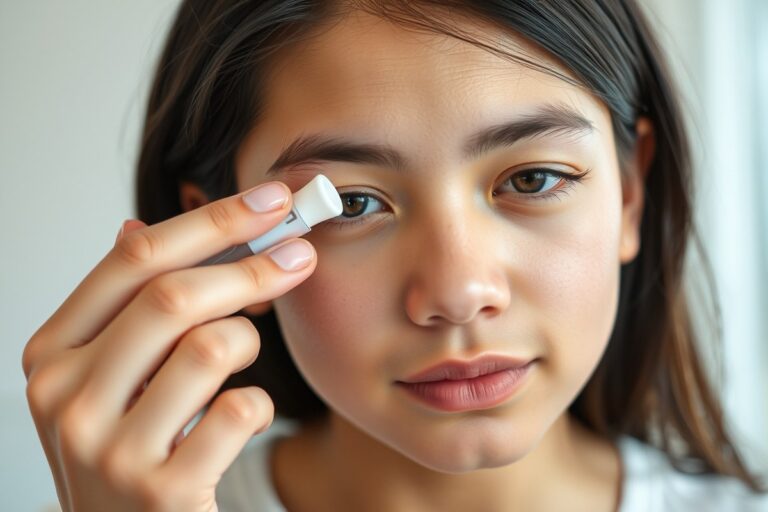
How to Get Rid of Blackheads on Nose: 8 Proven Steps That Work
To get rid of blackheads on your nose, focus on a gentle daily skincare routine that includes cleansing with salicylic acid, regular exfoliation, and using targeted treatments like retinoids or clay masks. Safe extraction at home can help, but it’s essential to avoid harsh scrubbing or overuse of pore strips. Adjusting your lifestyle and diet, along with consistent care, prevents blackheads from returning.
This is for anyone struggling with stubborn blackheads on the nose who wants effective, dermatologist-backed steps to clear their skin. You’ll learn simple ways to reduce blackheads, how active ingredients work, safe home treatments, and when to seek professional help for lasting results.
Key Takeaways
- Blackheads form when pores clog with excess oil and dead skin, appearing as small dark spots primarily on the nose’s surface.
- Use a gentle daily routine: cleanse with a mild salicylic acid product and exfoliate by massaging in circular motions for 1 to 2 minutes.
- Apply retinoids like Differin Gel 0.1% to clear blackheads by promoting skin cell turnover and preventing clogged pores over 6 to 8 weeks.
- Use pore strips, clay, or charcoal masks properly: keep pore strips on for only 20 minutes and clay masks for 10, 15 minutes before rinsing.
- Steam your face for 5, 10 minutes before gently extracting blackheads with clean hands or tools to reduce skin irritation.
- Lifestyle factors such as oily skin type, diet, and hygiene affect blackhead formation; adjusting these can help reduce their recurrence.
1. Why Blackheads Form on the Nose and How to Identify Them

Blackheads occur when pores become blocked by a buildup of sebum and dead skin cells. The nose tends to develop more blackheads because its pores are larger and it has more oil glands than other facial areas. These characteristics increase the likelihood that pores on your nose get clogged. The trapped debris darkens after contact with the air, causing the black tip you see on blackheads.
It’s important to distinguish blackheads from sebaceous filaments, though they often appear in the same area and can be confusing. Blackheads are firm clogs that you can sometimes remove, and their color is dark or black due to oxidation. Sebaceous filaments, by contrast, have a gray or skin-toned color and appear softer, almost string-like. They never fully disappear and will refill constantly because they serve the normal function of lining pores to channel oil flow. Treating sebaceous filaments like blackheads by aggressively extracting or scrubbing can irritate your skin and cause more problems.
You can also differentiate blackheads from acne pimples, which are inflamed and tend to be red, swollen, or painful. Blackheads are a form of non-inflammatory acne, meaning they do not typically hurt or swell. Raised, red bumps or pustules usually indicate inflammatory acne rather than blackheads.
To tell blackheads apart more easily, look closely at size and texture. Blackheads usually appear as small, dark dots on the nose tip and sides. They have a firm feel and may become raised over time. Sebaceous filaments look like tiny pinpoints, lighter in color, and feel smoother. Lightly squeezing or gently wiping the area can help spot the difference, blackheads often come loose, while sebaceous filaments remain.
When starting to address blackheads, focus on gentle cleansing twice a day to remove excess oil and dead skin before they clog pores further. Avoid using too many products at once, as piling on acne treatments can overwhelm and irritate your skin, worsening blackheads. Safely identifying your blackheads and treating them effectively begins with learning these distinctions and observing your nose closely. This foundation helps you choose the right treatments that target blackheads without harming your skin.
2. A Simple Daily Skincare Routine to Reduce Nose Blackheads

The simplest daily skincare routine to reduce blackheads on your nose depends mostly on consistent cleansing, gentle exfoliation, and proper moisturizing. Focus on using a cleanser suited for your skin type, washing twice daily, and choosing moisturizers and sunscreens that won’t clog pores. Avoid harsh scrubbing and comedogenic products to keep blackheads from worsening.
Choosing the Right Cleanser
Select a cleanser designed to clear pores without stripping your skin. For oily or acne-prone skin, a gel cleanser containing ingredients like thyme and witch hazel, such as Simple Purifying Gel Face Wash, is ideal because it helps control oil without irritation. When your skin is dry or sensitive, choose milder, barrier-supporting cleansers like Simple Active Skin Barrier Cleanser to avoid excess dryness that can worsen blackheads.
For combination skin, use a gel cleanser on your oily T-zone, including the nose, and a creamier formula on drier areas. The right cleanser keeps your pores clean and the skin barrier intact, preventing buildup that leads to blackheads.
When and How to Wash Your Face
Wash your face twice daily, once in the morning and once before bed, to remove excess oil, sweat, dead skin cells, and environmental impurities. Cleansing your face after exercising or sweating during the day helps prevent pore blockage. Always remove makeup completely before bed using a gentle makeup remover or cleanser.
Use lukewarm water when washing to prevent over-drying or stimulating extra oil production. Avoid scrubbing your nose harshly; instead, gently massage cleanser in circular motions for about 30 seconds to break down oil and debris. Rinse thoroughly and pat your skin dry with a clean towel.
- Wet your face with lukewarm water to open pores slightly without irritation.
- Apply a small amount of your chosen cleanser to your fingertips.
- Gently massage the cleanser over your nose and other oily areas in circular motions for 30 seconds.
- Rinse your face thoroughly with lukewarm water, ensuring no residue remains.
- Pat your skin dry with a clean, soft towel.
- Follow with moisturizer and sunscreen during the day.
Do not over-wash your face, as cleansing more than twice daily can dry out skin and increase oil production, making blackheads worse.
Selecting Moisturizers and Sunscreens
For blackhead-prone noses, use non-comedogenic, lightweight moisturizers that hydrate without clogging pores. Simple Ultra-Light Liquid Moisturiser works well for oily or acne-prone skin types by maintaining moisture balance. Those with dry or sensitive skin should choose more hydrating but still non-comedogenic options like Simple Active Skin Barrier Moisturiser to support skin repair without exacerbating blackheads.
Daily sunscreen use is essential, especially since many effective blackhead treatments increase sun sensitivity. Choose oil-free, broad-spectrum sunscreens labeled “non-comedogenic” to protect your skin without contributing to pore blockage. Applying sunscreen every morning after moisturizer keeps your skin safe from UV damage without worsening blackheads.
3. How Salicylic Acid, Retinoids, and Other Actives Clear Blackheads
To clear blackheads on your nose effectively, look for products containing salicylic acid, retinoids, and other active ingredients like glycolic acid and benzoyl peroxide. These work by dissolving the debris in pores, speeding up skin cell turnover, and reducing inflammation. Using these ingredients consistently for 6 to 8 weeks can visibly reduce blackheads and prevent new ones.
Salicylic Acid and BHA Benefits
Salicylic acid is a beta hydroxy acid (BHA) that dissolves the oily debris and dead skin cells clogging your pores. It penetrates deeply because it is oil-soluble, making it especially effective on blackheads, which form inside pores clogged by excess sebum. Salicylic acid also reduces inflammation, helping to calm irritated skin.
Products like cleansers, serums, and leave-on treatments with 1-2% salicylic acid are common and safe to use daily or several times a week, starting slowly to avoid dryness. Combining salicylic acid with alpha hydroxy acids (AHAs) like glycolic acid can improve exfoliation on both the surface and inside pores.
Retinoids: Effects and Timing
Retinoids increase skin cell turnover, which prevents dead skin from accumulating and blocking pores. They also smooth the skin texture and reduce oil secretion over time, making blackhead formation less likely. Retinoids can take 6 to 8 weeks before you notice improvement but offer long-term benefits if used consistently.
Start with a low concentration, applying retinoids only a few times per week, especially if you have sensitive skin. Expect some peeling, redness, or dryness early on; using a gentle moisturizer and avoiding harsh cleansers helps. Retinoids are best applied at night since sunlight can reduce their effectiveness and increase irritation risk.
Other Actives: Niacinamide, Glycolic Acid, Benzoyl Peroxide
Glycolic acid, an AHA, helps by exfoliating dead skin cells on the surface, which prevents pores from clogging. While not as deep-penetrating as salicylic acid for blackheads, it complements BHAs well. Use glycolic acid products typically with concentrations around 5-10%, found in cleansers and toners. These may cause sensitivity, so start with lower frequency.
Niacinamide reduces inflammation and controls oil production, which can help shrink pores and make blackheads less likely. This ingredient is generally well-tolerated and found in serums and moisturizers.
Benzoyl peroxide targets acne-causing bacteria rather than directly clearing blackheads. It can help reduce breakouts that appear along with blackheads but may irritate skin if overused, especially on dry or sensitive areas. Below is a comparison of common active treatments for blackheads suited for different skin types:
| Remedy | Oily Skin | Dry Skin | Sensitive Skin | Combination Skin |
|---|---|---|---|---|
| Exfoliation | Salicylic acid | Lactic acid | Enzyme exfoliants (papaya, pumpkin) | Salicylic acid for oily zones |
| Clay masks | Kaolin or bentonite clay | Hydrating clay masks | Gentle clay masks | Hydrating masks for dry zones |
| Tea tree oil | Yes (diluted) | Yes (diluted) | Yes (very diluted) | Yes (diluted) for oily areas |
| Pore strips | Yes (for superficial blackheads) | Avoid (can irritate dry skin) | Avoid (can cause irritation) | Use cautiously on oily zones |
This table helps you select treatments based on your skin type. Using the wrong product or overusing strong actives can cause dryness, irritation, or worsen blackheads.
4. Using Pore Strips, Clay, and Charcoal Masks Safely and Effectively
Pore strips, clay masks, and charcoal masks can help reduce blackheads on your nose mostly by removing surface debris and excess oil. Pore strips provide a temporary fix by pulling some of the top layer containing dirt and oil, while clay and charcoal masks absorb oil and gently loosen clogged pores. Using these tools correctly and not too often minimizes skin irritation and improves results.
How to Apply Pore Strips Properly
Pore strips pull away the top layer of blackheads and surface oil but don’t clear deep within your pores. They are best for quick, visible removal of surface-level blackheads on your nose. Careful use reduces the risk of irritation or damage to your skin. Follow these steps when using pore strips:
- Wash your face with warm water and a gentle cleanser to open pores.
- Wet your nose thoroughly; the strip won’t stick unless your skin is damp.
- Peel the strip from its backing and apply it to your nose, pressing down firmly to ensure full contact.
- Leave the strip on for 10 to 15 minutes or as directed by the product instructions.
- Gently peel the strip off starting from the edges toward the center.
- Rinse your nose with cool water to close pores and remove any residue.
- Apply a non-comedogenic moisturizer to soothe your skin.
Limit pore strip use to once a week to avoid skin irritation or damage. Overuse can strip away natural oils and increase sensitivity.
Choosing and Using Clay or Charcoal Masks
Clay and charcoal masks suit oily or combination skin prone to blackheads. Clay attracts and absorbs excess oil and dirt, while charcoal binds impurities for easier removal. Masks with added sulfur may also help by breaking down dead skin cells in clogged pores.
Use clay or charcoal masks 1 to 2 times per week for the best balance between cleansing and gentle care. Overuse can dry out your skin or cause irritation. Follow these steps when applying a clay or charcoal mask:
- Cleanse your face with a mild cleanser and pat dry.
- Apply an even layer of the mask over your nose and other oily areas, avoiding eyes and lips.
- Leave the mask on for 10 to 15 minutes or until it’s dry but not cracked.
- Rinse off gently with lukewarm water using circular motions to aid exfoliation.
- Pat your skin dry and apply a light, oil-free moisturizer to prevent dryness.
Masks cost around $10 to $25 at drugstores depending on brand and size. Homemade clay masks can be made with cosmetic-grade bentonite clay and water or apple cider vinegar.
Signs of Overuse and How to Protect Your Skin
Overusing pore strips or masks can cause redness, dryness, or flaking. If your nose feels tight, itchy, or looks inflamed after use, reduce frequency or stop use. Excessive pulling from pore strips might also damage the skin’s surface, increasing sensitivity or blackhead recurrence.
To protect your skin, avoid combining multiple exfoliating treatments in a single day. Use soothing products like fragrance-free moisturizers with ceramides or niacinamide after treatments. Sun protection is important because exfoliation can increase UV sensitivity.
Aim to use pore strips only once a week and clay or charcoal masks no more than twice weekly. This schedule helps maintain balance between clearing debris and preserving your skin’s natural barrier.
5. When and How to Safely Extract Blackheads at Home
Extracting blackheads on your nose at home can be done safely if you follow proper techniques and precautions. Avoid using your fingers because the skin’s natural oils and bacteria under your nails can cause irritation or infection. Instead, use a dedicated blackhead extractor tool designed for this purpose, and never force a blackhead out if it doesn’t come easily to prevent scarring or skin damage.
Before extraction, soften the pores with steam or a warm compress for about 5 to 10 minutes. This opens the pores and makes extraction less harsh on your skin. Over-exfoliating or aggressive rubbing can lead to redness and inflammation. Limit exfoliation to 1 to 2 times per week, choosing gentle methods like chemical exfoliants with salicylic acid rather than harsh scrubs. Follow these steps to extract blackheads safely and reduce the risk of irritation:
- Cleanse your face: Use a gentle, non-comedogenic cleanser to remove surface oil, dirt, and makeup.
- Apply warm steam or a warm towel: Hold it on your nose for 5, 10 minutes to open pores.
- Disinfect the blackhead extractor tool: Wipe your tool with rubbing alcohol to maintain hygiene and prevent infection.
- Gently press the looped end of the extractor over the blackhead: Apply light pressure straight down to push the debris out. Stop if it doesn’t come out easily to avoid skin damage.
- Cleanse the area again: Wash with a mild cleanser to remove any released debris and bacteria.
- Apply a soothing, hydrating gel moisturizer: Choose oil-free formulas that won’t clog pores or cause excess oil production.
- Limit extraction frequency: Avoid extracting more than once every 2 weeks to give skin time to recover and prevent irritation.
Never use sharp objects or excessive force to remove blackheads, as this can cause scarring, redness, and long-term skin damage.
6. How Lifestyle, Diet, and Skin Type Affect Blackhead Formation
Several factors like your skin type, daily habits, and diet influence how blackheads appear and react to care, particularly on the nose. Overproduction of oil, sweat, and inadequate cleansing can block pores. For instance, missing your regular face wash or not removing thick sunscreen at night allows oils and dead cells to accumulate, leading to blackheads. To help prevent this, clean your face twice daily with a mild cleanser and avoid frequent nose touching, which spreads bacteria and oils. Make sure to wash your skin soon after sweating heavily to keep pores clear.
Diet also influences blackheads by affecting oil production and inflammation. Diets high in sugary or processed foods can increase oiliness and worsen acne. Cutting back on sugary drinks and fast food while adding more fruits, vegetables, and water may reduce blackhead severity. Some people find dairy triggers breakouts, so observing your skin’s reaction to dairy might help. Consistent hydration supports skin regeneration, which helps keep pores clear.
Skin type determines the best approach to manage blackheads on your nose. People with oily skin benefit from products containing salicylic acid because they penetrate pores and dissolve excess oil. Dry or sensitive skin types should avoid overusing strong exfoliants to prevent irritation and increased oil production as a rebound effect. For sensitive skin, incorporating gentle formulas with tea tree oil can soothe inflammation without causing dryness. You might apply a hydrating serum after cleansing and use targeted tea tree treatments only on blackhead-prone areas.
When blackheads resist over-the-counter options, professional cleanings like microdermabrasion can help. This treatment uses tiny crystals to remove the skin’s outer layer where blackheads form, priced around $75 to $150 per session depending on location. Expect several sessions spaced weeks apart to see improvement. Avoid harsh scrubs or excessive extraction that can stretch pores and cause long-term damage.
Cost-effective at-home options include oil-absorbing nose strips like Peace Out, which cost roughly $19 for a pack and help clear pores temporarily by pulling out blackheads. Use these no more than once or twice a week to avoid over-drying. After using strips or cleansing, applying a lightweight, non-comedogenic moisturizer supports skin balance to prevent rebound oiliness.
Your unique combination of skin type, daily habits, and diet shapes how blackheads develop and heal. Adjusting washing routines, making conscious food choices, and picking products tailored to your skin can significantly reduce blackheads on your nose without needing expensive treatments or risking irritation.
7. How to Maintain Blackhead-Free Skin and Prevent Recurrence
Maintaining clear skin after removing blackheads requires consistent care and mindful choices. Blackheads often come back if you stop treatment abruptly because your pores remain susceptible to clogging from excess oil, dead skin, and dirt. Keeping a routine that prevents buildup is essential to reduce recurrence.
Use a gentle cleanser twice daily to keep your skin clean without stripping its natural moisture. Follow with a moisturizer labeled “non-comedogenic,” meaning it won’t clog pores. Look for ingredients like hyaluronic acid or glycerin that hydrate without oiliness. Sunscreen is also important every day to protect your skin barrier; opt for oil-free, broad-spectrum formulas with SPF 30 or higher, designed specifically for oily or acne-prone skin.
- Cleanse your face in the morning and evening with a mild, oil-free cleanser.
- Apply a thin layer of a retinoid product 2, 3 times a week to promote cell turnover and keep pores clear.
- Use a lightweight, non-comedogenic moisturizer daily to maintain skin hydration.
- Wear an oil-free, broad-spectrum sunscreen with SPF 30+ every morning, even on cloudy days.
- Exfoliate gently once a week using a chemical exfoliant with salicylic acid to dissolve dead skin cells inside pores.
- Avoid picking or squeezing blackheads to prevent irritation and scarring.
- Consider a weekly peel-off charcoal mask or an egg white mask to help tighten pores and reduce blackheads naturally.
Applying retinoids consistently, even after your blackheads clear up, helps prevent new ones. These products work by increasing skin cell turnover and reducing oil production inside your pores. You may notice mild irritation at first, so start slowly. Over-the-counter retinoids usually cost between $15 and $40, while prescription options can vary more. Non-invasive professional treatments typically run from roughly $10 to $100 depending on location and method. Using these approaches regularly provides fewer blackheads, smaller pores, and smoother skin over time.
Always choose skincare products that suit your skin type and avoid heavy creams that can clog pores. If you have sensitive skin, test new products on a small area before applying them all over. This routine takes about 5 to 10 minutes daily and longer for exfoliation steps. Good results show as fewer visible blackheads and less oily shine within a few weeks.
8. When to See a Dermatologist and Professional Treatment Options
Seek a dermatologist’s care when blackheads on your nose persist despite consistent home treatment, become widespread, or cluster tightly, especially if over-the-counter products no longer improve your skin. Professional evaluation helps identify underlying skin issues such as hormonal imbalance or clogged pores resistant to typical exfoliants and topical acids. A good rule of thumb is to try home care for at least 6 to 8 weeks; if your blackheads do not diminish or worsen, that signals it’s time for an expert consultation.
Dermatologists offer a variety of effective in-office treatments suited for stubborn blackheads. Common procedures include chemical peels, microdermabrasion, and manual extraction done under sterile conditions. These treatments usually last between 30 and 40 minutes and often require 5 to 16 sessions for visible improvement. Treatments can open pores, reduce oiliness, and visibly tighten skin, although the natural pore size does not change permanently.
Manual extraction by a professional is one of the safest methods for removing blackheads. Attempting to extract blackheads at home can cause skin irritation, infection, or scarring. Dermatologists use specialized tools and techniques to gently remove blackheads while minimizing skin trauma. During the first visit, your dermatologist will assess your skin type and sensitivity to recommend specific treatments and schedules tailored to your needs.
Medical-grade topical treatments may be prescribed alongside in-office procedures to maintain results. Prescription-strength retinoids, antibiotics, or combination creams, often more potent than over-the-counter options, help regulate skin turnover and reduce inflammation. Following your dermatologist’s instructions carefully reduces irritation risk and speeds recovery.
The cost for professional blackhead treatments varies widely, typically ranging from $100 to $300 per session depending on the procedure and location. Most insurance plans do not cover cosmetic procedures, so plan your budget accordingly. Ask your dermatologist about expected outcomes, potential side effects like swelling or redness, and the approximate timeline to see clear skin.
Never attempt deep blackhead extraction yourself; professional removal minimizes the risk of scarring and infection while providing safer, more effective results.
Step-by-Step Action Plan for Clearing Blackheads on Your Nose
Follow this clear schedule to reduce blackheads safely and keep your nose clear over time. Each step builds on the last for effective results.
- Before you start: Cleanse your face twice daily using a gentle, non-comedogenic cleanser to remove excess oil and dirt. You’ll notice less visible grime on your skin.
- Day 1: Introduce a salicylic acid product (1-2%) to your evening routine to exfoliate inside pores. Reduced blackhead buildup should begin within a week.
- Week 1: Use a clay or charcoal mask once or twice this week to absorb excess oil and draw out impurities. Your nose will feel less oily and look less congested after each use.
- Week 2: Add a retinoid cream or gel to your nighttime routine, applying every other night to encourage skin cell turnover. Notice smoother skin texture and fewer new blackheads forming.
- Week 3: Try gentle blackhead extraction at home using clean hands or a comedone extractor after steaming your face to open pores. Extract only visible blackheads carefully; stop if irritation occurs.
- Ongoing: Maintain a consistent routine: cleansing, targeted treatments, and weekly masks. Monitor for fewer blackheads and clearer pores.
- As needed: Reassess your lifestyle, including diet and sun protection, to reduce triggers. Be alert for flare-ups and adjust products or habits accordingly.
- If blackheads persist after 6 weeks: Schedule a visit with a dermatologist for professional treatments like chemical peels or extractions. Professional care helps when at-home methods don’t fully clear your skin.
Frequently Asked Questions
What Is the Fastest Way to Remove Blackheads from the Nose?
Using blackhead removal strips can provide instant results by pulling out clogged pores, but they should be used carefully to avoid skin irritation.
Can Blackhead Removal Strips Cause Skin Damage?
Yes, overuse or aggressive peeling of strips can cause redness or broken skin, so limit use to once a week.
Does Washing Your Face More Often Help Get Rid of Blackheads?
Washing your face twice daily with a gentle cleanser helps reduce excess oil that causes blackheads; avoid over-washing which can irritate skin.
Are Blackheads on the Nose Permanent Without Treatment?
Blackheads tend to persist without regular cleansing and exfoliation because pores remain clogged with oil and dead skin cells.
Can Makeup Worsen Blackhead Formation on the Nose?
Heavy or pore-clogging makeup can worsen blackheads if not removed properly at the end of the day.
Is Picking at Blackheads Safe to Remove Them?
Picking can worsen inflammation and cause scars, so avoid squeezing blackheads and use gentle extraction methods instead.
Key Points to Remember
Consistently following a gentle skincare routine that includes salicylic acid or retinoids will give you the best chance at clearing and preventing blackheads on your nose. Start by adding a salicylic acid cleanser to your morning or evening routine and use it regularly to keep your pores clear. If your blackheads persist or worsen, scheduling a visit with a dermatologist can help you explore targeted treatments safely and effectively.