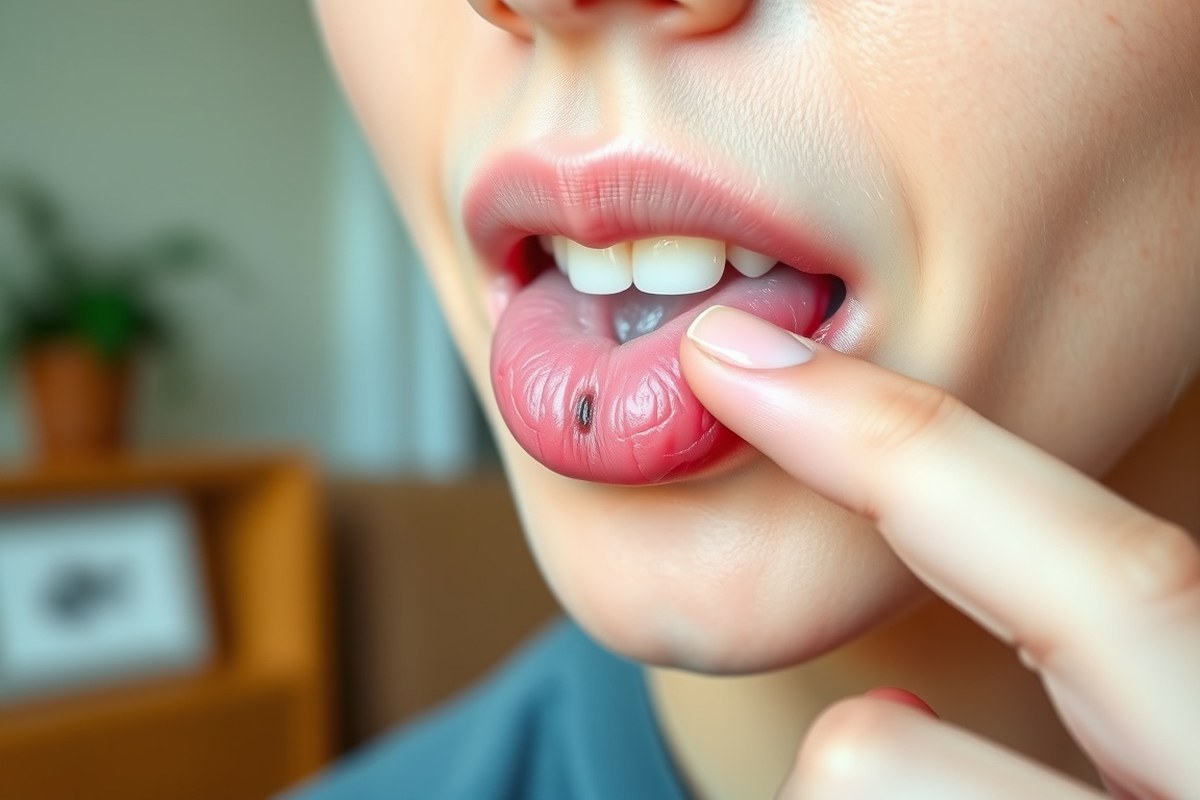
How to Get Rid of Canker Sore on Tongue: 8 Proven Ways for Fast Relief
To get rid of a canker sore on your tongue quickly, focus on easing pain, avoiding irritating foods, and using home or over-the-counter treatments designed to promote healing. Applying a topical anesthetic, rinsing with salt water, and steering clear of acidic or spicy foods can provide fast relief while the sore naturally fades in about one to two weeks. Avoid touching or picking at the sore, as this can slow healing and increase discomfort.
This information suits adults over 30 experiencing a canker sore on their tongue for the first time or those who struggle with recurrent painful sores. You’ll learn what causes these ulcers, practical pain relief options, safe treatments, dietary tips, when to seek medical care, and ways to prevent future sores while avoiding common treatment mistakes.
Key Takeaways
- Canker sores on the tongue usually heal within 7 to 14 days but can take up to 3 weeks for complete recovery.
- Common triggers include stress, minor mouth injuries, acidic foods, and certain vitamin deficiencies like B12 or iron.
- Over-the-counter gels and rinses can ease pain, but full healing takes time; expect relief, not instant cure.
- Avoid spicy, acidic, and rough-textured foods while healing to prevent irritation and slow recovery of tongue sores.
- See a healthcare provider if the sore lasts longer than 2 weeks, grows larger than 1 cm, or worsens.
- Maintaining good oral hygiene, managing stress, and taking vitamins can reduce the frequency of canker sore outbreaks.
1. What Is a Canker Sore on the Tongue and How Long Does It Last?
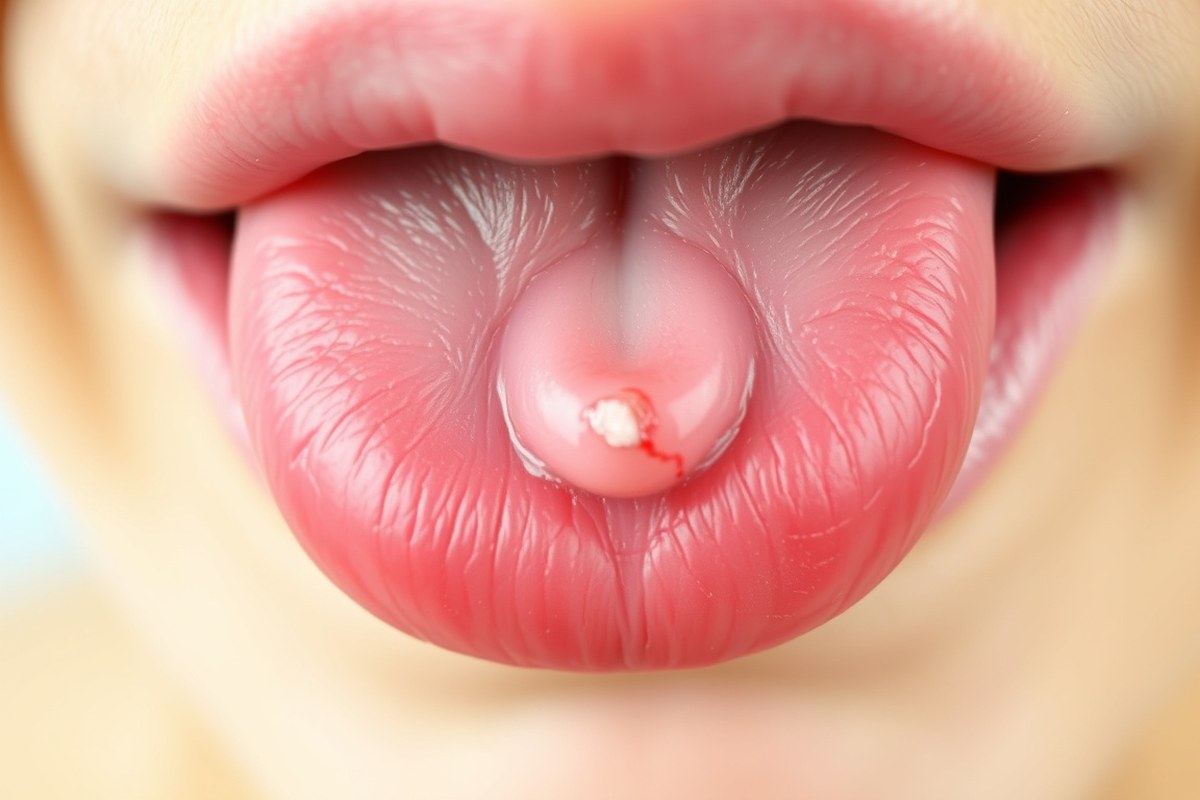
A canker sore on your tongue is a small mouth ulcer that often causes pain and has a red rim around it. These sores cannot spread from person to person and usually form on the tongue’s soft inner parts, not the hard outer area. You’ll typically see a round or oval sore that is white or yellowish, clearly outlined with a red border. Because of where it appears on your tongue, it can make talking, eating, and swallowing uncomfortable due to its sensitivity.
Canker sores come mainly in two forms: minor and major. Minor canker sores are the most frequent and usually range from less than 5 millimeters up to about 1 centimeter in size. They tend to cause moderate discomfort but generally heal by themselves within 7 to 14 days without leaving scars. Pain often starts to lessen a few days after the sore forms. Major canker sores are larger than 1 centimeter, tend to be deeper with uneven edges, and cause more pain. These sores can disrupt everyday tasks more and might take two weeks to six weeks or more to fully heal, sometimes leaving scars on your tongue.
Symptoms to identify a canker sore on your tongue include a painful sore covered by a white, gray, or yellowish membrane, with a surrounding area of redness. The sore can be tender, especially when eating acidic, spicy, or rough-textured foods. You might notice a burning or tingling sensation before the sore fully develops. Swelling or mild irritation around the sore is also common. The pain is often worse within the first few days and starts to fade as the sore heals.
Most canker sores on the tongue follow a typical healing timeline. Minor sores usually resolve within one to two weeks. For faster relief, applying over-the-counter topical treatments or home care options can help reduce pain and sometimes speed healing, although complete disappearance within 24 hours is unlikely. Major canker sores require more time and sometimes medical evaluation if they persist or worsen.
Keep in mind, the presence of a canker sore is a common but uncomfortable issue, and while healing times vary by size and severity, healthy healing generally happens within two weeks for smaller sores. If your sore doesn’t improve by then or is unusually painful, a healthcare provider can offer treatments that may shorten recovery and provide pain relief.
2. Common Causes and Triggers of Canker Sores on the Tongue

Canker sores on the tongue form due to various reasons including minor injuries, emotional stress, nutritional shortfalls, and eating certain foods. They are not caused by poor oral hygiene, although mouth care habits can influence recovery. Understanding these triggers helps you manage and reduce the frequency of canker sores.
Physical Injuries Leading to Sores
Small injuries inside your mouth often cause canker sores on the tongue. Accidentally biting your tongue, brushing too hard, or irritation from dental appliances can break the thin lining and trigger sores. Even sports injuries or recent dental work can create these tiny wounds. Because the tongue moves a lot and is sensitive, these injuries easily turn into painful sores.
Taking care to avoid biting your tongue and using a soft-bristled toothbrush can reduce the chance of injuries. Be gentle when flossing or cleaning your teeth, and wear protective gear during contact sports. If you notice a canker sore forming after an injury, rinsing your mouth with a mild saltwater solution several times a day can soothe irritation and support healing.
Emotional Stress and Its Impact
Emotional stress or anxiety is a well-known trigger for canker sores on the tongue. Stress affects your immune system and can make your mouth more sensitive or prone to inflammation. High-stress periods often coincide with outbreaks of canker sores, especially in people who get them repeatedly.
Reducing stress through relaxation techniques like deep breathing, meditation, or yoga might help lower the frequency of these sores. Poor sleep and anxiety can weaken the immune system further, so improving your overall mental health plays a role in prevention. Tracking your stress levels alongside canker sore occurrences helps identify patterns and manage triggers better.
Deficiencies in Essential Nutrients
Low levels of vitamins and minerals such as B12, folate, iron, and zinc can contribute to canker sores on the tongue. These nutrients support your immune system and maintain healthy tissue repair, so a deficiency can slow healing or make your mouth prone to ulcers. People with poor diets or certain medical conditions may experience more frequent or severe sores due to these gaps.
Addressing these deficiencies through diet or supplements can reduce the occurrence of canker sores. A blood test can identify your levels and guide treatment if you have ongoing or severe sores. Including foods like leafy greens, lean meats, fortified cereals, and beans helps maintain adequate nutrients. Supplement doses vary, but typical vitamin B12 supplements are around 500 mcg daily, adjusted by your healthcare provider.
Foods That Commonly Trigger Sores
Some foods can irritate the delicate tissues of your tongue and mouth, leading to or worsening canker sores. Acidic fruits like oranges and pineapples, spicy dishes, and salty or crunchy foods often cause discomfort and trigger ulcer formation in sensitive individuals. Alcohol and certain additives like sodium lauryl sulfate in some toothpastes and mouthwashes can also contribute to irritation.
Avoiding these foods and products while you have an active sore helps prevent pain and speeds healing. Once healed, you can reintroduce these foods gradually to see if they cause further sores. Keeping a food diary alongside sore outbreaks may help you identify your personal triggers more precisely.
Clarifying Oral Hygiene Misconceptions
Good oral hygiene does not cause canker sores. In fact, maintaining clean teeth and mouth helps prevent infections that might worsen an existing sore. However, aggressive brushing, using harsh toothpaste ingredients (such as sodium lauryl sulfate), or alcohol-containing mouthwashes can irritate your mouth and possibly trigger or prolong sores.
Use a soft toothbrush and toothpaste without sodium lauryl sulfate to minimize irritation. Rinsing gently with mild saltwater instead of strong antiseptics can soothe the area. Regular but gentle oral care supports healing and reduces discomfort without causing new sores.
Avoid toothpaste with sodium lauryl sulfate during a flare-up to reduce irritation and support faster healing.
3. How to Relieve Tongue Canker Sore Pain Quickly and Safely
To relieve tongue canker sore pain quickly and safely, focus on numbing the area and reducing irritation without causing further damage. Immediate pain relief is possible through safe topical agents and natural methods. Avoid popping or scraping the sore, as this can worsen pain and delay healing.
Topical Agents for Immediate Pain Relief
Topical anesthetics like gels or pastes containing benzocaine offer fast, temporary pain relief by numbing the sore. Products such as Orajel or Anbesol are commonly available over the counter and can be applied directly to the sore for quick comfort. Follow the label instructions carefully to avoid irritation or allergic reactions.
Cold therapy also works well to reduce pain. Slowly letting an ice chip dissolve near the sore cools and soothes the inflamed tissue. This method is simple, drug-free, and can be repeated several times a day as needed.
Using Natural Remedies Safely
Natural remedies like chamomile tea bags and coconut oil provide gentle care that reduces inflammation and discomfort. Soak a chamomile tea bag in water for one minute, then hold it against the sore for five to ten minutes twice daily. Coconut oil’s anti-inflammatory effects may ease pain when applied carefully to the tongue’s surface.
Rinsing with warm salt water up to four times daily can reduce swelling, keep the area clean, and provide noticeable relief. Dissolve half a teaspoon of salt in 8 ounces of warm water and swish gently for 15 to 30 seconds before spitting out.
Avoiding Harmful Practices and Risks
Never pop, scrape, or pick at a canker sore on your tongue. These actions break the protective mucous membrane, causing more pain, risk of infection, and longer healing times. The tongue’s sensitive tissue can easily develop secondary infections if handled improperly.
Avoid using sharp objects or abrasive materials on the sore. Also, stay away from harsh mouthwashes containing alcohol, as they can burn and irritate the sore further. Focus on gentle, soothing treatments that support natural healing.
Over-the-Counter Medications and Options
Several over-the-counter treatments can help you manage canker sore pain and promote healing. Topical corticosteroid gels, usually available by prescription but occasionally OTC in mild forms, reduce inflammation and speed recovery. Antiseptic mouthwashes may also help decrease pain and keep the area clean, although they won’t prevent new sores. Here’s a simple approach to using OTC options effectively:
- Clean your hands thoroughly before touching the sore or applying any product.
- Apply a small amount of benzocaine-based gel directly on the sore using a clean fingertip or cotton swab.
- Allow the gel to stay on the sore without rinsing your mouth for at least 10 minutes to maximize numbing effect.
- Use an ice chip near the sore after applying the gel to improve relief, but avoid placing ice directly on the sore if it causes discomfort.
- Repeat application up to 4 times daily, ensuring at least 3 hours between doses to prevent irritation.
- Rinse with warm salt water between applications to keep the area clean and reduce inflammation.
- Avoid eating spicy, acidic, or abrasive foods during this time to prevent additional irritation.
- Stop using any product that causes burning, swelling, or allergic reaction and consult a healthcare provider if symptoms worsen.
4. Home Remedies and Over-the-Counter Treatments Compared for Tongue Sores
Home remedies and over-the-counter (OTC) treatments can ease the pain and speed healing for canker sores on your tongue. Saltwater and baking soda rinses are popular for relieving discomfort and reducing bacteria. OTC options like hydrogen peroxide rinses clean the sore and may prevent infection. Careful use matters because the tongue is sensitive and constantly moves during talking and eating.
| Treatment | What It Is | How to Use | Effectiveness | Safety and Risks |
|---|---|---|---|---|
| Saltwater Rinse | Dissolve 1/2 teaspoon of salt in 1/2 cup warm water | Swish gently for 15-30 seconds; repeat 2-3 times daily | Helps relieve pain, reduces bacteria on sore | Safe; avoid swallowing saltwater |
| Baking Soda Rinse or Paste | 1 teaspoon baking soda in 1/2 cup warm water or paste from baking soda + water | Rinse mouth for 15-30 seconds or apply paste directly on sore; repeat 2-3 times daily | Reduces acidity, soothes irritation | Safe if not ingested in large amounts; avoid overuse that can dry mouth |
| Hydrogen Peroxide Rinse (3%) | Antiseptic rinse (e.g., Peroxyl), diluted with equal part water | Apply small amount with cotton swab or rinse mouth carefully; do not swallow; use 1-2 times daily | Cleans sore, reduces bacterial load; may speed healing | Can irritate mouth lining; swallowing should be avoided; dilute properly to reduce risk |
| OTC Topical Gels and Ointments | Products containing benzocaine or similar pain relievers | Apply directly on canker sore as directed, usually 3-4 times daily | Provides temporary pain relief | Generally safe; avoid if allergic to ingredients |
Saltwater rinses help with pain and maintain cleanliness without harsh chemicals, making them ideal as a first step. Baking soda rinses or pastes neutralize acids and soothe irritation but should be used moderately to avoid dryness. For stronger antiseptic action, hydrogen peroxide rinses can be applied carefully by diluting 3% peroxide with equal water and using a cotton swab; swallowing peroxide must be avoided since it can irritate and harm the tissues.
OTC gels with benzocaine or similar numbing agents can provide quick pain relief but do not speed healing. Using these products according to package directions minimizes risks. Avoid using hydrogen peroxide undiluted or too frequently, since it may damage healthy tissue and delay recovery. If the sore lasts longer than two weeks or worsens, seek advice from a healthcare professional rather than continuing home treatments alone.
5. Dietary Do’s and Don’ts While Healing a Canker Sore on the Tongue
A canker sore on your tongue is an open ulcer that can cause sharp discomfort, especially when eating. Avoiding foods that irritate your sore is important to reduce pain and promote faster healing. Acidic, spicy, and rough-textured foods often worsen the sore by inflaming the sensitive area. Steering clear of these foods prevents additional irritation and helps your tongue recover.
Spicy and acidic foods, such as hot peppers, citrus fruits, tomatoes, and vinegar-based dressings, are common culprits. Although spicy foods might feel tempting to some, they can increase soreness and delay healing. Acidic items similarly aggravate the sore, making it feel more painful and inflamed. Waiting until your sore has fully healed before reintroducing these foods is the safest approach.
- Avoid citrus fruits like oranges, lemons, and grapefruits.
- Skip spicy dishes containing chili peppers or hot sauce.
- Don’t eat crunchy, sharp foods such as chips, crackers, or toasted bread.
- Limit salty snacks and processed meats that can inflame your tongue.
- Stay away from acidic drinks like soda, vinegar-based dressings, and tomato juice.
- Choose soft, bland foods like yogurt, cooked cereals, and mashed potatoes during healing.
Hydration supports tissue repair, so drinking plenty of water is essential. Sipping cool water or room temperature beverages helps wash away irritants and keeps the sore moist, reducing discomfort. Avoid hot drinks while the sore is active since heat can trigger pain and delay healing. You might try rinsing your mouth gently with a saltwater solution two or three times a day to soothe the area and keep bacteria levels down.
For the rest of the day after treating your sore, avoid acidic or spicy foods to prevent further irritation and allow healing to begin.
Allow your tongue to rest from harsh or irritating foods for at least one to two weeks until the canker sore has completely healed. This time frame varies depending on the sore’s size and your body’s response. Resuming trigger foods too early can cause more pain and prolong healing. Keeping your diet gentle during this period gives the best chance for a quick recovery.
6. When to See a Healthcare Provider for Tongue Canker Sores
Seek professional care if your canker sore on the tongue is larger than usual, unusually painful, or does not heal within two weeks. Most canker sores resolve on their own during this time, but persistent sores may need a healthcare provider’s evaluation to rule out other conditions and provide more targeted treatment. Your dentist or healthcare professional will ask about your symptoms, medical history, and examine the sore closely to confirm the diagnosis.
When a canker sore lasts longer than 14 days, or if you notice it growing in size, it’s important to consult a dental professional promptly. This timeframe helps differentiate typical canker sores from sores caused by infections, injuries, or other medical issues that can resemble canker sores but may require different treatment. Do not delay professional diagnosis, especially if pain becomes severe or multiple sores appear simultaneously, as these may indicate the need for prescription treatment or further medical evaluation.
There are prescription options that a healthcare professional might recommend for stubborn or severe canker sores. For example, medicated mouth rinses containing steroids like dexamethasone can reduce inflammation and speed healing when over-the-counter remedies are not effective. In more severe cases, treatments such as laser therapy or electrocauterization might be suggested to minimize pain and promote recovery. These treatments require an experienced dentist or doctor and are not available over the counter.
Also, if your canker sores coincide with starting a new medication, talk with your healthcare provider. Some medications can trigger or worsen canker sores, and your doctor may adjust your prescription or suggest alternatives. For sores interfering with dental procedures, such as placing fillings or taking impressions, you may need to see your dentist to get appropriate relief and ensure dental work can proceed safely.
A practical decision rule to follow is this: track the size, pain, and duration of your tongue sore. When the pain lasts more than a few days without improvement, or the sore does not shrink and heal within two weeks, make an appointment with your dentist or healthcare provider. Experiencing multiple sores or unusual symptoms like swelling, fever, or difficulty eating calls for seeking care sooner. Professional diagnosis and timely prescription treatments can shorten healing times and reduce complications.
7. Preventing Future Canker Sores: Vitamins, Lifestyle, and Stress Management
Frequent canker sores can sometimes signal a nutritional deficiency, and adjusting your intake of certain vitamins and supplements may help prevent future sores. Lifestyle choices like tobacco and alcohol use can irritate your mouth and increase the risk, while managing stress is important since it’s a common trigger. Taking practical steps in each of these areas supports overall oral health and reduces the chance of canker sores returning.
Key Vitamins and Supplements to Consider
Repeated canker sores might relate to low levels of certain nutrients in your body. Vitamins such as vitamin C support immune function and tissue repair, which helps heal and possibly prevent sores. Supplementing lysine, an amino acid, has been tried by some people to reduce the frequency of outbreaks. Arginine is another supplement occasionally mentioned, but it can sometimes worsen sores in susceptible individuals.
Consult your healthcare provider before starting supplements, especially because excessive doses may cause side effects or interfere with other medications. Typically, vitamin C supplements range from 500 to 1000 milligrams daily, which is generally considered safe for most adults. Keep in mind that supplementing works best alongside a balanced diet rich in fruits, vegetables, and whole grains.
Lifestyle Habits That Affect Canker Sores
Tobacco and alcohol can both irritate your oral tissues, making your mouth more vulnerable to canker sores. Smoking and chewing tobacco expose the mucous membranes to chemicals that delay healing and increase inflammation. Alcohol, especially hard liquor or alcohol-containing mouthwashes, can dry out your mouth and cause similar irritation.
Reducing or quitting tobacco use leads to better oral health and fewer canker sores over time. Similarly, limiting alcohol intake and avoiding alcohol-based mouthwashes can help prevent sores. Keep a simple diary to track when sores appear and any potential lifestyle triggers associated with their onset.
- Avoid tobacco products to reduce oral irritation
- Cut back on alcohol, especially strong drinks and alcohol mouthwashes
- Choose alcohol-free mouthwashes to protect your oral mucosa
- Maintain good oral hygiene with gentle toothbrushing and flossing
- Note new oral care products that might trigger sore development
Simple Stress Management Techniques
Stress plays a significant role in causing canker sores for many people. When your body experiences stress, your immune system can weaken, making it easier for sores to develop. Managing stress effectively reduces both the frequency and severity of canker sores.
Relaxation techniques that are easy to start include deep breathing exercises, meditation, and yoga. Spending 10 to 15 minutes daily on these practices can lower your stress hormones. Also, maintaining a regular sleep schedule and engaging in physical activity like walking or swimming may improve your overall stress resilience.
8. Common Mistakes to Avoid When Treating Canker Sores on the Tongue
Picking or scraping at canker sores on the tongue is a common mistake that can worsen pain and delay healing. The sores are sensitive and prone to infection, so touching them only irritates the tissue further. Instead, avoid any mechanical irritation by not using your fingernails or a toothbrush to disturb the sore. If you feel an urge to do something, rinse your mouth gently with saltwater or an antiseptic mouthwash as recommended but do not overuse these products.
Using antiseptics excessively may dry out the sore and irritate surrounding tissues. Antiseptic mouthwashes or gels should be used only as directed, usually a few times a day for no more than a week. Overuse can disrupt the natural balance of your mouth’s bacteria and slow healing. Follow package instructions carefully, pay attention to any warnings, and consider consulting with a healthcare provider before starting a new oral care product.
Ignoring your diet and oral hygiene habits can also contribute to ongoing or worsening canker sores. Certain foods like acidic fruits, spicy dishes, or rough textures can aggravate a sore, causing more pain or prolonged healing time. Some people find relief by avoiding these trigger foods until the sore disappears. Keeping a food and symptom diary can help you identify and eliminate dietary triggers specific to you.
Also, many canker sore sufferers do not realize their oral hygiene products might be contributing to their condition. Toothpaste containing sodium lauryl sulfate (SLS), a common foaming agent, has been linked to increased canker sore frequency in some people. Switching to an SLS-free toothpaste may reduce occurrence, especially if you notice sores often after brushing.
Lifestyle factors like stress, poor sleep, and vitamin deficiencies can also impact sore frequency. Tracking your health and stress levels alongside your sores helps identify lifestyle changes that might reduce flare-ups. For example, improving your intake of vitamin B12, iron, zinc, and folate through diet or supplements could lower your risk if you have documented deficiencies.
Keep a canker sore diary to note when sores appear, what you ate, and your stress levels, this can uncover specific triggers and help guide changes that reduce outbreaks.
Resisting the temptation to irritate your tongue sore and focusing on gentle care will speed recovery. Avoid harsh oral care routines for the sore’s duration, usually around 7 to 14 days, and maintain good general oral hygiene with mild brushing and flossing away from the sore. Recognizing and managing your personal triggers prevents frequent recurrence, making treatment more effective over time.
Step-by-Step Action Plan for Getting Rid of a Canker Sore on Your Tongue
Follow these steps to quickly relieve pain, support healing, and reduce the chance of future sores. Track your progress as you go to adjust treatment if needed.
- Day 1: Rinse your mouth with a saltwater solution (1/2 teaspoon salt in 8 ounces of warm water) 3 to 4 times daily to reduce pain and inflammation. You’ll know it’s working if you feel less discomfort after rinsing.
- First 2 days: Use an over-the-counter oral pain reliever gel containing benzocaine or a protective paste directly on the sore after meals. Improvement in pain level by at least 30% indicates effectiveness.
- First week: Avoid spicy, acidic, or sharp-edged foods and drinks that irritate the sore. Notice less soreness and no new irritation after eating.
- Within 3 days: Add vitamin B complex or folate supplements if you suspect nutritional deficiencies, unless your diet already covers these. A decrease in sore frequency or faster healing in future episodes shows this is helping.
- Days 3 to 7: Manage stress with relaxation techniques like deep breathing or short walks, as stress can trigger or worsen sores. Reduced frequency of canker sores over the following weeks signals success.
- After 7 days: If your sore has not improved, grown larger, or is accompanied by fever or difficulty swallowing, schedule an appointment with your healthcare provider for a proper diagnosis and possible prescription treatment.
- Ongoing: Maintain good oral hygiene with gentle brushing and flossing and avoid accidental tongue bites. Track sore occurrence monthly to identify and avoid personal triggers.
Frequently Asked Questions
How Long Will a Canker Sore Last on Your Tongue?
Most canker sores on the tongue last about 7 to 14 days, with smaller ones healing faster. Major sores over 1 centimeter can take weeks or longer to fully heal.
Is Canker Sore on Tongue an STD?
No, canker sores are not sexually transmitted diseases; they are common ulcers caused by irritation or immune response. Testing might be needed if sores seem unusual.
Are Canker Sores from Poor Hygiene?
Poor oral hygiene does not directly cause canker sores, but keeping your mouth clean can help prevent irritation that worsens them. They often result from injury or stress.
Can I Scrape a Canker Sore Off My Tongue?
You should avoid scraping a canker sore, as this can worsen pain and delay healing by irritating the sensitive tissue. Gentle care helps recovery.
Can a Canker Sore Cause Fever or Other Symptoms?
Canker sores usually do not cause fever, but severe pain or multiple sores might make eating tough and cause mild discomfort elsewhere.
Can I Use Mouthwash to Treat a Canker Sore on My Tongue?
Some alcohol-free mouthwashes can reduce pain and inflammation, but avoid harsh types that irritate the sore and delay healing.
The Bottom Line
Getting rid of a canker sore on your tongue involves careful care and avoiding irritants while allowing time for natural healing. You can start by rinsing your mouth with a mild saltwater solution today to ease pain and promote recovery. If the sore persists beyond two weeks or worsens, make an appointment with a healthcare provider for a proper evaluation.