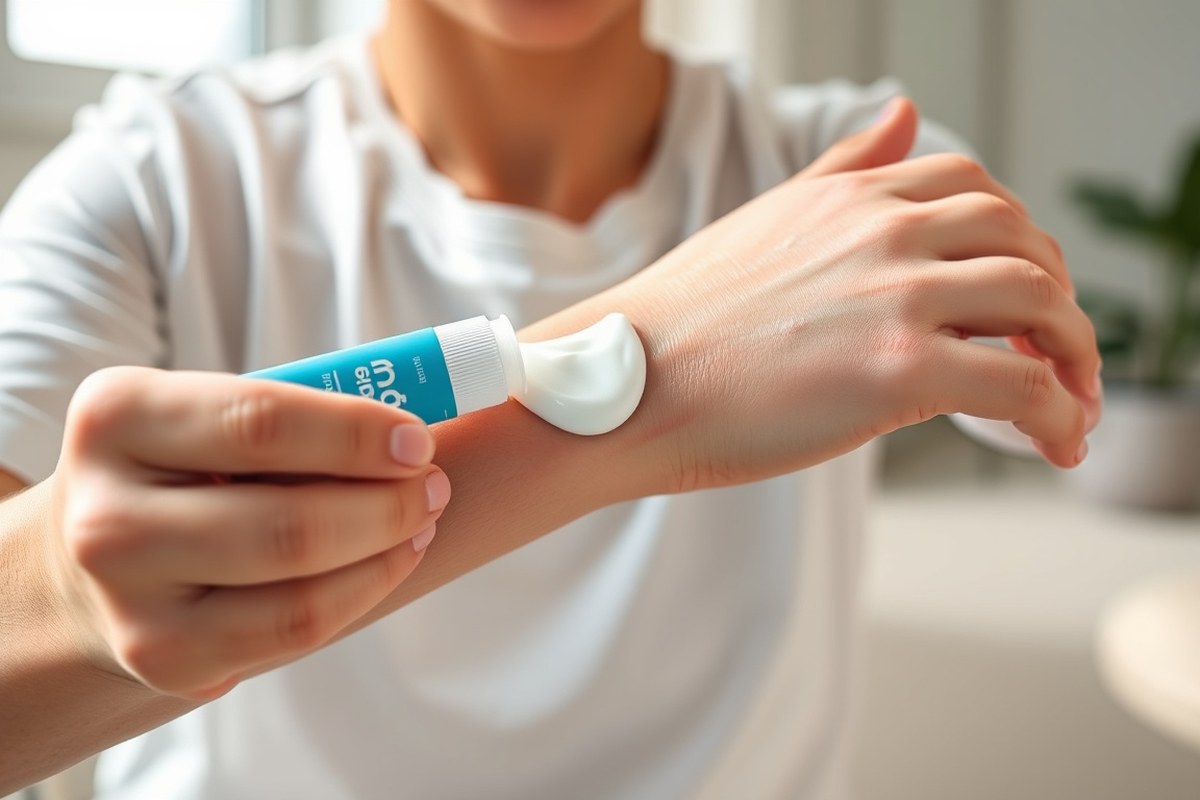
How to Get Rid of Contact Dermatitis Fast: Proven Steps for Quick Relief
To get rid of contact dermatitis fast, immediately identify and remove the substance causing the reaction. Use cool compresses or baths to soothe itching, and apply appropriate over-the-counter treatments, avoiding underpowered options like 1% hydrocortisone for allergic cases. Repairing the skin barrier and avoiding allergens are key steps to speed healing and prevent flare-ups. Severe or persistent symptoms may require prescription medications, so seek medical help if the rash worsens or does not improve within a week or two.
This information is designed for anyone struggling with mild to severe contact dermatitis who needs quick and effective relief. You will learn how to recognize different types, choose proper treatments, manage flare-ups by severity and location, and prevent future episodes for healthier skin.
Key Takeaways
- Remove the offending substance immediately to stop contact dermatitis from worsening and begin healing quickly.
- Irritant contact dermatitis usually clears in 1, 2 weeks after trigger removal and proper skin care starts.
- Use mid- to high-potency topical steroids, not 1% hydrocortisone, for fast relief of allergic contact dermatitis.
- Apply cool compresses or baths to soothe itching and reduce inflammation swiftly during flare-ups.
- Consult a doctor for prescription steroids if rash covers over 20% of your skin or worsens fast.
- Patch testing helps identify hidden allergens to avoid future contact dermatitis flare-ups effectively.
Immediate Actions to Get Rid of Contact Dermatitis Fast

Contact dermatitis symptoms can appear quickly after your skin contacts an irritant, often within minutes to hours for irritant types, while allergic reactions may take a day or two to manifest. Acting fast is essential to prevent the rash from spreading or worsening, since untreated dermatitis can persist for weeks and involve more skin areas. Removing the trigger immediately and starting gentle skin care provides the fastest chance of relief and healing. Here is a prioritized checklist of immediate steps to take when you notice symptoms of contact dermatitis:
- Stop all contact with the suspected irritant or allergen. This is the most important step. Quickly wash the affected area with lukewarm water and mild soap to remove any remaining substance. Avoid hot water or harsh scrubbing, which can worsen irritation.
- Apply a cool, damp compress for 15 to 20 minutes. This helps reduce inflammation and soothe itching. Repeat every few hours as needed to calm the skin.
- Use an over-the-counter topical steroid cream if the rash is localized and itchy. Low- to mid-potency hydrocortisone creams can reduce inflammation and often start showing improvement within a few hours. Avoid using stronger steroids without medical guidance to prevent skin damage.
- Keep the skin moisturized with fragrance-free, hypoallergenic emollients. Moisturizing protects the skin barrier and supports faster healing by sealing in hydration.
- Avoid scratching or rubbing the rash. This prevents further skin injury and possible infection, which can make healing slower and more complicated.
- Wear loose, breathable clothing. Tight or rough fabrics can irritate the rash further, so choose soft cotton garments that do not trap heat or moisture.
- For large or severe rashes covering over 20% of your body, seek medical advice immediately. A healthcare professional may prescribe systemic steroids that reduce inflammation and provide relief within 12 to 24 hours.
Within a few days of following these steps and avoiding the trigger, irritant contact dermatitis usually begins improving. Allergic reactions may take longer but respond well to consistent care and avoidance. Fast intervention reduces the risk of the rash spreading or developing into a chronic condition that lasts weeks or longer.
Identifying Contact Dermatitis: Types, Symptoms, and Causes

Contact dermatitis is a skin condition that causes redness, itching, and rash when your skin reacts to irritants or allergens. It is not contagious and usually appears where the skin has come in contact with the triggering substance. Understanding the type you have and the causes can help you manage symptoms and prevent future flare-ups.
Signs and Symptoms to Watch For
Common symptoms include redness, swelling, itching, and sometimes blistering or cracking of the skin. The rash often appears quickly after exposure, but allergic contact dermatitis might take days to develop. The affected area can become dry and scaly as it heals, and repeated exposure can lead to more severe skin damage. Symptoms may vary based on the type of contact dermatitis, but typical signs are:
- Red, inflamed skin
- Intense itching and burning sensation
- Blisters or oozing in severe cases
- Dry, cracked, or scaly skin as rash resolves
- Localized rash matching the contact area
Contact dermatitis usually heals within 2 to 4 weeks if you avoid the irritant or allergen and follow proper treatment steps. Persistent symptoms might signal continued exposure or a different diagnosis requiring medical advice.
Differences Between Irritant and Allergic Contact Dermatitis
Irritant contact dermatitis accounts for about 80% of cases and results from direct damage to the skin by chemicals or physical agents without involving the immune system. This type often occurs after a single or repeated exposure to substances like soaps, detergents, or solvents that strip or damage the skin barrier.
Allergic contact dermatitis involves a delayed hypersensitivity reaction where your immune system reacts to a substance it has been sensitized to, such as nickel or certain fragrances. Sensitization requires prior exposure, so the reaction may not appear on initial contact but worsens with repeated contacts.
Both types can look similar but differ in cause and treatment. Irritant dermatitis improves mainly by protecting and repairing the skin barrier, while allergic dermatitis requires strict allergen avoidance and sometimes prescription medications.
Common Allergens and Irritants That Trigger Reactions
Identifying and avoiding the specific triggers that cause your contact dermatitis is a key step in managing the condition. Common irritants include:
- Soaps, detergents, and cleaning products
- Solvents, acids, and alkalis used in workplaces
- Friction or frequent hand washing that damages skin
Common allergens that can cause a delayed allergic reaction include metals like nickel, cobalt, chromium, and zinc, with nickel sensitivity affecting up to 33% of children tested for allergies. Other allergens include fragrances, preservatives, rubber chemicals, and certain topical medications.
- Nickel and other metal exposures (jewelry, belt buckles)
- Fragrances and cosmetic ingredients
- Preservatives in lotions and creams
- Rubber and latex products
- Plants such as poison ivy, oak, or sumac
Patch testing by a specialist can help determine which allergens are causing your symptoms when the trigger is not obvious. Avoiding these substances and learning to read product labels carefully supports long-term control of allergic contact dermatitis.
Tip: Avoid scratching rash areas to prevent skin damage and reduce the risk of infection.
Choosing the Right Over-the-Counter Treatments for Fast Relief
Over-the-counter treatments can provide relief for mild contact dermatitis, especially when symptoms are manageable at home. Hydrocortisone 1% cream is the most common topical corticosteroid available without a prescription but has limitations in effectiveness. Stronger corticosteroids typically require a doctor’s prescription for fast and reliable relief from more severe or moderate allergic contact dermatitis.
Common OTC Corticosteroids and Their Potencies
Hydrocortisone creams are the main OTC corticosteroids used for contact dermatitis. They vary by strength, but 1% hydrocortisone is the highest-potency version you can buy without a doctor’s recommendation. This strength is categorized as low-potency and primarily reduces mild inflammation and itching.
Stronger corticosteroids like triamcinolone 0.1%, betamethasone, and clobetasol valerate are not sold over the counter. These mid to high-potency steroids are more effective at quickly suppressing allergic reactions but require a prescription because of increased risks of side effects.
| Corticosteroid | Potency | Effectiveness for Allergic Contact Dermatitis | Availability |
|---|---|---|---|
| Hydrocortisone 1% | Low | Relieves mild inflammation; ineffective for moderate nickel or fragrance allergies | Over-the-counter |
| Triamcinolone 0.1% | Mid | Suppresses moderate allergic response; commonly prescribed for body skin | Prescription only |
| Betamethasone valerate | High | Sharp reduction of allergic contact dermatitis symptoms | Prescription only |
| Clobetasol | Very high | Most potent reduction of allergic reaction in experimental settings | Prescription only |
Using a stronger corticosteroid than needed or using corticosteroids for prolonged periods can cause skin thinning and other complications. Therefore, selecting the right potency for your specific rash and location is essential.
When to Use Hydrocortisone 1% Cream
You can apply 1% hydrocortisone cream to reduce mild inflammation and itching caused by contact dermatitis. It works best on small areas or mild rashes that have not progressed to blistering or open skin. Use it only on intact skin and avoid applying it to the face unless the product specifically states it is safe for facial use.
Apply a thin layer 1 to 3 times daily to the affected area, following package instructions. Avoid using it for more than 7 days without consulting a healthcare provider. This cream may relieve mild reactions from common allergens like nickel or fragrances but usually does not clear moderate allergic dermatitis, based on experimental evidence.
For moderate or worsening symptoms, or rashes covering large areas, mid-potency corticosteroids by prescription offer much faster and complete relief. Self-treating moderate or severe contact dermatitis with 1% hydrocortisone may delay effective care and healing.
Limitations and Risks of OTC Products
OTC hydrocortisone creams often provide incomplete relief for allergic contact dermatitis, especially reactions from nickel and fragrance allergies. These ingredients cause stronger immune responses that low-potency steroids cannot fully suppress.
Avoid topical diphenhydramine (Benadryl) creams, as they may trigger allergy or worsen symptoms. Overuse of corticosteroids, even OTC, risks thinning of the skin, stretch marks, and secondary infections. Stop use if the rash worsens, spreads, or shows signs of infection such as oozing or crusting.
In some cases, contact dermatitis does not improve with OTC products. Seeing a healthcare provider lets you get stronger corticosteroids, specialized treatments like tacrolimus ointment, or patch testing to identify specific triggers. This approach leads to faster resolution and reduces the chance of chronic rashes.
When to Seek Medical Help and Prescription Treatment Options
You should see a doctor if your contact dermatitis rash is widespread, severely itchy, swollen, blistered, cracked, or painful. Also, if the rash keeps coming back despite your best efforts to avoid triggers and use over-the-counter treatments, it’s time for professional care. A dermatologist can provide prescription medications that target inflammation more effectively and reduce healing time.
Doctors often prescribe topical steroids as a first step for severe rashes. For example, mid- to high-potency corticosteroid creams or ointments treat thickened or chronic areas on the hands and body. Using topical steroids for around four weeks without improvement signals a need for your doctor to consider escalating treatment. In some cases, systemic steroids, like an oral prednisone course, become necessary. Prednisone works quickly, often reducing symptoms noticeably within a few days, especially for widespread or intense contact dermatitis, but it requires close medical supervision due to potential side effects.
Topical immunomodulators, such as tacrolimus or pimecrolimus, offer an alternative to steroids especially for sensitive skin areas like the face or eyelids. These medications help control inflammation without the common steroid-related risks, such as skin thinning and discoloration, making them suitable for longer-term management when appropriate. However, they should be prescribed and monitored by a healthcare provider familiar with your dermatologic history.
Using steroids safely involves following precise instructions your doctor provides. Long-term use of topical steroids can cause skin thinning, stretch marks, or increased risk of infection. Systemic steroids carry risks like raised blood sugar, increased infection risk, and mood changes, which is why doses must be carefully tailored and tapered. Avoid using standard “steroid dose packs” intended for other conditions, as they usually don’t provide enough steroid or enough days of treatment for contact dermatitis, leading to incomplete healing and possible relapse.
Your dermatitis may be mild and localized enough that OTC treatments combined with barrier protection will suffice. For moderate to severe cases or those involving delicate skin areas, prescription interventions speed recovery and reduce discomfort. Early medical consultation can help ensure you access the right medications, whether topical steroids, systemic steroids, or immune modulators, and avoid complications from inappropriate use. A healthcare professional will also help you balance treatment benefits with potential side effects based on your specific rash type, severity, and overall health.
Using Cool Compresses and Baths to Soothe Itching Quickly
Applying cool compresses or soaking in a cool bath can quickly reduce the burning and itching caused by contact dermatitis. These methods help calm inflamed skin by lowering skin temperature, reducing blood flow to the area, and soothing nerve endings. Using them properly supports faster relief and prevents worsening of symptoms. They are safe for most parts of the body, including sensitive areas, and can be repeated several times a day as needed. To use cool compresses or baths effectively, follow these steps closely to relieve irritation without damaging the skin or causing dryness:
- Prepare the compress or bath: Use clean, soft cloths soaked in cool tap water, about 60 to 75°F (15 to 24°C) works best. Avoid ice-cold water that can cause skin shock.
- Apply a cool compress: Wring out excess water from the cloth so it’s damp but not dripping. Place it gently over the affected skin.
- Leave it on for 10 to 15 minutes: This duration provides enough cool contact to soothe itching and inflammation.
- Repeat several times daily: Applying compresses 3 to 4 times throughout the day offers ongoing relief, especially during flare-ups.
- Use colloidal oatmeal baths for larger rashes: Add finely ground colloidal oatmeal to lukewarm bathwater and soak for 10 to 15 minutes for widespread itch relief.
- Pat the skin dry carefully: After compress or bath treatment, gently pat affected areas dry with a clean towel, do not rub to avoid irritation.
- Follow up with a moisturizer such as plain petrolatum: Apply immediately after drying to seal moisture in and protect raw skin surfaces.
- Avoid adding soaps or harsh cleansers: Use only plain water for cleansing before compress or bath to prevent further irritation.
Do not use hot water or harsh scrubs during treatment, as these can worsen itching and damage your skin’s barrier.
Repairing and Protecting the Skin Barrier During Flare-Ups
Repairing and protecting your skin barrier during contact dermatitis flare-ups is critical for faster healing and preventing further irritation. The skin barrier is your body’s first line of defense against irritants and allergens, and when it is damaged, you experience dryness, redness, itching, and cracking. Restoring this barrier helps lock in moisture, reduce inflammation, and lower the risk of repeated flare-ups.
To support your skin barrier, start by moisturizing regularly with fragrance-free, gentle products designed specifically for sensitive skin. Lotions and creams such as CeraVe, Cetaphil, Vanicream, Eucerin, or Aveeno are commonly recommended. These products contain ingredients that help trap water in your skin and provide essential lipids needed for barrier repair.
During a flare-up, avoid harsh soaps, detergents, and any personal care products containing fragrances, dyes, or alcohol. These can remove natural oils and worsen the barrier damage. Also, reduce frequent handwashing unless necessary, or use lukewarm water and mild cleansers to prevent further dryness.
- Apply moisturizer immediately after bathing or washing to seal in moisture
- Use mild, fragrance-free cleansers instead of regular soaps
- Avoid scratching or rubbing affected areas to prevent further barrier disruption
- Wear soft, breathable fabrics like cotton to reduce irritation
- Limit exposure to water and chemicals; wear gloves when cleaning or handling irritants
- Do not use exfoliants or abrasive scrubs during flare-ups
- Keep nails trimmed to minimize skin damage from scratching
Maintaining hydration is not just about applying moisturizer; it also involves drinking enough water and protecting your skin from environmental factors like low humidity or cold weather that dry out the skin. When your skin feels less tight and looks less cracked or flaky, it means your barrier is repairing. If dryness or irritation persists despite proper care, it may be necessary to consult a dermatologist for tailored treatment options.
After the flare has calmed, keep using moisturizers regularly to maintain barrier health and prevent future episodes. Gradually reintroduce gentle skin care products, always watching for signs of irritation. Adjust your habits based on your trigger identification, reducing exposure to allergens or irritants in your personal care and household products to safeguard your skin long term.
How to Identify and Avoid Allergens with Patch Testing
Patch testing is a key method to identify allergens causing your contact dermatitis. It involves applying small amounts of common allergens to your skin under patches for about 48 hours. The results indicate which substances trigger your rash, allowing you to avoid them and manage your condition effectively.
What to Expect During Patch Testing
Patch testing typically occurs in a dermatologist’s office and takes several days. Small patches containing various allergens are placed on your upper back or another area of healthy skin. These patches stay in place without getting wet for 48 hours. After the initial application, you return to the clinic to have the patches removed, then the doctor examines your skin for reactions immediately and again after 72 to 96 hours. Reactions can include redness, swelling, or small blisters, which signal sensitivity to specific allergens.
The test panel usually contains 20 to 30 common allergens, including metals, fragrances, preservatives, and chemicals often found in personal care products. For instance, when your rash is related to a lotion ingredient, patch testing can reveal that allergen. A history of recurrent or chronic contact dermatitis makes patch testing especially useful because it helps pinpoint hidden triggers long after the rash first appeared.
Insurance and Cost Considerations
Patch testing costs can range from $150 to $500 depending on the number of allergens tested and your location. Insurance coverage varies widely. Many medical insurance plans cover the test if your dermatologist orders it for diagnostic reasons, especially for persistent or unexplained contact dermatitis. You should contact your insurer beforehand to confirm whether patch testing is covered and what your out-of-pocket costs will be. Some clinics may require a referral from your primary care doctor.
Costs may also include the initial consultation and follow-up visits to read the test results. Depending on your plan, copays and deductibles might apply. When insurance does not cover patch testing, discuss payment options with your dermatologist. The clinical benefit of identifying allergen triggers often outweighs the upfront expense, as avoiding allergens can prevent costly treatments and recurring flare-ups.
How Patch Testing Guides Long-Term Management
After pinpointing the allergens causing your reactions through testing, your dermatologist will collaborate with you to create a custom plan to avoid those triggers. This strategy involves suggesting certain products and making lifestyle changes that help reduce exposure to irritants causing your dermatitis. Many clinics rely on resources such as the American Contact Dermatitis Society’s Contact Allergen Management Program, which offers customized lists of safe personal care and home items based on your test outcomes. This approach cuts down on guesswork and promotes faster recovery.
Monitoring your skin’s response after avoiding identified allergens is important. When you maintain avoidance strategies but still experience flare-ups, follow-up patch testing or reassessment may be necessary. Patch test results also inform treatment choices, knowing the allergen helps your doctor decide when to use anti-inflammatory medications or other therapies optimally. Being proactive with allergen avoidance based on patch testing can prevent your condition from becoming a long-term problem, significantly improving your quality of life.
Tailoring Treatment and Recovery Tips by Rash Severity and Location
Treatment for contact dermatitis varies significantly depending on the rash severity and its location on the body. Mild rashes might respond well to over-the-counter hydrocortisone cream and avoidance of irritants, while more severe cases often require prescription therapies and professional evaluation. The location also affects recovery time; skin on the hands, face, and areas with thinner skin tend to be more sensitive and can take longer to heal, often needing gentler care and sometimes specialized treatments.
Understanding the timing for healing is important. Contact dermatitis can last a few days with mild irritation but may persist for a month or longer if the exposure continues or if a sensitive area like the face is affected. The skin may also react differently depending on individual sensitivity, the kind of allergen or irritant involved, and whether the rash has spread beyond the original contact site.
| Severity | Typical Treatment | Expected Recovery Time | Additional Notes |
|---|---|---|---|
| Mild (localized redness, itching) | OTC hydrocortisone, moisturizers, avoidance of irritants | Several days to 2 weeks | Avoid scratching; rash resolves with no scarring |
| Moderate (intense itching, swelling, blisters) | Prescription corticosteroids, cool compresses, antihistamines | 2 to 4 weeks | May need professional care; risk of infection if blisters break |
| Severe (widespread rash, cracking, oozing) | Strong prescription corticosteroids, possible antibiotics, patch testing | Up to 1 month or longer | Requires dermatologist evaluation; ongoing trigger avoidance critical |
| Hands or face | Same as above, but often gentler formulations and emollients | Longer than body skin, often several weeks | Check for spread; avoid harsh soaps and frequent washing |
Recovery can stall or the rash may recur if the allergen or irritant hasn’t been fully identified or avoided. Sometimes, the rash spreads to other areas, indicating ongoing exposure or an internal reaction requiring evaluation. Persistent rashes lasting longer than three weeks or worsening in severity signal that a healthcare provider’s input is necessary. They can help identify triggers through patch testing and tailor stronger treatments that reduce inflammation safely.
Tip: Even if the rash improves, continuing to apply moisturizers and avoiding known irritants helps protect the skin barrier and speeds up healing.
Matching treatment to your rash’s type, location, and severity improves your chances of quick relief and prevents long-term skin damage. Skin on hands and face often needs more careful treatments because it is thinner and frequently exposed to irritants. Successful recovery relies not just on treating symptoms but on correctly identifying and avoiding triggers to stop the rash from returning.
Preventing Future Flare-Ups After Successful Healing
Preventing future flare-ups after your skin has healed is key to maintaining healthy, comfortable skin. Avoiding triggers that caused your contact dermatitis in the first place reduces the chance of recurrence. This means staying vigilant about environmental exposures, product ingredients, and daily habits that can irritate or sensitize your skin.
One practical step is to continue repairing and protecting your skin barrier by moisturizing regularly. Apply a fragrance-free, thick moisturizer at least twice daily, especially after washing your hands or bathing. Keeping your skin hydrated helps prevent cracking and dryness, which can invite irritants and allergens. Choose products labeled “hypoallergenic” and free from dyes or fragrances to lower your risk of reaction.
Adjusting your environment and lifestyle also plays a big role in preventing flare-ups. For example, when doing household chores, wear gloves made of cotton lined with vinyl or nitrile to shield your skin from detergents and cleaning chemicals. Change gloves frequently if they become wet inside, as moisture increases irritation. Avoid hot water and harsh soaps that strip natural oils, opting instead for lukewarm water and gentle, soap-free cleansers.
- Wash new clothing before wearing to remove irritating residues
- Minimize exposure to known allergens identified through patch testing
- Keep nails trimmed short to prevent skin damage from scratching
- Use air purifiers if airborne irritants or allergens trigger your symptoms
- Wear breathable fabrics like cotton to reduce sweating and irritation
- Apply protective barrier creams before exposure to irritants or water
- Discuss ongoing antihistamine use with your doctor if itching recurs frequently
Cost and effort vary depending on adjustments you choose. Simple changes like moisturising and wearing gloves cost under $15 per month and take a few extra minutes daily. More extensive measures, such as air purifiers or specialty clothing, may cost more but offer benefits if triggers are environmental. Regular check-ins with your healthcare provider help tailor prevention strategies and manage any emerging symptoms early.
Taking these actions consistently helps your skin stay healthy and less vulnerable to irritants or allergens. If you notice persistent redness or itching despite prevention, consult with a dermatologist to revisit your treatment plan. Avoiding flare-ups not only reduces discomfort but also prevents complications like painful skin cracks or infections that can affect your daily activities and quality of life.
New and Emerging Treatments in Contact Dermatitis Management
One promising direction involves Janus kinase (JAK) inhibitors, a class of medications that interfere with inflammatory pathways at the cellular level. Clinical trials have shown some patients with moderate to severe contact dermatitis experience reduced redness and itching within weeks of starting JAK inhibitors. Doctors typically recommend these treatments for cases that do not improve with topical steroids or when side effects limit their use. Treatment courses can range from a few weeks to several months, depending on severity and response. Costs vary widely but can range from several hundred to several thousand dollars per month, often requiring insurance approval. Another emerging option is phototherapy, specifically narrowband UVB light. This method involves controlled ultraviolet light sessions administered two to three times weekly under medical supervision. Phototherapy can help reduce inflammation and improve skin barrier function, showing benefits for patients unable to tolerate long-term medication. Treatment usually spans several weeks, and some patients notice improvement after five to ten sessions. It’s important to follow safety measures to limit risks like skin aging or burns. Complementary therapies, such as herbal remedies and food supplements, are sometimes used by patients seeking alternative approaches. However, clinical evidence supporting their effectiveness remains limited. These treatments should not replace conventional care, especially for moderate-to-severe cases, and may pose risks of allergic reactions themselves. Participation in clinical trials offers access to newer treatments still under investigation. Patients with severe or stubborn contact dermatitis can consult dermatologists about trial opportunities. These studies provide additional monitoring and may involve novel drugs not yet commercially available. The exact protocols and eligibility criteria depend on the specific trial. The future of contact dermatitis management appears focused on precision medicine, identifying which therapies best fit individual inflammatory profiles and treatment histories. As research advances, more targeted, less risky options are expected to enter routine care. To explore these treatments, consultation with a dermatologist familiar with recent developments is essential for tailored advice and safe application.
Step-by-Step Action Plan for Fast Relief from Contact Dermatitis
This plan guides you through identifying, treating, and managing contact dermatitis quickly to relieve symptoms and avoid future flare-ups.
- Immediate (First Hours): Remove any suspected irritants or allergens from your skin and rinse the affected area with cool water. Relief should begin with reduced burning or itching within an hour.
- Day 1: Apply a cool compress or take a cool bath to soothe itching and inflammation. You’ll notice less redness and calming of the rash within a few hours.
- Day 1 to 3: Use an over-the-counter hydrocortisone cream or antihistamine to control itching and inflammation. Improvement is shown by decreased swelling, itching, and discomfort.
- Days 2 to 7: Keep the skin barrier protected by regularly applying a fragrance-free, gentle moisturizer. The rash should show signs of healing such as reduced flaking or cracking.
- Within the First Week: Identify possible allergens using patch tests through your dermatologist if rashes recur or you suspect allergic contact dermatitis. Knowing triggers helps stop future flare-ups.
- Ongoing: Avoid known irritants, wear protective clothing or gloves when exposed to chemicals, and maintain skin hydration daily. Absence of new rashes signals successful prevention.
- If No Improvement in 1 Week or Symptoms Worsen: Seek medical attention for prescription treatments or further evaluation. Faster clearance and symptom control should follow clinical care.
Frequently Asked Questions
How Long Will Contact Dermatitis Go Away?
Contact dermatitis usually heals within 2 to 4 weeks if you avoid the irritant and follow proper treatment. Persistent exposure or lack of treatment can extend healing time.
What Naturally Heals Dermatitis?
Some natural remedies like cool compresses and oatmeal baths can soothe itching but avoid essential oils and bitter plant extracts, which may worsen dermatitis.
Does Benadryl Get Rid of Contact Dermatitis?
Benadryl can help reduce itching but does not cure contact dermatitis; it only controls symptoms temporarily.
How to Get Rid of Dermatitis Asap?
Remove the irritant immediately and use appropriate topical treatments; this reduces inflammation and speeds recovery but healing still takes days to weeks.
Can Contact Dermatitis Cause Long-Term Skin Damage?
Contact dermatitis usually heals without scarring if treated promptly, though repeated flare-ups can damage skin over time.
Is Contact Dermatitis Contagious?
Contact dermatitis is not contagious; it results from skin contact with allergens or irritants, not from person to person spread.
Key Points to Remember
Getting rid of contact dermatitis fast relies on quick action to soothe your skin and stop further irritation. Start by gently cleaning the affected area with cool water and applying an over-the-counter hydrocortisone cream to reduce inflammation. Keep track of any new products or exposures that might have caused your rash, and consider consulting a dermatologist for patch testing to prevent future flare-ups. Taking these steps today can speed up your healing and protect your skin from recurring problems.