

How to Get Rid of Cradle Cap: Safe and Effective Home Treatments That Work
Getting rid of cradle cap involves gentle care and using mild, natural products like olive oil or special shampoos designed for babies. This common scalp condition usually clears up on its own by 12 months, but a consistent routine can help speed up the process and keep your baby’s scalp healthy. Patience is key, since cradle cap is harmless and mostly a cosmetic issue.
Parents and caregivers seeking how to get rid of cradle cap safely will find useful tips here. You’ll learn how to tell cradle cap apart from other skin issues, which treatments work best, and when to consult a doctor. This information covers safe home remedies and common mistakes to avoid for your baby’s comfort and clear scalp.
Key Takeaways
- Cradle cap usually appears within the first 2-4 weeks and often clears up by 6-12 months without treatment.
- Use gentle baby oil or petroleum jelly on patches for 15 minutes before softly brushing flakes away to avoid hurting your baby’s scalp.
- Shampoos with ketoconazole or 1% selenium sulfide can help treat cradle cap if it doesn’t improve after two weeks of home care.
- Distinguish cradle cap from dry skin or eczema by its yellowish, greasy flakes primarily on the scalp, unlike dry, itchy patches elsewhere.
- Avoid harsh scrubbing or frequent washing, which can worsen cradle cap or irritate your baby’s delicate skin.
- Contact a pediatrician if your baby has a fever over 100.4°F (38°C) with cradle cap or if it resists treatment beyond two weeks.
How to Get Rid of Cradle Cap Safely at Home

You can safely get rid of cradle cap at home by following a simple routine of softening the scales with oil, gently loosening flakes, and washing with a mild shampoo. Using products designed for delicate baby skin helps soothe the scalp and speeds up healing while preventing irritation.
Preparing the Baby’s Scalp
Before applying any treatment, gently loosen the top layer of flakes. Use clean fingers or a soft baby brush to massage the scalp lightly, avoiding forceful scrubbing that can inflame the skin. Make sure your hands and tools are clean to prevent infection.
If the scalp looks very dry, you might lightly mist it with warm water to make the skin more pliable. Keep the room comfortably warm so your baby stays calm during the process.
Applying Oil and Letting It Sit
Use a mild oil like mineral oil, baby oil, or a specialized baby hair and body oil such as Tiny Tangles™ Body & Hair Oil. Apply a small amount, about a teaspoon, directly onto the affected scalp. Massage gently to cover the flakes without causing discomfort.
Let the oil sit on the scalp for 15 to 60 minutes. This softens the thick scales, loosening them from the scalp. For longer oil treatments, place a soft cap or towel on your baby’s head to keep the oil in place and avoid mess.
Gentle Washing and Shampooing
Remove the softened flakes and oil by washing your baby’s scalp with a gentle shampoo designed for cradle cap, like Tiny Tangles™ Shampoo & Body Wash. Wet the hair with lukewarm water, temperature should be around 98°F (37°C), similar to body temperature, then apply a small amount of shampoo and massage softly.
Rinse thoroughly to remove all oil and shampoo residue. Avoid hot water and harsh shampoos, which can dry out or irritate your baby’s sensitive scalp.
Brushing and Removing Flakes
Before shampooing, softly brush the baby’s scalp with a gentle baby brush or a fine-tooth comb after applying oil. This helps lift flakes without harming the skin, so take care to avoid causing redness or bleeding.
Post-shampoo, if flakes remain, repeat gentle brushing while the scalp is still damp. This step helps clear away loose flakes and encourages healthy scalp skin to grow.
Frequency and Product Selection
Wash your baby’s hair every two to three days using a mild cradle cap shampoo. Daily washing is usually unnecessary and may dry out the scalp. Use oil treatments once or twice a week to loosen scales, adjusting frequency based on how stubborn the cradle cap is.
Choose products formulated for cradle cap and sensitive baby skin. Avoid adult shampoos, heavy ointments, or harsh chemicals. Prices for specialized baby oils and shampoos like Tiny Tangles™ generally range from $10 to $20, making this a cost-effective home care option.
- Clean your hands and gather all needed supplies: mild oil, baby shampoo, soft brush, warm water, towel.
- Lightly massage your baby’s dry scalp with your fingertips or a soft baby brush to loosen flakes.
- Apply a teaspoon of mild oil and massage it evenly onto the cradle cap areas.
- Let the oil sit for 15 to 60 minutes to soften the scales.
- Gently brush the scalp again to lift softened flakes.
- Wet your baby’s hair with lukewarm water, then carefully wash with a gentle cradle cap shampoo.
- Rinse thoroughly to remove all oil and flakes.
- Dry the scalp gently with a soft towel; avoid rubbing.
What Causes Cradle Cap and How It Develops in Babies
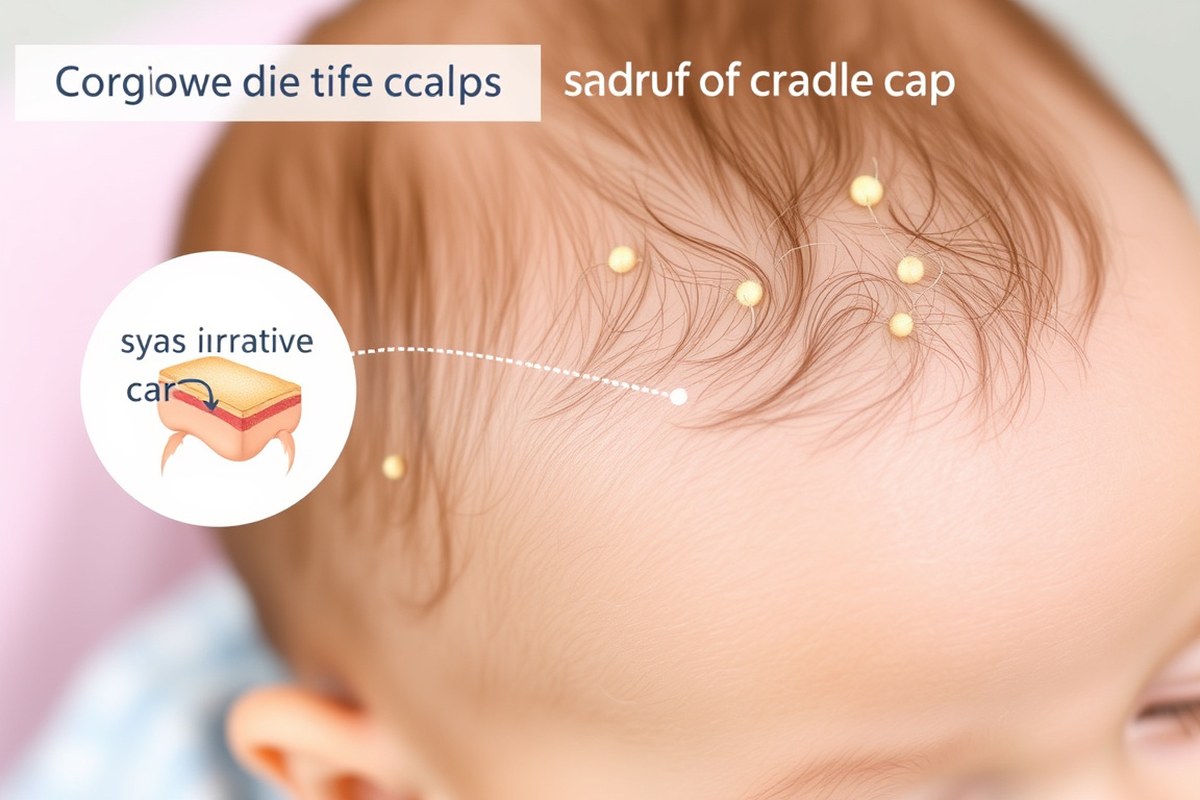
Cradle cap, medically known as infantile seborrheic dermatitis, develops when a combination of factors affects your baby’s scalp. The main cause involves the overproduction of sebum, an oily substance secreted by sebaceous glands. These glands are more active in newborns because of residual hormones transferred from the mother during pregnancy. The excess oil mixes with dead skin cells, creating the flaky, scaly patches you see on your baby’s head.
Research points to a natural yeast called Malassezia as another factor contributing to cradle cap. This yeast thrives in oily environments and can multiply excessively when too much sebum is present. While it isn’t a true fungal infection or contagious, Malassezia can aggravate the condition, causing inflammation and scaling on the scalp. Antifungal treatments, such as medicated shampoos with ketoconazole, often target this yeast if overgrowth is significant. However, yeast overgrowth is not the main cause in most cases and only affects a minority of babies with cradle cap.
Hormonal influences play a key role in stimulating the sebaceous glands. After birth, the baby’s body gradually adjusts to losing the mother’s hormones, but during the first weeks, those hormones stimulate glands to produce more oil than usual. This is why cradle cap commonly appears in the first 2 to 4 weeks and tends to improve by 4 to 6 months of age as hormone levels stabilize. Genetic and environmental factors might also influence how severe or persistent cradle cap becomes, but science has not pinpointed exact causes beyond the basics of oil production and cell turnover.
The condition is harmless and not linked to poor hygiene or allergies. Rather than a disease, it’s the scalp reacting to a blend of oil, skin cell buildup, and sometimes yeast presence. The scalp’s natural oil usually traps dead skin cells, but in babies prone to cradle cap, these cells don’t shed normally and instead form thick, crusty patches. These patches may look concerning but don’t cause pain or itchiness most of the time. Knowing that the sebaceous glands’ activity and yeast growth contribute to the appearance helps you understand why gentle cleansing and moisturizing often improve the condition over time.
Always avoid harsh scrubbing or picking at the scales, as this can irritate your baby’s sensitive scalp and worsen the condition.
How to Tell Cradle Cap Apart from Dry Skin, Eczema, or Other Conditions
Cradle cap appears as thick, greasy, yellow or brown crusty patches on your baby’s scalp, most often in the first few weeks to months of life. Unlike simple dry skin, which looks like fine, white, powdery flakes that brush off easily, cradle cap patches are thick, adherent, and often greasy. This condition is a form of seborrheic dermatitis caused by excess skin oil and wax buildup.
Distinguishing cradle cap from eczema, dry skin, or other scalp issues matters so you use the right care approach. Eczema tends to be red, inflamed, and itchy, while cradle cap is usually not itchy or painful. Dry skin flakes are loose and not greasy, and psoriasis can resemble cradle cap but often causes thicker scales and can involve other body areas.
Watch for signs that cradle cap has become infected, such as redness, swelling, tenderness, oozing pus, or increased fussiness in your baby. An infected cradle cap needs prompt medical attention to avoid complications.
| Condition | Appearance | Texture | Itchiness or Irritation | Typical Age | Additional Signs |
|---|---|---|---|---|---|
| Cradle Cap | Yellow or brown greasy crusty patches | Thick, adherent, greasy scales | Usually none or mild | First weeks to months of life | Not painful unless picked or infected |
| Dry Skin | Fine, white powdery flakes | Loose, dry, flaky | Generally none | Any age | Skin feels tight, flaky but not greasy |
| Eczema (Atopic Dermatitis) | Red, inflamed patches | Dry, sometimes scaly | Itchy, causes fussiness | Often appears after 2 months | May involve other body areas |
| Psoriasis | Thick, silvery scales | Thick, dry plaques | Can be itchy or sore | Rare in infants | Can appear beyond scalp |
| Infected Cradle Cap | Red, swollen, oozing patches | Possibly tender, pus-covered | Usually irritated, baby may be fussy | Any age with cradle cap | Requires immediate medical attention |
To check your baby’s scalp, gently rub your fingers over any scaly patches. Cradle cap scales usually stick together and don’t brush off easily, unlike dry skin flakes. Avoid picking at the skin to prevent pain, bleeding, and infection. Oils like baby oil or petroleum jelly can soften stubborn cradle cap scales; apply, wait 15 minutes, then carefully loosen and remove them.
Regular shampooing with a mild baby shampoo can help prevent cradle cap by removing excess oil before it builds up. Limit washing to about every other day to avoid drying out the scalp, which can worsen the condition. Notice any redness, discomfort, or drainage? Seek medical advice promptly, as infected cradle cap needs professional care.
Which Oils and Shampoos Work Best for Cradle Cap?
Choosing the right oils and shampoos for cradle cap depends on your baby’s age, the severity of the condition, and skin sensitivity. Natural oils like coconut oil, olive oil, argan oil, castor oil, and almond oil are gentle options that help loosen flakes and moisturize the scalp. Applying a small amount and leaving it on for 15 to 20 minutes before gently massaging and washing can improve cradle cap without irritation.
Oils like lavender offer antifungal benefits that may aid in treating cradle cap but require dilution and cautious use. For instance, a mixture of 1 drop each of tea tree and lavender oil in a carrier oil is sometimes suggested, though tea tree oil should not be used on infants under 6 months due to irritation risks.
When cradle cap is stubborn or recurring, medicated shampoos containing ingredients like 1 percent selenium sulfide or ketoconazole may be necessary. These shampoos help fight the fungi associated with cradle cap and are generally used a few times a week. However, overusing medicated shampoos can strip natural oils, worsening dryness, particularly if the baby has simple dry skin. For thick, waxy crusts, lighter lotions aren’t enough to penetrate and relieve the condition.
| Product Type | Examples | How to Use | Safety Notes |
|---|---|---|---|
| Natural Oils | Oils commonly used include coconut, olive, argan, castor, and almond oil. | Apply a small amount, leave 15-20 minutes, then gently wash off | Safe for all ages; avoid if skin sensitivity or infection is suspected |
| Essential Oils | Lavender oil, tea tree oil (diluted) | Mix 1 drop each with carrier oil; test spot first | Tea tree oil not recommended for babies under 6 months; always dilute |
| Medicated Shampoos | Ketoconazole, 1% selenium sulfide shampoos | Use 2-3 times per week for persistent cradle cap | Consult a doctor or pharmacist; avoid overuse to prevent dryness |
Only use oils on a clean, dry scalp to avoid trapping bacteria, which can worsen the condition or cause infection. Redness, swelling, or signs of infected cradle cap require stopping home treatments immediately and consulting a healthcare professional.
Using the right product depends on your baby’s scalp condition. For mild cradle cap, natural oils with gentle washing usually suffice. Essential oils can offer antifungal benefits but require careful dilution and age consideration. Medicated shampoos are reserved for persistent cases and should be monitored to prevent additional irritation. Always check with a pharmacist or pediatrician if unsure about which treatment is safest for your baby.
How to Gently Remove Cradle Cap Without Hurting Your Baby
Gently removing cradle cap flakes involves softening the scales first, then carefully brushing them away with the right tool. Picking at the flakes is not recommended because it can irritate or damage your baby’s scalp. Following a gentle, consistent method helps soothe the scalp while clearing the flakes safely.
Choosing the Right Brush or Comb
Selecting a soft-bristled baby brush or a fine-toothed comb made specifically for cradle cap is key. These tools loosen flakes without scratching delicate skin. A soft toothbrush designed for infants also works well for gently exfoliating the scalp. Avoid stiff brushes or sharp combs that can cause irritation.
Make sure the brush you choose has soft and flexible bristles to prevent any scratching. A specialized cradle cap comb often has extra-fine teeth that help remove scales more comfortably.
Gentle Brushing Methods
Start by softening the cradle cap flakes with a natural oil like coconut or mineral oil. Massage it gently into the scalp for about one minute and then let it sit for 10 to 15 minutes. This loosens the dry scales, making them easier to brush off. Afterward, use your chosen soft brush or comb to gently lift flakes away from the scalp.
Brush slowly in one direction, moving from the hairline at the forehead back to the nape of the neck. Use gentle circular motions with a soft washcloth if preferred, but never rub harshly. Take care near the soft spot (fontanelle) on your baby’s head. After brushing, wash your baby’s scalp with a mild baby shampoo to remove the loosened flakes and oil.
- Apply a small amount of natural oil to the scalp and massage gently for 60 seconds.
- Let the oil sit on the scalp for 10 to 15 minutes to soften the flakes.
- Use a soft baby brush, cradle cap comb, or soft toothbrush to gently loosen flakes, brushing from forehead to neck.
- Brush slowly and carefully using gentle, one-directional strokes without pressing hard.
- Rinse your baby’s hair thoroughly with mild baby shampoo to remove oil and flakes.
- Pat the scalp dry gently with a soft towel, avoiding vigorous rubbing.
- Repeat this process 2 to 3 times per week until the flakes have lessened.
Never pick or scrape at flakes directly, they can irritate the scalp and increase discomfort for your baby.
Avoiding Picking Flakes
Resist the urge to pick at dry patches or flakes. Removing them by hand can cause redness, irritation, and even minor skin damage. Cradle cap flakes will come off naturally over time with gentle brushing and regular washing. Keeping your baby’s scalp moisturized and soft encourages the scales to loosen safely.
Picking can also lead to secondary infections or make the scalp more sensitive. Instead, rely on the brushing method described and focus on softening the flakes before attempting to remove any. Let the flakes fall off gradually during bath time or gentle brushing sessions.
Frequency of Scalp Care
Wash your baby’s scalp every two or three days with a mild baby shampoo to help control cradle cap. Follow up with gentle brushing during or after the bath to clear loose flakes. Doing this regularly prevents buildup without over-drying the skin.
Daily brushing is usually unnecessary and can irritate the scalp. Instead, stick to a routine that balances cleaning and hydration. After the cradle cap clears, continue gentle scalp care to prevent recurrence.
When to See a Doctor for Cradle Cap Problems
Most cases of cradle cap improve with home treatment and often go away by your baby’s first birthday. You should consider seeing a doctor if the cradle cap does not show improvement after about two to three weeks of consistent home care. Continued or worsening symptoms despite daily gentle washing, oil application, and careful brushing indicate the need for professional advice. Also, consult a pediatrician if the cradle cap spreads beyond your baby’s scalp to the face, neck, or diaper area, which may require medical treatment.
Watch for signs of complications such as excessive redness, swelling, or irritation, which could suggest an infection. If your baby also has a fever, increased fussiness, or shows signs of discomfort, these symptoms call for prompt medical attention. Redness that worsens after applying oils or shampoos means you should stop those treatments and talk to your pediatrician immediately. Older children who develop crusty scalp patches similar to cradle cap (around age 5 or older) should also be evaluated by a dermatologist, as this is less common at these ages and might signal other conditions.
- Cradle cap persists after 2, 3 weeks of home treatment.
- Yellow, crusty patches spread beyond the scalp.
- Red, inflamed, or irritated scalp that worsens.
- Signs of infection: swelling, oozing, fever, irritability.
- Baby shows unusual fussiness or poor feeding.
- Cradle cap-like symptoms in children older than 4 years.
- Additional symptoms such as rash on face, diarrhea, or allergy signs.
Facing these warning signs means it’s time to visit your pediatrician. They can diagnose whether the cradle cap has become infected or if another skin condition is present. Medical treatment might include medicated shampoos, topical antifungals, or mild corticosteroid creams as prescribed. Avoid self-medicating with products not recommended by your doctor since infants’ skin is delicate and prone to irritation. Early consultation can prevent complications and ensure comfortable healing for your baby.
Safe Use of Essential Oils and Medications for Stubborn Cradle Cap
Essential oils can be used cautiously for stubborn cradle cap, but they must be properly diluted and rarely recommended for young infants. Prescription treatments, including antifungal medications, offer a safe and effective option for persistent cases. Applying these products correctly and following age guidelines helps protect your baby’s sensitive scalp.
Approved Essential Oils and Dilution Ratios
Using essential oils on babies requires care due to their sensitive skin. Oils like lavender and tea tree have antifungal and soothing properties but must be diluted heavily before application. A safe dilution involves mixing 1 drop of essential oil with at least 1 tablespoon (15 ml) of a carrier oil such as coconut or almond oil. For infants under 6 months, avoid essential oils altogether, as their skin barrier is still immature. For older babies, test a small patch on the scalp first and watch for any redness or irritation over 24 hours. Never apply essential oils directly without dilution, and avoid strong oils like eucalyptus or peppermint to prevent irritation.
Applying the diluted oil mixture gently on the scalp once a day can help loosen the scales, but avoid leaving the oil on for more than 30 minutes before washing off with a mild baby shampoo. Overuse or higher concentration might cause rashes or allergic reactions, so stick closely to recommended dilution ratios and application times.
Medications Available for Cradle Cap
Persistent cradle cap often responds well to antifungal treatments containing ketoconazole, which targets the Malassezia yeast linked to the condition. These medications can be prescribed by a pediatrician for babies older than 2 months and help in cases lasting several months or recurring after initial improvement. Ketoconazole shampoos or creams typically require use 2 to 3 times per week for 2 to 4 weeks. For babies under 2 months, doctors may recommend gentler options or monitor closely before starting antifungal medications.
Other prescription options include mild topical corticosteroids for inflammation or corticosteroid-antifungal combinations in rare, more severe cases. These should only be used under direct medical supervision, as improper use can thin the skin or cause other side effects. Specialty cradle cap shampoos with ingredients approved by pediatricians are another over-the-counter option for stubborn symptoms, but you should follow the label instructions carefully.
Treatment Duration and Safety Tips
Most treatments for cradle cap should be left on the scalp no longer than recommended to avoid irritation. For oils, a 15 to 30-minute treatment window before shampooing helps soften the flakes without overwhelming the scalp. Medicated shampoos with ketoconazole typically stay on the scalp for 5 to 10 minutes per application before rinsing thoroughly. Overuse beyond directed times or daily application risks scalp dryness or increased sensitivity.
Continue treatment until the cradle cap clears, which may range from a few weeks to several months for stubborn cases. If the condition persists beyond 2 years or recurs after puberty, ongoing management with a healthcare provider is advisable. Always observe your baby for worsening redness, swelling, or discomfort and consult a pediatrician if these occur. Avoid combining multiple treatments, such as essential oils plus medicated shampoos, without guidance, to minimize risks of adverse reactions.
Common Mistakes Parents Make and How to Fix Them
Parents often over-treat cradle cap by using harsh shampoos or scrubbing the scalp too hard. This can irritate your baby’s sensitive skin, leading to redness or small sores. Use a gentle baby shampoo and wash your baby’s scalp no more than two or three times a week. Washing too often can dry out the skin and worsen cradle cap.
Another common mistake is trying to peel off the scales forcefully. Picking or scratching the flakes may cause infection or scarring. Instead, soften the scales with a little natural oil like argan oil, which has anti-inflammatory effects, then gently loosen the flakes using a soft baby brush or cloth.
Cradle cap can sometimes spread beyond the scalp, reaching your baby’s face, neck, or diaper area. Watch this rash carefully because it could indicate a more serious condition such as seborrheic dermatitis or eczema. When you notice cradle cap spreading or your baby’s skin becoming very red, swollen, or oozing, consult a pediatrician right away. Here are some tips to avoid common treatment mistakes:
- Use gentle shampoo only a few times per week to avoid drying out the scalp.
- Apply a natural oil like argan oil to soften scales before gently brushing.
- Avoid forceful picking or scratching to reduce risk of infection.
- Monitor for redness, swelling, or oozing that could suggest infection or eczema.
- Don’t use adult dandruff shampoos or medicated treatments without doctor’s approval.
- Keep treatment routines consistent but gentle, allowing time for skin to heal.
- Seek medical advice if cradle cap spreads beyond the scalp or worsens after two weeks.
Do not use strong soaps, alcohol-based products, or over-the-counter dandruff shampoos unless a doctor recommends them, as they may harm your baby’s skin.Cradle cap usually clears up with gentle, consistent care. The condition may return occasionally, especially during the first year as your baby’s skin adapts. Treating it properly and spotting warning signs early can prevent complications and keep your baby comfortable.
Step-by-Step Action Plan to Get Rid of Cradle Cap
Follow these steps carefully to safely treat your baby’s cradle cap at home and know when to get medical help.
- Before You Start: Identify the condition as cradle cap by looking for yellow, oily, scaly patches on your baby’s scalp that don’t itch or irritate. This confirms you can treat it at home.
- Day 1: Apply a small amount of baby-friendly oil, like mineral or coconut oil, to the affected scalp. Leave it on for 15 minutes to soften the scales. You’ll know it worked when the scales feel less hard.
- Day 2: Gently brush the softened flakes with a soft baby brush or washcloth to remove loose scales without scrubbing. Successful removal means fewer flakes after brushing and no redness or discomfort.
- Day 3: Wash your baby’s scalp with a mild, fragrance-free baby shampoo that helps with cradle cap. Rinse well and pat dry. Improvement shows as reduced scaling and no signs of irritation.
- Week 1: Repeat the oil application, brushing, and shampoo routine every other day for up to a week. Check for gradual clearing of the scalp and softer, less visible flakes.
- After 2 Weeks: If cradle cap persists or worsens, especially with redness, swelling, or your baby seems uncomfortable, contact your pediatrician for advice or treatment options.
- Ongoing Care: Avoid over-washing or harsh scrubbing. Use only safe oils and shampoos recommended for babies. Stop any essential oils or medications unless instructed by a doctor.
Frequently Asked Questions
Can Cradle Cap Cause Discomfort or Pain for My Baby?
Cradle cap usually does not cause discomfort or pain. Babies generally don’t seem bothered by it, which is why treatment focuses mostly on appearance rather than relief. If your baby scratches or seems irritated, consult a pediatrician for other causes.
Is Cradle Cap Contagious Between Babies or Adults?
Cradle cap is not contagious and cannot spread from one person to another. It is linked to oil production and yeast on the scalp, not an infection that transfers between individuals. Good hygiene and care are enough to manage it.
Can Dietary Changes Help Reduce Cradle Cap in Babies?
Dietary changes usually don’t affect cradle cap since it mostly relates to skin oils and yeast. Breastfeeding mothers might try adjusting their diet if advised by a pediatrician, but there is no clear evidence that diet alone cures cradle cap.
How Often Should I Wash My Baby’s Hair to Help Clear Cradle Cap?
Washing your baby’s hair 2 to 3 times a week with a gentle shampoo usually helps manage cradle cap. Overwashing can dry the scalp, making flakes worse, so balance is important to keep the scalp clean yet moisturized.
Does Sunlight Exposure Affect Cradle Cap?
Limited sunlight exposure does not significantly impact cradle cap. While vitamin D from sunlight supports skin health, too much sun can irritate sensitive baby skin. Use sunlight carefully and avoid direct exposure on the scalp.
Can Cradle Cap Lead to Other Skin Conditions If Left Untreated?
Cradle cap rarely leads to other skin problems. It usually clears on its own and is mainly cosmetic. Persistent or severe scalp issues could signal eczema or fungal infection, so get a pediatric evaluation if it worsens.
The Bottom Line
Removing cradle cap often involves simple, gentle steps and using appropriate products. Try gently massaging your baby’s scalp with a mild baby shampoo and a soft brush today to safely loosen flakes. Consistency and patience help clear cradle cap without causing your baby discomfort.






One Comment