

How to Get Rid of Cystic Acne: A Complete Guide for Fast, Lasting Relief
To get rid of cystic acne, you need a well-planned approach that often includes prescription treatments like oral medications, hormonal therapy, or strong topical products. Over-the-counter options usually aren’t enough for this severe form of acne, which requires targeted care to reduce inflammation and prevent scarring. Consistent daily skincare and addressing lifestyle factors can also support faster healing and lasting relief.
This information is designed for anyone struggling with stubborn cystic acne and ready to make effective changes. You’ll find clear explanations of causes, treatments dermatologists recommend, tips for soothing flare-ups, and advice for managing both physical and emotional challenges linked to cystic acne.
Key Takeaways
- Cystic acne is an inflammatory infection different from regular acne, requiring longer treatment to see clear improvements over 2 to 3 months.
- Widespread cystic acne or scars after 12 weeks of OTC treatment means you should consult a board-certified dermatologist promptly.
- The 360° Acne Clearing Serum targets multiple acne stages, including active cysts and post-blemish marks, aiding consistent healing for $18.
- Daily use of a 2% salicylic acid cleanser helps reduce cystic acne, but use lower concentrations like 0.5% if your skin is sensitive.
- Eliminate eggs from your diet for 3, 4 weeks if you consume them often, as they can trigger cystic acne in many people.
- Getting enough sleep balances hormones, a key factor in controlling and preventing cystic acne flare-ups effectively.
What Is Cystic Acne and How Does It Differ from Regular Acne?

Cystic acne is a severe type of acne that forms deeper within the skin compared to regular pimples. Unlike common blackheads and whiteheads, which appear near the surface of your skin, cystic acne develops under the skin’s surface, causing large, swollen, and often painful bumps. These cysts can be tender to the touch and are prone to lasting several weeks or even longer. The deep infection triggers a strong immune response, which leads to prolonged inflammation and swelling.
The main difference between cystic acne and regular acne lies in the depth and severity of the infection. Regular pimples form when pores clog with dead skin cells and oil, creating surface-level bumps that are usually small and heal within days. On the other hand, cystic acne occurs when clogged pores trap bacteria deeper in the skin’s tissues. This deeper buildup results in large, inflamed cysts filled with pus that cause more discomfort and have a higher risk of leaving scars.
The reason cystic acne forms deeper under the skin is because of the way follicles become clogged over time. Dead skin cells and oil accumulate inside pores gradually, and around 2 to 3 months after disruption in your skincare routine, blocked follicles can trap bacteria beneath the surface. This triggers an infection deep in the skin’s tissue, unlike regular acne which mostly stays nearer to the skin’s outer layer. This deeper infection is why cystic acne is more painful and harder to treat with simple over-the-counter products or home remedies.
Effective treatment of cystic acne typically requires a dermatology-guided approach. Since the cysts are buried beneath the surface, topical treatments alone often fail to reach the source of the infection. Dermatologists usually recommend a combination of therapies that target bacteria, inflammation, and hormone levels, such as oral antibiotics, hormonal therapy, and stronger topical medications. Treating cystic acne effectively can take weeks to months, but addressing it early can reduce the risk of severe scarring.
Understanding that cystic acne is an inflammatory skin disease and an active infection is key to managing expectations around healing time and treatment. It doesn’t simply vanish overnight like smaller pimples. Because these cysts develop under the skin, healing is slower and more complex. Leaving cystic acne untreated or attempting to pop or squeeze these cysts can worsen inflammation, spread bacteria deeper, and increase scarring risk. That makes recognizing cystic acne early and seeking appropriate treatment the best way to improve your skin over time.
Key Causes and Risk Factors Behind Cystic Acne

Cystic acne mainly happens when hormonal shifts trigger excess oil production deep inside hair follicles. This oily environment mixes with dead skin cells and bacteria, causing painful, inflamed cysts. Hormones play a key role, especially in women over 25, with cysts often appearing on the chin and jawline. Hormonal imbalances during puberty, menstrual cycles, pregnancy, or stress can start or worsen outbreaks. High stress stimulates hormone fluctuations that increase sebum, leading to clogged pores and cyst formation.
Genetics also influence your likelihood of developing cystic acne. Research suggests that if close family members have severe acne, you might inherit a tendency for overactive oil glands or inflammatory skin responses. Understanding your family history helps identify your personal risk and guides treatment choices. Certain medications and external hormone sources, like birth control pills or dairy products containing added hormones, can further affect your skin’s oil production.
Your lifestyle matters too. Diet can amplify cystic acne, especially foods that raise insulin levels or contain acne-triggering hormones. Dairy, due to added cow hormones, has been linked to more frequent outbreaks. Testing your diet by eliminating common triggers such as eggs or dairy for 3 to 4 weeks can help pinpoint what worsens your acne. Sufficient sleep supports hormone balance, helping to reduce flare-ups, while chronic stress consistently tips your hormones in a way that encourages cysts.
Developing cystic acne is rarely due to one cause alone. It usually results from a mix of inherited factors, hormonal changes, lifestyle habits, and sometimes medication use. Knowing which factors affect you most lets you focus your treatments and prevention on those areas. You can control some triggers like diet, stress, and sleep habits, but genetic and hormonal influences may need medical approaches such as prescription medications.
Keep a daily journal of your stress levels, sleep, diet, and breakout patterns for at least a month to identify your personal cystic acne triggers and better tailor your treatment plan.
Effective Over-the-Counter and Prescription Treatments Compared
Over-the-counter (OTC) treatments offer limited success with cystic acne due to its depth and severity. Prescription medications, including oral and topical options, usually provide more noticeable results within two to three months but carry risks that require medical supervision.
Over-the-Counter Treatment Options
OTC treatments primarily target surface-level acne and generally have minimal impact on cystic acne. Salicylic acid is the most effective non-prescription ingredient for acne-prone skin and helps unclog pores and reduce inflammation, making it somewhat helpful as a supplementary treatment. Pimple patches, which work well on surface blemishes, usually do not improve cystic acne because the cysts form deep under the skin.
Using OTC products consistently for about 12 weeks without meaningful improvement suggests it’s time to seek prescription treatment from a dermatologist. While OTC products can assist with mild breakouts, they often cannot penetrate the deeper cysts responsible for cystic acne.
Common Prescription Medications Explained
Prescription treatments for cystic acne include topical creams and gels, oral antibiotics, and oral medications like isotretinoin. Topical prescriptions are stronger than OTC options and directly target acne flare-ups, often containing ingredients such as retinoids or antibiotics. Oral antibiotics can reduce bacteria and inflammation systemically but typically require a duration of several weeks to a few months to show results.
Prescription treatment timelines range from 8 to 12 weeks before significant improvements are visible. Many treatment plans combine multiple medications to address the different factors contributing to cystic acne for better outcomes. Side effects vary but may include skin dryness, irritation, and sensitivity to sunlight, emphasizing the need to use these under professional guidance.
| Treatment Type | Effectiveness on Cystic Acne | Typical Timeline to See Results | Common Side Effects |
|---|---|---|---|
| Over-the-Counter (e.g., salicylic acid) | Limited; best for mild acne, less for cysts | Several weeks, often insufficient alone | Skin dryness, mild irritation |
| Topical Prescription (retinoids, antibiotics) | Moderate; targets flare-ups directly | 8 to 12 weeks | Dryness, redness, irritation, sun sensitivity |
| Oral Antibiotics | Moderate to high; reduces bacteria and inflammation | 8 to 12 weeks | Gastrointestinal upset, resistance risks |
| Isotretinoin (Accutane) | High; effective for severe, resistant cystic acne | 2 to 6 months | Dry skin, birth defects, mood changes |
In most cases, a combination of prescription treatments tailored to your skin’s response produces the best results when OTC attempts have failed. Regular follow-ups with your dermatologist help manage side effects and assess progress.
Isotretinoin: Uses, Safety, and Expectations
Isotretinoin, often known by the brand name Accutane, is a potent vitamin A derivative used to treat severe cystic acne that has not responded to other therapies. It works by drastically reducing oil production and fighting inflammation, often clearing cystic acne that has persisted for years.
Treatment typically lasts between 2 and 6 months. Improvement may be visible within a few weeks but full results typically take a few months. Despite its effectiveness, isotretinoin can cause serious side effects, including dry skin, birth defects if taken during pregnancy, and possible mood changes, requiring careful medical monitoring and strict adherence to safety protocols.
Due to its risks, isotretinoin should only be used under the direction of a board-certified dermatologist. Blood tests and pregnancy tests are part of ongoing monitoring during treatment to ensure safety. For many with severe cystic acne, isotretinoin provides the most significant long-term clearance.
Home and In-Office Remedies to Soothe and Speed Healing
To reduce pain, swelling, and inflammation from cystic acne quickly, combining safe home remedies with professional treatments offers the best approach. Cold and warm compresses at home can soothe discomfort and support healing. In the office, dermatologists often use corticosteroid injections to calm the cyst from the inside, speeding recovery.
Using Warm and Cold Compresses Safely
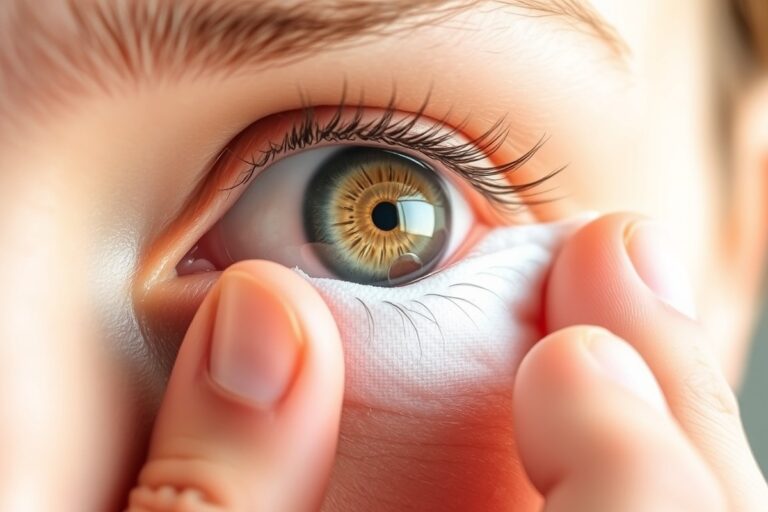
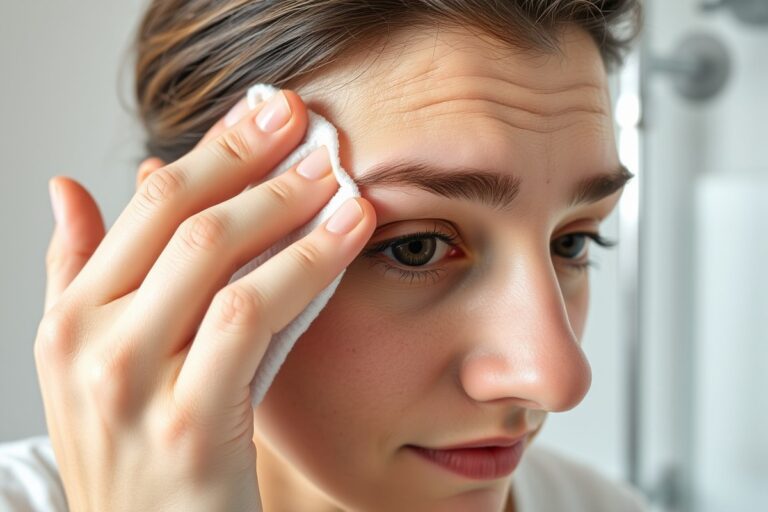
Cold compresses are effective for reducing swelling, redness, and pain because they slow blood flow and calm inflammation. Applying a cold compress for about 5 to 10 minutes can provide measurable relief without damaging the skin. Warm compresses help differently by encouraging natural drainage of cysts and reducing tightness. Both methods can be useful, but they serve opposite purposes and should be applied carefully. To use them safely:
- Cleanse your face gently to avoid irritation.
- For a cold compress, wrap ice cubes or a cold gel pack in a thin cloth to protect your skin.
- Apply the cold compress to the cyst area for 5 to 10 minutes without pressing hard.
- For a warm compress, soak a clean washcloth in warm water (around 98, 105°F), wring it out, and place it gently on the cyst.
- Leave the warm compress on for 10 to 15 minutes, repeating 2 to 3 times daily.
- Never use extreme temperatures, and avoid direct ice or excessive heat that can worsen irritation.
Use cold compresses during swelling flare-ups and warm compresses when the cyst feels tight or painful to improve comfort and reduce healing time.
At-Home Inflammation Reduction Techniques
Along with compresses, regular gentle cleansing helps keep pores clear without aggravating cysts. Use a salicylic acid cleanser with a 2% concentration to unclog pores and reduce inflammation gradually. Avoid scrubbing, picking, or squeezing cysts to prevent further irritation and scarring.
Applying over-the-counter benzoyl peroxide or a sulfur spot treatment can also help reduce bacterial growth inside cysts. Consistent use over several weeks may shrink cysts and help prevent new ones.
For pain management, taking an over-the-counter anti-inflammatory such as ibuprofen can reduce overall discomfort. Making sure your bedding and pillowcases are clean and not irritating your skin also supports healing.
Common Dermatology Procedures for Cystic Acne
Dermatologists can provide treatments that significantly shorten the duration and pain of cystic acne. One common in-office procedure is a corticosteroid injection directly into the cyst. This injection involves a diluted steroid delivered with a fine needle to reduce deep inflammation and swelling within hours to days.
The procedure generally costs between $100 and $250 per injection depending on the clinic and location. It’s quick, performed during a brief office visit, and can prevent cysts from worsening or leaving scars.
Other professional options include draining large cysts by a dermatologist to release built-up fluid safely, though this is done selectively. For ongoing management, your provider may recommend prescription treatments tailored to your skin type and acne severity.
When to See a Dermatologist: A Clear Decision Checklist
Seeing a dermatologist becomes necessary when cystic acne shows signs of persistence, severity, or leaves scarring despite your efforts with over-the-counter products. Cystic acne forms deep beneath the skin, making it tougher to treat on your own. Professional care offers tailored solutions that can stop breakouts and prevent long-term skin damage. Look for these signs to decide if you should schedule a dermatology visit:
- Multiple large, painful cysts or nodules lasting several weeks
- Recurrence of cystic breakouts after a course of OTC treatment
- Visible scarring or dark spots forming on the skin
- No improvement after 6 to 8 weeks using medicated cleansers, topical retinoids, or benzoyl peroxide
- Emotional distress or lowered confidence due to acne severity
- Breakouts covering a large portion of your face or body
- Signs of infection such as increased redness, warmth, or pus inside cysts
During your first dermatology appointment, expect a thorough skin evaluation where the doctor will diagnose your acne type. Your dermatologist may discuss a combination of treatments, including stronger topical medications, oral antibiotics, hormonal therapy, or isotretinoin depending on how severe and persistent your cystic acne is. This personalized plan addresses root causes and aims to reduce inflammation, bacteria, and oil production safely.
Don’t delay seeing a dermatologist if cystic acne lasts beyond two months or worsens, since early professional treatment minimizes scarring risks.
If your current routine isn’t clearing cystic acne, note that continued self-treatment might do more harm than good, such as causing irritation or secondary infections. A dermatologist can monitor progress every 4 to 6 weeks to adjust treatments. Good results typically include a noticeable reduction in the size and frequency of cysts within 8 to 12 weeks. Treatments from a dermatologist may cost between $150 and $300 per visit without insurance, but the investment often leads to better long-term skin health.
Building a Daily Skincare Routine Tailored for Cystic Acne
Building a daily skincare routine for cystic acne involves using gentle yet effective products suited to your acne severity. You need to cleanse properly, apply targeted treatments, and moisturize consistently to control oil, reduce inflammation, and prevent new cysts. This routine helps manage your symptoms and supports healing without over-drying or irritating your skin.
Morning Routine for Cystic Acne
Your morning routine should focus on cleansing the skin from oils and bacteria accumulated overnight, then applying treatments that protect and prevent new breakouts. Use a gentle foaming acne cleanser that includes benzoyl peroxide or salicylic acid, since these ingredients target acne-causing bacteria and unclog pores without excessive drying. Follow with a lightweight, oil-free moisturizer to keep skin hydrated but not greasy.
- Cleanse your face with a foaming acne treatment cleanser containing benzoyl peroxide or salicylic acid.
- Apply an oil-free, non-comedogenic moisturizer to maintain skin hydration.
- If needed, apply a broad-spectrum sunscreen with at least SPF 30 for protection against UV damage.
This routine takes about 5 to 10 minutes and should be done daily. Avoid harsh scrubs or alcohol-based toners that can worsen inflammation.
Evening Routine and Treatment Steps
Evening care focuses on deep cleansing, treating active cysts, and repairing the skin barrier overnight. Start with the same gentle foaming cleanser to remove dirt and makeup. Next, apply a retinol-based night cream which helps reduce acne inflammation and promotes cell turnover. For active cystic lesions, use a targeted spot treatment containing ingredients like succinic acid once the initial irritation calms down. Follow with a moisturizing face cream that supports healing without clogging pores.
- Cleanse with the foaming acne treatment cleanser to remove impurities.
- Apply a retinol night cream to reduce cystic inflammation and aid skin renewal.
- Use a targeted spot treatment only on active cystic lesions.
- Finish with a daily moisturizing face cream that is lightweight and non-comedogenic.
This evening routine can take 10 to 15 minutes. Retinol may cause initial redness or dryness, so start using it gradually, for example, every other night.
Adjustments for Different Acne Severity Levels
Mild cystic acne usually appears as a few large or moderate cysts accompanied by smaller surface pimples. Stick to gentle daily cleansing twice a day, use over-the-counter benzoyl peroxide or salicylic acid products, and moisturize regularly. Moderate cystic acne requires adding retinol and possibly spot treatments with succinic acid. Consider reducing irritants and using products formulated specifically for acne-prone skin.
Severe cystic acne often needs stronger prescription treatments combined with the skincare routine. Cleansing remains gentle to avoid worsening inflammation. Consistent moisturizing and avoiding overwashing are critical to protect your skin barrier. Severe cases can take several weeks to improve, and professional dermatological guidance is recommended alongside your daily routine to adjust treatments.
Diet, Lifestyle, and Habits That Influence Cystic Acne
Your diet can impact cystic acne, especially foods that cause blood sugar spikes or hormone fluctuations. High-glycemic-index foods like white bread, sugary snacks, and soda may increase acne severity by triggering inflammation and excess oil production. Dairy products, particularly skim milk, have been linked to higher cystic acne rates in some people due to hormones and bioactive molecules. To identify dietary triggers, you can try an elimination protocol by cutting out high-glycemic foods and dairy for 4 to 6 weeks. If you notice improvement, reintroduce these foods one at a time over a week to see if breakouts return. This approach narrows down specific triggers for your skin.
Stress indirectly worsens cystic acne by increasing hormone levels and inflammation, which irritate hair follicles. Managing stress through daily exercise, meditation, or adequate sleep of 7 to 9 hours can reduce flare-ups. Avoid habits like touching your face frequently or picking at cystic acne since these actions spread bacteria and cause further inflammation.
Good hygiene matters in preventing skin irritation but does not alone stop cystic acne, which originates deep in hair follicles. You should change pillowcases and sheets once a week to reduce buildup of oils and bacteria that contact your skin overnight. Phones also come into contact with your face and can transfer dirt and oil. Clean your phone screen daily using alcohol-based wipes or screen-safe cleaners to reduce acne triggers from germs.
- Avoid squeezing or picking cystic acne cysts to prevent worsening inflammation and scarring
- Wash your face twice daily with a gentle cleanser that suits cystic or sensitive skin
- Use clean towels, preferably cotton, and do not share them to lower bacterial spread
- Keep hair clean and off your face, as oils from hair can clog pores
- Limit makeup use, and choose non-comedogenic, oil-free products
- Stay hydrated by drinking 8 to 10 cups (about 2 to 2.5 liters) of water daily
- Wear breathable clothing when sweating to prevent clogged pores and irritation
Applying these lifestyle adjustments consistently over several months supports treatments and helps skin clear gradually. Results may take time because follicles take weeks to renew and heal from cystic acne. Persistent flare-ups or increasing severity despite these measures deserve evaluation by a dermatologist for tailored therapy.
Preventing Scars and Managing Emotional Impact of Cystic Acne
Minimizing scars from cystic acne starts with avoiding the urge to pop or pick at cysts. These deep, painful lumps beneath the skin are more likely than surface pimples to leave permanent scars or dark spots if disturbed. Keep your hands away and resist squeezing to lower lasting skin damage. If you have active cysts, applying gentle, non-irritating skincare products and following your dermatologist’s treatment plan can support healing and reduce inflammation, which helps limit scarring.
After cystic acne heals, post-acne care becomes important for managing marks and texture changes. Using broad-spectrum sunscreen daily with at least SPF 30 helps prevent post-inflammatory hyperpigmentation, the dark spots that often follow cysts and can worsen with sun exposure. Incorporate gentle exfoliation after healing, ideally with dermatologist-recommended ingredients like alpha hydroxy acids (AHAs), to encourage skin cell turnover and fade discoloration. Avoid harsh scrubs or treatments during active flares because they can irritate your skin and increase scarring risk. Over time, corrective treatments such as chemical peels, microneedling, or laser therapy, typically provided by skin specialists, may improve texture and reduce visible scars but often require multiple sessions and several hundred to a few thousand dollars depending on the procedure and provider.
Medications prescribed for cystic acne, like oral antibiotics, isotretinoin, or hormonal treatments, can have side effects that affect your skin and body. Dryness, peeling, and sensitivity to sunlight are common. Some oral medications may cause fatigue or mood changes, so monitoring your response and staying in touch with your healthcare provider is important. Following the prescribed regimen exactly, including any necessary lab tests or precautions, helps avoid complications and supports better skin outcomes.
The emotional toll of cystic acne can be significant, with feelings of frustration, self-consciousness, or anxiety common among people who suffer from persistent, visible acne. Recognizing this stress and addressing it head-on can improve your overall well-being. Strategies include seeking support from friends, family, or acne support groups and talking openly with your dermatologist about your mental health. Stress reduction techniques like exercise, meditation, or hobbies don’t cure cystic acne directly but can reduce flare severity and improve coping. Professional counseling may also be helpful if acne’s impact feels overwhelming or leads to depression or social withdrawal.
Resist popping cysts to avoid permanent scars and complications, letting cysts heal naturally under medical guidance is the safest path.
Step-by-Step Action Plan to Manage Cystic Acne
Follow this clear plan to understand, treat, and prevent cystic acne while knowing when to seek professional help. Each step guides you through practical actions to reduce pain, inflammation, and scarring.
- Before You Begin: Identify your cystic acne triggers by noting any recent changes in skincare, diet, stress, or medications. This helps target causes and avoid worsening factors.
- Day 1: Start a gentle daily skincare routine using a non-comedogenic cleanser and an over-the-counter acne treatment with benzoyl peroxide or salicylic acid. Monitor your skin for reduced redness and fewer new cysts within two weeks.
- Week 2: Evaluate progress. When cysts remain painful or large, schedule an appointment with a dermatologist to discuss prescription treatments like oral antibiotics or retinoids.
- Week 3: Begin any prescribed treatments and maintain your skincare routine. Track improvements in cyst size and pain. Avoid picking or squeezing to reduce scarring risk.
- Ongoing: Adjust your diet by reducing high-glycemic foods and dairy if you notice flare-ups linked to these. Stay hydrated and manage stress through exercise or relaxation techniques.
- After 1 Month: Assess skin condition. When cystic acne clears or improves significantly, continue maintenance skincare and healthy habits. Should acne persist or worsen, return to your dermatologist for further evaluation.
- Long Term: Use gentle moisturizers and daily sunscreen to protect healing skin and prevent dark spots. Seek support for emotional impact if acne affects your confidence or mood.
Frequently Asked Questions
What Is the Main Cause of Cystic Acne?
Hormonal imbalances mainly cause cystic acne by increasing oil production that clogs pores. Hormones during puberty, menstrual cycles, or stress often trigger this condition.
Can I Pop Cystic Acne?
You should never pop cystic acne as it can cause pain, worsen inflammation, and lead to scarring. It also prolongs healing and may spread bacteria under your skin.
What Draws Out Cystic Acne?
Professional treatments like cortisone injections help reduce cystic acne swelling and draw out pus. Home remedies provide soothing but won’t fully remove deep cysts.
Will a Cystic Pimple Go Away If You Don’t Pop It?
Yes, cystic pimples usually heal on their own but can take weeks or months. Avoid popping to prevent scarring and consider medical treatment for faster results.
Can Diet Changes Improve Cystic Acne?
Adjusting your diet, including reducing dairy intake, may lower hormone-driven oil production linked to cystic acne. Sleep also balances hormones and supports skin healing.
How Long Does It Take to See Results from Cystic Acne Treatment?
Treatments can take 2 to 3 months to show visible improvement because skin follicles cycle slowly. Consistency with prescribed routines is key for effectiveness.
Wrapping Up
Getting rid of cystic acne requires a patient and consistent approach tailored to your unique skin needs. Start by setting up a simple but effective skincare routine today, focusing on gentle cleansing and using non-comedogenic products suited for acne-prone skin. Taking this first step can help reduce inflammation and prevent new cysts from forming while you explore other treatments with a dermatologist if needed.


One Comment