How to Get Rid of Fishy Smell from Female Dog: 8 Key Causes and Solutions
The best way to get rid of fishy smell from female dog is to treat the underlying cause, such as anal gland issues, infections, or diet. Start by identifying the source of the odor, which often signals a health concern needing attention. Home remedies like expressing anal glands or increasing fiber in her diet can reduce the smell naturally and effectively.
This information is for dog owners who notice a sudden fishy odor in their female dog and want clear solutions. You’ll learn how to pinpoint the cause, safe treatments, signs of infections, and when to see a vet to keep your dog healthy and fresh-smelling.
Key Takeaways
- A fishy smell in your female dog often comes from anal gland issues, urinary tract infections, or vaginal infections needing prompt attention.
- Check for straining, blood, lethargy, or swelling with a fishy odor, as these symptoms require a same-day vet visit.
- Regular grooming and bathing every 3-4 months help reduce odors and keep your dog’s coat and skin healthy.
- Treating anal sac impaction or infections usually involves veterinary flushing and possibly antibiotics, costing around $100 or more.
- Home remedies like baking soda on carpets and enzymatic detergents effectively remove persistent fishy smells from your dog’s environment.
- Keep an eye on your dog’s diet; fish-based foods or omega-3 supplements may cause a lingering fishy mouth odor.
1. Why Does My Female Dog Smell Like Fish?

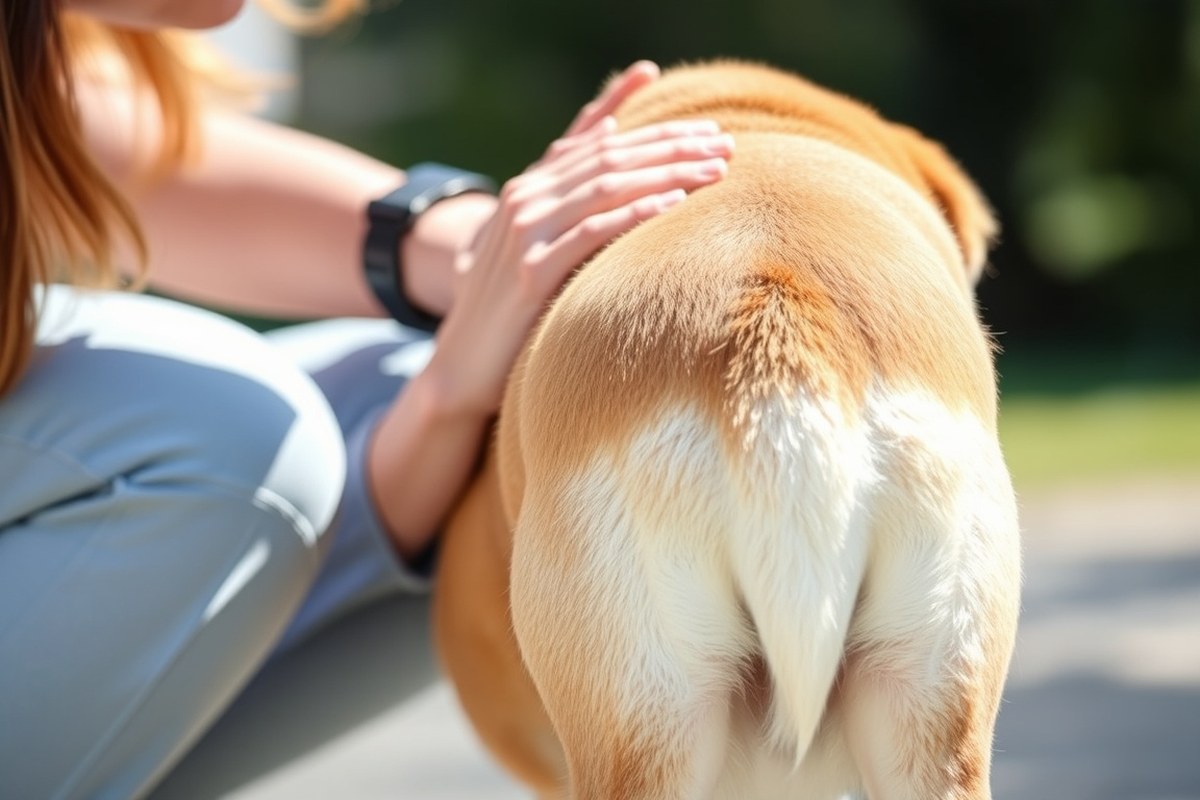
A fishy smell from a female dog usually points to a few common causes, with anal gland issues topping the list. These glands sit near the anus and produce a strong-smelling secretion used for marking territory. The scent becomes noticeable if the glands are full, leaking, or infected. This fishy odor is often mistaken as just “dog smell” but specifically stems from these secretions. You might notice it more if your dog scoots, licks her rear frequently, or seems uncomfortable.
Female dogs have some unique reasons beyond anal glands that can cause a fishy smell, typically related to their reproductive system. Vaginal infections, urinary tract infections, or normal discharge during heat cycles can emit a fishy or unusual odor. In some cases, a serious condition like pyometra, an infection of the uterus, produces foul smells and requires immediate veterinary care. These reproductive-related odors don’t appear in males, making the fishy smell in female dogs potentially more complex.
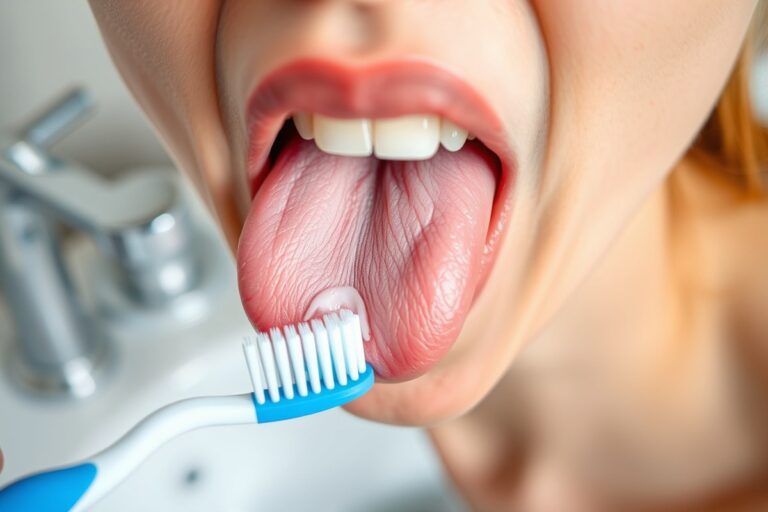
Dental problems might be the reason your female dog has a fishy breath smell. The scent could stem from issues with her gums or teeth rather than her rear end. Regularly brushing her teeth two to three times weekly can reduce odor and keep her breath fresh. Foods and treats made with fish may also cause a fishy smell on her coat or breath if her diet relies heavily on them.
Certain breeds might be more prone to anal gland problems due to their body shape or skin folds, which can make glands harder to express naturally. Small to medium breeds often face this more than large breeds. Dogs with diets low in fiber or with digestive issues tend to have more issues with anal glands because firm stool helps express the glands during bowel movements. Adding fiber-rich vegetables or supplements to your dog’s diet can help prevent overfull anal glands and decrease the fishy smell.
Controlling these odors starts with addressing each cause carefully. Manually expressing the anal glands either at home (with proper guidance) or by a groomer or vet reduces leakage. Keeping the genital area clean and monitoring for signs of infection like redness, discharge, or swelling also matters. Avoiding or changing fish-based foods can reduce the smell from diet, while dental care improves breath odors. The cost for professional anal gland expression runs about $20 to $50 per session but varies by location and provider. Fiber supplements or dietary changes might cost around $10 to $30 monthly, depending on products. Good results include a noticeable reduction in smell within days after treating the primary issue, whether that’s gland expression, infection treatment, or diet change.
2. How to Identify the Source of the Fishy Smell

Figuring out where the fishy smell comes from on your female dog helps you decide what to do next. Check the anus, vulva, and mouth areas carefully. The smell’s location often points to different causes like anal gland issues, infections, or dental problems. Knowing exactly where the odor is strongest helps you act faster and more confidently to get rid of it.
The rear end or tail base often smells fishy when your dog’s anal glands are involved. These glands near the rectum release a strong scent when full or infected. Scooting or licking the area usually goes along with this smell. Fishy odors from the genital area, especially when your female dog has discharge or tends to lick there frequently, may signal a urinary or vaginal infection. Meanwhile, a fishy smell from the mouth often relates to dental disease or gum problems, which cause bacterial overgrowth and bad breath. The following steps help you pinpoint the source of the odor on your dog:
- Smell around the rear end: Gently sniff near the anus and tail base. When the smell is strongest here, check for scooting on the carpet or licking in this area. This often points to anal gland secretion or impaction.
- Check the genital area: Smell around the vulva. Seeing discharge, increased licking, or wetness along with the fishy odor could indicate a urinary tract or vaginal infection. Watch for changes in urination patterns too.
- Inspect your dog’s mouth and breath: Take a careful sniff around the lips, teeth, and gums. Fishy or foul breath combined with red gums, tartar buildup, or difficulty eating suggests dental disease.
- Observe your dog’s behavior: Look for scooting, frequent licking of rear or genital areas, excessive drooling, or signs of discomfort while eating or urinating. These behaviors support your location findings.
- Perform a visual exam: Look for redness, swelling, discharge, or signs of infection around the anus, vulva, and mouth. These signs help confirm possible causes.
- Note timing and changes: Recall if your dog recently finished a heat cycle or is currently in heat, as this can affect odors. Sudden onset or persistent smells need veterinary attention.
Use disposable gloves when checking your dog’s rear or genital area to reduce infection risks and assure hygiene for both you and your dog.
3. Understanding Anal Gland Issues and Their Symptoms
Anal gland issues often cause a fishy smell in female dogs. Anal glands are small sacs near the anus that produce a strong-smelling liquid. When these glands get clogged, impacted, or infected, they release a pungent odor that’s hard to ignore. Noticing scooting or excessive licking signals you should check for anal gland problems.
Anal Gland Anatomy and Function
Dogs have two anal glands located on either side of the anus. These glands produce a smelly, oily secretion used for marking territory and communication. Normally, the glands express this liquid naturally during bowel movements, when pressure from stool pushes the fluid out. Without regular emptying, the glands can fill and cause discomfort or infection.
This natural expression usually keeps the glands clear unless your dog has soft stools or other health issues interfering with the process. Female dogs share this anatomy, so they are equally prone to anal gland problems, which may show as a strong fishy smell coming from their rear.
Common Anal Gland Problems and Signs
Impacted anal glands happen when the sacs don’t empty properly, leading to a buildup of secretions. This causes swelling, inflammation, and a strong fishy odor. If left untreated, infected glands may develop abscesses or rupture, creating more serious health risks. Signs include scooting across the floor, licking or biting the rear excessively, and visible swelling near the anus.
While scooting and licking are clues your dog may have anal gland problems, these behaviors alone don’t guarantee an issue. Dogs cannot fully empty their glands just by licking, though sometimes scooting can partially express the fluid. A consistent fishy smell combined with these behaviors usually means it’s time for a professional check.
Since the secretion is difficult to remove from fabrics and surfaces, persistent odors from anal gland issues often indicate gland dysfunction needing veterinary attention. Infections require care such as gland expression and possible antibiotics, potentially costing $100 or more if sedation is needed to flush the glands safely.
When Home Expression Is Safe and How to Do It
You can express anal glands at home only if your dog is calm, cooperative, and has a history of mild issues without infection. Avoid home expression if there’s pain, swelling, bleeding, or signs of infection. For safety, wear gloves and perform the task in a well-ventilated area due to the strong odor.
To express the glands, gently lift your dog’s tail and place a finger and thumb on the glands located roughly at the 4 and 8 o’clock positions around the anus. Apply steady, gentle pressure inward and upward toward the anus until fluid releases. This process should only be done every few weeks to prevent irritation and should stop if your dog shows discomfort.
Frequent or difficult expression suggests underlying issues like allergies or soft stools that your vet needs to address. Professional groomers can also express glands during baths or grooming visits if the behavior is connected to odor or scooting. Regular care and maintaining firm stools through diet help your dog naturally empty the glands.
4. Urinary and Vaginal Infections Causing Fishy Odors
A fishy vaginal odor in female dogs often points to infections such as urinary tract infections (UTIs), yeast infections, or more serious conditions like pyometra. These infections usually come with additional symptoms that signal discomfort or health risks. Prompt recognition and veterinary care are key to managing these issues safely and effectively.
Urinary Tract Infections (UTIs) Symptoms
Urinary tract infections commonly affect female dogs because of their shorter, wider urethra, which makes it easier for bacteria to enter. A fishy or ammonia-like smell from fresh urine or the genital area is a frequent sign of a UTI. Along with the odor, your dog may urinate more often than usual, sometimes producing only small amounts. You might also notice your dog licking her genital area more frequently in an attempt to soothe irritation.
Other symptoms to watch for include discomfort during urination, cloudy or bloody urine, and signs of lethargy. Leaving a UTI untreated can lead to more serious kidney infections. Diagnosis typically involves a urine test, which your vet will recommend before prescribing antibiotics. Treatment usually takes 7 to 14 days, depending on severity, and prompt treatment generally resolves the odor and symptoms without complications.
Yeast and Other Vaginal Infections
Yeast infections can cause a distinct fishy or musty smell around the vulva, often accompanied by redness, swelling, and discharge that may look thick and yellow or white. Your dog might scratch or lick the area excessively, showing signs of irritation. Vaginitis, which refers to inflammation or infection of the vagina, can also produce these odors and symptoms. Female dogs that are not spayed or those with other underlying health conditions are more prone to these infections.
Yeast infections require treatment with antifungal medications, which might be topical or oral. Your vet may also recommend medicated shampoos or wipes to keep the area clean and reduce odor. Early diagnosis prevents spreading or worsening, but symptoms that persist beyond two weeks warrant a more detailed examination to rule out other infections or complications.
Recognizing and Responding to Pyometra
Pyometra is a serious uterine infection affecting unspayed female dogs, causing a foul or fishy vaginal odor often mixed with thick, pus-like discharge. This condition requires urgent veterinary attention as it can become life-threatening. In addition to the smell, symptoms include frequent urination, lethargy, loss of appetite, vomiting, swelling of the abdomen, and fever.
Pyometra often develops weeks to months after a heat cycle. Affected dogs need immediate veterinary care, frequently involving surgery to remove the infected uterus and antibiotics to fight the infection. Delay in treatment can lead to septic shock. Noticing any signs of pyometra, especially a strong fishy smell combined with severe symptoms, means going to the vet right away.
5. Dental Disease and Other Less Common Smell Sources
A fishy smell coming from your female dog’s mouth often points to dental disease. Periodontal disease is common in adult dogs, especially those older than three years, and can cause fishy breath due to bacterial overgrowth in infected gums or tooth roots. When your dog’s breath carries a fishy odor, the problem likely starts in her mouth. Dental disease produces bad breath that smells like fish because bacteria release volatile sulfur compounds, which create that unpleasant odor. Recognizing this early is important, as untreated dental infections can lead to pain, tooth loss, and even systemic health issues.
Start by checking your dog’s mouth for signs of dental problems. Look for red or swollen gums, tartar buildup, loose or broken teeth, and mouth sores. Lift her lips and notice any strong, persistent bad breath that doesn’t clear after brushing. A professional dental exam and cleaning by your veterinarian is the safest and most effective solution for cleaning. These usually cost between $300 and $700, depending on your region and the procedures needed. After the vet visit, daily tooth brushing using a dog-specific toothpaste helps keep plaque under control. Brushing takes just a few minutes each day but requires patience and gentle handling to make your dog comfortable. When brushing is not an option, dental chews approved by your vet can reduce tartar buildup but won’t replace a professional cleaning.
Beyond dental disease, some less common causes of fishy smells include skin infections and allergies. Dogs with yeast infections or bacterial infections on their skin may emit a fishy odor, especially if their coat smells throughout rather than just from the mouth or rear. Allergies often lead to skin irritation and secondary infections that cause this smell. You might notice hot spots, redness, or frequent scratching along with the odor. These conditions require a veterinary visit to diagnose correctly and to determine whether antifungal or antibiotic treatments are needed. Skin infections may take weeks to clear, and managing environmental allergens or diet changes might be part of the solution.
Urine that smells fishy often relates to urinary tract infections, bladder infections, or kidney stones and should always be evaluated by a vet. Although this does not originate in the mouth or skin, the odor may seem to come from your dog if it clings to fur near the genital or rear area. Regular bathing and grooming help reduce lingering odors but will not fix infections. Your vet will likely recommend a urine test and possibly antibiotics or other medications for urinary tract problems.
Check your dog’s breath and skin regularly, so you can spot unusual odors early and seek treatment before infections worsen.
6. Safe Home Remedies and Grooming to Reduce Odors
Regular grooming and proper cleaning of your female dog’s private areas can help reduce fishy odors safely at home. Bathing her with dog-friendly, mild shampoos designed for sensitive skin is usually effective for mild smells. Avoid human shampoos, fragrances, or harsh chemicals that may irritate her skin or worsen odors.
Cleaning her anal and vaginal areas gently with warm water and a soft cloth after bathroom breaks helps prevent odor buildup. Use lukewarm water at about 90-100°F, and avoid scrubbing, which can cause irritation. For her bedding and other spots she frequents, enzymatic cleaners break down odor-causing molecules and work well without harsh chemicals. Baking soda added to laundry or carpeting treatments can also neutralize smells. Strong ammonia or bleach products should be avoided, as they can be unsafe for your dog and damage fabrics.
Establish a consistent grooming routine that includes brushing her coat several times a week. Brushing removes loose fur, distributes natural oils, reduces odors, and keeps her coat healthier. Bath your dog every 3 to 4 months, or more often if she gets dirty, but not too frequently to avoid drying out her skin. Use a shampoo specifically formulated for dogs, costing around $10 to $20 or more, which balances cleaning power and skin protection.
- Brush your dog’s coat weekly. Use a slicker brush or comb to remove loose fur and distribute oils. This reduces odor buildup on the coat and skin.
- Clean the anal area after bathroom breaks. Use a soft cloth dampened with warm water to gently wipe around the anus. Avoid strong soaps or scrubbing.
- Give a bath with dog-specific shampoo every 3-4 months. Wet your dog thoroughly with lukewarm water, apply shampoo evenly, then rinse completely. Dry her well to avoid skin issues.
- Launder bedding weekly with enzymatic cleaners or add baking soda to regular detergent. Use warm water (about 104°F) and allow bedding to dry completely in the sun or a dryer to minimize odors.
- Use pet-safe enzymatic cleaners on carpets and floors. Follow label instructions carefully to break down odor molecules without harmful chemicals.
- Avoid harsh chemicals like bleach or ammonia around your dog and her belongings. These can irritate her skin and respiratory system and may worsen odors.
- Check ears and teeth regularly. Clean ears gently with vet-approved wipes and consider dental chews to reduce oral odors that might contribute to an overall fishy smell.
7. When to See the Vet and What Treatment to Expect
A persistent fishy smell from your female dog often indicates a health issue that needs professional attention. You should see a vet immediately when you notice sudden changes in odor combined with distress or other symptoms. Veterinary care generally involves identifying and treating anal gland problems, infections, or other medical conditions with targeted procedures and medications. Ignoring these signs puts your dog at risk of worsening infections, discomfort, and complications.
Urgent Symptoms Requiring Veterinary Care
Sudden, strong fishy odors accompanied by signs like excessive licking of the rear, scooting on the floor, swelling near the anus, or difficulty defecating require a prompt visit to the vet. Other urgent signs include fever, lethargy, loss of appetite, or unusual vaginal discharge, which may signal infections such as pyometra or urinary tract infections. When your dog’s fishy smell is linked to behaviors like constant scratching or shaking the head, ear infections might be the cause and also need a vet’s evaluation. Persistent odors that do not improve with home care after several days are another reason to seek veterinary advice promptly.
Typical Veterinary Treatments and Timeline
For anal gland issues, vets typically start by manually expressing the glands to relieve built-up secretion causing the odor. When infection or abscess formation is present, your vet may prescribe antibiotics or drain the abscess, sometimes recommending anti-inflammatory medications. In more severe or recurrent cases, surgery to remove the anal glands could be considered. Treatment for infections like UTIs or vaginitis usually involves a course of antibiotics lasting 7 to 14 days, depending on the infection severity. Pyometra, a serious uterine infection, often requires emergency surgery to remove the infected uterus and ovaries.
It generally takes a few days to a week to see significant improvement in the smell after starting treatment, but complete resolution could take longer if infection was severe or chronic. Home remedies help control surface odors but do not replace these veterinary treatments. Ignoring the problem allows infections to worsen, potentially spreading and leading to more costly and painful interventions.
Script for Effective Vet Consultations
When you visit the vet, clearly describe the timeline of your dog’s smell and any other symptoms you have observed. Say, “I noticed a strong fishy smell starting about [number] days ago, and she has been scooting and licking her rear frequently. She seems uncomfortable and sometimes avoids normal activities.” Include any changes in appetite, behavior, or bathroom habits. Ask, “Could this be an anal gland issue or infection? What tests or treatments do you recommend?”
Bring up any home care steps you have already tried, such as bathing or wiping the area, and explain whether those helped. Request specific guidance: “How long will treatment take, and what should I watch for to know if her condition is improving or worsening?” Providing this information helps the vet diagnose accurately and develop a clear plan for care. Knowing when to return for follow-up also ensures you catch complications early.
8. Ongoing Prevention: Diet, Hygiene, and Regular Care
Expressing your female dog’s anal glands is usually necessary only when your vet advises it based on your dog’s comfort and gland health. Most dogs do not require routine manual expression. Your vet can examine the glands during regular visits and help you establish a schedule if needed, often every few weeks or months. Avoid attempting to express the glands yourself unless you have been trained by a professional, since improper handling can cause pain or infection.
Diet plays an important role in preventing fishy odors. Feeding a high-quality, balanced diet that encourages firm stools helps the glands empty naturally. Adding fiber supplements like canned pumpkin or psyllium husk, after consulting your vet, can improve stool consistency and reduce gland problems. Your veterinarian might also recommend omega-3 fatty acid supplements to support skin and coat health, which may lower odor issues.
Spaying a female dog generally does not directly cause fishy smells, but hormonal changes after the procedure can affect skin oils and urinary tract health, potentially impacting odor indirectly. Older dogs or those with hormonal imbalances may show scent changes. Seasonal factors such as humidity and heat increase bacterial growth and can worsen odors. Keeping your dog clean and comfortable during warmer months helps manage this.
Avoid delaying veterinary care for persistent fishy odors, since untreated gland issues can lead to abscesses or infections.
- Have your dog’s anal glands examined during veterinary visits and express only if recommended.
- Feed a balanced diet with adequate fiber to support healthy bowel movements and natural gland emptying.
- Consider vet-approved supplements like omega-3 fatty acids for skin health.
- Maintain regular grooming with gentle shampoos and clean bedding to reduce bacterial buildup.
- Monitor your dog’s scent and behavior for changes and seek vet advice promptly.
- In warm seasons, rinse and dry your dog thoroughly after outdoor activities to prevent odor buildup.
- While waiting for veterinary treatment, keep your dog comfortable by bathing with dog-safe wipes and cleaning the environment with enzymatic cleaners.
Routine hygiene helps keep odors manageable. Regular brushing and bathing with gentle, formulated dog shampoos remove dirt and excess oils. Cleaning your dog’s bedding and any furniture she uses with enzymatic odor removers stops bacteria and lingering smells from building up. When your female dog shows fishy smell signs, restricting her outdoor time while you seek treatment and keeping her clean will help her stay more comfortable.
Step-by-Step Action Plan to Remove Fishy Smell from Your Female Dog
Follow these clear steps to identify and treat the cause of the fishy smell, then keep your dog fresh and healthy going forward.
- Day 1: Inspect and Pinpoint the Smell, Carefully smell your dog’s rear and genital areas to determine if the odor comes from anal glands, urinary/vaginal areas, or the mouth. Note where it’s strongest to target treatment accurately.
- Day 2: Clean and Groom, Gently clean the smelly area with a dog-safe wipe or mild diluted cleanser and brush the coat. If the smell lessens, regular grooming may help; if it persists, proceed with further checks.
- Day 3, 5: Monitor for Symptoms, Watch for signs like scooting, licking, redness, discharge, or changes in urination. These signs suggest anal gland issues or infections needing more care.
- Day 5: Try Safe Home Remedies, Apply a warm compress to the anal area or use recommended probiotics to support digestion and odor control. Check if the smell improves within a few days.
- Within 1 Week: Consult Your Veterinarian, Book an appointment if the fishy smell continues, worsens, or if you observe discomfort or unusual discharge. Your vet can diagnose infections, anal gland problems, or dental issues and provide treatment.
- After Vet Visit: Follow Treatment Plan, Administer prescribed medications and follow vet advice on cleaning or gland expression. Expect smell reduction within 1 to 2 weeks post-treatment.
- Ongoing: Maintain Hygiene and Diet, Bathe your dog regularly with a gentle dog shampoo, keep her anal area clean, and feed a balanced diet with fiber to support anal gland health. Check for odors monthly to catch problems early.
Frequently Asked Questions
What Can I Give My Dog to Stop the Fishy Smell?
The best approach is to address the underlying cause, not just give something to mask the smell. Increasing fiber in your dog’s diet or consulting your vet for proper treatment can help manage odor effectively.
How to Make Your Dog Not Smell Like Fish?
Identifying and treating the source of the fishy smell, such as anal gland issues or infections, is key. Regular grooming and vet check-ups keep your dog fresh.
How to Get Rid of Smelly Dog Glands?
Expressing your dog’s anal glands manually or having a vet do it can relieve the smell. Adding fiber to your dog’s diet helps the glands empty naturally and reduces odor recurrence.
My Female Dog Has a Fishy Smelling Discharge. What Could Be Causing This?
This discharge can result from vaginal infections or vaginitis. A vet visit is recommended to diagnose and treat the infection properly.
Why Does My Spayed Female Dog’s Private Area Sometimes Smell Like Fish?
Hormonal changes aren’t the cause here; usually, infections or anal gland issues lead to this smell, so check with your vet for accurate diagnosis and treatment.
Can Bathing My Dog Frequently Remove the Fishy Odor?
Frequent baths may mask the smell temporarily but won’t fix underlying problems like gland issues or infections causing the odor.
Final Thoughts
Addressing your female dog’s fishy smell starts with pinpointing the cause, often linked to anal glands or infections. Today, try a gentle check for any unusual discharge or swelling around her rear, which can guide whether a vet visit is needed. Early attention helps keep your dog comfortable and her coat fresh. Regular grooming combined with a balanced diet will support long-term odor control.