

How to Get Rid of Fleas in the House Fast Naturally: 8 Proven Steps That Work
To quickly remove fleas from your home using natural methods, first verify that fleas are present. Next, immediately treat adult fleas with safe options such as diatomaceous earth. To disrupt the flea life cycle within 5 to 10 days, apply multiple treatments targeting eggs and larvae on carpets, bedding, and furniture. Use natural flea control on your pets alongside these steps to make sure fleas are gone from both your living space and animals.
This advice is for pet owners and homeowners seeking quick, toxic-free flea removal solutions. You’ll learn eight proven steps to effectively clear fleas from your house, prevent their return, and know when it’s time to call a professional if needed. Safe, fast, and natural methods can help you regain a flea-free home without harsh chemicals.
Key Takeaways
- Look for flea dirt, frequent pet scratching, or visible jumping fleas to confirm an indoor flea infestation quickly.
- Use natural flea shampoos on pets and vacuum carpets thoroughly to kill adult fleas inside your home immediately.
- Sprinkle diatomaceous earth on carpets and furniture, leave for 48 hours, then vacuum to target flea eggs and larvae naturally.
- Use hot water to wash pet bedding and household fabrics, or put them in the dryer on a high heat setting for 10 to 20 minutes to eliminate fleas at every stage of development.
- Repeat flea treatments every 5 to 10 days at least twice to break the flea life cycle fully and prevent re-infestation.
- Combine natural home flea remedies with vet-approved pet treatments for a more complete and lasting flea control solution.
1. Confirming Flea Presence and Recognizing Signs Quickly

Spotting a flea infestation early makes getting rid of fleas in the house much faster and easier. You can confirm fleas by looking for clear signs on your pets and around your home. The first sign is usually your pet scratching or biting at itself more than usual, especially around the neck, tail base, and belly. Fleas prefer warm areas, so pay close attention to these spots. Another sign is tiny black specks in your pet’s fur. These are flea dirt, which is basically flea feces made up of digested blood. You can test if these specks are flea dirt by wiping them on a white paper towel; if they turn a rusty red color when wet, they are flea dirt.
Check your pet very carefully by combing through its fur with a fine-toothed flea comb. Comb for several minutes over a white surface. Fleas jump quickly and will show as small black or brown moving dots. Flea eggs and larvae are generally not visible on pets but can be found in their sleeping areas. Be aware that small dark bugs might be mistaken for other pests like carpet beetles or ticks, but fleas are distinguished by their jumping ability and size, about 1/8 inch long. Ticks are slower and larger, while carpet beetles don’t jump.
Inside your home, flea evidence shows up as flea dirt on carpets, pet bedding, or upholstery. You may also notice tiny bites on human skin, often around the feet and ankles, which itch and sometimes develop into red bumps. Fleas prefer pets but will bite humans when hungry. Look in warm, shaded areas where your pets like to rest and see if you find any fleas or flea dirt. Flea larvae thrive in carpets or cracks where hair and skin flakes collect, so flea eggs and larvae often hide in these places in the early stages of infestation.
Use this checklist to confirm flea presence: Does your pet scratch or bite itself often? Do you see live fleas or flea dirt after combing? Are there tiny black specks that turn reddish on a damp paper towel? Are there flea-like bites on anyone in the household? Do you find flea dirt or small jumping insects on pet bedding, carpets, or upholstery? This checklist helps ensure you are dealing with fleas and not another pest.
Early detection matters because flea populations multiply quickly. A few adult fleas can lay hundreds of eggs that develop into larvae in just a few days. Catching an infestation before it grows will reduce cleaning time and the length of treatment needed. Regular inspection of your pets and their resting spots every few days is a low-cost, simple way to keep your home flea-free. Prices for flea combs start around $5 and checking can take just 5 to 10 minutes.
Bear in mind that if your pet is a kitten under eight weeks old, or you notice signs like pale gums, weakness, or red scabby skin, it’s best to consult a veterinarian. Young or weak pets may not tolerate common flea treatments, and severe flea problems can cause anemia or skin infections. Also, if flea control methods don’t reduce signs after two weeks, fleas might be resistant or the infestation more serious than it seems. At that point, professional help can ensure safety and thorough flea removal.
2. Immediate Natural Steps to Kill Adult Fleas Indoors

To kill adult fleas indoors naturally and quickly, combine physical removal with targeted natural sprays and cleaning. Immediately grooming pets with a flea comb, vacuuming heavily, and applying pet-safe essential oil sprays helps reduce adult flea numbers fast. Lemon or rosemary rinses may offer mild repellent effects, but spraying or bathing with appropriate natural ingredients is more effective for immediate flea kill.
Using Essential Oil Sprays Safely
Essential oils like lavender and peppermint can act as natural flea repellents and mild insecticides when diluted properly. Use oils labeled safe for dogs and cats, avoid oils toxic to pets, especially cats, such as tea tree or eucalyptus. A well-made spray reduces fleas on both pets and surfaces without chemicals. Here’s a reliable natural flea spray recipe you can use indoors or lightly on your pet’s fur:
- Combine 1 cup of distilled water with 1 tablespoon of apple cider vinegar in a spray bottle.
- Add 10 drops of lavender essential oil and 10 drops of peppermint essential oil.
- Shake well to mix the solution.
- Test a small area on your pet for any reaction before full use.
- Lightly spray your pet’s coat, avoiding eyes and nose.
- Spray carpets, furniture, and pet bedding lightly as well.
- Reapply every 2-3 days for up to two weeks while continuing grooming and cleaning.
Essential oils must be diluted properly and never sprayed directly into your pet’s face to avoid irritation or toxicity.
How to Prepare a Lemon or Rosemary Flea Rinse
Lemon and rosemary rinses offer a natural, gentle way to help repel fleas, though their ability to kill adult fleas rapidly is limited. You can bathe pets with a rinse to help soothe skin and discourage fleas, especially when combined with grooming and cleaning. To prepare a lemon flea rinse:
- Slice one lemon thinly, including the peel.
- Boil 2 cups of water and pour over the lemon slices in a heatproof container.
- Let steep at room temperature for 4 hours or overnight.
- Strain the liquid into a clean container.
- Use the rinse by pouring over your pet’s coat during a bath, avoiding eyes and inside ears.
For a rosemary rinse, substitute lemon slices with a handful of fresh or dried rosemary and follow the same steeping and use instructions. Both rinses can be used once or twice weekly. While they help repel fleas, they work best paired with physical flea removal and cleaning.
Vacuuming Techniques to Remove Adult Fleas
Vacuuming is key to reducing adult fleas in your home quickly. It physically removes fleas, eggs, larvae, and debris from carpets, rugs, upholstery, and pet bedding. To vacuum effectively:
- Vacuum all carpeted areas daily if possible, focusing on pet resting spots and high-traffic zones.
- Use lower suction settings on delicate rugs to avoid damage, but ensure good pick-up power.
- Vacuum upholstered furniture, curtains, and cracks around baseboards where fleas hide.
- Immediately empty the vacuum bag or canister into a sealed plastic bag and discard it outside your home.
- Continue vacuuming every 2-3 days for at least two weeks to catch fleas at various life stages.
Frequent vacuuming can remove a large percentage of adult fleas and eggs, but it must be done regularly and thoroughly to break the infestation cycle.
3. Targeting Flea Eggs and Larvae Naturally in Carpets and Furniture
To kill flea eggs and larvae naturally in carpets and furniture, focus on thorough vacuuming combined with the safe use of food-grade diatomaceous earth. Vacuuming physically removes up to 60 percent of flea eggs and 30 percent of larvae, disrupting their life cycle. Diatomaceous earth dries out and kills flea eggs and larvae in soft surfaces without harmful chemicals, making it safe for homes with pets and children.
Identifying Common Hiding Places for Eggs
Flea eggs and larvae hide in carpets, rugs, upholstered furniture, and areas where pets frequently rest. Cracks in floorboards and crevices of soft furnishings are also common spots. Pet bedding is another key area where eggs accumulate. These eggs are tiny and often invisible to the naked eye, so assume fleas can be anywhere your pet spends time indoors. Targeting these areas consistently is essential because most flea eggs, about 95 percent of the flea population during infestations, are hidden inside your home’s fabrics.
Using Diatomaceous Earth on Soft Surfaces
Food-grade diatomaceous earth is a natural, powdery substance made from fossilized algae. It works by absorbing the protective wax coating on flea eggs and larvae, causing them to dehydrate and die. To apply, sprinkle a thin layer lightly over carpets, rugs, and furniture, as well as along baseboards and pet bedding. Let it sit for at least 24 to 48 hours before vacuuming it up to remove dead fleas and residue.
Use only food-grade diatomaceous earth, which is safe for pets and children when applied correctly. Keep pets and kids out of treated areas until the powder settles. Avoid inhaling the dust by wearing a dust mask while applying. Reapply after vacuuming, especially in heavily infested areas. Diatomaceous earth costs around $10 to $20 for a 2- to 4-pound bag, and a little goes a long way when applying in thin layers.
Applying Natural Essential Oils Safely
Some natural sprays containing diluted essential oils like cedarwood or neem oil can prevent flea eggs from hatching when lightly misted on carpets and furniture. However, never use undiluted essential oils directly on pets or in heavy concentrations, as they can cause poisoning, especially in cats. Instead, opt for DIY sprays that use safe, non-toxic ingredients such as water mixed with a few drops of pet-safe oils or natural insect-repelling plants.
Test any spray in a small hidden area first to avoid staining or damage. Use these natural sprays as a supplement to vacuuming and diatomaceous earth but not as the sole treatment. They provide added protection by discouraging fleas from laying viable eggs but won’t remove existing eggs or larvae effectively.
Vacuuming Techniques to Remove Immature Fleas
Regular vacuuming is critical to removing flea eggs, larvae, and pupae from carpets and furniture fabric. Vacuum all areas your pets spend time on, including rugs, upholstery, curtains, and pet bedding. Use a vacuum with strong suction and a rotating brush if possible to agitate flea eggs embedded in fibers. Vacuum daily during infestations and immediately discard or empty the vacuum bag or canister outdoors to prevent re-infestation.
Sprinkling salt on carpets before vacuuming can also help dehydrate flea eggs and larvae. Leave the salt on for at least 8 to 12 hours, then vacuum and discard the contents. This combined approach removes up to 60 percent of eggs and 30 percent of larvae, breaking the flea life cycle faster. Vacuuming also removes larvae’s food supply, dried blood, reducing the chances of survival.
4. Washing and Treating Bedding and Household Linens for Flea Removal
Washing pet and household bedding in hot water above 130 degrees Fahrenheit effectively kills flea eggs, larvae, and adults. Proper washing and drying break the flea life cycle and help prevent reinfestation. Treating bedding regularly while combining it with pet flea treatments maximizes your success.
Choosing the Right Water Temperature
Water temperature plays a critical role in flea removal from bedding. Wash all pet and household linens, including sheets, pillowcases, blankets, and pet bedding, in water that reaches at least 130°F. This temperature is necessary to instantly kill flea eggs, larvae, and adults present in the fabric.
Most residential washers allow selecting a hot wash setting that achieves this temperature. Using hot water with detergent will wash away flea debris and prevent the eggs and larvae from surviving. Cold or warm water is less effective and may allow fleas to persist in your bedding, causing a quick return of the infestation.
How Often to Wash Bedding During Treatment
Frequent washing of bedding is essential while dealing with fleas. The complete flea life cycle can last 4 to 8 weeks, and eggs hatch continuously, so one washing won’t fully solve the problem.
- Gather all pet bedding, throw rugs, and household linens that your pet uses or that could harbor fleas.
- Use a washing machine set to the hottest water cycle (at least 130°F) and an appropriate detergent to wash all items.
- Rinse and repeat washing for pet bedding every 2 to 3 days during the 4 to 8 week treatment period.
- Wash human bedding simultaneously to reduce flea eggs and larvae transferring between pets and people.
- After washing, place the bedding immediately into the dryer set on the highest heat setting.
- Remove from the dryer promptly when dry to prevent exposure to new flea eggs or larvae.
Washing all pet bedding every couple of days combined with other control methods, like vacuuming and treating your pet with a vet-recommended flea product, can break the flea life cycle effectively. Consistent washing prevents eggs laid by adult fleas on your pet or in the environment from hatching and restarting the cycle.
Drying and Storage Recommendations to Prevent Reinfestation
Drying your washed bedding on high heat is just as important as washing in hot water. The heat from the dryer further kills any remaining flea eggs and larvae that survived the wash cycle.
Set your dryer on the hottest cycle and run it until the bedding is completely dry. Fleas and their immature stages cannot survive dryer temperatures well above 130°F, so this step ensures maximum elimination.
After drying, store pet and household bedding in a clean, flea-free area. Avoid leaving bedding on the floor or in shaded, humid spots where fleas thrive. Regularly washing and drying bedding during treatment and storing it properly reduces the risk of reinfestation.
5. Using Diatomaceous Earth Safely and Effectively at Home
Diatomaceous earth (DE) is a natural powder made from fossilized algae shells that kills fleas by drying out their exoskeletons. It’s effective and chemical-free, but using it safely around pets and children requires care. Only use food-grade diatomaceous earth indoors, which is safe enough for pets and kids when applied correctly. Avoid the pool-grade or industrial varieties. Apply a thin, even layer with a dust applicator or a sieve to areas where fleas hide, such as carpet edges, under furniture, pet bedding, and along baseboards. For small infestations, spread about 1 to 2 ounces per 100 square feet.
Keep pets and children out of treated areas during and shortly after application to prevent inhaling the fine dust. The powder can irritate lungs if breathed in. Ventilate rooms well during treatment and consider using a dust mask when applying it yourself. After spreading, leave the diatomaceous earth in place for at least 48 hours to maximize flea exposure. Vacuum thoroughly after this time, but replace the powder and repeat treatment weekly for 2 to 3 weeks until fleas vanish. Fleas lay eggs that hatch at different times, so repeated treatments are necessary.
Apply DE only on dry surfaces since moisture reduces its effectiveness. Avoid applying it directly on pets, as it can irritate their skin and eyes. Instead, focus on your home environment where fleas breed. A thin dusting is enough because thick piles of powder may be less effective and harder to clean. If you have hardwood or tile floors, concentrate along floor edges and in cracks where fleas rest. In carpeted rooms, target areas your pets frequent.
Store any unused diatomaceous earth in a sealed container out of reach of children and pets. While the treatment takes time, it costs between $10 and $25 for enough food-grade diatomaceous earth to cover a typical home area, making it an affordable natural option. Watch for light irritation or sneezing during application; stop and air out the room if this happens. Consistent use combined with vacuuming and washing pet bedding provides the best results.
Do not apply diatomaceous earth on wet surfaces or directly on pets; always keep pets and children out of treated areas until dust has settled to avoid breathing irritation.
6. Repeating Treatments and Monitoring to Fully Break the Flea Life Cycle
Natural treatments for fleas must be repeated regularly because fleas go through several life stages, egg, larva, pupa, and adult, that take time to complete. Killing adult fleas alone doesn’t stop new ones from hatching or emerging from pupae already in your home. The flea life cycle usually lasts about two to eight weeks, depending on temperature and humidity. This means you need to continue treating and cleaning your house consistently over at least two months to ensure all stages are tackled.
Start treatments by addressing adult fleas and then repeat every 7 to 10 days. This timeline matches the time it takes for newly hatched fleas to become adults. Regular repetition prevents any newly emerged fleas from laying more eggs, gradually breaking the cycle. You should plan natural treatments and cleaning sessions like vacuuming, washing pet bedding, and applying natural flea powders or sprays at these intervals. Continued treatments over 6 to 8 weeks often lead to a significant drop in flea numbers.
Monitoring your progress is key. Check your pets daily for signs such as scratching, flea dirt (small black specks), or visible fleas. Use a flea comb to look through your pet’s fur and inspect areas where fleas tend to hide, like near the base of the tail and the neck. At home, carefully examine carpets, furniture, and pet resting areas for flea dirt or larvae. If signs persist after six weeks, continue treatments for another month while maintaining your cleaning routine.
Patience and consistency matter because flea eggs can remain hidden in protected spots for long periods. Pupae can resist many natural treatments and hatch when conditions improve, often several weeks after initial removal efforts. Keeping your home clean and repeating treatments helps limit new hatches. In warmer, humid environments, the flea life cycle shortens, requiring possibly more frequent and thorough treatments. Cooler or drier homes might see a longer cycle but could slow flea development.
Expect costs for natural flea treatments mainly in time and effort rather than money, as many remedies use household items like vinegar, essential oils, or diatomaceous earth. However, thorough cleaning, laundry, and repeated applications can demand a few hours per week for at least two months. Missing treatment cycles or skipping cleaning often allows fleas to rebound, prolonging infestations. Tracking your treatment dates and household conditions helps stay on schedule and spot early signs if fleas return.
7. Combining Natural Methods with Pet Treatments for Full Flea Control
Treating your pets naturally while managing fleas in your home is essential to stop reinfestation quickly. Using natural flea treatments on your pet alongside home remedies can work well if done carefully. Some natural options include lemon baths and rosemary rinses, which many pet owners find helpful for repelling fleas. To prepare a lemon flea rinse, slice one lemon thinly, boil it in two cups of water, and steep it overnight. Apply it to your pet’s fur with a spray bottle or cloth, avoiding the eyes and nose. This rinse works best when used weekly as a preventive measure or a mild treatment.
Rosemary works similarly. Boil a handful of rosemary sprigs in water for 20 minutes, let it cool, and use the strained liquid as a rinse after bathing your pet. Both lemon and rosemary contain natural oils that repel fleas and can complement home treatments like vacuuming and diatomaceous earth application. Keep in mind they won’t eliminate heavy infestations alone, so combining them with thorough house cleaning is key.
For ongoing control, veterinary-approved flea treatments specifically designed for cats or dogs offer more reliable protection. These include monthly topical solutions or oral medications that stop fleas from living and breeding on your pet. While these aren’t completely “natural,” they are generally safe when used as directed and can be combined with natural methods like lemon rinses. Choosing strictly natural options means frequent grooming with a flea comb and regular baths using mild, pet-safe shampoos will help reduce flea numbers.
Along with treating your pet, regularly washing your pet’s bedding in hot water (at least 130°F) and drying it on high heat removes flea eggs and larvae. Clean pet sleeping areas weekly during infestation. Vacuum areas your pet frequents twice a week and empty the vacuum immediately to prevent fleas from escaping back inside.
Cost-wise, homemade lemon rinses and rosemary sprays are inexpensive, using items you may already have in your kitchen. A bottle of lemon or rosemary essential oil can cost $10 to $20 if you prefer more concentrated natural repellents. Commercial veterinary flea treatments usually cost $10 to $30 per monthly dose, depending on the size and type of your pet.
Natural pet flea repellents work best when combined with home treatments and proper hygiene. Missing repeated treatments or neglecting pet areas will allow fleas to return quickly. Also, lemon and rosemary rinses should be avoided or tested on a small skin area first if your pet has sensitive skin or allergies. Some pets may not tolerate the smell or natural oils well.
Treat both your pet and your home simultaneously. Start with weekly lemon or rosemary rinses or frequent combing alongside vacuuming, washing bedding, and applying diatomaceous earth indoors. Consider veterinary flea products for stronger infestations or ongoing prevention, especially if your home is heated year-round. Keeping up with these steps reduces the chance of reinfestation and protects your pet from uncomfortable flea bites.
8. Preventing Flea Return and When to Call a Professional Exterminator
To keep fleas from returning after you finish treatment, regular maintenance is key. Fleas can survive in outdoor debris and shaded areas, so cleaning the yard by removing leaves, tall grass, and piles of brush helps reduce flea hiding spots. Sweeping or vacuuming floors and furniture at least twice a week removes flea eggs and larvae before they develop. You can also place homemade flea traps using shallow bowls filled with soapy water and a light to attract and drown adult fleas overnight.
Applying natural repellents like essential oils may discourage fleas from entering your home again. Oils such as tea tree, lavender, and peppermint can be mixed with water and sprayed around doorways, windows, and pet resting areas. Use about 10 drops of oil per cup of water and shake well before spraying. Be cautious when using essential oils near pets, as some oils like tea tree can be toxic in high amounts. Limiting pet access to untreated outdoor areas can also help reduce fleas hitchhiking into your house.
Keep in mind that flea eggs continue to hatch for several weeks after treatment, so ongoing control is necessary. Consistently treat your pets with natural flea care methods to break the flea life cycle and avoid reinfestation. Monitor your home for signs of fleas at least once a week for a month, vacuuming thoroughly and treating problem areas as needed.
Outdoor treatment depends on whether your flea problem is linked to pets or your garden. If you don’t own pets and your fleas originated from yard spaces, focusing on outdoor cleanliness matters more. Adding mulch to shady areas to deter flea development and using diluted essential oil sprays on outdoor surfaces can make these zones less inviting for fleas.
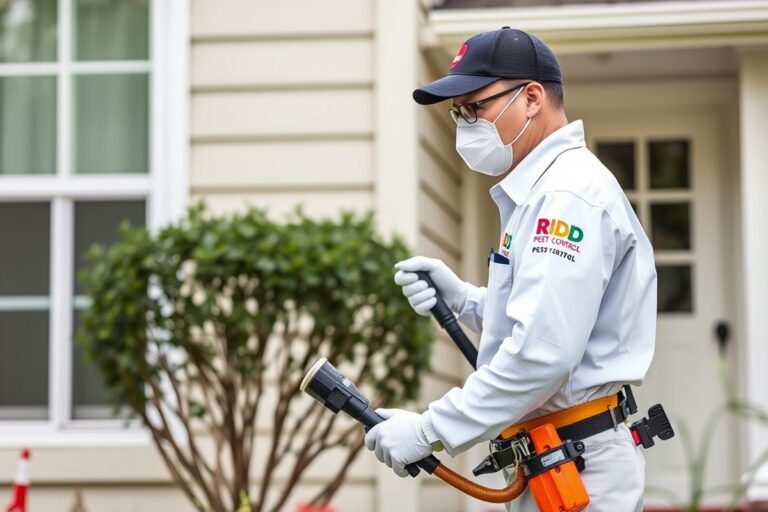
You should consider calling a professional exterminator if your natural efforts don’t reduce flea numbers within 4 to 6 weeks or the infestations worsen. Signs to escalate include persistent flea bites on family or pets despite consistent home treatment, visible flea adults and larvae after weekly cleanings, or flea-related health issues in pets. Professionals can apply targeted treatments not available to homeowners, potentially saving time and preventing repeated infestations, but these services typically cost between $150 to $300 depending on your location and infestation size.
Keep vacuum bags or canister contents sealed and dispose of them outside right after cleaning to prevent fleas from escaping back into your home.
Step-by-Step Action Plan to Get Rid of Fleas Naturally and Fast
Follow this clear plan to tackle fleas in your home quickly by focusing on every flea stage and preventing their return safely.
- Day 1: Confirm Flea Presence and Start Immediate Treatment. Look for flea dirt or bites on pets and carpets. Vacuum all floors and furniture thoroughly, then apply natural adult flea sprays or a diluted vinegar spray on flea hotspots. You’ll know it worked when flea activity visibly decreases within 24 hours.
- Day 2: Target Flea Eggs and Larvae in Carpets and Furniture. Sprinkle food-grade diatomaceous earth lightly on carpets, upholstery, and pet resting spots. Leave for 48 hours before vacuuming it up completely. Flea larvae death will reduce new flea sightings after this period.
- Day 3: Wash All Bedding and Linens in Hot Water. Wash pet bedding, human bedding, and any washable fabrics at 140°F (60°C) to kill eggs and larvae. Repeat weekly. Success means no more flea finds on these fabrics after washing.
- Day 4, 7: Repeat Vacuuming and Diatomaceous Earth Application. Vacuum every 2 days and reapply diatomaceous earth if needed. Continue this for at least one week to break the flea life cycle. Flea numbers should drop steadily.
- Week 2: Treat Pets with Natural Flea Remedies. Use vet-approved natural flea shampoos, sprays, or collars on your pets. This prevents reinfestation inside the home. If pets stop scratching and fleas aren’t seen on them, treatment is working.
- Week 3 and Ongoing: Monitor and Prevent Return. Keep up weekly vacuuming, wash pet and household bedding regularly, and use natural repellents in flea-prone months. Call a professional if fleas persist after 3 weeks of consistent efforts.
Frequently Asked Questions
What Smell Do Fleas Hate?
Fleas dislike the smell of citrus, eucalyptus, and lavender, which can help repel them naturally. Using essential oils with these scents in diffusers or sprays may reduce flea presence indoors but avoid direct application on pets without vet approval.
Does Vinegar and Dawn Kill Fleas?
Vinegar and Dawn dish soap do not reliably kill fleas but can help remove them physically. Vinegar may repel fleas temporarily, and Dawn can trap and drown fleas in soapy water, but these are not standalone control methods.
What Kills Fleas Naturally at Home?
Diatomaceous earth effectively kills fleas by dehydrating them and is safe for indoor use when applied properly. Combined with thorough vacuuming and washing pet bedding, it forms an effective natural flea control routine.
What Kills Fleas in 30 Minutes?
Hot tumble drying pet bedding for 15 minutes kills fleas at all stages quickly. This fast method is effective for controlling infestations on items that can withstand heat.
Can Essential Oils Eliminate Fleas from My Home?
Essential oils may repel but won’t eliminate fleas completely; use with caution to avoid pet irritation.
How Often Should I Vacuum to Reduce Fleas Effectively?
Vacuuming every 1-2 days can reduce flea eggs and larvae, interrupting their life cycle.
Final Thoughts
Getting rid of fleas in your house fast and naturally is possible with consistent effort and the right approach. Start by treating your pet with a vet-recommended natural flea remedy today and begin vacuuming carpets and upholstery thoroughly to remove active fleas and eggs. This focused action will set you on the path to breaking the flea life cycle efficiently and keeping your home flea-free.




One Comment