How to Get Rid of Flies in the House Quickly: 8 Proven Methods That Work
To quickly eliminate flies from your home, begin by removing any food sources, sealing off spots where flies can enter, and trying simple homemade traps or using essential oils to keep them away. Clean areas where flies tend to breed like trash bins or pet waste, and lower indoor lighting that draws them in. These actions reduce the fly population rapidly and maintain a comfortable living space.
This advice is for homeowners and renters dealing with a sudden or persistent fly problem inside their house. You’ll find proven methods that cover both quick fixes and longer-term prevention, helping you stop flies from invading your space again.
Key Takeaways
- Identify and eliminate food sources or breeding sites by thoroughly inspecting areas with high fly activity for quick removal.
- Use essential oils like citronella to repel flies naturally, but expect visible results within 1 to 3 days.
- Seal cracks, install window and door screens, and close entry points to prevent flies from entering your home.
- Maintain indoor temperatures at or below 72°F to reduce fly activity, as they thrive best between 70°F and 90°F.
- Use DIY fly traps as a supplemental solution, but note they can take 5 to 10 days to fully break down trapped flies.
- Regularly remove garbage, pet waste, and used diapers promptly to eliminate common fly breeding environments indoors.
1. Quick Steps to Remove Flies Inside Your Home
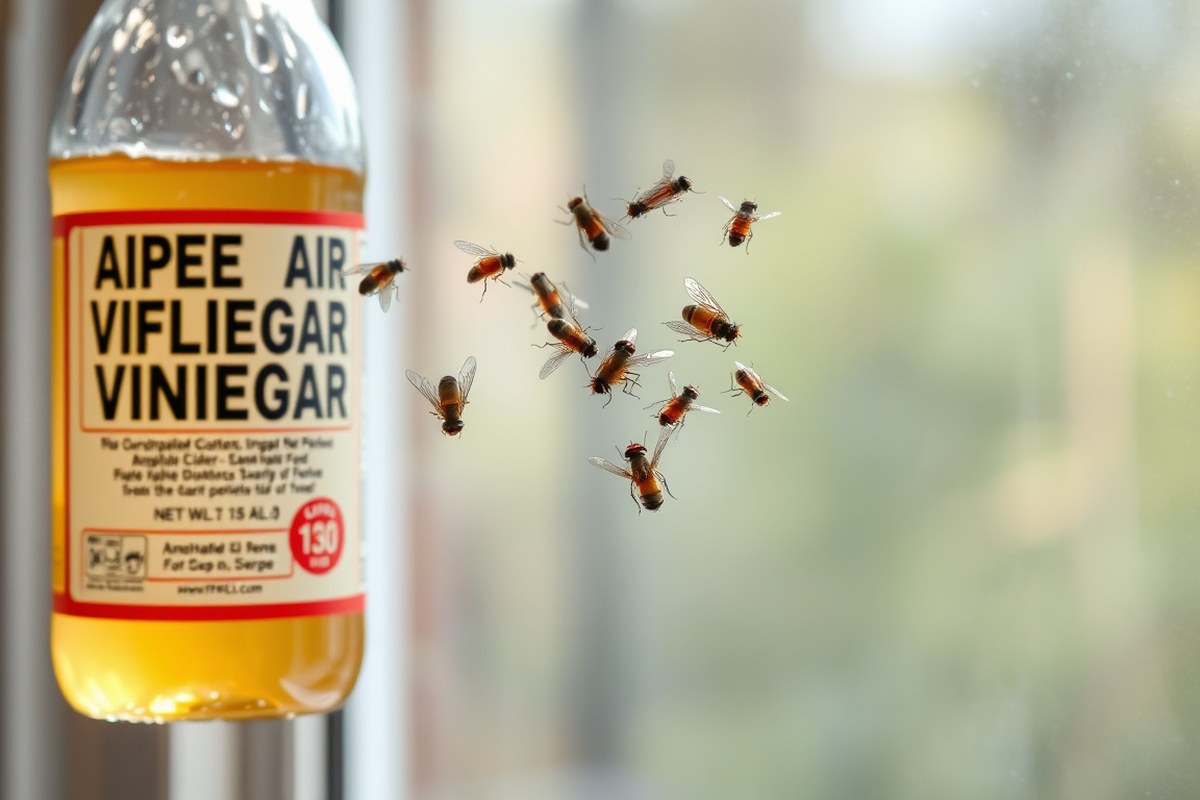
To reduce flies in your house quickly, focus on immediate actions that limit their food sources and use traps or insecticides that act fast. Chemical methods like fly baits usually kill flies within a day or so, offering faster results than traditional flytraps, which may take 5, 10 days to break down trapped flies. Natural remedies such as essential oils and vinegar can also reduce flies noticeably within 1 to 3 days. Removing breeding materials promptly and depriving adult flies of food are key to cutting fly numbers fast.
- Remove garbage, diapers, and pet waste immediately. Flies breed in organic waste, so take out trash bags and soiled diapers every few hours if possible. Scoop animal droppings from your yard and keep litter boxes cleaned daily to disrupt reproduction right away.
- Clean kitchen counters, food spills, and dishes. Wash dishes promptly and wipe any sugary spills or fruit scraps to eliminate common attractants. Store ripe fruit in the fridge or sealed containers.
- Set up chemical fly baits or window decal traps indoors. These attract and poison flies fast, flies eat the bait and die within 24 hours. Place traps near entry points or areas with high fly activity for best effect.
- Use natural repellents like apple cider vinegar traps or essential oils. Fill shallow containers with apple cider vinegar covered with plastic wrap poked with holes; flies enter and drown within days. Diffuse citronella or peppermint oils to deter them as well.
- Deploy electric or UV light traps strategically. These lure flies and kill them quickly via electric shock or glue boards. Position traps away from windows to avoid attracting more flies inside.
- Lower indoor temperature to around 72°F or cooler. Keep rooms cooler during warm months since flies are less active at lower temperatures, helping reduce their numbers and activity.
- Seal doors and windows temporarily after lights out. This limits new flies entering overnight, providing immediate relief.
- Repeat cleaning and trap maintenance daily for a few days. Flies reproduce fast, so consistent effort over 2, 3 days is required to bring fly populations down significantly.
For the fastest results, combine removing attractants with traps and insecticides. Avoid relying solely on flytraps that work slowly. Natural methods can provide quick relief but usually need a few days to show strong effects. Chemical baits act faster but require careful placement and handling. Monitor the fly situation closely and adjust your approach based on the number of flies caught or seen.
2. Identifying Why Flies Are in Your House and Finding Their Source
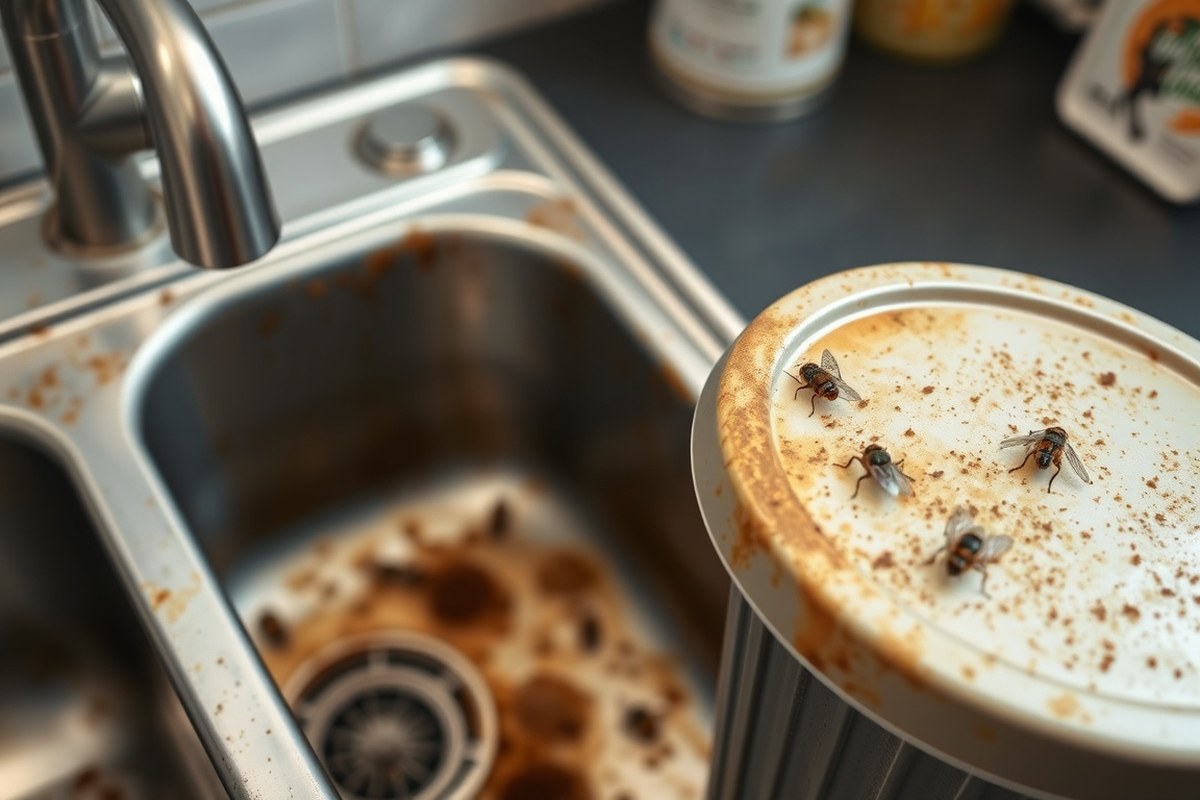
Flies enter your home primarily because they’re attracted to food, moisture, and breeding sites. Identifying these attractants starts with inspecting common problem areas like kitchens and trash cans. Look for uncovered food, spilled liquids, dirty dishes left out, or pet food left accessible. These sources provide the nourishment flies need. You can also check for strong or sour odors near garbage bins, compost piles, or drains, as these smells draw flies inside and encourage breeding. Sealing food containers and keeping trash cans tightly closed with lids and liners reduce the appeal for flies.
Finding where flies get into your house begins with examining possible entry points. Check window and door frames for gaps or cracks where flies can sneak through. Flies commonly enter through doors left open and damaged or missing window screens. Inspect areas where utilities or pipes enter your home, such as gaps around vents or cables, because these crevices offer easy access. At night, flies tend to rest 5 to 15 feet off the ground near food sources, so lighting near entryways can attract them indoors. You might notice flies gathering around a particular door or window. Applying caulk or expanding foam to seal gaps averaging a quarter-inch wide or less helps prevent fly entry. Installing fine mesh screens along doors and windows adds an extra layer of protection against flies entering with fresh air.
Bad odors and improperly stored trash significantly raise fly numbers indoors. Organic waste left in garbage cans for more than a day, food scraps on counters, or a clogged sink drain can all be fly breeding sites. These conditions can quickly escalate into an infestation if ignored. To find if you have an indoor breeding spot, look for clusters of flies or small maggots on or near garbage bags, under sinks, or even in potted plants with overly moist soil. Cleaning these areas thoroughly and regularly emptying trash bins reduces fly reproduction opportunities and cuts down their population.
Always use a flashlight and inspect during evening hours when flies tend to rest; you’ll spot their resting spots, helping pinpoint entry or breeding areas more clearly.
For homes located near farms, landfills, or slaughterhouses, flies can be more persistent and numerous because of nearby breeding grounds. The flies don’t usually stray far, typically staying within 1 to 2 miles of their birthplace, so local conditions matter. In these cases, focusing on outdoor sanitation, reducing organic waste accumulation near your home, and creating barriers at entry points become even more critical to controlling the indoor fly population. Regularly checking and maintaining these preventative measures can prevent flies from becoming a constant nuisance inside.
3. Best DIY Fly Traps Using Household Items
Effective DIY fly traps can be made quickly using simple household ingredients like apple cider vinegar or sugar mixed with dish soap. These traps lure flies with their scent and cause them to drown by breaking the surface tension of the liquid. Setting up these traps takes less than five minutes, and you can expect to see flies captured within a few hours.
Apple Cider Vinegar Trap Setup
Apple cider vinegar is highly effective because it attracts fruit flies with its strong, fruity scent. Adding dish soap breaks the surface tension of the vinegar, trapping the flies as they land. This trap is affordable, quick to assemble, and non-toxic. Follow these steps to create a reliable ACV fly trap:
- Measure out 1/2 cup (120 ml) of apple cider vinegar and pour it into a small jar or bowl.
- Add 2 to 3 drops of dish soap, such as Dawn, to the vinegar. This reduces surface tension, ensuring flies cannot escape.
- You can cover the top of the container with plastic wrap, securing it with a rubber band, then poke tiny holes in the wrap to allow flies in but stop them from escaping.
- Place the trap where flies are most active.
- Replace the vinegar every 2 to 3 days for best results or sooner if the trap fills with insects.
This trap starts attracting flies within an hour and can significantly reduce their numbers overnight.
Sugar Water and Dish Soap Trap
Another useful trap combines sugar, water, and dish soap to attract flies with sweetness while trapping them efficiently. This option works well for house flies and fruit flies that are drawn to sugary substances. Here’s how to make this trap:
- Mix 1/4 cup (60 ml) of sugar into 1 cup (240 ml) of warm water until fully dissolved.
- Pour the sugar water into a shallow dish or bowl.
- Add 2 to 3 drops of dish soap to break the surface tension.
- Set the dish in locations frequented by flies.
- Refresh the solution every few days or when it becomes cloudy or full of trapped flies.
This trap typically attracts flies within hours and is inexpensive to maintain using common kitchen ingredients.
Placement Tips for Maximum Effectiveness
For the traps to work efficiently, place them strategically around your home. Spots near windows, trash cans, fruit bowls, or areas where flies gather provide the highest capture rates. Avoid placing traps directly next to food prep areas to prevent cross-contamination.
Avoid placing traps in windy or drafty areas, as airflow can disperse the attractant scent. Position traps at counter height or slightly lower to catch the majority of flies in the living space. Multiple traps spread out in problem zones increase the chances of reducing fly populations faster.
4. Using Essential Oils and Citronella to Repel Flies
Essential oils and citronella are effective natural repellents that can keep flies out of your home or reduce their numbers safely. Oils like peppermint, lemongrass, and eucalyptus repel flies due to their strong scents, and citronella candles create a barrier around entry points. Using these methods regularly helps maintain a fly-unfriendly environment indoors without harsh chemicals.
Top Essential Oils for Fly Repellence
Several essential oils have properties that flies find unpleasant, making them useful for repelling or killing flies indoors. Peppermint oil irritates fly receptors with its menthol content, eucalyptus oil works as a natural insect repellent, lavender offers a strong floral scent flies dislike, and lemongrass contains citral, which is toxic to flying insects.
You can use these oils by adding a few drops to a diffuser or mixing them with water in a spray bottle. Spraying around doors, windows, and other fly entry points helps create a protective zone. Cotton balls soaked in oils placed near fly-prone areas also work well to deter flies.
Using Citronella Candles Safely Indoors
Citronella candles contain citronella essential oil, known for its ability to deter flies and other flying insects. To use them effectively, light citronella candles near windows, doorways, or other places where flies tend to enter your home.
- Choose a high-quality citronella candle free of synthetic oils for the best natural repellent effect.
- Place candles on stable, heat-resistant surfaces away from curtains, paper, or other flammable materials.
- Light the candles about 30 minutes before fly activity peaks, typically during warmer parts of the day or early evening.
- Arrange multiple candles if you need to cover large entryways or rooms.
- Keep candles burning while flies are active to maintain continuous protection.
Candles also add a pleasant scent to your home while discouraging flies, but never leave burning candles unattended.
When and How to Reapply or Replace Oils
Essential oils lose their potency over time, typically within a few hours after spraying or diffusing. For sprays, reapply every 3 to 4 hours during the day when flies are most active. Diffusers should be refilled as recommended by the manufacturer, usually every 6 to 8 hours.
Citronella candles produce a consistent repellent effect as they burn but generally last only 30 to 40 hours depending on their size. Replace or relight candles daily during fly season for continuous coverage. Avoid overusing oils indoors to prevent overwhelming scents or irritation to sensitive individuals.
5. Sealing Entry Points and Using Screens to Prevent Flies
Begin by inspecting your home’s typical fly entry points such as doors, windows, and any gaps in walls or around utility penetrations. Look for torn or missing window screens, cracks along door frames, and spaces around pipes or vents. Use a flashlight during daylight to spot gaps by looking for light gaps or airflow where there shouldn’t be any. Pay special attention to areas near garbage bins, mulch piles, or anywhere organic debris accumulates outside, as flies often enter from there.
Sealing these entry points is important because it physically blocks flies from getting indoors. To seal cracks and gaps, use silicone-based caulk for small cracks and expanding foam for larger holes. Install or replace weather stripping on doors and windows to close off tighter seals. Repair or install window and door screens made from fine mesh, which typically costs around $15 to $30 per screen or slightly more if you hire a professional. Screens that fit snugly and have no holes are much more effective at preventing fly entry. For doors frequently left open, consider adding self-closing mechanisms or screen doors as an extra barrier. Below is a checklist to keep your home effectively sealed against flies:
- Inspect all window and door screens, repair or replace damaged ones
- Seal cracks and gaps with caulk or foam, especially around frames and vents
- Install or replace weather stripping on door and window edges
- Use screen doors on entrances left open often
- Keep exterior lights off or use yellow bulbs near entry points to reduce attraction
- Position basil plants near doors and windows as a natural deterrent
- Close blinds or curtains on open windows during warmer nights
Don’t rely solely on sealing; combine it with regular cleaning to eliminate attractants that lure flies near your entry points.
Some common mistakes hurt sealing effectiveness. Leaving small holes in screens untreated, using weather stripping that’s the wrong size, or sealing only during colder months when doors and windows stay mostly closed lowers the benefit. Also, placing screens loosely or allowing pets to damage them can create new entry points. Warmer temperatures encourage more open doors and windows, so increase your sealing vigilance during spring and summer. Combining physical barriers with proper trash management and reduced outdoor breeding sites improves long-term fly prevention.
6. Cleaning and Sanitation Tips to Remove Fly Breeding Sites
Keeping your home clean and free of food residue stops flies from being attracted and prevents them from breeding indoors. Focus on thorough cleaning of all areas where food is stored or prepared, managing waste properly, and using safe cleaning products to avoid contamination.
Kitchen Cleaning Routines That Deter Flies
Flies are drawn to leftover food, spills, and crumbs in the kitchen. Wiping down counters and cleaning up immediately after cooking removes potential fly attractants. Avoid leaving food exposed on counters or in sinks, and clean dishes promptly. Perform these kitchen cleaning steps daily to keep flies away:
- Clear counters of all food scraps and wipe surfaces with a mild detergent or sanitizer.
- Wash dishes and utensils immediately or load them into the dishwasher.
- Clean the sink thoroughly, including the drain area where food particles can accumulate.
- Store food in sealed containers or refrigerate perishable items promptly.
- Dry spills on floors and tables immediately to avoid moisture that attracts flies.
- Empty your kitchen trash daily or as needed to prevent odors.
- Inspect and clean under appliances where crumbs or grease can settle.
Consistent attention to these tasks reduces fly attraction by eliminating food residues and damp areas where flies might gather or lay eggs.
Managing Trash and Compost to Prevent Flies
Garbage and compost are prime breeding grounds for flies. Using sealed trash bins stops flies from entering and laying eggs. Regular emptying and cleaning of bins remove residues that encourage flies to return. Follow these practices for trash and compost management:
- Use bins with tight-fitting lids for all indoor trash and compost.
- Empty bins frequently, ideally daily or at least every two days if possible.
- Clean the inside and bottom of bins weekly with disinfectant to remove any sticky residues or spilled liquids.
- Place compost bins outdoors if possible, away from doors, windows, and food prep areas.
- Remove pet waste promptly from the yard and dispose of it properly to eliminate outdoor fly breeding sites.
Keeping trash and compost well-managed cuts off key areas where flies breed and reduces their presence indoors.
Safe Cleaning Products Around Food Areas
Choosing safe cleaning products is critical, especially near food prep areas. Avoid sprays or fly traps that drip or fall into food. Use detergents and sanitizers intended for kitchens that do not leave harmful residues. For cleaning surfaces where you prepare food:
- Use mild, food-safe detergents to clean counters and tables.
- Rinse surfaces with water after applying any cleaning product when possible.
- Avoid placing fly traps or insecticides directly above or near food preparation areas.
- Do not use diatomaceous earth on kitchen surfaces; apply it only in non-food zones like garbage cans or houseplants.
These precautions prevent contamination and ensure that while flies are deterred, your food and utensils stay safe for use.
7. How Ambient Temperature and Light Affect Fly Activity
House flies prefer temperatures around 83 degrees Fahrenheit (28 degrees Celsius). Keeping your indoor temperature below this range can help discourage their activity. Cooler rooms close to 70 degrees or lower make your home less inviting because flies are less active and reproduce more slowly in cooler environments. Adjusting your thermostat or using fans to circulate cooler air can reduce fly movement and slow their population growth.
Lighting plays a key role in fly behaviour and trap effectiveness. Flies are naturally drawn to light sources, especially during the day. If you darken a room and leave one window or door open where light is shining through, flies tend to move toward the light and exit your home. This simple tactic can help guide flies outside without chemicals. For traps, using UV light traps works best in rooms with low ambient light at night. These traps attract flies to the UV light and kill them on contact. Plugging in such traps in shaded areas or after dark significantly improves catch rates compared to using them in brightly lit rooms.
Fly activity differs from day to night. During daylight hours, flies are more active, feeding and searching for breeding sites. They favor well-lit spaces but also warm areas near windows, cooking areas, or electronics that generate heat. At night, flies often become less active but continue to respond to lights, making night the optimal time to use UV light traps or sticky strips placed near lights. Turning off overhead lights and only keeping a trap’s light on can concentrate flies toward your control devices.
For best results, combine temperature control with lighting strategies. Keep rooms cooler than 75 degrees Fahrenheit if possible and darken unused rooms while leaving an exit point illuminated to encourage flies to leave. In living areas, use plug-in UV traps in low light after sunset to capture flies still active at night. Avoid using bright lights that compete with traps, as this can reduce their efficiency. These adjustments require little cost beyond your normal energy usage, and UV traps typically range from $25 to $80 depending on size and features. Cooler temperatures may increase HVAC costs slightly but also help with general comfort and pest control.
What can go wrong includes keeping temperatures too warm or inconsistent, which encourages more fly activity. Overlighting rooms without a controlled light source might confuse flies and reduce your chances of guiding them outside. Also, placing traps near strong exterior lighting may weaken their attraction. Regularly monitoring and adjusting room temperature and light patterns gives you control over fly behaviour, reducing their presence quickly and improving the efficiency of your fly traps indoors.
8. When to Call Professionals and How to Maintain Long-Term Prevention
Call a professional pest control service if you face a persistent fly infestation that DIY methods cannot manage, especially when flies breed rapidly or spread disease. Professionals can inspect your home to locate fly eggs and breeding sites, often missed in a regular cleaning. They use targeted treatments like fly bait and traps that homeowners typically cannot access or safely apply. This step matters when flies number in the dozens or more daily, or when you repeatedly notice new flies despite your best efforts.
Maintaining long-term prevention begins by sealing entry points such as gaps around windows, doors, and vents with weather stripping or mesh screens to stop new flies from entering. Combine this with routine sanitation, dispose of garbage regularly, clean up food residues, and store produce in sealed containers, to remove attractants. Also, set up fly tape or traps outdoors near potential breeding grounds to catch flies before they reach indoors. Make these practices part of your weekly chores, especially during warmer months when fly activity increases.
People often expect quick results by swatting flies aggressively or using sprays indiscriminately, which can lead to flies scattering and making them harder to catch. Spraying too frequently indoors can also pose health risks or damage finishes. Relying solely on one method, like fly swatters or traps alone, usually offers temporary relief but does not address the root causes. Combining removal tactics with prevention techniques like sealing and sanitation produces the best outcomes.
The cost of calling a professional varies but generally ranges from $150 to $300 for a standard inspection and treatment, depending on infestation size and region. While this requires upfront investment, the tradeoff is fewer recurring costs and less time spent battling flies yourself. Effective professional treatment usually results in significant fly reduction within 24 to 48 hours and lasting control when paired with your ongoing preventive measures.
Avoid spraying insecticides indoors without knowing the label’s safety instructions; overuse can spread contaminants and harm indoor air quality.
Step-by-Step Action Plan to Get Rid of Flies Quickly
Use this plan to remove flies inside your home fast and keep them from coming back using simple, safe methods you can start right now.
- Immediately: Set up DIY fly traps with household items like apple cider vinegar and dish soap. Check traps after a few hours for caught flies to confirm their effectiveness.
- Within 1 hour: Locate and remove the fly source such as trash, food scraps, or pet waste. A noticeable drop in fly numbers indicates success.
- Same day: Clean all potential breeding sites thoroughly, including kitchen counters and garbage areas. If flies stop gathering there, cleaning worked.
- Same day: Use essential oils or citronella in rooms where flies are active. Decreased fly visits to those areas show this method is repelling them.
- Within 24 hours: Inspect and seal common entry points like windows and doors using weather stripping or screens. A lack of new flies inside confirms entry points are blocked.
- Next 2 days: Adjust indoor lighting and temperature to reduce fly activity, such as closing blinds and lowering heat. Reduced fly movement suggests these conditions help.
- Within 3 days: Continue monitoring fly traps and cleanliness to catch stragglers and prevent breeding. No new trapped flies implies control is maintained.
- After 1 week: If flies persist despite these steps, contact a professional pest control service. Their involvement should eliminate remaining infestations effectively.
Frequently Asked Questions
What’s the Fastest Way to Kill Flies Inside My Home?
The fastest way is to use a chemical spray designed for indoor use, which can kill flies on contact. Be sure to follow label instructions and ventilate the room after use to avoid inhaling fumes.
Can Electric Fly Swatters Help Get Rid of Flies Quickly?
Yes, electric fly swatters kill flies instantly on contact, offering quick removal. They’re handy for targeting individual flies but aren’t practical for large infestations.
How Does Turning Off Lights Affect Fly Activity During a Quick Removal?
Flies are attracted to light, so turning off indoor lights and opening windows can encourage them to leave quickly. Use outside light sources as bait to draw flies outdoors.
Is It Effective to Spray Soapy Water on Flies for Rapid Removal?
Spraying soapy water can kill flies by disrupting their cell membranes, but it requires direct hits. It’s a simple, chemical-free method for quick fly removal in small numbers.
Can Strong Fans Help Remove Flies from a Room Quickly?
Yes, strong fans can blow flies away and make it harder for them to land or fly inside. Positioning fans near entry points can encourage flies to exit the room faster.
Should I Immediately Remove Trash to Speed Up Fly Removal?
Yes, removing trash quickly prevents flies from breeding or feeding, reducing their numbers fast. Regular trash disposal cuts off their main food source, speeding up removal efforts.
Before You Go
Getting rid of flies inside your home quickly starts with targeting the source and cutting off their access. Take a moment today to inspect and seal any gaps around doors and windows where flies might enter. This simple step can significantly reduce the number of flies and make other methods more effective.