

How to Get Rid of Garlic Breath: 8 Proven Methods for Fast, Lasting Freshness
To get rid of garlic breath quickly and effectively, start by combining thorough oral hygiene with specific foods, drinks, and fresh herbs that neutralize the odor. Brushing alone won’t remove the smell completely, so you’ll want to clean your tongue, floss, and rinse with a targeted mouthwash. Chewing gum and staying hydrated also help fight the lingering garlic scent coming from both your mouth and gut.
This advice is ideal for anyone who enjoys flavorful meals but wants a fast way to freshen their breath before meetings, social events, or dates. You’ll find proven methods to tackle garlic breath instantly and maintain lasting freshness by understanding the causes, best remedies, and how to time your efforts for maximum effect.
Key Takeaways
- Garlic breath can last up to 24 hours, or even 48 hours after heavy intake, due to sulfur compounds entering the bloodstream.
- Brushing, flossing, and tongue cleaning twice daily for at least two minutes each time target the main source of bad breath, your mouth.
- Eating yogurt reduces 99% of garlic odor-causing compounds, while raw apple, lettuce, or mint leaves cut breath volatiles by over 50% within 30 minutes.
- Chewing gum with mint or fresh herbs like parsley provides an immediate but temporary fresh breath boost after eating garlic.
- Alcohol-free mouthwashes with zinc or chlorine dioxide are most effective at neutralizing garlic breath without causing dry mouth.
- Staying hydrated supports saliva production, which helps cleanse odor molecules, and balanced pH with protein intake can reduce garlic smell persistence.
1. What Causes Garlic Breath and How Long It Lasts
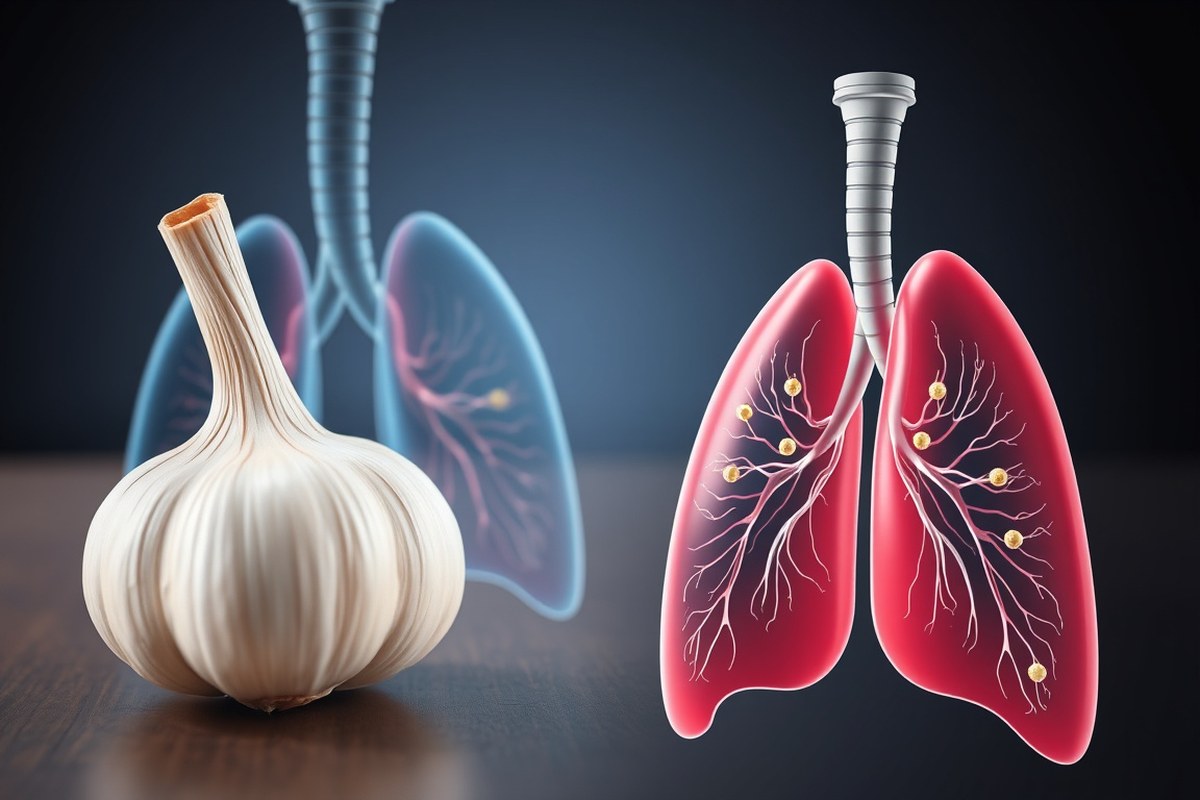
Garlic breath can last anywhere from a few hours up to 48 hours after eating garlic. The reason it sticks around for so long is that the smell isn’t only in your mouth but also originates from your gut and even your lungs. When you eat garlic, your body breaks down sulfur-containing compounds, especially allicin, which then transform into several volatile sulfur compounds. These compounds are the main culprits behind the strong and persistent odor.
Once absorbed into your bloodstream through your gut, these sulfur compounds travel to your lungs. This means garlic breath can come from both the mouth and the lungs, which is why brushing your teeth alone doesn’t fully remove the smell. You might notice garlic odor on your breath hours after eating, even if you’ve practiced good oral hygiene. The volatile compounds release through your lungs when you breathe out and may also exit your skin pores, making the smell linger even longer.
The chemical process begins immediately after chewing or swallowing garlic. Allicin is produced when garlic is crushed or chopped and rapidly breaks down into several sulfur compounds like allyl methyl sulfide. This particular compound is slow to metabolize and is mostly expelled through your lungs and skin rather than your breath alone. For example, a patient who consumed garlic soup via feeding tube still had garlic on their breath hours later, indicating the systemic effect beyond just the oral cavity.
The persistence of garlic breath depends on several factors, including the amount of garlic eaten, metabolism rate, and individual body chemistry. Although the smell often fades within 24 hours, some individuals report that it lasts closer to 48 hours, especially when consuming large quantities of garlic. Unlike typical bad breath caused by bacteria in the mouth, garlic breath includes these internal pathways, which is why standard brushing, flossing, and mouthwash alone cannot completely eliminate it.
Addressing garlic breath effectively requires tackling both the immediate oral odor and the compounds circulating in your body. Keep in mind that these sulfur compounds are fat-soluble and not water-soluble, so simply rinsing with water won’t wash them away. Understanding this can help you choose remedies that target both the mouth and gut origin of the smell. The extended duration of garlic breath, lasting up to one or two days, explains why some people avoid garlic before social or professional events and seek targeted ways to neutralize the odor.
2. Brushing, Flossing, and Tongue Cleaning: What Really Helps
Brushing, flossing, and scraping your tongue right after eating garlic can reduce some of the odor, but the smell comes mainly from compounds absorbed into your body, so these steps won’t eliminate garlic breath completely. Still, cleaning your mouth decreases bacteria and leftover garlic particles, which helps freshen your breath. Timing and technique matter to get the most benefit.
When to Brush for Best Results
Brushing immediately after eating garlic is helpful because it removes garlic residues on your teeth and tongue, limiting the food particles bacteria feed on. The more thoroughly you brush, the better your breath will be, although brushing alone won’t get rid of the deep internal smell caused by garlic compounds in your body.
For best results, wait about 15 to 30 minutes before brushing if you’ve consumed acidic foods with garlic, as spraying toothpaste on very acidic teeth could cause enamel wear over time. Otherwise, brushing right after a garlic-heavy meal is safe and effective. Spend at least two minutes brushing twice daily to maintain overall oral health and keep garlic breath to a minimum.
- Wet your toothbrush and apply a pea-sized amount of fluoride toothpaste.
- Brush gently but thoroughly, covering all tooth surfaces and along the gumline.
- Extend brushing to the roof of your mouth and tongue surface to remove more food particles.
- Rinse your mouth and toothbrush with water after brushing.
- Use a mouthwash afterward for an additional breath-freshening effect.
Brushing with toothpaste removes garlic residues on teeth but doesn’t stop odor that forms inside your body, so combine it with other remedies.
How to Properly Clean Your Tongue
Cleaning your tongue removes odor-causing bacteria and garlic particles lodged on its surface. The tongue’s rough texture traps more residue than teeth alone, making tongue cleaning a powerful way to reduce garlic breath. Studies show regular tongue scraping can cut volatile sulfur compounds (VSCs), which cause bad breath, by up to 75%, compared to only a 45% reduction with brushing teeth alone.
To scrape your tongue effectively, use a specialized tongue scraper or a soft-bristled toothbrush. Starting from the back of the tongue, gently pull forward to remove debris without causing gagging or discomfort. Repeat several times to cover the full tongue, rinsing the scraper or brush after each pass.
- Choose a tongue scraper or soft toothbrush designed for tongue cleaning.
- Stick out your tongue and start scraping from the back, moving forward.
- Apply gentle pressure to avoid irritation but enough to lift residues.
- Rinse the scraper or toothbrush between each scrape.
- Rinse your mouth to remove loosened particles.
- Make tongue cleaning a daily habit, especially after garlic-heavy meals.
Don’t scrape your tongue forcefully to avoid irritation that could worsen bad breath.
Why Flossing Matters After Garlic
Flossing removes garlic bits and food debris from between your teeth, spots a toothbrush can miss. Garlic particles trapped in these spaces provide fuel for bacteria that produce foul odors. Flossing after eating garlic drastically reduces these bacteria and the resulting bad breath.
Perform flossing after brushing for a cleaner mouth overall. Use approximately 18 inches of floss, gently curving it around each tooth and sliding beneath your gumline to clear residue. Flossing also helps prevent plaque buildup, a long-term contributor to unpleasant breath.
- Break off about 18 inches of dental floss.
- Hold the floss tightly between your thumbs and forefingers.
- Gently slide the floss between your teeth using a zig-zag motion.
- Curve the floss into a C-shape against the sides of each tooth and move it up and down.
- Don’t snap the floss; be gentle to avoid gum damage.
- Repeat for all teeth, including the back molars.
Flossing after garlic meals limits the hidden food particles that fuel odor-causing bacteria.
3. Foods and Drinks That Neutralize Garlic Breath Effectively
Certain foods and drinks can neutralize garlic breath chemically by targeting the sulfur compounds responsible for the odor. Milk and yogurt break down these volatile sulfur compounds through their fat and protein content, while apples and green tea contain polyphenols that react with and diminish the smell. Drinking water alone does not neutralize garlic odor but can help rinse away some residue temporarily.
Dairy’s Role in Breaking Down Garlic Compounds
Milk, especially whole milk, helps reduce garlic breath by binding to the sulfur compounds garlic releases. The fat content in milk works to trap these volatile molecules, preventing them from reaching your breath, while the proteins in milk and yogurt help break down the compounds chemically.
A study showed that plain whole milk yogurt effectively blocked almost all volatile compounds that cause garlic’s pungent scent from escaping. Testing individual components of yogurt revealed that both fat and protein have a deodorizing effect, with fat playing a key role in neutralizing garlic odor.
Drinking about a glass (8 ounces) of milk soon after eating garlic can be an effective, affordable remedy. Yogurt can act similarly, especially varieties that are plain and whole milk-based, making it a good option after a garlicky meal. Avoid low-fat or fat-free versions as they are less effective.
Fruits and Vegetables That Help Freshen Breath
Fresh apples, lettuce, parsley, and mint contain enzymes and polyphenols that chemically neutralize garlic’s odor-causing sulfur compounds. Chewing raw apples or lettuce triggers saliva production, which helps wash away odor, and their polyphenols chemically counteract garlic’s smell.
| Food or Drink | Active Compounds | Effectiveness | How to Use |
|---|---|---|---|
| Raw Apple | Polyphenols, Enzymes | High | Eat raw after garlic-containing meals |
| Raw Lettuce | Enzymes | Moderate | Chew fresh leaves |
| Parsley & Mint | Polyphenols and chlorophyll | Moderate | Chew fresh leaves or add as garnish |
| Yogurt (Whole Milk) | Protein, Fat | Very High | Consume ½ to 1 cup plain yogurt post meal |
| Milk (Whole) | Fat | High | Drink 8 ounces after consuming garlic |
| Green Tea | Polyphenols | Moderate to High | Drink warm or cooled shortly after eating |
| Water | N/A | Low | Drink to rinse mouth, no chemical neutralizing |
Raw apples appear to be more effective than cooked apples, as cooking can degrade the polyphenols and enzymes. Including fresh herbs like parsley or mint either during or after your meal can neutralize some odors early on. Lemon juice and apple cider vinegar hold anecdotal support but may not be appropriate for everyone due to acidity and potential enamel erosion.
Beverage Options: Green Tea vs. Water
Green tea contains antioxidant polyphenols that chemically react with the sulfur compounds in garlic, thereby reducing their odor. Drinking warm or cooled green tea shortly after eating garlic can help suppress the smell more effectively than water alone.
Water can temporarily rinse bits of garlic and food particles from your mouth but does not chemically neutralize garlic odors. Relying solely on water might provide a brief freshening effect but won’t prevent the sulfur compounds from being released in your breath over time.
For a practical approach, drink a cup (about 8 ounces) of green tea within 15 minutes after eating garlic to obtain enough polyphenols to counteract odors. Complement green tea with dairy or fruits for longer-lasting results, especially if you need a routine you can trust during social or professional situations.
4. Chewing Gum and Fresh Herbs: Instant Fresh Breath Boosters
Chewing sugar-free gum and fresh herbs like parsley or mint can offer a quick and effective way to reduce garlic breath. Sugar-free gum stimulates saliva production, which helps wash away food particles and sulfur compounds responsible for the odor. Mint-flavored gums also provide a temporary masking effect, leaving your breath smelling fresher, but the effect usually lasts about 30 minutes to an hour. For best results, chew gum for at least 10 to 15 minutes after a garlic-heavy meal.
Fresh herbs such as parsley and mint are traditional remedies backed by some scientific evidence. They contain chlorophyll, a natural deodorizer that chemically binds to sulfur compounds in garlic, reducing their volatility and thus the smell. Chewing a small handful (about a tablespoon) of fresh parsley or mint leaves for a minute or two after eating garlic can significantly cut down the garlic breath. These herbs not only mask the odor but help neutralize it at the source.
Essential oils like peppermint, spearmint, and eucalyptus also have a role in managing garlic breath but mainly offer a masking effect rather than addressing the root cause. Using a mouth rinse containing 1 teaspoon of a carrier oil mixed with one drop of peppermint oil can help remove bacteria and odor-causing particles safely. Avoid swallowing essential oils directly, and follow safety guidelines on dilution to prevent irritation.
- Chew sugar-free mint or spearmint gum for 10-15 minutes post-meal
- Chew 1 tablespoon of fresh parsley or mint leaves for 1-2 minutes
- Swish 1 teaspoon carrier oil with 1 drop peppermint essential oil for 30 seconds
- Choose gum and herbs fresh and free of added sugars to avoid cavities
- Use essential oils diluted in carrier oils; never ingest pure oils
- Repeat treatments every 1-2 hours as long as garlic breath persists
These remedies are low-cost and easy to do anywhere. Fresh parsley or mint typically costs under $2 for a small bunch, lasting multiple uses, while sugar-free gum packs range from $1 to $3 and last through many chews. Essential oils may cost more upfront ($5 to $15 for small bottles) but require only tiny amounts per use. Drinking water alongside these treatments helps keep the mouth moist and supports saliva’s natural cleansing action.
5. Mouthwash Types That Work Best Against Garlic Breath
Mouthwash can help reduce garlic breath, but not all types are equally effective. The key is choosing a mouthwash with active ingredients that target the sulfur compounds in garlic, which cause the strong odor. Antibacterial mouthwashes containing chlorhexidine, cetylpyridinium chloride, or essential oils can reduce the bacteria in your mouth that amplify garlic breath. Look for a product with at least 0.05% cetylpyridinium chloride or chlorhexidine gluconate, which have been shown to disrupt odor-causing bacteria effectively.
Using mouthwash right after brushing and flossing is best. Swish vigorously for 30 to 60 seconds to let the ingredients reach all areas of your mouth, including under the tongue. Avoid eating or drinking for at least 30 minutes after rinsing to allow the active agents time to work. Prices vary but effective mouthwashes typically cost between $5 and $15 for a standard bottle, making them a reasonable option for quick relief.
Alcohol-based mouthwashes can dry out your mouth, which actually makes garlic breath worse over time because dry oral tissue promotes bacterial growth. Choose alcohol-free options if you have sensitive mouth tissue or dry mouth issues. Mouthwashes with a heavy mint or strong flavor might mask garlic breath temporarily but don’t eliminate the odor molecules. This masking effect can lead to repeated or increased use, which might irritate your mouth lining.
Mouthwashes with oxidizing agents like hydrogen peroxide can break down sulfur compounds more directly. You can dilute a 3% hydrogen peroxide solution with equal parts water and rinse your mouth for 30 seconds to one minute. Only use this method occasionally, no more than once a day, because overuse may damage oral tissues and disrupt your natural mouth flora. Follow this rinse by thoroughly brushing your teeth and tongue.
While mouthwash can reduce bacterial buildup and provide a temporary fresh scent, it rarely removes garlic breath completely on its own. Garlic compounds enter the bloodstream and are exhaled through the lungs, so mouthwash only affects the oral cavity. Combining mouthwash with other remedies such as eating parsley or apples, known to neutralize garlic odor, improve overall effectiveness.
Choose an alcohol-free antimicrobial mouthwash and rinse for at least 30 seconds after cleaning your teeth and tongue to reduce garlic breath; avoid relying on strong mint flavors alone, which only mask odors temporarily.
6. Hydration, pH, and Protein’s Role in Fighting Garlic Odor
Drinking water supports fresh breath by helping flush garlic compounds from your mouth, but water alone does not fully neutralize garlic odor. The sulfur-containing compounds responsible for that smell can linger by binding to oral tissues and circulating in your bloodstream. Staying well hydrated promotes saliva production, which naturally washes away food particles and odor-causing molecules. Aim to drink at least 8 ounces of water right after eating garlic-heavy meals for the most effective rinse effect.
Your mouth’s pH level also affects how garlic odors persist. A slightly alkaline environment helps reduce volatile sulfur compounds, which are more stable in acidic conditions. Proteins in your saliva bind with these sulfur compounds and reduce their volatility. Consuming protein-rich foods or drinks alongside garlic, or shortly after, can boost this effect. For example, a small glass of milk with your meal is especially beneficial. Milk contains proteins like casein that trap sulfur compounds, neutralizing their smell and reducing garlic breath significantly.
Balancing hydration and oral pH with protein intake involves simple, practical steps. Drink a glass of water immediately after eating to increase saliva flow. Next, consume a dairy product such as a half-cup of milk or a yogurt snack to provide proteins that bind with the odor molecules. This combination can cut down garlic breath substantially within 15 to 30 minutes. Avoid acidic drinks after garlic, since lower pH can worsen the smell by stabilizing the garlic compounds on your tongue and inner cheeks.
Hydration supports overall oral hygiene by maintaining saliva, which contains enzymes and antibodies that fight bacteria responsible for bad breath. Poor oral hygiene combined with dehydration will worsen garlic breath. If you neglect brushing and flossing, drinking water helps less because bacteria and food debris remain trapped in plaque. That’s why hydration is a helpful aid but works best as part of a complete oral care routine.
In cases where bad breath from garlic is persistent, such as during heavy garlic consumption over several days, increasing hydration alone may be insufficient. You might need to consistently drink plenty of fluids, around 64 ounces daily, and consume protein-rich foods or dairy throughout the day to keep binding the volatile sulfur compounds. Certain medical conditions that reduce saliva flow, like dry mouth, may also require consulting a healthcare professional, since reduced moisture limits your ability to naturally flush out odorous particles.
7. Combining Remedies and Timing: Best Routine for Instant and Lasting Relief
Start treating garlic breath as soon as possible for the best effect, ideally within 10 minutes after eating. Immediate steps address the odor in your mouth, while ongoing care tackles the compounds circulating through your bloodstream that cause long-lasting breath issues. Combining quick actions with short-term freshening and overnight solutions offers both instant relief and sustained freshness.
Immediate Actions Within 10 Minutes
Begin your garlic breath treatment promptly. The compounds causing the smell form quickly but you can reduce surface odor effectively right away. Focus on mechanical and chemical cleansing to remove garlic residue and neutralize smell in your mouth. Follow this step-by-step routine within the first 10 minutes:
- Rinse your mouth: Swish with plain water for 30 seconds to wash away loose garlic particles.
- Brush and floss thoroughly: Use fluoride toothpaste to clean your teeth and gums. Flossing removes garlic trapped between teeth.
- Scrape or brush your tongue: Use a tongue scraper or toothbrush to remove bacteria and garlic oils from the tongue’s surface.
- Chew fresh herbs: Chew a small bunch of parsley, mint, or cilantro for 1, 2 minutes. These herbs contain chlorophyll that neutralizes odors.
- Drink water or green tea: 8, 12 ounces will help dilute odor-causing compounds and flush them from your mouth.
Completing these steps right away reduces the immediate garlic smell, making it less obvious in social or professional settings.
Short-Term Measures over a Few Hours
After the initial treatment, maintain fresh breath by layering remedies over the next few hours. Garlic compounds linger in your bloodstream, so oral hygiene alone won’t eliminate lingering odor. Hydration and natural neutralizers can help manage this. Use this checklist throughout the next 2, 4 hours:
- Drink plenty of fluids: Keep sipping water or herbal tea to support saliva production and flush residual odor compounds.
- Chew sugar-free gum: Choose gum with xylitol or green tea extracts to boost saliva and mask any remaining smell.
- Eat crunchy fruits or vegetables: Apple slices, celery, or carrots act as natural scrubbing agents for your teeth and tongue.
- Use an alcohol-free mouthwash: Swish with a mouthwash containing chlorine dioxide or zinc compounds that chemically neutralize sulfur odors.
These actions complement your initial cleaning and keep breath fresher for hours without strong chemicals or discomfort.
Overnight Care and Persistent Breath Solutions
Garlic’s odor can return overnight due to slow release of sulfur compounds from your digestive system and bloodstream. Overnight care focuses on reducing bacterial growth and preparing your mouth for the next day. Follow these steps before bed after your evening meal with garlic:
- Repeat thorough brushing and flossing: Remove food particles and bacteria that multiply overnight.
- Use a tongue scraper again: Minimize bacteria buildup overnight.
- Rinse with a therapeutic mouthwash: Pick one with active ingredients like chlorhexidine or essential oils designed for overnight fresh breath.
- Stay hydrated: Drink a small glass of water to prevent dry mouth, which worsens bad breath.
- Consider a trial size odor-neutralizing spray or patch: These products can provide additional control if you expect extended social interaction next day.
Persistent or severe garlic breath, despite a thorough at-home routine, may signal underlying oral or digestive issues needing professional evaluation.
8. Preventing Garlic Breath and Recognizing When It’s Something Else
Preventing garlic breath starts with thoughtful choices before and during meals. Eating raw apple or raw lettuce alongside or immediately after consuming garlic can help reduce the odor significantly. These foods contain natural enzymes that break down sulfur compounds causing the smell. Staying well-hydrated while eating garlic-heavy dishes also helps wash away food particles and decreases the bacterial buildup that contributes to bad breath. Try these simple habits to lower the risk of garlic breath:
- Eat raw apple slices or crunchy vegetables like lettuce with your meal
- Drink plenty of water during and after eating garlic to rinse your mouth
- Include fresh herbs such as parsley or mint in your meal
- Limit garlic quantity when possible, especially before social occasions
- Chew sugar-free gum or suck on mints if brushing isn’t immediately possible
- Practice regular oral hygiene before and after meals
Persistent garlic breath lasting more than 24 hours may point beyond just leftover food odor. When the smell does not fade despite good brushing, rinsing, and hydration, it could indicate an underlying health issue like chronic halitosis or oral infections. Certain health conditions like dry mouth or digestive problems can make clearing the odor harder. People with these conditions might require additional steps or professional care.
Garlic breath that lingers unusually long or occurs without recent garlic intake should prompt consultation with a dental or medical professional to rule out possible health problems.
Individuals with a dry mouth, poor oral hygiene habits, or digestive disorders might notice garlic breath persists longer and resists home remedies. In these cases, treatments focus on managing the root cause, such as increasing saliva flow or addressing gastrointestinal health. Recognizing when garlic breath is a simple aftereffect or a sign of something else can guide you in taking the right steps and avoid unnecessary worry.
Step-by-Step Action Plan to Get Rid of Garlic Breath
Follow these clear steps to eliminate garlic breath quickly and keep your breath fresh after eating garlic-rich foods.
- Immediately after eating: Brush your teeth, floss, and clean your tongue thoroughly to remove garlic residues. You’ll notice less odor when you breathe out.
- Within 15 minutes: Chew fresh parsley, mint, or a sugar-free gum to neutralize remaining odor compounds. You should smell fresher when you speak or smile.
- 30 minutes after eating: Rinse with an antibacterial mouthwash containing ingredients like chlorhexidine or cetylpyridinium chloride. Check that your breath feels clean and less pungent.
- Throughout the next few hours: Stay hydrated with water or green tea to maintain a balanced mouth pH and aid saliva flow. Your mouth will feel less dry and smell fresher.
- Next day: Repeat brushing, flossing, and tongue cleaning in the morning to remove garlicky oils trapped overnight. Your breath should return to normal by now.
- For ongoing prevention: Consume protein-rich meals and avoid raw garlic on days when breath freshness is critical. You’ll reduce garlic breath intensity next time.
Frequently Asked Questions
How Long Until Garlic Breath Goes Away?
Garlic breath can last from a few hours up to 48 hours depending on how much garlic you ate and your body’s digestion. The odor fades as your body processes the garlic compounds causing the smell.
What Is the 10 Minute Garlic Rule?
The 10 minute garlic rule suggests eating garlic at meal start lets enzymes neutralize odor before it lingers too long. This timing can reduce the intensity of garlic breath later.
What Cancels Out the Smell of Garlic?
Eating raw apple, lettuce, or drinking lemon juice can help cancel garlic smell by breaking down sulfur compounds. These foods neutralize odor both in the mouth and stomach.
Does Eating Lemon Get Rid of Garlic Breath?
Yes, lemon juice helps neutralize garlic odor because of its acidity, which breaks down smelly compounds. Sucking on a fresh lemon wedge after garlic meals is an effective remedy.
How to Remove Garlic Odor?
Removing garlic odor requires cleaning your mouth thoroughly and using odor-neutralizing foods or mouthwash. Combining brushing, rinsing, and fresh herbs usually works better than just one method.
Can Drinking Milk Reduce Garlic Breath?
Yes, drinking milk cuts down garlic breath by reducing sulfur compounds. Full-fat milk works better than skim or non-fat varieties for neutralizing odor.
Before You Go
Getting rid of garlic breath comes down to combining good oral hygiene with the right foods and drinks to neutralize odors quickly. Starting today, try brushing your teeth and tongue thoroughly right after you eat garlic, then chew on fresh parsley or sip green tea to help cut the smell faster. Keeping these simple steps in your routine can make social situations more comfortable and keep your breath fresh throughout the day.


