How to Get Rid of Gingivitis at Home: 8 Proven Methods That Work
To get rid of gingivitis at home, focus on improving your daily oral hygiene, including proper brushing and flossing, and consider safe home remedies like hydrogen peroxide rinses or turmeric paste. Adjusting your diet and lifestyle also supports healthy gums while avoiding common care mistakes. These methods help reduce symptoms like swelling, redness, and bleeding, especially in the early stages of gingivitis.
This advice suits anyone noticing mild gum inflammation who wants to reverse it without immediate dental visits. You will learn effective routines, safe remedies, how plaque and tartar affect your gums, and when to seek professional care to maintain healthy gums long-term.
Key Takeaways
- Brush teeth for at least 2 minutes twice daily using a toothpaste with 0.454% stannous fluoride to reduce gingivitis effectively.
- Floss daily with proper techniques to remove plaque and prevent tartar buildup that worsens gum inflammation.
- Apply 100% pure turmeric gel or chlorhexidine gluconate gel on gums for 10 minutes before rinsing to help control plaque-induced gingivitis safely.
- Maintain a diet low in sugar and avoid smoking to support gum healing and reduce inflammation risk.
- Recognize persistent bleeding, redness, or swelling as signs to seek professional dental care beyond home treatment.
- Understand that plaque can harden into tartar within 24 hours, making regular dental cleanings essential to prevent gingivitis progression.
1. Effective Daily Routine to Treat Gingivitis at Home
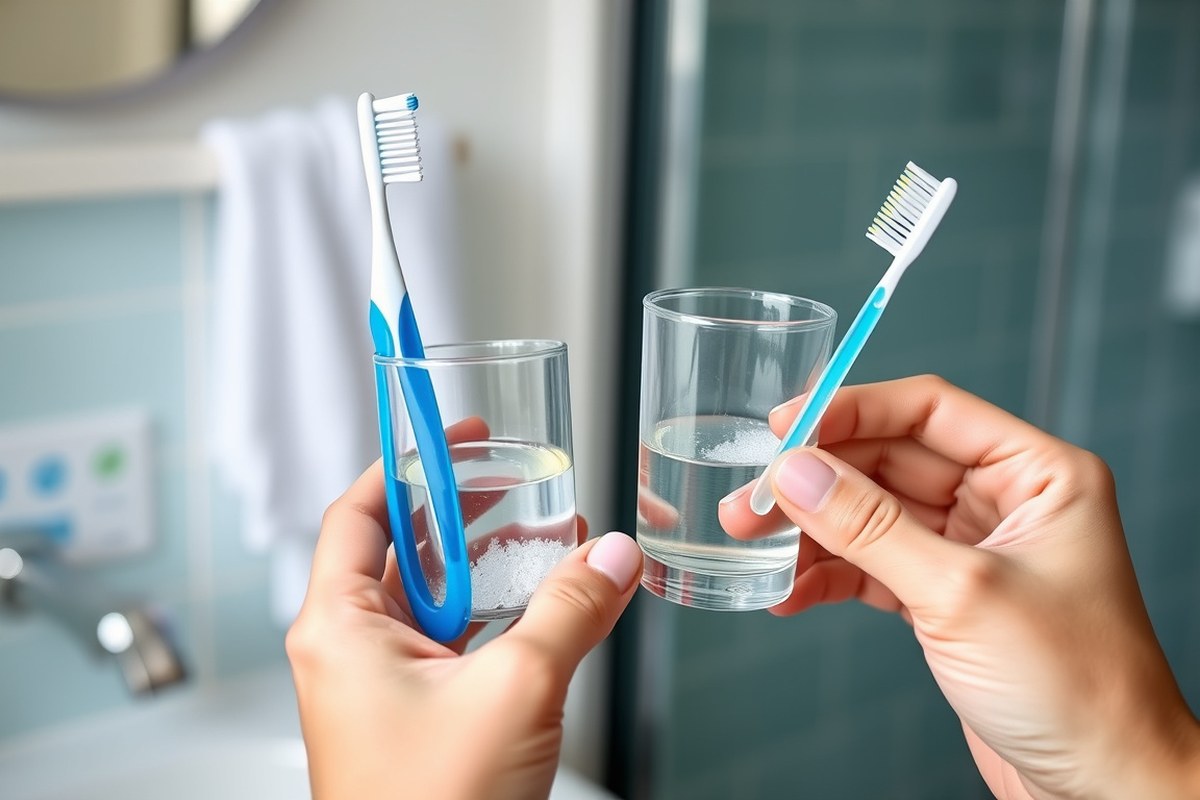
Gingivitis, an early stage of gum disease, can often be reversed at home with a consistent and targeted daily routine. Mild gum inflammation results from plaque buildup that irritates your gums, so controlling plaque through effective oral care is key. Brushing and flossing are essential, along with rinses and occasional home remedies that support gum healing and keep bacteria in check. Sticking to this routine twice a day and avoiding shortcuts gives your gums the best chance to return to health.
Follow these steps in the exact order and timing outlined below for the most effective home care. Spending two minutes brushing in the morning and two minutes before bed, plus daily flossing and rinsing, helps remove plaque where it hides. Adding a warm saltwater rinse once daily can reduce inflammation and soothe soreness. Make sure to keep up daily care without skipping any part to prevent the gingivitis from worsening.
- Brush your teeth for 2 minutes twice a day. Use a soft-bristled toothbrush and fluoride toothpaste. Brush gently along the gumline at a 45-degree angle to clear plaque without irritating your gums. Morning brushing removes overnight buildup, while evening brushing gets rid of food and plaque from the day.
- Floss once daily, ideally before bed. Flossing removes plaque and food particles your brush can’t reach between teeth and under the gumline. Use about 18 inches of floss, curve it into a C shape around each tooth, and slide gently up and down. Don’t skip flossing; it’s important to prevent plaque buildup that causes gingivitis.
- Use a warm saltwater rinse once a day. Stir ½ teaspoon of salt into 8 ounces of warm water. Gently swish the mix in your mouth for 30 seconds and then spit it out. This method helps lower bacteria and calm inflammation while encouraging gum repair. For best effects, rinse in the evening after brushing and flossing.
- Use an antibacterial mouthwash if recommended. Choose a non-alcohol mouthwash formulated to fight plaque and gingivitis. Rinse for 30 seconds once or twice daily according to the label instructions. This step can complement brushing and flossing but never replace them.
- Maintain a consistent schedule every day. Do not skip any step. Gingivitis usually improves within 1 to 2 weeks with regular care. If symptoms like bleeding or swelling persist past this, consult your dentist for professional cleaning and advice.
Gingivitis can be reversed at home if caught early and treated with the right routine. Skipping flossing or shortcuts in brushing extend the problem. Home remedies help ease symptoms but do not eliminate plaque. Professional cleaning is necessary to remove hardened tartar when present. Keeping up your daily oral care prevents recurrence and supports long-term gum health.
2. Proper Brushing and Flossing Techniques to Combat Gingivitis

Brushing your teeth properly twice a day and flossing daily are key to reversing gingivitis. Use a soft or electric toothbrush to clean gently around your gum line and floss carefully to remove plaque between teeth. Interdental brushes can also help reach tight spaces where floss can’t.
Choosing the Right Toothbrush for Sensitive Gums
Sensitive gums need gentle care to avoid further irritation. A soft-bristled toothbrush is best for cleaning without damaging tender gum tissue. An electric toothbrush with a pressure sensor helps prevent brushing too hard and removes more plaque than manual brushes. Brands like Oral-B iO are known for effective plaque removal and improved gum health, but a manual soft brush can work if used correctly.
Electric toothbrushes generally cost between $30 to $150, while soft manual brushes usually cost $2 to $5. Using a soft or electric brush reduces gum bleeding and inflammation, common in gingivitis, improving symptoms over weeks.
Step-By-Step Brushing Technique to Avoid Gum Damage
Proper brushing cleans plaque at the gum line without hurting the gums. Brushing too hard or in a horizontal scrubbing motion can worsen swelling and bleeding. Here is a recommended technique for sensitive gums:
- Hold your toothbrush at a 45-degree angle to your gums to target plaque where gums meet teeth.
- Use gentle, circular motions to clean the front and back of each tooth and around the gum line.
- Brush the chewing surfaces with short back-and-forth strokes.
- Clean the inside surfaces of your front teeth by tilting the brush vertically and making several up-and-down strokes.
- Spend at least two minutes brushing, dividing 30 seconds per quadrant of your mouth.
- Avoid pressing too hard; let the brush bristles do the work.
- Rinse your mouth thoroughly after brushing and spit out toothpaste residue.
Pressing hard while brushing can damage gums and increase bleeding instead of reducing it.
Best Flossing Method and Interdental Cleaner Options
Flossing daily removes bacteria and plaque that toothbrushing alone can’t reach. Use about 18 inches of floss and gently slide it between teeth, curving it against each tooth in a C-shape to clean below the gum line without snapping the floss. If tight spaces or braces make flossing difficult, interdental brushes or soft picks are good alternatives for cleaning between teeth.
Interdental brushes come in various sizes to fit different gaps and cost about $5 to $10 for a pack. They are easier to use for some people and effective at reducing localized plaque that causes gingivitis. Floss and interdental cleaning should be done at least once a day, ideally before bedtime.
Snapping floss between the teeth can injure your gums and worsen inflammation, so move floss gently.
3. Home Remedies and Their Safe Usage for Gingivitis
You can safely use several home remedies to reduce gingivitis, including saltwater rinses, oil pulling, and natural pastes or gels like turmeric, aloe vera, and tea tree oil. Hydrogen peroxide rinses also offer antiseptic benefits but require careful dilution. Each remedy has clear preparation steps and usage guidelines to help you manage mild gum inflammation at home.
Saltwater Rinse Preparation and Timing
Rinsing with saltwater helps decrease bacteria and eases gum swelling. To make it, mix ½ teaspoon of ordinary table salt into 8 ounces (around 240 mL) of warm water, warm enough to dissolve the salt but not so hot that it could harm your mouth. Rinse your mouth twice a day after brushing and flossing by swishing for 30 seconds to a minute before spitting out. Do not swallow the rinse.
This rinse is inexpensive and simple, costing only a few cents per use. It can reduce gum swelling and bleeding within a few days. However, do not overuse saltwater rinses because excessive salt exposure may irritate gum tissue.
Oil Pulling: Method and Precautions
Oil pulling involves swishing oil in your mouth to reduce harmful bacteria. Common choices include coconut, sesame, or sunflower oil. Take around 1 tablespoon of oil, swish it slowly between your teeth and around your gums for 10 to 15 minutes, then spit it out into a trash can (not the sink to avoid clogging). Afterwards, rinse your mouth with warm water and brush as usual.
Oil pulling can decrease plaque buildup, which lessens gingivitis risk. Use it once daily, preferably in the morning before eating or drinking. Avoid swallowing the oil because it contains bacteria and toxins pulled from your mouth. People with nut allergies should avoid coconut oil and choose another oil instead.
Recipes and Applications for Turmeric, Aloe Vera, and Tea Tree Oil
Turmeric, aloe vera, and tea tree oil each have anti-inflammatory and antimicrobial properties proven effective against gingivitis. Preparing these remedies at home is straightforward.
| Remedy | Preparation | Usage | Effectiveness |
|---|---|---|---|
| Turmeric Paste | Mix 1 teaspoon turmeric powder with a few drops of water or coconut oil to form a paste. | Apply the paste gently on gums using a clean finger or cotton swab. Leave for 10 minutes, then rinse. | May reduce plaque and inflammation; research shows positive results similar to chlorhexidine. |
| Aloe Vera Gel | Use pure aloe vera gel directly from the leaf or store-bought gel without additives. | Apply gel on gums 2, 3 times daily or use as a mouth rinse (diluted with water) for 30 seconds. | Studies show aloe vera can reduce gingivitis and plaque comparable to traditional mouthwashes. |
| Tea Tree Oil Mouthwash | Add 3 drops of tea tree oil to 8 ounces warm water; mix well. | Rinse mouth for 30 seconds to 1 minute, spit out; use once or twice daily. | Effective in reducing gingival bleeding and inflammation; natural alternative to chlorhexidine. |
| Hydrogen Peroxide Rinse | Mix equal parts 3% hydrogen peroxide and water (e.g., ¼ cup each). | Rinse mouth for 30 seconds, spit out; use up to once daily. | Antiseptic properties help kill bacteria; use cautiously to avoid irritation. |
To avoid irritation, test a small area of your gums before regular use of any homemade paste or rinse. Discontinue use if you experience sensitivity or discomfort. Because tea tree oil is potent, never swallow it or use it undiluted. Similarly, hydrogen peroxide should never be used at full strength; always dilute with water as shown.
4. How Diet and Lifestyle Choices Impact Gum Health
Diet changes can significantly improve gum health and reduce gingivitis by lowering inflammation and limiting the food sources that feed plaque-causing bacteria. Cutting back on sugar intake is critical because sugary and starchy foods contribute to plaque buildup. Plaque forms when bacteria in your mouth consume sugars, producing acids that irritate and inflame your gums. Reducing your daily sugar intake to less than 25 grams (about 6 teaspoons) can help lower this risk and slow down gingivitis progression.
Adding anti-inflammatory foods also supports gum healing. Fatty fish like salmon are rich in omega-3 fatty acids, which research shows help reduce gum inflammation. Eating 2 to 3 servings of fatty fish per week provides ample omega-3s to support gum health. Vitamin C is another essential nutrient that boosts your immune system and aids gum repair. Including fruits and vegetables such as oranges, strawberries, and bell peppers can give your gums the vitamin C they need to stay strong.
Fiber-rich foods like whole grains and leafy greens promote saliva production, which naturally helps wash away food particles and bacteria. Green tea offers antioxidants called catechins that fight harmful oral bacteria and reduce gum inflammation. Drinking one to two cups of green tea daily may assist in controlling plaque and gingivitis symptoms.
To implement these changes, start by replacing sugary snacks with fresh vegetables or nuts. Swap soda or sweetened drinks for water or unsweetened green tea. Include fatty fish in your meals at least twice a week and add more fruits and leafy greens to your diet. These changes take consistent effort but can produce noticeable improvements in gum redness and bleeding within two to four weeks. Avoiding processed, sugary foods also reduces the acid that irritates your gums, allowing healing to begin.
Some foods and natural substances with anti-inflammatory and antibacterial effects, like turmeric (curcumin), lemongrass oil, and baking soda, may also help reduce plaque and gingivitis when used alongside diet improvements and oral hygiene. For example, using a baking soda-based toothpaste can soften tartar and reduce plaque. However, these should supplement, not replace, diet and hygiene adjustments and be used according to product instructions or professional advice.
Pay attention to how your gums respond as you adjust your diet. If bleeding, swelling, or pain do not improve after several weeks or worsen despite these changes, professional dental care is necessary. Regular dental visits every six months remain important to remove any hardened plaque (tartar) and monitor your gum health alongside your lifestyle improvements.
5. Recognizing Gingivitis Symptoms and When Home Care Isn’t Enough
Knowing when your gingivitis is getting worse can help you avoid more serious gum problems. Symptoms that persist beyond two weeks of proper home care signal that self-treatment may not be enough. Even with good brushing, flossing, and safe home remedies, ongoing redness, swelling, or bleeding means it’s time to seek a dentist’s assessment. Dentists can evaluate the severity of your gingivitis and recommend personalized treatments, including professional cleanings that remove plaque and tartar build-up you can’t remove at home.
Watch for signs that indicate worsening gingivitis. Bleeding gums during or after brushing is common in early gum disease, but severe bleeding or bleeding that worsens is a red flag. Increasing gum pain or tenderness, persistent bad breath, and gums that begin to pull away from your teeth also suggest progression toward more severe gum disease, such as periodontitis. When extreme pain develops, or you see pus or deep sores, seek dental care immediately. People with medical conditions like diabetes or weakened immune systems should monitor symptoms closely and contact their dentist promptly, as they are at higher risk of complications.
- Gums that bleed heavily or spontaneously
- Gum swelling that worsens or spreads
- Persistent bad breath or bad taste despite good oral hygiene
- Gums receding from teeth or forming pockets
- Loose or shifting teeth
- Severe pain or pus around gums
- No improvement in symptoms after 14 days
Dental visits to address gingivitis typically cost around $75 to $200 for an exam and cleaning, depending on your location and insurance. Taking action early can prevent more invasive and costly treatments later. Professional cleanings reduce bacteria below the gumline, helping your gums heal effectively. When you notice any worsening signs, schedule an appointment quickly to get tailored advice and treatment.
Do not delay seeing a dentist if your symptoms don’t improve within two weeks or if you experience heavy bleeding or severe pain.
Treating gingivitis early can often reverse it, but ignoring warning signs risks permanent gum damage and tooth loss. Regular dental check-ups and cleanings every six months play a key role in controlling gum disease over time. Keep monitoring your gum health closely while continuing your home care routine. Persistent or worsening symptoms indicate it’s no longer safe to rely solely on home treatment.
6. Understanding Plaque, Tartar, and Their Role in Gingivitis
Plaque is a sticky film made up of bacteria and food particles that constantly forms on your teeth. When plaque builds up, it irritates the gums, causing them to swell, become red, and sometimes bleed. This irritation is the start of gingivitis. The bacteria in plaque, including species like Streptococcus and Fusobacterium, produce acids and toxins that inflame your gum tissue. Regular brushing and flossing can remove plaque and prevent gingivitis from developing or getting worse.
However, if plaque stays on your teeth too long, about 24 to 72 hours, it hardens into tartar, also called calculus. Tartar is a tough, mineralized deposit that firmly bonds to your tooth surfaces. Unlike plaque, tartar can’t be removed by brushing or flossing at home. Trying to scrape it off yourself risks damaging your gums or tooth enamel. Once tartar has formed, professional dental cleaning is necessary. Dentists use special tools to perform scaling and root planing, which removes tartar from above and below the gum line efficiently and safely.
Professional cleanings are usually a one-time procedure, but the cost and frequency can vary. The first cleaning to treat gingivitis might take 30 to 60 minutes and costs between $75 and $200 without insurance, depending on your location and the dentist’s pricing. During your visit, the dentist or hygienist thoroughly removes all plaque and tartar, reducing the bacterial load that causes gum inflammation. Removing tartar helps your gums heal and prevents gingivitis from progressing to more serious gum disease.
After a professional cleaning, maintaining good oral hygiene is critical to keep tartar from returning. Daily flossing helps remove plaque from tight spaces between teeth where your toothbrush misses. Using an electric toothbrush can also improve plaque removal compared to manual brushing. Some people use baking soda as a gentle way to neutralize mouth acids and reduce plaque buildup. Also, oil pulling with coconut or Arimedadi oil for about 10 minutes daily has shown benefits in reducing harmful bacteria and plaque, helping to control early gingivitis symptoms.
Regular dental visits every six months are often recommended to keep plaque and tartar in check. For those with deeper tartar buildup below the gumline, dentists may schedule special cleanings more frequently. In summary, plaque causes gingivitis by irritating your gums, and tartar that forms from plaque can only be removed by professional cleaning. This clean-up jump-starts healing and helps you maintain healthy gums through your daily oral care routine.
7. Common Mistakes in Home Gingivitis Care and How to Fix Them
Many people trying to get rid of gingivitis at home make common mistakes that slow healing or cause new problems. Brushing too hard is one of the biggest errors. Using a hard-bristled toothbrush or applying excessive pressure can injure your gums and make inflammation worse instead of better. Use a soft-bristled brush and gentle circular motions. Spend about two minutes, twice daily, brushing just enough to clean without discomfort.
Incorrect oil pulling is another issue. Swishing oil, such as coconut or lemongrass oil, can reduce harmful bacteria, but the technique matters. Swirling the oil too briefly, less than 15 minutes, or swallowing the oil can reduce benefits or introduce toxins to your body. Use about 2 teaspoons of oil, swish it around your mouth for 20 to 30 minutes, then spit it into the trash to avoid plumbing issues. Avoid swallowing the oil to prevent ingesting bacteria or toxins.
Some home remedies can cause irritation or allergies. Essential oils, like lemongrass, offer antibacterial effects, but undiluted or excessive use can burn or irritate sensitive gum tissue. Dilute essential oils properly in carrier oils for oil pulling or add them sparingly to rinses. Stop any remedy that causes persistent redness or pain. You may need to switch oils or consult a professional if symptoms worsen.
- Use a soft toothbrush and brush gently for two minutes twice a day.
- Don’t skip flossing or interdental cleaning to remove plaque where brushes can’t reach.
- For oil pulling, swish 2 teaspoons of oil for 20, 30 minutes, then spit it out safely.
- Avoid swallowing oil after pulling to prevent harm from toxins or bacteria.
- Dilute essential oils before use to prevent gum irritation.
- Stop any remedy that causes increased pain, redness, or swelling.
- Maintain consistent daily routines, irregular care slows healing.
Better home care habits include replacing hard brushes with soft ones and adopting proper flossing to prevent plaque build-up that causes gingivitis. You should also keep oil pulling practices safe by timing and spitting correctly. Watch for signs of irritation or allergic reactions from homemade rinses or oils. Staying patient while following these habits can lead to noticeable gum health improvements in 1 to 2 weeks. Avoid rushing or overdoing any step to protect delicate gum tissues and support effective healing.
8. Maintaining Healthy Gums Long-Term After Reversing Gingivitis
Maintaining healthy gums long after reversing gingivitis requires consistent care at home, a balanced diet, and regular dental visits. Following a clear routine helps prevent the condition from returning and supports overall oral health.
Routine Home Care Checklist for Lasting Gum Health
A solid daily routine is critical for keeping gums healthy. Brush your teeth twice a day for at least two minutes using a soft-bristled toothbrush and fluoride toothpaste. Floss daily to remove plaque and food particles between teeth, where brushes can’t reach. Use an antimicrobial mouthwash as recommended by your dentist to reduce bacteria. Eating a nutrient-rich diet that includes plenty of vitamin C and calcium strengthens gum tissue and bone. Avoid excessive sugar, tobacco, and alcohol, as these can contribute to gum inflammation and tooth decay.
Keep an eye on any changes in your gums, such as redness, swelling, bleeding, or discomfort during brushing. These signs can indicate a return of gingivitis or other issues. If these symptoms persist for more than a week despite proper care, see your dentist promptly.
Scheduling Professional Dental Cleanings
Regular dental visits are essential for spotting problems early and maintaining long-term gum health. The American Dental Association recommends visiting your dentist every six months for a check-up and professional cleaning. Your dentist or hygienist will remove plaque and tartar buildup that you can’t clean away at home, reducing the risk of gingivitis recurrence. They can also detect early signs of gum disease and recommend additional treatments if needed.
Your dentist may adjust the frequency of visits depending on your risk factors. For example, if you have diabetes, smoke, or have a history of gum disease, visits every three to four months might be necessary to keep your gums healthy. Always follow your dental professional’s advice on scheduling to prevent relapse.
Adjusting Care Based on Symptoms and Conditions
Home remedies help most people with mild gingivitis but may not work for more severe cases or underlying health conditions. Persistent inflammation, deep gum pockets, or bleeding despite good home care often require professional treatment. Conditions like diabetes and pregnancy can increase gum disease risk, so extra attention to oral hygiene and more frequent dental visits are important.
A good decision rule is to continue your routine, monitor symptoms closely, and visit your dentist at any sign of return or worsening issues. Early intervention stops gingivitis from advancing to periodontitis, a more serious gum infection. Your dentist can tailor care to your needs, including prescribing specialized mouthwashes or recommending lifestyle changes to support gum health.
Regularly reviewing and updating your oral care routine with your dentist ensures you catch issues early and keep gums healthy for the long term.
Step-by-Step Action Plan to Get Rid of Gingivitis at Home
Follow this clear plan to stop gum inflammation and support your gum health using proven daily habits and safe home remedies.
- Before You Start: Gather a soft-bristled toothbrush, fluoride toothpaste, dental floss, and an antimicrobial mouthwash. Get familiar with proper brushing and flossing techniques by watching reliable tutorials. You’ll know you’re ready when brushing and flossing feel smooth and effective without causing pain.
- Day 1: Begin brushing twice daily for two minutes each time, focusing gently along the gumline. Floss once daily, reaching beneath the gums. Use mouthwash once a day after brushing. You’ll notice less bleeding during cleaning by Day 7.
- Week 1: Incorporate safe home remedies like rinsing with warm salt water once daily after brushing. Avoid smoking, excess sugar, and reduce stress. Redness and swelling that improve without increased discomfort indicate your routine is working.
- Week 2: Add fresh vegetables and fruits rich in vitamin C to your diet, and drink plenty of water. Maintain your established hygiene practices consistently. A decrease in gum tenderness and firmness to the touch shows progress.
- After 2 Weeks: Assess your gum condition. Should bleeding, swelling, or pain persist or worsen, schedule a dental visit promptly. Healthy gums should appear pink, firm, and no longer bleed during your daily routine.
- Ongoing Maintenance: Continue daily brushing, flossing, and monthly use of antimicrobial rinses if appropriate. Avoid common mistakes such as brushing too hard or skipping flossing. You’ll keep your gums healthy when bleeding and soreness remain absent, and plaque buildup is minimal.
Frequently Asked Questions
What Over-The-Counter Products Help Get Rid of Gingivitis at Home?
Over-the-counter products like antimicrobial mouthwashes and toothpaste with fluoride can reduce plaque and soothe gums. Look for those with ingredients targeting bacteria to support your daily oral care routine.
Can Hydrogen Peroxide Be Safely Used to Treat Gingivitis at Home?
Yes, dilute hydrogen peroxide can help kill bacteria and reduce inflammation, but use it sparingly and never swallow. Rinse your mouth with a mix of equal parts water and 3% hydrogen peroxide for about 30 seconds.
Is Coconut Oil Pulling Effective in Managing Gingivitis Symptoms?
Coconut oil pulling may reduce plaque buildup and improve gum health by decreasing bacteria, according to some studies. Swish one tablespoon of coconut oil in your mouth for 10-15 minutes daily and then spit it out.
How Do Licorice Tea and Turmeric Paste Help with Gingivitis?
Both contain natural anti-inflammatory and antibacterial properties that soothe and reduce gum swelling. You can rinse with cooled licorice tea or apply turmeric paste to gums a few times a week for relief.
Can Home Remedies Replace Brushing and Dental Visits for Gingivitis?
No, home remedies can help ease symptoms but don’t replace daily brushing and professional dental care. Regular flossing and checking with your dentist remain essential for long-term gum health.
What Role Does Salt Water Rinsing Play in Treating Gingivitis at Home?
Salt water rinses reduce bacteria and help heal inflamed gums by drawing out infection and soothing tissues. Use a warm solution of half a teaspoon of salt in 8 ounces of water twice daily for best results.
Wrapping Up
Taking control of gingivitis at home is possible by sticking to a consistent oral care routine and making mindful choices about your diet and habits. Today, start by checking your brushing technique to ensure you’re cleaning along the gumline effectively without causing irritation. This simple step can reduce plaque buildup and help your gums heal faster, setting you on the path to healthier gums for the long term.