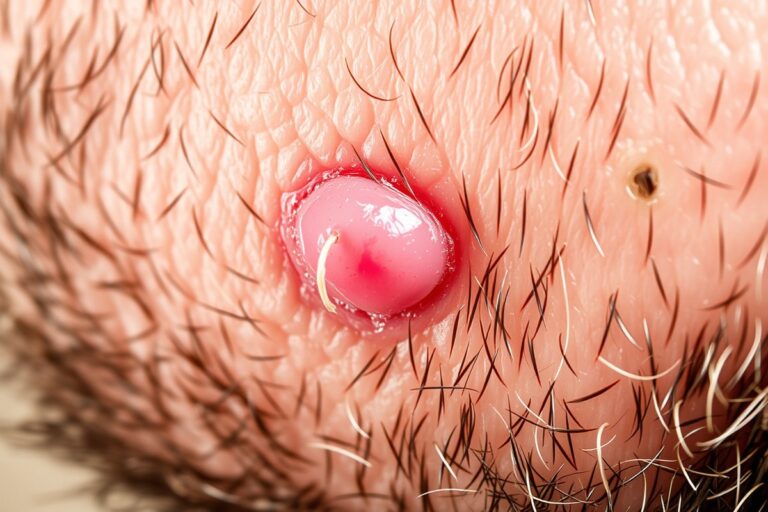
How to Get Rid of Heat Rash Quickly: 8 Proven Methods for Fast Relief
To get rid of heat rash quickly, cool your skin, wear loose cotton clothing, and apply cool compresses for 10 to 15 minutes. Move to a cooler place and keep the rash dry. Drinking cold water with ice can also help lower your body temperature and ease itching. Mild heat rash usually clears within 3 to 4 days with simple home care.
This advice suits adults, parents, athletes, outdoor workers, and anyone in hot, humid conditions dealing with heat rash. You’ll learn how to recognize heat rash symptoms, compare treatments, follow daily care steps, prevent flare-ups, avoid common mistakes, and know when to seek medical help.
Key Takeaways
- Move to a cooler place, wear loose cotton clothing, and apply cool compresses for 10 to 15 minutes to relieve heat rash quickly.
- Identify heat rash by tiny red bumps with itching or burning; it differs from other rashes by appearing after sweating or heat exposure.
- Use mild 1% hydrocortisone cream on the rash for intense itching, but avoid heavy creams that trap heat and moisture.
- Keep the affected skin cool, dry, and sweat-free for 72 hours to maximize quick heat rash recovery and reduce irritation.
- Prevent heat rash by wearing 100% cotton or moisture-wicking fabrics, maintaining good hygiene, and avoiding excessive heat and sweat.
- Heat rash symptoms might worsen in hot, humid climates, during vigorous activity, or in infants and elderly due to sensitive skin.
1. How to Get Rid of Heat Rash Quickly at Home

Heat rash causes small, itchy red bumps when sweat ducts get blocked during hot, humid conditions. The key to quickly easing discomfort and speeding healing lies in cooling the skin, reducing sweating, and keeping the affected area dry and loose. While it’s unlikely to completely disappear overnight, heat rash symptoms can improve significantly within a day with the right home care. Avoid using heavy creams or ointments that trap sweat and heat, as they can worsen the rash.
Cold compresses provide fast relief by soothing irritation. Use a clean cloth soaked in cool (not ice-cold) water and apply it on the rash for 10 to 15 minutes. Icing directly on the skin is not recommended because it can further irritate. Cool baths with lukewarm water or oatmeal baths can calm itching and are safe to use. Drinking plenty of cold water helps lower your body temperature, which can reduce sweating and heat rash severity.
- Move to a cooler environment. Seek air conditioning or shade to lower your body heat and stop further sweating.
- Wear loose, breathable clothing. Opt for loose-fitting cotton garments to allow air circulation and reduce friction on your skin.
- Apply a cool compress. Soak a soft cloth in cool water and place it gently on the rash for 10 to 15 minutes. Repeat several times a day as needed for itching relief.
- Take a cool bath. Use lukewarm water or add colloidal oatmeal to soothe irritated skin. Avoid hot water, which can worsen symptoms.
- Use cooling natural remedies. Place chilled cucumber slices on the rash for 10 to 15 minutes to reduce redness and itching.
- Stay hydrated. Drink cold water frequently to help regulate body temperature and minimize sweating.
- Avoid heavy creams and ointments. Choose light, non-greasy lotions if needed, as thick products can block pores and trap sweat.
- Keep the affected area dry and exposed. Avoid covering the rash with tight clothing or bandages that limit airflow.
Following these steps usually clears up mild heat rash within 1 to 2 days. Persistent rashes lasting beyond 3 days, worsening symptoms, or signs of infection require evaluation by a healthcare professional.
2. Recognizing Heat Rash: Symptoms and How It Differs from Other Rashes

Heat rash is a skin irritation caused by blocked sweat ducts, leading to trapped sweat beneath the skin. This blockage results in red, itchy bumps, typically developing in hot, humid environments where your body sweats excessively. Recognizing heat rash symptoms helps distinguish it from other skin issues and serious heat-related illnesses, ensuring proper care and safety.
Typical Heat Rash Appearance and Location
Heat rash presents as clusters of tiny, raised red bumps or blisters. These bumps usually appear on skin areas that trap sweat and experience friction, such as the neck, upper chest, underarms, groin, and elbow creases. The surrounding skin may look reddish and feel itchy or sting, reflecting irritation from sweat buildup under the skin.
Heat rash is more likely to occur in areas covered by tight or non-breathable clothing, and rarely appears on exposed, dry skin like the backs of hands, shins, or face. Symptoms generally develop gradually, especially during hot weather or after physical activity that causes heavy sweating.
Differences Between Heat Rash and Allergic Reactions
Allergic reactions can resemble heat rash but usually have notable differences in timing and associated symptoms. Allergies typically cause sudden rashes that may spread quickly along with swelling, hives, or blistering. Heat rash appears gradually during heat exposure and mainly causes small, localized bumps without swelling.
A key way to differentiate is by considering recent exposures: sudden onset after contact with new soaps, plants, or foods suggests an allergic reaction, while heat rash occurs after prolonged sweating in hot conditions. Heat rash mainly irritates the skin whereas allergies can cause more intense discomfort, including facial swelling or difficulty breathing, which require immediate medical attention.
Watch for symptoms like facial swelling or trouble breathing; these indicate an allergic reaction, not just heat rash, and need urgent care.
Warning Signs of Heatstroke, Cellulitis, or Infections
Heat rash itself is not a medical emergency, but it often occurs alongside conditions that can become serious. Red flags include dizziness, confusion, or a body temperature exceeding 104°F (40°C), which point to heat exhaustion or heatstroke requiring urgent medical care. Also, if the rash worsens with intense redness, warmth, swelling, or pus, it might signal an infection like cellulitis. Check for the following warning signs to decide when to seek medical help:
- Sudden onset of high fever or chills
- Dizziness, confusion, or fainting episodes
- Rapidly spreading redness or swelling around the rash
- Severe pain or tenderness in the affected area
- Pus or discharge from the rash
- Difficulty breathing or swallowing
- Persistent rash lasting longer than two weeks or worsening despite home care
These symptoms go beyond mild heat rash and require evaluation by a healthcare provider to rule out serious heat-related illnesses or infections. Mild heat rash usually resolves within days to weeks with cooling and avoiding heat exposure, but complications or systemic signs must be assessed professionally.
3. Comparison of Topical Treatments for Heat Rash: What Works Best?
Topical treatments for heat rash include creams, ointments, powders, and natural remedies, each with pros and cons depending on the rash severity and patient age. Over-the-counter options like hydrocortisone cream and calamine lotion soothe itching and reduce inflammation, while natural remedies can cool the skin with fewer side effects. Proper use and safety depend on product type and user characteristics, such as age or skin sensitivity.
Hydrocortisone and Steroid Creams
Hydrocortisone cream is a mild corticosteroid that helps relieve itching and inflammation caused by heat rash. A 1% hydrocortisone cream applied thinly to the rash can reduce discomfort when itching is intense. For adults and older children, hydrocortisone is generally safe for short-term use but should be avoided in babies, especially under diapers, due to sensitive skin and risk of side effects.
Use hydrocortisone sparingly, no more than twice a day for up to 3 to 4 days. Prolonged use can thin the skin or worsen infections. If the rash does not improve within a few days or appears infected, stop using the steroid cream and consult a healthcare provider. Always follow label instructions or doctor advice to ensure safety.
Calamine Lotion, Antihistamine Creams, and Powders
Calamine lotion adds a soothing, cooling effect for heat rash. It reduces itching and inflammation and is widely recommended by healthcare providers. Calamine is safe for most ages, including children, and can be applied several times a day as needed. It also helps dry out weepy rashes without harsh chemicals.
Antihistamine creams and oral antihistamines such as Benadryl can relieve itching by blocking the body’s histamine response. Oral antihistamines may be preferred for severe itching, while creams target the rash directly. Use antihistamines only according to package instructions or doctor guidance to avoid drowsiness or allergic reactions.
Powders, including talcum powder, are often used to keep skin dry. However, repeated or heavy application may clog sweat ducts and worsen the rash. Using powders sparingly and ensuring the skin stays clean and cool is important. Avoid applying powder to broken or irritated skin.
Natural Remedies Like Aloe Vera and Baking Soda
Aloe vera gel is a natural remedy that cools and soothes heat rash easily. Apply a thin layer of pure aloe vera directly to the rash to reduce redness and irritation. Aloe vera is safe for adults, children, and babies, but patch testing is recommended to check for sensitivity when using a new product.
Other traditional natural options such as multani mitti (Fuller’s earth), sandalwood, and rose water help cool the skin and reduce inflammation. They suit mild facial rashes or smaller rash areas. Baking soda baths may relieve itching by neutralizing skin pH but should be used cautiously, avoid prolonged soaking and rinse off thoroughly.
| Treatment | Primary Effect | Application | Safety Notes | Use Duration |
|---|---|---|---|---|
| Hydrocortisone Cream (1%) | Relieves itching and inflammation | Apply thinly 1-2 times daily | Avoid in babies, especially under diapers; short-term use only | Up to 3-4 days |
| Calamine Lotion | Soothes itching, cools skin | Apply as needed, several times daily | Safe for adults and children; avoid broken skin | Until rash clears (3-4 days usual) |
| Antihistamine Creams or Oral | Reduces itching | Oral or topical once or twice daily | Monitor for drowsiness or allergic reactions | Short-term use per instructions |
| Talcum or Other Powders | Absorbs moisture, keeps skin dry | Apply sparingly to dry skin only | May clog sweat ducts if overused; avoid broken skin | As needed; do not overapply |
| Aloe Vera Gel | Cools and soothes irritation | Apply thin layer directly to rash | Patch test for allergies; safe for all ages | Repeated applications as needed |
| Multani Mitti, Sandalwood, Rose Water | Natural cooling and inflammation reduction | Apply as paste or skin toner to rash | Best for mild facial rash; avoid open wounds | Daily until symptoms improve |
Selecting the right topical treatment depends on your rash’s severity, skin type, and age. Hydrocortisone is effective for brief use on stubborn itching but is unsuitable for infants. Calamine offers a gentle, fuss-free option with soothing effects. Antihistamines relieve itching internally or externally but require cautious use. Powders can help moisture control but avoid heavy or frequent application to prevent aggravating the rash. Natural remedies provide mild relief and cooling without chemicals but work best for mild cases. Applying products correctly and monitoring skin response is key to managing heat rash quickly and safely.
4. Daily Care Routine for 72 Hours to Maximize Heat Rash Recovery
To help your heat rash heal quickly over the first 72 hours, follow a daily routine that focuses on cooling your skin, staying hydrated, and carefully managing symptoms. Avoid excessive sweating but maintain gentle skin hygiene. Here’s a step-by-step template for morning, midday, and evening care to speed recovery.
Morning Care and Cooling Strategies
Start each day by lowering your skin temperature and preventing sweat buildup. Cooling your skin early reduces inflammation and itching. After waking, cool your body with a lukewarm shower or a gentle cool compress for 10 to 15 minutes. Avoid hot water as it can worsen irritation.
Choose loose, breathable clothing made of cotton to avoid trapping heat. Removing any tight or sweaty clothes first thing helps prevent sweat from aggravating the rash. Keep your environment cool with air conditioning or a fan to minimize sweating throughout the day.
Midday Symptom Checks and Hydration Tips
Monitor your rash and comfort around midday when heat and activity often peak. Clean affected skin gently with a mild soap and pat dry, do not rub, as friction increases irritation. Use a cooling anti-itch cream as recommended to soothe inflammation and reduce discomfort.
Hydration supports your skin’s healing process. Drink at least 8 to 12 cups (about 2 to 3 liters) of water daily to maintain overall hydration; this helps your body regulate temperature better and prevent excessive sweating. Avoid sugary or caffeinated drinks that can lead to dehydration. Take breaks in cool, shaded areas to avoid triggering more sweat production.
Evening Skin Care and Clothing Choices
Before bed, repeat gentle cleansing with lukewarm water and mild soap to remove sweat and dirt accumulated during the day. After drying your skin, apply a cooling, fragrance-free lotion or anti-itch treatment to keep the rash moist and calm. Avoid heavy creams that block pores.
Wear loose-fitting, lightweight pajamas to bed to promote airflow around the rash. Sleeping in a cool room with a fan or air conditioning can further reduce skin temperature and help prevent night sweating, which slows healing. Keep bedding light and made from natural fabrics like cotton.
- Cool your skin with a lukewarm shower or cool compress for 10-15 minutes each morning and as needed during flare-ups.
- Wear loose, breathable cotton clothing to prevent sweat trapping and irritation throughout the day.
- Use gentle cleansing once or twice daily with mild soap and lukewarm water; pat skin dry, never rub.
- Apply a cooling, fragrance-free anti-itch cream or lotion after cleansing to soothe symptoms.
- Drink 8 to 12 cups (2 to 3 liters) of water daily to stay hydrated and help regulate body temperature.
- Take breaks in cool, shaded or air-conditioned spaces to minimize sweating and heat exposure.
- At night, wear loose cotton pajamas and keep your bedroom cool with a fan or air conditioner.
- Avoid strenuous activity or heat exposure during these first 72 hours to prevent worsening the rash.
5. Preventing Heat Rash: Clothing, Hygiene, and Lifestyle Tips
Choosing the right clothing is key to preventing heat rash. Avoid synthetic fabrics that trap heat and moisture against your skin. Lightweight, loose-fitting cotton clothes work best because they allow air to circulate and help sweat evaporate, keeping your skin cooler and drier. Tight-fitting clothes, even moisture-wicking dry-fit types, can trap sweat and irritate your skin, increasing your chances of heat rash. For outdoor activities or exercise lasting over an hour, switch to breathable fabrics and change sweaty clothes promptly to reduce prolonged wetness trapped on your skin.
Preventing heat rash means managing your body temperature and moisture levels effectively. Make sure to take breaks in shaded or air-conditioned spots during long periods in the heat. Using cool compresses or taking cool showers can lower your skin temperature quickly, decreasing sweat buildup. Staying hydrated also helps regulate body heat, so drink plenty of water before, during, and after outdoor activities. Maintaining good hygiene by washing off sweat and dirt with gentle soap daily helps prevent irritated skin pores from getting clogged.
- Wear loose, breathable cotton clothing rather than synthetic or tight clothes.
- Limit prolonged heat exposure by taking regular breaks in cool environments.
- Change out of sweaty clothes promptly after exercise or outdoor work.
- Cool your skin with showers or cold compresses during breaks.
- Stay well hydrated throughout your outdoor activities.
- Shower daily using mild soap to remove sweat and irritants.
- Avoid applying heavy creams, oils, or powdered perfumes on affected areas.
Some products can worsen heat rash by clogging pores or irritating sensitive skin. Steer clear of thick ointments, heavy lotions, or talcum powders while you have a rash. These can trap moisture and increase irritation. Instead, opt for light, non-comedogenic moisturizers if needed, and only use over-the-counter treatments designed specifically for heat rash. If symptoms persist or you experience frequent recurrences, a consultation with a dermatologist may help tailor prevention strategies and identify other skin conditions.
Wear loose, breathable cotton clothes and take frequent cool breaks to reduce sweat buildup, the main cause of heat rash.
6. How Heat Rash Symptoms Vary by Age, Climate, and Activity Level
Treatment and prevention of heat rash depend on age, climate, and activity level. Babies often struggle to regulate their body temperature, making them more prone to heat rash particularly in covered areas such as the neck, chest, diaper region, and skin folds. Adults and older children typically develop heat rash in the neck, chest, back, groin, and armpits.
Heat rash forms where sweat and friction accumulate, so managing moisture and airflow is essential across all ages. Cooling the skin and reducing itching remain the primary goals, though the approach varies based on the environment and skin sensitivity. Below is a comparison table highlighting key differences and tips by situation to guide your care strategy.
| Factor | Babies | Adults |
|---|---|---|
| Common Rash Areas | Neck, chest, diaper area, skin folds | Neck, chest, back, groin, armpits, skin folds |
| Skin Sensitivity | Thinner, more sensitive; avoid harsh products | Moderate; sensitive in skin folds and face |
| Climate Consideration | Avoid overdressing; use lightweight, breathable fabrics | Change clothes frequently in heat and humidity |
| Activity Level | Limit overheating; keep skin dry and cool during naps and play | Athletes: frequent showers and dry clothes; sedentary: air circulation focused |
| Skin Care Tips | Use mild soap, avoid powder on broken skin | Cool showers, avoid heavy creams in hot weather |
| Management of Skin Folds | Keep folds dry and exposed to air; gentle drying after diaper changes | Use absorbent fabric or moisture-wicking powders; avoid tight clothing |
In dry heat, sweat evaporates quickly, so staying hydrated and wearing loose clothing is enough to reduce heat rash risk. In humid climates, sweat does not evaporate easily, so change damp clothing often and use fans or air conditioning to improve ventilation. Sedentary individuals can reduce irritation by sitting in cooler areas and wearing breathable materials, while active people should shower promptly after sweating and select moisture-wicking apparel.
Managing rash in sensitive areas like skin folds requires extra care. For babies, gently pat skin dry after cleaning and expose skin to air when possible. For adults, absorb moisture with breathable, non-irritating fabrics and avoid friction from tight clothes. Cooling with clean compresses can ease itching without over-applying creams that can block pores.
7. Common Mistakes When Treating Heat Rash and How to Avoid Them
One frequent mistake when treating heat rash is applying ice packs directly to the affected skin. Ice can cause shock to irritated skin, worsening redness and discomfort instead of calming it. A better approach is to cool the area with a damp, cool cloth for 10 to 15 minutes several times a day, which soothes the rash without damaging the skin.
Another error involves clothing choices. Wearing tight, synthetic, or non-breathable clothes traps heat and moisture, increasing irritation and delaying healing. Opt for loose, lightweight cotton garments to allow air circulation and keep the skin dry. In cases where the rash is in the groin area, going without undergarments temporarily can reduce friction and moisture buildup.
Many people overuse topical creams, powders, or ointments thinking it will speed recovery. Overapplying products, especially those with fragrances or oils, can clog pores and worsen the rash or cause secondary infections. Avoid baby powders and ointments entirely unless prescribed, as these can create a barrier that traps sweat and heat.
- Don’t lie on one side for hours, rotate positions to avoid trapping heat and sweat against the skin
- Use loose cotton clothing and avoid synthetic fabrics
- Limit topical creams to the minimum recommended amount
- Skip powders and ointments unless advised by a healthcare provider
- Cool the rash with a damp cloth; avoid ice packs
- Keep the rash area clean and dry
- Avoid scratching to prevent irritation and infection
Ignoring these common mistakes can lengthen the rash’s presence and raise the risk of complications such as bacterial infection or folliculitis, which resembles heat rash but requires different treatment. Often, correcting these behaviors leads to noticeable improvement within a few days at home. Persistent or worsening symptoms may require evaluation by a healthcare professional.
8. When to See a Doctor for Heat Rash and Possible Complications
Heat rash usually clears up on its own when you cool down and keep the skin dry. However, you should see a doctor if the rash lasts longer than a week or gets worse despite home treatment. Watch for signs that the rash has moved beyond typical heat rash. These include pus or fluid oozing from the bumps, increased redness, swelling, or pain in the affected area, which can mean a bacterial skin infection has developed. Heat rash itself is not contagious and does not spread from person to person because it is caused by blocked sweat ducts, not germs.
A good rule of thumb is to monitor your symptoms daily and seek medical advice if you notice any of these signs: the rash shows pus or yellow crusts, the area becomes very tender or swollen, or if you start running a fever or develop swollen lymph nodes near the rash. These systemic symptoms suggest your body may be fighting an infection related to the heat rash. Also, see a doctor if you feel unusually hot, dizzy, or weak, as these can be signs of heat-related illness that might require emergency care.
Conditions like fungal infections can look similar to heat rash, especially in warm, moist areas such as the groin or under the breasts. If your rash does not improve or you are unsure about its cause after several days of care, professional evaluation is important. Physicians can differentiate heat rash from other skin conditions and prescribe treatments such as antibiotics for infections or recommend specialized creams for fungal issues.
The exact steps to decide if you need a doctor’s visit are: track your rash for up to seven days; apply cooling measures and keep the area dry; note any signs of infection like pus or spreading redness; observe for systemic symptoms such as fever or swollen lymph nodes; and assess your overall wellbeing for signs of heat exhaustion or heat stroke. These steps can help you know when self-care is enough and when medical attention is necessary.
Do not delay seeking medical care if your rash changes appearance, becomes painful, or you develop a fever, early treatment can prevent complications from heat rash infections.
Step-by-Step Action Plan to Get Rid of Heat Rash Quickly
Follow these clear steps to relieve heat rash fast, care for your skin properly, and avoid future outbreaks.
- Immediately: Move to a cool, shaded area and gently cleanse the affected skin with cool water. You’ll know it’s working when itching and redness start to ease within an hour.
- Within 2 hours: Apply a lightweight, non-greasy topical treatment such as calamine lotion or an over-the-counter hydrocortisone cream. Improvement shows as reduced rash size and less discomfort the next day.
- Day 1 to 3: Wear loose, breathable clothing made of cotton or moisture-wicking fabric. Check that the rash doesn’t spread or intensify; skin should feel less irritated and dry by Day 3.
- Throughout these 72 hours: Keep the skin dry and air-exposed as much as possible. Pat the area dry rather than rubbing. You’ll see gradual flattening of bumps and fading of redness.
- Daily: Shower with lukewarm water, avoid heavy creams, and choose gentle, fragrance-free soaps. Consistent care helps maintain skin comfort and prevents new irritation.
- Ongoing: Adjust lifestyle habits such as minimizing heavy exercise in extreme heat and staying hydrated. Reduced sweating and kept skin cool lower chances of rash recurrence.
- If symptoms worsen within 48 hours or you notice pus, severe pain, or fever: Schedule a visit with your healthcare provider. These signs may indicate infection or complications requiring medical attention.
Frequently Asked Questions
How Do You Get Rid of Heat Rash Overnight?
You can help heat rash fade overnight by keeping the skin cool and dry, wearing loose cotton clothing, and applying cool compresses for 10-15 minutes. Drinking cold water helps lower your body temperature, which soothes the rash faster.
What Can Be Mistaken as Heat Rash?
Conditions like eczema, allergic reactions, or fungal infections can look like heat rash but behave differently. A rash that doesn’t improve with cooling might be another problem, so consider a clinical evaluation if unsure.
What Ointment Is Good for Heat Rash?
Mild corticosteroid creams or calamine lotion can relieve itching and inflammation but avoid strong ointments without a doctor’s advice. Cooling the area and keeping it dry helps ointments work better.
Will Benadryl Help Heat Rash?
Benadryl can reduce itching by blocking histamine, but it doesn’t treat the rash itself. Use it only for severe itch, and combine it with cooling measures to soothe the skin.
Can Heat Rash Cause Long-Term Skin Damage?
Heat rash usually clears within a few days without causing lasting skin damage if treated properly. Avoid scratching to prevent infection and scarring.
Is It Safe to Exercise with Heat Rash?
Avoid heavy exercise until the rash clears since sweating can worsen it. Light activity in a cool environment might be okay, but prioritize cooling and dryness.
Key Points to Remember
Getting rid of heat rash quickly means keeping your skin cool, dry, and clean while using gentle treatments like calamine lotion or hydrocortisone cream as needed. A simple action you can take today is to wear loose, breathable clothing and stay in air-conditioned or shaded areas to prevent further irritation. This helps your skin heal faster and reduces the chance of the rash worsening or returning.