How to Get Rid of Ingrown Hair Cyst: Safe Treatments and Prevention Tips
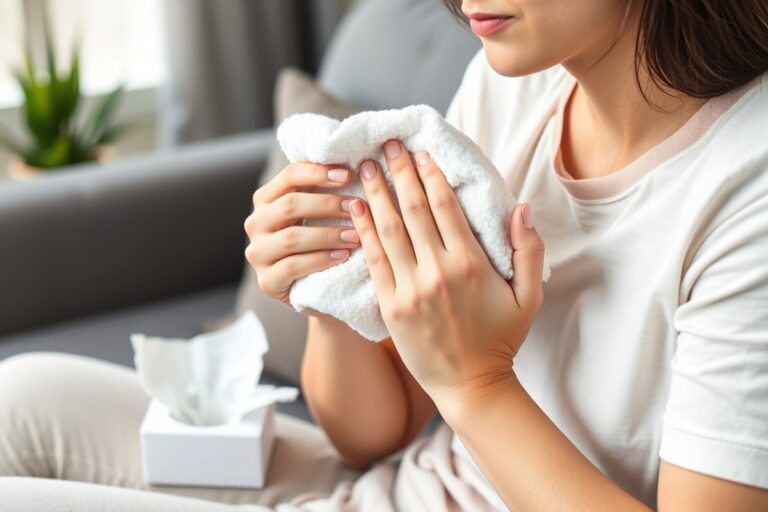
To get rid of an ingrown hair cyst safely, apply a warm washcloth on the area for 10 to 15 minutes several times a day, then gently brush it with a soft cloth to help release the trapped hair. Avoid popping or squeezing the cyst, as this can cause infection or worsen the condition. Persistent or painful cysts need professional medical care to prevent complications and confirm the diagnosis.
This advice is meant for anyone dealing with ingrown hair cysts in sensitive areas like the pubic region, beard line, legs, or underarms. You’ll learn how to identify an ingrown hair cyst, safe home treatments, when to see a doctor, and how to prevent future cysts based on your skin and hair type.
Key Takeaways
- Apply a warm, damp washcloth to the ingrown hair cyst for 10-15 minutes, 3-4 times daily to soften skin and encourage hair release.
- Distinguish an ingrown hair cyst by its hard, tender bump often with a trapped hair, unlike typical ingrown hairs or infections.
- Never pop or squeeze an ingrown hair cyst, as this can cause infection, scarring, and worsen the cyst.
- Stop home treatment and seek medical care if the cyst does not improve within 7-10 days or shows signs of infection.
- Medical options for persistent cysts include topical antibiotics, benzoyl peroxide, hydrocortisone creams, or professional drainage by a dermatologist.
- Prevent cysts by using gentle hair removal methods, exfoliating regularly, and tailoring skin care to your hair type and sensitivity.
How to Get Rid of an Ingrown Hair Cyst Safely at Home

Managing an ingrown hair cyst at home safely involves using warm compresses, gentle exfoliation, and appropriate topical treatments to encourage the hair to surface and reduce inflammation. Warm compresses relax the skin and soften the area, making it easier for the trapped hair to break through. Applying a warm (not hot) washcloth for 10 to 15 minutes, three to four times a day, helps bring the cyst closer to the surface without causing irritation or burns.
Topical products containing ingredients like salicylic acid or benzoyl peroxide can be applied to reduce dead skin buildup and inflammation. These chemical exfoliants work by removing the layer of dead skin around the cyst, which can free the ingrown hair and speed healing.
Gentle physical exfoliation, such as brushing the affected area with a soft brush or washcloth after applying a warm compress, helps lift the hair and loosen skin. Be sure to avoid aggressive scrubbing to prevent further irritation or infection. Follow these steps carefully to safely treat an ingrown hair cyst at home:
- Soak a clean washcloth in warm water. Ensure the temperature is comfortable and not hot to avoid burns.
- Apply the warm compress to the cyst area. Hold it there for 10 to 15 minutes, repeating this 3 to 4 times a day.
- Gently exfoliate the skin. Use a soft brush or clean washcloth to softly brush the cyst area after the compress. Do this once daily to avoid irritation.
- Apply a topical treatment. Use over-the-counter products containing salicylic acid or benzoyl peroxide as directed on the package, usually once or twice daily.
- Keep the area clean and dry. Wash with a mild cleanser twice daily and pat dry to prevent infection.
- Avoid shaving or hair removal around the cyst. This prevents further irritation and allows the cyst to heal.
- Monitor the cyst’s progress. Improvement should be visible within one to two weeks. If there is increased pain, redness, swelling, or no improvement after 3 to 5 days of home care, seek medical advice promptly.
Costs for this home care approach are generally low: warm compresses require only a clean cloth and warm water. Over-the-counter topical treatments often range from $10 to $20, depending on the brand and active ingredients. Healing results vary by individual but most mild cysts resolve with consistent care over 7 to 14 days. Avoiding harsh scrubbing or popping the cyst is important to prevent infection or scarring.
How to Identify an Ingrown Hair Cyst Versus Regular Ingrown Hair or Infection

An ingrown hair cyst develops when a hair grows inward or sideways into the skin instead of outward. This trapped hair can lead to irritation and inflammation and may result in fluid buildup, creating a cyst, which is a larger raised lump beneath the skin. Unlike a simple ingrown hair that usually shows as a small red spot with a visible trapped hair, an ingrown hair cyst shows up as a firm or soft lump that might contain fluid or pus. Its size can range from that of a pea to a small marble, often causing discomfort or pain if inflamed.
To distinguish between a regular ingrown hair, an ingrown hair cyst, and an infection, start by assessing the bump’s size, appearance, and symptoms. A regular ingrown hair tends to be smaller, less than 5 millimeters in diameter, reddish, and may have a visible hair trapped inside. The surrounding skin is mildly inflamed but usually not tender beyond mild sensitivity. An ingrown hair cyst looks larger, often over 5 millimeters, with a noticeable raised lump that can feel tender or firm. Sometimes you may see a small fluid-filled sac under the skin.
Recognizing an infection is critical. Signs of infection include increasing redness and swelling spreading beyond the bump, warmth to the touch, throbbing pain, pus or yellowish discharge, and potential development of fever or chills. These symptoms suggest the cyst has become infected and needs prompt medical attention. You should seek care from a healthcare professional immediately to prevent complications when your cyst is growing, more painful, or accompanied by systemic symptoms like feeling unwell or shivery.
Here’s a practical way to evaluate the issue using a simple checklist: Confirm if your bump is less than half a centimeter with a visible trapped hair, likely a regular ingrown hair. Larger, more swollen bumps or those that feel like a lump beneath the skin may indicate an ingrown hair cyst. Check for signs of infection such as spreading redness, warmth, pus, worsening pain, or fever. Any positive findings on infection require seeing a healthcare provider without delay. This decision rule helps you avoid misdiagnosing an infected cyst as a minor irritation.
An ingrown hair cyst is more than a surface irritant. Because it forms below the skin as a fluid-filled bump, it can stall natural healing and may need professional treatment if it doesn’t improve. Trying to pop, squeeze, or drain the cyst at home can increase the risk of infection and scarring. Healthcare providers can use sterile techniques to safely drain the cyst when necessary, reducing the chance of complications. Remember, clear signs of infection or persistent cysts warrant a professional evaluation to rule out other conditions like sebaceous cysts or skin infections that mimic ingrown hairs.
Never attempt to pop or lance an ingrown hair cyst yourself, as improper handling can cause infection or scarring. Seek professional care if you see pus, increasing redness, or pain.
Why You Should Never Pop or Squeeze an Ingrown Hair Cyst at Home
You should never pop or squeeze an ingrown hair cyst at home. Doing so can force bacteria deeper into your skin, increasing the risk of a severe infection or abscess. Unlike typical pimples, ingrown hair cysts form when a hair follicle curls back or grows sideways under the skin. They usually do not have a visible “head” filled with pus to pop, so trying to break the skin can worsen inflammation and pain.
Accidentally popping an ingrown hair cyst often leads to swelling and redness that become more painful. This is because the raised pressure inside the cyst releases harmful bacteria into surrounding tissues. Infections like folliculitis, which present as itchy, painful bumps, may develop. You can also create tiny wounds by squeezing or picking, which are open doors for germs, resulting in scarring or discoloration that might last months or longer.
Common mistakes with self-treatment include picking at the cyst, using sharp tools, or applying harsh chemicals hoping for quick removal. Such actions irritate the skin further and delay healing. Instead of helping, aggressive self-management pushes the bacteria deeper and promotes the cyst’s growth or causes new ones to appear nearby. Be patient and use gentle care methods outlined by skin care professionals to reduce inflammation and discomfort.
- Never pick, squeeze, or pluck an ingrown hair cyst
- Avoid using sharp instruments or needles to open the cyst
- Do not apply harsh scrubs or strong chemical peels on the area
- Keep the skin clean with mild soap and avoid irritating fabrics
- Use warm compresses to reduce swelling but avoid extreme temperatures
- Consult a healthcare provider if the cyst becomes more painful, grows, or shows signs of infection
Being patient while following safe care routines reduces the chance of infection and scarring. Persistent or inflamed cysts, especially in sensitive areas like the pubic region or beard line, may require professional medical treatment. Laser hair removal is one option that prevents recurrent ingrown hairs by removing hair follicles permanently. Always avoid rushing to extract the cyst on your own, as this usually leads to a longer, more complicated healing process.
When to Stop Home Treatment and Seek Professional Medical Care
Stop home treatment and consult a healthcare professional if the ingrown hair cyst does not improve or clear up within 7 to 10 days. Persistent cysts may require medical intervention to prevent complications. Continuing home remedies beyond this timeframe can delay healing and increase the risk of infection or scarring.
Recognizing when the cyst needs urgent medical attention is essential. Signs that require prompt evaluation include increasing pain, redness, warmth, or swelling around the cyst, which could indicate infection. Notice pus, spreading redness, or fever accompanying the cyst? Seek medical care immediately to avoid serious infections. For less urgent but concerning symptoms, schedule a healthcare visit if you experience any of the following:
- The cyst becomes very painful or inflamed
- The affected area feels hot to the touch
- The cyst shows no sign of shrinking after one week of home care
- Repeated cysts develop in the same area
- You have underlying health conditions that affect healing, such as diabetes
- Any signs of spreading infection, such as red streaks or swollen lymph nodes
Waiting longer than 10 days without improvement is not recommended. Healthcare providers can offer treatments such as sterile needle extraction, small incision and drainage, or topical therapies that are unavailable for home use. These procedures typically involve minimal discomfort and reduce the duration and severity of symptoms.
Costs for professional treatment vary based on the procedure and insurance coverage, but seeking timely care can prevent more extensive interventions later. When cysts recur frequently, a medical professional can assess underlying causes and recommend preventive strategies tailored to your skin type and grooming habits.
Medical Treatments for Persistent or Infected Ingrown Hair Cysts
Several professional medical treatments address persistent or infected ingrown hair cysts, including antibiotics, minor surgical excision, and long-term hair removal options like laser and electrolysis. Choosing the right treatment depends on the severity of the cyst, signs of infection, and recurrence history.
Antibiotic Therapy Indications
Antibiotics are prescribed primarily when an ingrown hair cyst shows signs of bacterial infection such as redness, warmth, pain, or pus. They help reduce inflammation and clear up infection, preventing the cyst from worsening or spreading. Oral antibiotics are preferred for more severe cases, while topical antibiotics may be used for mild infections.
Antibiotics are not necessary for simple or non-infected cysts. Overuse may promote resistance and side effects. A healthcare provider will determine if your cyst warrants antibiotics after clinical evaluation.
Minor Surgical Removal Procedures
For persistent, deep-seated, or especially large ingrown hair cysts, minor surgical intervention like incision and drainage may be required. This procedure involves making a small cut to drain pus or trapped hair, which relieves pain and speeds healing.
It’s a straightforward outpatient procedure performed under local anesthesia in a medical office. Costs vary but typically range from $150 to $500 depending on location and provider. Proper aftercare is essential to avoid reinfection or scarring.
Delaying surgical treatment for cysts in sensitive or high-friction areas could lead to worsening inflammation or complications. Early evaluation by a healthcare professional reduces the need for invasive treatment.
Laser and Electrolysis Hair Removal Benefits
Laser hair removal destroys hair follicles, making it highly effective at preventing recurrent ingrown hair cysts. By targeting the follicle root, it reduces hair growth and the chance that hairs curl back into the skin.
Electrolysis also permanently removes hair but treats follicles individually, which can be time-consuming for large areas. Both methods are considered safe when performed by licensed professionals and provide longer-lasting results compared to shaving or waxing.
Initial laser hair removal treatments may cost between $200 and $500 per session, with multiple sessions required depending on hair density and area size. Investing in these treatments minimizes the continual cycle of ingrown hairs and cyst formation. The table below compares treatments to help you understand their purposes and typical usage scenarios.
| Treatment | When Appropriate | Pros | Cons | Typical Cost Range |
|---|---|---|---|---|
| Antibiotics | Signs of infection (redness, pus, pain) | Controls infection, reduces inflammation | Not for non-infected cysts, possible side effects | $10-$100 (varies by dosage and insurance) |
| Minor Surgical Excision | Persistent, large, or deep cysts | Immediate relief, removes cyst contents | Invasive, risk of scarring or reinfection | $150-$500 |
| Laser Hair Removal | Recurring ingrown hair cysts | Long-term prevention, reduces follicle damage | Multiple sessions needed, moderate cost | $200-$500 per session |
| Electrolysis | Permanent hair removal for small areas | Permanent removal, targets individual follicles | Time-consuming, may be costly for large zones | $30-$100 per session |
Seek prompt medical evaluation for cysts in sensitive areas to avoid serious complications and more invasive treatments.
How to Prevent Ingrown Hair Cysts Based on Hair Removal and Skin Type
Ingrown hair cysts often result from hair removal practices and how your skin and hair respond to those methods. Adjusting your shaving style, choosing alternative removal options, and understanding your skin type can reduce your risk. Awareness of these factors helps you prevent painful cysts, especially in sensitive areas like the pubic region, beard line, legs, or underarms.
Safe Shaving Techniques
Shaving can cause ingrown hair cysts by cutting hair too short or irritating the skin, causing hair to curl back into the follicle. Using the right approach reduces this risk significantly. Start with softening your hair by showering or applying a warm towel for several minutes to open pores and soften hairs.
Use a clean, sharp razor and shave in the direction of hair growth instead of against it. Avoid multiple passes over the same area to reduce skin irritation. Apply a moisturizing shaving cream or gel to protect your skin, and finish with a fragrance-free moisturizer to keep skin hydrated and prevent dryness that blocks hair follicles.
- Shave shortly after showering when hair is soft
- Use a new blade every 5 to 7 shaves to avoid dullness
- Shave with gentle strokes, not pressing hard
- Always shave along the direction of hair growth
- Apply a soothing, alcohol-free aftershave product
- Avoid shaving over existing bumps or cysts until fully healed
- Exfoliate gently 2-3 times per week to remove dead skin
Following these steps costs little extra but makes a notable difference in preventing clogged follicles and inflammation that lead to ingrown hair cysts.
Alternatives to Shaving
Waxing, sugaring, and depilatory creams can increase the likelihood of ingrown hair cysts because they pull hair from the root, which sometimes causes hair to grow sideways or back into the skin. Laser hair removal offers a safer long-term option by reducing hair growth and eliminating the risk of ingrown hairs after several sessions. It is effective across most skin types but requires a financial investment, generally ranging from $200 to $500 per session and multiple visits for best results.
For those prone to cysts or with sensitive skin, trimming hair with clippers or using an electric shaver with a guard helps avoid cutting hair too close, reducing the risk. Chemical depilatories avoid razor bumps but can irritate sensitive skin, so patch testing beforehand is important.
- Laser hair removal minimizes hair growth and ingrown risk
- Trimming hair instead of close shaving lowers irritation
- Depilatory creams require patch tests to rule out reactions
- Waxing and sugaring may worsen ingrown cyst formation
- Maintain regular exfoliation to reduce skin cell buildup
Choosing the right hair removal depends on your cyst history, budget, and skin sensitivity.
Considerations for Different Skin Types and Ethnicities
Ingrown hair cysts are more common in people with curly or coarse hair because these hairs have a greater tendency to curve back into the skin. Skin types prone to dryness or thick layers of dead cells can also increase cyst formation due to follicle blockage. Individuals with darker skin tones often experience ingrown hair complications such as pseudofolliculitis barbae, especially in the beard area.
Adapting your hair removal routine to your skin type is important. Use gentle exfoliation to clear dead skin but avoid aggressive scrubs that can damage the skin barrier. Moisturize regularly with non-comedogenic lotions or oils to keep skin supple and prevent tightness that encourages ingrown hairs.
- Curly, coarse hair more prone to ingrown cysts
- Drier skin types benefit from added hydration and gentle exfoliation
- Darker skin tones may develop pseudofolliculitis barbae, needing specialized care
- Avoid harsh products that strip natural oils
- Consult a dermatologist for tailored hair removal advice if you have a history of cysts or skin discoloration
Role of Waxing and Sugaring
Waxing and sugaring remove hair from the root, which can cause the hair to grow sideways under the skin instead of outward, creating ingrown hair cysts. The process also irritates the skin, leading to follicle distortion or blockage. These methods often increase cyst risk, particularly in areas with tender, thin skin like the bikini line or underarms.
If you prefer waxing or sugaring, taking precautions helps reduce cyst chances. Ensure the skin is clean and exfoliated a day before your appointment. Avoid tight clothing afterward to prevent friction and irritation. Using professional services with certified estheticians lowers infection and cyst risks by ensuring hygienic and gentle techniques.
- Waxing and sugaring root hair which may promote ingrown cysts
- Pre-treatment exfoliation prepares skin and reduces blockages
- Post-treatment avoid tight clothes and harsh scrubs
- Allow hair to grow at least a quarter inch before waxing
- Consider laser hair removal for frequent waxing cysts
How to Care for Skin Around an Ingrown Hair Cyst to Avoid Worsening
Proper care of the skin around an ingrown hair cyst is key to avoiding infection, irritation, and scarring. You should clean gently, keep the area moisturized, and use appropriate topical treatments to reduce inflammation and promote healing. Avoid harsh scrubs or picking at the cyst, as this can worsen the condition.
Cleaning and Moisturizing Safely
Keeping the skin clean without causing irritation is essential. Use mild, fragrance-free cleansers and lukewarm water to wash the affected area once or twice daily. Avoid hot water and vigorous rubbing, which can damage the skin and increase inflammation. Moisturizing helps maintain the skin barrier and can prevent new cysts from forming.
Look for moisturizers that are non-comedogenic and fragrance-free to reduce the chance of clogging pores or causing allergic reactions. Applying a gentle moisturizer immediately after cleansing locks in moisture and soothes the skin.
Using Recommended Topical Creams
Topical creams can speed healing and lower irritation. Products containing salicylic acid or glycolic acid act as exfoliants, helping to clear dead skin cells that might block hair follicles. Using these once daily can promote proper hair growth and reduce cyst formation.
Anti-inflammatory creams like low-strength corticosteroids can reduce swelling and discomfort but should be used under medical advice as overuse can thin the skin. Prescription topical retinoids may be recommended to thin the skin around clogged follicles and prevent cyst recurrence. For mild bacterial involvement, over-the-counter antibacterial preparations can help limit infection risk.
Evaluating Natural Remedies
Some people try natural remedies such as warm compresses or aloe vera to soothe ingrown hair cysts. Applying a warm, damp cloth for 10 to 15 minutes several times a day may reduce swelling and encourage drainage. Aloe vera offers mild anti-inflammatory properties and can hydrate the skin without clogging pores.
Other popular homeopathic treatments may lack strong evidence for effectiveness and could irritate sensitive areas. Use caution with essential oils or harsh scrubs around sensitive skin like the pubic region or beard line. Sticking to gentle cleansing, moisturizing, and medically recommended topical products offers the safest path toward healing.
- Wash the area gently with lukewarm water and a mild, fragrance-free cleanser once or twice daily.
- Pat the skin dry with a soft towel, avoid rubbing.
- Apply a non-comedogenic, fragrance-free moisturizer immediately after cleansing.
- Use an exfoliating cream containing salicylic or glycolic acid once daily on the surrounding skin, avoiding direct application on the cyst itself.
- Apply anti-inflammatory or antibacterial cream only as advised by a healthcare professional.
- Applying warm compresses for about 10 to 15 minutes, three to four times a day, can help reduce swelling.
- Avoid scratching, picking, or squeezing the cyst to prevent worsening or infection.
- Monitor the cyst for signs of infection, such as increased redness, pain, or pus, and seek medical advice if these occur.
Common Patient Concerns: Healing Timeline, Costs, and Recurrence
Ingrown hair cysts can last from several days to weeks if left untreated, depending on their size and whether infection develops. Smaller cysts may shrink and resolve on their own within one to three weeks. Larger or infected cysts often persist longer and may require professional care to prevent complications like abscess formation. After starting treatment, you can generally expect visible improvement within a few days, although full healing can take up to two weeks or more.
Insurance coverage for ingrown hair cyst treatment varies widely based on your plan and the treatment type. Many basic doctor visits and minor procedures to drain or remove cysts are typically covered by private insurance or Medicaid when deemed medically necessary. However, cosmetic treatments or elective procedures might not be covered. Checking with your insurance provider about your benefits before seeking treatment can save unexpected out-of-pocket expenses.
Recurring cysts indicate a possible permanent damage or blockage of the hair follicle. For ongoing issues, a consultation with a board-certified plastic surgeon or dermatologist is recommended. They can assess whether a more definitive treatment, such as surgical excision or laser hair removal, is appropriate. Preventing recurrence involves adopting hair removal methods that reduce follicle irritation and following the skin care routine tailored to your skin type.
Scheduling a doctor’s appointment to discuss your cyst can feel intimidating, but preparing a clear script helps. For example: “I have an ingrown hair cyst that appeared about [X days/weeks] ago and has not improved despite home care. It sometimes becomes painful or swollen. Can you evaluate if I need a procedure or prescription to treat it and prevent it from coming back?” This approach ensures you describe the problem effectively and focus the consultation on treatment and prevention options.
Avoid squeezing or picking at an ingrown hair cyst to prevent infection and worsening inflammation, which could extend healing time or cause scarring.
Step-by-Step Action Plan for Managing an Ingrown Hair Cyst
Follow these steps to identify, treat, and prevent ingrown hair cysts safely at home, and know when to get medical help.
- Before you start: Confirm the bump is an ingrown hair cyst by checking for a tender, firm lump under the skin, often with a visible hair trapped inside. Signs of widespread redness, pus, or fever require skipping home care and contacting a healthcare provider immediately.
- Day 1: Apply warm compresses to the cyst for 10 to 15 minutes, three times a day. This soothes inflammation and encourages natural drainage. Improvement shows as reduced swelling and pain.
- Day 2-7: Gently exfoliate around the cyst with a mild scrub or chemical exfoliant (like salicylic acid) once daily to help release trapped hairs. Avoid scrubbing the cyst directly. Should irritation increase, stop exfoliating and reduce treatment frequency.
- Day 3-7: Keep the area clean and moisturized using a non-comedogenic lotion. Avoid tight clothing or shaving near the cyst to prevent irritation. Healing signs include less redness and a decrease in size.
- After 1 week: Evaluate progress. When the cyst softens and drains without increasing pain or redness, continue home care until fully healed. A cyst that remains hard, grows, or shows infection signs (pus, spreading redness) requires seeing a medical professional.
- Ongoing prevention: Adjust your hair removal method based on your skin type to reduce recurrence. For example, switch to electric clippers, use shaving cream, or try laser hair removal if recommended. Maintain gentle exfoliation and moisturizing routines.
- If infection develops: Avoid popping or squeezing the cyst. Prompt medical care is necessary to receive antibiotics or professional drainage to prevent scarring and further infection.
Frequently Asked Questions
How to Get Rid of Cysts in Pubic Area?
Apply a warm compress 3-4 times daily to soften the cyst, then gently brush the area to encourage the hair to surface. If the cyst persists or shows signs of infection, consult a doctor for possible removal.
How Long Will an Ingrown Hair Cyst Last?
Most ingrown hair cysts heal within 1 to 2 weeks with proper care. Persistent cysts or those with infection may require medical treatment.
Is It Okay to Squeeze Pus Out of Ingrown Hair?
No, squeezing pus can worsen infection and inflammation. Avoid popping cysts and follow safe home care or seek medical advice if necessary.
What Happens If an Ingrown Hair Cyst Pops?
Popping can spread bacteria and cause infection or scarring. It’s better to treat cysts gently and see a healthcare provider if it ruptures unexpectedly.
Can Ingrown Hair Cysts Cause Permanent Scars?
Yes, they can cause scarring if irritated or infected repeatedly. Proper care reduces this risk.
Are Ingrown Hair Cysts Contagious?
No, ingrown hair cysts are not contagious and cannot be spread to others.
Final Thoughts
Addressing an ingrown hair cyst carefully and early can reduce discomfort and prevent infection. Start by applying a warm compress to the affected area twice daily to soothe the skin and encourage natural drainage. Monitor the cyst closely, and if you notice increased redness, swelling, or pain, schedule a visit with a healthcare provider for proper treatment. Taking this simple step today can set you on the right path to clearer, healthier skin.