How to Get Rid of Knee Pain: 8 Proven Methods That Work
To get rid of knee pain, use a combination of ice or heat therapy based on your pain type, engage in targeted strengthening and stretching exercises, and consider weight management to reduce joint stress. Over-the-counter medications and safe low-impact activities also provide effective relief. Avoid common mistakes that worsen pain and know when to seek professional care for more advanced treatments.
This advice is helpful for adults dealing with knee pain from arthritis, injury, or chronic issues. You’ll find practical methods to manage pain, improve joint function, and protect your knees for better mobility and comfort. The focus is on proven techniques that support long-term knee health without causing further damage.
Key Takeaways
- Apply cold therapy for 10, 15 minutes multiple times daily during the first 48-72 hours to reduce knee swelling and numb pain.
- Identify your knee pain type by noting injury timing, pain duration, and symptoms like swelling or limited motion for targeted treatment.
- Perform painless knee strengthening and stretching exercises with knee flexion limited to 45 degrees to improve knee function safely.
- Engage in low-impact activities like swimming or cycling to support knee health without increasing joint stress.
- Losing at least 5% of body weight can significantly improve knee function and reduce pain, especially in osteoarthritis cases.
- Seek medical care if knee pain or swelling persists beyond 48 hours for athletes or three weeks for others to avoid worsening damage.
1. How to Use Ice and Heat Therapy for Knee Pain Relief

Use ice and heat therapy strategically based on the type and timing of your knee pain. Ice works best for acute injuries, inflammation, and swelling, such as recent sprains or flare-ups. The cold reduces blood flow, numbs pain, and controls swelling. Heat therapy, often moist heat, is ideal for chronic pain, stiffness, muscle tightness, and improving knee range of motion. Heat helps relax muscles and increases circulation, which can ease achiness and tightness without swelling.
Apply ice to your knee for 10 to 15 minutes per session, allowing your skin to become numb but not frozen. Do this every 2 to 3 hours during the first 48 to 72 hours after an injury or flare-up. Limit ice use to acute stages where swelling is present. Avoid prolonged icing since too much cold can cause skin damage and reduce healing blood flow.
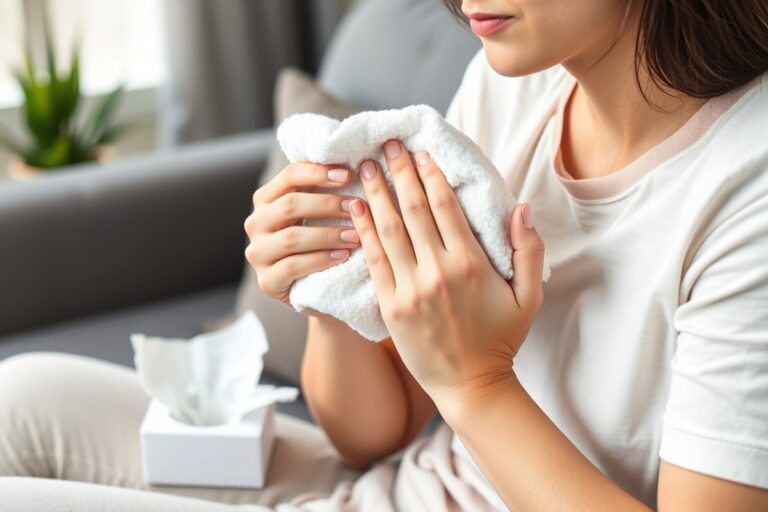
For heat therapy, apply moist heat for 15 to 20 minutes at a time, up to twice a day. Use heat when your pain is chronic or when you have muscle tightness and stiffness but no active swelling or inflammation. Heat should not be applied soon after an injury or during swelling because it can increase blood flow and swelling. Moist heat options include warm towels, heating pads set to medium, or warm baths.
Alternating between ice and heat can help if you have both inflammation and stiffness, but use each method carefully and separately rather than simultaneously. Stop using either therapy if your skin becomes irritated, overly red, or painful.
- Assess your pain: If your knee pain is new, swollen, or linked to an injury, start with ice therapy.
- Prepare your cold pack: Use a bag of ice, frozen vegetables, or a commercial cold pack wrapped in a thin towel to protect your skin.
- Apply ice: Place the cold pack on your knee for 10 to 15 minutes. Remove when numb but before any skin discomfort.
- Repeat icing sessions: Do this every 2 to 3 hours for the first 2 to 3 days post-injury or during flare-ups of swelling.
- Switch to heat therapy for chronic or stiffness-related pain: Use moist heat like a warm towel or heating pad on medium heat for 15 to 20 minutes, twice daily.
- Pause heat if swelling appears: If you notice new swelling, stop heat therapy and return to icing.
- Alternate carefully: Use ice and heat on separate occasions, not together, to avoid confusing your injured tissues.
- Monitor skin health: Avoid burns or frostbite by never applying ice or heat directly on bare skin and limiting session lengths.
This process requires simple supplies, minimal cost, and can be done at home. Watch for improvements in pain, reduced swelling, and better movement. Persistent or worsening symptoms after proper therapy warrant professional evaluation.
2. Common Causes and How to Identify Your Knee Pain Type

Knee pain often stems from several familiar sources, including injury, arthritis, overuse, and pain referred from other areas such as the hip or lower back. Identifying the root cause is key to managing your pain effectively. Injuries like strains, sprains, or meniscus tears typically cause sudden pain with swelling, bruising, and difficulty bearing weight. Arthritis, most commonly osteoarthritis, tends to cause gradual, chronic pain worsened by activity and relieved by rest, often accompanied by stiffness and a decreased range of motion.
One way to distinguish arthritis pain from injury pain is to consider the pain’s timing and triggers. Injury pain usually appears just after trauma or overuse and may be sharp or throbbing. Arthritis pain builds gradually and often increases at the end of the day or after prolonged activity. Rheumatoid arthritis might include swelling on both knees and feel worse in the morning, lasting more than an hour. When your knee stiffens but loosens after light movement, arthritis is more likely.
Referred knee pain from the hip or back requires a simple self-test. Sit comfortably and move only your hip or lower back, not your knee. When this movement causes knee pain without swelling or tenderness in the knee itself, the pain likely originates elsewhere. This is common with conditions such as sciatica or hip arthritis, making the knee a symptom rather than the problem site. Addressing the actual source, like improving hip or spine mobility, can relieve your knee pain.
Overuse injuries occur when repetitive actions strain the knee, causing tendinitis or bursitis. This pain develops over days or weeks, often with mild swelling and aching that worsens during specific activities like running or climbing stairs. Rest and reducing aggravating activities usually help, marking a clear difference from sudden injuries or arthritis-related pain.
Tracking your symptoms against a checklist can guide your understanding: pain onset (sudden or gradual), location (joint or diffuse), presence of swelling or warmth, and whether movement or rest eases the pain. An injury usually shows rapid pain with swelling and limited movement. Arthritis often causes stiffness with less pronounced swelling and pain that fluctuates throughout the day. Pain reproduced by hip or back movements without knee-specific signs indicates referred pain.
Pay close attention to how and when your pain starts; sudden pain after an impact or twist points to injury, while steady worsening over months suggests arthritis.
3. Best Strengthening and Stretching Exercises for Knee Pain
Building stronger muscles around your knee and maintaining flexibility through specific exercises can significantly reduce knee pain. Targeted strengthening and stretching of the quadriceps, hamstrings, and calf muscles protect your knee joint, ease stiffness, and support better mobility. Performing these exercises with correct form and frequency ensures you avoid further injury while promoting healing.
Strengthening Quadriceps and Hamstrings
Strong quadriceps and hamstrings absorb more shock and reduce the stress placed directly on the knee joint. Focus on exercises that target these muscles without causing pain or strain. Start with low resistance and gradually increase intensity to build stability and prevent worsening pain. Here is a simple strengthening exercise that you can do at home or in a clinic setting:
- Sit on a sturdy chair with your back straight and feet flat on the floor.
- Straighten one leg slowly until it is fully extended but not locked at the knee.
- Hold the extended leg for 5 seconds, feeling the tension in your quadriceps.
- Slowly lower the leg back to the starting position without letting it drop.
- Repeat this movement 10 to 15 times on each leg.
- Rest for 1 minute between sets; complete 2 to 3 sets daily.
Modification for pain: If straightening your leg fully causes discomfort, only extend it as far as feels comfortable. You can also add ankle weights starting at 1 to 2 pounds as your strength improves. Avoid letting your knee collapse inward or outward during the motion.
Effective Stretching Movements for the Knee
Stretching tight muscles around the knee helps relieve stiffness and improves joint movement. Gentle stretches should focus on the quadriceps, hamstrings, and calf muscles to maintain or increase flexibility. Stretch after warming up with 5 to 10 minutes of light activity, like walking or cycling, to reduce injury risk. Try this quadriceps stretch held for 30 seconds and repeat 2 to 3 times on each leg:
- Stand holding onto a wall or chair for balance.
- Bend one knee to bring your heel toward your buttocks.
- Grasp your ankle with your hand and gently pull it closer to your buttocks.
- Keep your knees close together and your back straight.
- Hold the stretch without bouncing, feeling a gentle pull at the front of your thigh.
- Slowly release and switch legs.
For your hamstrings, sit on the floor with one leg extended and the other bent. Reach toward the toes of your extended leg until you feel a stretch along the back of your thigh. Hold for 30 seconds, then switch sides.
These stretches should never cause sharp pain. If you feel pain, reduce the stretch depth or try seated or lying variations.
Safe Exercise Frequency and Intensity
Daily movement is beneficial but pacing yourself is key when managing knee pain. Start with short sessions around 10 to 15 minutes focused on strengthening and stretching, then gradually increase duration and intensity based on comfort and pain levels. Pay attention to how your knee feels during and after exercise. Follow these guidelines to exercise safely:
- Begin with low-impact strengthening and stretching exercises once per day.
- Increase exercise frequency to 2 to 3 times daily, or as tolerated, aiming for at least 30 minutes of activity each day.
- Stop any exercise that causes sharp or worsening knee pain.
- Incorporate rest days or light movement days to allow recovery.
- Consult a healthcare professional if pain persists or increases despite regular exercise.
Keeping proper form and listening to your body reduces injury risk and supports steady improvement. Using modifications and low-impact options, such as swimming or cycling, helps maintain fitness while protecting your knees.
4. Safe Low-Impact Activities to Support Knee Health
Low-impact physical activities are effective for supporting knee health because they provide movement and muscle strengthening without placing excessive stress on your joints. Staying active improves circulation, maintains healthy cartilage, and strengthens the muscles around your knee, all of which help reduce pain and improve function. You want to avoid high-impact activities that cause sharp or increased pain, but consistent low-impact exercise can ease discomfort and improve your mobility. Recommended low-impact activities include:
- Walking on flat, even surfaces with supportive shoes
- Swimming and water aerobics, which reduce joint load while providing resistance
- Cycling on a stationary bike or flat terrain to strengthen leg muscles gently
- Tai Chi, a slow and controlled exercise that improves balance and knee function
- Yoga with modifications to avoid deep knee bends or stressful positions
- Using an elliptical machine instead of running, for smoother knee motion
- Chair exercises, especially when you experience moderate pain or limited mobility
For how much exercise is safe, start with about 10 to 15 minutes per day of low-impact activity, then gradually increase by 5-minute increments as tolerated. Aim for at least 150 minutes of moderate-intensity activity per week, as recommended for general health, but adjust based on your pain levels and response. Pacing is key: avoid pushing through sharp pain or swelling after activity. Stop or rest if your knee feels excessively sore, warm, or stiff for more than 24 hours.
When pain is mild to moderate, use knee braces or compression sleeves to provide support during activity, which can add stability and reduce discomfort. In times of increased pain, such as after an injury flare-up, limit weight-bearing activities and focus on non-weight-bearing options like water exercises or seated movements. Overuse from repetitive motions like excessive cycling or walking on uneven surfaces can worsen symptoms, so mix different activities to avoid stressing the joint repeatedly.
Consistency and gradual progression are more effective than intense short bursts. Protect your knee by warming up before exercise and cooling down afterward with gentle stretches. Using low-impact activities regularly helps maintain joint function and could delay or reduce the need for more invasive treatments.
5. Weight Management’s Role in Reducing Knee Pain
Carrying extra weight increases the stress on your knee joints every time you stand, walk, or move. Studies show that losing a small amount of weight can significantly cut down knee pain and improve function. For instance, research published in Arthritis & Rheumatology found that shedding just one pound can reduce the load on your knees by about four pounds. This means that losing 10 pounds might relieve your knees of nearly 40 pounds of pressure, resulting in less pain and better joint mobility.
The Arthritis Foundation and the American College of Rheumatology advise that shedding a minimum of 5% of your body weight can significantly improve knee health if you are overweight. Losing weight slowly helps prevent extra stress on your body. Plan to lose about 1 to 2 pounds weekly by following a nutritious, balanced diet along with consistent low-impact exercises like cycling or swimming, which safeguard your knees and boost heart health.
Start by tracking your daily calorie intake and reducing it by about 500 calories per day, which typically results in a gradual weight loss of one pound each week. Incorporate nutrient-rich foods such as fruits, vegetables, whole grains, and lean proteins to support overall health and reduce inflammation around your joints. Avoid crash diets or extreme weight loss methods because rapid weight loss may lower your muscle strength, which is essential for stabilizing the knees.
Incorporating strength training exercises can complement your weight loss efforts by building muscles that support and protect your knees. Strengthening your quadriceps and hamstrings helps absorb shock and reduces the wear and tear on your cartilage. Consult your healthcare provider or physical therapist for a program tailored to your capabilities and pain levels.
Maintaining weight loss requires consistent lifestyle habits, including mindful eating and regular physical activity. Some people find success using a food diary, smartphone apps, or support groups to stay accountable. Keep in mind that even modest weight loss can decrease knee pain, improve mobility, and may reduce the need for medications or more invasive treatments over time.
Rapid weight loss can weaken muscles that support your knees, so aim for steady progress of about 1 to 2 pounds per week to protect joint health.
6. When to Seek Medical Care and How Professionals Treat Knee Pain
Knowing when to stop home treatment and get medical help is key to avoiding further knee damage. Persistent pain beyond a few weeks, severe symptoms, or troubling signs like swelling and instability mean it’s time to see a professional. Medical doctors offer treatments from prescription drugs to injections and surgery for knee pain that doesn’t improve with self-care.
Signs It’s Time to See a Doctor
Seek medical care if your knee pain worsens or doesn’t improve after three weeks of consistent home remedies. Athletes should get evaluated if pain lasts more than 48 hours despite rest and home therapy. Watch for severe pain, noticeable swelling, redness, warmth, or knee instability as warning signs.
Any new or worsening knee deformity, sudden inability to bear weight, or ongoing stiffness that limits range of motion also requires quick professional evaluation. Early diagnosis and treatment can prevent chronic problems. Consult an orthopedic specialist if you experience these symptoms to get an accurate diagnosis and tailored treatment plan.
Medical Treatment Options
Doctors can prescribe medications stronger than over-the-counter pain relievers for moderate to severe knee pain. They might recommend corticosteroid injections to reduce inflammation around joints, especially for arthritis pain lasting weeks to months. These injections can provide relief lasting several weeks but aren’t a permanent fix.
Physical therapy guided by a professional helps improve strength, flexibility, and function beyond what you can achieve on your own. In cases of injury, a doctor may suggest braces, assistive devices, or even surgery like arthroscopy or joint replacement if noninvasive methods fail.
Pros and Cons of Common Treatments
Below is a comparison table summarizing key medical treatments for knee pain, including their benefits, drawbacks, cost, and recovery time. This can help you weigh options alongside your doctor’s advice.
| Treatment | Pros | Cons | Typical Cost | Recovery Time |
|---|---|---|---|---|
| Prescription Medications | Stronger pain relief than OTC; easy to use | Possible side effects; may require monitoring | $20, $150/month depending on drug | Immediate to days |
| Corticosteroid Injections | Effective inflammation reduction; relief lasts weeks | Temporary relief; repeated use risks cartilage damage | $100, $400 per injection | Hours to days; minimal downtime |
| Physical Therapy | Improves strength and mobility; addresses root causes | Requires time and effort; costs vary | $50, $350 per session | Several weeks to months |
| Knee Surgery (Arthroscopy, Replacement) | Potential long-term pain relief and restored function | Risks of complications; significant recovery time and cost | $10,000, $50,000+ depending on procedure and insurance | Weeks to months |
Consult your healthcare provider about corticosteroid injections to determine if the potential benefits outweigh risks for your situation. Proper diagnosis ensures that injections are safe and effective. Surgery is typically considered only after noninvasive treatments fail to control pain or restore function.
7. Over-the-Counter Medications, Topicals, and Support Devices
Over-the-counter (OTC) medications can help reduce knee pain, especially those with anti-inflammatory effects. Common OTC options include nonsteroidal anti-inflammatory drugs (NSAIDs) like ibuprofen or naproxen, which lower inflammation and provide pain relief. Acetaminophen can also ease pain but does not reduce inflammation. Taking these medications for short periods as directed on the label or by your healthcare provider can help manage symptoms. Avoid long-term use without medical advice due to potential risks like stomach bleeding or kidney problems.
Topical treatments such as creams and gels containing menthol, capsaicin, or NSAIDs offer localized pain relief by targeting the knee area directly. These products typically work by cooling or warming the skin or reducing inflammation where applied. They present fewer side effects than oral medications and can be applied up to three or four times a day. Keep in mind that topical treatments may not provide as strong relief as oral drugs but can be useful as part of a multi-faceted approach.
Supplements like curcumin (1,000 mg daily) and ginger (500 to 1,000 mg daily) have shown potential in reducing knee pain with effectiveness similar to NSAIDs in some studies. Omega-3 fatty acids found in fish oil also have anti-inflammatory properties and may improve function in knee osteoarthritis. Before starting supplements, consult your healthcare provider to avoid interactions with other treatments and confirm their suitability for your condition.
Knee braces and compression sleeves can relieve pain and improve function, particularly for those with knee arthritis or instability. A brace stabilizes the joint, reducing stress and preventing movements that cause pain. Compression sleeves improve circulation and can reduce swelling. When selecting a knee brace, choose one designed for your specific issue, such as supports with hinges for instability or soft sleeves for mild pain. Proper fit is important; a brace should feel snug but not restrict blood flow or mobility. Wear the brace during activities that trigger pain or as recommended by your doctor. Prices vary widely, with simple sleeves costing $10 to $30 and more advanced braces ranging from $50 to over $100. Using these devices regularly can help you maintain activity with less discomfort.
8. Preventing Worsening Pain: Mistakes to Avoid and Holistic Relief Methods
Avoiding common mistakes in managing knee pain can prevent worsening symptoms and speed recovery. Integrating massage, aromatherapy, and mind-body therapies offers additional relief by addressing muscle tension and stress. Protecting joint safety, such as not cracking your knees, supports long-term knee health.
Common Knee Pain Management Mistakes
Ignoring pain signals and overloading the knee with high-impact activities can aggravate the injury or arthritis. Many people rest too much, leading to muscle weakness that worsens knee stability. Using incorrect or poorly fitting support devices may also increase strain rather than relieve it. Some errors to avoid include:
- Skipping gentle exercise that strengthens muscles around the knee.
- Applying heat or ice for too long or at the wrong times, which may irritate tissues.
- Ignoring gradual increases in pain or swelling after activity.
- Relying solely on painkillers without addressing biomechanical causes.
- Using unsupervised stretching that overstretches ligaments.
- Wearing high heels or unsupportive footwear that affect knee alignment.
- Failing to maintain a healthy weight to reduce joint stress.
Correct these by following a balanced routine of activity and rest, using supports as directed, and monitoring your knees closely for signs of stress or worsening pain.
Benefits and Limits of Massage and Aromatherapy
Massage helps reduce muscle tension around the knee and can improve circulation, which may ease pain and speed healing. Professional therapists specialized in joint pain relief can tailor techniques such as deep tissue or trigger point massage for the best effect. Self-massage using gentle strokes and a foam roller is a cost-effective option you can do at home.
Aromatherapy using essential oils like lavender or eucalyptus may provide temporary relaxation and mild pain relief when combined with massage. Oils should be diluted properly and patch-tested to avoid skin irritation. While aromatherapy offers a pleasant sensory experience, it doesn’t treat the underlying knee issue and works best as a complementary approach.
Massage can relieve tight muscles but should not be painful; stop if swelling or sharp pain increases.
Mind-Body Practices for Knee Pain Relief
Mind-body techniques such as mindfulness meditation and guided imagery help you manage pain perception and reduce stress that may worsen inflammation. Progressive muscle relaxation and gentle yoga focus on controlled breathing and slow movements, improving joint mobility without strain. Tai chi is another low-impact practice proven to improve balance and reduce knee pain in arthritis cases.
Daily sessions lasting 10 to 20 minutes can achieve noticeable benefits within weeks. Combining these with physical therapies supports recovery by calming the nervous system and encouraging gentle activity.
Is Cracking Knees Harmful?
Cracking your knees typically results from gas bubbles popping in the joint fluid or ligaments stretching. This common habit rarely causes direct damage if painless. However, frequent forceful cracking or doing it in response to discomfort may irritate the joint or surrounding tissues, potentially worsening symptoms over time.
Protect your knees by avoiding deliberate cracking, especially if you have arthritis or existing injury. Gentle movement and strengthening exercises are safer ways to improve joint mobility and comfort.
Step-by-Step Action Plan to Relieve Knee Pain
Follow these practical steps to start easing your knee pain at home and know when to get professional help. Track your progress and adjust as needed.
- Before You Begin: Identify your knee pain type by noting when, where, and how it hurts. Understanding the cause helps target your approach and track improvement.
- Day 1, 3: Apply ice to your knee for 15, 20 minutes every 2, 3 hours if the pain is sharp or swollen. Switch to heat therapy for 15, 20 minutes before exercises if you feel stiffness. Relief of swelling or increased mobility signals this is working.
- Week 1: Start gentle stretching (like hamstring and calf stretches) and low-impact activities (such as walking or swimming) for 15, 20 minutes daily. Notice if range of motion improves or pain lessens during activity.
- Week 2, 3: Add strengthening exercises targeting your quadriceps and glutes, like straight leg raises or mini-squats, 3 times a week. Increased knee stability and less pain during everyday tasks show progress.
- Ongoing: Monitor your weight, aiming for gradual loss if overweight, which lowers stress on your knees. Track knee pain during weight changes to confirm benefits.
- Anytime: Use over-the-counter pain relievers or knee braces as directed to support pain management and function. Improvement in pain or ability to move confirms correct use.
- After 3, 4 Weeks: Avoid activities or habits that worsen pain, such as deep knee bending or prolonged standing. When pain continues or worsens despite home care, schedule a visit with a healthcare professional for diagnosis and tailored treatment.
Frequently Asked Questions
Can Aromatherapy Massage Help Reduce Knee Pain?
Yes, regular 30-minute aromatherapy massages have been shown to diminish knee pain in arthritis patients after about two weeks. This method can be a complementary approach alongside other treatments.
Are omega-3 Supplements Effective for Knee Arthritis Pain?
Omega-3 fatty acids may help reduce arthritic knee pain when taken as supplements. They are especially useful for inflammation in large joints like knees.
What Are the Benefits of Corticosteroid Injections for Knee Pain?
Corticosteroid knee injections quickly reduce inflammation and pain, improving range of motion. They are typically used when other treatments don’t provide enough relief.
Can Acupuncture Improve Knee Pain and Joint Function?
Some studies suggest acupuncture can relieve knee pain and improve joint function, especially in osteoarthritis cases. It stimulates healing by targeting specific skin points with fine needles.
How Do Glucosamine Supplements Support Knee Pain Relief?
Glucosamine may ease pain and increase mobility in mild-to-moderate osteoarthritis of the knee. The usual dose is 600 to 1,000 mg daily, but consulting your doctor first is important.
Is Exercise Always Safe for People with Knee Pain?
Not all exercises benefit knees with pain; strengthening muscles around the knee helps absorb impact, but high-impact exercises may worsen pain. Choose low-impact activities tailored to your condition.
Wrapping Up
Managing knee pain effectively involves understanding your unique situation and taking steps that suit your body and lifestyle. Start by incorporating gentle stretching or strengthening exercises into your daily routine to build support around your knee. Monitoring how your knees respond and making adjustments can help reduce discomfort and improve mobility over time. If pain persists or worsens, consulting a healthcare professional ensures you get timely care tailored to your needs.