How to Get Rid of Lice: A Complete Guide with 8 Proven Steps
To get rid of lice effectively, start by identifying them early, then use a combination of wet combing and approved treatments like RID® Super Max or NIX® Creme Rinse. Follow cleaning steps for personal items and your home to prevent reinfestation, and monitor for any signs of live lice after treatment. Knowing when to try natural remedies or seek professional help will also improve your chances of success.
This information is for parents and caregivers of young children ages 3 to 11, school nurses, and anyone facing a lice infestation. You’ll learn how to spot lice, use safe and proven products, perform thorough combing, clean your environment, handle treatment setbacks, and keep lice from coming back.
Key Takeaways
- Head lice mainly affect children ages 3-11 and spread through close head-to-head contact during play or school activities.
- Experiencing itchiness on the back of the neck or head generally signals an early stage of lice infestation, typically emerging within 1 to 4 weeks from when lice first appear.
- Manually removing lice with wet combing should be done every 3 to 4 days for at least two weeks to clear all lice and eggs.
- Use FDA-approved treatments like RID Super Max, retreating after 7-10 days to kill newly hatched lice and prevent reinfestation.
- Natural remedies often fail to kill lice or eggs; rely on proven pediculicides or prescriptions like 4% dimethicone lotion instead.
- Wash bedding, hats, and hair tools in hot water, and vacuum furniture to reduce the risk of lice returning at home.
1. What Are Head Lice and How Do They Spread?

Head lice are tiny insects that live on the human scalp, feeding on blood several times a day. These parasites, about the size of a sesame seed, cannot survive on animals or in the environment for long. Their eggs, called nits, are small and oval-shaped, often found glued firmly to individual hair strands close to the scalp. The nits hatch in about 7 to 10 days, releasing young lice that mature and begin laying their own eggs within approximately 1 to 2 weeks.
Knowing the life cycle matters because it helps you understand why getting rid of lice takes careful work over several days. Killing the live lice is only the first step. You also need to remove or kill the nits before they hatch to stop a new infestation. Since nits cling tightly to hair, they often survive some treatments, making repeat combing or treatments necessary.
Head lice spread mostly through direct head-to-head contact. This happens usually when children play closely together, share toys, or during group activities at school or daycare. Unlike some bugs, lice can’t jump, fly, or walk well on anything other than hair. Touching hats, combs, or pillows rarely spreads lice because these insects die quickly when separated from the scalp.
On average, lice survive only 12 to 24 hours without feeding on blood, and cannot live more than 1 to 2 days away from a human head. This short survival time means that extensive home cleaning usually isn’t necessary. Still, washing hats, pillowcases, and hairbrushes in hot water or sealing items in plastic bags for 2 to 3 days helps prevent reinfestation.
Children between ages 3 and 11 are especially prone to catching lice due to close social interactions. You might find about 10 to 12 live lice on a child’s head, alongside many dozens or even hundreds of nits. The first signs, such as itching or scratching, usually develop 1 to 4 weeks after the lice first arrive, once the bugs multiply enough to cause irritation.
Understanding this information can help you act quickly and correctly if your child gets head lice. Breaking the cycle by killing the live lice and removing nits early reduces school absences and makes managing the infestation easier for the whole family.
2. How to Spot Head Lice: Signs and Symptoms
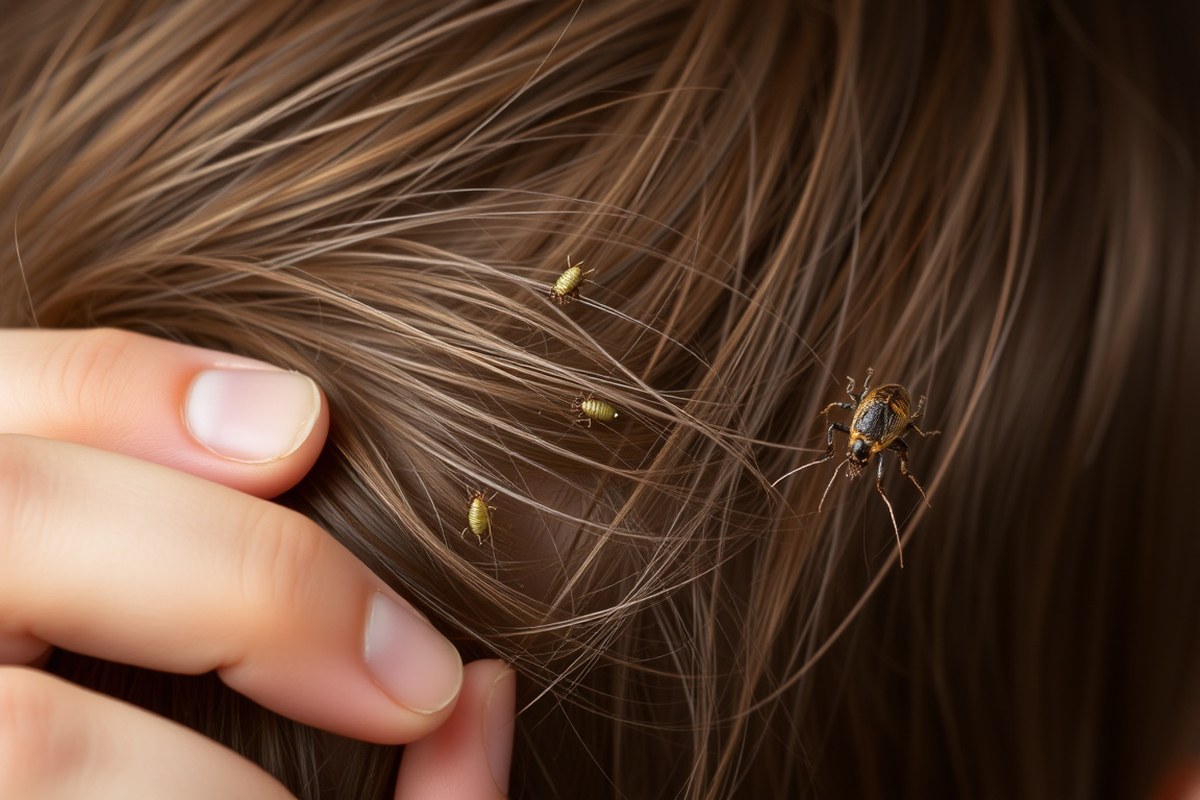
Spotting head lice quickly matters because timely treatment prevents spread and discomfort. Look for a combination of symptoms: itchiness in specific scalp areas, visible lice or eggs, and typical scalp irritation. Distinguishing lice from dandruff or dirt relies on where and how these signs appear as well as physical confirmation.
Common Indicators of Lice Presence
Persistent itching, mainly around the neck’s base and behind the ears, is a common indicator of head lice. This discomfort often results from an allergic response to lice saliva and may take a few weeks to start. You might observe your child frequently scratching or mentioning a sensation like something is crawling on their scalp. Other common indicators include:
- Small red bumps or sores on the scalp, neck, or shoulders from scratching
- Visible lice or nits attached at the base of hair shafts close to the scalp
- Sleeplessness due to increased itchiness at night
- Irritability and difficulty concentrating caused by discomfort
- Family members or close contacts showing similar symptoms
Noticing several of these signs together increases the likelihood your child has head lice rather than just scalp irritation or dandruff.
Differentiating Lice from Dandruff Flakes
Dandruff flakes and lice eggs (nits) often get confused because both appear on hair, but there are clear differences. Dandruff flakes are white or yellowish and tend to fall off easily when you brush or shake the hair. They can appear all over the scalp and may accompany a dry, flaky scalp condition.
Nits, however, look like tiny oval-shaped specks firmly attached to hair shafts near the scalp, usually within about 1/4 inch (6 millimeters) of the scalp surface. Unlike dandruff, nits do not move or fall off on their own when you touch or comb the hair.
To check if a particle is a nit or dandruff, gently slide it along the hair shaft with your finger or a comb. Nits feel sticky and remain firmly in place, whereas dandruff flakes shift or fall away easily.
Recognizing Scalp Irritation and Itching
Itching due to head lice and dandruff can feel similar, but the location and timing help tell them apart. Lice-related itchiness usually appears behind the ears and at the neck’s base, while dandruff irritation can occur anywhere on the scalp. Itchiness that becomes worse at night could mean lice, since they are more active in the dark.
Scalp irritation caused by lice can produce small red bumps or sores, especially from scratching. Dandruff usually causes a dry, flaky scalp without such bumps. Persistent itching combined with visible irritation increases the chance lice are present.
Keep in mind that itching alone doesn’t confirm lice; visual confirmation is necessary before starting treatment.
Visual Identification of Nits and Lice
Confirming lice involves locating a living louse crawling on the scalp, which can be challenging because lice move quickly and avoid light. Use a bright light and a fine-toothed nit comb to thoroughly inspect the scalp in small sections. Focus especially on areas behind the ears and the scalp’s nape.
Nits are easier to spot because they stick to hair strands and won’t come off easily. You may notice tiny, shiny eggs that can be white, yellow, or brown. Look for their clustered presence attached tightly near the scalp, which indicates a recent infestation, as eggs farther from the scalp are likely old and nonviable.
Finding even one live louse or several nits confirms infestation. In that case, start treatment and inspect close contacts as well. Regular checks over 7 to 10 days post-treatment can catch any missed lice or newly hatched ones.
3. Manual Removal with Wet Combing: How and When to Do It
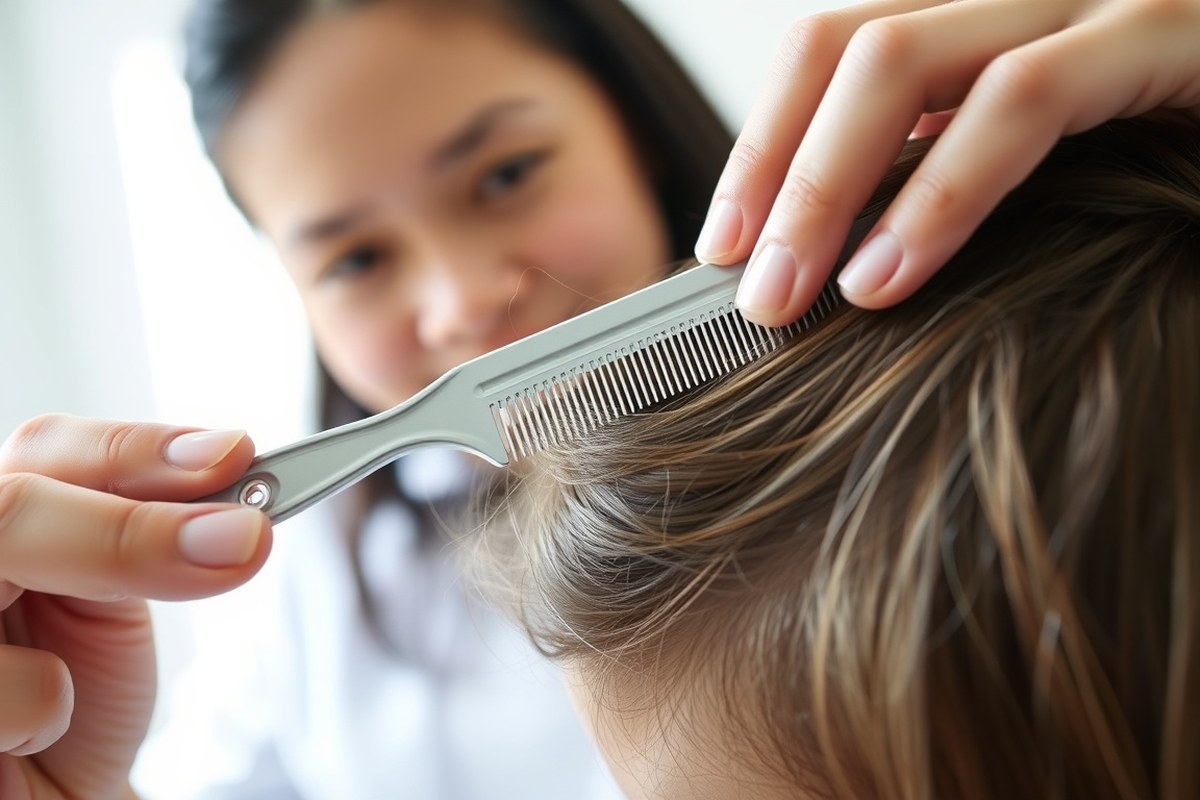
Manual removal with wet combing is an effective way to get rid of head lice, especially for young children and those who cannot use chemical treatments. This method relies on using a fine-tooth nit comb on wet, conditioned hair to catch and remove lice and eggs. Proper technique, patience, and repetition are essential to success, as it can take anywhere from 30 minutes to two hours per session and requires multiple sessions over two weeks.
Preparing Hair for Wet Combing
Start by thoroughly wetting your child’s hair and then applying a generous amount of regular conditioner to smooth and detangle. The conditioner doesn’t kill lice but slows them down, making them easier to spot and remove. Keep the hair saturated with conditioner during the process to maintain a slippery surface that helps the comb slide through and catch lice.
Dividing hair into manageable sections, such as four or more, allows you to focus on one area at a time. Use clips or hair ties to keep the sections separate. Sit your child in a well-lit area, ideally over a white towel or sink to notice lice falling off during combing.
Correct Combing Technique and Tools
Choose a fine-toothed metal nit comb designed for head lice removal; these typically cost around $5 to $15 and can be found in pharmacies. Plastic combs with wide teeth won’t catch lice or nits effectively. The comb’s teeth should be close enough to trap lice and eggs while moving easily through conditioned hair. Follow these precise steps for combing:
- Apply conditioner generously to a small hair section.
- Place the comb’s teeth at the scalp’s root, pressing to make good contact.
- Slowly pull the comb toward the hair tips in a single stroke.
- After each stroke, wipe the comb on a white paper towel or rinse it to remove any lice or nits caught.
- Repeat combing the same section at least 3 to 4 times before moving on.
- Work through each section of hair until the entire head is combed.
- Rinse and reapply conditioner if it starts to dry out during the process.
Recommended Combing Schedule and Duration
Wet combing should be performed on days 1, 5, 9, and 13. This timing catches newly hatched lice before they mature enough to lay more eggs. Each combing session can take from 30 minutes to 2 hours, depending on the hair’s length, thickness, and texture. Short, straight hair may take as little as 10 minutes, while long, curly, or thick hair might need up to an hour or more per session.
Plan for a quiet time when your child can sit still. Using a distraction like a video or book helps keep them calm. You’ll need to continue this schedule strictly to ensure complete removal of lice and nits over about two weeks, as eggs can remain firmly attached and lice may hatch at different times.
Common Mistakes During Wet Combing
One common error is rushing the process or not combing thoroughly enough. Skipping areas or combing too quickly allows lice and nits to remain and cause reinfestation. Another mistake is using a regular comb or one without very fine teeth, which will not catch the lice or nits effectively.
Some caregivers skip the conditioner or let the hair dry before combing. Wet, well-conditioned hair keeps lice immobilized and nits glued but softened enough to be removed. Finally, stopping at one wet combing session is ineffective. It’s essential to stick to the multiple-session schedule to remove lice at all life stages.
4. Chemical and Over-the-Counter Lice Treatments Explained
Over-the-counter (OTC) lice shampoos like permethrin and pyrethrin are common first treatments for head lice. They kill live lice but usually do not eliminate unhatched eggs, so a repeat application is necessary 7 to 10 days later to stop newly hatched lice from causing reinfestation.
Common OTC Chemical Treatments
The most common OTC lice treatments contain 1% permethrin or pyrethrin. Permethrin (e.g., Nix) and pyrethrin (e.g., Rid) are insecticides that target lice nervous systems, killing live lice within a day of treatment. These products are safe for children over 2 months old. Recent concerns include declining effectiveness as some lice populations build resistance, lowering cure rates from near 100% in the past to 28%, 55% in recent studies.
Prescription options like 0.5% ivermectin lotion or 4% dimethicone lotion are alternatives for resistant lice. Dimethicone has shown success against lice strains resistant to pyrethrin and permethrin.
| Treatment | Active Ingredient | Concentration | Effectiveness | Age Safety |
|---|---|---|---|---|
| Nix | Permethrin | 1% | 28%, 55% (recent studies) | 2 months and older |
| Rid | Pyrethrin | Variable | Variable, declining over time | 2 months and older |
| 0.5% Ivermectin lotion | Ivermectin | 0.5% | Prescribed for resistant cases | Prescription only |
| 4% Dimethicone lotion | Dimethicone | 4% | Effective on resistant lice | Prescribed by health professional |
Choosing the right treatment depends on factors like age of the child, previous treatment success, and local lice resistance patterns.
How to Correctly Apply Treatments
Apply the lice shampoo to dry hair, fully saturating the scalp and hair from roots to tips. Follow the product’s specific instructions for timing, usually leaving the treatment on the hair for 10 minutes before rinsing. Avoid washing the hair again for 1, 2 days after treatment to maximize lice-killing effect.
After shampooing, use a fine-toothed nit comb on wet hair to remove dead lice and as many eggs as possible. Repeat wet combing every 2 to 3 days for several weeks to catch any hatchlings not killed by the treatment.
Timing and Importance of Retreatment
The first lice treatment usually kills live lice but not the nits (eggs), which hatch 7 to 10 days later. This timing guides the need for a second treatment round between days 7 and 10 after the first application. The goal is to kill newly hatched nymphs before they mature and lay eggs, preventing a second infestation cycle.
Not following the retreatment schedule can allow lice to repopulate the scalp, causing ongoing infestation. Even after retreatment, continue checking hair regularly and remove any remaining nits or lice for 2 to 3 weeks to ensure full eradication.
5. Natural and Alternative Remedies: What Works and What Doesn’t
Alternative treatments such as mayonnaise, olive oil, vinegar, and essential oils are commonly used but don’t have solid scientific proof when used alone for treating head lice. Oils and mayonnaise try to suffocate lice and eggs by coating them, yet studies show they don’t reach the eggs effectively, which stick tightly to hair strands. Olive oil may momentarily reduce adult lice movement and help with combing but won’t fully get rid of lice. Vinegar is often applied with the hope of weakening the glue that holds nits, but its actual impact on loosening the adhesive is minor, so it can’t remove nits by itself.
Essential oils like tea tree oil have been promoted as natural insecticides against lice. However, they are not regulated by the FDA, vary widely in concentration and quality, and lack consistent evidence of effectiveness. Diluted forms combined with thorough combing might help some, but these oils can also cause allergic reactions or irritation, particularly in children.
Using hot water or heat is effective for killing lice and eggs on items rather than the hair directly. Lice and nits on combs, brushes, hair clips, and bedding can be destroyed by washing or soaking in water heated to at least 130°F for 15 minutes or more. Washing infested clothing and bedding in water at 140°F or higher followed by drying on the highest heat setting also kills lice. For hair, a hot shower or rinsing with hot water alone will not kill lice or nits because the required temperatures are too high and unsafe for the scalp.
When natural remedies are chosen, use them alongside mechanical removal methods like wet combing. For example, applying olive oil or mayonnaise as a thick coating can help loosen lice and ease combing, but you need to follow by carefully combing out all lice and nits with a fine-tooth lice comb over several sessions spaced 2 to 3 days apart. There is no quick fix with home remedies alone, and their costs vary: mayonnaise and olive oil are inexpensive grocery items, vinegar is cheap but less effective, and essential oils can cost $10 to $30 or more per bottle. Taking time to repeat manual removal improves outcomes significantly.
Do not rely on mayonnaise or oils alone to get rid of lice; combine them with thorough combing and clean personal items in hot water to reduce reinfestation risks.
6. Cleaning Your Home and Personal Items to Prevent Reinfestation
Head lice primarily spread through direct head-to-head contact, so thorough cleaning of your home is usually not necessary to prevent reinfestation. Most lice fall off the scalp and cannot survive more than 1 to 2 days without feeding on a human. Knowing this helps focus your cleaning efforts on items that come in direct contact with your child’s head recently.
Items such as combs, brushes, hats, hair accessories, and helmets rarely harbor lice or nits, but occasional transmission can occur. Cleaning these items is recommended as a precaution. Washing clothes, bedding, pillowcases, and towels used in the last 48 hours in hot water can help reduce the risk. Hot water should be at least 130°F (54°C) to kill lice, with drying on a high heat setting recommended for 20 minutes or more.
Deep cleaning your entire house, such as vacuuming carpets and furniture, is usually unnecessary. Lice do not live long away from the scalp and do not infest furniture or carpets. Instead, focus on practical cleaning and isolating items worn or used by the infested child within the previous two days.
- Wash bedding, pillowcases, and recently worn clothes in hot water (130°F or higher) and dry on high heat for at least 20 minutes.
- To properly clean combs, brushes, and hair accessories, soak them in water heated to 130°F or above for at least 10 minutes.
- Hats, helmets, and scarves should be washed or quarantined for 2 days if they cannot be washed.
- Vacuum floors and furniture in areas where the child sat to pick up any fallen hairs with nits, but intensive cleaning is not required.
- Do not use fumigation or chemical sprays on furniture or bedding; they are unnecessary and potentially harmful.
- Place any unwashed items used in the last two days in a sealed plastic bag for at least 48 hours to starve any lice before reuse.
Using this checklist focuses on the most probable sources of reinfestation without adding unnecessary effort or worry. Objects untouched by your child’s head within the past 48 hours are unlikely to contain live lice or eggs. Regular cleaning of hair tools and bedding, combined with repeated lice combing, lowers the chance of lice returning. If you remain concerned about lice spreading, try isolating personal items for a couple of days instead of cleaning the whole house deeply.
7. Troubleshooting and When to Seek Professional Help
Knowing when a lice treatment isn’t working starts with checking for dead or inactive lice 8 to 12 hours after applying medicine. Seeing many moving lice or no dead ones means the treatment may be failing. This happens because some lice have developed resistance to common over-the-counter pesticide-based treatments, like those containing permethrin, which researchers found to be ineffective on head lice in many U.S. States. Resistance means the lice survive despite the medicine, so continuing the same treatment wastes time and can increase frustration.
Be sure you don’t confuse reinfestation with treatment failure. When your child has no exposure to others with lice and you’ve cleaned personal items and areas thoroughly, repeat infestations suggest the treatment might not be strong enough or properly applied. Mechanical methods such as wet combing and physical treatments like heated air are not affected by resistance and can serve as effective alternatives, especially for those reluctant to use chemicals.
Having used a non-prescription treatment correctly and still seeing lice return after several weeks indicates it’s time to contact a healthcare professional. Prescription treatments like 0.5% ivermectin lotion or stronger options such as RID® One & Done might be necessary. RID® One & Done offers prescription-strength results with simple application, making it a good choice for families dealing with super lice or multiple affected members. Heated air devices, approved by the FDA, provide a chemical-free option that kills 99.2% of lice eggs in a one-hour session, benefiting those who want immediate and thorough elimination without pesticides.
Prescription medications require a healthcare provider’s recommendation but can be safer and more effective than repeated over-the-counter attempts. Although non-prescription treatments once required prescriptions, many are now easier to access. Still, seeking professional advice ensures you use the best treatment for your child’s situation and hair type, especially if your child has thick, curly, or long hair where combing is difficult.
Avoid using lice treatments as a preventative measure without a confirmed diagnosis; applying medicine unnecessarily can cause skin irritation without benefits. When manual removal becomes overwhelming or the infestation is stubborn, professional services can help save time and reduce stress. They provide thorough combing, inspection, and may use tools and products not available to the public. Check your child’s head regularly during treatment and limit contact among family members and close contacts to reduce the chance of spreading or reinfesting lice while managing the problem.
8. Preventing Future Infestations and Managing Outbreaks
Head lice infestations can happen more than once, especially in young children who spend time in group settings like schools or daycares. Lice spread mainly through close head-to-head contact, which is common in play and classroom activities. Complete prevention is difficult, but regular checks and quick treatment reduce the chances of a widespread outbreak. Checking your child’s hair every few days during an outbreak is key to catching lice early. Use a metal lice comb under good lighting to make sure you don’t miss live lice or eggs.
If there is an outbreak at school or daycare, communicate with the caregivers or school nurse about the situation. Lice are common among children ages 3 to 10, so schools usually advise parents to check heads regularly and treat infestations promptly rather than exclude children. Avoid sending your child back to school just because of a few lice; only large infestations may justify this. Encourage children to avoid head-to-head contact, sharing combs, hats, or headphones while lice are common.
- Check heads nightly with a metal lice comb during outbreaks.
- Notify your child’s school or daycare if lice are found.
- Keep personal items like hats and brushes separate from other children’s items.
- Complete the full lice treatment course as directed, usually repeated in 7 to 10 days.
- Clean hats and bedding by washing them in hot water at a minimum of 130°F and then drying them using high heat.
- Vacuum furniture and floors rather than using pesticides.
- Be patient and persistent; lice eggs hatch in about 7 to 10 days, so repeat checks and treatments are necessary.
Treatment recommendations vary by age. For infants as young as 6 months, treatments such as RID® One & Done or spinosad-based products are FDA approved. These are safe but always read warnings carefully, especially for allergies to ingredients like chrysanthemums or ragweed. Children over 2 years old may use over-the-counter treatments following label instructions, but those under 2 years often require advice from a pediatrician. Manual removal with wet combing is a non-chemical option that is safe for all ages, though it takes time and patience.
Check your child’s scalp daily when lice are reported in their group, and always follow up treatment with a second application 7 to 10 days later to catch newly hatched lice.
Step-by-Step Action Plan to Get Rid of Head Lice
Follow these clear steps to identify, treat, and prevent head lice effectively. Track your progress to make sure the lice and nits are gone for good.
- Before you start: Check your child’s scalp carefully for live lice or nits near the scalp. Confirm lice presence by using a fine-toothed comb under good light.
- Day 1: Begin treatment with either a chemical lice shampoo or manual wet combing every 3-4 days. Success means no live lice seen after the first comb-through or treatment.
- Day 2 to Day 7: Manually remove nits daily by wet combing to catch any newly hatched lice. You’ll know this step works when the number of nits visibly decreases each day.
- After Day 7: Clean all bedding, clothing, hats, and personal items in hot water (at least 130°F) or seal them in a plastic bag for two weeks. This limits chances of reinfestation.
- Day 10 to 14: Perform a thorough re-check of your child’s scalp. If you spot live lice, repeat treatment or consult a healthcare provider for stronger options.
- Ongoing prevention: Teach your child to avoid head-to-head contact and not to share combs, hats, or headphones. Continue regular scalp checks every week during outbreaks at school.
- When to seek help: If treatments fail after two rounds or your child’s scalp is irritated or infected, contact a pediatrician or lice specialist. Persistent cases may require prescription treatments.
Frequently Asked Questions
What Kills Head Lice Quickly?
Over-the-counter treatments with permethrin or pyrethrin kill lice quickly, but you must repeat after 7 to 10 days to catch newly hatched lice. Washing clothing and bedding in hot water above 140°F also helps eliminate lice.
What Do Lice Hate the Most?
Lice hate drying out, so using hot air treatments or thorough drying in a hot dryer can kill them and their eggs. They also avoid clean hair and certain essential oils, but these aren’t proven fully effective on their own.
Will a Hot Shower Kill Lice?
A hot shower alone won’t kill lice because lice cling tightly to hair and scalp. Temperatures must reach at least 140°F, which is hotter than a typical shower, to kill lice or eggs on fabric or combs.
Do Lice Ever Fully Go Away?
Yes, lice infestations can fully go away with proper treatment and cleaning. Retreatment after 7 to 10 days is important to kill hatchlings, and cleaning personal items prevents reinfestation.
Can Head Lice Jump from Person to Person?
No, head lice cannot jump or fly, they spread mainly through close head-to-head contact among children.
Is It Safe to Use Lice Treatments on Young Children?
Most over-the-counter lice treatments are safe for children over 2 years old, but check product labels and consult a doctor for younger kids.
The Bottom Line
Getting rid of lice requires patience and consistent effort using the right combination of treatments and cleaning practices. Start today by thoroughly wet combing your child’s hair every few days to remove nits and lice before they multiply. Keeping up with regular checks and cleaning personal items can prevent a reinfestation and give you more control over the problem. If you notice persistent symptoms or resistance to treatments, don’t hesitate to reach out to a healthcare provider or school nurse for guidance.