

How to Get Rid of Love Handles: 8 Proven Ways with Diet, Exercise & Treatments
To get rid of love handles, focus on a combination of targeted exercises, a healthy diet, lifestyle changes, and, if needed, professional treatments. Love handles resist quick fixes, but with consistent effort over several weeks, you can significantly reduce the fat around your waist and hips. A mix of proven exercises like Russian twists and mountain climbers, alongside optimal nutrition and stress management, offers the best chance for lasting results.
This advice is for adults looking to lose stubborn fat around their midsection, including fitness beginners and those considering cosmetic options. You’ll find clear steps on how to get rid of love handles, practical diet and exercise plans, and info on non-surgical and surgical treatments, helping you choose the right approach for your goals. Tracking progress and avoiding common mistakes ensures you stay on course toward a slimmer waistline.
Key Takeaways
- Love handles form from excess fat around the waist due to genetics, poor diet, and lifestyle factors like stress and lack of sleep.
- Losing love handles takes months of consistent effort, combining diet, exercise, and lifestyle changes, with fat loss averaging 1-2 pounds per week.
- Focus on a calorie-controlled diet rich in whole foods, protein, and fiber while avoiding processed foods to reduce love handle fat effectively.
- Exercises combining cardio and targeted core movements, done at least 5 hours weekly, help burn fat and strengthen muscles around love handles.
- Sleep deprivation and chronic stress improve fat storage hormones, so aim for 7+ hours of sleep and stress management techniques daily.
- CoolSculpting delivers controlled cooling for 35-60 minutes to reduce fat non-surgically but requires multiple sessions and patience for results.
1. What Are Love Handles and Why Do They Form?
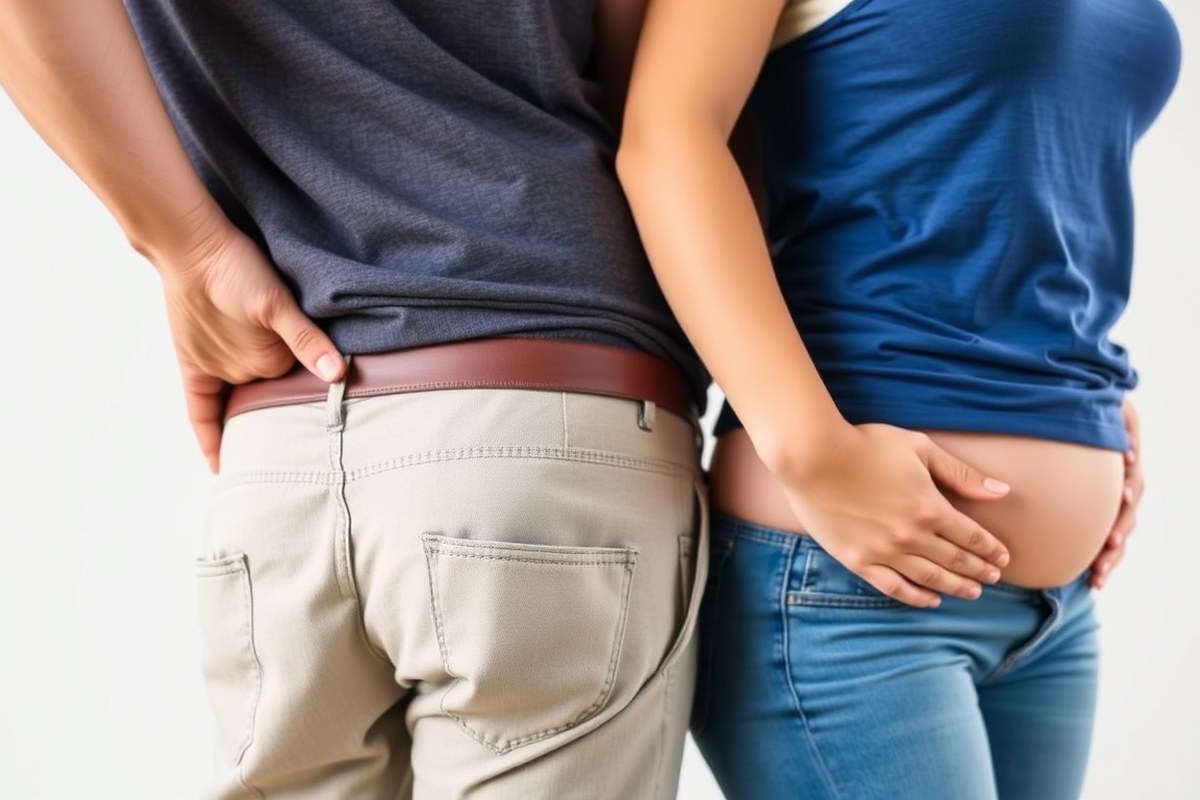
Love handles are the deposits of subcutaneous fat that form around the sides of your lower back and waist. Unlike muscle, they are pockets of fat that sit just beneath your skin rather than any hardened or tight tissue. This makes love handles different from other body areas where fat may be either deeper or mixed with muscle mass, like visceral fat around your organs or fat stored on the belly. The fat in love handles tends to be stubborn because it is stored primarily as body fat meant for energy reserve, and its thickness varies with your overall body fat percentage.
Both men and women develop love handles, but the reasons they form can differ. Men typically store less fat around the hips and waist compared to women, who naturally have more fat in these areas due to hormonal fluctuations related to the menstrual cycle or pregnancy. In women, these changes in hormone levels encourage fat accumulation around the hips and waist, making love handles more common and noticeable. Men, on the other hand, may develop love handles largely because of excess calorie intake coupled with aging changes such as muscle loss, known as sarcopenia, which starts after age 30 and causes muscle mass to decrease by up to 30% during a lifetime. This shift can increase fat storage as metabolism slows and muscle that burns calories diminishes.
You don’t have to be overweight to have love handles. Even people with relatively low body fat percentages can have pockets of fat in this area. This happens because genetics, gender, and age affect where your body prefers to store fat. For example, someone who is otherwise lean may still carry fat in their waist area due to their body’s natural fat distribution pattern. That’s why some “skinny” individuals notice stubborn side fat despite their overall slimness.
The development of love handles is largely influenced by lifestyle and body composition changes over time. As you age, your body naturally gains fat in areas like the abdomen and waist while losing muscle elsewhere. This change shifts your shape and increases love handle visibility if you don’t counterbalance it with nutrition and exercise designed to reduce fat and increase lean mass. Understanding this helps you target the specific cause rather than simply trying generic abs exercises, which don’t burn love handle fat directly.
2. How Long Does It Take to Lose Love Handles and Are They Harder to Lose?

Love handles are known to be one of the more stubborn areas of fat to lose. This stubbornness happens because fat stored around the waist and hips tends to have different hormonal and metabolic profiles compared to other body areas. As a result, fat loss here does not occur as quickly as it might in places like the face, arms, or legs. Expecting a quick fix, such as losing love handles within one or two weeks, is unrealistic. Healthy fat loss usually proceeds at a rate of 1-2 pounds per week, depending on factors like diet, exercise, genetics, and starting body composition.
The timeline to lose love handles varies widely. If you carry a significant amount of excess belly fat, it will take longer to shrink the waist area compared to someone with less fat. Consistent calorie deficit created through a balanced, healthy diet combined with regular physical activity is important to trigger fat loss. Exercising around five hours a week, focusing on cardiovascular activities and full-body strength training, helps increase calorie burn and supports the reduction of overall and localized body fat, including love handles.
Many people notice weight loss first in other regions, such as the face, breasts, or legs, before seeing a noticeable decrease around the waist and hips. In fact, spot reduction, losing fat from just one area by targeted exercises, is mostly a myth. Fat loss happens systemically, meaning you have to reduce overall body fat before love handles shrink. Patience and consistency are required. Fat cells stored as love handles will shrink over weeks or months, not days.
For those seeking faster removal, surgical options like liposuction or an abdominoplasty (tummy tuck) can remove excess fat and skin in the love handle area. These procedures provide quicker results but come with higher costs and recovery time. They are typically recommended only after diet and exercise efforts have plateaued or for individuals with specific cosmetic goals and healthy candidates.
Consistent fat loss takes time, so avoid crash diets or extreme workouts that promise to melt away love handles in days, they often lead to rebound weight gain and health setbacks.
3. Optimal Diet Strategies to Reduce Love Handle Fat
To reduce love handles effectively, focus on eating whole, nutrient-dense foods, limiting sugar and alcohol, and balancing macronutrients like protein, fiber, and healthy fats. These dietary habits, combined with consistent calorie control, can help you lose overall body fat, including the stubborn fat around your waist and hips.
Foods to Prioritize for Fat Loss
Emphasize whole, minimally processed foods to support fat loss, including lean proteins, high-fiber vegetables, and healthy fats. Foods such as olive oil, avocados, nuts, and fatty fish provide healthy fats that sustain energy and may help reduce fat accumulation. Soluble fiber sources like oats, beans, and leafy greens can promote fullness and reduce calorie intake.
Increasing your intake of lean proteins like chicken, turkey, eggs, and low-fat dairy helps preserve muscle mass during weight loss. Maintaining muscle supports metabolism and contributes to fat loss around the midsection. Incorporate plenty of fresh vegetables and whole grains to provide vitamins, minerals, and fiber without excess calories.
Foods and Drinks to Limit or Avoid
Avoid foods high in added sugars, starches, and unhealthy fats, as these contribute to fat build-up around the waist. Sugary snacks, desserts, and sweetened beverages often add empty calories that promote weight gain and love handles specifically.
Alcohol also plays a significant role in fat storage, especially around the belly and love handles. Regular drinking can increase your overall calorie intake and disrupt fat burning. Reducing or eliminating alcohol consumption helps improve fat loss results.
Fried foods, processed snacks, and refined grains may slow your progress by increasing fat storage and inflammation. Choosing whole-food alternatives instead of processed options supports better weight management and reduces fat accumulation.
Balancing Macronutrients for Sustainable Results
Balancing your intake of protein, fiber, and healthy fats is key to sustainable fat loss. Protein supports muscle synthesis and keeps you feeling full, which reduces overeating. Aim for about 20-30 grams of protein per meal from sources like lean meat, fish, tofu, or legumes.
Fiber slows digestion and stabilizes blood sugar, helping control cravings and calorie intake. Adults should target 25-30 grams of fiber daily from vegetables, fruits, whole grains, and legumes to assist fat loss, including around the love handles.
Healthy fats promote satiety and support hormone function. Including moderate amounts of monounsaturated and omega-3 fats helps regulate metabolism. A typical recommendation is about 20-35% of your daily calories from fats, focusing on healthy sources like olive oil, nuts, and fish.
Role of Alcohol and Sugar in Love Handle Formation
Excessive sugar intake leads to increased calorie consumption and fat storage, particularly in the abdominal area. Reducing added sugar can directly impact the size of your love handles by lowering overall fat accumulation. Follow the American Heart Association’s recommendations to limit added sugars to no more than 25 grams (6 teaspoons) per day for women and 36 grams (9 teaspoons) for men.
Alcohol provides empty calories and affects fat metabolism, often increasing fat around the waist. Cutting back on, or avoiding, alcohol can accelerate fat loss in this area. Alcohol use also often leads to poor food choices, which can hamper your progress. Consistently practicing these dietary limits, combined with exercise, is essential for trimming love handle fat and improving your overall health. Follow these steps to optimize your diet for love handle reduction:
- Increase whole food intake by choosing lean proteins, vegetables, fruits, and whole grains at every meal.
- Incorporate healthy fats such as olive oil, nuts, avocados, and fatty fish to help manage hunger and support metabolism.
- Limit added sugars by avoiding sugary snacks, desserts, and sweetened drinks, paying attention to nutrition labels.
- Reduce or eliminate alcohol consumption to lower empty calorie intake and improve fat metabolism.
- Track your macronutrient balance, aiming for sufficient protein (20-30 grams per meal), 25-30 grams of fiber daily, and moderate healthy fat intake (20-35% of daily calories).
- Plan meals and snacks ahead to avoid impulsive consumption of processed foods and high-sugar options.
- Drink plenty of water to support metabolism and reduce cravings often mistaken for hunger.
- Be patient and consistent; fat loss in the waist usually happens gradually and requires sustained effort.
4. The Most Effective Exercises for Targeting Love Handles
Reducing love handles requires a combined approach of fat-burning cardio, strength training, and exercises that tone your oblique muscles. Spot reduction isn’t effective, so focus on overall fat loss through regular physical activity supplemented by exercises targeting your core. Including Pilates and resistance training can improve muscle tone and metabolism, helping slim the waistline over time.
Cardio and HIIT for Fat Burning
Cardio workouts burn calories and reduce body fat, which is necessary to shed love handles. Steady-state cardio activities like running, cycling, swimming, or brisk walking help sustain calorie burn over time. High-Intensity Interval Training (HIIT) is another efficient way to burn fat faster by alternating between short bursts of intense exercise and brief rest.
HIIT workouts typically last 20 to 30 minutes and can burn more calories in less time than traditional cardio. A typical routine might include 30 seconds of sprinting followed by 1 minute of walking, repeated for 15 to 20 minutes. To maximize fat loss, aim for at least 150 minutes of moderate-intensity cardio or 75 minutes of vigorous cardio per week, spread across multiple sessions.
Strength and Resistance Training Benefits
Resistance training builds muscle, which raises your resting metabolic rate, helping you burn more fat even while at rest. Combining strength training with aerobic exercise is more effective at reducing love handles than either alone.
Focus on compound movements like squats, deadlifts, and lunges that engage multiple muscle groups, including your core and obliques. Using free weights, resistance bands, or bodyweight exercises can improve muscle tone around your waist.
Training major muscle groups 2 to 3 times per week is recommended to see changes in body composition. Each session should include 2 to 4 sets of 8 to 12 repetitions for optimal fat loss and muscle growth.
Pilates and Core Stability Exercises
Pilates strengthens your deep core muscles, including the transverse abdominis and obliques, which support better posture and a tighter waistline. Although Pilates alone won’t burn fat, it tones muscles beneath the fat layer which becomes visible as you lose weight.
Incorporate Pilates exercises like the hundred, side leg lifts, and the saw to engage your obliques and improve core stability. These movements improve muscle endurance and control around your waist. Practicing Pilates two to three times weekly will strengthen your core and complement cardio and resistance training efforts for love handle reduction.
Abdominal Exercises: What Really Works?
Targeted ab exercises alone won’t eliminate love handle fat, but they do tone the oblique muscles, creating a more sculpted look as fat decreases. Side planks, bicycle crunches, and mountain climbers are the most effective exercises to engage the obliques. Performing these exercises 3 to 4 times per week as part of your workout routine will help build muscle definition on the sides of your abdomen. Keep in mind, exercises like side crunches or twisting alone won’t burn the fat covering your obliques, so integrate these with full-body fat burning activities.
- Choose at least three types of workouts: cardio or HIIT, resistance training, and core exercises like Pilates.
- Schedule cardio sessions 3 to 5 times per week, aiming for 30 to 60 minutes each, mixing steady and high-intensity workouts.
- Include resistance training targeting major muscle groups 2 to 3 times weekly for 30 to 45 minutes per session.
- Add Pilates or core-focused workouts 2 to 3 times weekly to strengthen and tone your midsection.
- Incorporate oblique exercises such as side planks and bicycle crunches 3 to 4 days per week within your core workouts.
- Progress intensity and duration gradually over weeks to avoid injury and encourage continuous fat loss.
- Combine all exercises with a balanced diet and good sleep to support fat loss and muscle recovery.
5. How Lifestyle Factors Like Sleep, Stress, and Habits Affect Love Handles
Stress and poor sleep quality both increase cortisol, a hormone that encourages fat storage around your midsection. Higher cortisol levels promote the accumulation of fat next to your waist and hips, making love handles more pronounced. Managing stress and getting consistent, restful sleep can reduce cortisol and help your body burn fat more efficiently during weight loss efforts.
Alcohol and high sugar intake also contribute to stubborn belly fat. Alcohol contains empty calories and slows fat metabolism, while sugar spikes insulin and encourages fat storage in the abdominal area. Limiting these can speed up fat loss around your waist.
Practical lifestyle approaches to control these factors include managing stress through regular relaxation techniques such as deep breathing, meditation, or light exercise like walking. Prioritize a sleep schedule that provides 7 to 9 hours of uninterrupted rest. Avoid screens and caffeine close to bedtime to improve sleep quality. Keep alcohol to moderate levels, generally up to one drink per day for women and two for men, and reduce sugary beverages and snacks.
- Create a wind-down routine to lower stress before bed
- Set consistent sleep and wake times, even on weekends
- Choose water or unsweetened drinks over alcoholic or sugary options
- Practice mindful eating to limit high-sugar foods
- Include gentle movements like stretching to reduce tension
Make small, manageable changes instead of complete overhauls to sustain better habits long term. Keep in mind that stress and sleep issues can lead to poor food choices and less physical activity, which counteract your fat-loss progress. Improving lifestyle factors supports your body’s natural fat-burning mechanisms and overall health.
Focus on regular sleep hygiene and stress relief first; these foundational habits often unlock better fat loss results around your waist.
6. Non-Surgical Treatments for Love Handle Reduction: Options and Effectiveness
Non-surgical treatments like CoolSculpting and cryolipolysis use controlled cooling to freeze and eliminate fat cells in targeted areas such as love handles. Each session typically reduces fat by about 20%, with visible results appearing over several weeks as the body naturally clears out the dead cells. These procedures are non-invasive, involve no downtime, and can be repeated for additional fat loss. Costs usually start around $799 per session, making them a less expensive and less risky alternative to surgery.
Injections that target fat cells offer another non-surgical option. These treatments deliver substances that break down fat cells, which the body then removes. They can vary in price and effectiveness, often requiring multiple sessions and time for results to develop. While these methods reduce fat in targeted spots, they don’t prevent new fat from forming if lifestyle changes are not maintained.
Choosing between these options depends on your goals, budget, and how much time you can dedicate to recovery, if any is required. Because non-surgical treatments only address fat elimination, maintaining a healthy diet and regular exercise is important to avoid fat returning in the same or other areas.
| Treatment | Method | Fat Reduction per Session | Cost Range | Recovery Time | Typical Results Timing | Risks/Side Effects |
|---|---|---|---|---|---|---|
| CoolSculpting (Cryolipolysis) | Fat freezing | ~20% | Starting at $799 | None (non-invasive) | 12-25 weeks after treatment | Mild redness, numbness, bruising |
| Fat Reduction Injections | Fat cell breakdown via injection | Variable | Varies widely by product and sessions | Usually none or minimal | Weeks to months after several sessions | Swelling, tenderness, redness possible |
Non-surgical fat removal does not permanently prevent fat from coming back. The treatments destroy fat cells in the targeted area, but remaining cells can grow larger if excess calories are consumed. Side effects are generally mild but can include temporary swelling, redness, or numbness. Non-invasive approaches suit people with moderate, pinchable fat pockets rather than those needing extensive contouring. Consultation with a licensed provider helps determine the best approach for your love handle reduction needs.
7. Surgical Options for Love Handle Removal: Liposuction and Beyond
Liposuction is a popular surgical method for removing love handles, offering precise fat removal and significant contouring results. This procedure involves small incisions and anesthesia, allowing surgeons to suction out stubborn fat deposits around the waist. It provides one of the most immediate and dramatic reductions, typically removing 1 to 3 inches from the waistline. Fat cells removed during liposuction are gone permanently, which can help prevent fat from returning in treated areas.
Surgical approaches are more effective for extensive love handle fat that extends into the lower back or wraps around the body, where non-surgical methods might leave uneven results. However, surgery has its own considerations, such as cost, recovery time, and possible risks. Recovery usually takes one to two weeks for light activities, with some swelling and bruising expected during this period. You should avoid strenuous activity until fully healed to prevent complications. The table below compares liposuction with non-surgical alternatives, highlighting key aspects important when deciding on the best treatment for love handle removal.
| Feature | Liposuction (Surgical) | Non-surgical Methods |
|---|---|---|
| Fat Removal Type | Permanent physical removal of fat cells | Fat reduction by shrinking fat cells |
| Typical Waist Reduction | 1 to 3 inches | Less than 1 inch |
| Cost Range | $5,000 to $10,500 per treatment | Varies widely, usually several hundred dollars per session |
| Recovery Time | 1 to 2 weeks for light activity | Minimal to no downtime |
| Risk Level | Moderate risk: infection, uneven contour, anesthesia complications | Low risk: mild swelling or redness |
| Effectiveness for Extensive Fat | High, even for fat around lower back | Variable, less effective on extensive or thick fat deposits |
Because liposuction physically removes fat cells, treated areas usually maintain their improved shape as long as you keep a stable weight. However, fat can still accumulate in untreated regions, so maintaining a healthy lifestyle is important to preserve results. Possible side effects include bruising, swelling, numbness, and rarely, infection or irregular contours.
Choosing liposuction involves balancing the desire for fast, visible results against the higher cost, recovery time, and surgical risks. For individuals with significant love handle fat or those seeking a more sculpted waistline, surgical removal offers the most dramatic improvement. Consulting with a board-certified plastic surgeon helps you understand your options, get a clear estimate on costs, and prepare for the recovery process.
8. Tracking Progress and Avoiding Common Love Handle Loss Pitfalls
Tracking your progress accurately and avoiding common pitfalls can keep you motivated and ensure your efforts to lose love handles pay off. Focus on consistent measurements, recognize plateaus, and adjust your approach based on your age, gender, and hormonal changes to get the best results over time.
Measuring Waist and Taking Progress Photos
Objective tracking shows whether your routine is effective. The simplest way is to measure your waist circumference and visually compare changes over weeks. For men, a waist over 40 inches suggests excess belly fat, while for women the threshold is 35 inches, according to health guidelines. Follow this checklist to track your progress:
- Use a flexible tape measure to record your waist at the narrowest point or just above the hip bones.
- Take measurements weekly, at the same time of day, ideally in the morning before eating.
- Wear similar clothing or none at all to keep measurements consistent.
- Take front, side, and back photos under consistent lighting and posture every 2 to 4 weeks to see visual changes.
- Note how your clothes fit as an additional feedback tool for physical changes.
- Track your weight and body fat percentage if possible, using scales designed for that purpose.
Results should show small but steady waist reductions of about 0.5 to 1 inch every 2 to 4 weeks if your program is effective. Expect some fluctuations due to water retention and hormonal cycles.
Common Mistakes and How to Fix Them
Many fail to lose love handles because of unrealistic expectations, inconsistent tracking, or diet and exercise slip-ups. Avoid relying solely on abdominal exercises like crunches, since spot reduction doesn’t work. Instead, combine full-body fat loss through diet and cardio workouts.
Common pitfalls include inconsistent calorie control, skipping strength training, insufficient sleep, and neglecting stress management. Not adjusting your plan after a plateau can slow progress, too. To break plateaus:
- Reassess your calorie intake and ensure you maintain a slight deficit.
- Increase exercise intensity or duration gradually every few weeks.
- Incorporate strength exercises like mountain climbers and planks to build muscle and improve metabolism.
- Prioritize 7 to 9 hours of sleep and find ways to lower daily stress.
- Be patient; stubborn fat loss takes time, often months rather than weeks.
Tracking progress only once a month or relying on weight alone can mask important changes, be consistent and thorough in your approach.
Adjusting Strategy by Gender and Hormones
Men and women store fat differently and face unique challenges. Men tend to accumulate fat around the waist, making love handles more resistant due to abdominal fat priority. Women store it around hips and waist, influenced by estrogen levels.
Hormonal fluctuations from menstrual cycles, menopause, or conditions like hypothyroidism can slow fat loss. Aging typically lowers metabolism and muscle mass, requiring adjustments in calories and exercise type. Adaptations include:
- For women, focus on balanced nutrition that supports hormonal health and include strength training to counter metabolic slowdowns.
- Men may benefit from higher-intensity interval training combined with diet tweaks for stubborn belly fat.
- Keep tracking progress closely during hormonal shifts; plateaus may be temporary and require patience.
- Consult a healthcare provider for significant hormonal imbalances before expecting rapid love handle loss.
When to Consider Medical Treatments
Persistent love handles despite strict diet and exercise might justify exploring medical treatments. Non-surgical options like cryolipolysis (fat freezing) or laser treatments can reduce fat with minimal downtime. Surgical options such as liposuction provide more immediate results but involve risks and higher costs. Consider a medical approach if:
- You’ve maintained a healthy diet and consistent exercise for at least 3 to 6 months with little change.
- Your waist measurement remains above 40 inches (men) or 35 inches (women) despite lifestyle changes.
- You have no contraindications for cosmetic procedures, confirmed by a medical professional.
- You understand and accept the costs, risks, and recovery associated with each treatment type.
Start with consultation from a licensed professional to review your health status, goals, and the best-suited options based on your situation.
Step-by-Step Action Plan to Lose Love Handles
Follow this clear plan to start reducing love handles through diet, exercise, lifestyle, and if needed, medical options. Track your progress to stay motivated and adjust as needed.
- Before You Start: Measure your waist and hip circumference with a tape measure to establish a baseline. Take a photo from the side and front to visually track progress.
- Day 1: Begin a calorie-controlled, balanced diet focused on whole foods, plenty of vegetables, lean proteins, and limited added sugar and refined carbs. Notice initial appetite changes and energy levels.
- Week 1: Incorporate 3 to 4 sessions per week of exercises targeting core and obliques, like side planks, Russian twists, and bicycle crunches. Expect slight increased muscle engagement and mild soreness.
- Week 2: Improve sleep habits by aiming for 7 to 9 hours per night and manage stress with daily relaxation methods. Monitor mood and sleep quality improvements.
- Week 3: Add consistent cardio workouts, such as brisk walking or cycling, for 150 minutes per week to improve fat loss. Check for gradual changes in body shape and endurance.
- After 1 Month: Re-measure waist and hips; compare photos to assess visible reduction in love handles. Adjust diet or increase exercise intensity if progress slows.
- After 6 Weeks: Evaluate if non-surgical treatments like cool sculpting or ultrasound therapy could be an option if stubborn fat remains and consult a licensed provider. Note improvements or areas needing more focus.
- After 3 Months: If lifestyle changes and non-surgical methods don’t achieve desired results, research surgical options like liposuction with a qualified plastic surgeon. Consider risks and recovery time before deciding.
Frequently Asked Questions
Why Am I so Skinny but Have Love Handles?
You can be skinny and still have love handles because fat distribution varies by genetics and hormone levels. Even with a thin frame, excess fat around the waist can create love handles. Focusing on overall fat loss and muscle toning helps reduce them effectively.
Are Love Handles Harder to Lose?
Love handles can be harder to lose because side fat often resists quick reduction. This area stores fat that may require sustained nutrition and exercise changes. Patience and consistency are key to shrinking love handles.
When Do Love Handles Go Away?
Love handles begin to go away once you lose excess body fat through a healthy diet and regular exercise. The timeline varies, often taking several weeks to months depending on your starting point and effort.
Are Love Handles Fat or Muscle?
Love handles are fat, not muscle. They consist of subcutaneous fat stored around the sides of your waist. Strength training can build muscle underneath but won’t directly remove the fat layer.
Can Reducing Sugar Intake Help Shrink Love Handles?
Yes, cutting back on sugar helps reduce overall body fat, including love handles. Excess sugar contributes to fat storage around the waist, so limiting it supports fat loss.
Do Spot Reduction Exercises Get Rid of Love Handles?
No, spot reduction exercises alone don’t get rid of love handles. Fat loss occurs through overall calorie burning from a combination of diet and full-body exercise, not targeting one area specifically.
Final Thoughts
Getting rid of love handles takes consistent effort with both your diet and exercise, along with mindful lifestyle choices. Start today by adding a simple core exercise like side planks to your routine, performing them three times a week to strengthen and tone that waist area. Small, steady changes will add up to noticeable results over time, helping you reduce stubborn fat around your hips.





5 Comments