

How to Get Rid of Lower Belly Fat: A Complete Guide with Proven Strategies
Getting rid of lower belly fat requires a combination of calorie control, strength training, and lifestyle changes since there are no exercises that target this area alone. Creating a calorie deficit safely through diet, adding cardio and strength exercises, and managing sleep and stress all play significant roles. Lower belly fat is stubborn, but with proven strategies, you can reduce it effectively.
This advice is for adults, including postpartum mothers and those over 40, looking to tackle stubborn fat that simple weight loss tips often miss. You’ll find expert-backed methods to adjust your diet, exercise routine, and daily habits while avoiding common mistakes and setting realistic expectations for your progress.
Key Takeaways
- Focus on unprocessed, nutrient-rich foods like colorful fruits, whole grains, nuts, legumes, fatty fish, and low-fat dairy to reduce inflammation and belly fat.
- Create a safe calorie deficit by combining modest dietary cuts with increased daily movement, aiming for steady fat loss without extreme restrictions.
- Include at least 30 minutes of daily exercise combining cardio, strength training, and walking to target lower belly fat effectively.
- Get 7 to 9 hours of sleep nightly and manage stress to lower cortisol levels linked to increased belly fat accumulation.
- Postpartum mothers and adults over 40 should adjust exercise intensity and focus on muscle preservation to counter slowed metabolism and hormonal changes.
- Aim for 10 grams of soluble fiber daily to help reduce belly fat by improving digestion and controlling blood sugar levels.
Why Lower Belly Fat Is Hard to Lose and What It Is
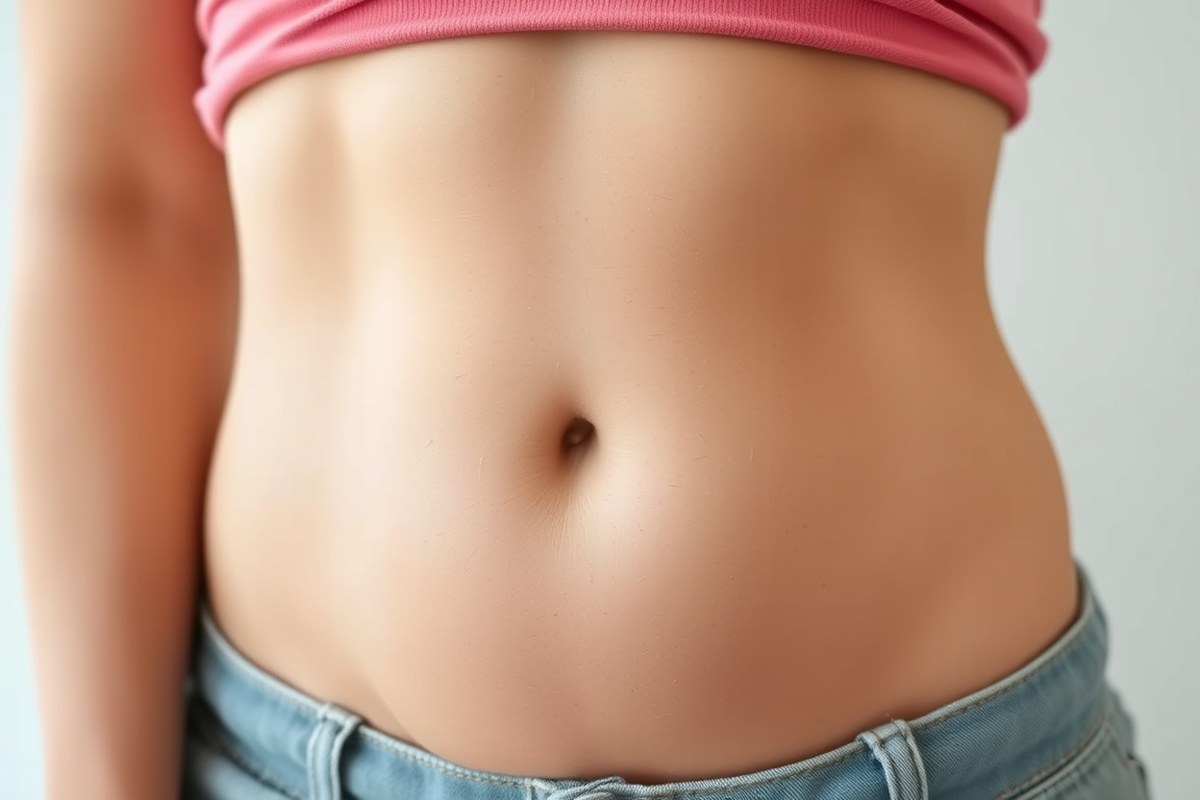
Lower belly fat forms for specific hormonal, metabolic, and lifestyle reasons. This fat can be either subcutaneous, which sits just beneath the skin, or visceral, which surrounds your internal organs. Visceral fat is more harmful because it’s linked to inflammation and higher risks for heart disease and diabetes. Subcutaneous fat is softer and less dangerous but often more stubborn to lose due to its location and the way your body stores it.
Your body’s hormone levels heavily influence where fat accumulates. For example, increased cortisol from chronic stress encourages fat storage around the lower belly. In women, drops in estrogen during and after menopause can cause fat to shift to the abdominal area. Insulin resistance, common in blood sugar imbalances, also promotes fat gain in the lower belly. These hormonal factors make this fat particularly persistent compared to fat stored elsewhere.
The key reason lower belly fat resists loss is because spot reduction is a myth. Your body decides where to burn fat based on genetics, hormones, and overall fat levels, not the exercises or treatments targeting one area. You must lower your total body fat through a calorie deficit and whole-body activity to reduce fat in the belly. Trying only crunches or focused exercises won’t specifically shrink lower belly fat.
Visceral fat often requires extra attention through dietary improvements and increased aerobic exercise since it responds better to calorie control. Subcutaneous fat, especially in the lower belly, tends to hold onto fat cells longer due to fewer blood vessels and slower metabolism in that area. Resulting fat loss can be slower and needs consistent effort in combining healthy eating, strength training, and cardiovascular activity.
Other factors like aging impact how your body burns calories and stores fat. After age 40, metabolic slowdown means fat loss generally takes more time and persistence, especially in your midsection. Smoking can also increase visceral fat accumulation, which complicates efforts to lose lower belly fat. Understanding these underlying causes helps set realistic expectations for how long it will take and which methods will be most effective.
How to Safely Create a Calorie Deficit for Fat Loss
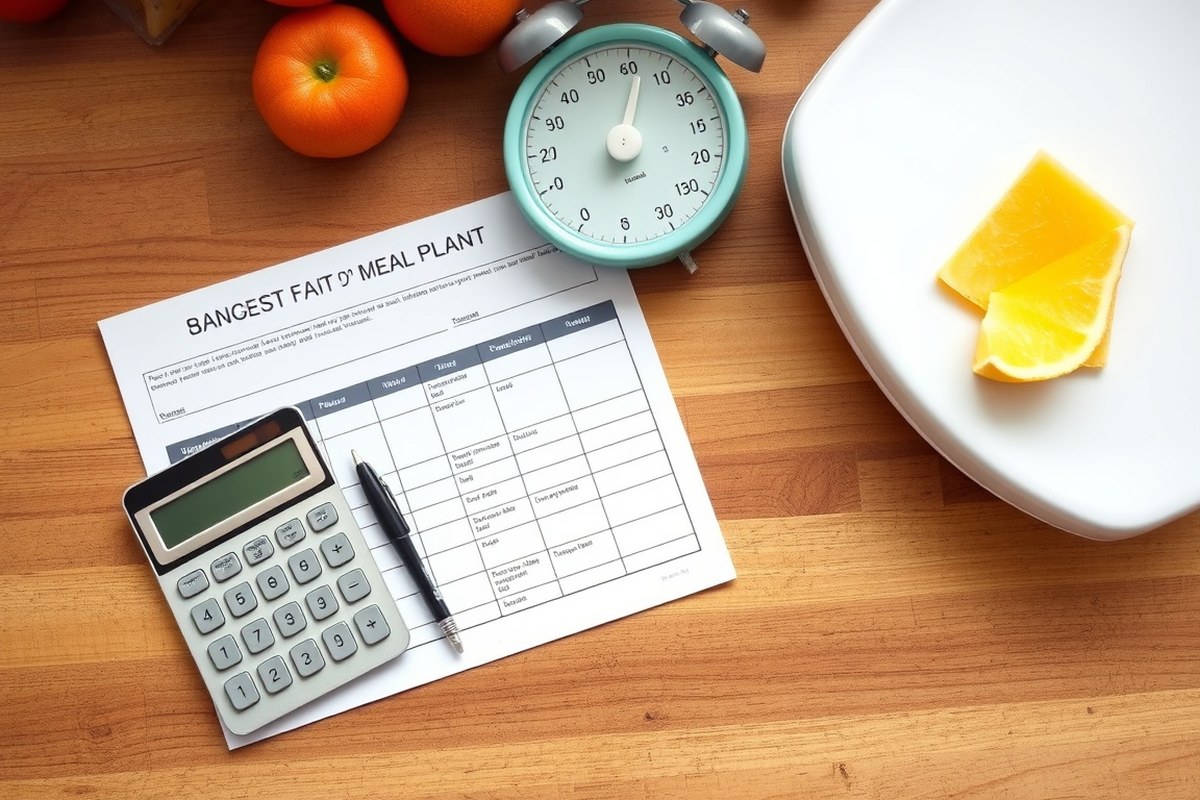
To lose lower belly fat safely, you should aim to reduce your calorie intake enough to drop about 1 to 2 pounds each week. This pace minimizes muscle loss and promotes long-term fat reduction. Creating a calorie deficit means eating fewer calories than your body expends daily, which makes your body burn stored fat for fuel.
Calculate your basal metabolic rate (BMR) to estimate how many calories your body needs at rest, then adjust for your activity level to find your total daily energy expenditure (TDEE). Reducing your daily calorie intake by 500 to 1,000 calories below your TDEE creates a deficit that typically leads to losing 1 to 2 pounds weekly. Avoid deficits larger than this, since they can cause muscle loss or nutritional deficiencies. Here’s how to calculate and maintain a safe calorie deficit:
- Calculate your BMR. Use an online calculator or the Mifflin-St Jeor equation: For men: BMR = 10 × weight (kg) + 6.25 × height (cm), 5 × age + 5; for women: BMR = 10 × weight (kg) + 6.25 × height (cm), 5 × age, 161.
- Adjust for activity. Multiply your BMR by an activity factor: 1.2 for sedentary, 1.375 for light activity, 1.55 for moderate exercise, 1.725 for very active, 1.9 for extra active.
- Set your calorie deficit. Subtract 500 to 1,000 calories from your TDEE to lose 1 to 2 pounds per week. Aim closer to 500 if you want a gradual loss or are new to dieting.
- Track your food intake. Use an app or journal to log daily calories to stay within your target range. Avoid calorie-containing drinks, which can stall fat loss.
- Balance macronutrients. Include enough protein (around 0.7 to 1 gram per pound of body weight) to preserve muscle while dieting.
- Monitor progress weekly. Adjust calories if weight loss stalls for more than two weeks, but never create a deficit beyond 1,000 calories daily without professional guidance.
Rapid weight loss beyond 2 pounds per week may cause muscle loss and is not recommended for sustainable lower belly fat reduction.
Dietary Changes That Target Lower Belly Fat Effectively
To reduce lower belly fat through diet, focus on eating nutrient-dense, high-fiber foods and maintain consistent hydration. Avoid sugary and highly processed foods, and consider incorporating intermittent fasting strategies carefully. These dietary changes can help regulate appetite, improve metabolism, and support fat loss in the abdominal area.
Best Foods to Increase for Belly Fat Loss
Adding more soluble fiber to your diet is one of the most effective food changes to target lower belly fat. Soluble fiber slows digestion, reduces hunger, and lowers fat absorption. Foods rich in soluble fiber include oats, flaxseeds, Brussels sprouts, and legumes. A diet higher in protein also supports fat loss by increasing satiety and preserving muscle mass during calorie reduction. Incorporate lean proteins like chicken, fish, and plant-based sources such as tofu or lentils.
Alongside fiber and protein, healthy fats such as those found in avocados, nuts, and olive oil can improve fullness and reduce cravings. Cooking at home often lets you control ingredients better, ensuring your meals are flavorful and fat-loss friendly.
Foods and Drinks to Avoid
Sugary foods and drinks are a major contributor to belly fat. These include sodas, sweetened teas, candy, and baked goods like cakes and cookies. Consuming high amounts of added sugar encourages fat storage specifically around the belly due to insulin spikes and increased calorie intake. Excessive alcohol intake, especially beer, can also promote lower belly fat by increasing calorie consumption and altering fat metabolism.
Highly processed and refined foods, such as white bread and many fast foods, tend to be low in fiber and nutrients but high in calories. These foods can sabotage efforts to reduce belly fat by causing blood sugar spikes and hunger shortly after eating.
- Limit sugary drinks and sodas
- Cut back on sweets and desserts
- Avoid excessive alcohol, especially beer
- Reduce intake of refined grains like white bread
- Skip highly processed snacks and fast foods
Practicing portion control and mindful eating helps avoid overeating these fat-promoting foods.
Hydration and Timing Tips
Drinking water before meals can reduce appetite and prevent overeating by promoting a feeling of fullness. Aim to drink about 16 ounces of water 30 minutes before eating. Staying well-hydrated throughout the day also helps support metabolism and fat burning. The recommended daily water intake varies but generally falls around 64 ounces (about 8 cups), more if you exercise regularly.
Intermittent fasting may aid belly fat loss by improving insulin sensitivity and encouraging the body to burn stored fat during fasting periods. Common approaches include a 16:8 schedule, fasting for 16 hours and eating during an 8-hour window, or alternate-day fasting. However, consistent daily meals every three to five hours can also stabilize blood sugar and prevent fat storage, especially for those who find fasting triggers overeating later. Choose the eating pattern that fits your lifestyle and feel free to adjust as needed for steady progress.
Exercise Strategies: Cardio, Strength, and Everyday Movement
Exercise alone can’t specifically melt lower belly fat, but combining different strategies will help lower overall body fat, including the belly area. High-Intensity Interval Training (HIIT) is a powerful option. Studies show HIIT can be up to 9 times more effective than steady-state cardio for fat loss because it boosts metabolism and burns fat quickly. Incorporate HIIT workouts two to three times a week with intervals of intense effort (20 to 40 seconds) followed by active rest or low-intensity periods (40 to 60 seconds). Examples include sprinting, jumping rope, or cycling fast.
Resistance training plays an important role as well. A 2015 study showed that men who did 20 minutes of resistance exercises daily accumulated less belly fat over time compared to those who only did cardio. Try to strength train between 2 and 4 times weekly with full-body routines that work several muscle groups. Building muscle boosts your resting metabolism, enabling you to burn more calories while resting. You can use free weights, resistance bands, or bodyweight moves like squats, push-ups, and planks.
Steady-state cardio such as jogging, swimming, or brisk walking burns calories and improves cardiovascular health. While less intense than HIIT, it can be easier to sustain, especially for beginners or postpartum mothers. Aim for 30 to 60 minutes per day, most days of the week. Walking is an accessible way to add daily movement. Using stairs over elevators or increasing steps can contribute to calorie burn and improve fat loss over time, especially when combined with other exercise forms.
Below is a checklist comparing how different exercise types contribute to belly fat loss and overall health. This can help you plan an effective routine based on your lifestyle and fitness level.
| Exercise Type | Effect on Belly Fat | Recommended Frequency | Duration per Session |
|---|---|---|---|
| HIIT | Highly effective; boosts metabolism and burns fat quickly | 2-3 times per week | 20-30 minutes |
| Strength Training | Reduces fat gain; builds muscle to increase calorie burn | 2-4 times per week | 20-40 minutes |
| Steady-State Cardio | Burns calories steadily; supports heart health | Most days (5-6 times) | 30-60 minutes |
| Daily Movement (Walking, stairs) | Increases daily calorie burn; supports active lifestyle | Every day | Varies; aim for 30+ minutes |
Extra movement throughout the day adds up and helps prevent belly fat gain. It’s important to choose exercises you enjoy and can maintain long term. Pushing too hard too fast can lead to fatigue, which might make it harder to stick with your routine. Balancing HIIT, strength training, steady cardio, and daily activity is the best way to burn fat effectively, improve fitness, and keep your metabolism active.
Sleep and Stress: Hidden Factors Affecting Belly Fat
Getting enough quality sleep and managing stress levels are essential for reducing lower belly fat. Poor sleep and chronic stress raise cortisol, a hormone that promotes fat storage particularly around the abdomen. Controlling these factors improves your ability to lose stubborn belly fat.
How Poor Sleep Affects Fat Storage
Sleep deprivation disrupts hormones that regulate hunger and fat storage. Lack of sleep increases cortisol and ghrelin, the hunger hormone, while lowering leptin, which signals fullness. This hormonal imbalance leads to overeating and a slower metabolism, both of which encourage fat to accumulate in the lower belly.
Aim for 7 to 9 hours of consistent sleep per night. Going to bed and waking up at the same times each day helps regulate your body’s internal clock, improving sleep quality and hormone balance. Avoid screens and bright lights for at least one hour before bed to support melatonin production, needed for restful sleep.
Stress Hormones and Belly Fat Link
Chronic stress triggers frequent spikes of cortisol. Improve cortisol increases fat cell size and encourages fat storage, especially visceral fat in the lower belly, which is more stubborn to lose. Women may experience more pronounced fat storage due to hormone interactions and genetics.
High cortisol also makes it harder to lose fat even with proper diet and exercise. Reducing stress lowers cortisol levels and allows your body to burn fat more effectively. Stress that is unaddressed can stall or reverse fat loss progress despite other efforts.
Practical Stress Reduction Techniques
Managing stress involves daily habits and lifestyle choices that promote relaxation and reduce cortisol. Consistent practice of stress-reducing methods produces better long-term results in fat loss and overall health. Here are steps to help manage stress effectively.
- Establish a daily routine that includes time for activities you enjoy and relaxation.
- Practice deep breathing exercises or meditation for 5 to 15 minutes each day to calm your nervous system.
- Engage in regular physical activity, such as walking, yoga, or light strength training, which lowers stress hormones.
- Limit caffeine and alcohol, as they can increase anxiety and disrupt sleep.
- Connect with supportive friends or family to share feelings and reduce emotional stress.
- Keep a journal to identify stress triggers and track your coping strategies.
- Prioritize time management to avoid feeling overwhelmed by tasks.
Tip: Avoid turning to food as a stress relief tool since it can increase cortisol and add to lower belly fat accumulation.
Special Considerations After Pregnancy and Over 40
Lower belly fat is often tougher to lose after pregnancy and past age 40 due to hormonal shifts and slower metabolism. Adjusting your diet and exercise to fit these changes helps you shed fat more safely and effectively.
Postpartum Body Changes and Fat Loss Challenges
After pregnancy, your body undergoes major changes to support the baby, including increased fat storage around the lower belly. This fat protects internal organs and supports milk production. The hormone relaxin also loosens abdominal muscles, which can make the belly appear softer and harder to tone.
Because your body naturally wants to retain some fat to support recovery and breastfeeding, it may hold onto lower belly fat longer. Stress, sleep deprivation, and time constraints with a new baby can make regular workouts and strict dieting difficult as well.
Hormonal Shifts and Metabolism After 40
Hormone production declines with age, especially estrogen, which affects fat distribution leading to more fat around the lower abdomen. Muscle mass also decreases by about 3-8% per decade after 30 according to the National Institute on Aging. This loss slows your metabolism, so your body burns fewer calories at rest, making fat loss more difficult.
Lower estrogen levels combined with reduced physical activity can cause your body to retain fat more easily around the belly. These changes mean you won’t lose fat as quickly as before, requiring adjustments to your approach.
Adapting Your Plan for Your Life Stage
To overcome postpartum or age-related challenges, prioritize sustainable habits that respect your body’s current state. Focus on a balanced diet rich in protein and fiber to support muscle retention and reduce cravings.
- Include high-intensity interval training (HIIT) 2 to 3 times per week to maximize fat loss efficiently.
- Maintain strength training at least twice weekly to preserve and build muscle mass.
- Cut refined sugars and added sugars to reduce fat storage triggers.
- Incorporate gentle postpartum recovery exercises or yoga before progressing to intense workouts.
- Manage stress through mindfulness or deep breathing to lower cortisol levels that promote fat retention.
- Ensure 7-9 hours of sleep per night to support hormonal balance and recovery.
- Adjust calorie targets downward by about 5-10% if your activity level has decreased with age.
Postpartum mothers should focus on gradual weight loss of about 1 pound per week to avoid negative impacts on milk supply and energy. Those over 40 should emphasize consistency over quick results, allowing extra time for fat loss due to slower metabolism.
Common Mistakes and How to Overcome Them
Common mistakes when trying to lose lower belly fat include overeating healthy foods, ignoring consistent sleep patterns, underestimating stress, and workout boredom. Overeating foods labeled as healthy can add extra calories, slowing fat loss. Skipping or having poor sleep disrupts hormones that regulate appetite and fat storage. Chronic stress increases cortisol, which encourages abdominal fat retention. Boredom with exercise leads to inconsistency, contributing to plateaus.
Avoid plateaus and stay motivated by creating small, sustainable changes instead of drastic short-term fixes. Reset your routine every few weeks to prevent boredom. Vary workout intensity and type to keep it challenging but enjoyable. Pay attention to your body’s signals to manage stress before it impacts your progress.
Strategies to maintain long-term changes require planning and regular self-checks. Set realistic goals based on weekly progress, not daily fluctuations. Track both physical changes and mental well-being to adjust behaviors that no longer serve your goals. Nutrition, sleep, and exercise routines should fit your lifestyle, not disrupt it.
- Limit portion size even with nutrient-dense foods to avoid calorie overload
- Establish a fixed bedtime and aim for 7 to 9 hours of quality sleep nightly
- Use breathing exercises, meditation, or light walking to reduce daily stress
- Rotate cardio, strength training, and flexibility exercises weekly to prevent fatigue
- Schedule workouts like appointments to build consistency and accountability
- Track progress with photos and measurements monthly rather than daily scales
- Plan meals ahead to avoid impulsive healthy food overeating
Consistent, moderate calorie deficits combined with regular movement remain the cornerstone for reducing abdominal fat safely. Avoid over-intensive exercise that raises stress hormones instead of supporting fat loss. Lower belly fat decreases gradually when you stick to balanced lifestyle practices over months, not days.
Tracking Progress and Setting Realistic Expectations
You can’t always trust the scale alone to tell if you’re losing lower belly fat, especially when your body is changing in other ways. Fat under the skin (subcutaneous) looks different and feels squishier compared to the deeper fat around your organs (visceral), which you can’t pinch but affects health more. To tell them apart, press gently on the lower belly; if it’s soft and can be pinched, that’s mostly subcutaneous fat. A doctor can run scans for visceral fat, but you can also notice improvements through other tracking methods.
Tracking progress beyond the scale helps you stay motivated and adjust your plan if needed. Realistic expectations matter because losing stubborn belly fat often takes longer than general weight loss. You might expect visible changes in 4 to 8 weeks with consistent effort. Many face plateaus, hormonal shifts, and lifestyle challenges that slow progress. Use these steps to track your fat loss effectively and set realistic goals tailored to your body’s response:
- Measure your waist circumference regularly. Use a flexible tape measure around your belly button to track inches lost. Take measurements weekly at the same time of day for consistency.
- Take progress photos every 2 to 4 weeks. Wear similar clothing and use consistent lighting and angles. Photos capture visual changes the scale might miss.
- Monitor body composition, if possible. Devices like bioelectrical impedance scales or professional DEXA scans measure fat mass vs. Muscle mass. This helps distinguish fat loss from muscle gain or water changes.
- Track fitness improvements. Record your strength and endurance gains, such as how much weight you can lift or how long you can walk or do cardio. Fat loss tends to improve physical performance.
- Keep a journal of your habits. Note dietary changes, sleep quality, stress levels, and daily steps. Since factors like insulin resistance and reduced movement can affect belly fat, this info helps you spot patterns.
- Set realistic timelines. Aim for losing 0.5 to 1 pound per week to preserve muscle. Changes to belly fat may appear slower; a 4- to 8-week timeline for visible changes is common, but persistence matters.
- Adjust expectations based on life changes. Postpartum bodies or those over 40 may lose fat more slowly due to hormonal shifts. Progress still happens but may look different than before.
Don’t rely solely on weight; inches lost and improved energy often indicate progress before the scale changes noticeably.
Step-by-Step Action Plan to Reduce Lower Belly Fat
Follow this clear and realistic plan to start shrinking your lower belly fat safely and effectively through diet, exercise, and lifestyle changes.
- Before you start: Calculate your daily calorie needs and aim for a 300-500 calorie deficit by adjusting portions and choosing whole foods. You’ll know it works if your weekly weight drops about 0.5 to 1 pound without extreme hunger or fatigue.
- Day 1: Begin incorporating 30 minutes of moderate cardio like brisk walking or cycling at least 4 times a week. Measure success by increased stamina and spotting small changes in waistline after two weeks.
- Week 1: Add two strength training sessions per week focusing on full-body exercises, including core moves. Track progress by increased reps, more weight used, or feeling stronger in daily tasks.
- Week 2: Improve sleep quality by setting a consistent bedtime and reducing screen time one hour before bed. Check improvement through feeling more rested and noticing less appetite for extra food.
- Week 3: Manage stress through at least 10 minutes of daily relaxation techniques such as deep breathing or light stretching. Notice fewer cravings and better mood stability as signs of success.
- Week 4: Review dietary choices: prioritize fiber-rich vegetables, lean proteins, and healthy fats while limiting added sugars and refined carbs. Use your clothes’ fit around your waist as a simple progress indicator.
- After 4 weeks: Increase daily movement by adding short walks or standing breaks every hour during your day. You’ll feel more energized and see gradual waistline reduction if you remain consistent.
- After 6 weeks: Reassess your progress with measurements and adjust calorie intake or exercise intensity if fat loss slows. Success shows as continued inch loss in your lower belly and improved overall fitness.
Frequently Asked Questions
Can Strength Training Alone Reduce Lower Belly Fat?
Strength training is very effective for lowering belly fat and can be your main exercise method, but combining it with diet changes improves results. It builds muscle, which boosts metabolism, helping you burn more calories overall.
Does Alcohol Directly Cause Lower Belly Fat?
Alcohol doesn’t directly cause fat to deposit in the lower belly but drinking it adds extra calories that stall fat loss. Limiting alcohol intake supports overall calorie control, which is key for reducing belly fat.
Are Abdominal Exercises Effective for Losing Lower Belly Fat?
Ab exercises don’t specifically burn lower belly fat since spot reduction isn’t possible. They strengthen underlying muscles, but overall fat loss requires calorie deficit and full-body exercise.
Can Drinking Water Help Reduce Lower Belly Fat?
Drinking water supports fat loss by improving metabolism and reducing calorie intake from drinks, but it won’t directly eliminate belly fat alone. Staying hydrated also helps control appetite.
How Important Is Fiber in Losing Lower Belly Fat?
Eating more fiber aids fat loss by promoting fullness and reducing calorie intake, helping create a calorie deficit needed to lose belly fat. Fiber also supports healthy digestion.
Will Stress Management Impact Lower Belly Fat Loss?
Managing stress lowers cortisol, a hormone linked to storing belly fat, making it easier to lose lower belly fat. Techniques like meditation or deep breathing can help reduce stress levels.
The Bottom Line
Lower belly fat disappears with consistent, realistic changes in your diet, activity, and daily habits. Start by choosing one small change today, like swapping sugary snacks for a protein-rich option, to help reduce cravings and support fat loss. Taking one step at a time makes the process manageable and sets you up for lasting success.


One Comment