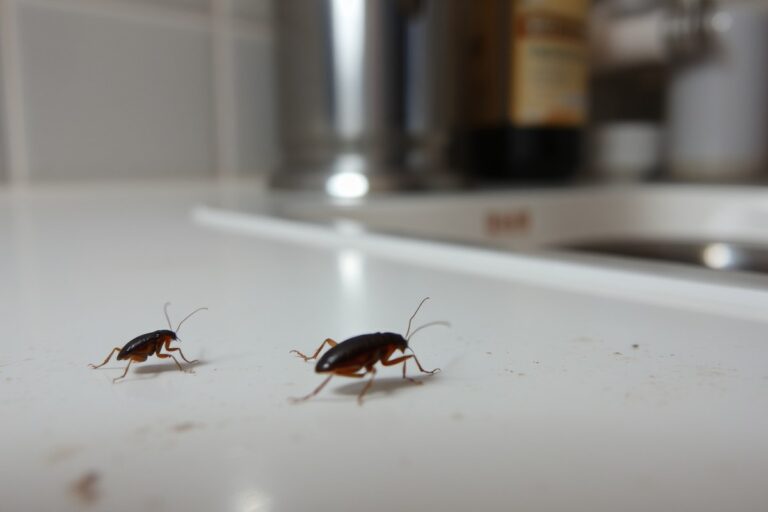
How to Get Rid of Mosquitoes in the House: 8 Proven Methods That Work
To get rid of mosquitoes in the house, start by removing standing water where they breed, seal off entry points like windows and doors, and use natural repellents or indoor traps to kill any existing insects. Addressing both mosquitoes inside and around your home breaks their lifecycle and prevents future infestations. Sprayable insecticides can help with adult mosquitoes outdoors, while indoor methods focus on safe, effective removal without harsh chemicals.
This advice is for homeowners and renters facing mosquito problems indoors who want practical ways to eliminate these pests. You will learn which entry points mosquitoes use, how to stop them from breeding, quick ways to kill mosquitoes inside, natural repellents, and when to call a professional for persistent issues.
Key Takeaways
- Seal cracks, gaps, and poorly fitted screens on windows and doors to block primary mosquito entry points into your home.
- Remove all standing water indoors and outdoors, including gutters and plant saucers, to eliminate mosquito breeding grounds.
- Use fans indoors since mosquitoes cannot fly well against a 2 mph breeze, making fans an effective immediate deterrent.
- Apply natural repellents like lavender, lemon eucalyptus, or catnip essential oils to repel mosquitoes without harmful chemicals.
- Place indoor mosquito traps like the Katchy Insect Trap to capture and reduce flying mosquitoes effectively.
- Regularly replace repelling materials like camphor every 2-3 days or mosquito dunks monthly for continuous mosquito control.
1. How Mosquitoes Enter Your Home and Common Entry Points

Mosquitoes most often find their way into your home through open doors and windows. These entry points are the easiest for mosquitoes as they don’t require the insects to squeeze through small spaces. When you enter or exit your house, even a brief open door gives mosquitoes a chance to slip inside. Keeping doors closed when not in use significantly reduces this opportunity.
Windows can also be trouble spots, especially if they lack proper screens or if the screens are damaged. Well-fitted window and door screens act as physical barriers, letting fresh air in but blocking mosquitoes because the screen’s mesh openings are too small for them to pass through. Installing or repairing screens on all accessible windows and doors generally costs between $50 and $200 per unit, depending on size and quality. Properly maintained, these screens provide effective, low-cost protection by preventing mosquitoes from entering in the first place.
Besides doors and windows, mosquitoes exploit gaps and cracks around frames, poorly sealed vents, and utility openings. Sealing these gaps with caulk, weather stripping, or foam sealants is an essential step. Weather stripping under doors, for example, typically costs $10 to $20 for materials and can be installed in under an hour. This stops mosquitoes from slipping in through even small openings. Regular inspection of these areas can catch new gaps early before mosquitoes start using them as entryways.
Garages attached to the house are another common entry point. Mosquitoes can fly through open garage doors or enter via cracks connecting the garage to the living space. Ensuring garage doors close tightly and sealing any holes or joints connecting the garage to your home can reduce this risk. Proper weather stripping and door sweeps are simple, affordable solutions for these areas.
Mosquitoes can also hitch a ride inside on pets or deliveries. Pets spending time outdoors or in mosquito-prone areas might carry mosquitoes on their fur. While mosquitoes don’t burrow into animals, they can cling briefly and be transported inside. After walks or outdoor time in the evening, quickly brushing your pets or wiping their fur can minimize this. Similarly, packages left outside or near entryways may conceal resting mosquitoes until brought inside. Inspect and shake off deliveries before bringing them in.
Houseplants near windows or doors do not directly allow mosquitoes inside but can offer resting spots close to entry points. Placing mosquito-repellent plants like lavender or lemon eucalyptus near these areas may discourage mosquitoes from lingering nearby, adding a layer of defense when combined with physical barriers.
Air conditioning helps keep windows and doors shut by lowering indoor temperatures, making your home less inviting to mosquitoes. Operating air conditioning during peak mosquito seasons can minimize the need to open windows for ventilation, thus reducing mosquito entry points.
Overall, blocking mosquitoes from entering involves a mix of physical barriers like well-maintained screens, sealing any gaps, and managing human and pet traffic. This approach costs relatively little compared to the discomfort and potential health risks mosquitoes bring, and it forms the first important defense to keep your home mosquito-free.
2. Identify and Eliminate Mosquito Breeding Grounds Indoors and Outdoors

Stopping mosquitoes before they hatch means targeting their breeding grounds. These insects lay eggs in still water, so removing standing water both inside and outside your home is the most effective way to break their lifecycle. This prevents eggs from turning into adult mosquitoes that invade your living space.
Walk around your yard and inspect any containers or areas where water collects after rain or watering. Common outdoor breeding sites include clogged gutters, birdbaths, rain barrels, wheelbarrows, pots without drainage, and tarps that trap water. Indoors, check plant saucers, buckets, pet water dishes, and any spots where water might linger. Even small amounts, like a tablespoon of stagnant water, can support mosquito larvae. Use this checklist to identify and eliminate breeding sites:
- Empty and clean plant saucers, flower pots, and pet water bowls weekly
- Clear gutters and drains to prevent water pooling
- Remove or turn over buckets, wheelbarrows, tires, and toys that collect rainwater
- Pour out water from birdbaths at least twice a week or refill with fresh water
- Fix leaking hoses, sprinklers, or pipes that create puddles near your house
- Store outdoor items under cover to keep them dry
- Fill or drain low spots and puddles in the yard where water collects
Regularly inspecting for standing water and eliminating it is important; even clear water less than a week old can host mosquito larvae.
Eliminating standing water around your property decreases where mosquitoes can lay eggs, which cuts the number of adult mosquitoes present inside your house. This reduction lessens the need to use insecticides or repellents indoors. Outside, target zones with thick vegetation since mosquitoes favor damp, shaded environments for breeding. Indoors, avoid excessive watering of plants and make sure no water remains in sinks or containers.
Costs vary depending on your yard size and how clogged your gutters or drains are, but most actions involve little more than time and effort. A gutter cleaning service usually charges $100 to $200 if you prefer a professional. Otherwise, carrying out these steps yourself means periodic checking and emptying water sources weekly.
3. Immediate Ways to Kill Mosquitoes Inside the House
When you spot mosquitoes inside your home, acting quickly can reduce bites and stop them from multiplying. Using indoor insect sprays designed for mosquitoes is one of the fastest ways to kill them. Choose sprays labeled safe for indoor use around kids and pets, like those containing essential oils rather than harsh chemicals. These sprays usually work within minutes and target adult mosquitoes. Physical removal, such as using a fly swatter or vacuum, kills individual mosquitoes instantly without chemicals, but this might not be practical for large infestations.
Fans can help by creating strong air circulation that makes it difficult for mosquitoes to fly and land on you. For optimal effect, use a fan with at least 10 feet per second airflow near sitting areas. Higher speeds disrupt mosquitoes’ flight patterns, reducing biting and presence indoors. Fans also aid in drying out moist areas mosquitoes favor.
- Locate and spray mosquitoes: Use an indoor-safe aerosol mosquito spray in rooms where you notice them. Follow product instructions carefully, especially regarding ventilation and re-entry time. Usually, you should vacate the room for 15 to 30 minutes after spraying. Choose products like Ortho Home Defense Mosquito Killer with Essential Oils, which costs around $20, $25 and can be found online or at home stores.
- Physically kill visible mosquitoes: Use a fly swatter to quickly eliminate individual mosquitoes you see. Alternatively, a handheld vacuum can suck them up effectively, avoiding chemical exposure.
- Turn on fans in affected rooms: Set fans to high speed near seating areas or beds to create air currents. A fan producing airflow around 10 feet per second is effective to deter mosquitoes. Regular household fans often meet this threshold; aim for oscillating fans to cover larger areas.
- Maintain ventilation after treatment: Open windows and doors to freshen air after spraying and fan use, reducing lingering chemicals and odors for children and pets.
- Check and empty any indoor standing water: Mosquitoes often rest near water-filled containers. Remove or dry plant saucers or pet dishes to minimize attraction after treatment.
Indoor sprays designed specifically for mosquitoes often specify on the label if they’re safe for children and pets. Always follow the manufacturer’s instructions to prevent accidental exposure. Avoid products meant strictly for outdoor use inside your home. Physical killing methods have no chemical risk but require presence and manual effort, suitable for low mosquito numbers. Fans serve as a safe and chemical-free way to reduce mosquito activity but do not kill the insects; combine fans with sprays or manual removal for best results.
4. Natural Remedies and Repellents for Indoor Mosquito Control
Natural remedies like essential oils, specific indoor plants, and natural repellents can reduce mosquito presence inside your home without harsh chemicals. Using essential oils such as citronella, lemon eucalyptus, lavender, and basil helps repel mosquitoes when applied correctly. For example, diffusing a few drops of lemon eucalyptus or lavender oil in a room for 30 to 60 minutes can lower mosquito activity. Spraying diluted essential oils (3 to 5 drops per ounce of water) on curtains, bed linens, or plants can also form a mosquito-repelling barrier. Camphor and cedar oil are other natural options that emit scents mosquitoes dislike, with camphor often used in small cubes or tablets near entry points.
Certain indoor plants provide an ongoing defense by naturally deterring mosquitoes. Plants like citronella grass, catnip, basil, lavender, and mint emit odors that mosquitoes avoid. Placing several pots near windows or in living areas can reduce mosquito entry and limit their indoor resting spots. Though these plants alone might not eliminate all mosquitoes, they contribute to a layered approach that lowers mosquito numbers indoors. Their effectiveness varies by season, generally stronger in warmer months when both mosquitoes and plant oils are more active.
| Natural Remedy | Form | Application Method | Duration | Estimated Cost | Effectiveness Notes |
|---|---|---|---|---|---|
| Citronella Oil | Essential oil | Diffuse or spray diluted oil (3-5 drops per oz. Water) | 30-60 minutes diffusion; reapply spray every 2-3 hours | $6-$12 per 1 oz. Bottle | Drives mosquitoes out; best for small rooms |
| Lemon Eucalyptus | Essential oil or plant-based spray | Diffuse or spray; can apply to skin (DEET-free brands) | Diffusion 30-60 mins; sprays last up to 2 hrs | $8-$15 per bottle; ready sprays around $10-$15 | EPA-recognized natural repellent; effective indoors |
| Lavender | Plant or essential oil | Place potted plants indoors or diffuse oil | Continuous plant effect; oil diffusion ~1 hr | $5-$10 per pot; oil $6-$12 per 1 oz. | Repels mosquitoes; also promotes calm environment |
| Basil | Potted plant or essential oil | Keep living plants near doors/windows; diffuse oil | Plants last weeks to months; oil diffusion 30-60 mins | $4-$10 per pot; oil similar pricing to lavender | Helps repel mosquitoes; best combined with other methods |
| Camphor | Solid tablets or discs | Place small camphor tablets near mosquito entry points | Leaves scent for 8-12 hours | Under $5 for a pack | Strong repellent; must keep away from pets and children |
Using natural essential oil diffusers or sprays is a quick way to reduce mosquito annoyance in rooms where you spend significant time. For longer-lasting effects, surrounding entry points or common resting areas with potted plants like basil and citronella can discourage mosquitoes from settling indoors. Natural scents often work best during warmer months, which see increased mosquito activity, but continued use throughout the year supports indoor comfort without chemicals.
Avoid using undiluted essential oils directly on skin to prevent irritation. Natural repellents may not instantly kill mosquitoes but reduce biting and presence effectively in enclosed spaces. Combining plant placement, essential oil diffusion, and strategic camphor use near doors or windows offers a balanced, low-toxicity approach that minimizes mosquito annoyance and exposure to chemical sprays inside your home.
5. Best Indoor Mosquito Traps and Devices Compared
Indoor mosquito traps and devices vary widely in safety, cost, and effectiveness, making it essential to match the right product to your home and needs. Devices that use light or carbon dioxide (CO2) to attract mosquitoes apply radiant heat and chemical lures like octenol, which are more effective at drawing mosquitoes than light alone. Electric zappers, including rackets, offer a quick kill but may not capture all mosquitoes present. Placement near entry points maximizes trap efficiency indoors, reducing bites and overall mosquito presence.
| Device Type | How It Works | Cost Range (USD) | Safety Notes | Recommended Use |
|---|---|---|---|---|
| CO2 + Heat Mosquito Traps | Emits CO2 and heat to mimic human breath and body warmth, attracting mosquitoes | $70 – $150 | Low chemical risk, safe indoors when used as directed | Best for larger homes or persistent infestations near entry points |
| Electric UV Zappers | Uses blue or ultraviolet light to attract and electrocute mosquitoes | $20 – $60 | Can be noisy, possible use caution around children and pets | Suitable for small rooms or occasional use in less severe infestations |
| Sticky Adhesive Traps (e.g., Crioxen) | Uses UV light combined with adhesive surfaces to trap mosquitoes | $30 – $50 | No chemicals, generally safe for homes with pets and children | Good for indoor areas with moderate mosquito activity |
| Electric Swatting Rackets | Manually used to zap individual mosquitoes | $10 – $25 | Safe if handled properly; keep away from children | Effective for immediate, visible mosquito kills indoors |
| Larvicide Products (e.g., Mosquito Dunks) | Kills mosquito larvae in standing water to prevent emergence | $10 – $20 per treatment | Safe for pets and fish; only use in water containers or stagnant water | Prevents indoor and yard mosquito population growth |
Choosing a trap depends on your home’s size, the severity of the mosquito problem, and safety concerns for children or pets. For apartments or small homes, electric UV zappers or sticky traps work well and cost less upfront. Larger houses benefit more from CO2 and heat-based traps, which cover broader areas but have higher initial costs. Adding larvicide products to any standing water sources stops mosquitoes before they mature, complementing adult mosquito traps.
Place mosquito traps close to doors and windows where mosquitoes enter to increase trap success and reduce bites indoors.
Electric mosquito zappers and rackets can quickly kill mosquitoes, but they might not reduce overall numbers enough if mosquitoes breed unchecked elsewhere. Deploy traps consistently and combine them with other controls, especially eliminating breeding grounds. Using traps without following label instructions or neglecting source reduction limits how well these devices work inside your home.
6. Sealing and Repairing Windows, Doors, and Screens to Prevent Entry
Sealing and repairing windows, doors, and screens effectively blocks mosquitoes from entering your home. This reduces indoor infestations and keeps your living space comfortable. Follow a careful process of inspection, repair, and sealing to make sure all gaps and holes are closed.
Inspecting and Identifying Gaps
Begin by thoroughly checking all window and door frames, as well as screens, for openings that mosquitoes can slip through. Look for holes, tears, or gaps around edges where you can see daylight or feel drafts. Pay special attention to corners and where the screen meets the frame since these areas often develop wear over time. Even small openings larger than 1/16 inch can permit mosquito entry.
Check both the interior and exterior sides since damage may be more evident from outside. Don’t overlook gaps between door bottoms and thresholds or around sliding window tracks, as mosquitoes exploit these too.
Repairing Window and Door Screens
Repair any holes or tears in screens promptly to maintain an effective barrier. For small tears under 3 inches, use a screen patch kit available at home improvement stores. These kits typically include adhesive-backed mesh that you cut to fit over the damaged section. For larger damage or multiple tears, replacing the entire screen panel may be necessary.
Remove the screen frame carefully, cut a replacement panel from new screen mesh, and secure it using spline cord with a spline roller tool for a tight fit. When dealing with screen doors, also check and tighten hinges and latch mechanisms to ensure the doors close fully without gaps.
Proper Sealing Techniques and Materials
Seal gaps while ensuring ventilation is not compromised. Use self-adhesive weatherstripping tape around door and window frames to close cracks. For windows that slide, apply felt weatherstripping along the tracks to fill spaces. Silicone caulk works well for sealing stationary trim gaps or cracks in the framing. Look for high-quality exterior-grade caulk labeled for windows and doors to withstand temperature changes.
Installing door sweeps at the bottom of exterior doors creates a flexible barrier that blocks mosquitoes from entering underneath. If feasible, install screen doors in front of main doors to add a second layer of protection. Spray-resistant insecticides such as permethrin or products containing citronella oil applied around entry points can provide extra mosquito deterrence but should be used carefully according to label instructions.
Avoiding Common Sealing Errors
Skipping the inspection and repair of even small holes leaves mosquitoes a chance to enter. Don’t rely solely on screens without also sealing surrounding edges and door thresholds. Installing screens loosely or without proper tension allows gaps that mosquitoes exploit. Using the wrong type of caulk or weatherstripping, such as interior grade only, can fail quickly in exterior conditions.
Another common mistake is leaving doors and windows open for ventilation without screens in good condition. Ensure screens are firmly fitted before enjoying open air. Avoid blocking weep holes or vents during sealing, as this can lead to moisture buildup and damage. Regularly recheck seals and screen integrity, especially after storms or seasonal changes, to maintain protection.
- Examine all windows and doors, checking frames, screens, and seals for holes, tears, or cracks allowing mosquito entry.
- Patch small screen holes with adhesive mesh patches or replace screen panels for larger damage.
- Apply weatherstripping tape and felt along window and door frames and tracks to seal gaps tightly.
- Use high-quality exterior silicone caulk to fill cracks and stationary gaps around window and door trim.
- Install door sweeps on exterior doors and consider adding screen doors for extra protection.
- Test doors and windows to ensure they close snugly with no visible light or draft around edges.
- Optionally, apply insect-repellent sprays like permethrin around entry points according to safety instructions.
- Regularly inspect and maintain the repairs and seals, especially after weather changes or physical impacts.
7. Maintaining a Mosquito-Free Home Long-Term with Cleanliness and Environment Control
Maintaining a mosquito-free home requires consistent attention to your yard, indoor environment, and regular use of mosquito repellents. Managing moisture, temperature, and breeding sites along with timely reapplication of treatments keeps mosquitoes from returning. Following a clear schedule for cleaning, controlling humidity, and replacing repellents protects your home long term.
Routine Yard and Gutter Cleaning
Keeping your yard tidy is one of the simplest ways to prevent mosquito infestations. Mosquitoes breed in standing water, so regularly emptying or treating any containers outside, such as birdbaths, flower pots, pet dishes, and clogged gutters, stops larvae from developing. Mowing the lawn and trimming bushes also reduce shaded, damp areas where adult mosquitoes rest.
Perform these yard maintenance tasks at least once a week during warm months when mosquitoes are most active. Remove piles of leaves, grass clippings, or debris that collect water. When water cannot be drained, consider applying mosquito dunks that use bacteria to kill larvae without harming pets or plants. These dunks last 30 days and can cost around $10 for a pack.
Indoor Humidity and Temperature Tips
Mosquitoes thrive in humid and warm environments. Keeping indoor humidity below 50% limits their survival, since dry air dehydrates them. Using a dehumidifier or air conditioning helps control moisture. Conversely, indoor temperatures above 80°F encourage mosquito activity, so maintaining a cooler temperature around 70°F to 75°F makes your home less hospitable.
Check humidity levels with an inexpensive hygrometer, available for $15 to $25 online or at hardware stores. A dehumidifier operating for a few hours daily may cost $30 to $50 a month in electricity but reduces breeding chances significantly. Avoid water leaks and fix plumbing issues promptly to prevent excess moisture buildup indoors.
Schedule for Replacing Repellents and Treatments
Regular replacement of mosquito repellents and treatments keeps protection consistent. Citronella candles and tiki torches burn out after 4 to 6 hours and should be replaced every evening during mosquito season. Mosquito dunks need renewal every 3 to 4 weeks when used in standing water. Chemical sprays indoors require reapplications every 2 to 4 weeks depending on product instructions.
Commercial plug-in repellents, including mats or ultrasonic devices, often last 30 to 45 days before effectiveness declines. Replace or refresh these on a set calendar to avoid gaps in coverage. Use natural mosquito-repelling plants like lavender, which require little maintenance and can be trimmed monthly to maintain vitality.
- Empty standing water weekly
- Trim vegetation every 1 to 2 weeks
- Check humidity with a hygrometer daily or weekly
- Run dehumidifier as needed to keep humidity below 50%
- Replace citronella candles nightly during use
- Renew mosquito dunks every 3 to 4 weeks
- Reapply indoor sprays every 2 to 4 weeks
Following this timeline prevents mosquito reinfestations through steady environmental control and treatment maintenance.
Monitoring Effectiveness over Time
Track mosquito presence daily or weekly to determine if your prevention methods work. Fewer or no visible mosquitoes indoors and reductions in yard biting suggest success. Persistent mosquitoes require reevaluating water sources, humidity, and repellent schedules.
Keep a small log noting dates of cleaning, repellent replacement, and mosquito sightings to identify patterns. Sustainable mosquito control might require adjusting treatment intervals or environmental controls seasonally. Consistency ensures your home remains comfortable and protected year-round.
8. When to Seek Professional Help and Handling Persistent Mosquito Problems
Persistent mosquito problems inside your home may require professional intervention to ensure safety and effective control. Recognizing when DIY efforts are insufficient can save time and reduce health risks. Approaching specialists or communicating with neighbors is important for tackling infestations holistically.
Signs You Need Professional Pest Control
If mosquitoes keep appearing inside your house despite repeated attempts to remove them, it’s time to consider professional help. Frequent bites, especially during daytime indoors, or noticing large numbers of mosquitoes near windows and doors after treatments indicate an infestation beyond simple DIY control. Significant breeding sites hidden in your yard or foundation gaps might also be fueling the problem. Because mosquitoes can lay around 100 eggs at a time, their populations can explode quickly, making professional assessment valuable.
Professionals use specialized inspection tools and treatments not available to homeowners, offering a more thorough approach. Also important is if vulnerable household members like children, elderly, or pets are often bitten, elevating health risks related to mosquito-borne diseases such as West Nile virus or dengue fever.
How to Evaluate Treatment Success
Track mosquito activity daily by noting bites, presence in commonly used rooms, and frequency near entry points before and after treatment. Successful treatment usually leads to a visible reduction within days, but total clearance may take up to two weeks depending on the lifecycle stages disrupted. Assess the treated area for mosquito larvae in standing water or damp zones, which should diminish after effective intervention. If none of these metrics improve, the methods may be falling short or missing hidden breeding sites.
Effectiveness also depends on following product instructions precisely, including dosage and repeat schedules. Keep in mind that some mosquito species are more resistant or active at different times, so adjusting strategies with professional input could be necessary. Cost for professional mosquito control varies but generally starts around $150 to $300 for initial treatments, with follow-ups as needed.
Common Errors and Troubleshooting
Common mistakes include ignoring small water accumulations inside or around the home, underapplying insecticides, or neglecting to seal entrances properly. Improper use of sprays or repellents might only repel mosquitoes temporarily without killing or preventing new ones. Failing to maintain cleanliness or letting clutter accumulate provides shelter and breeding zones, undermining control efforts.
Corrections involve thorough inspection for overlooked water sources like plant saucers, clogged drains, or pet dishes. Apply treatments evenly and on schedule, avoid gaps around doors and windows, and keep indoor humidity low using dehumidifiers to deter mosquitoes. Consistency and follow-up inspections help catch points of failure early.
Talking to Neighbors and Professionals About Infestations
Communicating with neighbors is critical if mosquitoes breed in shared outdoor spaces or collectively untreated areas. Politely sharing observations and encouraging joint efforts to eliminate standing water can reduce overall mosquito presence near your home. When contacting pest control professionals, clearly describe your situation including duration of infestation, prior treatments tried, and specific concerns about health or pets.
Use a script like this when initiating service calls: “Hello, I have a persistent mosquito problem inside and around my house despite multiple attempts using store-bought sprays and traps. The issue has lasted over two weeks and affects children in the home. Can you provide an assessment and treatment plan? Also, do you offer follow-up visits to ensure the problem is resolved?” This helps the provider understand urgency and tailor interventions.
Monitor mosquito activity closely and maintain communication with both neighbors and professionals to prevent re-infestation and ensure lasting relief indoors.
Step-by-Step Action Plan to Get Rid of Mosquitoes in Your House
Follow these steps in order to stop mosquitoes from invading your home, eliminate breeding sites, and keep your living space mosquito-free for the long haul.
- Before you start: Inspect your home for common entry points like open windows, torn screens, and gaps under doors. Fix or seal any openings you find. You’ll know it worked when fewer mosquitoes appear inside after dusk.
- Day 1: Search indoors and outdoors for standing water where mosquitoes breed. Empty, clean, or cover containers such as plant saucers, pet bowls, and clogged gutters. Confirm success when you no longer spot larvae or flying mosquitoes nearby.
- Day 1 evening: Use indoor mosquito sprays or traps to kill the existing mosquitoes inside. Check traps or kill counts after 24 hours to see if mosquito numbers drop.
- Day 2: Apply natural repellents like citronella candles or essential oil diffusers in common living areas. Monitor mosquito activity over the next few days to verify fewer bites and sightings.
- Week 1: Maintain cleanliness by regularly disposing of trash, cleaning drains, and reducing moisture indoors. This prevents new mosquito breeding and keeps populations low over time.
- Week 2: Reinspect and repair window and door screens to ensure they are intact and fit properly. Test by observing if mosquitoes attempt to enter but fail to get inside.
- After 2 weeks: Assess mosquito presence. If mosquitoes persist despite these steps, contact a professional pest control service for targeted treatment to prevent infestations.
Frequently Asked Questions
What Is the Quickest Way to Kill Mosquitoes Already Inside My House?
Use a handheld electric zapper or spray a mosquito-specific insecticide on surfaces where mosquitoes rest. These methods provide immediate control by targeting adult mosquitoes already inside your home. Avoid spraying broadly in living spaces to reduce chemical exposure.
Can I Use Household Fans to Keep Mosquitoes Away Indoors?
Yes, mosquitoes are weak flyers, so placing fans in rooms can disrupt their flight and keep them away from people. Fans also improve air circulation, which makes indoor areas less hospitable to mosquitoes.
Do Certain Types of Lighting Inside the House Attract Mosquitoes?
Mosquitoes are attracted to some light sources, especially ultraviolet and blue lights. Using yellow “bug” lights indoors can reduce mosquito attraction while still providing illumination, helping limit their presence inside your home.
Are Mosquito Larvae Able to Survive in Indoor Water Sources?
Yes, mosquito larvae can hatch and survive in standing water inside your home, such as in plant saucers or clogged drains. Removing or frequently changing this water is important to prevent mosquitoes from reproducing indoors.
Can Essential Oils Alone Effectively Eliminate Mosquitoes Inside My House?
Essential oils like citronella or lemon eucalyptus can repel mosquitoes when diffused but do not kill them. They work best as part of a combined approach with physical barriers and cleanliness to reduce indoor mosquito presence.
What Is the Best Time to Check for and Remove Mosquito Breeding Sites Around the House?
Early morning or late evening are ideal times since mosquitoes are most active then. Regularly removing stagnant water during these times reduces mosquito breeding and lowers the chance of them entering your home.
The Bottom Line
Keeping mosquitoes out of your home requires consistent effort and attention to small details like sealing entry points and removing standing water. Start by thoroughly inspecting your windows and door screens today to fix any holes or gaps. Taking this step helps block mosquitoes from entering and reduces the chances of an infestation before it begins.