How to Get Rid of Perioral Dermatitis Overnight: Simple Steps for Fast Relief
You can’t get rid of perioral dermatitis overnight, but you can reduce irritation and redness quickly by removing triggers and simplifying your skincare routine. Immediate steps like stopping certain products and using gentle treatments help calm symptoms and support healing. Fast relief is possible even if full recovery takes longer.
This advice is for young women aged 20 to 45 who struggle with perioral dermatitis and want practical ways to ease discomfort fast. You’ll learn which products to avoid, effective treatments to try, how to prevent flare-ups, and when it’s time to see a dermatologist for lasting results.
Key Takeaways
- You cannot get rid of perioral dermatitis overnight, but symptoms can start to calm within a day by stopping irritants immediately.
- Cease using heavy moisturizers, steroid creams, fluoride toothpaste, and multi-step makeup products to avoid worsening your condition today.
- Simplify your skincare routine to gentle cleansing and natural remedies like plain organic yogurt masks and Manuka honey spot treatments.
- Topical and oral antibiotics prescribed for about six weeks often speed recovery more safely than quick fixes or harsh treatments.
- Identify personal triggers such as hormonal changes, stress, or specific cosmetics by tracking flare-ups to prevent worsening the rash.
- Correct early treatment mistakes, especially abrupt steroid withdrawal, by consulting a healthcare professional to avoid rebound flare-ups.
Can You Get Rid of Perioral Dermatitis Overnight? What to Expect
Perioral dermatitis cannot be cured overnight because it is an inflammatory skin condition that affects the delicate skin around your mouth and sometimes your nose or eyes. The inflammation, redness, and bumps involved take time to calm down and heal properly. Immediate elimination of symptoms is not possible since the skin requires a period of recovery to restore its barrier and balance the microbiome. Attempting to rush the healing process may worsen the condition or cause it to return more aggressively once treatment stops.
Typically, perioral dermatitis starts to improve within a few weeks of beginning the right treatment, but complete healing often takes several months, commonly around three months, before the rash fully disappears. This timeline depends on factors like the severity of your rash, adherence to a gentle skincare routine, avoiding irritants such as heavy creams or steroid creams, and sometimes the use of prescribed topical or oral treatments. Patience is essential; even if redness and bumps reduce quickly, the skin barrier underneath needs consistent care to avoid relapse.
You can expect to see signs of healing as your skin shows less redness, reduced dryness, and fewer bumps. These improvements indicate your skin is calming from inflammation and beginning to repair itself. However, if the redness intensifies, new bumps appear, or irritation spreads, these are signs that the condition is worsening or that a current treatment may be irritating your skin. Immediate symptom relief methods, such as stopping irritating skincare products and simplifying your routine, can help reduce discomfort but won’t clear the condition overnight.
In cases where quick relief is desired, mild soothing products designed for sensitive skin can lower inflammation and itching within days, but this is not a cure. Some topical antibiotics or anti-inflammatory creams prescribed by a dermatologist may speed symptom control, but they usually require several weeks to work fully. Stopping these treatments too soon can cause the rash to come back more strongly, so following your healthcare provider’s instructions carefully is important.
For best results, you should continue with a simple, non-irritating skincare routine even after visible symptoms fade. Gentle cleansing, moisturizing with products free of heavy oils or steroids, and avoiding known triggers help maintain skin health during recovery. Healing times vary by individual, but expecting gradual progress over weeks rather than an overnight fix aligns with how perioral dermatitis typically resolves.
Immediate Steps to Calm Perioral Dermatitis Symptoms Today
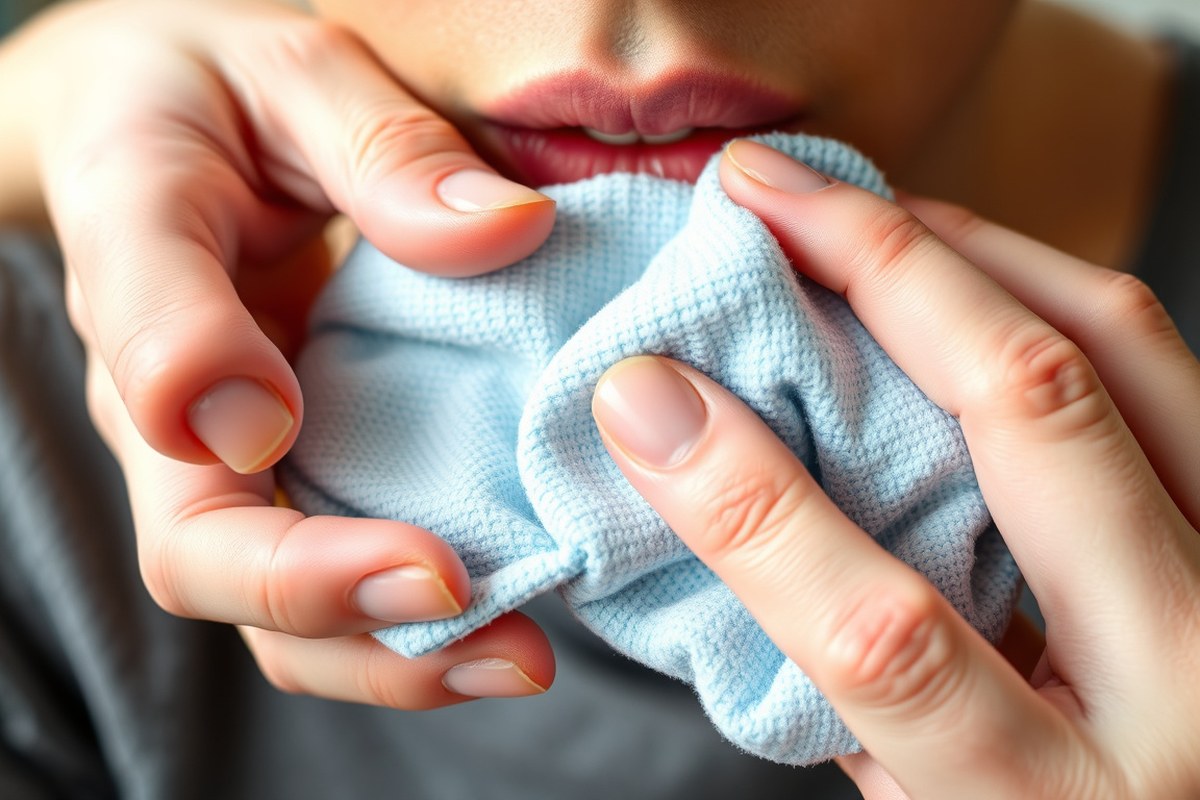
To calm perioral dermatitis symptoms today and reduce redness and discomfort within 24 hours, focus on gentle, non-irritating care. Using cold compresses can quickly soothe inflamed skin, while safe natural remedies and lifestyle changes help support relief. Avoid harsh treatments and follow clear steps to maximize comfort by tomorrow.
Cold Compress and Soothing Masks
Applying a cold compress reduces inflammation by constricting blood vessels, which eases redness and swelling. Use a clean, soft cloth dipped in cool water and place it gently on affected areas for short sessions of 10 to 15 minutes. Repeat several times daily, but never apply ice directly to skin to avoid damage.
Soothing masks made with calming ingredients like oatmeal or chamomile can relieve discomfort without aggravating the rash. Prepare a mild oatmeal paste by mixing plain, finely ground oats with water and leave it on the skin for 10 minutes before rinsing gently with lukewarm water.
Safe Natural Ingredients to Apply
Some ingredients offer mild relief when applied carefully, though strong claims around aloe vera or coconut oil lack strong dermatological support and may worsen symptoms for some. Zinc oxide ointments are widely recommended due to their protective and anti-inflammatory effects on irritated skin.
- Test a small amount of zinc oxide ointment or balm on unaffected skin overnight.
- Provided no irritation occurs, apply a thin layer over affected areas once or twice daily.
- Allow the ointment to remain on the skin to form a protective barrier.
- Moisturize sparingly with a fragrance-free, non-comedogenic option to prevent dryness.
- Avoid layering multiple products to keep skin calm.
Tip: Always patch test any new product or remedy on a small, unaffected area before full application.
Lifestyle Adjustments for Quick Relief
Reducing known triggers is essential to quick symptom relief. Avoid heavy makeup, topical steroids, and harsh cleansers. Switch to mild, fragrance-free skincare items and limit facial touch or rubbing to prevent further irritation.
Hydration supports skin healing, so drink plenty of water and maintain a balanced diet low in inflammatory foods such as processed sugars or dairy products. This lowers overall skin inflammation, speeding recovery.
Ensure adequate sleep to help your skin repair overnight. Aim for 7 to 9 hours, as stress and lack of rest can exacerbate flare-ups. Should symptoms not improve noticeably within 24 hours, schedule a visit with a dermatologist for tailored treatment.
Products and Ingredients to Stop Using Immediately
Stop using all topical steroids immediately unless your doctor advises otherwise. These include prescription and over-the-counter steroid creams and ointments. While often prescribed to reduce inflammation, topical steroids are a leading cause of perioral dermatitis and can worsen the rash if not carefully managed. Halogenated cortisone products and asthma inhalers containing steroids are particularly linked to flare-ups.
Cosmetics and skincare products that contain heavy oils, paraffin, petroleum jelly, or pore-clogging ingredients should be discontinued right away. These create a greasy environment that encourages perioral dermatitis. Even some face scrubs and strong exfoliants can irritate the skin and aggravate the condition. Switching to gentle, non-irritating cleansers and moisturizers is important during a flare-up.
Active acne treatments like benzoyl peroxide and sulfur-based products tend to be too harsh on skin affected by perioral dermatitis. Benzoyl peroxide can cause further dryness and irritation, making symptoms worse. Although sulfur cleansers might have some antifungal or antibacterial effects, they still risk aggravating sensitive skin. Avoid these treatments unless prescribed specifically by your dermatologist for your type of rash. The table below lists common product types and ingredients to avoid, along with why they are problematic and what to do instead.
| Product/Ingredient | Why Avoid? | Recommended Action |
|---|---|---|
| Topical Steroids (creams, ointments, inhalers) | Major trigger; worsen rash; cause rebound flare-ups | Stop use immediately; consult dermatologist for alternatives |
| Halogenated Cortisone Steroids | Strongly linked to perioral dermatitis flare-ups | Discontinue and seek medical advice before stopping |
| Paraffin, Petroleum Jelly, Heavy Oils | Clogs pores; creates greasy skin environment; encourages rash | Replace with light, non-comedogenic moisturizers |
| Face Scrubs and Abrasive Exfoliants | Skin irritation and inflammation worsen dermatitis | Use gentle cleansers; avoid scrubs on affected areas |
| Benzoyl Peroxide | Dries and irritates skin; may worsen perioral dermatitis | Avoid unless prescribed; opt for milder treatments |
| Sulfur-Based Acne Products | Potential irritation despite antibacterial properties | Generally avoid unless dermatologist recommends |
| Cosmetics with Heavy Fragrance or Pore-Clogging Ingredients | Allergic reactions; clog pores; worsen symptoms | Switch to fragrance-free, non-comedogenic makeup |
Next, check the labels of all dental products such as toothpaste and mouthwash. Some people find that fluoride or chloride-containing oral hygiene products can trigger or worsen perioral dermatitis. To address flare-ups related to brushing or rinsing, try switching to a non-fluoride toothpaste while discussing options with your healthcare provider.
Avoiding these common triggers often leads to noticeable skin improvement within days to weeks. Stopping topical steroids might cause a short rebound flare, but it ultimately helps the rash clear. Should irritation continue or worsen after removing these products, consult a dermatologist for tailored treatment. Managing your skincare routine carefully prevents the condition from worsening and supports healthier skin.
Simplify Your Skincare Routine During a Flare-Up
During a perioral dermatitis flare-up, simplifying your skincare routine helps reduce irritation and supports healing. Focus on gentle cleansing, careful moisturizing, and avoiding harsh treatments that can aggravate your skin. A streamlined routine lowers the risk of worsening symptoms and allows your skin’s barrier to recover.
Cleansing Basics
Choose a mild, fragrance-free cleanser designed for sensitive skin to avoid dryness and irritation. Wash your face twice daily with lukewarm water, not hot, to prevent stripping natural oils. Avoid soaps, foaming gels, or cleansers containing harsh ingredients like sulfates and alcohol, as these can intensify redness and dryness.
Pat your skin dry with a soft towel instead of rubbing. Over-cleansing or scrubbing can worsen inflammation. Keep your cleansing routine brief and gentle to maintain the skin’s protective barrier.
Best Moisturizing Practices
Moisturizing is recommended during a flare-up to soothe and protect your skin, but it’s important to use the right product. Opt for a lightweight, non-comedogenic cream or ointment without fragrances or irritants. Products like Avène Cicalfate+ restorative protective cream can be helpful by calming inflammation and supporting barrier repair.
Avoid thick, greasy ointments or natural ingredients like beef tallow, which can clog pores and worsen the condition. Apply moisturizer gently with clean hands immediately after cleansing to lock in moisture. If your skin feels oily or sticky, use less product or space out applications.
Avoiding Over-Exfoliation and Harsh Treatments
Do not exfoliate during a flare-up, as this removes protective skin layers and worsens irritation. Avoid scrubs, chemical exfoliants (like AHAs or BHAs), and harsh acne treatments that include benzoyl peroxide or steroids unless prescribed by a doctor. These can disrupt skin healing and potentially prolong your symptoms.
Also, minimize or stop makeup use while your skin is healing, especially heavy or occlusive products. Limit home remedies that apply irritants or oils, such as baking soda, lemon juice, or beef tallow, because they can increase redness and inflammation.
- Use a gentle, fragrance-free cleanser twice a day with lukewarm water
- Pat skin dry gently with a soft towel
- Apply a non-comedogenic, fragrance-free moisturizer immediately after cleansing
- Avoid heavy creams, greasy ointments, and natural oils like beef tallow
- Skip any form of exfoliation until symptoms improve
- Minimize or stop makeup use during the flare-up
- Steer clear of home remedies that may irritate or clog pores
Topical and Oral Treatments: What Works Fast and Safe
Topical steroids are not safe for perioral dermatitis and should be avoided completely. Although initially they might seem to reduce redness or swelling, these steroids often worsen the condition over time and can cause rebound flare-ups. Instead, dermatologists recommend stopping steroid use immediately to prevent the rash from becoming more severe.
Over-the-counter treatments have limited effectiveness for perioral dermatitis. Products containing sulfur or gentle cleansers can help manage symptoms, but they usually do not speed up healing significantly. Prescription medications, especially oral antibiotics, are often necessary for rapid and reliable improvement. In mild cases, simplifying your skincare and eliminating irritants might be enough.
Oral antibiotics are considered the most reliable and fast-acting treatment for perioral dermatitis, particularly when the rash is widespread or stubborn. Common options include tetracycline, doxycycline, and minocycline. According to the American Osteopathic College of Dermatology, these antibiotics typically start to show improvement within the first week and can clear the rash in several weeks when paired with non-steroidal topical treatments and skincare adjustments.
| Treatment Type | Examples | Time to Noticeable Improvement | Risks or Notes |
|---|---|---|---|
| Topical Steroids | Hydrocortisone, others | May reduce symptoms briefly but worsen condition | Strongly discouraged for perioral dermatitis |
| Over-the-Counter Topicals | Sulfur-based creams, gentle cleansers | Weeks to months for mild symptom management | Not effective for fast clearing; avoid irritants |
| Oral Antibiotics | Tetracycline, doxycycline, minocycline | Improvement in about 1 week; clearance in weeks | Requires prescription; may cause side effects |
Taking oral antibiotics involves a course often lasting several weeks. The exact duration depends on your doctor’s evaluation and severity of the rash. While antibiotics are not targeting an infection directly, their anti-inflammatory properties help reduce the rash quickly. Avoid using topical steroids toward the mouth area to prevent triggering or worsening perioral dermatitis.
Stop using any topical steroids immediately to avoid worsening your perioral dermatitis and seek a prescription for oral antibiotics if your rash is widespread or persistent.
How to Identify Personal Triggers and Prevent Worsening
Figuring out your personal triggers for perioral dermatitis is a key step for stopping flare-ups quickly and preventing them from getting worse. Check your recent use of cosmetics, dental products, and any environmental or lifestyle changes right away. Use the decision steps and checklist below to narrow down likely causes and remove them within 24 hours.
Identifying Cosmetic and Skincare Triggers
Your skin around the mouth can react badly to certain face creams, lotions, and makeup. Heavy or oily products, irritating ingredients like fragrances or steroids, and new additions to your routine often cause flare-ups. An immediate shift to a minimalist skincare regimen helps calm inflammation.
Focus on what you applied in the past 1 to 3 days. Stop all non-essential products and switch to gentle, fragrance-free cleansers and moisturizers. Pay attention to sunscreen too, because some chemical sunscreens or heavy formulations can aggravate perioral dermatitis.
Avoiding Dental Product Irritants
Fluoride toothpaste and harsh mouthwashes frequently trigger perioral dermatitis around the lips and chin. If you notice burning, redness, or rash after brushing or rinsing, the dental products are likely culprits. Switching to fluoride-free toothpaste and alcohol-free mouthwash can reduce irritation quickly.
Try to use only a mild, bland toothpaste for at least one week to see if your symptoms improve. Avoid whitening or anti-gingivitis formulas that may contain irritants.
Environmental and Lifestyle Triggers
Environmental factors such as wind, cold weather, and even exposure to heavy pollution can worsen perioral dermatitis. Certain lifestyle habits like touching your face frequently or changes in diet may also contribute. Though no food is proven to cause the condition, some people note worsening symptoms after consuming spicy foods or caffeine.
Reducing outdoor exposure in harsh conditions and keeping the affected skin hydrated with a gentle barrier ointment can help. Observe if your flare-ups coincide with specific activities or environments. Use this simple decision tree and checklist to identify and eliminate triggers within 24 hours:
- List Recent Changes: Write down any new or recently increased cosmetics, skincare products, dental items, or environmental exposures from the past 72 hours.
- Pause All Non-Essentials: Stop using all products except for a gentle cleanser and plain moisturizer or barrier ointment.
- Switch Dental Products: Replace fluoride toothpaste with fluoride-free versions and avoid mouthwashes containing alcohol or harsh chemicals.
- Adjust Skincare: Avoid heavy creams, ointments, or steroid creams. Use fragrance-free, non-comedogenic, and minimal ingredient products.
- Review Environmental Factors: Minimize exposure to wind, cold, pollution, or irritants in your surroundings.
- Note Symptom Changes: Track whether redness, bumpiness, or irritation improves after 12 to 24 hours following these changes.
- Modify Diet If Needed: Temporarily limit spicy foods, caffeine, and other suspected dietary triggers to see if symptoms calm down.
Correcting Early Treatment Mistakes to Avoid Rebound Flare-Ups
Stopping treatment too early, especially corticosteroid creams, can cause a rebound flare-up of perioral dermatitis. Steroids might reduce inflammation temporarily but often worsen the condition over time. When you stop using them abruptly, your skin can react with increased redness, bumps, and irritation. It’s important to avoid sudden discontinuation and instead follow a proper tapering plan or switch to safer alternatives under medical guidance.
Many who start treatment make early mistakes such as continuing steroid creams too long, over-exfoliating, or changing products frequently without allowing skin to heal. Steroid misuse is a common trap. Using steroids prescribed for eczema or allergies near your mouth or nose can trigger or worsen perioral dermatitis. Over-exfoliation strips the skin’s natural barrier, increasing irritation and prolonging healing. Prematurely stopping all treatments can halt progress and cause symptoms to return more badly.
To correct these mistakes, first stop using topical steroids carefully. Instead of sudden withdrawal, gradually reduce frequency over two to four weeks if your healthcare provider agrees. Switching to non-steroidal treatments like topical antibiotics or calcineurin inhibitors may be recommended. Simplify your skincare by eliminating harsh cleansers, scrubs, and heavy creams to avoid more irritation. Avoid touching or scratching affected areas to prevent further inflammation.
- Do not apply topical steroids on the face unless prescribed specifically for perioral dermatitis and under supervision.
- Limit exfoliation to gentle cleansing once daily with mild, fragrance-free products.
- Stick with a minimal skincare routine: moisturizer and gentle cleanser only.
- Consult your dermatologist before stopping steroid creams; follow a tapering schedule if advised.
- Avoid quick changes to your skincare products during flare-ups to reduce irritation risk.
Transitioning from steroids requires patience. For example, if you’ve used hydrocortisone cream daily on your chin for several weeks, your doctor might recommend applying it every other day before stopping. Alternatively, they could introduce topical antibiotics like metronidazole or oral medication to control the inflammation. This approach reduces rebound while allowing skin to recover.
Good results look like gradual reduction of redness and bumps over several weeks. Avoid expecting immediate clear skin overnight, especially if steroids have been used long term. Planning and following professional advice rather than rushing or changing treatments too quickly is critical for lasting improvement and preventing future flare-ups.
How to Communicate Effectively with Healthcare Professionals
When discussing your perioral dermatitis symptoms with a dermatologist or pharmacist, clear and detailed communication helps ensure you get the best treatment plan quickly. Start by describing what you see and feel on your skin accurately. For example, say: “I have red, raised bumps and mild scaling around my mouth and sometimes near my nose, accompanied by some itching and burning sensations that started about three weeks ago.” Mention when the symptoms started and whether they’ve spread or worsened over time. Include any flare-ups, and if your skin looks dry, oily, or irritated from products.
Next, share your skincare routine and any recent changes. Explain all skincare products you use, including makeup, moisturizers, sunscreens, and any topical steroids, as these can worsen perioral dermatitis. For example: “I have been using a hydrocortisone cream intermittently for about two weeks and recently started a new facial moisturizer two weeks ago.” Tell them about lifestyle factors, such as hormonal changes, diet, or stress, which might be triggers. Include any past treatments and how well they worked or if they caused side effects.
If you have consulted a pharmacist before seeing a dermatologist, mention any over-the-counter treatments suggested and how your skin responded. A sample script might be: “I noticed redness and small bumps appearing five weeks ago, particularly around my mouth. I tried over-the-counter hydrocortisone, but the rash worsened, so I stopped. Recently, the irritation has spread slightly toward my cheeks. My skincare routine includes gentle cleanser and moisturizer, with occasional makeup. No new foods or medications, but I’ve been stressed at work.” This level of detail enables the healthcare professional to differentiate perioral dermatitis from other skin conditions accurately.
Visiting a dermatologist is recommended if your symptoms last more than two to three weeks, spread beyond the initial areas, or worsen despite over-the-counter treatments and avoiding triggers. Professional diagnosis often involves examining your skin closely or, if needed, performing tests to rule out other conditions like rosacea or seborrheic dermatitis. Most perioral dermatitis cases respond to prescribed treatments, including topical or oral antibiotics, within a few weeks to months but rely on your dermatologist’s tailored plan.
Effective communication also involves asking questions. After describing your symptoms and history, you might ask: “What treatment options would you recommend? How long might the recovery take? Should I adjust my current skincare routine or diet during treatment?” This dialogue helps you understand the care process and sets realistic expectations. Bringing a written list of your symptoms, products, and questions can be useful during your visit.
Prepare notes before your appointment listing all symptoms, product use, and previous treatments to ensure you don’t forget critical details during your consultation.
Quick-Start Action Plan to Soothe Perioral Dermatitis
Follow these immediate and practical steps to calm your skin and set up effective treatment for perioral dermatitis. This plan helps you reduce symptoms quickly and avoid common pitfalls.
- Day 1, Stop Irritants Now: Immediately discontinue all topical steroids, heavy creams, and harsh skincare products. You’ll notice less redness and burning by avoiding these triggers.
- Day 1, Simplify Your Skincare: Use only lukewarm water and a gentle, fragrance-free cleanser. Keep your routine minimal and watch for reduced irritation within 24 to 48 hours.
- Day 1, Apply a Soothing Barrier: Use a thin layer of a bland moisturizer free of alcohol, fragrances, and occlusives. Skin should feel less dry and tight by the end of the day.
- Days 2-3, Monitor Symptoms and Triggers: Track any flare-ups or improvements daily, avoiding makeup and new products. Improvement means fewer pimples and less itching.
- Days 3-5, Consult a Healthcare Professional: Contact a dermatologist for evaluation and possible prescription topical or oral antibiotics. You’ll gain clarity on effective treatments tailored to your case.
- Week 1, Follow Medical Advice Consistently: Use prescribed medications as directed without adding extra products. Expect gradual symptom reduction over one to two weeks.
- Week 2 and Beyond, Reintroduce Products Cautiously: Slowly add back gentle skincare items one at a time, watching for any return of redness or bumps. Avoid triggers identified before for lasting control.
Frequently Asked Questions
What Clears Perioral Dermatitis Fast?
You can’t clear perioral dermatitis overnight, but removing irritants and using prescribed treatments can reduce symptoms quickly. Simplifying your skincare routine and avoiding steroids often speeds recovery.
How Did Hailey Bieber Get Rid of Her Perioral Dermatitis?
Hailey Bieber reportedly improved her condition by stopping irritating products and using gentle treatments recommended by dermatologists. Consistency and patience are key for lasting relief.
Should I Moisturize Perioral Dermatitis or Let It Dry Out?
Moisturizing gently with non-irritating, fragrance-free products helps protect your skin barrier without worsening perioral dermatitis. Letting it dry out can increase irritation and delay healing.
Why Did I Suddenly Get Perioral Dermatitis?
Sudden perioral dermatitis often results from triggers like new skincare products, steroid creams, or hormonal changes. Identifying and avoiding these helps control flare-ups.
Can Makeup Worsen Perioral Dermatitis?
Yes, certain makeup can irritate your skin and worsen perioral dermatitis. Choose minimal, non-comedogenic products and skip heavy layers during flare-ups.
Is Perioral Dermatitis Contagious?
No, perioral dermatitis is not contagious and cannot spread from person to person. It’s caused by skin irritation, not infection.
Before You Go
Getting rid of perioral dermatitis overnight is unlikely, but taking the right steps can quickly reduce discomfort and prevent worsening. Begin by stopping any irritating products you use today and applying a gentle, doctor-recommended treatment to calm inflammation. Scheduling an appointment with a dermatologist will help you create a personalized plan that addresses your triggers and supports faster healing.