How to Get Rid of Raccoons: 8 Humane Methods That Really Work
To get rid of raccoons effectively, focus on humane methods that prevent access, remove food sources, and use non-lethal trapping when necessary. The best approach combines securing your home, managing trash, and safely discouraging raccoon visits without harm. These steps help you handle raccoon problems permanently while following legal and ethical guidelines.
This information is for homeowners, gardeners, and property managers facing raccoon issues around their homes or yards. You’ll learn how to identify raccoon signs, understand what attracts them, and apply eight proven, safe methods to deter and remove them humanely. These techniques work well across different seasons and situations, offering a long-term solution to keep your property raccoon-free.
Key Takeaways
- Look for oily smudges, tracks, droppings, and hair near small openings to spot raccoon activity on your property effectively.
- Raccoons enter homes through openings as small as 3.5 to 4 inches; seal gaps with 0.5-inch wire mesh for exclusion.
- Use humane repellents and exclusion methods designed to deter raccoons without causing them harm or injury.
- Trap and relocate raccoons only following local wildlife laws and ensure humane handling to avoid stress or injury.
- Secure your yard with at least 3-foot-high fences, 2-inch mesh, buried 6 inches deep, and angled tops to block raccoon access.
- Manage food sources by securing trash cans, removing pet food, and storing firewood 20 feet from your home to deter raccoons.
1. Identify Raccoon Presence and Signs on Your Property

Raccoons are medium-sized mammals easily recognized by their grayish fur, bushy, ringed tail, and distinctive black mask across their eyes. Adult raccoons typically weigh between 10 and 30 pounds and measure about 16 to 28 inches long, not counting the tail. This appearance helps identify them if you see one on your property. However, spotting a raccoon during the day is uncommon as they are mainly nocturnal.
Look for several signs indicating raccoon activity around your home. Tubular-shaped droppings, about 2 to 3 inches long, are common and usually found near garbage cans, gardens, or under decks. Raccoon tracks show five toes on both front and hind paws, somewhat resembling small handprints, often around muddy or dusty areas. Photographs of both tracks and droppings can be found on many reliable wildlife and pest control websites to compare with what you find.
Sounds are another clue. Between 10 p.m. And 4 a.m., you might hear scratching, thumping, or chittering noises if raccoons are nesting nearby. These sounds often come from attics or crawl spaces. Hearing these noises during these times means you should prepare to investigate carefully.
Damage to your property signals raccoon presence as well. Check rooflines, eaves, vents, and gable areas for oily smudges or rub marks; raccoons leave these by running along narrow openings or edges. They can fit through holes as small as 3.5 inches in diameter, so inspect carefully for gaps or weakened structures. Inside your home, damage to insulation, wood, electrical wiring, or shingles may mean a raccoon has entered and nested there. Damaged bird nests, killed poultry, or ruined gardens and crops also indicate raccoon activity.
To confirm their presence, use a simple flour test at suspected entry points by sprinkling flour on the ground and observing fresh footprints the next day. Trail cameras set up near garbage or garden areas can capture raccoon movement without disturbing them. A checklist for raccoon detection includes visual confirmation of the raccoon itself, spotting tracks and droppings, listening for nighttime noises, and noting property damage or oily marks on surfaces near openings.
This detection process matters because early identification helps you act quickly before raccoons cause costly damage or health risks. Raccoon infestations in attics or walls can lead to destruction of materials and expose occupants to parasites or diseases. Careful inspection takes time, ranging from 30 minutes to an hour per site. When uncertain, taking clear photos to compare with online examples or consulting with a local wildlife control professional improves accuracy.
2. What Attracts Raccoons and How Do They Access Homes?
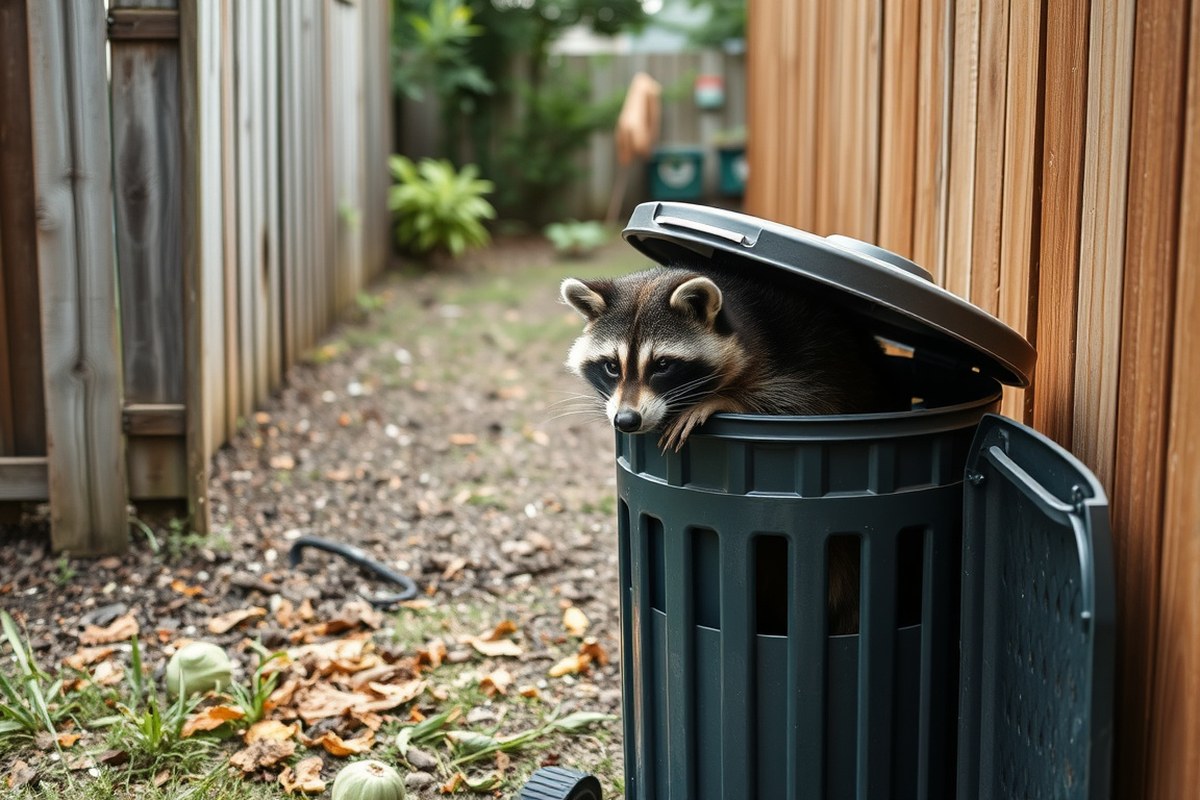
Raccoons are drawn to your yard or home mainly by available food, water, and shelter. They find their way inside through small gaps or damaged areas in your home’s exterior. Identifying these attractants and entry points is important to preventing a raccoon problem.
Common Food Sources for Raccoons
Raccoons forage for a variety of food, often focusing on easy, accessible sources like garbage, pet food left outside, birdseed, and fallen fruit from trees. Open trash bins are especially inviting because raccoons have nimble paws that let them open unsecured lids. Standing water in pet dishes or garden ponds also attracts them, as raccoons need water regularly.
To reduce their interest, start by securing trash containers with tight-fitting lids or placing heavy objects on top. Don’t leave pet food outside overnight, and clean up fallen fruit promptly. Eliminating or managing these elements significantly decreases the chance of raccoons hanging around your property.
Preferred Shelter Types Near Homes
Raccoons seek sheltered, dry places to rest and raise their young. They often use roof spaces, attics, crawl spaces, chimneys, and sheds that offer protection from weather and predators. Overgrown vegetation or woodpiles close to a house can provide easy hiding spots or access routes, especially if branches touch the roof.
Removing dense vegetation near the home and trimming tree branches at least 6 feet away from the roof can discourage raccoons from using these routes. Clearing brush piles and sealing gaps around sheds and outbuildings also reduces appealing shelter options close to your property.
Typical Home Entry Points Used
Raccoons commonly get inside through broken vents, uncapped chimneys, damaged soffits, loose siding, or holes around plumbing and wiring penetrations. They also squeeze through gaps under decks or porches and torn window screens. Because they can climb well, raccoons use tree branches touching the roof or neighboring structures as bridges to reach upper-level openings.
Inspect your home thoroughly for any such openings, focusing on the roofline and foundation areas. Place newspaper or lightweight strips of fabric over suspected entry points at night; if disturbed by morning, that spot is likely active. Repair broken vents, cap chimneys securely, and replace or patch any holes with durable materials like metal flashing or wire mesh to prevent re-entry.
Minimum Opening Sizes Raccoons Enter
Raccoons can squeeze through surprisingly small openings, holes as tiny as 4 inches in diameter can be enough for them to get inside. This means small gaps under doors or in damaged siding can provide access. Because they can manipulate and compress their bodies, even a narrow gap beneath a house or attic vent left unchecked could be an entry point.
Cover potential entry holes with heavy-duty wire mesh at least 0.5 inches thick to prevent raccoon intrusion. Seal cracks and gaps larger than 4 inches promptly. Routine inspections, especially before dusk when raccoons become active, help catch new openings early and avoid costly damages or infestations.
Always perform entry point checks during the late evening hours around 8:00 to 11:00 pm to catch raccoons outside their nests, making it easier to verify access.
3. Safe and Humane Methods to Get Rid of Raccoons
Safe and humane methods to get rid of raccoons include scent repellents, motion-activated sprinklers and lights, ultrasonic devices, and natural deterrents. These strategies avoid harming the animals while encouraging them to leave your property on their own. Understanding each option’s strengths and limitations helps you decide the best deterrent for your situation.
| Repellent Type | Effectiveness | How It Works | Maintenance / Cost |
|---|---|---|---|
| Scent-Based Repellents | Moderate | Uses smells raccoons dislike (e.g., predator urine, ammonia) | Reapply every few days; low to moderate cost ($10, $30 per bottle) |
| Motion-Activated Sprinklers | High, short term | Sprays water when raccoons trigger sensors, startling them | Setup cost $50, $150; minimal upkeep |
| Motion-Activated Lights | High, short term | Sudden flashing lights scare raccoons, disrupting nighttime activity | $20, $100; occasional bulb replacement |
| Ultrasonic Devices | Low to moderate | Emits inaudible high-frequency sound that irritates raccoons | $30, $80; requires placement near activity zones |
| Natural Deterrents (e.g., predator urine) | Moderate | Mimics presence of natural raccoon predators | Needs frequent reapplication; cost varies ($15+) |
Scent repellents rely on odors that raccoons find unpleasant, such as predator urine from coyotes or foxes. These work by activating the raccoons’ natural fear responses. Ammonia-soaked rags are a cheap alternative but require replenishment every few days and can wash away with rain. Use scent repellents around entry points, garbage areas, or garden beds. Expect to reapply often, especially after rain or watering.
Motion-activated sprinklers and lights provide immediate deterrence by surprising raccoons with water bursts or sudden illumination. Raccoons prefer the dark and will avoid these sudden stimuli. Place sprinklers in areas where raccoons are active, such as near garbage bins or under decks, adjusting sensitivity to avoid false triggers from pets or wildlife that pose no threat. Motion lights installed around the perimeter of your home create a visual barrier during nocturnal hours. Both require some upfront investment but do not harm animals or the environment.
Ultrasonic devices emit sounds at frequencies irritating to raccoons but silent to people. Effectiveness varies because raccoons may become habituated and ignore the noise over time. Best used combined with other deterrents like lights or sprinklers. Position units near raccoon paths but avoid placing them where vegetation or structures block sound waves.
Natural deterrents such as predator urine mimic threats raccoons instinctively avoid. Continuous presence of these scents can keep raccoons at a distance, especially if combined with yard maintenance like removing food sources. Applying around common raccoon zones helps reinforce the perception of danger. Reapply every week or after rainfall to maintain effectiveness.
Choose deterrents based on your property’s specific raccoon activity and tolerance for maintenance. For instance, if you spot raccoon tracks near your garden and want a hands-off approach, a motion-activated sprinkler offers both humane treatment and immediate results at a reasonable cost. For steady, low-maintenance repellence around a wider area, scent repellents combined with motion-activated lights provide layered defense. Ultrasonic devices are a supplementary option but should not be the sole method due to variable results.
4. Trapping and Relocating Raccoons Humanely and Legally
Live trapping and relocating raccoons requires careful planning, legal compliance, and attention to animal welfare. You must use the right trap, bait it correctly, follow local laws on trapping and relocation, and release the raccoon far enough away to prevent its return. These steps ensure humane handling and better chances of solving raccoon issues without harm.
Choosing the Right Live Trap
Select a sturdy humane live trap designed for raccoons that measures at least 32 inches long and 10 to 12 inches wide. The trap should be strong enough to hold a raccoon weighing up to about 20 pounds without damage. Look for traps with a sensitive trigger mechanism and solid wire mesh construction to keep the raccoon safe inside without injury. Avoid small traps that might stress or hurt the animal.
Before use, inspect the trap for rust, sharp edges, and mechanical function. Place the trap on level ground and stabilize it to prevent tipping once set. Using a trap with these features protects both the raccoon and yourself during capture.
Baiting and Trap Placement Tips
The goal is to lure the raccoon fully inside the trap so it triggers the door. Use baits raccoons find irresistible like canned tuna, marshmallows, or unsalted peanut butter. Place the bait just past the trap trigger plate deep inside the trap to ensure the raccoon enters completely before it can take the bait.
Put the trap near raccoon pathways, garbage areas, or garden edges where you’ve seen signs of activity. Avoid placing traps in full sun or areas prone to flooding. Check the trap frequently at least twice a day, ideally morning and evening, to minimize stress on any captured animal and prevent overheating or dehydration.
Understanding Legal and Safety Requirements
Trapping and relocating raccoons must comply with state and local wildlife laws, which vary widely. Contact your local wildlife agency or animal control office to verify your area’s regulations before trapping. Some states prohibit relocation or require permits, while others mandate euthanasia after capture. Use a checklist before starting:
- Confirm if live trapping without a permit is allowed.
- Check if relocation is legal and what distances apply.
- Learn required trapping seasons or restrictions.
- Ask about required handling and euthanasia policies.
Follow safety precautions such as wearing gloves when handling traps and avoiding direct contact with raccoon saliva or feces, which can carry disease. Cover the trap with a blanket after capture to keep the raccoon calm during transport.
Proper Relocation Distance and Habitat Selection
Relocate the raccoon at least 10 miles from your property to reduce the chance it finds its way back. Select a wooded, water-rich habitat with natural shelters and food sources to give the raccoon a reasonable chance to survive and reduce conflicts with other people.
Do not release raccoons near residential areas, parks, or busy roads, which expose them to hazards and complaints. Avoid relocating mothers with young kits; they are best addressed by professionals or during times when kits can survive independently, generally after 10 weeks old per the Humane Society of the United States.
- Verify local laws and obtain permits if required.
- Choose and prepare a sturdy live trap for raccoons.
- Place bait at the far end of the trap beyond the trigger.
- Set trap along raccoon activity paths and check it twice daily.
- Once trapped, cover the cage with a blanket and handle cautiously.
- Transport the raccoon to a suitable site at least 10 miles away.
- Release the animal carefully, avoiding residential or hazardous areas.
- Clean and disinfect the trap after use following safety guidelines.
5. Physical Exclusion: Securing Your Home and Yard Against Raccoons
To effectively keep raccoons out of your yard and garden, use fencing that stands at least 4 feet tall. The top 12 to 18 inches should angle outward at 45 degrees to prevent climbing. The fence mesh should have openings no larger than 2 to 3 inches to prevent raccoons from squeezing through. Bury the bottom of the fence at least 6 to 12 inches underground or install a skirt extending out horizontally underground about 12 inches to stop digging under the barrier.
For gardens, a 4-foot fence with a 12-inch underground barrier and a 45-degree outward bend at the top is ideal. Around decks or raised areas, install wire mesh to block access underneath where raccoons might nest. Securing the top edge of all fencing firmly to your structure ensures raccoons can’t pry it away with their strong paws.
Sealing entry points on your home is important to exclude raccoons from attics, chimneys, vents, and roofs. Start by inspecting areas where raccoons can enter. Use sturdy wire mesh with 2-inch or smaller openings, galvanized or stainless steel for weather resistance. Attach mesh securely to cover vent openings and chimney caps. Seal gaps around eaves, soffits, and roof vents with high-quality metal flashing or hardware cloth, avoiding materials like plastic or fabric that raccoons can tear.
Regular inspections during late spring and early fall help spot new entry points or damage from raccoons attempting to enter. Look for loose siding, torn vents, or damaged chimney screens. Promptly repair or reinforce these weak spots. Consider installing chimney caps made of heavy-duty metal mesh to block entry but still allow smoke to escape.
- Fence height: minimum 4 feet with 12, 18 inch outward bend at the top
- Mesh size: openings no larger than 2 to 3 inches
- Bury fence or install underground skirt at least 6 to 12 inches deep
- Use galvanized or stainless steel hardware cloth for mesh around vents and chimneys
- Inspect potential entry points seasonally and repair immediately
- Secure all fence edges firmly to structures to prevent prying
- Install chimney caps with metal mesh for smoke ventilation and raccoon exclusion
Always seal entry points only after confirming raccoons have left to avoid trapping them inside your home.
Costs for fencing materials vary but expect $1 to $3 per square foot for wire mesh fencing. Hardware cloth rolls suitable for sealing vents and chimneys can cost around $20 to $50 depending on quantity and quality. Regular inspections and maintenance take about 30 minutes every few months but help prevent costly raccoon damage. Well-installed exclusion barriers show no signs of raccoon damage or new entry attempts within weeks.
6. Managing Food Sources and Trash to Deter Raccoons Long-Term
Effectively deterring raccoons starts with securing food sources and trash. Use heavy-duty trash cans made of metal or thick plastic with tightly fitting, locking lids. Raccoons are skilled at opening unsecured containers, so lids with built-in locks or additional bungee cords or metal clamps are advisable. Store trash cans in garages or sheds whenever possible, especially overnight. This reduces raccoon access and discourages them from visiting repeatedly.
Never leave pet food outside overnight, as this establishes predictable feeding routines that attract raccoons. Clean up any spilled birdseed from feeders daily and consider removing feeders at night. Switching to raccoon-proof bird feeders designed with weight-activated closing lids can help, though completely removing feeders overnight is more reliable when raccoons persist. Store birdseed in sealed metal containers or indoors.
Compost bins can also attract raccoons if not properly managed. Use sealed compost bins with secure lids and avoid adding meat, dairy, or oily foods that produce strong odors. Cover fresh scraps with a layer of soil, dry leaves, or mulch to reduce smells and hinder raccoons from smelling and accessing the food. Keeping compost bins away from structures like barns, attics, or crawl spaces reduces the chance raccoons will claim a nearby shelter.
- Choose metal or thick plastic trash cans with locking lids
- Use bungee cords or metal clamps for additional lid security
- Store trash cans indoors or in secured sheds, especially overnight
- Remove pet food and bird feeders at night
- Use spill-proof or weight-activated bird feeders
- Store birdseed in sealed metal containers indoors
- Cover compost scraps with soil or dry leaves; use sealed bins
Common mistakes include leaving trash cans accessible without secure lids, leaving pet food or birdseed out all night, and neglecting to cover compost scraps properly. These oversights provide easy meals, encouraging raccoons to return. Another frequent error involves relying solely on motion-activated lights or sprinklers without addressing food sources. Without eliminating attractants, these devices may only offer temporary relief. A consistent routine of removing or securing all food offerings each evening is necessary for lasting results.
Maintaining good trash hygiene and controlling food sources around your property significantly reduces raccoon activity. Costs vary depending on the products chosen; locking trash cans range from $30 to over $100 each, raccoon-proof bird feeders typically cost $25 to $60, and sealed compost bins are priced between $50 and $150. These investments prevent property damage such as knocked-over cans, scattered debris, and garden losses, saving time and money on cleanup and repairs.
7. When to Call Professionals and What to Expect Cost-Wise
Hiring a professional raccoon removal service often makes sense when raccoons have nested in hard-to-reach places or when you face health risks from diseases they carry. On average, professional removal costs range from $350 to $600, covering trapping, eviction, and cleanup. This investment usually saves time and reduces risks compared to DIY attempts, especially when young raccoons are present or raccoons occupy attics or crawl spaces.
Cost Breakdown of Professional Services
Professional raccoon removal costs depend on the scope of the problem and added cleanup needs. Basic removal usually involves trapping and eviction. When raccoons have lived on your property for a while, feces cleanup may be required under CDC recommendations, which can increase costs. Some situations may also require installing exclusion devices such as one-way doors.
| Service Component | Typical Cost Range | Average Time Required |
|---|---|---|
| Trapping and Eviction | $250 – $450 | 1 to 2 days |
| Feces (Latrine) Cleanup | $100 – $250 | 1 day |
| One-Way Door Installation | $75 – $150 | Several hours |
| Full Infestation Treatment | $350 – $600 | 2 to 3 days |
Cost varies based on region, severity, and whether additional repairs are needed after removal. Professional services may also include advice to prevent future infestations, adding value for the price.
When Professional Help Is Recommended
Calling a professional is advisable if raccoons are inside attics, crawl spaces, or other confined areas you cannot reach. Professionals have the training and equipment to install exclusion devices safely and humanely, such as one-way doors that let raccoons leave but not return.
Upon identifying raccoon young on site, avoid trapping or eviction yourself, as separating young from the mother can cause harm. Professionals know how to time removal correctly or relocate entire family groups humanely.
Persistent raccoon problems that DIY methods fail to resolve also call for expert assistance. Licensed pest control pros can inspect your property, diagnose infestation extent, and formulate a complete removal plan.
Rabies and Disease Risks
Raccoons can carry rabies, which poses a serious risk to humans and pets. Exposure, bites, or scratches from raccoons should lead to immediate contact with animal control or professional wildlife removal to safely manage the threat. Besides rabies, raccoons may also transmit raccoon roundworm, leptospirosis, and other parasites.
When raccoon feces accumulate on your property, it is critical to follow Centers for Disease Control guidelines or hire cleanup professionals. The feces can harbor infectious agents harmful to humans, especially children and those with weakened immune systems.
Handling raccoons or their waste without protective gear increases your risk of disease. Professionals use proper safety protocols to mitigate these hazards during removal and sanitation efforts.
DIY vs Professional Comparison
DIY raccoon removal can seem less expensive initially but has limitations and risks. Trapping and evicting raccoons yourself require knowledge of local wildlife laws, timing to avoid harming young, and precautions against bites. Re-entry by raccoons is common without effective exclusion, possibly requiring repeated efforts.
Professionals provide safer, humane, and often more lasting outcomes. They also address sanitation and structural repairs, which DIY methods might overlook, reducing the chance of reinfestation. Hiring experts limits your personal exposure to disease-carrying animals and ensures compliance with local regulations that sometimes require licensing for wildlife handling. Here’s a decision tree to help determine if professional help is necessary:
- Is the raccoon inside your home, attic, or crawl space? Yes: Call a professional.
- Are young raccoons present? Yes: Avoid DIY removal and contact professionals.
- Do you have accumulated raccoon feces or urine contamination? Yes: Hire cleanup specialists or follow CDC sanitation protocols.
- Has DIY trapping and exclusion failed after multiple attempts? Yes: Seek professional removal service.
- No to all above? Basic humane harassment or exclusion DIY methods might be attempted with caution.
8. Seasonal Behavior and Long-Term Prevention of Raccoon Problems
Raccoon activity changes throughout the year, influencing how you control and prevent problems. In early spring, female raccoons give birth to babies, or kits, which stay in dens for about two months. During this time, adult raccoons focus on sheltering and feeding their young, so disturbances may cause them to move kits elsewhere. Summer and fall bring increased foraging as raccoons prepare for winter, often making food sources around homes more attractive. By late fall and winter, raccoons may shelter in dens for extended periods, reducing daytime activity but not completely disappearing from properties.
Maintaining prevention after raccoon removal requires consistent application of multiple strategies tailored to seasonal behavior. For example, sealing entry points and securing trash cans year-round blocks access when raccoons are most active. Natural repellents with strong odors should be reapplied every few weeks, especially in spring and fall when raccoons intensify foraging. Electric fences can be safe and effective if installed correctly, delivering low-voltage shocks that deter raccoons without harming them or other wildlife. These fences require regular checks for plant overgrowth or damage to maintain their function.
Long-term prevention also means understanding local risks based on your region’s climate and raccoon patterns. In warmer southern states, raccoons may remain active all winter, requiring ongoing deterrent effort. In colder northern areas, focus on blocking den entry points and reducing attractants before winter when raccoons seek shelter. Avoid methods that risk injury or violate local laws, such as poisons or unauthorized relocation. Consulting local animal control ensures you use legal, humane approaches, minimizing harm to raccoons and non-target animals.
Because raccoons adapt quickly to new deterrents, switching up techniques helps maintain effectiveness. Use a combination of motion-activated lights, sound devices, and odor repellents. Monitor problem areas seasonally and repair any new access points, damage, or baited food containers immediately. Effective prevention is a year-round commitment that balances humane exclusion with consistent environmental management.
Check for new access points and reapply repellents every two to four weeks, especially during spring and fall when raccoons increase activity around your property.
Step-by-Step Action Plan to Get Rid of Raccoons
Follow this quick-start plan to identify raccoon activity, remove them humanely, and secure your property to keep them away for good.
- Day 1: Inspect Your Property, Look for raccoon signs like tracks, droppings, or damage near trash cans and under decks. Finding these signs confirms they are active around your home.
- Day 2: Remove Attractants, Secure trash in raccoon-proof containers and take pet food inside at night. Confirm success by noticing less raccoon activity within a few nights.
- Week 1: Seal Entry Points, Close gaps around your roof, vents, and crawl spaces using sturdy materials to block raccoon access. Test by checking for fresh raccoon signs after a week.
- Week 2: Set Humane Traps if Needed, Place live traps where you’ve seen raccoon activity, baited appropriately. Monitor traps daily and release raccoons legally according to local regulations.
- Week 3: Clean and Disinfect, Remove raccoon waste safely using gloves and disinfect affected areas to reduce odors that attract them back.
- Month 1: Maintain Yard and Trash Practices, Keep your yard free of fallen fruit and secure compost bins. Gauge progress by fewer signs of raccoons over the next month.
- Ongoing: Monitor Seasonal Changes, Watch for increased raccoon activity in spring and summer and reinforce exclusion measures seasonally to prevent return.
- Anytime: Contact Professionals as Needed, Call a licensed wildlife specialist if raccoon problems persist or if you find young animals in a den.
Frequently Asked Questions
What Are the Signs That Raccoons Are Living Under My Porch?
Common signs include scratching noises, overturned trash, and raccoon tracks. You might also see droppings or damage to wood and insulation under the porch.
Can Raccoons Damage Electrical Wiring in My Attic?
Yes, raccoons can chew on wiring, causing fire hazards and electrical problems. Inspect your attic regularly to catch early signs of damage.
Are Ultrasonic Devices Effective at Deterring Raccoons?
Ultrasonic devices may deter raccoons temporarily, but their effectiveness is limited. Raccoons can get used to the noise, so don’t rely on them alone.
Can I Use Repellents Safely Around Pets and Children?
Some repellents are safe if used according to directions, but always check the label before applying. Avoid harmful chemicals and keep pets and kids away during treatment.
Is It Legal to Trap and Relocate Raccoons in Residential Areas?
Laws vary by state, but many require permits to trap and relocate raccoons. Always check local regulations to avoid fines or legal issues.
Do Raccoons Return If I Only Seal One Access Point Around My Home?
Raccoons are skilled at finding alternate entry points. Sealing all possible access points is necessary to keep them out permanently.
Wrapping Up
Getting rid of raccoons requires patience and a combined approach of securing your property and removing attractants. Start by inspecting your yard today for any food sources like accessible trash bins or pet food left outside. Taking this step helps reduce raccoon visits and protects your home from future problems.