

How to Get Rid of Roaches: 8 Proven Steps for Complete Eradication
To get rid of roaches effectively, start by identifying the infestation and sealing their entry points. Use proven treatments like boric acid, diatomaceous earth, or baking soda, combined with traps and proper sanitation. Cleanup after treatment and ongoing maintenance prevent roaches from coming back.
This advice targets homeowners, renters, and DIYers dealing with roach infestations who want complete eradication using safe and practical methods. You’ll learn key steps including identifying roach hiding spots, selecting the right treatments, and knowing when professional help is needed for long-term control.
Key Takeaways
- Look for flat, oval-shaped roaches between ¾ and 2 inches long, reddish-brown with yellow markings, especially at night.
- Check under sinks, inside cabinets, and along baseboards, since roaches hide in warm, dark, and moist areas attracted by food and water.
- Seal cracks, gaps, and openings around doors, windows, and pipes to block roaches from entering your home.
- Apply boric acid mixed with baking soda or use diatomaceous earth in roach-prone areas, avoiding pets and humans to prevent irritation.
- Place bait stations or glue traps near roach entry points and dark corners to catch and monitor roach populations effectively.
- After treatments, clean surfaces and dispose of dead roaches to reduce allergens and prevent reinfestation.
1. How to Identify a Roach Infestation in Your Home
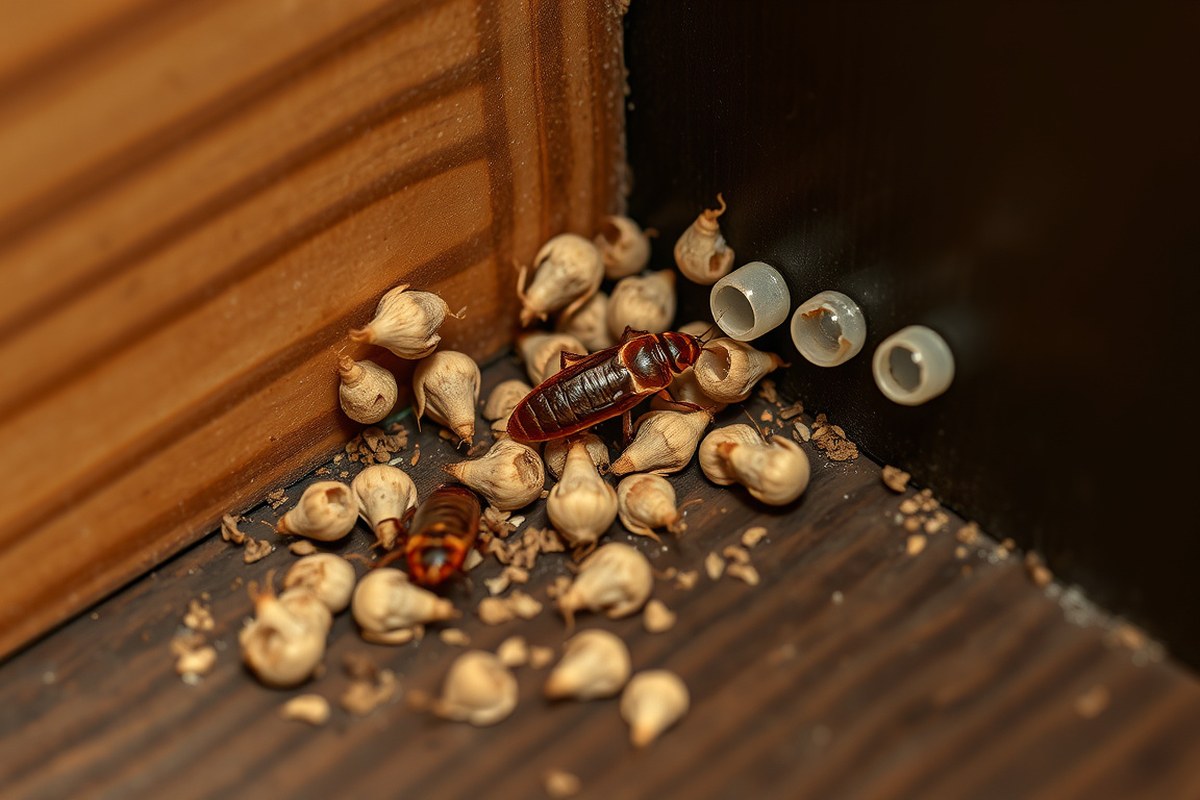
Identifying a roach infestation starts with spotting certain signs and knowing which species you might be dealing with. Roaches are nocturnal, so sighting live ones during the day often signals a serious problem. Look for small, dark droppings resembling black pepper or coffee grounds, egg cases that are oval and brown, shed skins, and a musty, oily odor in severe infestations. Roaches often leave smudge marks or streaks along walls, baseboards, and cabinets, especially near food and water sources.
The most common cockroach species indoors in the U.S. Are German, American, and brown-banded roaches. Each has its own habits and preferred hiding spots, which can guide your inspection. German cockroaches are small, about 1/2 to 5/8 inch long, light brown with two dark parallel stripes behind their heads. They reproduce rapidly and prefer kitchens and bathrooms, often hiding in cracks, behind appliances, and inside cabinets. American cockroaches are larger, roughly 1 3/4 to 2 inches long, reddish-brown with a yellowish figure-8 pattern on the back of their heads. They prefer damp, dark places like basements, crawl spaces, and sewers but can also enter homes. Brown-banded roaches are smaller, around 1/2 inch, light brown with two light bands across their wings. They look for warm, dry spots such as inside electronics, picture frames, and upper cupboards.
Distinguishing these species is key for effective treatment because each requires a different approach. German roaches are the most challenging due to quick reproduction and pesticide resistance. American roaches are bigger but often controlled with exclusion and reducing outdoor attractants. Brown-banded roaches are harder to find and require thorough inspection of high and dry areas.
| Species | Description | Size | Common Hiding Spots | Difficulty of Control |
|---|---|---|---|---|
| German Cockroach | Light brown with two dark stripes behind the head; fast reproducer | 1/2, 5/8 inch | Cracks, kitchen and bathroom areas | Difficult |
| American Cockroach | Large reddish-brown with yellow figure-8 on head | 1 3/4, 2 inches | Damp basements, outdoors, crawl spaces | Relatively difficult |
| Brown-banded Cockroach | Light brown with two pale bands; prefers dry areas | 1/2 inch | Warm, dry spots like electronics and upper cupboards | Difficult |
| Oriental Cockroach | Glossy dark brown or black; slower mover | 1, 1 1/4 inches | Damp, dark areas such as basements | Difficult |
Use this checklist to assess your infestation: Check kitchens and bathrooms for droppings and egg cases (smaller ovals for German roaches, larger for American). Inspect behind appliances, under sinks, and inside cupboards. Look for live roaches at night with a flashlight. Note size and color to help with identification. Roach odors indicate heavy infestations. The higher the number of sightings and signs, the closer you are to a full infestation requiring complete treatment.
2. Where Roaches Hide and What Attracts Them Indoors

Roaches usually hide in dark, warm, and moist places near food and water sources. They are attracted to leftover crumbs, standing water, and clutter that offers shelter. Removing these attractants helps stop infestations before they grow.
Common Roach Harboring Areas
Roaches prefer to stay hidden during the day and come out at night to find food and water. They often nest in cracks, crevices, and tight spaces near kitchens and bathrooms because these areas provide warmth and moisture. Inspect these key places regularly to identify roach activity early.
- Under and behind sinks and cabinets
- Inside kitchen cabinets and pantry shelves
- Behind stoves and refrigerators
- Cracks and gaps along baseboards and molding
- Spaces around plumbing pipes and drains
- Inside wall voids or behind appliances
Checking these spots thoroughly lets you target infestations effectively. Remove food crumbs and fix leaks there to discourage roaches from settling.
Indoor Food Sources That Lure Roaches
Roaches seek leftover food and crumbs found in kitchens and dining areas. Even tiny bits left on counters or floors will attract them. Storing food properly and cleaning up quickly reduces their food supply significantly.
- Uncovered food on counters or in open containers
- Crumbs and spills on kitchen floors and tables
- Pet food left out overnight
- Garbage and recycling bins not sealed tightly
- Cardboard boxes stored near food prep areas
Use airtight containers for pantry staples and discard trash frequently. Wiping down all food surfaces daily removes crumbs that invite roaches to stay.
Discard trash bags in sealed bins located outside or far from the house to avoid attracting roaches near your home’s entry points.
Water Access Points Roaches Use
Water is essential for roaches, so they target any moist spot they can find. Leaky pipes, dripping faucets, or standing water in sinks offer them the hydration needed to survive. Fixing leaks and drying wet areas helps cut off this resource.
- Dripping faucets in kitchens and bathrooms
- Leaks under sinks and around plumbing joints
- Standing water in pet bowls left overnight
- Damp areas inside cabinets and near drains
- Condensation on windows or pipes
Keep surfaces dry and repair any plumbing issues quickly. Roaches will avoid places where water is difficult to access.
Cluttered Spaces Encouraging Roach Activity
Clutter provides shelter and hiding spots for roaches to breed safely. They thrive in piles of cardboard, paper, and stored items that create darkness and protection. Reducing clutter removes these comfortable habitats.
- Stacks of cardboard boxes in storage rooms or basements
- Piles of newspapers, magazines, or mail
- Untidy closets and storage areas with unused items
- Excess cardboard or paper near garbage containers
- Unorganized piles of clothes or fabric
Organize and declutter storage spaces regularly. Keep cardboard and paper away from food prep and trash areas to limit roach harborage.
3. How to Seal Entry Points to Prevent Roach Access
Sealing entry points is one of the most effective ways to stop roaches from getting into your home. Roaches often sneak inside through cracks, gaps around plumbing, and crevices near kitchen backsplashes or walls. Blocking these access points cuts off their routes, reducing the chance of an infestation or re-infestation. This step works best combined with good sanitation and targeted treatments.
For sealing, use high-quality materials designed to fill gaps permanently. Silicone caulk works well for cracks around sinks, backsplashes, and baseboards because it remains flexible and water-resistant. Expanding foam is good for larger holes around pipes or vents but should be trimmed and sealed over with caulk for a neat finish. For rough or uneven surfaces, a combination of steel wool and caulk stops roaches that can chew through softer materials.
Focus first on entry points that are easiest for roaches to use and most common in your home, like around plumbing fixtures, under sinks, cabinets, and areas where walls meet floors. Prioritize spots where you’ve seen roach activity or signs like droppings and shed skins. Larger infestations require sealing more openings and may benefit from a professional pest inspection before sealing. Use the following steps to seal entry points effectively:
- Inspect your home: Look for cracks, gaps, and holes around plumbing, appliances, and walls. Check behind and under sinks, near water pipes, and around door and window frames.
- Clean the area: Remove dirt, dust, grease, and old caulking from cracks and gaps. This helps new sealants stick better and prevents crevice hiding spots.
- Choose appropriate sealing materials: Use silicone caulk for small cracks and gaps, expanding foam for larger holes, and steel wool as a barrier where roaches might chew through.
- Apply sealants carefully: Use a caulking gun or applicator to fill cracks fully, smoothing the caulk with a wet finger or tool for a tight seal. Fill larger holes with foam, then cover with caulk once dry.
- Check and seal around plumbing: Pay close attention to pipe entrances in walls and under sinks. Seal these gaps tightly, as roaches often enter here.
- Verify sealing effectiveness: After sealing, monitor for roach activity. Use roach baits near sealed areas to check for any entry attempts.
- Maintain seals regularly: Inspect sealed areas every few months for cracks that may reopen due to settling or wear. Re-caulk or patch as needed to keep roaches out.
Cost for sealing supplies generally ranges from $10 to $30 for caulk and foam tubs, available at hardware stores. Caulking takes a few hours for a typical kitchen or bathroom area but might extend if many cracks exist.
Good results show no new roach sightings near sealed areas within weeks. Common problems include incomplete filling of cracks or reopening due to neglected repairs.
4. Effective DIY Roach Treatments: Boric Acid, Baking Soda, and Diatomaceous Earth
Boric acid, baking soda, and diatomaceous earth are effective DIY treatments to kill roaches when used correctly. Boric acid works as a poison that damages roaches’ digestive systems, baking soda kills roaches after ingestion combined with bait, and diatomaceous earth physically damages their exoskeleton, leading to dehydration. Natural remedies like neem and peppermint oils repel roaches but do not kill them instantly. Proper application ensures safety for humans and pets while maximizing impact on roaches.
Boric Acid: Application and Safety Tips
Boric acid is a potent roach killer that acts slowly by damaging their digestive systems after ingestion. To apply it effectively, mix equal parts boric acid, flour, and confectioners’ sugar into a dough. The flour and sugar attract the roaches, and the boric acid kills them. Form small balls about the size of a pea and place them in hidden corners, under sinks, behind appliances, and inside cabinets where roaches commonly hide.
Apply boric acid only in dry areas away from food preparation surfaces and out of reach of children and pets. The powder sticks best to cracks and crevices where roaches travel, but avoid spreading it openly on floors where it might be disturbed. Wipe up excess after a couple of weeks once you notice fewer signs of roaches. While boric acid is low in toxicity to humans and pets, avoid inhaling the dust, and always wash your hands after handling.
Baking Soda Baits: How They Work
Baking soda alone is not an insecticide but it becomes lethal when mixed with bait ingredients like sugar or syrup that attract cockroaches. When roaches consume the mixture, the baking soda reacts with the acid in their digestive systems, producing gas that kills them. To make a safe DIY bait, mix equal parts baking soda and sugar or another sweet ingredient, then place small amounts in shallow containers or on cardboard pieces in areas where roaches are active.
This method is safe for use around pets and children because baking soda is non-toxic, but keep baits out of reach to prevent accidental ingestion of the sugar. Results usually appear overnight, but repeated application is necessary since not every roach will feed immediately. Baking soda baits are less effective against heavy infestations because they do not provide a residual effect like boric acid or diatomaceous earth.
Using Diatomaceous Earth Properly
Diatomaceous earth (DE) is a food-grade powder made from fossilized algae that kills roaches by damaging their protective exoskeletons, causing them to dry out and die. To use it, dust thin layers in dry areas where roaches travel, including behind appliances, along baseboards, and inside cabinets. Avoid thick piles because roaches can avoid them, and the powder should remain dry to be effective.
Food-grade DE is safe for use around children and pets, but inhaling the fine dust should be avoided by wearing a mask during application. Keep the powder away from humid areas such as sinks or bathrooms, where moisture reduces its effectiveness. Reapply after cleaning or heavy dust disturbance, and expect results within a few days to a week as roaches walk through it.
Essential Oils That Repel Roaches
Natural oils like peppermint and neem oil work as roach repellents rather than killers. Peppermint oil has a strong scent that masks the chemical trails roaches use to navigate. Mix 10 to 15 drops of peppermint oil with about one cup of water in a spray bottle and apply to baseboards, corners, and entry points. Repeat every few days or after cleaning.
Naturally derived neem oil acts as a repellent and insect growth disruptor. Dilute it at a rate of 2 teaspoons per cup of water with a few drops of mild soap to help it mix. Spray neem oil in bedrooms, closets, and dark areas where roaches rest. While these oils are safer for use around people and pets, they do not kill roaches immediately and should be part of an integrated approach including cleaning and sealing entry points.
5. Using Traps and Baits to Monitor and Reduce Roach Populations
Glue traps and commercial cockroach baits serve as effective tools to monitor and gradually reduce roach populations. Glue traps catch roaches as they move through known pathways, while bait stations attract roaches with poison they consume and carry back to their nests. Baits typically take several weeks to kill roaches because they work slowly, targeting adults and newly hatched nymphs. Expect to see dead roaches accumulate over 2 to 4 weeks. Full elimination can take months since bait doesn’t instantly kill or remove eggs.
Glue traps alone won’t eliminate an infestation. Their primary purpose is to detect where roaches travel and how many are present so you can target treatment effectively. Bait stations reduce roach numbers but require multiple placements. Most baits need to be within 2 feet of roach hiding spots or travel routes, often requiring many bait stations depending on your home’s size and infestation severity. Focus on placing traps and baits near dark, moist areas where roaches prefer to hide. This means placing them:
- Under sinks and around plumbing in kitchens and bathrooms
- Behind and beneath appliances such as refrigerators, stoves, and dishwashers
- Along baseboards and behind cabinets where roaches travel
- Near trash cans and crawl spaces
- Next to suspected entry points or cracks around doors and windows
- In corners and dark crevices where glue traps won’t obstruct daily use
Set bait stations and glue traps in these key areas. Check traps weekly to monitor progress. When roach activity decreases, continue refilling or replacing baits as needed. If trap catches remain high after 4 to 6 weeks, move the bait station slightly or add more in untargeted areas. Baits last about three months, after which they should be replaced to maintain effectiveness.
When using gel baits, apply small pea-sized dots or thin lines in cracks, crevices, and spots inaccessible to children or pets. Avoid spraying insecticide directly on bait stations. Glue traps should be placed discreetly to avoid disturbance but close enough to catch roach pathways for effective monitoring.
Don’t rely solely on traps; combining bait with habitat cleanup and sealing reduces roach survival and speeds up eradication.
6. Safety and Cleanup After Roach Treatments
Using chemical sprays or foggers to control roaches requires strict safety precautions to protect your health and that of your household. Before application, remove all people, pets, and plants from the treated area. Ventilate the space well by opening windows and doors after treatment, and stay out of the home for at least 2 to 4 hours if using total release foggers or bombs. Wear gloves and a mask when handling these products or cleaning treated areas to avoid inhaling or touching harmful residues. Always follow label instructions exactly, including recommended amounts and targeted application zones, to avoid unnecessary exposure or damage to surfaces. Concentrates and gels applied in small amounts directly in cracks and crevices are often safer alternatives for targeting hidden roach populations.
After treatment, cleaning up roach droppings and dead roaches is critical to reduce health risks and prevent further contamination. Roach feces contain allergens and bacteria that can trigger allergic reactions, worsen asthma, and potentially spread diseases. Use disposable gloves and a face mask during cleanup to limit contact and inhalation of allergens. Avoid dry sweeping or vacuuming droppings, as this can release dust and allergens into the air. Instead, wipe the area with a damp cloth or mop using a disinfectant cleaner or a mixture of water and mild detergent. Dispose of dead roaches promptly in a sealed bag to discourage other pests and avoid odors. Regular cleaning of kitchen and bathroom surfaces reduces leftover food particles and nesting areas, supporting the effectiveness of any chemical treatments used.
A step-by-step checklist for safe chemical treatment and cleanup would begin with preparing the treatment zone by removing people, pets, and food items. Apply insecticides only to intended areas, such as under appliances, along baseboards, and inside cabinets, taking care to spot-treat rather than blanket-spray. After treatment, allow the product to dry fully before re-entering the area. Put on gloves and a mask to wipe down surfaces where roach droppings or corpses were visible, using a disinfectant solution. Seal and discard all waste and wash hands thoroughly afterward. Costs for these supplies are generally low: disposable gloves and masks can be found for under $10 total, while disinfectant cleaners are commonly available for $3 to $6 per bottle. Good results look like the absence of live roaches, no lingering chemical odors, and clean, allergen-free surfaces. Poor results often come from incomplete application of insecticides or neglecting the cleanup step, which allows allergens and bacteria to persist.
7. Combining Treatments and Knowing When to Call a Professional
You can combine multiple DIY roach treatments safely and effectively by using products that target roaches differently without overlapping harmful chemicals. For example, apply boric acid powder in cracks and crevices where roaches hide, while placing gel baits in areas they frequent for feeding. Diatomaceous earth can be dusted lightly in less accessible spots like behind appliances. Avoid mixing chemical sprays directly with powders or baits to prevent reduced effectiveness and unintended exposure. Always follow label instructions for application amounts and drying times, and keep children and pets away while treatments work.
Using several methods at once helps attack the roach population from different angles, increasing your chances of getting rid of them fully. Maintain strict sanitation by cleaning food crumbs and fixing leaks since roaches thrive in dirty, moist environments. Monitor progress with sticky traps to see if numbers drop after one to two weeks. When roach activity continues despite your efforts, considering professional pest control services may be necessary.
Call a professional exterminator when you notice large numbers of roaches, especially multiple species or signs of breeding grounds in walls. Expensive or prolonged infestations often require stronger commercial gel baits or insect growth regulators that only licensed applicators can use. In apartments or multi-unit buildings, coordinate with property management since roaches can easily spread between units, making DIY methods insufficient on their own. Professionals also identify and treat hidden nesting areas you might miss.
Here is a simple decision guide for escalating control steps: start with sanitation and sealing entry points, then apply combined DIY treatments for 2-4 weeks while monitoring. When infestation remains or worsens, call a pest control company promptly.
| Control Method | Typical Cost | Effectiveness |
|---|---|---|
| DIY Treatments (powders, baits, traps) | $20 – $75 total | Effective for small infestations with consistent application |
| Professional Pest Control (initial service) | $150 – $400 per visit | High effectiveness for moderate to severe infestations; often includes follow-up |
| Professional Pest Control (ongoing maintenance) | $50 – $150 per month | Prevents recurring infestations and controls widespread problems |
DIY treatments cost significantly less and can be very effective for small infestations if you commit to repeated applications and cleanup. Professionals charge more due to specialized products, expertise, and warranty on their work. When cost is a concern but infestation grows beyond control after 4 weeks of DIY methods, investing in professional service can save money long term by stopping roaches quickly and reducing damage or contamination risks.
8. Preventing Future Roach Infestations with Ongoing Maintenance
Maintaining a roach-free home after treatment requires ongoing attention to cleanliness, moisture control, and sealing potential entry points. Regular inspection and adapting your approach based on roach activity help prevent reinfestation. Seasonal changes and local roach species also influence when and how you should maintain your defenses.
Common DIY Mistakes and How to Fix Them
Many people think that a single round of treatment is enough to keep roaches away, but roaches can return quickly if attractants remain. Failing to keep your home dry and clean, or leaving gaps and leaks unaddressed, undermines all your efforts. Another frequent mistake is relying solely on sprays without using baits or traps to monitor ongoing activity.
Correct these mistakes by focusing on key maintenance tasks continuously. Thoroughly vacuum and wipe surfaces, this removes not only food crumbs but also roach eggs and dead insects. Fix plumbing leaks within 24 hours to eliminate water sources roaches rely on. Use sealants or weatherstripping on doors, windows, and cracks to block new roach entry and migration.
- Keep kitchen counters and floors free of food debris and crumbs
- Store food in airtight containers and clean spills immediately
- Empty trash daily and use tight-fitting lids on trash cans
- Fix leaking pipes, faucets, and drains promptly to remove water sources
- Seal cracks around baseboards, plumbing, and doors using caulk or foam sealant
- Vacuum regularly, especially under appliances and in corners
- Rotate and replace bait stations to maintain effectiveness
Avoid “quick fix” sprays that only scatter roaches; this often causes them to spread into hidden areas, making infestations worse.
Seasonal Roach Behavior and Treatment Timing
Roach activity increases during warmer months, typically peaking from late spring through early fall. In temperate climates, roaches seek warmth and moisture indoors as temperatures drop in winter, which can prolong infestations. Smokybrown roaches, for example, are more active in summer and early fall and often enter homes from outside, so exterior maintenance is critical during these times.
Schedule intensive cleaning and sealant checks in early spring before roaches become active. Use baits and traps more aggressively in summer when populations grow rapidly. In fall, monitor for roaches moving indoors and address moisture problems that worsen as heating systems start running. Winter treatments should focus on sealing and maintaining dryness to prevent roaches from surviving inside.
| Season | Roach Activity | Best Maintenance Actions |
|---|---|---|
| Spring | Roaches become active | Deep cleaning, sealing cracks, place baits |
| Summer | Peak population growth | Increase trap monitoring, fix leaks promptly |
| Fall | Roaches seek indoor shelter | Moisture control, inspect entry points |
| Winter | Roaches survive indoors | Maintain dryness, minimize clutter, check seals |
How to Monitor Your Roach Control Progress
Tracking your success starts with regular inspection using traps placed in likely roach pathways such as under sinks, behind appliances, and near garbage areas. Check traps weekly and record the number of roaches caught. A steady decline over several weeks indicates your treatment and maintenance plan is working. If roach counts plateau or increase, reassess and strengthen your strategy.
Look for signs like new droppings, shed skins, or egg cases. Vacuuming frequently can remove these clues and help detect early reinfestation. Keep a simple log noting where and when you see activity; this data helps target stubborn areas.
Changing tactics might mean applying additional baits, sealing missed entry points, or increasing moisture control efforts. Persistent roaches after 4 to 6 weeks of consistent maintenance often signal a need for professional evaluation.
Step-by-Step Action Plan to Get Rid of Roaches
Follow these steps in order to identify, treat, and prevent roach infestations effectively. Each phase helps you check progress and adjust as needed.
- Day 1: Inspect and Identify, Look for signs like droppings, egg cases, and live roaches in typical hiding spots such as behind appliances and under sinks. Confirm the presence of roaches to target your treatments properly.
- Day 2: Seal Entry Points, Use caulk or weatherstripping to close gaps around doors, windows, pipes, and vents. Check your home again after sealing; fewer roaches near sealed areas shows success.
- Days 3, 5: Apply DIY Treatments, Spread boric acid or diatomaceous earth thinly in cracks, crevices, and along baseboards. Avoid applying in areas accessible to children or pets. Monitor roach activity and note any decrease in sightings.
- Day 6: Set Traps and Baits, Place sticky traps and bait stations near roach hideouts and along travel paths to capture or poison roaches. Check traps daily to track reduction in roach numbers.
- Week 2: Clean Thoroughly, Vacuum and dispose of dead roaches and debris from treatment areas. Wipe down surfaces to remove food residue and potential attractants. Reduced roach activity confirms cleaning effectiveness.
- Weeks 3, 4: Repeat Treatments and Monitor, Reapply powders and replace baits as directed by product instructions. Continue checking traps regularly. A steady drop or absence of roaches suggests successful control.
- Ongoing: Maintain Prevention, Keep your home dry and clean, store food in sealed containers, and inspect for new entry points monthly. Consistent prevention keeps roaches from returning.
- As Needed: Consult a Professional, If roaches persist after 4 weeks despite treatments, contact a licensed pest control expert for evaluation. Persistent infestations often require professional intervention.
Frequently Asked Questions
What Household Cleaners Can Help Remove Roach Trails?
Regular cleaning with bleach or ammonia-based cleaners can wipe out roach trails that attract others. Use them on floors and counters to reduce the scent markers roaches leave behind.
Is It Safe to Use Scented Candles to Repel Roaches?
Scented candles generally do not repel roaches effectively. They mask odors but won’t stop roaches from infesting your home.
Can Roaches Survive Without Food or Water?
Roaches can live up to a month without food but only about a week without water. Keeping your home dry reduces their survival chances.
Does Sunlight Help Reduce Roach Populations?
Sunlight can discourage roaches since they prefer dark, damp places. Open curtains and let natural light in regularly.
Are Sticky Traps Enough to Eliminate a Roach Infestation?
Sticky traps help monitor roach activity but won’t eliminate an infestation alone. Use them with other treatments for best results.
Can I Use Baking Soda Alone to Kill Roaches?
Baking soda can kill roaches but works best combined with bait and other methods for effective control.
Final Thoughts
Getting rid of roaches requires steady effort and the right combination of treatments to keep them from coming back. Start by inspecting your kitchen and bathroom for any cracks or gaps where roaches could sneak in, and seal these entry points today. Taking this first step helps block access and supports all other control methods you use in your home.




2 Comments