
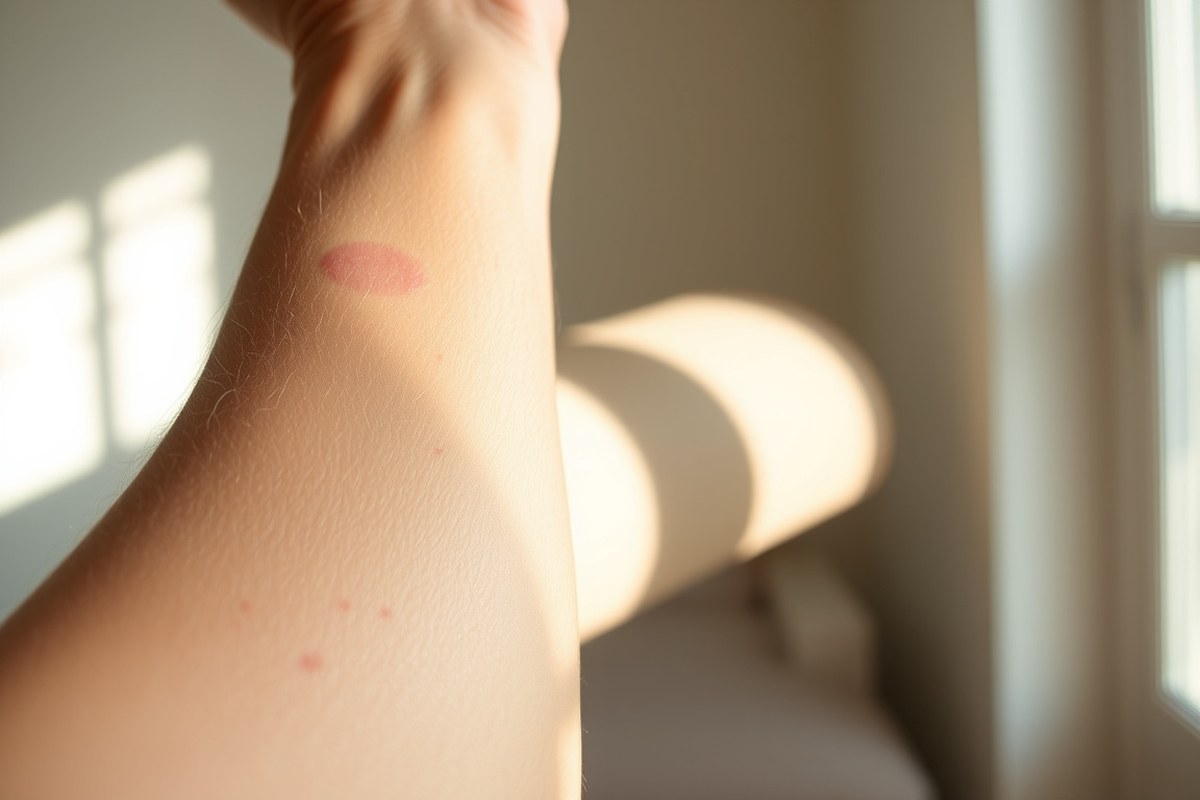
How to Get Rid of Shingles: 8 Proven Ways to Ease Symptoms and Heal Fast
To get rid of shingles quickly, start antiviral medication within 72 hours of noticing the rash. This is the most effective way to shorten the duration, typically 3 to 5 weeks. Alongside medication, using safe home remedies like oatmeal baths, apple cider vinegar, and lemon balm can relieve rash discomfort and reduce pain naturally.
This advice is for adults, especially those over 50, dealing with shingles symptoms or wanting to prevent complications like postherpetic neuralgia. You’ll learn how to manage pain with both over-the-counter and prescription options, recognize serious signs warranting emergency care, understand contagion and vaccination, and see how lifestyle choices can support faster healing.
Key Takeaways
- Start antiviral medication within 72 hours of shingles rash to shorten the illness and reduce complications.
- Acyclovir, valacyclovir, and famciclovir are effective antivirals commonly prescribed for shingles treatment.
- Use cool baths, icing (10 minutes on, 5 minutes off), and sports bandages to safely soothe rash pain and itchiness.
- Manage pain with over-the-counter options like acetaminophen or ibuprofen and consider prescription lidocaine patches for severe pain.
- Watch for postherpetic neuralgia, the most common complication, especially if pain persists beyond rash resolution.
- Seek emergency care if shingles affects the eyes, causes high fever, or leads to severe neurological symptoms.
1. What to Do Immediately After Spotting Shingles Symptoms

Shingles, or herpes zoster, is a painful skin eruption caused by the varicella zoster virus, the same one responsible for chickenpox. Initial symptoms often include a burning, tingling, or itchy feeling on one side of the body, along with headaches, flu-like signs, and sensitivity to bright light. The rash generally appears within a few days or weeks after these early signs. Recognizing these symptoms quickly and seeking treatment is key to controlling shingles and avoiding problems like postherpetic neuralgia (PHN), which impacts 10 to 18 percent of those affected.
Medical care should begin within 72 hours (3 days) after the rash appears because antiviral medications are most effective when started early. Delay beyond this window can reduce the benefits of treatment, resulting in longer pain and rash duration. People over 50 or those experiencing one-sided unexplained pain should consider the possibility of shingles and seek care quickly. Getting a professional diagnosis ensures the right treatment, as self-diagnosis and delay can lead to worse outcomes.
- Recognize symptoms early: Watch for pain, tingling, or itching localized to one side of your body, often before any skin changes. Accompanying symptoms include headache, fatigue, or fever.
- Check for rash development: A red, blistering rash usually follows these early signs. It generally forms in a stripe or band on one side, rarely crossing the midline.
- Contact your healthcare provider immediately: Call your doctor as soon as you notice the rash or suspect shingles. Make clear your symptoms, especially if you have facial involvement, weakened immunity, or are over 50.
- Begin antiviral treatment early: Your doctor will likely prescribe antiviral medication to start within 72 hours of rash appearance. These medications help slow rash progression and reduce pain duration.
- Follow your doctor’s directions strictly: Take the full antiviral course, usually 7 days, even if symptoms improve to reduce the risk of complications.
- Practice symptom control at home: Use cool compresses and keep the rash clean and dry to ease discomfort while waiting for treatment effects.
- Schedule follow-up if pain persists: If you experience ongoing nerve pain after the rash clears, see your doctor to assess for PHN and discuss pain management options.
Immediate medical evaluation is essential because antivirals, anti-inflammatory, and sometimes additional medications can significantly shorten the illness and reduce complications. Early care typically involves a short course of antiviral pills that your doctor will prescribe. These medications usually cost between $100 and $300 without insurance but are worth obtaining quickly to avoid more severe pain and longer recovery. Avoid using unproven home remedies as a substitute for medical treatment, though some, like lemon balm, may help complement care under a doctor’s supervision.
2. Antiviral Medications: Which Ones Work Best and How to Use Them
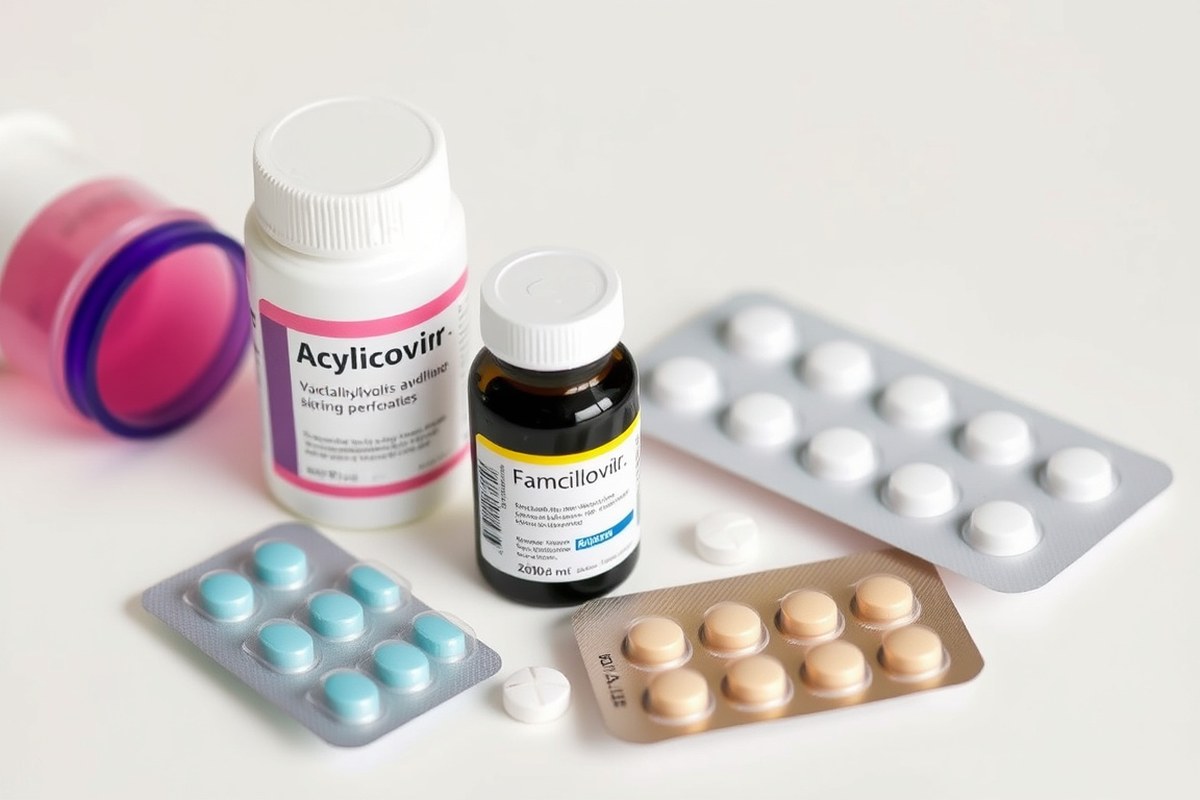
Three antiviral drugs, acyclovir, valacyclovir, and famciclovir, are commonly prescribed to treat shingles. They work by slowing the replication of the varicella-zoster virus, which causes the shingles rash, helping to speed healing and reduce pain. Starting these antivirals within 72 hours of rash appearance is critical for the best results. Treatment usually lasts about 7 days.
Acyclovir: Dosage and Effectiveness
Acyclovir is the most frequently prescribed antiviral for shingles. It requires a dosage of 800 mg taken five times daily, roughly every four hours, for 7 days. This frequent dosing can make it challenging to remember and maintain the schedule, especially if you already take multiple medications. Acyclovir helps reduce pain and speeds up the healing of blisters but achieves lower blood levels compared to the other options.
The drug is widely available and tends to be lower in cost than valacyclovir and famciclovir. However, its frequent dosing schedule may lead to lower adherence and less convenience. Due to this, healthcare providers sometimes favor valacyclovir or famciclovir for ease of use.
Valacyclovir: Benefits and Limitations
Valacyclovir, often known by its brand name Valtrex, offers improved convenience over acyclovir with a dosage of 1,000 mg taken three times daily for 7 days. This less frequent dosing can improve adherence, especially for those managing multiple pills or with busy schedules. Valacyclovir achieves higher blood levels of the active drug, which may improve effectiveness in reducing pain, itchiness, and speeding blister healing.
Despite these benefits, valacyclovir is typically more expensive than acyclovir, which can impact affordability for some patients. It remains an effective choice, particularly when taken promptly after symptoms begin, to potentially limit the severity and duration of shingles.
Famciclovir: When to Choose This Option
Famciclovir, known under the brand name Famvir, is prescribed at 500 mg three times daily for 7 days. Like valacyclovir, it is more convenient than acyclovir due to the reduced dosing frequency. It also achieves higher active drug levels in the blood, which may contribute to efficient viral suppression and symptom relief.
This medication can be a preferred choice when ease of use is important or when other antivirals cause adverse effects. It is similarly priced to valacyclovir and used as a solid alternative, but it is not a cure and should be started within 72 hours of rash onset for best results. Comparison of Shingles Antiviral Medications
| Medication | Dosage | Daily Doses | Treatment Duration | Pros | Cons |
|---|---|---|---|---|---|
| Acyclovir | 800 mg | 5 times/day (every 4 hours) | 7 days | Lower cost, widely available | Frequent dosing can be hard to maintain, lower blood levels |
| Valacyclovir | 1,000 mg | 3 times/day | 7 days | Higher blood levels, easier dosing | Higher cost, still requires prescription |
| Famciclovir | 500 mg | 3 times/day | 7 days | Higher blood levels, convenient dosing | Similar cost to valacyclovir, no cure |
Choosing between these antiviral medications depends on your specific situation, including your ability to follow frequent dosing schedules, cost considerations, and any underlying health conditions. Starting antiviral treatment quickly after the rash emerges remains the best way to reduce the shingles episode duration and pain.
Tip: Begin antiviral treatment within 72 hours of rash appearance to maximize effectiveness and reduce complications.
3. Safe Home Remedies to Soothe Shingles Rash and Pain
Home remedies can help ease shingles pain and itching, but they should complement your medical treatment, not replace it. Cool baths and compresses reduce discomfort, while certain over-the-counter creams and lotions soothe the rash. Some essential oils may provide relief, but you must use them carefully to avoid worsening the skin irritation.
Using Cool Baths and Compresses Effectively
Cool baths or showers for about 15 minutes can help relieve itchiness and pain from shingles. The water should be comfortably cool, not cold, to avoid shocking your skin. After bathing, gently pat the skin dry and avoid rubbing the rash to prevent irritation.
Applying cool, damp compresses to the rash for 15 to 20 minutes can also soothe inflamed skin and help dry out the blisters. Use a clean cloth soaked in cool water and apply it gently without pressure. You can repeat this several times a day as needed for relief. Take care not to use hot water, alcohol-based compresses, or harsh soaps, as they can dry out or irritate your skin and delay healing.
Topical Creams and Lotions to Consider
Lotions like calamine can help reduce itching and dry out shingles blisters. Calamine lotion is widely available over the counter and is safe to apply several times daily as long as the rash is visible. Colloidal oatmeal baths work well too; these are powders added to bathwater that soothe the skin and reduce inflammation.
Another option is to apply a paste made from baking soda or cornstarch mixed with water to the rash area to ease itching. The paste should be thin enough to spread easily but thick enough to stay on the skin. Remove it after 20 minutes and rinse gently. Keep in mind that creams containing topical anesthetics or steroids are usually not recommended without a doctor’s advice, as they may worsen skin irritation or interfere with treatment.
- Use calamine lotion for itch relief and drying blisters
- Add colloidal oatmeal powder to cool baths for soothing
- Apply baking soda or cornstarch paste to ease itching
- Avoid creams with steroids or strong anesthetics without medical advice
- Do not overuse creams to prevent skin dryness or breakdown
- Always apply moisturizers gently to avoid blister rupture
- Keep the rash clean and dry to reduce infection risk
If itching or pain persists or worsens, consult your healthcare provider before trying new creams or lotions.
Essential Oils: What Is Safe and What to Avoid
Some natural remedies like coconut oil or licorice root extract have anti-inflammatory properties that might help alleviate itching and discomfort. Applying small amounts of coconut oil to the rash may provide a moisturizing effect without harsh chemicals.
Caution is necessary when using essential oils, as many can irritate sensitive shingles skin. Oils like tea tree, eucalyptus, or peppermint should be diluted heavily before use or avoided, especially on broken blisters. Never apply essential oils directly to open skin without a carrier oil, and do a patch test on unaffected skin first.
Avoid using essential oils if you have a history of allergic reactions, skin sensitivities, or if your shingles rash is severe. Instead, focus on proven, safer home remedies and medications prescribed by your doctor.
4. Managing Shingles Pain: From OTC to Prescription Options
Managing shingles pain often requires a mix of over-the-counter medications, prescription options, and targeted therapies. Mild to moderate discomfort usually improves with OTC pain relievers, but severe pain might need prescription patches or neurological drugs. Knowing when to seek specialist care can prevent prolonged pain and complications.
Over-the-Counter Pain Relief Choices
OTC pain medications such as acetaminophen or nonsteroidal anti-inflammatory drugs (NSAIDs) like ibuprofen are common first steps to reduce shingles pain. They help manage inflammation and ease discomfort but might not fully control nerve-related pain from the shingles rash. Follow dosing instructions carefully, typically taking no more than 3,000 mg of acetaminophen or 1,200 mg of ibuprofen daily, unless advised otherwise by a healthcare professional.
These medications are easy to find and affordable, generally costing under $20 for a supply lasting a week or two. While effective for some, OTC options may fall short if your pain remains intense or persists beyond the rash healing period.
Prescription Medications for Severe Pain
More severe pain usually requires prescription medications that target nerve pain specifically. Your doctor may prescribe stronger oral pain relievers or recommend medications used for nerve conditions, such as certain antidepressants or anticonvulsants, which alter pain signals. These drugs often take several days or weeks to reach full effectiveness.
Prescription drugs tend to have higher costs and potential side effects, so a healthcare provider’s guidance is essential. Pain control is important because intense shingles pain can interfere with sleep, mood, and recovery.
Topical Treatments and Patches
Topical anesthetic patches like lidocaine can provide targeted pain relief directly where the shingles outbreak occurs. Prescription lidocaine patches numb the skin and reduce pain for up to 12 hours at a time, offering a localized solution without systemic side effects. Clinical trials show these patches effectively reduce both resting and movement-related pain with minimal adverse effects.
Over-the-counter options, such as benzocaine creams, are available but generally less powerful than lidocaine patches. Applying these treatments as directed on clean, dry skin can soothe discomfort and improve daily comfort. The patches typically come in boxes of 30, costing around $200 to $300 without insurance, making it important to assess benefit versus cost.
Neuropathic Pain Drugs Explained
Some prescription drugs specifically target the nerve pain caused by shingles, often called postherpetic neuralgia (PHN). Common options include gabapentin and pregabalin, which reduce nerve excitability and help dull persistent pain that may last after the rash fades. These medications require gradual dose adjustments and monitoring due to side effects like dizziness or fatigue.
A healthcare provider determines the best neuropathic drug and dosing schedule based on your pain severity, overall health, and other medications. These drugs are especially helpful if OTC pain relievers and topical treatments don’t provide sufficient relief.
When to Consult Pain Specialists
Persistent, severe shingles pain that does not improve with standard medications may require evaluation by a pain specialist or neurologist. These experts can recommend advanced therapies, including nerve blocks, specialized medications, or other interventions for resistant pain. Early referral to a specialist can improve quality of life and prevent the pain from becoming chronic.
Seek specialist help if your pain disrupts sleep, daily activities, or mental health despite treatment. A professional assessment is also important if you experience side effects from medications or face challenges in managing your pain safely at home.
5. Recognizing and Preventing Serious Shingles Complications
The most common complication following shingles is postherpetic neuralgia, a nerve pain that can persist for months or even years after the rash and blisters heal. About 18% of people who get shingles will experience this condition, which can significantly affect your quality of life. Other serious complications, although less common, include new sores on different parts of your body, widespread rash, and in rare cases, issues like facial nerve involvement that require special medical attention.
The risk of postherpetic neuralgia rises with certain factors. Severe rash, intense pain during the shingles outbreak, underlying conditions such as diabetes or a history of cancer, and mental health issues like anxiety or depression increase that risk. Knowing these can help you and your healthcare provider tailor your treatment to reduce your chances of developing long-term pain.
Starting antiviral treatment such as acyclovir promptly after symptoms appear plays a key role in lowering these risks. Antiviral medications limit new sores and reduce the likelihood the rash will spread, which directly decreases the chance of complications like postherpetic neuralgia. For most adults, starting antiviral treatment within 72 hours of rash onset is most effective.
Vaccination offers another critical layer of protection. The FDA-approved shingles vaccine, recommended for adults 60 and older, cuts the risk of shingles by about 86%. While it can’t treat active shingles, it notably lowers the chance of developing shingles again and lessens the severity if you do. Getting vaccinated before an outbreak is the best prevention step you can take.
Beyond medications and vaccination, managing your pain well during the acute phase can help prevent chronic post-shingles nerve pain. Some topical treatments like capsaicin cream may reduce postherpetic neuralgia pain, but shouldn’t be applied to active blisters. Keeping the rash covered and avoiding scratching helps prevent new infections that could worsen complications.
Here’s a practical decision rule to follow: Start antiviral medication as soon as you notice shingles symptoms, inform your healthcare provider about any risk factors like diabetes or severe pain, and discuss vaccination once the shingles are managed or if you’re in the recommended age group. Keep pain controlled with approved medications to reduce nerve damage risk. This stepwise approach lowers your chance of serious, long-lasting problems.
Apply capsaicin cream only after shingles blisters have fully healed to help reduce postherpetic neuralgia pain safely.
6. When to Seek Emergency Care for Shingles Symptoms
Shingles can sometimes lead to serious complications requiring immediate medical attention. You should seek emergency care if you experience symptoms involving your eyes, such as pain, redness, swelling, or changes in vision, since shingles affecting the eye area can cause permanent damage or vision loss. Another urgent signal is a rash that spreads widely across your body or is accompanied by a high fever above 101.3°F (38.5°C), which could indicate a severe infection or an immune system problem.
Severe pain unrelieved by over-the-counter or prescribed medications, especially if it is accompanied by numbness, weakness, or paralysis in any part of your body, also demands prompt emergency evaluation. These signs might mean shingles is affecting your nerves in a complicated way. Also, if the skin rash develops signs of a bacterial infection, like increased redness, warmth, swelling, or pus, immediate treatment is necessary to prevent spreading. Use the following checklist as a decision rule. Call 911 or go to an emergency room right away if you have any of these symptoms:
- Eye pain, redness, blurry vision, or new vision changes
- Rash spreading beyond one side of the body or involving the face extensively
- High fever over 101.3°F coupled with rash or confusion
- Sudden weakness, numbness, or paralysis in arms, legs, or face
- Signs of skin infection: pus, intense redness, or increased swelling
- Severe, unbearable pain not controlled by medication
Recognizing these warning signs matters because early emergency treatment can prevent lasting damage and complications. Emergency care usually involves intravenous antiviral therapy, pain management, and sometimes antibiotics if a bacterial infection is present, which could cost hundreds to thousands of dollars depending on your healthcare plan and local hospital fees. The key goal is to limit nerve injury and prevent vision loss or widespread infection.
If symptoms remain mild and localized without these red flags, urgent care or follow-up with your primary doctor is appropriate rather than emergency room visits. Prompt treatment within 72 hours after rash onset improves outcomes. Do not delay if any worrying symptoms appear. Keeping a thermometer and a list of your symptoms helps you track your condition and communicate effectively with healthcare providers.
7. Contagion, Immunity, and the Role of Shingles Vaccination
Shingles itself is not contagious, but the virus that causes it, varicella-zoster virus (VZV), can spread from a person with active shingles to someone who has never had chickenpox or the chickenpox vaccine. This happens through direct contact with fluid from the shingles blisters. You need to cover your rash carefully, especially during the blister phase, to prevent passing the virus. Close contact or touching the open blisters can transmit VZV, resulting in chickenpox in a susceptible person, not shingles initially. After chickenpox, the virus lies dormant and can reactivate as shingles later in life.
The contagious period starts when blisters form and continues until they fully crust over, usually within 7 to 10 days. During this time, keeping the rash covered and practicing good hand hygiene are essential to avoid spreading the virus. Once the blisters have scabbed, the risk of transmission is very low. Shingles is more common and can be more severe in adults over 50 and anyone with a weakened immune system, which also affects how the virus spreads and how well you recover.
Vaccination significantly lowers your chance of developing shingles and its related complications. The CDC advises adults aged 50 and older to get the Shingrix vaccine, even if you’ve had shingles before or previously received the Zostavax vaccine, which is no longer available in the U.S. Shingrix prevents shingles in more than 90 percent of cases and offers protection that lasts longer than Zostavax. For individuals over 60 or with weakened immune systems, Shingrix provides strong protection against shingles and the common painful outcome called postherpetic neuralgia.
The Shingrix vaccine involves two doses, given 2 to 6 months apart. You’ll get an appointment for the first dose, and the second dose is necessary to reach full protection. Out-of-pocket costs for Shingrix vary but often range between $150 and $200 per dose, with many insurance plans covering it fully or partially. Scheduling vaccination well before exposure or the first signs of shingles gives your immune system time to build effective immunity.
It’s possible to get shingles more than once, though repeat infections are rare. The risk of recurrence goes up if your immune system weakens with age or illness. Vaccination reduces that risk even after a shingles episode, which is why Shingrix is recommended regardless of previous shingles history. Checking with your healthcare provider about vaccine eligibility is especially important if your immune system is compromised, as they may recommend the vaccine starting at age 19 or older in those situations.
Taking precautions during your contagious phase by covering the rash and avoiding contact with people who haven’t had chickenpox or the vaccine helps protect others. Vaccination remains the most reliable way to prevent shingles and should be part of your healthcare plan if you’re 50 or older. Protecting yourself also contributes to community health by reducing the spread of VZV and lowering shingles cases overall.
8. How Lifestyle and Immune Health Affect Healing and Prevention
High stress levels can trigger or worsen shingles. Studies indicate that people experiencing the most stress are about twice as likely to develop shingles compared to those with lower stress, regardless of their age or immune system health. Stress weakens immunity by increasing inflammation and lowering its ability to fight off the varicella-zoster virus, which causes shingles. Techniques like deep breathing exercises, consistent physical activity, and gentle yoga may help maintain your immune system and reduce how severe and long-lasting shingles can be.
The immune system plays a critical role in how severe your shingles outbreak will be and how quickly you recover. A weakened immune system, either due to age, chronic illness, or immune-suppressing conditions, makes it harder to control the virus, leading to more severe symptoms and complications. Supporting your immune health through a balanced diet rich in vitamins and minerals helps your body fight the infection. Focus on foods high in vitamin C, zinc, and B vitamins, such as citrus fruits, leafy greens, lean meats, and nuts, to promote healing.
Lifestyle changes can speed up shingles recovery by reinforcing your immune response and reducing symptoms. Getting enough sleep, usually 7 to 9 hours per night for most adults, is essential because sleep deprivation impairs your immune function. Including probiotics like yogurt in your diet may also lessen the severity of viral infections. Turmeric and aloe vera are natural supplements that could help reduce inflammation and pain when used alongside your antiviral treatment. Avoiding smoking and limiting alcohol intake further protects your immune system during recovery.
During shingles recovery, maintain good hydration by drinking at least 8 cups of water daily, which supports skin healing and toxin removal. Gentle skin care routines, like applying cool compresses and aloe vera gel, relieve itching without irritating the rash. It’s important to avoid scratching, which can lead to infection or scarring. Regular low-impact physical activity can improve circulation and immune health but avoid strenuous exercise if you feel fatigued.
People with weakened immune systems, such as those with HIV/AIDS or receiving chemotherapy, should work closely with their healthcare provider throughout shingles treatment. They may need tailored advice and more aggressive management to prevent complications. For most others, adopting a stress-reducing routine and nutrient-rich diet can shorten the typical 2 to 4-week healing period associated with medication-treated shingles.
Maintaining a daily routine that includes stress management, balanced nutrition, and sufficient sleep supports your immune system and helps reduce how long shingles lasts.
Step-by-Step Action Plan for Managing Shingles
Follow these clear steps to treat shingles effectively, reduce your symptoms, and prevent complications.
- At first sign of symptoms: Contact your healthcare provider immediately to discuss antiviral treatment. Starting medication within 72 hours of rash appearance helps reduce virus activity and speed healing.
- Within the first week: Take prescribed antiviral drugs exactly as directed. Success shows as less rash spreading and reduced pain levels over several days.
- Days 1 to 10: Use safe home remedies like cool compresses and calamine lotion to soothe rash discomfort. Improvement looks like reduced itching and redness.
- From symptom onset: Manage pain with over-the-counter options such as acetaminophen or ibuprofen, moving to prescription pain relief only if needed. Effective pain control means improved daily comfort and better sleep.
- Continuously monitor: Watch for serious complications such as vision changes or increasing rash severity. Seek emergency care immediately if these or any neurological symptoms develop.
- After rash fades: Discuss shingles vaccination with your doctor to lower risk of recurrence. Immunization boosts your protection and helps prevent future episodes.
- Throughout recovery: Support your immune system with balanced nutrition, adequate rest, and stress management. This helps your body heal and reduce postherpetic nerve pain risk.
Frequently Asked Questions
What Natural Remedies Can Help Relieve Shingles Pain at Home?
Using oatmeal, lemon balm, or licorice can soothe shingles pain naturally. These have antiviral and anti-inflammatory properties that help reduce itching and discomfort without medication.
Can Apple Cider Vinegar Help with Shingles Rash?
Yes, apple cider vinegar can relieve itchiness and help dry out shingles sores. Applying it gently may reduce discomfort and speed healing.
Is Tea Tree Oil Effective in Treating Shingles Pain?
Tea tree oil has antibacterial and antiviral properties that can ease shingles pain. It’s applied carefully to the rash but should be diluted to prevent skin irritation.
How Long Does It Typically Take for Shingles to Heal?
Shingles usually lasts between 3 to 5 weeks. Starting antiviral medication within 72 hours can shorten the duration and reduce symptoms.
Can I Use Ice to Reduce Shingles Pain?
Icing the affected area for 10 minutes, with 5-minute breaks, can help reduce pain and inflammation. Repeat for several hours as needed.
Is It Safe to Wrap Shingles Blisters to Reduce Pain?
Yes, wrapping the rash in a sports bandage can protect blisters and improve sleep by reducing irritation. Avoid tight wraps to prevent further damage.
Before You Go
Taking prompt action when you notice shingles symptoms can significantly reduce discomfort and complications. Start by scheduling an appointment with your healthcare provider today to discuss antiviral treatment options. Early care combined with lifestyle steps sets the best course for healing and lowering future risks.





One Comment