

How to Get Rid of Sugar Ants: Complete Steps for Fast, Lasting Control
To get rid of sugar ants fast, start by identifying where they nest and what attracts them, then clean up food sources and seal entry points. Use safe sprays, baits, or natural remedies to break their colony cycle. Persistence is key because sugar ants reproduce quickly, so treatments may take a few weeks for lasting control.
This advice is for homeowners or renters dealing with sugar ant infestations who want clear, practical steps. You’ll learn how sugar ant biology affects treatment timing, common mistakes to avoid, and when calling a pest control professional makes sense. Follow these steps to stop sugar ants from invading your home again.
Key Takeaways
- Identify sugar ants by their small size, 2.5 to 3 millimeters long, and look for trails in kitchens, bathrooms, and near windows.
- Seal tiny cracks and holes around doors and windows to block sugar ants, since they can enter through the smallest openings.
- Use bait stations for 3 to 4 days to let worker ants carry poison back, effectively reducing colonies in 5 to 10 days.
- Flood sugar ant nests with water for 5 to 10 minutes to quickly reduce ant numbers within 72 hours.
- Avoid common mistakes like killing visible ants only; focus on baiting to reach the queen and entire colony for lasting control.
- Hire a professional if infestations persist; expect to pay $200 to $250 for effective sugar ant extermination with stronger insecticides.
Identifying Sugar Ants and Signs of Infestation

Sugar ants are small ants commonly attracted to sweet and sugary substances like candy, fruit, and spilled soda. They usually measure about 1/8 inch long and can be brown, black, or a mix of dark shades. Their size and tendency to form visible trails inside your home is often the first clue to their presence. These ants have incredibly sensitive antennae, four to five times more so than many other insects, which help them detect sugary food sources from a distance.
Seeing ants moving in lines inside your kitchen or along walls almost always signals an infestation. Sugar ants will create well-defined trails from their nest to the food source, sometimes appearing in groups of 10 to 50 trailing back and forth. Their behavior involves actively scouting and recruiting others, so a few ants quickly become a larger colony with 100 to 10,000 members.
You can confirm sugar ant presence by observing key signs such as visible trails, small piles of soil or wood particles near their entry points, and frequent visits to sweet spills or unsealed food containers. Unlike carpenter ants, sugar ants are smaller and do not damage wood, which helps differentiate them from other household ants. Their shiny, smooth bodies make them distinct from rougher or more strong ant types like pavement ants, which are darker and have a more segmented appearance.
- Look for small black or brown ants marching in steady lines inside kitchens, pantries, or around windows
- Note any sweet-smelling spots like sticky residues or spilled soft drinks that attract ants
- Check near door frames, window sills, and cracks for ant entry points and soil mounds
- Observe if ants avoid protein-rich foods and prefer sugary foods, differentiating them from other species
- Spot anthills or loose soil close to your home’s foundation where ants may nest outdoors
- Confirm ant size around 1/8 inch with smooth, shiny bodies and relatively uniform color
Distinguishing sugar ants from other ants matters because treatment varies by species. For example, sugar ants focus on sugary food, so eliminating those sources and using sweet baits is more effective than treatments targeting protein-attracted ants. Being able to identify sugar ants quickly helps you act before their population grows larger, which can happen within weeks depending on temperature and food availability.
In practice, you should start by observing the ants’ behavior and trail patterns for at least a day or two in different parts of your home. Use a magnifying glass to check size and body characteristics, and compare what foods they’re visiting. This hands-on approach combined with looking for trails and entry points gives you the most reliable confirmation without professional equipment. Keep in mind, if ant activity continues despite your efforts to spot and control them, a professional inspection may be needed to verify species and infestation severity effectively.
Where Sugar Ants Nest and How They Enter Your Home

Sugar ants often nest in warm, moist spots both outside and inside your home. Outdoors, you’ll typically find their colonies in soil beneath rocks, garden mulch, or along foundation walls. Indoors, they prefer hidden areas with access to moisture and warmth, such as kitchen cupboards, pantries, bathrooms, and wall voids. These locations not only provide shelter but also proximity to food sources, especially sweet, sticky substances.
They enter homes by exploiting very small crevices around windows, doors, baseboards, and foundation cracks. Sugar ants can squeeze through gaps as narrow as a fraction of an inch, making it essential to inspect even tiny openings. Moisture attracts them as well, so leaks under sinks or around pipes provide both nesting materials and entry points. They tend to focus on rooms where food and water are readily available, such as kitchens and bathrooms.
Tracking the precise entry points of sugar ants requires watching their active trails, which usually lead back to nests or outside. After locating where they come in, clean the trail with warm, soapy water to erase the scent markers ants use to navigate. This disrupts their path and helps prevent new ants from following the same route indoors.
- Look for nests under rocks, mulch, or in soil near your home’s foundation outside.
- Check kitchen cabinets, pantries, and bathrooms for signs of nesting or ant activity.
- Inspect and seal gaps around doors, windows, and baseboards to block entry.
- Watch for moisture sources like leaks or damp areas that might attract ants.
- Clean visible ant trails with soapy water to remove scent paths.
- Place deterrents such as bay leaves in cabinets or near suspected entry points.
- Use outdoor insect barriers to reduce the chance of ants migrating inside.
Keep in mind that sugar ants can nest inside walls or under floors, so pest activity may continue even after surface treatments unless entry points and moisture sources are addressed.
Detecting sugar ants early and knowing where they nest helps target your control measures effectively. Preventing entry requires a combination of sealing cracks, removing food and water sources, and maintaining clean, dry conditions. The investment in routine inspections and sealing gaps can prevent long-term infestations, which could otherwise require professional treatments costing hundreds of dollars. Regularly inspecting and addressing the typical nesting sites speeds up disappearance and reduces the chances of ants establishing permanent colonies indoors.
Sugar Ant Biology: Lifecycle, Population Growth, and Treatment Timelines
Getting rid of sugar ants takes patience because of their reproductive habits and colony growth. Understanding their lifecycle and population dynamics helps you set realistic expectations for how long treatment will take. You can generally expect to see significant results within two to four weeks of starting a well-planned treatment, but fully eliminating an infestation may take longer depending on the colony size and environment.
Sugar Ant Lifecycle Stages Explained
Sugar ants go through four main stages: egg, larva, pupa, and adult. The queen lays eggs repeatedly, which take about one to two weeks to hatch into larvae. These larvae develop further within the colony, pupating before emerging as adult worker ants. Worker ants live up to seven years and handle foraging, nest maintenance, and caring for young ants, while male ants live about 20 days and only mate with queens.
Most sugar ant species have multiple queens coexisting in a colony, allowing continuous egg-laying and quick population growth. This budding colony structure is one reason why treatments should target not just the ants you see but the hidden queens and larvae inside walls or soil. Since eggs and larvae are shielded from many sprays, control methods involving bait are usually more effective over time.
Growth Rate and Infestation Duration
Sugar ants reproduce at a steady pace, with new eggs hatching every week or two under favorable conditions. A colony can expand quickly, especially where food and water are abundant. Initial infestations you spot on counters or floors may represent only part of a larger colony in hidden areas. Without intervention, infestation duration can last months or even years as the colony slowly grows and spreads.
Treatments using baits work by attracting worker ants to carry poisoned food back to the colony. This process takes time, often two to four weeks, to effectively reduce the entire colony including queens and larvae. Quick fixes like sprays only repel or kill visible ants temporarily, often causing the colony to relocate or resume activity soon after treatment ends.
Expect treatment duration to lengthen in severe infestations or when nests are inaccessible. Regular monitoring, reapplying baits, and maintaining a clean environment are important during this period to see sustained improvement.
How Environment and Season Influence Activity
Sugar ants respond to temperature and moisture changes, becoming more active during warm months or in humid conditions. Seasonal shifts affect how aggressively they forage and reproduce. In cooler regions or during winter, their activity slows down, which can temporarily reduce visible ants but not eliminate the colony.
Regional climate differences mean infestations may behave differently depending on where you live. For example, sugar ants might breed year-round in southern states with mild winters, while northern states see seasonal peaks in spring and summer. Treatment timelines should account for these patterns, with more intensive control needed during peak activity seasons.
Effective DIY Treatments: Safe Sprays, Baits, and Natural Remedies
Safe and effective DIY treatments for sugar ants include soap sprays, vinegar solutions, essential oils, and properly placed ant baits. Soap sprays kill ants on contact, vinegar and essential oils repel and disrupt trails, and baits attract ants to carry poison back to the nest, killing the colony over time. Using these methods correctly targets sugar ants directly while keeping your home safe for kids and pets.
Making and Using Soap and Water Sprays
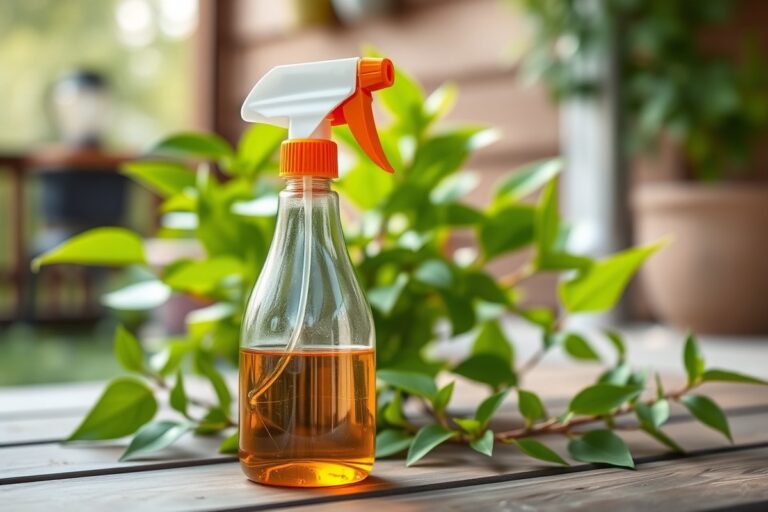
Soap and water sprays are an easy, affordable way to kill sugar ants on contact. The soap breaks down their outer shell, causing them to die within 12 to 24 hours. This method provides immediate reduction in ant numbers without harmful chemicals, making it safe to use around your home. Follow these steps to make and apply a soap spray:
- Fill a spray bottle with 1 cup of warm water.
- Add 1 to 2 teaspoons of liquid dish soap and gently mix to avoid producing heavy suds.
- Locate sugar ant trails, entry points, and visible ants to target.
- Spray the soap solution directly on ants and along their paths.
- Repeat spraying daily for up to a week to ensure the colony is impacted as new ants emerge.
- Wipe treated areas with a damp cloth after about 20 minutes to remove residues and prevent attracting other pests.
The cost involves only a few cents for soap and water, and results show a decrease in visible ants within hours. Soap spray works best for small to moderate infestations but won’t eliminate entire colonies deep inside walls or soil.
Setting Up and Placing Ant Baits Correctly
Ant baits contain slow-acting poison mixed with a sweet or greasy attractant. Sugar ants carry the bait back to their nest, sharing it with the queen and others, which kills the colony gradually. Baits are effective for long-term control if placed properly in your home. Use this procedure for best results:
- Choose an ant bait designed for sugar ants, such as a mixture of honey or syrup with boric acid, or a homemade bait combining sugar, shortening, and borax.
- Place small amounts of bait near ant trails, entry points, and where you see foraging ants.
- Avoid spraying any insecticides or cleaning products near the bait; these interfere with ant feeding.
- Check bait stations daily, replenishing as needed until ant activity stops, which may take 1 to 2 weeks.
- Remove leftover bait once ants disappear to keep pets and children safe.
Placing baits correctly and having patience are essential for effective control. Baits tend to perform better than sprays or natural repellents, especially in widespread infestations. Make sure baits are not put near other food sources and keep them away from children and pets to reduce potential dangers.
Using Vinegar and Essential Oils Effectively
Vinegar and essential oils like peppermint or lavender disrupt sugar ants’ scent trails, making it harder for them to navigate and find food. Spraying these solutions where ants enter your home and travel deters them and can kill those you directly spray. To prepare and use these remedies:
- Mix equal parts white vinegar and water in a spray bottle.
- Spray vinegar solution on ant entry points, along baseboards, and on ant trails.
- Combine water with 5 to 10 drops of essential oils such as peppermint or lavender for a more pleasant-smelling spray.
- Apply essential oil spray around windowsills, doorways, and counters where ants are active.
- Repeat applications every 2 to 3 days or after cleaning the treated areas to maintain effectiveness.
While vinegar and essential oils repel ants and kill some on contact, their effects fade quickly. They work well alongside other treatments or for preventing small invasions, but they usually don’t eliminate entire colonies.
Other Household Substances That Kill Sugar Ants
Common household items like food-grade diatomaceous earth (DE) and boric acid also help control sugar ants. DE damages the exoskeleton of ants, causing dehydration, while boric acid acts as a slow poison when consumed.
Spread a thin layer of food-grade diatomaceous earth around ant entry points, under appliances, and near nests. It’s safe for homes with pets and children if you avoid inhaling the dust. Use boric acid mixed with a sweet bait only in places inaccessible to kids and pets, following all safety guidelines on the label.
Combining multiple low-toxicity substances can improve control results. These substances complement sprays, baits, and repellents, offering gradual colony reduction with minimal health risks in homes.
Sealing Entry Points and Removing Food Sources to Stop Ants
Start by identifying and sealing any cracks or crevices where sugar ants might enter your home. Use silicone caulk to fill gaps around door frames, window sills, pipes, and baseboards. Check areas where walls meet the floor or ceiling, because sugar ants can squeeze through openings as small as 1/16 of an inch. Sealing these entry points cuts off their access and reduces the chance of re-infestation.
Preventing ants by removing food and moisture sources is just as important as sealing their entryways. Sugar ants are drawn to sweet snacks, sugary liquids, and any moisture, so removing these will help drive them away. Keep all food, especially sugary treats like honey, juice, and baked items, sealed tightly in plastic or glass containers to block their scent and access. Clean spills and crumbs immediately, and don’t leave pet food or dirty dishes out overnight.
- Seal cracks and gaps with silicone caulk, especially near kitchens and bathrooms.
- Keep kitchens and dining areas clean from crumbs and sticky residues.
- Store all foods in airtight containers made from plastic or glass.
- Fix any plumbing leaks and wipe dry damp areas promptly to remove moisture.
- Empty trash cans regularly and keep lids tightly closed.
- Use weather-stripping on doors and windows to seal gaps.
Regularly inspect potential entry points and food storage areas to catch any new signs of ants early. If caulking is not your strength, it may be worth hiring a handyman, as properly sealing these small holes prevents frequent pesticide use and keeps ants out long term. Expect the process to cost from $10 for basic caulk and tools up to $50 or more if you need professional help.
Pay special attention to sealing entry points before cleaning; applying caulk after thorough cleaning ensures no food odors attract ants through newly sealed cracks.
Keeping your home dry is equally critical because sugar ants look for moisture as well as food. Fix dripping faucets and consider a dehumidifier in damp basements or bathrooms if needed. A dry, clean, and sealed environment removes the resources ants need, starving them out and stopping further incursions into your living space.
Common Mistakes in Sugar Ant Control and How to Fix Them
One common mistake when trying to control sugar ants is using sprays or treatments that only kill the ants you see instead of targeting the entire colony. Sugar ants, or odorous house ants (Tapinoma sessile), maintain multiple nests, so simply spraying wandering ants will not eliminate the source. This approach leads to repeated appearances of ants despite ongoing efforts. To avoid this, use ant bait stations placed directly along active trails. The ants will carry the bait back to the nests, allowing you to reach the entire colony.
Another error is poor placement of bait stations. Baits that aren’t on well-traveled trails or near entry points often go unnoticed by the ants and fail to deliver poison to the colony. Monitor where you see the most ant activity and place bait stations in those spots. Refresh your bait every 72 hours if you still see some ants. This step is essential since old bait can dry out or lose its attractiveness, reducing its effectiveness.
Not cleaning up food crumbs, sticky spills, and sugary residues also hinders ant control efforts. Ants will continue to find alternative food sources and may ignore the bait when other options are readily available. Along with removing available food, sealing entry points is necessary to prevent new ants from invading after you kill the colony.
- Avoid using repellent sprays near or on bait stations, as they repel ants and reduce bait consumption.
- Replace bait stations every 3 days if ants persist to maintain fresh and attractive bait.
- Place multiple bait stations if you find several trails or nest locations inside the home.
- Do not disturb or kill ants near the bait, so they stay active in carrying it back.
- Clean surfaces to remove competing food odors, but allow bait areas to remain untouched.
Troubleshooting often involves adjusting your approach based on ant behavior. When bait disappears but ants remain visible, you might be dealing with multiple nests. Try wider bait coverage and look for additional trails. When ants ignore the bait, switching bait types from sweet to protein or oil-based formulas can help, depending on the ants’ current food preference. Treatment success can take up to two weeks, as it takes time for the bait to affect the entire colony.
Deciding When to Hire a Professional Exterminator
Calling a professional exterminator is wise when your sugar ant problem grows beyond quick fixes or keeps returning despite your best efforts. Professionals can safely use stronger treatments and tailor a strategy based on the infestation’s size and nature. Costs typically range from $80 to $500, influenced by home size and ant severity, but the average for sugar ants falls between $200 and $250.
DIY vs Professional: When to Choose What
Small ant trails or occasional indoor sightings often respond well to DIY methods like baits, natural sprays, and sealing entry points. However, if ants return persistently after a week or more of treatment or if you spot multiple nests, professional help is necessary. Larger infestations or those spreading through walls or behind appliances tend to require a tailored plan that only a pest control expert can create.
Heavy infestations that resist over-the-counter products and infest sensitive areas like kitchens deserve professional attention. Pest control specialists use targeted insecticides and bait stations not typically available to consumers, improving chances of full colony elimination. They also inspect hidden nesting sites and monitor progress over weeks.
Cost and Safety Comparisons of Treatment Options
You should weigh price and safety when choosing between DIY and professional treatments, especially with children and pets in the home. Many DIY products contain borax or chemical sprays that are effective but toxic if ingested or improperly applied. Keeping traps and sprays out of reach is essential for safety.
Professionals apply chemicals confined to nests and crawl spaces, minimizing exposure risks inside living areas. Their treatments can be more expensive upfront but may reduce repeat costs and health risks by fully addressing infestations. Below is a comparison of common approaches:
| Treatment Type | Estimated Cost | Safety Considerations | Effectiveness | When to Use |
|---|---|---|---|---|
| DIY Borax-Based Baits | Under $20 per treatment | Keep away from kids & pets; toxic if ingested | Good for small, isolated infestations | Small ant trails, minor kitchen outbreaks |
| DIY Natural Sprays (vinegar, essential oils) | Under $15 per treatment | Generally safe but may irritate skin or pets | Moderate; best combined with other efforts | Minor ant presence, maintenance prevention |
| Professional Extermination | $80 to $500 (average $200-$250) | Professionally controlled to reduce risks | Highly effective on large or recurring infestations | Persistent or widespread infestations |
Choosing low-toxicity pet-safe DIY products may reduce safety concerns but often doesn’t fully eliminate colonies, potentially prolonging the problem. Professional exterminators handle stronger pesticides safely and can customize control plans offering better long-term results.
How to Communicate with Pest Control Services or Landlords
Clear communication ensures you get the best service and avoid misunderstandings. When calling a pest control company, describe the problem in detail: mention how long the ants have appeared, whether you’ve tried treatments, and describe the infestation size. For example, say, “I’ve seen sugar ants in the kitchen for two weeks despite using store-bought baits, and now they seem to be around multiple rooms.” If you rent, notify your landlord or property manager promptly by email or letter, including specifics about the sugar ant issue and mention any treatments you’ve attempted. Use a message like:
Dear [Landlord’s Name], I wanted to inform you that I have noticed a sugar ant infestation in the kitchen that has persisted despite my efforts with store-bought treatments. I am concerned the problem may be bigger than I can handle alone. Please advise if pest control services will be arranged or if you recommend a particular exterminator. Thank you, [Your Name]
Documenting your communications and actions helps in getting timely assistance and clarifying responsibilities. Professionals often require access to inspect multiple areas, so be prepared to coordinate times and provide information about pets or children to ensure safe treatment.
Ongoing Prevention to Keep Sugar Ants from Returning
Keeping sugar ants from coming back means staying vigilant with cleaning and monitoring your home regularly. Thoroughly clean kitchen counters, floors, and trash bins every day to remove food particles that attract ants. Store all sugars, honey, baking goods, and leftovers in airtight containers to block their access to food sources. This removes the incentive for ants to enter your home again.
Seasonal changes can affect sugar ant activity. They tend to swarm and forage more actively in warmer months, typically spring through early fall. In regions with mild winters, ants may remain active year-round but in lower numbers. Increase your cleaning and inspection frequency during these high-activity seasons to catch early signs of any re-infestation.
Monitoring bait stations or traps is useful for evaluating whether treatments are working. Check baits weekly; a steady decline in ant numbers at stations and on surfaces usually means your approach is effective. If ants keep appearing after two to three weeks of continued treatment and cleaning, reconsider your strategy or consult a professional.
- Clean kitchen surfaces daily, including floors and trash areas.
- Store food in sealed, ant-proof containers.
- Inspect and refill bait stations weekly.
- Seal any cracks or entry points after treatments.
- Increase monitoring during spring and summer months.
- Keep outdoor mulch and woodpiles away from the foundation.
- Use sticky traps near suspected entry points for early detection.
Consistent cleaning and food storage are your best defense; even a small spill can invite ants back inside.
Maintaining dry conditions around the foundation helps discourage nesting close to your home. Remove debris, fix leaky faucets, and keep gutters clean to limit moisture buildup, which ants seek. Avoid excessive chemical sprays because they can push ants deeper into walls or create resistance. Instead, rely on baits and physical barriers combined with good sanitation.
Effective long-term prevention usually requires ongoing effort, especially in infested areas. Expect to invest about 10 to 20 minutes daily in cleaning and weekly inspections to keep your home ant-free. The cost of airtight containers and bait stations is relatively low, often under $30 total, while investing time prevents larger infestations and more expensive extermination later.
Step-by-Step Action Plan to Get Rid of Sugar Ants
Follow this simple timeline to remove sugar ants from your home and keep them from coming back using safe, effective methods.
- Before You Start: Identify sugar ants and locate their entry points by watching where they trail. Confirm their nests nearby to target treatments effectively.
- Day 1: Clean all food crumbs, spills, and sealed food containers to remove attractants. Successful removal means no new ants appear looking for food within 24 hours.
- Day 2 to 3: Apply bait traps along ant trails and near entry points. Check progress by fewer ants visiting baits after three days and no new trails formed.
- Day 4 to 7: Use safe sprays or natural remedies directly on visible ants and nest entrances outdoors. Proper treatment is indicated by dead ants along trails and no fresh ant activity after a week.
- Week 2: Seal cracks, crevices, and gaps where ants might enter using caulk or weatherproofing materials. Effective sealing means no ant activity along these points after sealing.
- Week 3: Maintain daily cleaning habits and regularly inspect common ant pathways and possible new entry sites. Ant-free days and no new nests found show ongoing success.
- After 4 Weeks: If ants persist or return despite these steps, contact a licensed professional exterminator for targeted treatment. Reduced or absent ant activity before this step calls for continued prevention only.
Frequently Asked Questions
How Do Sugar Ants Find Their Way into the Kitchen?
Sugar ants follow scent trails left by other ants to locate food sources. Keeping counters clean and sealing cracks can disrupt their paths.
Can Vinegar Help Keep Sugar Ants Away?
Yes, vinegar can repel sugar ants by disrupting their scent trails. Wiping surfaces with a vinegar solution helps deter ants from returning.
Are Sugar Ants Attracted Only to Sugary Foods?
No, sugar ants are attracted to a variety of foods, including greasy and protein-rich items. Keeping all food sealed reduces attraction.
Can Sugar Ants Cause Structural Damage to My Home?
Sugar ants typically do not cause structural damage as they mainly scavenge for food. They are more of a nuisance than a threat to building integrity.
How Quickly Can Sugar Ant Colonies Grow Indoors?
Sugar ant colonies can expand rapidly within weeks if food and water are abundant. Prompt control measures are necessary to prevent large infestations.
Will Spraying Sugar Ants Outdoors Stop Them from Entering the House?
Spraying outdoors may reduce ant numbers but won’t prevent entry without sealing gaps. Combining both methods improves effectiveness.
Before You Go
Getting rid of sugar ants requires a combination of targeted treatments and preventive steps to keep them from coming back. Start by thoroughly cleaning your kitchen and sealing any cracks or gaps where ants might enter. This simple action today can make a big difference in stopping the infestation before it worsens.



One Comment