

How to Get Rid of Sweat Stains: 8 Effective Methods with Expert Tips
To get rid of sweat stains, start by soaking the stained area in a solution of white vinegar and cold water for 20 to 30 minutes. For tougher or older stains, apply a baking soda paste or use oxygen bleach treatments designed for your fabric type. Proper washing and drying techniques also improve stain removal, while specific care is needed for delicate and colored fabrics.
This is for anyone dealing with yellow or stubborn sweat stains on everyday clothing, from casual shirts to dress clothes. You’ll find eight practical methods and expert tips covering stain causes, treatment choices, safe product use, and prevention strategies to keep your clothes looking fresh longer.
Key Takeaways
- Yellow sweat stains form from protein, salts, and deodorant reacting with fabric, especially on natural fibers like cotton.
- Choose removal methods based on fabric type and stain age; fresh stains need shorter treatment than older, set-in marks.
- Soak white or colored clothes in a 20-30 minute solution of cool water and white vinegar to safely remove sweat stains.
- Make a baking soda paste by mixing with water and apply it to stains, letting it sit for about 20 minutes before washing.
- Use oxygen bleach treatments for stubborn or older stains, following package instructions and testing fabric compatibility first.
- Wash sweat-stained clothes in cool or warm water with a suitable detergent, soak if needed, then dry according to fabric care labels.
1. What Causes Sweat Stains and Why They Turn Yellow

Sweat stains form through a combination of sweat, skin bacteria, deodorants, antiperspirants, and fabric interactions. The sweat itself, mostly water and mineral salts, does not cause yellowing directly. Instead, the yellow color comes from a chemical reaction between the sweat and aluminum compounds found in most antiperspirants. When aluminum mixes with sweat and proteins on your skin, it causes those recognizable yellow pit stains on your clothing, especially on white or light-coloured fabrics.
The minerals in sweat, such as salts, also contribute to stains by settling on fabric fibers, creating discolored spots under the arms. Bacteria on the skin break down sweat into acids, giving off odors and residues that can darken fabric over time if not washed promptly. Wearing clothes with sweat left on them for many hours, like after a full workday, makes stain buildup worse. Over time, sweat stains don’t just stay yellow; they can turn gray or even darker, leaving fabric looking dull and dingy.
Antiperspirant plays a significant role in how these stains form and appear. Aluminum in antiperspirants is the main culprit in yellowing. Using deodorants without aluminum or switching to aluminum-free versions can reduce yellow stain formation. Some stains may look white instead of yellow, particularly right after sweating, because of salt deposits from dried sweat crystals on the fabric surface. These white marks usually rinse out more easily with regular washing.
Fabric type influences how sweat stains appear and react. For example, silk may show yellow, gray, or crusty stains rather than just dampness, as its delicate fibers interact differently with sweat and deodorant residues. Synthetic fabrics designed to wick moisture can trap sweat additives differently, sometimes causing spots that need specific treatments to fully remove.
Promptly washing sweat-prone areas after wearing helps prevent stain buildup. Washing white shirts after each use limits yellowing and keeps them looking newer longer. Sweat stains that sit for days or weeks become harder to remove because residues harden on fibers. Stains that are not treated can build up, requiring stronger stain removers and longer soaking times to break down the chemical deposits.
2. Choosing the Right Removal Method by Fabric and Stain Age
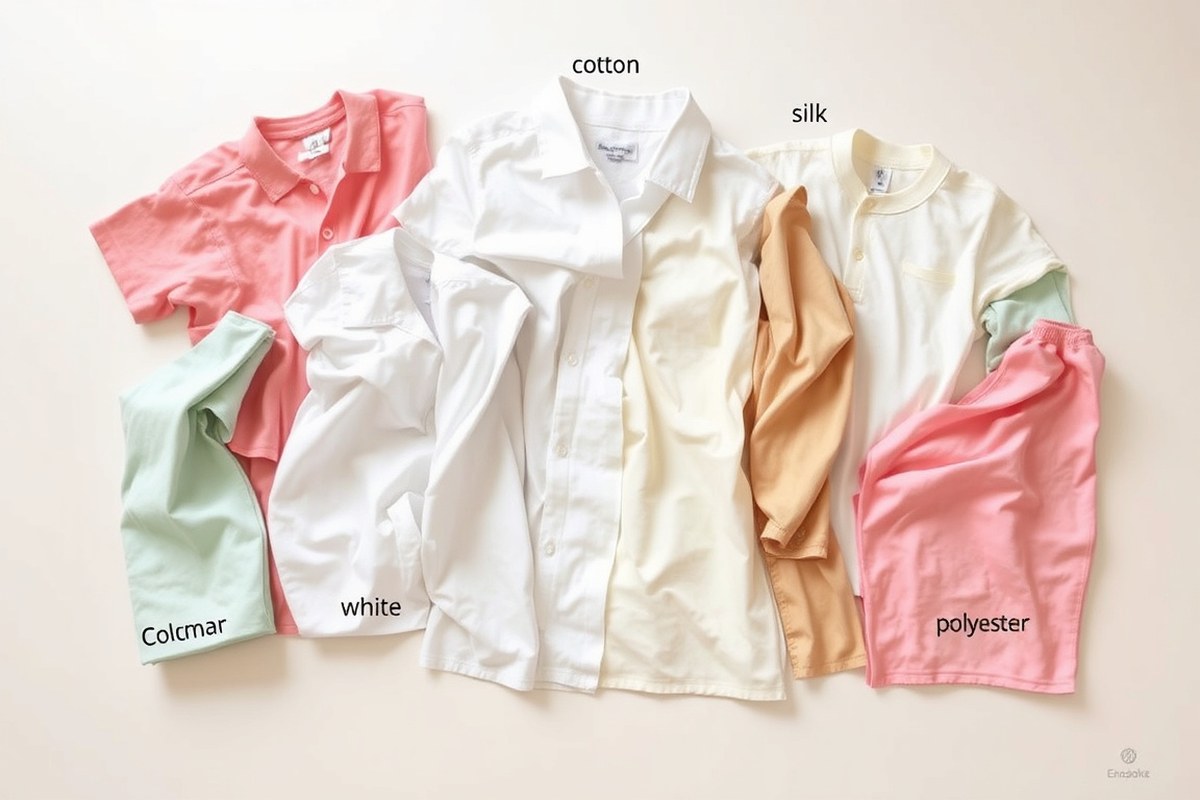
Start by identifying whether the sweat stain is fresh or set-in, as this determines the treatment time and method. Fresh stains usually respond well to a quick rinse with cool water and a brief application of a gentle stain remover. Set-in stains need more soaking time, often between 20 and 30 minutes, to allow the cleaner to break down the oils that have bonded with the fabric fibers. Treating stains early helps prevent permanent yellowing, especially on synthetic blends prone to oil absorption.
Next, check the fabric type and color to choose the safest cleaning approach. Thick cotton and polyester blends handle enzyme-based sprays and oxygen bleach safely, making them suitable for more intensive treatments. Colored fabrics require milder methods, such as cool water soaking with a plant-based stain remover or diluted white vinegar, to avoid fading or discoloration. Delicate materials like silk and wool need special care: perform a spot test first, avoid scrubbing, use cool water, and air dry flat to maintain the fabric’s integrity.
- For fresh, light stains on sturdy white or colorfast fabrics: rinse in cool water, apply a stain remover spray, then wash.
- For older, set-in stains: soak in cool water mixed with a recommended cleaner for 20, 30 minutes before washing.
- Use enzyme-based or oxygen bleach products on cotton and polyester blends for stubborn stains, following product instructions carefully.
- On colored fabrics, avoid bleach; opt for plant-based stain removers or a mild white vinegar solution with cool water.
- Delicate fabrics require spot testing, gentle blotting, and air drying, do not use harsh chemicals or high heat.
- Dry-clean only garments should generally be taken to a professional cleaner rather than treated at home.
- Always check care labels for temperature and cleaning restrictions before starting stain removal.
Before treating, rinse sweat stains with cool water to remove surface salts and oils. Apply the chosen stain remover according to the fabric type and stain age, then let it sit for the recommended period to penetrate fibers without harming them. For example, enzyme sprays work well on newer stains and thicker fabrics, while vinegar solutions suit older stains on delicate colors. Wash the garment in a machine using the warmest water safe for the fabric, but avoid heat drying until the stain is gone to prevent setting it permanently.
Test any stain treatment on an inconspicuous area first to avoid ruining clothes, especially on delicate or colored fabrics.
3. Using White Vinegar Safely to Remove Sweat Stains
White vinegar can remove sweat stains effectively without harming most clothes when used correctly. It breaks down the stain’s buildup and neutralizes odors. You should prepare a diluted vinegar solution, soak the fabric for an appropriate time depending on the material, and wash the garment afterward to finish the stain removal process.
Preparing the Vinegar Solution
Use distilled white vinegar, which is inexpensive and free from coloring agents, making it safe for stain treatment. Mix equal parts white vinegar and cool water to dilute the vinegar and reduce the risk of fabric damage. For example, combine 1 cup of vinegar with 1 cup of cool water in a basin or bucket. This solution is appropriate for most sweat-stained fabrics, including whites and colors.
To apply the solution, pour or spray it onto the stained areas, ensuring they are saturated but not drenched. Avoid using undiluted vinegar as its acidity can weaken fibers or cause discoloration over time, especially on delicate or brightly colored clothes.
Soaking Duration for Different Fabrics
Soaking time depends on the fabric type and stain severity. For regular cotton and polyester blends, soak the garment in the vinegar solution for about 30 minutes. This duration gives the vinegar enough time to break down sweat residue and deodorant buildup.
For delicate fabrics like linens or lightly colored clothes, limit soaking to around 15 to 20 minutes to prevent color fading or fiber damage. If the sweat stain is fresh, reducing soak time to 15 minutes helps avoid overexposure. Avoid soaking dry-clean-only fabrics; consult a professional cleaner.
Post-Vinegar Washing Instructions
After soaking, rinse the garment thoroughly in cool water to remove vinegar residues. Then, wash the clothes as usual using a non-toxic laundry detergent. Washing in cool or warm water rather than hot prevents setting remaining stains. For sweat stains that have set in, repeat the vinegar soak before washing.
Dry the garment according to the fabric’s care label, ideally air drying in the shade for colored fabrics to avoid fading. Machine drying before all stains are removed may set the stain permanently, so inspect the area before drying.
- Mix equal parts distilled white vinegar and cool water in a container.
- Soak the stained area in the solution for 15 to 30 minutes based on fabric type.
- Remove the garment and rinse thoroughly with cool water.
- Apply a non-toxic detergent and wash as usual on a cool or warm setting.
- Check the stain before drying, repeat soaking if needed.
- Air dry colored fabrics out of direct sunlight to preserve color.
4. Making and Applying Baking Soda Paste for Tough Stains
Baking soda paste works well for tough sweat stains because of its mild abrasiveness and ability to absorb both stain pigment and odor as it dries. This method is especially useful for white or light-colored cotton shirts and sturdy fabrics but should be avoided on delicate fabrics that might react poorly to scrubbing or drying. Applying the paste correctly and leaving it on for about 30 minutes before washing can improve stain removal significantly.
Baking Soda Paste Recipe
Creating the right baking soda paste is simple and requires only a few ingredients that you likely already have at home. Mixing baking soda with water produces a gentle paste suitable for many fabrics, while adding hydrogen peroxide and salt strengthens the mixture for stubborn stains on colorfast, heavier materials.
- For standard paste: Mix 4 parts baking soda to 1 part water (for example, 4 tablespoons baking soda with 1 tablespoon water).
- For a stronger formula on white or colorfast fabrics: Combine 1/2 cup baking soda, 1 tablespoon hydrogen peroxide, and 1 tablespoon salt.
These ratios ensure a paste thick enough to stay on the fabric without dripping, maximizing contact with the stain.
Applying Paste to Stains
Once your paste is ready, applying it properly helps the baking soda draw out sweat stains and neutralize odors. Using a soft brush or cloth prevents fabric damage during treatment.
- Lay your garment on a flat surface with the stained side facing up.
- Use a clean toothbrush or soft cloth to spread the baking soda paste evenly over the sweat-stained area, covering it completely.
- Gently rub the paste into the fabric to help it penetrate, especially in the underarm or collar regions.
- Let the paste dry completely on the fabric; this drying process helps lock the stain and odor into the paste.
This method is not recommended for delicate fabrics like silk or wool, which could be damaged by the mild abrasiveness or by drying residue. For those fabrics, it’s better to use milder treatments or professional cleaning.
Recommended Soaking and Wash Times
Timing matters with baking soda paste treatment. Letting it sit long enough allows the paste to pull out stains effectively but leaving it too long can make rinsing harder.
- Allow the paste to remain on the stained area for about 30 minutes to dry thoroughly.
- After drying, gently remove or rinse off the paste; wringing the garment to keep it damp can help loosen the dried residue.
- Wash the garment using the hottest water temperature safe according to the care label to finalize stain removal.
Following these steps within a one-hour total treatment window maximizes stain removal without harming fabric integrity. For older or very tough stains, you might repeat this process or follow up with an oxygen bleach treatment designed for persistent marks.
5. Oxygen Bleach Treatments for Stubborn or Old Sweat Stains
Oxygen bleach is a safe and effective option for removing stubborn or old sweat stains from many washable fabrics. Unlike chlorine bleach, it won’t damage colors or weaken most fibers when used properly. Soaking clothes in a warm oxygen bleach solution for several hours or overnight breaks down sweat stains and brightens fabric without harsh chemicals.
Choosing the Right Oxygen Bleach
Oxygen bleach contains sodium percarbonate or similar compounds that release oxygen and water when dissolved. It’s suitable for cotton, polyester, nylon, and other common fibers labeled as bleach-safe. Avoid using it on wool, silk, leather, or any fabric tagged “dry clean only,” since oxygen bleach may cause damage or color loss.
Most laundry oxygen bleaches come as powder or granules and cost about $5 to $10 for a moderate-sized container. Look for products labeled “color-safe” or “non-chlorine bleach” to ensure they are appropriate for colored items. Test any new product on an inconspicuous spot to check for fabric tolerance before soaking the entire garment.
Soaking Time and Concentration
Soaking sweat-stained clothes in oxygen bleach can lift yellow stains and odors effectively, but timing and concentration matter. For a standard soak, mix about one tablespoon of oxygen bleach powder per gallon of warm water (about 100°F to 110°F). Avoid using water hotter than 140°F, which can damage fabrics or reduce oxygen bleach effectiveness.
Soak the garments for 6 to 8 hours or overnight for tough, set-in stains. Shorter soaks of 1 to 3 hours may be enough for recent sweat marks. Prolonged soaking beyond 12 hours usually isn’t necessary and could weaken some fabrics over time, especially if oxygen bleach is used repeatedly.
Aftercare and Fabric Safety
After soaking, rinse the clothes thoroughly with cool water to remove any residue. Follow with a regular wash cycle using a mild detergent. Avoid mixing oxygen bleach with chlorine bleach or ammonia products, which can cause hazardous fumes.
Repeated use of oxygen bleach on the same garment generally doesn’t harm fabric quality if following label instructions and soaking guidelines. However, delicate fabrics and those with fragile weaves can degrade with frequent treatments. Rotate treatment methods and inspect garments regularly for signs of weakening such as thinning or fraying.
- Check the garment care label to ensure it’s safe for oxygen bleach treatment.
- Pre-treat visible sweat stains with a small amount of detergent or an oxygen bleach paste to loosen residue.
- Dissolve 1 tablespoon of oxygen bleach in 1 gallon of warm water (100°F to 110°F) in a clean basin or bucket.
- Submerge the stained clothing completely, ensuring it is fully soaked.
- Let the garment soak for 6 to 8 hours or overnight for tougher stains.
- Remove the garment and rinse thoroughly to clear any remaining bleach solution.
- Wash the clothing as usual with detergent in a regular machine cycle or by hand.
- Air dry or tumble dry as recommended on the care label, avoiding high heat that can set any remaining stains.
Always test oxygen bleach on a hidden part of the fabric first before soaking the entire item, and avoid mixing it with other household cleaners.
6. Washing and Drying Tips: Temperature, Detergents, and Repeat Treatments
Use cold water to wash sweat-stained clothes because hot water can set stains deeper into fabric fibers. Cold water helps prevent body oils and residue from embedding more firmly, especially with older stains. Select the coldest wash setting that your fabric care label allows to avoid shrinking or damage.
Choose a detergent formulated to break down body oils and residues, such as those containing enzymes or a small amount of bleach for white items. Detergents with oxygen bleach are effective for removing sweat without harshness. Avoid overusing bleach on colored fabrics to prevent fading.
Check the stain immediately after washing. When sweat stains remain visible, do not place the item in the dryer. Heat from drying causes the stain to set permanently. Instead, repeat the pretreatment and wash cycle on the cold setting before drying. It’s safe to repeat these treatments multiple times until the stain fades, but increasing the water temperature or bleach amount can worsen the stain.
- Use cold water for washing to avoid setting stains
- Apply a compatible stain remover or detergent before washing
- Allow treatment to sit for appropriate contact time (usually 10-15 minutes)
- Gently work pretreatment into fabric without harsh scrubbing
- Wash according to fabric care label on cold setting
- Check stain after washing before drying
- Repeat treatment if the stain persists, then air dry
Let clothes air dry until stains are completely removed. Avoid machine drying as the heat can make sweat stains permanent. For items that require special care, such as dry clean only, delay machine washing and consider professional cleaning or mild home pretreatments like lemon juice with cold water. Persistent stains may need a few rounds of treatment, so patience and avoiding drying until fully clean improves stain removal success.
7. Treating Delicate, Colored, and Dry-Clean Only Fabrics Safely
Delicate fabrics like silk require gentle care to avoid damage when removing sweat stains. Always start by checking the garment’s care label for any specific instructions, especially noting if the item is dry-clean only. Silk and other fine materials can weaken or lose their color if exposed to harsh chemicals or high water temperatures. To treat fresh sweat stains on silk at home, mix a small amount of mild detergent designed for delicate fabrics with cool water, then apply it sparingly to the stained area using a clean, soft cloth. Gently dab rather than rub to lift the stain without harming the fibers. After treating, rinse the spot with cool water and lay the garment flat on a towel to air dry away from direct sunlight.
If you notice sweat stains on dry-clean only items, it is best to take them to a professional cleaner promptly because regular home washing methods might ruin the fabric or finish. Professional dry cleaners do not typically remove sweat stains through standard dry cleaning solvents; they often use specialized stain treatments before the dry cleaning process. Getting your garment cleaned as soon as possible limits stain setting and increases the chance of successful removal. Avoid using home remedies on these fabrics that could alter texture or color and always follow the dry cleaner’s advice for ongoing maintenance.
For delicate fabrics, try spot cleaning with a mixture of white vinegar and water or using a baking soda and water paste on the sweat stain. Always test on a hidden spot first to ensure no color change or damage occurs. Vinegar’s acid works to dissolve sweat buildup, while baking soda helps remove odors and residues. Use a cotton swab or soft cloth to apply, rinse well with cool water, and let the fabric air dry. Avoid soaking delicate materials or using heat, as this can lead to shrinking or warping.
For colored delicate fabrics, it is critical to avoid bleach and to prioritize gentle stain removal techniques to prevent color fading. Using enzyme-based detergents formulated for delicate clothing can assist in breaking down sweat stains effectively while protecting the fabric. Treat the stain quickly to prevent it from setting during drying. For all sensitive garments, washing in the coolest water allowed by the care label and skipping the dryer in favor of air drying will help preserve their shape and color integrity. When in doubt about the fabric or extent of the stain, professional cleaning remains the safest option.
8. Preventing Sweat Stains and Avoiding Common Removal Mistakes
Antiperspirant can contribute to sweat stains because it contains aluminum compounds that react with sweat, body oils, and fabric fibers, creating yellow or dark marks under the arms. Avoiding antiperspirant won’t stop you from sweating and could make stains harder to remove, so managing sweat stains involves prevention strategies rather than skipping antiperspirant entirely.
The easiest way to prevent sweat stains is to create a barrier between your skin and clothing. Wearing an undershirt or sweat guards under dress shirts and blouses absorbs sweat before it reaches the outer fabric. This is a low-cost solution that protects your favorite clothes and reduces frequent washing, which can wear out fabrics. Along with wearing an undershirt, pay attention to these prevention tips:
- Apply antiperspirant at night to reduce active sweat during the day and give it time to absorb fully.
- Let antiperspirant dry completely before dressing to prevent residue transfer.
- Choose clothing with breathable fabrics like cotton or moisture-wicking blends to help sweat evaporate quickly.
- Wash sweat-prone garments soon after wearing to remove sweat and oils before stains set.
- Use sweat pads or disposable sweat guards for garments made of delicate fabrics or silk that can’t be washed often.
- Avoid layering heavy deodorant and antiperspirant products to minimize buildup.
Common mistakes when removing sweat stains can damage fabrics or set stains permanently. Never use bleach directly on sweat stains, especially on colored clothes, since it can cause discoloration. Avoid washing stained clothes in very hot water as it can set the yellow stains. Stick to warm water (around 90°F to 110°F) and gentle cycles instead.
Using too much detergent or mixing different stain removal agents can leave residue or weaken fibers. Follow product instructions, and always test a small hidden area when trying new stain treatments. Do not dry clothes in a hot dryer until you’re sure the stain is gone; heat can make stains permanent. Instead, air dry and repeat stain removal steps if needed.
Apply antiperspirant the night before to reduce sweat production during the day and give it time to absorb fully.
Use these tips as a checklist before wearing and after laundering clothes to keep sweat stains at bay and protect fabric quality. The cost of undershirts or sweat guards is low compared to replacing stained garments or buying stain removers repeatedly. Good prevention extends the life of your wardrobe and saves time spent on stain treatments.
Step-by-Step Action Plan for Removing Sweat Stains
Follow these practical steps to tackle sweat stains effectively on different fabrics using household items or store-bought treatments. This plan helps you clean, treat, and prevent stains with confidence.
- Before You Start: Identify the fabric type and stain age. Check care labels for washing instructions and decide whether to use vinegar, baking soda paste, or oxygen bleach accordingly.
- Within 24 Hours: Pre-treat fresh stains by soaking the garment in cold water mixed with 1 cup of white vinegar for 30 minutes. Rinse and check if the stain lightens to know you’re on the right track.
- Day 1: For tougher or older stains, apply a baking soda paste (3 parts baking soda to 1 part water) directly on the stain. Let it sit 30 minutes, then gently scrub and rinse. The stain should appear visibly reduced.
- Day 2: If stains persist, soak the garment in an oxygen-based bleach solution according to package directions, ensuring the fabric is safe for this treatment. After soaking, wash normally and inspect the stain’s fade.
- During Wash: Use warm water when fabric allows and a good-quality detergent. Avoid high heat drying to prevent setting stains. Repeat pre-treatments before washing again if needed.
- After Washing: Air dry sunlight can help fade remaining stains gently; avoid machine drying until stain is gone as heat sets sweat stains permanently.
- Ongoing: Prevent future sweat stains by wearing an underlayer and applying sweat-blocking products. Wash sweat-prone clothes promptly using gentle methods for delicate or colored fabrics.
Frequently Asked Questions
How Do You Get Rid of Yellow Armpit Stains?
Soak the garment in a cold water and white vinegar mix for 20 to 30 minutes, then wash as usual. This helps break down the stain without harming the fabric.
How Do I Stop Armpit Sweat Stains?
Wash clothes soon after wearing to prevent bacteria from interacting with deodorant ingredients. Quick cleaning keeps stains from setting in.
Are Some Sweat Stains Permanent?
Sweat stains can become permanent if not treated promptly or correctly, but most can be removed with proper care. Acting fast usually increases success.
How Can I Remove Armpit Sweat Stains?
Use a baking soda paste or oxygen bleach for tough stains, then wash with a quality detergent. These help lift stubborn marks effectively.
Can Deodorant Cause Sweat Stains on Clothes?
Yes, dehydrated deodorant ingredients react with sweat to cause yellow stains. Using clear or stain-free formulas may help.
Is It Safe to Use Bleach on Colored Clothes to Remove Sweat Stains?
No, chlorine bleach can harm colored fabrics; oxygen bleach is safer for colors and whites. Always check fabric care labels before treatment.
Wrapping Up
Removing sweat stains takes the right method for your fabric and stain type, plus prompt care to avoid yellowing. Start by trying the baking soda paste on a fresh stain to loosen it before washing. This simple step can make a big difference on your clothing and help keep your wardrobe looking clean and fresh.


One Comment