How to Get Rid of Ticks in House: 8 Practical Steps That Work
To get rid of ticks in the house, start by thoroughly inspecting pets and family members, then clean and vacuum your home regularly. Treating pets with appropriate tick preventatives and using laundry methods to kill ticks on clothing also helps stop infestations quickly. Combining natural remedies or safe pesticides with yard maintenance reduces the chances of ticks entering your indoor spaces.
This advice suits homeowners, pet owners, and anyone concerned about ticks in their living area. You’ll find practical steps for eliminating ticks indoors and outdoors, from immediate removal to ongoing prevention, ensuring your home stays tick-free and safe for your family and pets.
Key Takeaways
- Check pets and family daily for ticks, removing any within 24 hours to reduce disease risk and prevent ticks entering your home.
- Wash and dry clothing on high heat for at least 10 minutes to kill ticks clinging to fabrics after outdoor exposure.
- Treat pets with veterinarian-approved tick preventatives to stop infestations and limit ticks entering your indoor spaces.
- Keep indoor humidity below 75% and thoroughly clean floors and furniture to create an environment ticks cannot survive in long.
- Apply food-grade diatomaceous earth safely around the home to kill ticks by dehydration without harming pets or people.
- Create a 3-foot-wide dry mulch or gravel barrier around your yard to discourage ticks from migrating toward your house.
1. How Ticks Enter Your Home and Survive Indoors
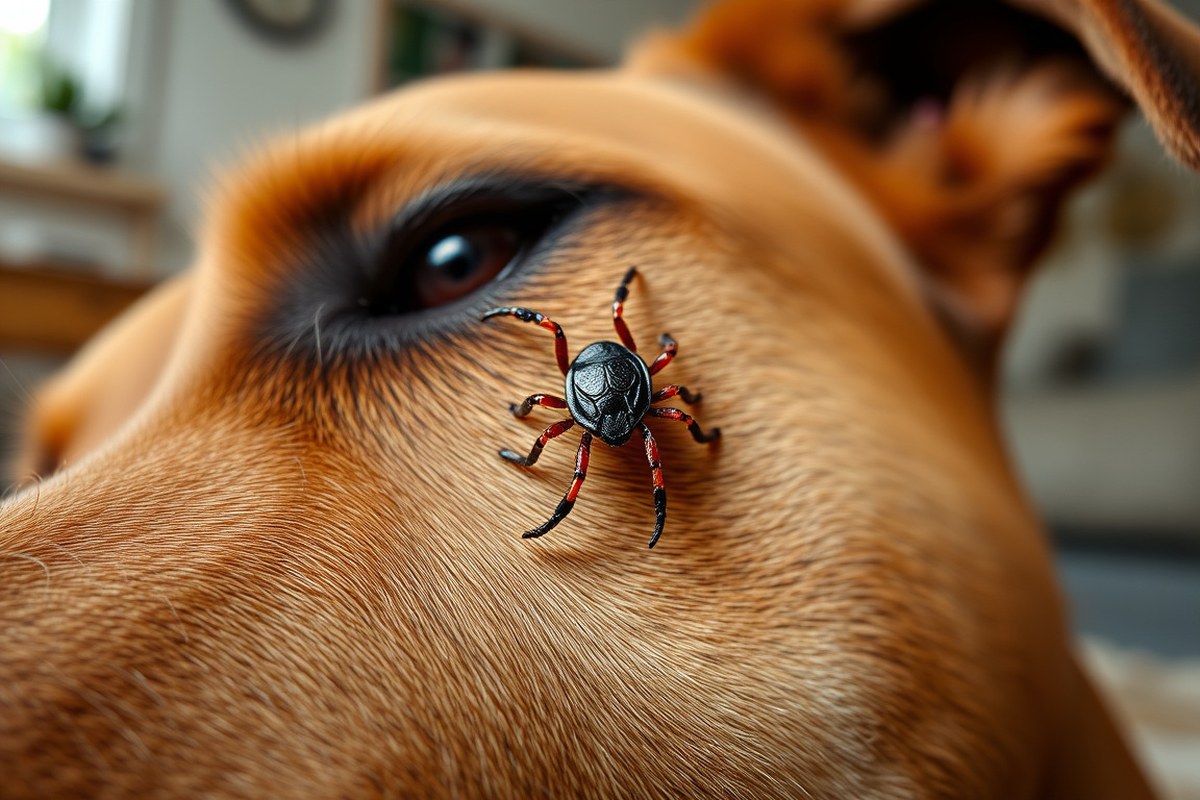
Ticks usually get into your house by hitching a ride on pets, clothing, or even other people after spending time outdoors in grassy, wooded, or brushy areas. When your dog, cat, or family members have been outside in areas where ticks thrive, such as shaded, moist environments with high humidity over 90 percent, ticks can easily cling to fur or fabric and enter your home unnoticed. You might also bring ticks inside on shoes or equipment if you’ve been walking through tall grass or leaf litter near your house.
Most tick species do not survive long inside because the typical indoor climate with controlled temperature and lower humidity is unfavorable for them. In fact, ticks generally cannot live indoors for more than a few days. This happens because indoor environments are usually too dry compared to their preferred outdoor conditions, which are shaded and humid. Keeping your home climate-controlled with air conditioning or heating reduces the humidity level, making it less likely that ticks will find a hospitable environment to survive or reproduce.
One exception is the brown dog tick (Rhipicephalus sanguineus), which can live and reproduce indoors if conditions are right. Unlike other tick species, the brown dog tick has adapted to survive in less humid environments and stays indoors for long periods, sometimes creating infestations. These ticks can lay eggs under baseboards, behind furniture, or in cracks and crevices, making them harder to detect and eliminate. Humid basements, bathrooms, or other areas with moisture buildup can support their survival, so controlling indoor humidity in the 30 to 50 percent range helps prevent their establishment.
Since ticks seek moist hiding spots, cleaning and reducing clutter in your home limits their places to hide and breed. Regularly vacuuming floors, pet bedding, and furniture helps remove any ticks that might have come in. Sealing gaps and cracks around doors and windows decreases their entry points. You don’t need special equipment to do this; a thorough cleaning routine paired with climate control and clutter reduction can dramatically reduce the risk of ticks surviving indoors. If you notice ticks repeatedly inside, particularly the brown dog tick, professional pest control is worth considering to address potential breeding hotspots.
2. Inspecting Pets and Family for Ticks Effectively

Checking pets and family members carefully for ticks after outdoor exposure is essential to prevent ticks from establishing inside your home. Removing ticks promptly reduces the risk of disease transmission. Knowing where and how to look, plus how to safely remove ticks, helps keep everyone safe.
Effective Pet Tick Inspection Techniques
Pets, especially dogs and cats, are common carriers of ticks that can enter the home. Focus on examining areas where ticks prefer to attach, such as under collars, inside ears, around the groin and armpits, between toes, and along the belly. A thorough daily check is recommended if your pets spend time outdoors in woods or grassy areas.
Using a fine-toothed comb can help detect small ticks hidden in the fur. Good lighting and a calm environment make the process easier and less stressful for your pet. Checking should take about 5 to 10 minutes per pet, depending on coat thickness.
Safe Tick Removal from Humans and Pets
Acting fast and using the right technique to remove ticks can reduce the chance of getting sick. Grab the tick near the skin’s surface with fine-tipped tweezers or a tick removal device. Pull it straight up without twisting or crushing its body. Avoid home methods such as applying petroleum jelly or heat since they might raise the risk of spreading disease.
After removal, clean the bite area and your hands with rubbing alcohol, iodine scrub, or soap and water. Save the tick in a sealed container with rubbing alcohol for identification if needed. Watch the bite site for 2 weeks for symptoms like redness, rash, or fever and consult a doctor if they appear.
- Use fine-tipped tweezers or a tick removal tool.
- Grasp the tick near the skin’s surface, close to the mouthparts.
- Pull steadily upward with even pressure; do not twist or jerk.
- Place the tick in rubbing alcohol to preserve it.
- Clean the bite area and your hands thoroughly.
- Monitor the removal site for any irritation or illness symptoms.
Removing a tick improperly can leave mouthparts embedded or increase infection risk; be gentle and deliberate during removal.
Common Household Hiding Spots for Ticks
Ticks can hide in items that regularly move between outdoors and indoors. Check backpacks, coats, tents, and firewood before bringing them inside. Storing firewood at least 20 feet from your house and keeping it dry reduces tick habitations near your living space.
Indoors, ticks may be found in pet bedding, carpets, furniture crevices, and baseboards. Regularly vacuuming and laundering pet bedding at temperatures above 130°F (54°C) kills ticks and their eggs. Inspecting these areas helps catch any ticks before they spread.
3. Treating Pets to Prevent Indoor Tick Infestations
Using effective tick treatments on pets is key to preventing ticks from hitching a ride indoors and causing infestations. Topical treatments containing ingredients like fipronil, pyrethroids, or amitraz are commonly recommended because they kill ticks on contact and provide several weeks of protection. PetArmor Plus, for example, offers monthly doses that are simple to apply and reduce the chance of ticks entering your home on your dog or cat. Always consult your veterinarian first, especially for cats, as some chemicals can be harmful to them.
Tick repellents come in various forms, including collars, sprays, and spot-on treatments. Repellent collars are convenient for continuous protection, but their effectiveness can vary by brand and active ingredient. Sprays allow targeted treatment of pet fur and bedding but may need to be reapplied more frequently, especially after bathing. Applying these products according to label instructions, usually once per month for topicals and every few months for collars, ensures the best results. Avoid using human insect repellents on pets, as these can be toxic.
Choosing a treatment may depend on the tick species common in your area. Some ticks, like the black-legged deer tick, are smaller and harder to detect, so products with longer-lasting effects work better in high-risk zones. Larger ticks may respond well to quicker-acting treatments. Areas with a high prevalence of certain tick species might justify using combination products that both kill and repel ticks to reduce the chance they survive long enough to drop off indoors.
| Tick Treatment Type | Active Ingredient(s) | Application Frequency | Best For |
|---|---|---|---|
| Topical Spot-On | Fipronil, Pyrethroids | Once a month | Broad-spectrum tick kill; quick protection |
| Tick Collars | Amitraz, Pyrethroids | Every 3-6 months | Long-lasting repellency |
| Sprays | Permethrins, Pyrethrins | Weekly to monthly, varies by product | Targeted application on fur and bedding |
| Powders | Pyrethrins | As needed | Spot treatment especially indoors |
Applying these treatments correctly means separating pets from water and bathing for at least 48 hours before and after application to maintain effectiveness. Monitoring your pets weekly for ticks remains essential, as no method guarantees full prevention. Combining treatments with regular grooming and yard maintenance reduces tick exposure overall.
Cost varies widely: monthly topical treatments typically range from $15 to $50 per dose depending on pet size and brand, while collars may cost $20 to $40 and last several months. Choosing the right product depends on your tolerance for application frequency, your pet’s lifestyle, and local tick risks. Consulting your veterinarian will give you the best customized approach to keep ticks off your pets and out of your home.
4. Using Laundry and Cleaning Methods to Kill Ticks on Clothing and Indoors
After finding a tick inside your house, remove it carefully using fine-tipped tweezers to avoid crushing it, then dispose of it securely. Immediately check your clothing, pets, and anyone else who was outdoors. Ticks can cling to fabrics or skin and may go unnoticed. Treat clothing quickly to stop ticks from spreading further indoors. The most reliable method is to place the clothing in a dryer on high heat for at least 10 minutes, which the CDC recommends as sufficient to kill ticks.
Washing clothes in hot water before drying helps remove dirt and any ticks that might be on fabric surfaces. However, washing alone may not kill all ticks because many home washers don’t reach high enough temperatures. To be effective, wash clothes and linens in water at the hottest setting safe for the fabric, then transfer them promptly to a dryer set on high heat. Combining washing with drying increases effectiveness.
Indoor cleaning plays a key role in eliminating ticks that may have dropped off your clothing or pets. Vacuum carpets, rugs, upholstered furniture, and floors thoroughly to pick up any ticks or larvae. Sprinkling table salt or boric acid on floors and furniture can help kill ticks at different life stages. Apply a generous layer before bedtime and vacuum it up the next morning to maximize impact. Avoid sweeping or dry mopping since that won’t capture ticks effectively.
- Remove ticks from the body or pets immediately using tweezers.
- Place potentially exposed clothing directly into the dryer on high heat for at least 10 minutes.
- Wash bedding, pet bedding, and other fabrics in hot water at the highest safe temperature.
- Vacuum floors, carpets, and upholstered furniture thoroughly and regularly.
- Use salt or boric acid on floors and furniture; leave overnight and vacuum.
- Avoid washing clothes only in cold or warm water as it may not kill ticks.
- Don’t use a washer alone as it often doesn’t get hot enough for tick eradication.
Common mistakes include relying on washing alone without drying on high heat and skipping vacuuming of areas where ticks may hide. Some people wash clothes in cold water, which can leave ticks alive. Others delay laundry or put clothes away without heat treatment, allowing ticks to survive and spread. Vacuuming without following the salt treatment or neglecting furniture can leave eggs and larvae behind. Consistently applying heat treatment for clothing and thorough cleaning indoors is essential to prevent ticks from establishing inside your home.
5. Natural Remedies and Essential Oils for Repelling or Killing Ticks Safely
Natural remedies like essential oils and diatomaceous earth offer safer options for repelling or killing ticks indoors. Essential oils such as cedarwood, oregano, thyme, citronella, tea tree, peppermint, almond, jojoba, neem, and balsam fir can deter ticks or kill them with proper use. For indoor application, dilute essential oils to about 10% concentration mixed with carrier oils or lotions to avoid skin irritation. Spraying a solution with 20 drops of oils like lemon, orange, cinnamon, lavender, or rose geranium in 4 ounces (118 ml) of water around your home is a practical way to repel ticks without harsh chemicals.
Diatomaceous earth (DE), specifically food-grade, works by drying and damaging the exoskeleton of ticks, leading to their death. It is safe to use indoors when applied carefully, avoiding inhalation of dust. Sprinkle DE lightly on carpets, furniture, pet bedding, and crevices where ticks might hide or lay eggs. Leave it for several days before vacuuming, then reapply as needed. This method is low-cost and non-toxic to humans and pets but requires repeated application for lasting control.
| Natural Remedy | How to Use | Concentration/Application | Effectiveness |
|---|---|---|---|
| Cedarwood Essential Oil | Dilute in carrier oil or lotion; apply to skin or spray around home | 10% for skin; 20 drops per 4 oz water for spray | Effective repellent comparable to DEET; shorter duration |
| Balsam Fir Essential Oil | Use in spray form indoors | Similar dilution as cedarwood | Effective in killing ticks quickly |
| Diatomaceous Earth (Food-Grade) | Sprinkle lightly on carpets, furniture, and crevices | Light dusting; avoid inhaling dust | Kills ticks by drying them; safe indoors |
| Citronella, Tea Tree, Peppermint Oils | Mix in water spray or dilute with carrier oil | 20 drops per 4 oz water; 10% for skin application | Repel ticks; less effective as a stand-alone |
Different situations call for specific approaches. Essential oil sprays work best in living areas or around pet bedding where ticks might wander. Use oils diluted properly to protect your family’s skin and avoid respiratory irritation. For carpets and less accessible spaces, diatomaceous earth is a more reliable option that kills ticks directly. Combining these methods yields better control without relying solely on chemical pesticides.
Always use food-grade diatomaceous earth indoors and avoid creating dust clouds to protect your lungs and those of your family and pets.
6. Yard and Landscape Strategies to Stop Ticks from Entering Indoors
Reducing tick populations outdoors is the most effective way to stop ticks from entering your home. Maintaining your yard through mowing, debris removal, and landscape adjustments can create an environment that is less inviting to ticks. Establishing physical barriers like wood chips or gravel further restricts tick migration from wooded or grassy areas.
Targeted Lawn Mowing and Debris Removal
Ticks prefer tall grass, leaf litter, and dense vegetation because these areas provide shade and retain moisture, conditions under which ticks thrive. Keeping your lawn well-maintained disrupts their habitat and lowers tick activity near your home.
Maintain regular mowing at a height of 2 to 3 inches and clear away leaf litter, tall weeds, and brush along your yard’s edges. Trim shrubs and avoid dense plantings close to your house and outdoor living spaces to reduce shaded, humid spots where ticks hide.
- Mow your lawn weekly or more often during peak tick season (spring through fall) to keep grass short.
- Rake and remove fallen leaves, pine needles, and other yard debris to expose tick hiding spots.
- Trim back shrubs and overgrown plants within 10 to 15 feet of your home and outdoor seating areas.
- Eliminate thick ground cover near walkways and play areas that can shelter ticks.
Creating Woodchip or Gravel Tick Barriers
Physical barriers placed between wooded or grassy areas and your home act as tick deterrents. A 3-foot-wide strip of coarse wood chips or gravel creates a dry, sunny zone ticks avoid because it removes the moisture and cover they need to survive.
Install these barriers around your home’s perimeter, especially between lawn areas and nearby woods, gardens, play areas, or patios. This strategy forces ticks to cross an inhospitable zone before reaching spaces frequented by your family and pets.
- Clear vegetation and debris from a 3-foot-wide swath around your home’s foundation and yard borders.
- Lay down landscape fabric to prevent weed growth and maintain barrier effectiveness.
- Spread 3 to 4 inches of coarse wood chips or gravel on top of the fabric to form the barrier.
- Inspect and replenish the barrier material annually or as needed to maintain coverage.
Safe Yard Pesticide Application Guidelines
Using pesticide treatments around your yard perimeter can significantly reduce tick populations when done correctly. Many commercial tick sprays are labelled for use on lawn and landscaped areas where ticks hide, such as shaded or brushy spots.
Apply pesticides carefully following product instructions to ensure safety for your family, pets, and beneficial insects. Professional lawn care services offer targeted tick treatments if you prefer expert handling.
- Choose a pesticide specifically labelled for tick control in outdoor residential areas.
- Timing applications during early spring and late summer targets ticks before and after their peak life stages.
- Focus treatments on shaded, humid areas like lawn edges, under decks, bushes, and woodpiles.
- Wear protective clothing and keep children and pets away from treated areas until safe, as indicated on the product label.
- Follow up with repeat treatments based on label recommendations, usually every 4 to 6 weeks during tick season.
- Consider a professional lawn treatment if your tick problem is severe or persistent.
7. Chemical Pesticides and Repellents: Safe Indoor and Outdoor Use
Effective chemical pesticides for ticks indoors often include products containing permethrin or cyfluthrin, which target ticks on contact and provide residual control. For outdoor use, professionals typically rely on synthetic pyrethroids like bifenthrin or deltamethrin. These substances can quickly reduce tick numbers around your yard and home foundation. While these chemicals are potent, they require careful handling to protect children and pets. Always follow label instructions precisely, ensuring treated areas remain off-limits until the pesticide dries completely, usually a few hours. Keep newborns and individuals with respiratory or skin sensitivities away from treated rooms during and after application.
Indoors, broad-spectrum insecticides can pose risks if misused. Spraying entire rooms or carpeted areas without professional guidance can expose residents to harmful fumes or residues. Young children and sensitive individuals may experience irritation or allergic reactions, emphasizing the need for cautious application. Using spot treatments on baseboards, cracks, pet bedding, and walls where ticks hide reduces chemical exposure while targeting the pests. Ventilate the area well after treatment and store all pesticides out of reach.
Repeated tick sightings inside the house, especially near your pets or in pet sleeping areas, suggest a more entrenched problem that DIY pesticides may not solve effectively. Brown dog ticks often infest indoor environments and require a combination of veterinary tick treatment and professional pest control. Pest professionals access high-grade pesticides legally unavailable to the public and have expertise to identify the species and tailor treatments to your property’s layout. Hiring a professional typically costs between $150 and $400 per treatment, depending on home size and infestation severity, with follow-up visits recommended for persistent cases.
Consider professional control if you notice multiple ticks indoors over time, if your pets repeatedly bring ticks inside despite their own treatments, or if tick activity extends beyond a single isolated incident. Professionals can also evaluate outdoor infestation sources, advising on perimeter treatments and landscape modifications to reduce tick habitats. Asking pest control companies about their methods is critical, especially if you have pets or children. Some use pet-safe options or integrate natural repellents like neem or cedar oil into their service plans.
To apply chemical pesticides yourself, select products labeled for indoor use against ticks, use foam or aerosol spot treatments for cracks and pet bedding areas, apply when children and pets are temporarily absent, and ventilate spaces upon completion. For outdoor application, use granular or liquid formulations around your lawn and shrubbery following personal protective equipment guidelines. Monitor the treated areas for at least a week to assess effectiveness, repeating treatment based on label directions or pest pressure.
8. Ongoing Tick Prevention and Monitoring for a Tick-Free Home
Maintaining a tick-free home requires regular checks, especially during peak seasons, and understanding the risks involved with tick bites. Frequent inspections of yourself, family members, and pets limit the chance of ticks hiding indoors. Paying attention to any symptoms from bites and quick action helps prevent tick-borne diseases.
Seasonal Tick Activity and Inspection Frequency
Tick activity rises significantly from early spring through late fall, with the highest risk during warm months when both adults and nymphs are most active. Inspect yourself, your family, and pets at least once daily during this period to catch ticks before they attach firmly.
Outside of peak tick season, inspections can be reduced to every few days but should resume daily if outdoor exposure increases, such as gardening or hiking. Always check clothing and gear before coming inside, particularly if you’ve been in grassy or wooded areas.
- Inspect all skin folds, behind ears, underarms, groin, scalp, and behind knees
- Examine pets thoroughly, especially around the neck, ears, and under collars
- Check bedding weekly for ticks that might have dropped off
- Dry clothes and gear on high heat for at least four minutes to kill ticks
- Shower within two hours of outdoor activities to wash away unattached ticks
Stick to this schedule closely during spring to fall, adjusting for personal and pet outdoor exposure.
Recognizing Tick-Bite Symptoms in Humans and Pets
Early identification of tick bites and symptoms of tick-borne illnesses is key to prompt treatment. Watch for a red rash that may expand with a clear center, fatigue, fever, muscle aches, headache, and swollen lymph nodes in humans.
Pets may show signs like lethargy, loss of appetite, limping, fever, or swollen joints. Sometimes ticks can transmit diseases such as Lyme disease and Rocky Mountain spotted fever within 24-48 hours after attachment, which underscores the importance of quick removal and monitoring.
Monitor pets and family closely for 30 days after a tick bite, as symptoms may appear gradually.
Immediate Actions After Tick Exposure
Start by removing any attached ticks with fine-tipped tweezers, grasping close to the skin, and pulling straight out to reduce disease risk. Dispose of ticks by placing them in a container with rubbing alcohol to kill them.
After tick removal, clean the bite site and hands with soap and water or an antiseptic. Record the date of bite and any symptoms; this information helps healthcare providers decide on the need for treatment. Follow these steps:
- Check yourself, family, and pets immediately after outdoor exposure.
- Remove any ticks found using proper technique within 24 hours.
- Launder clothing in hot water and dry on high heat for at least 4 minutes.
- Keep a close watch for any symptoms in the following 30 days.
- Consult a healthcare provider promptly if symptoms develop post-bite.
Prompt and consistent action can reduce the risk of tick-borne infections and keep your home safe.
Step-by-Step Action Plan to Get Rid of Ticks in Your House
Follow these practical steps to identify, remove, and prevent ticks inside your home effectively. Each phase builds on the last to keep your family and pets safe.
- Before You Start: Inspect all pets and family members for ticks using a fine-tooth comb and check common hiding spots like behind ears and under arms. You’ll know it worked when you find and remove any ticks before they attach or lay eggs indoors.
- Day 1: Treat your pets with veterinarian-approved tick prevention medication or collars. Confirm success when no new ticks appear on your pets after several days.
- Day 2: Wash all clothing, bedding, and pet bedding in hot water (at least 130°F) and dry on high heat to kill ticks on fabrics. You’ll have removed hidden ticks when no ticks are found after laundering.
- Day 3: Vacuum floors, furniture, and baseboards thoroughly, then dispose of vacuum bags or empty canisters outside. Repeat this every few days until no ticks are found to break their life cycle indoors.
- Week 1: Apply natural repellents like essential oil sprays (e.g., cedar or eucalyptus diluted properly) in corners and pet areas; observe fewer ticks inside after repeated application.
- Week 2: Maintain your yard by trimming grass, removing leaf litter, and creating a barrier of wood chips or gravel between your yard and wooded areas. You’ll know this step works when fewer ticks are found near your home’s perimeter.
- Week 3: Consider safe, targeted use of chemical tick pesticides outdoors or indoors according to label instructions, especially in high-risk areas. Effectiveness shows when tick activity slows or stops around your home.
- Ongoing: Continue regular inspections of pets, family members, and your home environment weekly. Keep pets on tick prevention programs year-round. Success is a tick-free home and no bites over time.
Frequently Asked Questions
Can I Get Rid of Ticks Indoors Without Pesticides?
Vacuuming combined with Diatomaceous Earth effectively removes ticks without chemicals. Clean floors and corners regularly to catch hidden ticks.
Is It Necessary to Treat All Pets to Prevent House Ticks?
Treating all pets prevents re-infestation since ticks can drop off any animal inside. Check and treat pets monthly during tick season for best results.
How Often Should I Vacuum to Control Ticks Inside My Home?
Vacuum at least twice a week to disrupt ticks’ life cycle. Focus on pet areas, carpets, and entryways.
Do Ticks Survive Long on Indoor Furniture or Bedding?
Ticks usually survive only a few days indoors if the environment is dry. High humidity indoors can prolong their survival, so keep rooms well ventilated.
Can I Use Essential Oils Directly on Ticks I Find Indoors?
Spraying essential oils like cedar oil can kill ticks but may stain fabrics. Use carefully on hard surfaces or dilute before spraying on soft items.
Is Treating the Yard Enough to Prevent Indoor Tick Problems?
Yard treatment reduces tick numbers but won’t stop all ticks inside. Combine yard care with pet treatments and indoor cleaning for better control.
The Bottom Line
Getting rid of ticks in your house demands consistent effort and attention to the pets and areas where ticks can survive. Start by thoroughly checking your pets today and removing any ticks you find before they have a chance to settle indoors. This simple step can drastically reduce the chances of these pests taking hold in your home and keep your family safer from tick-borne diseases.