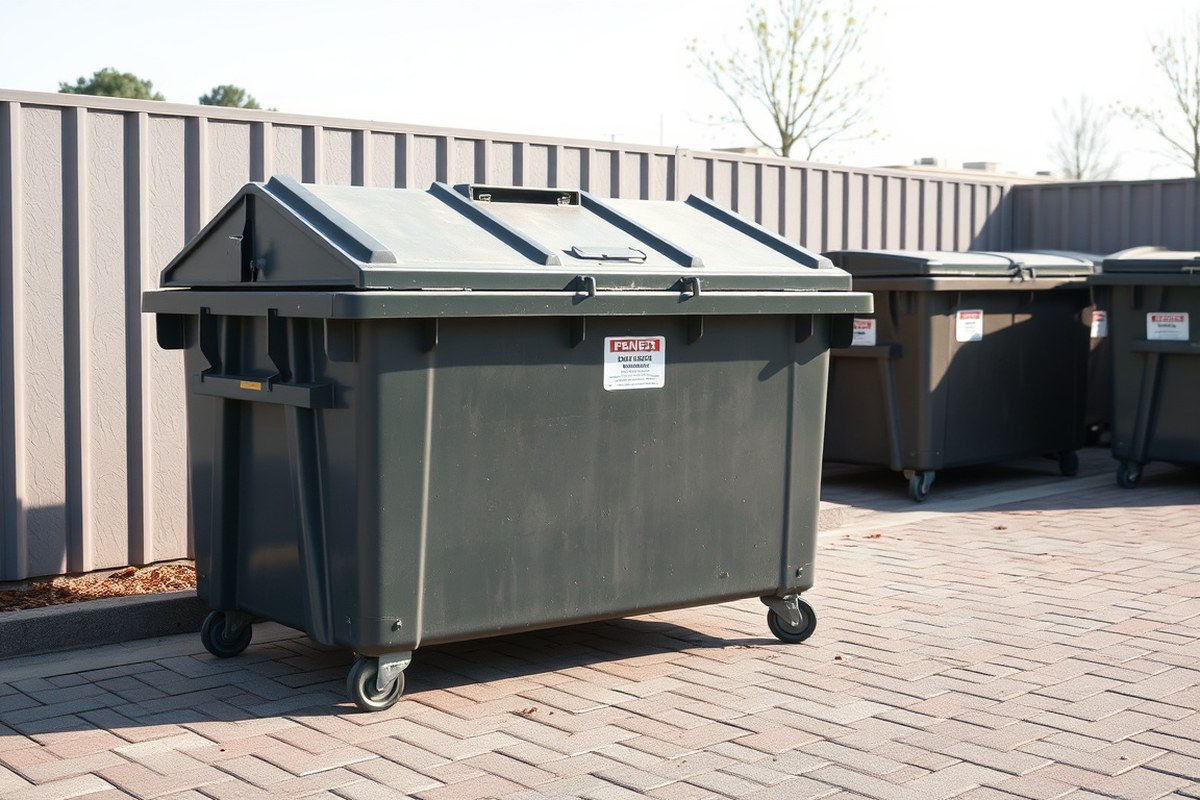
How to Prevent Pest Infestation of an Outdoor Dumpster: 10 Proven Strategies That Work
Preventing pest infestation of an outdoor dumpster requires regular cleaning, secure lids, and proper placement. Keeping waste contained and promptly managing trash reduces attraction for rodents, flies, and other pests. Using effective waste management and monitoring early signs of infestation can stop problems before they grow.
This advice targets facility managers, property owners, sanitation workers, and anyone responsible for outdoor dumpster maintenance. The strategies outlined include pest identification, maintenance timing, pest-proofing options, and staff training to maintain a pest-free environment around dumpsters year-round.
Key Takeaways
- Clean outdoor dumpsters at least once a week to remove residues that attract flies, rodents, and cockroaches.
- Use tightly sealed, durable lids to block common pests like rats, raccoons, and insects from accessing waste.
- Place dumpsters away from buildings and on paved, well-drained surfaces to minimize pest shelter opportunities.
- Implement regular waste sorting and prompt removal schedules to reduce odors and food sources that draw pests.
- Monitor dumpsters daily for droppings, gnaw marks, or nesting materials as early signs of infestation.
- Apply approved pest control treatments for dumpsters and contact licensed professionals if infestations persist.
1. Which Pests Commonly Infest Outdoor Dumpsters and Why
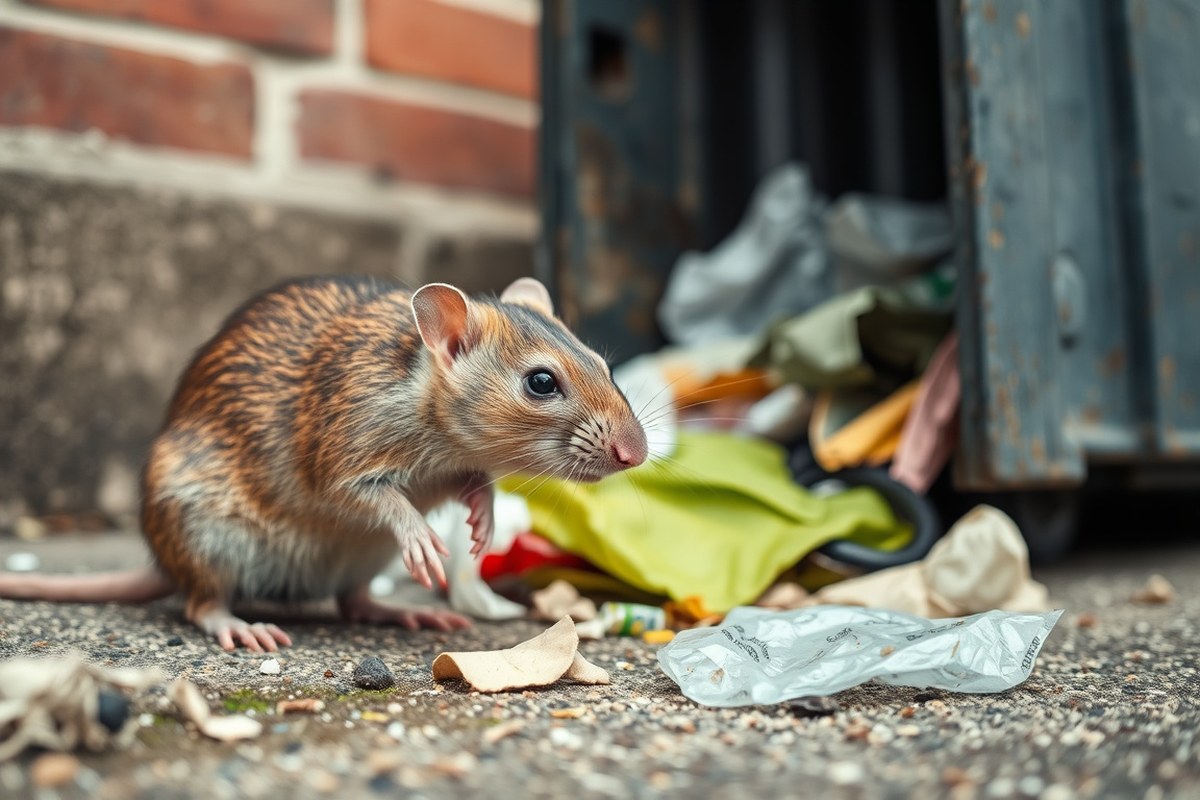
Outdoor dumpsters often attract a variety of pests, including rats, raccoons, flies, cockroaches, and ants. These pests are drawn primarily by food scraps and organic waste that provide them with shelter and nourishment. The warmth and moisture levels inside dumpsters also create ideal breeding environments for insects like flies and cockroaches. For rodents such as rats, dumpsters are not only a food source but also a place to find shelter near human activity, increasing the risk of them spreading disease or causing damage.
The reason dumpsters become hotspots for pests is the availability of accessible food combined with hiding spaces. For example, uncovered or damaged dumpster lids allow easy pest access. Spilled liquids or improperly sealed garbage bags increase moisture and smell, which further attracts flies and raccoons. These pests have strong olfactory senses and can detect food odors from significant distances, often from neighboring properties or across fences.
Regional differences can influence which pests are most common around dumpsters. In urban areas, rats and cockroaches tend to dominate, given the high concentration of human waste and shelter opportunities. Rural or suburban areas might encounter more raccoons, opossums, or skunks, which are proficient at opening bins and scavenging. In warmer climates, flies and ants are particularly active year-round, whereas colder regions may see more activity concentrated in spring and summer months. Adjusting dumpster maintenance practices to address the specific local pests can improve control efforts.
Managing pest attraction starts with understanding why pests frequent dumpsters. Food residue, especially from meat or sugary products, makes dumpsters irresistible to wildlife and insects. Broken or cracked bins allow easier entry, increasing infestation risks. Visual inspection can help identify signs such as droppings, gnaw marks, or an abundance of flying insects near the dumpster area. Promptly addressing these signs can prevent a minor issue from developing into a larger infestation that requires costly removal or professional pest control services.
To reduce pest presence, focus on keeping dumpsters tightly closed and clean of spillage, which limits access and removes feeding opportunities. Awareness of which pests are most common in your region can inform more targeted pest management strategies, such as using rodent traps in rat-prone urban locations or securing lids with raccoon-proof locks in suburban settings. Regular monitoring helps spot changes in pest activity related to seasonal or environmental shifts, improving your ability to respond quickly and protect the facility.
2. How Often Should Outdoor Dumpsters Be Cleaned to Prevent Pests
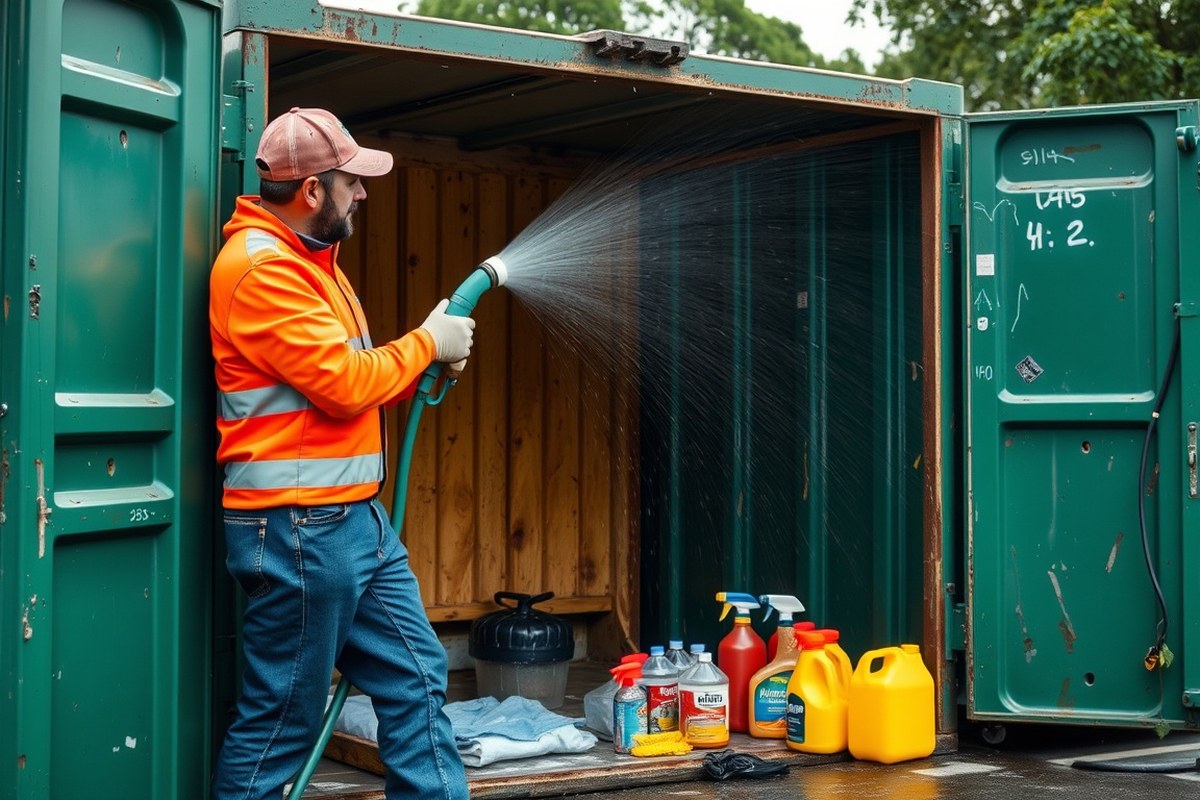
Outdoor dumpsters should be cleaned at least once a month to prevent pest infestations, with more frequent cleanings during warmer months when pests are most active. Using disinfectants like bleach solutions or enzymatic cleaners helps eliminate odors and residues that attract insects and rodents.
Recommended Cleaning Intervals by Season
Cleaning frequency depends greatly on the season. Cooler months typically require cleaning every four to six weeks, as lower temperatures reduce pest activity and slow the buildup of organic waste. In warmer months, especially spring and summer, cleaning should happen every two to three weeks to manage increased pest attraction from food scraps and moisture.
High-usage dumpsters, such as those at busy restaurants or high-traffic commercial buildings, may need weekly cleaning during peak seasons. Consistent monitoring of waste levels and pest activity can help adjust these intervals effectively.
Effective Sanitizing Products for Dumpsters
Proper cleaning agents make a significant difference in maintaining a pest-free dumpster. A common and economical choice is a diluted bleach solution, which disinfects surfaces and neutralizes odors. Use a mix of one part bleach to ten parts water for routine cleaning. Enzymatic or bio-based cleaners are alternatives that break down organic material without harsh chemicals and can be safer around plants.
Avoid using only soaps or degreasers, as these may clean visible grime but do not effectively kill bacteria or mask odors attractive to pests. For heavily soiled dumpsters, a combination of pressure washing followed by disinfectant application provides thorough sanitation.
Signs Indicating Immediate Cleaning Needed
Certain conditions signal that a dumpster requires cleaning regardless of the scheduled interval. Noticeable foul smells, visible residue buildup on walls or floors, standing liquid at the bottom, or frequent sightings of flies, rodents, or ants suggest cleaning must happen promptly. Also, after disposal of particularly messy waste, such as spoiled food or liquid spills, immediate cleaning can reduce pest attraction and prevent infestation cycles from establishing.
Routine Deep Cleaning vs. Surface Cleaning
Surface cleaning involves removing litter and washing down interior walls with water and a mild detergent to clear debris and visible dirt. This should be done weekly or as needed to keep the dumpster visually clean and reduce immediate pest cues.
Deep cleaning goes further by applying disinfectants, scrubbing to remove stubborn residue, and clearing drainage holes. Conduct deep cleaning monthly or more frequently during high-use periods. This process reduces harmful bacteria, eliminates organic build-up that pests feed on, and controls odors effectively. Follow this checklist for regular dumpster cleaning to keep pests away:
- Empty the dumpster completely before cleaning to access all surfaces.
- Remove all loose debris and stuck-on waste using a broom or scrubbing brush.
- Rinse the interior with a hose or pressure washer to loosen grime.
- Apply an appropriate disinfectant or enzymatic cleaner, focusing on corners and crevices.
- Scrub surfaces thoroughly to break down organic residues and biofilms.
- Flush the dumpster with clean water to remove cleaning agents and residues.
- Ensure drainage holes are clear to prevent standing liquids that attract pests.
- Allow the dumpster to dry fully before returning it to use to curb microbial growth.
Never mix bleach with ammonia or other cleaners as toxic fumes may occur; always follow label instructions for safe use.
3. Choosing the Right Dumpster Lid or Cover to Block Pests
Selecting the right dumpster lid or cover plays a key role in keeping pests away from outdoor dumpsters. Different lids block pests in various ways, so understanding what types are available helps you choose one that fits your specific needs and budget. The effectiveness often depends on how well the lid seals and whether it prevents pests like rodents, raccoons, or insects from accessing food waste.
Common dumpster lid options include flat lids, dome or curved lids, sliding lids, and specialized pest-proof lids. A tight seal prevents small pests from squeezing through gaps, and sturdy materials resist tampering by larger animals. Some covers also provide added benefits like ease of use or weather resistance. Here’s a closer look at each type:
| Lid Type | Description | Effectiveness Against Pests | Cost Considerations | Best Use Cases |
|---|---|---|---|---|
| Flat Lid | Simple, flat top that snaps or locks on | Good for general pest prevention but may allow small rodents if not sealed tightly | Low to moderate; commonly available | Low-traffic areas with less pest pressure |
| Dome/Curved Lid | Rounded top design that prevents animal climbing and pooling rainwater | Better at keeping out raccoons and raccoons, discourages bird landings | Moderate; offers longer durability | High pest activity zones and outdoor settings with rain exposure |
| Sliding Lid | Lid slides open on tracks instead of lifting | Limits exposure time, making it harder for pests to access contents | Moderate to high; requires maintenance | Busy commercial facilities needing quick, frequent access |
| Pest-Proof Locking Lid | Heavy-duty lid with locks or latches designed to be animal-resistant | Highly effective against rodents, raccoons, and large pests | High; initial investment and maintenance needed | Areas with significant pest problems or strict pest control requirements |
| Soft Covers (Tarps or Mesh) | Flexible covers that seal off openings but may not be rigid | Minimal protection; may block birds but less effective against rodents or larger animals | Low; disposable or reusable options | Short-term use or low-pest environments |
Choosing a lid that provides a tight fit and durable construction pays off by reducing pest access and contamination. Costs range from as low as $50 for basic lids to several hundreds for locking or curved heavy-duty models. You should weigh the cost against the severity of pest pressure and dumpster usage to find the right balance.
Make sure lids fit well to prevent gaps where pests can slip in. Regularly check hinges, locks, and seals, repairing or replacing lids showing wear. Avoid lids that stay partially open or require excessive force; these can lead to users leaving them open or damaged. Pest-proof locking lids best stop clever animals like raccoons but require training staff to lock lids after every use.
4. How Proper Dumpster Placement and Enclosures Reduce Pest Attraction
Proper dumpster placement and the use of enclosures and barriers significantly reduce the attraction of pests. Positioning dumpsters away from buildings, enclosing them in secure structures, and applying physical obstacles around them limit the pests’ access and hiding spots. These steps make it harder for rodents, insects, and other animals to find food and shelter around your dumpster area.
Ideal Distance from Buildings and Structures
Place dumpsters at least 10 to 20 feet away from buildings to reduce pest risks. This distance prevents pests from easily moving from dumpsters into nearby structures where people work or live. Keeping dumpsters away from doorways, windows, and vents also stops odors and pests from entering buildings. Avoid placing dumpsters near dense vegetation or wood piles, as those provide cover and nesting sites for rodents and insects.
The right location includes a flat, open area where sunlight can help dry the dumpster and surrounding ground, making it less attractive to insects like flies. In tight urban spaces, maintaining as much separation as possible is key, even if you cannot reach 20 feet. Ensuring clear space around the dumpster allows for easier cleaning and monitoring for pest activity.
Types of Enclosures to Limit Pest Access
Enclosures that fully surround dumpsters provide a physical barrier against many pests. Metal or heavy-gauge wire mesh cages with lockable doors restrict rodents and raccoons. Solid walls made from wood, concrete, or metal block access completely and stop animals from climbing inside. Some enclosures have raised platforms or smooth metal siding to prevent pests from burrowing underneath or climbing up.
Enclosures should have tight-fitting doors and no gaps larger than a quarter inch, small enough to keep out rats and other rodents. Regularly inspect these enclosures for holes or damage and repair them promptly. Costs vary widely, from a few hundred dollars for a prefabricated metal cage to several thousand for a custom-built solid structure, but investing in a good enclosure saves on pest control treatments and damage repair.
Using Physical Barriers to Deter Rodents
Installing physical barriers around dumpsters adds another layer of protection. Hardware cloth or heavy wire mesh buried 6 to 12 inches into the ground around the dumpster perimeter stops burrowing rodents from digging under fences or enclosures. Metal flashing or angle iron around the base of dumpsters can prevent climbing pests from gaining entry. Some facilities use concrete or asphalt pads under dumpsters to eliminate soil access routes.
Sealants and pest-proof trim applied at dumpster joints and hinges close small gaps rodents could squeeze through. Applying these barriers requires occasional maintenance, especially after storms or heavy use. While this involves moderate upfront effort, the long-term reduction in rodent visits justifies the work. In areas with large infestations, these barriers combined with traps or bait stations improve pest control success.
Impact of Drainage and Ground Surface
Pests thrive where water collects and organic debris decomposes, so proper drainage is essential. Ensure the dumpster site slopes away from the container to prevent standing water. Drainage improvements include grading the area or installing gravel beds and perforated drainage pipes. Standing water attracts flies and mosquitoes and soft mud allows rodents to create burrows with less effort.
The ground surface under and around the dumpster should be solid and easy to clean. Concrete or asphalt pads reduce accessible dirt, making it harder for pests to nest and for spilled food waste to penetrate soil. Avoid mulch or dense plantings close to dumpsters, as they hold moisture and hide pest activity. Keeping the area dry and clean breaks the pest life cycle and discourages both insects and rodents.
5. Effective Waste Management Practices to Discourage Pests
Proper waste management is key to preventing pest infestations around outdoor dumpsters. Bagging your garbage tightly reduces odors that attract rodents, flies, and raccoons. Use heavy-duty plastic bags without tears or holes to make sure liquids and food scraps stay contained. Sorting waste by separating recyclables, compostables, and trash also lowers attraction since certain pests prefer decomposing organic material. Regularly cleaning out dumpster liners and replacing them prevents build-up of sticky residues and decomposed matter, cutting down nesting and feeding sites for pests.
Dumpster liners act as an effective barrier between waste and the dumpster itself, making the area easier to clean and less inviting to pests. For most outdoor dumpsters, thick polyethylene liners that are resistant to tears and punctures work best. Avoid thin bags that can rip under heavy or sharp waste. In areas with frequent pest pressure, consider using liners with pest-repellent additives or those designed to contain liquids fully to limit seepage and odors.
Daily or frequent disposal routines help ensure waste does not linger in the dumpster longer than necessary, further minimizing smells and pest attractants. Businesses generating food waste should schedule pickups to coincide with waste volume. For example, restaurants might need twice-daily disposal during busy days. Establish a routine for promptly sealing bags and closing dumpster lids after each use to keep out pests.
- Double-bag strong-smelling or liquid-heavy waste to prevent leaks and odors.
- Sort and dispose of organic waste separately to allow for composting or special pickup.
- Use commercial-grade polyethylene liners sized correctly for your dumpster.
- Empty dumpsters as often as waste volume dictates, at least twice weekly for food service facilities.
- Train staff to seal bags tightly and close lids immediately after use.
Regularly inspect liners for holes and replace them promptly to maintain a pest-resistant barrier.
Costs for liners vary but investing in durable, properly fitting bags reduces cleanup expenses and pest control problems over time. A well-managed waste disposal routine shows fewer gnaw marks on dumpsters, less scattered trash, and a significant drop in sightings of rodents, raccoons, and flies. Skipping these steps may lead to persistent infestations, increased cleanup costs, and potential health hazards for employees and customers.
6. Recognizing Early Signs of Pest Infestation Around Dumpsters
Early detection of pest problems around outdoor dumpsters can prevent costly infestations and health risks. Look for fresh signs such as small droppings, gnaw marks on the dumpster or nearby surfaces, and the occasional sighting of pests like flies, rodents, or ants near the waste area. These indicators suggest the problem is still manageable. A full infestation typically shows persistent pest activity, large nests, foul odors, and visible damage, signaling the need for immediate, professional intervention.
Regular inspections are key to spotting minor pest issues before they escalate. Check the dumpster area at least twice a week and use a checklist to stay consistent. Focus on areas where pests often hide or enter, such as gaps in the dumpster lid or cracks in the enclosure structure. Early signs often appear within days after waste accumulation increases, especially in warm, humid conditions.
- Small droppings or fecal pellets around the dumpster base
- Damage or gnaw marks on plastic liners, lids, or surrounding walls
- Presence of dead insects or small pest bodies near the dumpster
- Fresh footprints or drag marks in loose waste or dirt close by
- Swarms or increased numbers of flies hovering around the dumpster
- Unusual or new odors distinct from normal garbage smells, often strong and musky
- Sounds of rustling or scratching noises inside or near the dumpster at night
Use a flashlight and a small mirror to inspect hidden spots under and behind the dumpster. Minor problems can usually be stopped with improve cleaning and prompt removal of waste. If you find multiple signs consistently over a week, it generally means pests have established nests nearby, which counts as an infestation. Cost-effective action at this stage includes sealing entry points and improving sanitation.
Ignoring these early warning signs increases the risk of rodents burrowing into walls or underground tunnels, and insects multiplying rapidly. Responding quickly minimizes health hazards such as contamination from rat urine or bacteria-carrying flies. By tracking these indicators and combining them with your regular maintenance routine, you keep the dumpster area safe and compliant with sanitary standards. Delays or half-measures may require expensive pest control services later on.
7. DIY Pest Control Measures and When to Escalate to Professionals
Safe DIY pest control measures around outdoor dumpsters focus on removing the conditions that invite pests and applying non-toxic deterrents. You can start by maintaining strict cleanliness standards such as rinsing the dumpster to remove food residue and debris. Use natural repellents like vinegar or essential oils, which are less harmful to the environment and safe to handle. Seal small cracks or holes in dumpster lids and surrounding enclosures with weatherproof materials to deny pests hiding spots.
Apply pest traps and bait stations designed for outdoor use, but avoid broad-spectrum pesticides that may harm beneficial insects or contaminate surrounding areas. Regularly inspect these measures and refresh or reposition them as needed to maintain effectiveness. Monitoring pest levels through these steps can help you decide if and when to seek professional intervention.
The decision to escalate to professional pest control should be based on clear criteria. Persistent or multiplying pests despite your preventive efforts indicate professional treatment becomes necessary. Consider the severity of the infestation, the type of pests involved, and any health risks posed to employees or customers. Professional services offer targeted treatments and ongoing monitoring that are difficult to replicate with DIY methods. Here is a decision rule you can follow to decide when to call professionals:
- Inspect the dumpster area weekly for signs of pest activity, including droppings, nesting materials, or increased pest sightings.
- Implement safe DIY control measures such as cleaning, sealing openings, and setting traps or non-toxic repellents consistently for at least 2 to 4 weeks.
- Monitor pest activity during this period. Keep records of sightings and any damage to assess whether conditions improve.
- Evaluate pest levels at the end of 4 weeks. When pest presence remains steady or worsens, escalate your response.
- Contact a licensed pest control professional experienced with outdoor dumpster environments for an inspection and tailored treatment plan.
- Follow the professional’s recommendations carefully, including any required environmental or safety precautions.
- Continue your routine cleaning and preventive maintenance even after professional treatment to minimize chances of reinfestation.
Pests returning despite preventive measures and professional treatment signal a need to reassess the environment for missed conditions attracting pests. Check for new waste buildup, damaged seals, or nearby vegetation harboring pests. Maintaining good communication with your pest control provider helps adapt your approach over time. Adjusting waste handling procedures and increasing monitoring frequency may be necessary to maintain control.
8. How Seasonal and Environmental Factors Affect Dumpster Pest Risks
Pest infestation risks around outdoor dumpsters change with weather and seasons due to temperature, moisture, and food availability. Warmer months increase pest activity since insects and rodents breed faster and seek food more aggressively. Cold weather usually slows pest movement, but rodents may still invade dumpsters for shelter and warmth.
Adjusting your pest prevention routines according to these conditions helps reduce infestation chances effectively. For example, spring and summer require more frequent cleaning and inspection because pests like flies, ants, and rodents become more active. Rainy seasons also boost pest risks by creating damp environments that attract insects and promote mold growth in waste. A seasonal pest control checklist can help you stay consistent and proactive:
- Increase dumpster cleaning frequency during warm months to at least twice a week.
- Inspect dumpster area weekly for pest signs, particularly after heavy rain or storms.
- Keep dumpster lids tightly closed, especially in spring and summer, to block entry points.
- Remove spilled waste promptly to eliminate attractants for rodents and flies.
- Use pest deterrents such as traps or repellents more intensively in peak pest seasons.
- Ensure proper drainage around dumpsters to avoid standing water during rainy months.
- Store dumpsters away from building walls to reduce rodent nesting options during cold periods.
Following this checklist requires time and some resources, including cleaning supplies and pest control materials. The cost will depend on dumpster volume and how frequently you manage it, but regular upkeep usually costs less than dealing with a full-blown pest infestation. Good results look like fewer pest sightings, less waste spillage, and no damage to dumpster structures.
Neglecting seasonal adjustments often leads to rapid pest population growth around your dumpster, increased odors, and higher cleanup costs. Keep in mind that rainfall variability and local climate extremes may require tailoring your schedule. For example, a business in a humid region needs more frequent attention than one in a dry climate.
Set calendar reminders aligned with seasonal changes to maintain consistency in your pest prevention tasks.
9. Common Dumpster Maintenance Mistakes and Expert Fixes
Failing to clean dumpsters regularly causes recurring pest issues. Trash buildup provides food sources and hiding places for rodents and insects. Setting a fixed cleaning schedule and following it breaks this cycle. Pressure washing with a biodegradable cleaner every one to two weeks, or more frequently for high-use dumpsters, removes residues that attract pests. Skipping this step lets pests establish nests and breed.
Leaking dumpsters attract pests by creating damp environments ideal for insects like flies and cockroaches. Repair any holes or cracks promptly using a compatible patch or sealant. Position dumpsters on a hard, sloped surface with intact drainage to prevent standing water. Locations prone to heavy rains benefit from adding a sloped shelter or canopy to reduce moisture buildup.
Leaving dumpster lids open invites a variety of pests and scatters waste that attracts them further. Always fully close lids after use. When the dumpster design limits secure closure, fitting a plastic wrap or secondary seal around edges can help. Automatic lid closers for frequently accessed dumpsters reduce human error.
- Allowing trash to overflow beyond the dumpster edge
- Ignoring damaged or missing lid components
- Failing to remove recyclables and organic waste separately
- Not inspecting dumpsters for pest entry points regularly
- Using dumpsters without regular pest control treatments in high-risk areas
- Neglecting to trim vegetation or remove debris around the dumpster
Overflowing trash extends scent trails and provides easy access for pests. Managing waste volumes to fit dumpster capacity requires adjusting pickup schedules or adding more dumpsters. Separating recyclables and organic waste limits food attractants pests prefer. Conduct a weekly inspection focusing on corners, hinges, and lid seals to spot early damage or pest entry points. Implementing targeted pest control treatments, such as bait stations near dumpster bases, can suppress populations before infestations develop. Keep the area around dumpsters clear of grass, leaves, or scrap materials that serve as harborage.
Each correction targets removing or limiting key attractants and habitats. Regular attention and proactive fixes prevent small issues from turning into costly infestations. Your staff may need training on inspection and cleanup protocols since many mistakes happen from inconsistent practices.
10. Training Staff and Keeping Records for Ongoing Dumpster Pest Control
Training your staff and keeping detailed records are key to effective dumpster pest control. Well-informed personnel know how to minimize pest attractions, and accurate logs help track cleaning schedules and pest sightings. Together, these improve communication and prevent infestations before they start.
Training Staff on Dumpster Pest Prevention
Teaching your staff or tenants clear procedures for dumpster care can significantly reduce pest issues. Training should cover proper waste disposal, cleaning routines, and ways to identify early signs of pests. Here is a simple training process you can use to ensure everyone understands their role:
- Explain the importance of keeping dumpsters clean and sealed to prevent pests.
- Demonstrate proper trash handling, including double-bagging wet waste and avoiding overfilling bins.
- Show how to clean dumpsters using approved disinfectants and cleaning tools.
- Train on checking for pest signs like droppings, gnaw marks, or burrows around dumpsters.
- Outline reporting procedures for pest sightings or damaged dumpster components.
- Provide hands-on practice during routine cleaning shifts or maintenance checks.
- Repeat training regularly to reinforce habits and update for seasonal risks.
Training sessions typically require 30 to 60 minutes and can be done during team meetings or on-site walks. Use simple language and visuals to help retention.
Essential Records and Logs to Maintain
Keeping detailed records helps monitor pest control efforts and supports compliance with health regulations. Create a log system that tracks cleaning, waste collection, pest sightings, and maintenance. Typical records include:
- Cleaning schedule logs documenting dates, times, and staff responsible.
- Pest inspection reports noting any evidence of infestation and actions taken.
- Dumpster condition records capturing lids, seals, or structural damage and repairs.
- Communication records with pest control providers or local authorities.
Digital or paper logs both work; choose what fits your operation. Consistent record keeping takes 5 to 10 minutes per entry but prevents costly pest outbreaks and regulatory fines.
Communicating Pest Issues with Stakeholders
Clear communication about dumpster pest control keeps everyone informed and accountable. Inform staff, tenants, property managers, or waste contractors about expectations and any pest-related incidents. Use this script to standardize such messages:
Subject: Dumpster Pest Control Update Message: “We are committed to maintaining a clean and pest-free dumpster area. Please ensure all waste is properly sealed and disposed of according to your training. Report any signs of pests or damaged dumpster parts immediately to [contact name/email/phone]. Regular cleaning and inspections are logged for accountability. Your cooperation helps avoid health risks and regulatory issues. Thank you for your attention to this important matter.”
Regular updates via email, bulletin boards, or briefings maintain awareness and prompt action before pests become a problem.
Your First Week: Quick-Start Action Plan to Prevent Dumpster Pest Infestations
Take immediate, practical steps to stop pests around your outdoor dumpster. Follow this plan over the next seven days to set a strong foundation for ongoing pest control.
- Day 1: Inspect and Identify, Walk around your dumpster to spot any early signs of pests like droppings, gnaw marks, or nests. Confirm the presence of common pests such as rats, raccoons, flies, or cockroaches. Knowing what you’re dealing with guides your next steps.
- Day 2: Clean Thoroughly, Empty and clean the dumpster using a detergent and disinfectant safe for outdoor use. Remove all debris around the dumpster pad. You’ll know it worked when odors disappear and no visible residue remains to attract pests.
- Day 3: Secure with the Right Lid, Replace or repair dumpster lids to ensure they close tightly without gaps. Use lids designed to resist pest entry. Test the seal by checking for gaps in daylight or with a simple flashlight inspection.
- Day 4: Adjust Placement and Enclosure, Move the dumpster away from walls and vegetation to reduce pest harborages. Install a sturdy enclosure or fencing to limit animal access. Successful placement leaves the area visibly clear with no nearby hiding spots.
- Day 5: Implement Waste Management Practices, Train staff to double-bag food waste and compact trash to minimize scents and spilled material. Set a regular schedule for trash removal based on volume and pest activity. Check effectiveness by reduced pest sightings and cleaner surroundings.
- Day 6: Establish Ongoing Monitoring, Start a log to record cleaning dates, inspections, pest sightings, and any treatments. Review the log weekly for patterns or recurring issues. A consistent record helps catch problems early.
- Day 7: Plan Professional Support, If signs of infestation persist despite your efforts, schedule a consultation with a licensed pest control expert. Early professional intervention prevents costly damage and health risks.
Frequently Asked Questions
Can Placing Vinegar Near Dumpsters Deter Pests?
Vinegar can repel some pests like ants near dumpsters, but it’s not a complete solution. Use it as a supplemental measure alongside regular cleaning and sealing to increase effectiveness.
Does Noise Near Dumpsters Keep Rodents Away?
Noise can temporarily scare away rodents, but it doesn’t stop infestations. Combining sound deterrents with proper waste management provides better control.
Are Scented Trash Bags Helpful in Preventing Pests?
Scented trash bags may mask odors but can attract pests if not sealed properly. It’s more effective to use sturdy, sealed bags and frequent waste removal.
Can Landscaping Choices Affect Pest Activity Around Dumpsters?
Certain plants can attract or repel pests near dumpsters. Avoid dense shrubs that harbor pests and opt for low-maintenance, pest-resistant ground cover.
Do Commercial Pest Traps Work Around Outdoor Dumpsters?
Commercial traps can reduce specific pests like rodents, but effectiveness varies by species and placement. Use traps with regular monitoring and sanitation for best results.
Is Bleach a Safe Cleaning Agent for Dumpster Pest Control?
Bleach kills germs and deters pests temporarily, but frequent use can damage dumpster materials. Use diluted solutions sparingly and follow safety guidelines to avoid corrosion or fumes.
Final Thoughts
Keeping pests away from your outdoor dumpster requires consistent attention to cleanliness and proper management. Start by inspecting your dumpster area today for any accumulation of food waste or debris that could attract pests. Taking this simple step sets the foundation for effective pest prevention and helps protect your property from infestations before they begin.