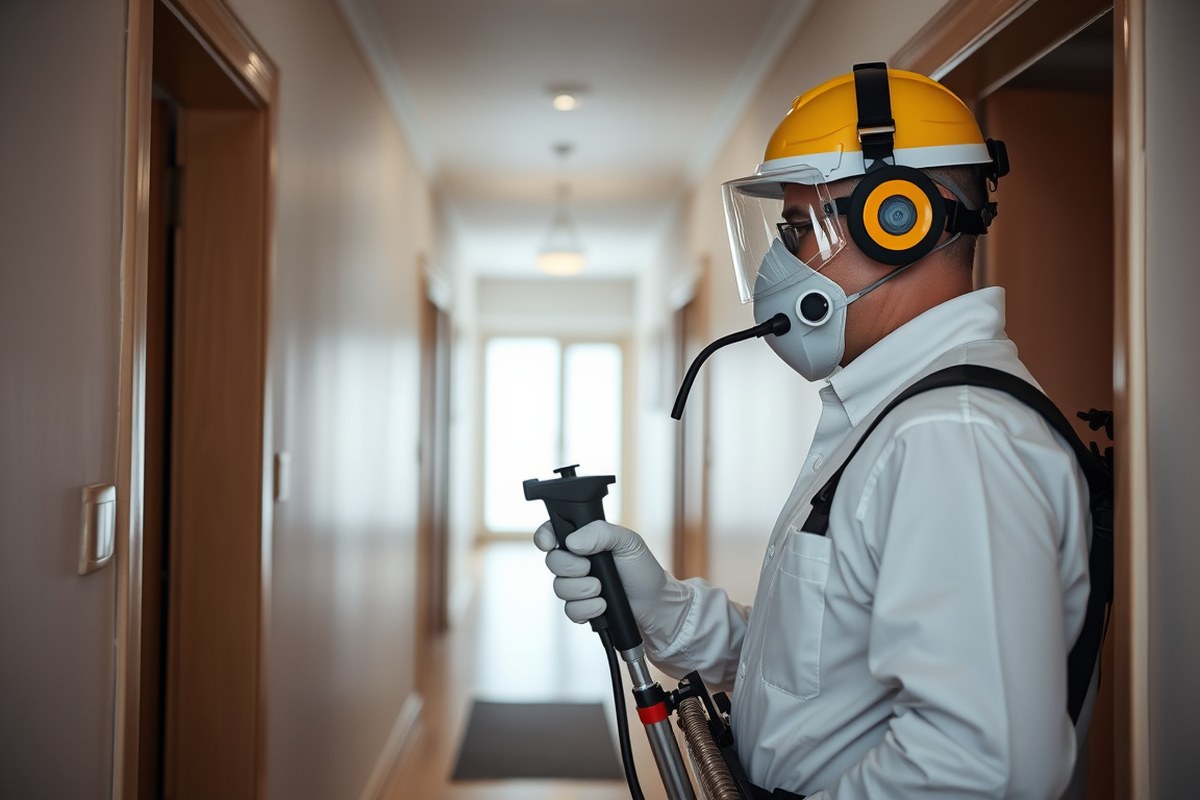
How to Price Apartment Pest Control: A Complete Guide for Accurate Quotes
How to price apartment pest control starts with understanding the common pricing models and key cost factors specific to multi-unit buildings. You need to consider pest type, treatment intensity, labor, materials, overhead, and whether apartments are vacant or occupied. These details help you draft accurate, transparent quotes that cover initial treatments and follow-ups while avoiding common pricing mistakes.
This information meets the needs of property managers, landlords, and pest control business owners who want to set fair, competitive prices. By factoring in specifics like eco-friendly options, technology-based treatments, and negotiation strategies, you’ll be prepared to evaluate effectiveness and schedule follow-ups with clear cost expectations.
Key Takeaways
- Use flat-rate, per-unit, or per-square-foot models to align pest control pricing with apartment size and service frequency.
- Account for infestation severity, pest type, property age, and occupancy status when estimating apartment pest control costs.
- Charge higher rates for bed bugs or termites due to complex treatments compared to ants or cockroaches.
- Set initial treatment prices higher than follow-ups to cover extensive inspection and setup work initially required.
- Include labor hours, cost of pesticides, equipment use, and administrative overhead to create accurate pest control pricing.
- Provide clear, detailed quotes showing each service element and potential additional fees to maintain transparency with clients.
Common Pricing Models for Apartment Pest Control Explained

Apartment pest control pricing commonly uses per unit, per visit, and flat rate models. Each model suits different property sizes, pest problems, and service scopes. Understanding their tradeoffs helps you pick the best pricing approach based on your apartment complex’s needs and budget.
Per Unit Pricing
Per unit pricing charges a fixed fee for each apartment treated. This model works well for large, multi-unit properties where infestations or treatments vary from one unit to another. You can adapt prices based on unit size, pest severity, or treatment type. For example, treating a studio might cost less than a three-bedroom due to differing infestation levels and treatment materials.
Per unit pricing ensures fairness since you only pay for what’s treated, but it requires detailed inspection before quoting. It simplifies tracking and billing because each unit is accounted separately. Downsides appear if infestation spreads unevenly, some tenants pay more, causing disputes. For smaller buildings under 20 units, the administrative effort to price and invoice per unit might not be worth it.
Per Visit Pricing
Charging per visit means a flat fee covers pest control performed during each service trip, regardless of the number of units treated. This suits smaller complexes or situations where the entire property gets inspected and treated as a whole during one visit. It makes budgeting predictable for managers since the cost remains the same every visit.
This model can underestimate or overestimate costs if some visits require more work due to pest resurgence or varied unit conditions. Often, treatments are scheduled monthly or quarterly. Service providers might charge between $100 and $300 per visit for small to medium complexes. This simplifies scheduling but risks overpaying if only a portion of units has pests.
Flat Fee and Bundled Pricing
A flat fee pricing model offers a single price for all pest control services across the entire apartment complex over a set period (usually monthly or annually). Bundled pricing often includes regular inspections, treatments, follow-ups, and sometimes prevention services at a fixed cost. This model appeals to property managers wanting predictable budgets and minimal hassle dealing with multiple invoices.
The challenge with flat fee models is setting the right price to cover varying pest pressures and unit sizes. Underpricing can hurt the pest control business, and overpricing may discourage clients. For large properties with over 50 units, flat fee contracts can range widely from $500 to $2,000 per month, depending on pest types and treatment complexity. A clear scope of service and performance guarantees must accompany flat fees to set client expectations.
Hybrid and Customized Pricing Models
Combining elements from other models accommodates unique property needs. For instance, a provider might charge a flat fee for general building inspections and common area treatments while using per unit pricing for infested apartments. Customized pricing adjusts to pest type too, rodent control might have a separate rate from bed bug treatments.
You choose a hybrid model when your apartment complex has varying pest risks or when some units remain vacant and others occupied. Tailoring prices improves fairness and service quality but requires more negotiation and record-keeping. To decide the best model, start by mapping unit counts, infestation risk, and pest type. Large complexes with multiple pest species benefit from hybrid models, while smaller or uniform buildings do better with simple per visit or per unit rates.
Key Factors That Influence Pest Control Costs in Apartment Complexes

Several key factors influence the cost of pest control in apartment complexes. These include the apartment size, number of units, type and severity of the infestation, labor intensity, and local regulations. Understanding these variables allows you to calculate a fair and accurate price that covers materials, labor, and compliance costs.
Apartment Size and Unit Count
The size of the apartment complex and the number of individual units directly affect pest control pricing. Larger complexes require more labor hours and materials, increasing costs. Pricing often depends on the total square footage or the number of units treated, with per-unit or per-square-foot rates common in estimates.
You calculate costs by multiplying the unit count by a set rate, adjusted for apartment size variations. For example, a one-bedroom unit may cost less to treat than a three-bedroom due to smaller space and fewer potential pest harborage areas. Including common areas like hallways or basements in your scope increases material and labor needs and should be factored in separately.
When preparing a quote, inspect a sample of units to gauge average size and condition. Multiply your labor and material costs per unit by the number of units expected to be treated. Ask about any vacant or hard-to-access units, as these can change the time required significantly.
Type and Severity of Infestation
The species of pest determines the type and amount of treatment required, which impacts cost. Cockroach and bed bug infestations usually need more intensive, repeated treatments than ants or spiders, driving up hourly labor and chemical costs.
Severity plays a critical role. A light infestation might only need a single treatment focusing on entry points and common areas, while a heavy infestation requires full unit treatments and multiple follow-ups. Labor time and pesticide volume multiply accordingly. Confirm infestation extent through thorough inspection before quoting to avoid underpricing or unnecessary overcharging.
Estimate material amounts and labor hours based on infestation severity during your inspection. For example, a severe bed bug problem could need 3 to 4 visits, each taking an hour per unit, while a minor ant issue might clear with a single 20-minute visit. Adjust your pricing template to include this escalation, noting that failure to do so can deliver subpar results or lost revenue.
Labor and Service Frequency
Labor costs form a major portion of pest control pricing in apartments. You calculate labor by multiplying the number of technicians needed by the hours required for treatment and follow-up. The level of infestation, unit accessibility, and number of units all affect technician time.
Recurring service frequency impacts labor estimates too. Monthly or quarterly preventive services require a steady allocation of labor hours, usually less than initial treatment but consistent over time. Offer clients options to pay per visit or by contract, clarifying that contract pricing often includes discounted rates for repeat visits.
When estimating labor, start by timing your inspections and one treatment session in a typical unit. Multiply this by the unit count and number of visits, then add time for prep and travel between units. Don’t forget to include setup and reporting time, which can add 10% to 15% more labor costs overall.
Local Regulations and Licensing
Local rules can influence costs through licensing fees, required certifications, and restrictions on pesticide use. Some states or municipalities require pest control companies to hold specific licenses or follow strict application protocols, which increase overhead and labor.
For example, integrated pest management (IPM) regulations in some areas demand monitoring and non-chemical controls that need ongoing labor and record keeping. Compliance efforts may require more visits or specially trained personnel, raising the baseline price. Understand local rules before quoting, or consult a professional with licensing knowledge.
Include the costs of acquiring and maintaining licenses, training staff, and purchasing approved products in your pricing model. Overlooking these factors can cause underbudgeting and compliance risks.
Seasonal and Occupancy Considerations
Seasonal pest activity patterns impact both the type and amount of treatment needed. For instance, cockroaches and rodents increase in colder months, often requiring more treatment, while ants peak in warmer months. Adjust pricing to reflect seasonal service intensity if you offer year-round pest control.
Occupancy status also changes costs. Vacant apartments can be treated more quickly since technicians don’t navigate furniture or tenant belongings. Occupied units take longer and may require softer or non-intrusive treatments, which can increase the labor and chemical expenses. Additional tenant communication and scheduling add overhead.
In your estimate, ask property managers or landlords about apartment turnover schedules and occupancy rates. Tailor your labor projections and service plans accordingly to avoid mismatches between time allowed and treatment time needed.
Always perform a detailed unit inspection before quoting to accurately assess infestation severity and apartment conditions, this prevents surprises that can inflate costs later.
Comparing Costs by Pest Type and Treatment Intensity
Apartment pest control costs vary significantly by pest type and infestation severity because treatment methods differ in complexity, materials, and labor required. Roaches and insects often need multiple chemical applications, rodents require trapping and exclusion, and bed bugs demand intensive heat or chemical treatments. Understanding these differences helps you set realistic prices based on the type and scale of the infestation.
Roaches and Insects
Roaches and other common insects like ants or spiders typically require regular chemical treatments and monitoring. Cost depends on infestation level, unit size, and complexity of entry points. Light infestations might only need one treatment costing $75 to $150, while heavy infestations require follow-ups increasing the price to $200 or more. Use gel baits and residual sprays that last up to a month to reduce repeat visits.
Applying insecticides in cracks and crevices and around plumbing often takes 1 to 2 hours per apartment. Preventive treatments may be priced lower since they are mostly surface applications. Intensive infestations with multiple pest species increase material costs and labor time, which raises prices accordingly.
Rodent Control Pricing
Rodent problems need different approaches than insects, involving traps, bait stations, and sealing entry points. Treatment times per unit range from 1 to 3 hours due to inspection, trap placement, and physical exclusion work. Prices start around $150 for light infestations but rise to over $400 for heavy infestations requiring multiple visits and repairs to entry points.
Ongoing rodent control programs usually involve monthly checks of bait stations, which can add $30 to $50 per apartment per month. The need for repairs like sealing holes with wire mesh or foam improve upfront costs but prevents re-infestation, saving money overall. Rodent control prices depend largely on infestation extent and property layout.
Bed Bug Treatment Costs
Bed bugs demand the most expensive and labor-intensive treatments. Prices start at about $300 per apartment for heat or chemical treatment of light infestations. Moderate to heavy infestations can cost $600 to $1,200 or more because they require multiple visits and simultaneous treatment of adjacent units to prevent spread.
Heat treatment systems that raise room temperatures to lethal levels run $1,200 to $2,500 per unit. Chemical treatments take longer and may need repeat applications spaced two weeks apart. The complexity of furniture and resident cooperation further influence price. Treating bed bugs well means investing in thorough inspection, preparation, and follow-ups.
Other Common Apartment Pests
Other pests like fleas, ticks, or spiders usually cost less than bed bugs but more than standard roach treatments. Flea control often involves treating pets and environments with insect growth regulators, costing $100 to $250 per unit. Spider treatments are usually preventive and cost around $75 to $150 if infestation is mild.
Wildlife like birds or bats occasionally require pest control and may involve permits or specialized exclusion techniques, pushing costs over $500. These treatments depend heavily on local regulations and the complexity of removal and exclusion. You should factor in time for legal compliance and specialized materials for these pests.
| Pest Type | Light Infestation Cost | Moderate Infestation Cost | Heavy Infestation Cost |
|---|---|---|---|
| Roaches/Insects | $75 – $150 | $150 – $200 | $200+ |
| Rodents | $150 – $250 | $250 – $350 | $350 – $400+ |
| Bed Bugs | $300 – $600 | $600 – $1,000 | $1,000 – $1,200+ |
| Fleas | $100 – $150 | $150 – $200 | $200 – $250+ |
| Spiders | $75 – $100 | N/A | N/A |
| Wildlife | $300 – $450 | $450 – $550 | $550+ |
This table summarizes common price ranges for each pest and infestation level, helping you set clear expectations and quotes. Adjust prices based on unit size, materials used, and site-specific challenges such as heavy clutter or hard-to-reach spots.
For example, treating a three-bedroom apartment with a moderate roach and light rodent infestation may cost $200 for roach treatment plus $200 for initial rodent control, totaling around $400. If follow-ups are needed, add $50 to $100 per follow-up visit depending on pest persistence. Specific pricing like this enables landlords to budget for complete pest management rather than isolated treatments.
Pricing Differences Between Initial Treatments and Follow-Ups
The price for the initial pest control treatment is typically higher than for follow-up or maintenance visits because it involves a thorough inspection, preparation, and concentrated application of treatments. Follow-up visits are usually less expensive since they focus on monitoring, touch-ups, and prevention rather than full-scale treatment. Budgeting for repeat visits means planning for smaller, regular payments after the upfront cost to maintain pest-free conditions.
Cost Components of Initial Treatment
Initial treatments often carry higher costs due to the labor-intensive inspection process needed to identify pest types, locate nests or colonies, and assess the severity of infestation. This phase requires more time and materials, including stronger chemicals or more extensive bait placement. Setup activities, like sealing entry points or advising tenants on preparation steps, add to the labor costs. Typically, these first visits can cost anywhere from 30% to 50% more than follow-ups depending on the complexity and size of the apartment complex.
The initial treatment also covers the risk and uncertainty of starting pest control. You need to plan for potential special treatments or higher chemical use to knock down pest populations quickly. For example, a cockroach infestation in a 50-unit building might require extensive baseboard treatments and gel applications across many apartments. The price should reflect these resources upfront, laying the groundwork for easier maintenance visits going forward.
Follow-Up Service Pricing Structure
Follow-up pest control visits focus on maintenance and verification that initial treatments are effective. Because the pests are usually reduced after the first visit, follow-ups require less chemical application and shorter labor time. This reduced scope lowers the cost, often to 50% or less of the initial visit price. Scheduling follow-ups every 30 to 60 days is common during the early months to ensure pests do not rebound.
Follow-ups also include spot treatments in areas where pests might reappear and re-inspections to adjust strategies based on effectiveness. You should quote these visits as a recurring but discounted fee compared to the initial cost. For example, if the first treatment costs $600, follow-ups might be priced from $250 to $350 per visit. This encourages consistent service while recognizing the decreased workload.
Maintenance Contracts and Recurring Fees
Long-term maintenance contracts bundle follow-up visits into a predictable schedule over 6 to 12 months, usually with a fixed monthly or quarterly fee. These contracts help manage costs by spreading expenses evenly and signaling commitment to ongoing pest prevention. You can charge $30 to $60 per unit per year in these contracts depending on the pest pressure and service level.
A practical way to quote is to give an initial treatment price plus a monthly rate for maintenance. For example: “Initial treatment: $700 for up to 50 units; monthly maintenance: $300 including two visits per month.” This transparent structure helps property managers understand upfront and ongoing costs. It also avoids surprises from occasional emergency treatments that fall outside routine visits.
Bigger infestations or pest species that require more frequent or specialized attention can raise maintenance fees. Adjust your pricing by factoring in additional treatments, tenant cooperation challenges, or seasonal pest cycles. Budgeting follow-ups as part of a maintenance plan protects both your business and your client from unexpected costs over time.
How to Calculate Labor, Materials, and Overhead in Pricing
Pricing apartment pest control accurately requires breaking down the main costs into labor, materials, and overhead. You calculate labor by estimating the time needed to treat each unit and common areas, materials based on the type and quantity of pesticides or supplies used, and overhead as a portion of business expenses like equipment, administration, and transportation. Combining these estimates gives a realistic baseline price that covers your costs and profit.
Estimating Labor Time per Unit
Start by determining how long it takes to treat a standard apartment unit. This often depends on the pest type and treatment method. For example, treating one unit for cockroaches might take 20 to 30 minutes, while for bed bugs it could take 45 minutes to an hour due to more extensive inspection and treatment. Multiply this time by the number of units plus additional time for common areas such as hallways, laundry rooms, and storage spaces.
In a large complex with 100 units, calculating labor time means adding the time per unit (say 25 minutes) times 100 units, which equals approximately 2,500 minutes or about 42 hours of work. Include about 10% to 15% extra time for common areas and travel within the complex. This adjusted labor hour estimate forms the foundation of your labor cost calculation based on hourly wages or salaries for pest control technicians.
Track actual time spent on initial treatments to refine your labor estimates for future pricing accuracy.
Material and Chemical Cost Calculations
Material costs vary by pest type and treatment intensity. Start by listing the pesticides and supplies used per unit, along with their cost per application. For instance, applying 2 ounces of an insecticide costing $15 per quart (32 ounces) results in a material cost of roughly $0.94 per unit. Multiply that amount by the number of units to get the total product cost.
Estimating the volume of chemicals needed for common areas depends on square footage and pest pressure. Treating a 10,000-square-foot hallway requiring one gallon of solution costing $60 should be factored into your overall material cost. Always add a buffer for waste and reapplications, typically 5% to 10% more material than the exact calculated amount.
Allocating Overhead and Profit Margins
Overhead includes indirect costs like office rent, insurance, vehicle expenses, equipment depreciation, and administrative salaries. Calculate overhead by dividing total annual overhead by the number of service hours or apartment units treated annually. With an overhead of $100,000 per year and 10,000 units treated annually, overhead per unit comes to $10. Adjust this allocation for large complexes, where travel and setup impact profitability differently than smaller jobs.
Add a profit margin after covering labor, materials, and overhead, commonly between 10% and 20%, depending on market conditions and competition. For example, if labor plus materials and overhead add up to $75 per unit, a 15% margin raises the price to about $86 per unit. Avoid underpricing by neglecting overhead or overpricing by inflating profit margins without justifying additional value or service complexity.
Drafting Transparent Quotes and Invoices for Apartment Pest Control
Clear and detailed quotes and invoices make pricing for apartment pest control easier for landlords and managers to understand and approve. You create transparent documents by listing each service, material, and fee separately with accurate descriptions and prices. This approach prevents miscommunication and builds trust.
Essential Elements in Pest Control Quotes
Start every proposal with the basic project details: the property address, date, and contact information for both parties. Clearly describe the pest control services included, such as inspection, treatment type, number of units covered, and any follow-up visits. Specify how treatments will be applied, for example, interior spraying, bait placement, or exterior barriers.
Next, provide an itemized pricing breakdown showing labor hours, chemical or material costs, and equipment charges. For instance, list “Initial Inspection: $150,” “Treatment of 10 units at $50 each: $500,” and “Materials: $75.” State the total cost at the bottom for easy reference. Mention the validity period of the quote to avoid confusion about pricing changes over time.
Disclosing Extra Fees and Terms
Identify any additional charges beyond the base service clearly on your quote and invoice. Common extra fees include charges for emergency call-outs, treating vacant units separately, or addressing heavy infestations requiring extra visits. Explain these in simple terms and indicate when they may apply. For example, write “Additional visit after initial treatments: $125 per visit” so the client knows what to expect if follow-ups are necessary.
Include payment terms such as deadlines, accepted payment methods, and conditions for cancellations or rescheduling. Any guarantees or service limits should be noted here so clients understand the scope of work. Transparency here reduces surprises and disputes.
Scripts for Explaining Pricing to Clients
When communicating your quote, use clear, direct language. For example, say, “This proposal includes a thorough inspection and treatment of 10 units at $50 each. We list labor and materials separately so you can see exactly where costs arise.” This shows you have nothing to hide and helps the client understand the pricing structure.
When the client asks about extra fees, respond with, “Additional costs only apply if we find a need for extra services like treating more units due to a severe infestation. We’ll always discuss these before proceeding.” This reassures the client that you won’t add charges without consent.
When sending the invoice, you might say, “Here’s the invoice matching the items we agreed on. Please reach out if you want further clarification on any part.” Keep communication open and factual, avoiding jargon and emphasizing collaboration.
Pricing Strategies for Vacant vs. Occupied Apartments and Special Cases
Pricing pest control services depends heavily on whether the apartment is occupied or vacant, as each situation demands different service methods and risk management. Special infestations like bed bugs increase costs due to the complexity and thoroughness required. Adjusting pricing carefully ensures you cover your costs and meet client expectations for effective treatment.
Pricing for Occupied Apartments
Occupied apartments require a cautious approach to pricing because treatments must prioritize tenant safety and minimize disruptions. You’ll need to use lower-toxicity products and possibly spread treatments over multiple visits, which increases labor and material costs. Many pest control companies add a surcharge of 15-30% on standard rates for occupied units to cover these additional steps.
Communicating clearly with tenants about preparation steps is important to avoid delays and reduce the risk of treatment failures. For example, requiring tenants to remove food and clutter adds time and effort but improves results. You can incorporate a standard tenant-cooperation fee or include this under labor charges depending on how much coordination the job requires. Occupied units often require post-treatment follow-ups within 7 to 10 days, so factor those inspections into the overall price.
Cost Differences in Vacant Unit Treatments
Vacant apartments allow for more flexible and intensive pest control methods since there are no concerns about occupant exposure. You can use stronger pesticides and more complete treatments such as extensive fumigation or heat treatments, which are generally faster and can treat larger areas in one go. The pricing can be lower on a per-visit basis because treatments are often completed in a single session without as many follow-ups.
However, vacant unit treatments must also consider the time until re-occupancy. If the apartment remains empty for weeks, the pest control effect can last longer, reducing the immediate need for follow-up visits. You may offer volume discounts when treating multiple units simultaneously during a vacancy period. Still, be prepared to charge more for units that have been vacant due to infestation history, as those may require additional steps to fully remediate.
Handling Expensive Bed Bug Eradication
Bed bug treatment rates stand out as significantly higher due to the pests’ resistance and infestation complexity. Pricing should reflect multiple visits, specialized equipment like heat chambers or steamers, and thorough preparation and follow-up inspections. You should provide a detailed scope of work that includes tenant instruction on laundering, mattress encasements, and furniture preparation.
For bed bugs, set pricing as a package and adjust based on the infestation level and unit size. A typical small unit might start around $500 for initial treatment, with follow-ups costing additional flat fees or hourly rates. You can offer a pricing decision guide: for light infestations, one or two visits might suffice, while moderate to heavy cases require 3 to 5 visits plus continuous monitoring. Be clear that cutting corners will reduce efficacy and increase total long-term costs.
Consider charging extra for units needing furniture removal or disposal, as this adds labor and disposal fees. Communicating the reasons behind these higher charges helps property managers budget accurately and reduces disputes.
Common Pricing Mistakes and How to Avoid Them
Common pricing mistakes in apartment pest control usually stem from ignoring key factors, inaccurate estimations, and poor communication with clients. These errors can lead to undercharging, which hurts profit margins, or overcharging, which risks losing business. You need to set prices that reflect the actual effort, materials, and risks involved in treating multi-unit buildings.
One frequent error is failing to account for the complexity of treating occupied versus vacant units. Occupied apartments require careful scheduling, tenant cooperation, and often more time-consuming treatments. Ignoring these extras can cause you to underprice the job. Another mistake is not considering the pest type and infestation severity, which directly affects treatment frequency and product use. Flat-rate pricing without flexibility often results in losing money or customer trust.
Validation of your prices through local market research is important. Comparing competitor rates helps prevent pricing yourself out of the market or undercutting too much. You should also regularly review your costs for labor, chemicals, and overhead to keep your prices in line with expenses and profitability goals.
- Neglecting to adjust prices for apartment size or number of units, fix by measuring and pricing per square foot or per unit.
- Using a one-size-fits-all price, avoid this by customizing estimates based on pest type and treatment difficulty.
- Failing to factor in follow-up visits and warranties, include these in your quote with clear terms.
- Underestimating labor time for occupied units, conduct time studies to create realistic labor cost estimates.
- Incorrectly calculating materials cost, keep detailed records of product usage to improve accuracy.
- Ignoring regional pest control regulations or license fees, verify and include these costs upfront.
- Not documenting or explaining pricing components to clients, provide transparent quotes breaking down charges.
Price negotiation works best when you use a clear script that explains why your price reflects service quality and scope. For example, say “Our charge includes three follow-up visits over six months to ensure complete eradication and compliance with local safety rules.” This reassures clients and justifies your rate.
You should also validate negotiated prices with a simple checklist before finalizing. Confirm that you included labor hours, material costs, compliance fees, and time allowances for tenant coordination. This approach helps avoid surprises and missed charges later.
Always explain your pricing details clearly before the client commits to avoid disputes and build trust.
Evaluating Pest Control Effectiveness and When to Schedule Follow-Ups
To evaluate if pest control treatments are effective, observe a drop in pest activity within one to two weeks after the initial application. Schedule follow-up treatments based on the type of pest and severity of infestation to maintain control and prevent resurgence.
Signs of Effective Pest Control
You can tell treatments worked when you see a significant reduction or total absence of pests in treated areas. For insects like cockroaches or ants, this often means no sightings or droppings in the first 7 to 14 days. Monitoring traps placed before treatment can confirm lower pest counts by comparing catches before and after service. For rodents, fewer droppings and no new gnaw marks indicate success. Residual pesticide presence on treated surfaces is also a sign the treatment can continue to control pests over time.
Check common problem spots such as kitchens, bathrooms, baseboards, and entry points regularly during the first 2 weeks. Record any pest activity, and report it immediately to the pest control provider if it doesn’t decline. If pest numbers stay the same or increase, this could mean the initial treatment missed harborage sites or the pests developed resistance.
Recommended Treatment Intervals
Follow-up visits usually depend on the pest type and infestation intensity. For routine prevention in apartment complexes with occasional pest sightings, schedule quarterly visits. This frequency maintains pest pressure at a low level and reduces the risk of heavy infestations. For heavier infestations, especially with cockroaches, you should plan follow-up treatments every 2 to 4 weeks until the problem clears.
Termite treatments typically require inspections annually, but retreatment intervals depend on the product used and colony activity. Bed bug follow-ups are more frequent: at least two treatments spaced 10 to 14 days apart are common, sometimes more depending on reinfestation risks from new tenants. You may need monthly inspections for 3 to 6 months afterward to confirm elimination.
Planning Maintenance Contracts
Maintenance contracts should outline the schedule based on common pests in your area and the apartment’s history. Include clauses for emergency visits if pests return outside scheduled appointments. Charging per visit or as a flat rate for quarterly or monthly plans both work; the key is covering labor, materials, and response time.
Create a monitoring checklist that details what the provider inspects and treats each visit, including areas checked, traps serviced, and signs looked for. This record helps track pest trends over time and justifies ongoing costs. Maintenance contracts often cost between $20 and $50 per unit per visit, varying by region and pest type. Larger complexes with regular service may negotiate lower per-unit rates.
Negotiating Prices and Using Eco-Friendly or Tech-Based Pest Control Options
Negotiating prices with pest control companies for apartments requires understanding the scope of service and using contract terms for savings. Eco-friendly and technology-driven treatments can alter both cost and service quality, making it important to evaluate these options carefully before deciding.
Negotiation Tips for Bulk or Contract Pricing
Start by assessing the size and frequency of your pest control needs to justify asking for bulk or contract pricing. Pest control companies often offer discounts when signing long-term contracts or scheduling regular treatments across multiple units. Before negotiations, gather quotes from several providers to use as use during discussions.
Be clear about what services are included, such as inspections, follow-ups, and coverage of various pests, so you can negotiate a fair package price rather than paying per individual treatment call. Propose reasonable contract lengths, typically 12 to 24 months, to secure better rates while allowing time to assess performance.
Use a straightforward script when requesting better terms. For example, say, “We manage 50 units here and plan to maintain regular service every quarter. Could you offer a discounted rate if we sign a one-year contract covering all units? Also, what incentives exist for renewing annually?” This approach frames your volume as an asset while seeking transparent pricing. Watch for companies that resist providing detailed pricing breakdowns, this can lead to unexpected fees later.
Benefits and Costs of Eco-Friendly Treatments
Eco-friendly pest control treatments use substances with lower toxicity and methods that reduce chemical residue risks for residents. These options often cost more upfront, between 10% to 30% above traditional methods, because safer products and procedures require specialized knowledge and materials.
Choosing green treatments benefits apartment complexes near schools or healthcare facilities and can appeal to tenants sensitive to chemicals. However, these treatments might need more frequent applications to maintain effectiveness, impacting total cost. Budgeting for follow-ups every 6 to 8 weeks instead of quarterly may be necessary.
Understanding product labels and certification (such as EPA Safer Choice) helps ensure providers use legitimate eco-friendly methods rather than just marketing claims. You should also ask for success rates with these treatments in similar building types to confirm service quality aligns with your expectations before agreeing to higher prices.
Technology-Driven Pest Control Pricing Impacts
Technology-driven pest control makes use of devices such as smart traps, digital monitoring systems, and data analytics to track pest activity in real time. These technologies can increase upfront costs by 20% to 40% due to equipment and software expenses but may reduce labor and pesticide use over time.
Using tech-based services often improves early detection and targeted treatment, which means infestations can be controlled faster and with less disruption to residents. You should closely evaluate service contracts to understand if the price includes hardware maintenance, software updates, and training for your property management staff.
Some companies offer hybrid pricing: a base fee covers technology installation and monitoring, with reduced charges for manual treatments when needed. This can be cost-efficient in properties prone to recurring infestations. Before committing, request case studies or testimonials showing measurable outcomes to confirm the technology’s value justifies higher costs.
Step-by-Step Action Plan for Pricing Apartment Pest Control
Start by understanding what influences your costs and how to communicate prices clearly. Follow this plan to set accurate rates, prepare solid quotes, and adjust pricing based on apartment specifics.
- Before You Start: List all key cost factors including labor hours, materials, overhead, and pest types common in your apartments. Document these to ensure no hidden costs later. Use spreadsheets to capture details so you can compare different pricing models.
- Day 1: Choose a pricing model, flat rate, per unit, or bundled services, that fits your market and pest control intensity. Confirm that your model covers initial and follow-up treatments distinctly, since follow-ups usually cost less and may require separate quotes.
- Day 3: Calculate labor by estimating technician time per visit, typically 30 to 90 minutes depending on pest severity, then multiply by your hourly rate. Add material costs based on the pest type and treatment products needed; use supplier invoices for accuracy.
- Day 5: Draft transparent quotes showing base service price, breakdown of labor and materials, plus any extra fees for special cases like occupied vs. Vacant units. Clear invoices reduce dispute risks and build trust with property managers or owners.
- Week 1: Compare prices with local competitors for similar services, noting variations due to eco-friendly or tech-based treatment options. Adjust your pricing slightly to reflect your service strengths or market position without undercutting quality.
- Week 2: Test your pricing with a small group of apartments, tracking customer feedback and costs versus revenue. Measure effectiveness by scheduling follow-ups based on pest control success to avoid overcharging or mistimed services.
- After 1 Month: Review common pricing mistakes like ignoring overhead or undervaluing follow-up visits. Adjust your pricing to close gaps found during your test phase. Consistently update your model as pest control methods or apartment types change.
- Ongoing: Negotiate with clients by emphasizing transparent costs and offering options like green treatments or tech-enabled monitoring for premium prices. Keep records of negotiations and outcomes to refine your pricing strategies continuously.
Frequently Asked Questions
How Do Seasonal Changes Affect Apartment Pest Control Pricing?
Pest control prices often rise during peak pest seasons due to increased demand and risk of infestations. You should plan services around seasonal peaks like summer for termites or winter for rodents to schedule treatments efficiently and possibly negotiate better rates off-season.
Can Pest Control Costs Be Bundled with Other Maintenance Services?
Bundling pest control with routine maintenance like HVAC or landscaping can reduce overall costs through package deals. Property managers should discuss combined service contracts with providers to secure discounted rates and simplify billing.
What Role Does Apartment Size Play in Pest Control Pricing?
Larger apartments typically incur higher treatment costs because more labor and materials are required. Pricing often scales with square footage, so knowing exact apartment dimensions helps you get accurate quotes and avoid surprises.
How Does Pest Control Pricing Vary for Long-Term Contracts vs One-Time Treatments?
Long-term contracts usually offer lower per-visit prices compared to one-time treatments. Signing a multi-month or annual plan secures consistent service and can reduce emergency call costs. Compare term lengths and cancellation policies before committing.
Should Landlords Provide Notice to Tenants About Pest Control Pricing Changes?
Yes, landlords should notify tenants of any price adjustments affecting shared or billed pest control costs. Transparent communication prevents disputes and complies with local rental laws, especially when costs are passed down directly to renters.
Is There a Best Time of Day to Schedule Pest Control Treatments to Optimize Pricing?
Scheduling treatments during off-peak hours or weekdays may reduce labor costs, but this varies by provider. Ask pest control companies about timing discounts and tenant convenience to balance pricing with effective treatment windows.
Key Points to Remember
Setting the right price for apartment pest control depends on carefully balancing your labor, materials, and overhead costs against the complexity of the pest issue and the occupancy status of units. Start by gathering detailed cost data from your suppliers and tracking labor time closely on each job to create accurate, transparent quotes that clients can trust. Testing different pricing strategies on vacant versus occupied apartments can reveal where you might adjust rates for efficiency without sacrificing quality. Today, try drafting a sample invoice that clearly breaks down your charges and includes a follow-up schedule to help clients understand the full scope of care and control needed for effective pest management.