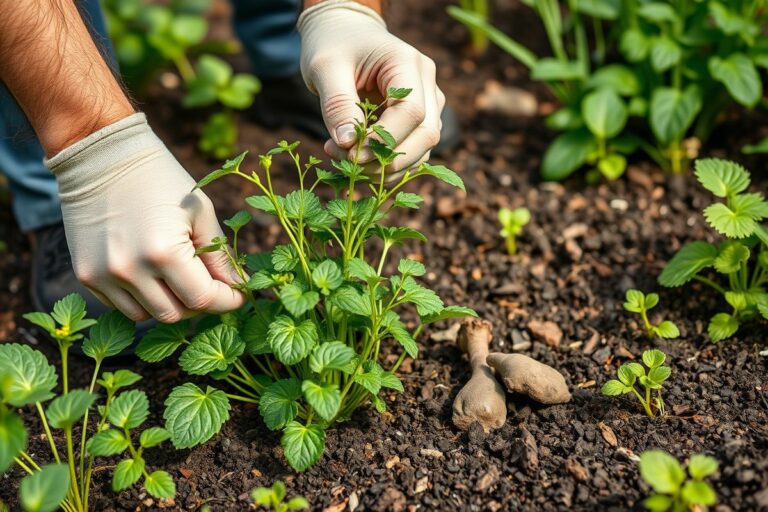
What Is a Pest in Agriculture? Definition, Impact, and Effective Control Methods
A pest in agriculture is any organism that damages crops or reduces yield through feeding, contamination, or competition. This includes insects, mites, weeds, fungi, bacteria, and viruses that harm plants directly or indirectly. Understanding what is a pest in agriculture helps you identify threats early and choose effective control methods tailored to your crops and region.
If you grow crops, study agriculture, or advise farmers, you need to recognize how pests develop, spread, and persist in fields. You’ll learn to spot infestations using practical checklists, evaluate control options like biological agents or pesticides, and avoid common mistakes that waste time and money. Monitoring pests over time shows when treatments work and helps maintain healthy crops with integrated pest management strategies.
Key Takeaways
- A pest in agriculture includes insects, mites, weeds, fungi, bacteria, and rodents that damage crops or reduce yield quality.
- Pests cause harm by eating plant tissue, spreading disease, competing for resources, and stressing crops, directly lowering agricultural output.
- Common pests vary by region, such as corn borers in the Midwest U.S. And aphids in the Southeast, requiring localized management.
- Check crops regularly for chewed leaves, discoloration, wilting, pest droppings, and egg clusters to identify early pest infestations.
- Pest populations multiply through reproduction, migration, and surviving off crops and debris, often thriving under favorable environmental conditions.
- Natural predators like ladybugs, parasitic wasps, and nematodes can reduce pest numbers without harmful chemicals.
What Is a Pest in Agriculture and Which Organisms Are Included?

A pest in agriculture refers to any organism that causes harm to crops or interferes with farming and gardening activities. These organisms reduce crop quality or yield, leading to economic losses.
Definition of Agricultural Pests
Agricultural pests are living organisms that damage crops by feeding on them or by competing for resources. They directly reduce plant growth or spoil harvested products. You’ll find pests can attack above ground, like leaves and stems, or below ground, such as roots.
Pests include a variety of organisms beyond just insects or bugs. Their presence interferes with crop production and can increase the cost of farming due to the need for control measures. Identifying pests correctly is essential for choosing the right management method and minimizing damage.
Types of Agricultural Pests: Insects, Nematodes, Rodents, Fungi, Weeds
Insects make up the largest group of agricultural pests. They feed on plant tissues, suck sap, or bore into stems and fruits. Examples include aphids, caterpillars, beetles, and whiteflies. Their damage varies by species but can range from small leaf damage to complete crop failure in severe cases.
Nematodes are microscopic worms living in soil, feeding on plant roots. Root-knot nematodes cause galls, reducing nutrient uptake and weakening plants. They require soil testing to identify and are managed through crop rotation or resistant plant varieties.
Rodents, like field mice and rats, consume seeds and damage stems or roots, especially in stored grain or young plants. Their presence may require baiting or exclusion methods to protect crops effectively.
Fungi are pathogens rather than traditional pests, but they often get grouped together because they cause diseases that severely affect crop health. Though not pests in the strict sense, they can be mistaken for pest damage and require different control approaches, like fungicides.
Weeds are unwanted plants competing with crops for nutrients, light, and water. Although not pests for directly feeding on crops, they reduce productivity by decreasing available resources. You’ll control weeds differently, often using herbicides or mechanical removal.
Differences Between Pests, Diseases, and Weeds
Pests are animals or organisms that physically harm crops by feeding on them or their structures. Diseases, primarily caused by fungi, bacteria, or viruses, result in symptoms like spots, wilting, or rot as pathogens invade plant tissues. Weeds resemble crops in being plants but interfere primarily through competition rather than feeding or infection.
Understanding these distinctions helps in deciding management strategies. For instance, pesticides target pests, fungicides treat diseases, and herbicides control weeds. Mistaking one for another can lead to poor control outcomes and unnecessary expenses.
A quick way to differentiate is by observing the damage pattern. Chewed leaves or visible insects point to pests. Discolored or malformed areas without visible animals suggest diseases. A dense patch of non-crop plants growing among crops indicates weed pressure. Using this approach, you can decide the next step accurately.
How Do Pests Damage Crops and Affect Yields?

Pests damage crops in several ways that reduce both plant health and yield. They directly harm leaves, stems, roots, and fruits, which limits a plant’s ability to grow and produce. Pest infestations also disrupt physiological functions and can lower crop quality, impacting market value and harvest volume.
Physical Damage to Plant Parts
Pests cause visible physical damage by feeding on various plant parts. Insect chewing on leaves creates holes or skeletonizes foliage, reducing the area available for photosynthesis. Sap-sucking pests like aphids and whiteflies extract plant fluids, leading to curling, yellowing, or wilting of leaves. Root-feeding insects or nematodes damage underground structures, weakening the plant’s anchorage and nutrient uptake. Fruits can suffer from boring insects, which create entry holes that spoil the produce and invite secondary infections. You might see broken stems or galls caused by some pests, physically hindering nutrient transport within the plant.
Checklist of common pest damage symptoms includes leaf discoloration, stippling or spotting, deformed growth, premature leaf drop, wilted or stunted plants, damaged fruits, and visible pest presence like webs or frass. Identifying these signs early helps you decide if pest control is needed before the damage lowers yields significantly.
Impact on Crop Growth and Yield
Damage to leaves and roots directly limits photosynthesis and nutrient absorption, reducing plant growth rates. Slow-growing or stressed plants produce fewer flowers and fruits, which lowers total yield. Nutrient loss from sap-sucking insects can drop fruit size and sugar content, affecting quality standards required for sale. In some crops, even a 10% leaf area loss can cut yields by 5 to 20%, depending on the pest and crop stage. Severe infestations early in the season cause stunting and can reduce yields by half or more. Late-stage attacks mainly affect fruit quality and storability, which harms postharvest profit.
Controlling pests early limits physical damage and preserves growth potential. Removal or treatment should occur before signs like stunted growth or discolored fruit appear, as reversing damage after these symptoms is difficult. Damage costs include the expense of replanting or applying additional inputs to salvage stressed plants.
Indirect Effects: Disease Vectors and Stress
Many pests carry plant viruses and bacteria that they spread while feeding, causing diseases that multiply crop losses beyond physical feeding damage. For example, aphids transmit mosaic viruses that stunt growth and deform fruits. Some beetles and thrips spread fungal spores or bacterial pathogens, further reducing plant vigor and quality. These disease vectors complicate pest management and require integrated approaches to control both pests and diseases.
Stress caused by pest attacks weakens plants’ natural defenses, making them more vulnerable to drought, heat, or nutrient deficiencies. This indirect impact contributes to lower crop yields and uneven quality across fields. Crop loss from such stress varies widely, but it often adds 10-30% more damage than pests cause directly.
Watch for combined signs of pest damage and disease symptoms; treating the pest alone won’t protect you if infections have already taken hold.
Common Agricultural Pests and Regional Variations
Common agricultural pests include insects, fungi, nematodes, rodents, and weeds, each affecting crops differently depending on the region, climate, and crop type. Knowing which pests are prevalent in your area and when they appear helps you target control efforts efficiently and reduce damage. Crop vulnerability also shifts with local weather and soil conditions, influencing pest populations and their impact.
Insect Pests Most Common Worldwide
Insect pests such as aphids, armyworms, and whiteflies affect a wide range of crops globally. Aphids suck plant sap and transmit viruses, damaging vegetables and grains, particularly in temperate and subtropical zones. Armyworms feed on leaves and stems of cereals such as corn and rice and often surge after rains in tropical and subtropical climates. Whiteflies thrive in warmer areas like southern US states and feed on tomatoes, cotton, and cucurbits, causing leaf yellowing and weakening plants. Knowing your crop’s susceptibility to specific insects and checking fields regularly during growing seasons helps identify infestations before they spread.
Specific crops often attract distinct insect pests. For example, the Colorado potato beetle is a primary pest for potatoes and can quickly defoliate plants in northern US regions. Corn earworms attack cornfields across the southern and midwestern US, especially in late summer. Regular scouting during peak insect seasons and following local extension service recommendations can guide timing for insecticide applications or biological controls.
Fungal and Nematode Pests by Region
Fungal diseases such as rusts, blights, and mildews vary widely depending on moisture availability and temperature. Rust fungi are common in humid climates, affecting wheat and barley primarily in the Midwest and Northeast. Late blight affects potatoes and tomatoes, thriving in cool, wet conditions found in northern states and coastal regions. Fungicide applications for these fungi require precise timing after rainy periods and are often guided by weather forecasts and disease monitoring reports.
Nematodes, or microscopic worms in soil, cause root damage in many crops, but their presence often depends on soil type and crop rotation practices. Root-knot nematodes damage vegetable roots across warm southern regions, particularly in sandy soils. Soybean cyst nematodes are a significant pest in soybean-producing states like Iowa and Illinois and can reduce yields by 10 to 30 percent. Managing nematodes involves crop rotation to non-host species, resistant varieties, and sometimes soil fumigation, which can be costly and require careful handling by licensed applicators.
Rodents and Weed Pests in Different Climates
Rodents such as rats and voles contribute to crop losses by feeding on seeds, fruits, and roots; their populations tend to fluctuate with habitat conditions. In cooler northern climates, voles often build dense populations that destroy tree seedlings and tubers. In warmer southern areas, rats are more common in rice paddies and orchards, especially near water sources. Effective rodent control combines habitat management to reduce cover, trapping, and sometimes rodenticides applied according to local regulations to avoid risks to non-target species.
Weeds compete with crops for nutrients, light, and water and vary by climate and soil. Broadleaf weeds dominate temperate regions, affecting crops like soybeans and corn, while grasses prevail in tropical areas, threatening rice and sugarcane fields. Annual weed cycles align with crop seasons, but some perennials persist year-round, requiring multiple control tactics such as targeted herbicide use and mechanical removal. Knowing which weeds are common in your region and their life cycles helps time control measures to reduce competition effectively.
Seasonal Prevalence of Key Pests
Pest populations usually peak during specific times of the year when environmental conditions favor their growth. For example, aphids tend to increase rapidly in spring and early summer when their host plants are young and tender. Armyworms and corn earworms often appear in summer or after seasonal rains, causing damage during critical crop growth stages. Fungal diseases usually spike in wet seasons; powdery mildew develops in dry, warm periods with some humidity, while downy mildew needs cooler, moist weather.
Planning pest monitoring and interventions according to these seasonal patterns improves control efficiency and timing. For instance, scouting for nematode damage is best done after a crop cycle before planting a successor crop, as soil samples give accurate counts of pest levels. Similarly, rodent activity often increases in fall as they search for food and shelter before winter, making that season ideal for control efforts. Combining pest life cycle knowledge with local climate patterns helps you predict outbreaks, reduce losses, and avoid unnecessary pesticide applications.
How to Identify Pest Infestations in Crops: Practical Checklist
Spotting a pest infestation in crops starts with careful observation of the plants and the surrounding environment. You need to recognize specific signs like damaged leaves, presence of insects, and unusual plant growth patterns. This checklist will help you identify pest troubles early, allowing timely action to protect your yield.
Visual Symptoms of Pest Presence
Look for direct evidence of pests such as insects, larvae, eggs, or webs on the plants. Common places to check include the underside of leaves, stems, and near the soil line. The pests themselves may be small or camouflaged, so use a magnifying glass if available.
Besides the pests, notice the damage they leave behind. This can range from holes in leaves, chewed edges, to discoloration or spots. Some pests produce sticky substances or molds on leaves.
- Chewed or skeletonized leaves
- Discolored spots, yellowing, or wilting
- Presence of insects or larvae on plants
- Sticky residues or honeydew
- Webbing or silk threads on leaves or stems
- Egg clusters on leaf undersides
- Droppings or frass near feeding sites
Finding any of these signs during routine field checks is a clear indication of pest pressure that needs to be assessed further.
Identifying Common Pest Damage Patterns
Different pests leave characteristic marks that can help pin down the culprit. For instance, caterpillars often chew large, irregular holes in leaves, while aphids cause leaf curling and sticky residue due to honeydew. Root feeders might cause stunted growth or yellow plants even if above ground parts look fine at first.
Note the timing and location of damage. Early-season leaf damage suggests chewing insects, whereas lesions on fruit or stems might indicate borers or beetles. Spotting patterns also helps determine if damage is localized or spreading throughout the field.
Distinguishing Pest Damage from Nutrient Issues
Many nutrient deficiencies mimic pest damage but analysis helps avoid mismanagement. For example, yellowing (chlorosis) often signals nitrogen deficiency but can also appear from sap-sucking pests. Nutrient problems usually affect multiple plants uniformly, whereas pest damage tends to be patchy or on specific plant parts.
Inspect the whole field rather than isolated plants. Check soil nutrient levels through testing if in doubt. Deficiency symptoms typically develop gradually, while pest damage may show sudden changes like holes or rapidly browning leaves. Also, pests may leave physical evidence such as frass or webs, which nutrient issues never cause.
Field Scouting Best Practices
Develop a routine to inspect your crop regularly, at least once a week during the growing season. Walk several transects in the field using an “X” or zigzag pattern to cover different areas. Record observations using a standardized checklist or mobile app for consistency.
Sample multiple plants at random within each area to increase detection accuracy. Look closely at the upper and lower leaf surfaces, stems, buds, and fruit. Use a hand lens to see small pests and damage signs clearly.
- Schedule scouting early morning or late afternoon when many pests are active
- Use a magnifying glass or hand lens for detailed inspection
- Keep notes on pest type, numbers, and damage severity
- Compare findings over time to spot trends or outbreaks
- Check field edges carefully as these attract many pests first
- Implement a reporting system for escalated infestations
- Train field workers to recognize early pest signs for faster response
Effective scouting requires time and patience but reduces unnecessary pesticide use and crop loss. Ignoring early signs often leads to widespread infestations that are harder and costlier to control.
How Do Pest Populations Develop, Spread, and Persist?
Pest populations develop through specific life cycles that allow them to reproduce and expand in crop fields. Their spread depends on their ability to move or be transported, while their survival between seasons relies on various dormancy or refuge strategies. Understanding these processes helps manage pest outbreaks effectively.
Life Cycles of Common Pests
Most agricultural pests follow distinct life cycles that include egg, juvenile (larval or nymph), and adult stages. For example, many insect pests, such as aphids or caterpillars, complete their cycle in 2 to 6 weeks during warm weather, allowing multiple generations in a single growing season. This rapid turnover enables their populations to grow quickly under favorable conditions.
Other pests, like certain beetles or moths, may have a one-year life cycle, overwintering in the soil or plant debris before emerging as adults in spring. Knowing the timing of these stages is key for targeted interventions, such as applying control measures during vulnerable phases like early larval development.
Factors Influencing Pest Population Growth
Pest populations increase when environmental conditions match their needs for temperature, moisture, and food availability. High temperatures often accelerate pest development, shortening their life cycles and increasing reproduction rates. For instance, aphids can reproduce asexually and produce numerous offspring within days under warm conditions.
Crop type and planting density also affect pest growth by providing food and shelter. Monocultures tend to support widespread pest populations since they offer abundant, uniform food sources. Poor field sanitation or overlapping planting schedules can leave crops vulnerable to pest buildup from one season to the next.
Natural enemy populations, such as predators and parasitoids, play a major role in controlling pest numbers. Pest outbreaks often result when these biological controls are disrupted by pesticide use, weather extremes, or habitat loss.
Mechanisms of Spread and Migration
Pests spread through active movement like flying, crawling, or hopping, and passive means including wind, water, animals, and human activity. Many insects are strong fliers and can migrate several miles to new fields, especially after local food sources are depleted or conditions worsen.
Soil-borne pests, such as nematodes or root-feeding grubs, spread primarily by moving through the soil or via contaminated farm equipment. Transport of infested plant material or soil is another common pathway that can introduce pests to new regions or fields.
Regularly clean and inspect farm machinery when moving between fields to reduce the risk of spreading soil-borne pests or eggs stuck in crevices.
Survival Strategies Between Growing Seasons
Many pests survive unfavorable periods by entering dormant stages like eggs, pupae, or hibernating adults in protected sites such as soil, plant debris, or under bark. For example, the European corn borer lays eggs that overwinter in corn stalk residues, surviving until temperatures rise in spring.
Certain pests maintain populations year-round in perennial crops or alternative hosts. Other species migrate to warmer areas or remain inactive until host plants become available. Crop rotation, deep plowing, or residue removal can disrupt these survival strategies, reducing pest numbers for the next season. Knowing where pests hide or persist helps you plan sanitation and timing of control practices before new infestations start.
Natural Predators and Biological Pest Control Options
Natural predators and biological methods offer effective options for managing agricultural pests without relying solely on chemical pesticides. Using organisms such as predatory insects, parasitic wasps, nematodes, and microbial agents targets pest populations and helps sustain crop health. These methods reduce environmental impact and support long-term pest control when applied with proper understanding of the species involved and crop conditions.
Key Predator Insects and Mites
Several predatory insects and mites naturally keep pest populations in check by feeding on harmful species. Lady beetles, for example, consume large numbers of aphids, scale insects, and mites on crops like soybeans and fruit trees. Lacewings target soft-bodied pests such as aphids and mealybugs, making them valuable in vegetable and orchard crops. Predatory mites often feed on spider mites and thrips in greenhouse or field settings. Introducing or encouraging these predators requires minimal investment, typically involving habitat management and avoiding broad-spectrum insecticides that kill beneficials.
Timing your introduction of predators is critical. Release them early in the pest cycle to prevent outbreaks. For instance, releasing lady beetles when aphids first appear can limit colony growth. Predatory mites should be distributed evenly to cover infestation hotspots. Monitoring pest and predator levels helps gauge when additional releases are necessary, balancing costs with effectiveness. This biological balance reduces pesticide use and preserves crop yields.
Parasitic Wasps and Nematodes
Parasitic wasps lay eggs inside or on pest insects, causing the host to die as the wasp larvae develop. Species like Trichogramma wasps target caterpillar eggs, reducing moth damage in crops such as corn and cotton. Aphidius wasps specifically parasitize aphids, controlling their populations in many vegetable and ornamental crops. These wasps can be purchased from commercial suppliers and released in fields or greenhouses at rates specified by the supplier, often thousands per acre depending on pest pressure.
Nematodes are microscopic worms used against soil-dwelling pests like root weevils, grubs, and certain larvae. They enter the pest’s body and release bacteria that kill it internally. Nematodes apply best when soil conditions are moist and temperatures moderate, as dry or hot soils reduce activity. You apply nematodes by mixing them in water and delivering through irrigation or directly to infested areas. Regular application timing and coverage ensure better control. Costs vary with the scale, but nematodes offer a targeted and environmentally safe option for subterranean pests.
Microbial Biopesticides
Microbial biopesticides use bacteria, fungi, or viruses that attack or inhibit pest species. Bacillus thuringiensis (Bt) products are common examples that control caterpillars in fruits, vegetables, and field crops. Bt toxins break down insect guts, leading to death after ingestion. These products require repeated applications during the pest’s feeding stage and work best with consistent moisture and cooler temperatures to avoid breakdown. Other microbial agents include Beauveria bassiana, a fungus that infects various insects through spore contact, and granuloviruses targeting specific moth species.
Using microbial biopesticides requires understanding pest biology and timing treatments for effectiveness. They usually act slower than synthetic chemicals but cause less harm to non-target organisms and the environment. Application equipment settings and environmental conditions like UV exposure influence how well these products work. Integrating microbial biopesticides into a pest control plan reduces reliance on chemical pesticides and supports crop health sustainably.
Using Habitat to Encourage Natural Enemies
Creating or preserving habitats around or within crop fields supports natural enemy populations by providing food, shelter, and alternative prey. Planting flowering cover crops or margins with plants such as buckwheat, clover, or native wildflowers yields nectar and pollen that feed adult predators and parasitoids. These resources increase their survival and reproduction rates, improving pest control naturally throughout the growing season.
Maintaining diverse plantings and minimizing pesticide use in these habitats helps sustain beneficial insect populations long-term. Leaving undisturbed strips of vegetation or hedgerows offers refuge during unfavorable conditions like cold or drought. Plans should consider crop type, local pests, and natural enemy species when selecting plants and habitat layout. While this approach requires planning and perhaps some land allocation, it reduces pest outbreaks and pesticide costs by improving ecosystem balance rather than suppressing pests reactively.
Main Methods of Pest Control in Agriculture with Pros and Cons
Farmers use four main methods to control pests: chemical, biological, cultural, and mechanical controls. Each method has strengths and weaknesses in cost, effectiveness, and environmental impact. Selecting the right approach depends on farm size, pest type, and environmental priorities.
Chemical Pesticides
Chemical pesticides use synthetic or natural compounds to kill or repel pests quickly. They often provide rapid pest population reduction, which is useful during heavy infestations or for large farms needing uniform control. Chemicals can be applied by spraying, dusting, or seed treatments. However, frequent use may lead to pest resistance, harming beneficial insects like pollinators and predators. Overuse can also contaminate soil and water.
Cost varies widely depending on the pesticide type and volume. On average, chemical pest control costs $15 to $50 per acre per application on row crops. Small farms might find this affordable for occasional use but less so for continuous application. Large farms benefit from bulk purchasing but must balance costs with potential resistance and regulatory restrictions requiring safe usage practices. Proper training and certified applicators help reduce risks and improve effectiveness.
Biological Controls
Biological pest control uses natural enemies such as predators, parasitoids, or pathogens to reduce pest populations. This method is slower but more environmentally sustainable as it reduces reliance on chemicals and preserves soil and water health. It suits organic farms and those aiming for long-term equilibrium with pest species.
Costs involve purchasing natural enemies or establishing habitats to encourage them. For example, releasing beneficial insects might cost $10 to $30 per acre depending on species and scale. Effectiveness depends on matching the right biological control to the target pest and local conditions. It often requires monitoring and integration with other methods. Results improve over time but rarely eliminate pests entirely.
Cultural Practices
Cultural management adjusts farming techniques to reduce pest outbreaks. Methods include crop rotation, resistant crop varieties, adjusting planting dates, and sanitation measures like removing infested plant material. These actions disrupt pest life cycles and reduce habitat suitability without chemical inputs.
Cultural controls cost less than chemicals and biological agents but require planning and knowledge. Crop rotation might reduce pest pressure and improve soil health but can be limited by farm size or market demand. Resistant varieties offer built-in protection but may not exist for all crops or pests. These practices are effective mainly as preventive measures rather than immediate suppression.
Mechanical and Physical Controls
Mechanical or physical controls physically remove or block pests. Examples include handpicking, traps, barriers such as row covers, tillage to disrupt soil pests, and using heat or cold treatments. These methods do not cause chemical residues and pose minimal environmental risks.
Labor is the major cost here, making this approach more practical for small farms or high-value crops. For example, handpicking caterpillars or using sticky traps costs little but requires daily attention. Row covers can cost $0.10 to $0.50 per square foot upfront but last multiple seasons. Larger farms may find these methods labor-intensive and less scalable, though they can complement other controls.
| Method | Cost Range | Effectiveness | Environmental Impact | Best for Farm Size |
|---|---|---|---|---|
| Chemical pesticides | $15, $50 per acre per application | Rapid, broad-spectrum control | Can harm beneficials and contaminate | Large farms with certified applicators |
| Biological controls | $10, $30 per acre for releases | Slower, species-specific | Environmentally friendly, preserves ecosystems | Organic and mid-sized farms |
| Cultural practices | Low to moderate (mainly labor/planning) | Mostly preventive, variable | Low impact, improves soil health | All farm sizes |
| Mechanical/physical controls | Low (labor and materials) | Effective for localized infestations | Minimal environmental impact | Small farms, high-value specialty crops |
The table above summarizes how the pest control methods compare across key factors. Chemical pesticides work fast but carry environmental costs and require careful handling. Biological controls align well with sustainability goals but need more time and monitoring. Cultural practices cost little money but demand planning. Mechanical controls suit smaller operations or spot treatment but can be labor-intensive.
Small farms benefit from combining cultural, biological, and mechanical methods because these keep costs down and the ecosystem balanced. Larger farms often integrate chemical controls with biological and cultural tactics to manage large areas effectively while mitigating resistance and environmental risks. Choosing the right mix depends on the specific pest challenge, crop, and available resources.
How Integrated Pest Management (IPM) Works in Crop Protection
Integrated pest management (IPM) is a structured approach to crop protection that combines multiple pest control methods based on monitoring and thresholds. You apply control measures only when pest levels threaten economic damage, using the least harmful methods first. This reduces pesticide use and encourages sustainable pest management.
Principles of IPM
IPM centers on using a diverse set of tactics rather than relying solely on chemicals. It prioritizes understanding pest biology and ecology to manage pest populations effectively and economically. The approach aims to balance crop protection with environmental health, minimizing risks to non-target organisms, including beneficial insects and soil life.
The foundation of IPM is making decisions based on accurate information, not routine schedules. This strategy reduces unnecessary pesticide applications, slows the development of pest resistance, and preserves natural pest control agents. It also integrates cultural practices, such as crop rotation and resistant varieties, to disrupt pest life cycles.
Monitoring and Threshold Setting
Ongoing pest monitoring is important for IPM. You check fields regularly using visual inspections, traps, or sampling to measure pest populations and crop damage. This data determines when pests reach action thresholds, specific levels at which control measures become cost-effective and necessary to prevent economic loss.
Establish thresholds based on pest species, crop growth stage, and expected yield. For example, an aphid threshold on soybeans might be 250 per plant during early pod fill, while thresholds for corn rootworms depend on larval counts per root mass. Adjust these thresholds according to past pest pressure and local conditions to optimize response timing.
Combining Control Strategies
IPM uses a sequence of control tactics organized by impact and safety. Cultural controls come first, like planting pest-resistant varieties or managing planting dates to avoid peak pest populations. Mechanical controls such as tilling or handpicking target pests without chemicals.
Biological controls use natural enemies, including predators, parasites, or pathogens, to reduce pests. You might release beneficial insects or conserve native predators by minimizing pesticide use. Chemical controls serve as a last resort, selected carefully for their specificity and minimal environmental impact. Apply pesticides only when monitoring data and thresholds indicate necessity.
The implementation adapts to pest type and infestation level. For a light infestation of spider mites on vegetables, you might increase biological controls and adjust irrigation, reserving insecticides for heavy outbreaks. In contrast, high-level infestations of invasive insects may require a combination of chemical and cultural controls to rapidly reduce populations.
Intensively monitor pest populations before and after treatments to confirm control effectiveness and avoid unnecessary pesticide applications.
Benefits of IPM
IPM improves pest control efficiency by targeting interventions precisely, reducing crop losses while limiting pesticide costs and environmental harm. By preventing routine pesticide use, it slows down resistance development and protects beneficial insects that naturally suppress pests.
Practicing IPM can save money over time by cutting pesticide expenses and reducing crop damage. It also helps farmers meet regulations and consumer demand for sustainably grown produce. Challenges include needing time and skills for monitoring, accurate identification, and decision-making, but these investments pay off through stable yields and healthier ecosystems.
Successful IPM requires training and consistent effort. Farmers should keep detailed records of pest levels, control measures used, and outcomes to refine their strategies season by season. Support from extension services or pest management consultants can help tailor IPM plans to specific crops and regionally typical pests.
Common Mistakes in Pest Control and How to Fix Them
Many farmers struggle with pest control because they repeat certain mistakes that reduce the effectiveness of their efforts. Recognizing these errors allows you to adjust your approach for better results and fewer costs. Correct pest management hinges on accurate identification, appropriate pesticide use, regular monitoring, and rotating control strategies.
Errors in Pest Identification
Misidentifying pests leads to wasted time and resources on ineffective treatments. Some insects look similar but require different controls. For example, treating aphids and spider mites with the same pesticide often fails because these pests respond to different chemicals.
To avoid this mistake, closely inspect the affected plants using a magnifier if necessary. Compare the pest to reputable identification guides or consult an extension agent. Proper identification helps you select the least toxic and most targeted control method, saving money and reducing environmental impact.
Regularly update your pest knowledge because new species or shifted pest roles emerge each season. Using smartphone apps with pest detection features can speed up identification, but verify results before acting.
Overuse and Misuse of Pesticides
Applying pesticides too frequently or mixing incompatible products weakens their effectiveness and can harm beneficial insects. Overuse also increases costs and the risk of developing resistant pest populations. Many farmers spray pesticides on a fixed schedule without confirming pest presence or severity.
Prevent this by following label instructions exactly and only applying pesticides when monitoring shows pest numbers exceed economic thresholds. Use spot treatments where possible instead of treating entire fields. Avoid mixing chemicals unless the label permits it. Practical steps include:
- Check pest levels with traps or visual inspection before spraying
- Apply pesticides during early pest life stages for better control
- Use the recommended amount per acre, not more
- Wear protective gear and follow safety warnings to avoid harm
- Record each pesticide application to track timing and effects
By reducing unnecessary applications, you keep your costs down and support natural pest enemies that thrive without harsh chemicals.
Ignoring Pest Monitoring and Thresholds
Skipping regular pest monitoring misses key moments to act effectively. Without monitoring, you might spray too early, too late, or when pest pressure is too low to justify treatment. Economic thresholds indicate the pest level at which damage costs outweigh treatment costs. Overlooking these leads to unnecessary treatments or crop losses.
Set up a simple schedule for checking pest counts weekly during growing seasons. Take samples from multiple spots, not just one, to get a clear picture. Compare your counts to established thresholds for each pest. Only apply controls if your pest count exceeds those levels.
Using monitoring tools like sticky traps or pheromone traps can improve accuracy. Keeping detailed records of monitoring data helps you see trends over time and fine-tune timing of interventions. This practice improves control success and limits pesticide use.
Failing to Rotate Control Measures
Using the same pesticide or control method repeatedly encourages pests to develop resistance. Once resistant pests multiply, the usual treatments stop working, forcing more expensive or toxic solutions. Rotation means switching products with different modes of action or combining biological controls with chemical ones.
Develop a rotation plan before the season starts by consulting pesticide mode-of-action charts available from agricultural extension services. For example, alternate between pesticides that affect the nervous system and those targeting growth regulators. Include biological methods such as beneficial insects or microbial pesticides to reduce reliance on chemicals.
Rotation extends the lifespan of control products and maintains their effectiveness. Note that rotating also applies to cultural controls such as crop varieties, planting dates, and sanitation practices. Track what you use each year to avoid repeating the same treatments consecutively.
Monitoring Pest Infestations and Knowing When Controls Are Working
Monitoring pest infestations involves regularly inspecting your crops to detect pest presence, population levels, and damage patterns. Effective observation tells you whether your control strategies are working or need adjustments. You track pests by following a schedule, using systematic sampling, and noting clear, repeatable indicators of success or failure to inform the next steps.
Scouting Techniques and Tools
Scouting means walking through your fields on a regular timetable, commonly once a week during the growing season, to check for pests and damage. Use simple tools like hand lenses, white sheets, or yellow sticky traps to identify and count insects. Divide your field into zones and sample at several points within each zone to get representative data about the pest situation.
Maintain a scouting log to note pest types, numbers, signs of damage, and environmental conditions like humidity or rainfall. This data helps you see trends over time rather than relying on single observations. Digital apps with GPS tags can simplify record keeping and mapping pest hotspots.
- Walk systematically in a zigzag or “W” pattern through the field
- Inspect 10 to 20 plants or leaves per sampling spot depending on crop size
- Look for pest eggs, larvae, adults, and feeding damage
- Use hand lens for small pests like aphids or mites
- Set up sticky traps near crop canopy to catch flying insects
- Record observations with date, location, pest stage, damage type
- Repeat scouting weekly or per pest lifecycle stage for accuracy
Following this checklist ensures you catch pest problems early before they multiply. It also helps you evaluate which species dominate, since control measures vary by pest type.
Indicators of Control Success
Effective pest control shows a decline in the number of pests and visible damage across monitored spots compared to previous checks. Counted pest numbers should drop below the established threshold for your crop and region, which signals damage is unlikely to affect yield economically. Fewer damaged leaves, fruits, or stems confirm control success.
Natural enemy populations may rise as pests decline, further supporting control effectiveness through biological regulation. Plants may also show recovery signs such as renewed growth and leaf vigor. It’s key to compare current data with baseline scouting records before control started to measure progress accurately.
Recognizing Treatment Failure
Pest numbers that stay constant or increase after applying controls often mean the treatment didn’t work or was insufficient. Look for ongoing or worsening plant damage, new pest outbreaks in untreated zones, or pest life stages not targeted by the control method in use. Misidentifying pests or missing resistant populations can also cause failure.
Failure may stem from improper timing, insufficient dosage, or poor coverage of pesticides or biological agents. Rechecking application methods and scouting for resistant strains is necessary. Remember, delayed pest responses need multiple scouting rounds; don’t judge too soon after treatment.
Seasonal Timing for Pest Management
Timing control measures to pest lifecycles maximizes effectiveness and minimizes costs. Early season scouting helps catch pests during vulnerable stages such as newly hatched larvae before heavy feeding starts. Many insect pests become less sensitive as they mature or develop protective behaviors.
In many regions, spring and early summer mark the best time to manage pests because of favorable temperatures for chemical or biological controls and crop susceptibility. Late season interventions often have limited benefits and may risk residues or harm to beneficial insects. Tailor the schedule to your local climate, crop, and pest biology.
Quick-Start Action Plan for Managing Agricultural Pests
Start by understanding which organisms count as pests and how they harm your crops. Follow these steps to identify, monitor, and control pests effectively while minimizing crop damage.
- Before planting: Learn to recognize common local pests by reviewing photos and descriptions specific to your region. This preparation helps you catch infestations early when populations are small.
- Week 1 after emergence: Conduct weekly field inspections using a practical checklist, check leaves, stems, and soil for damage signs like holes, discoloration, or webbing. Note pest presence to track population trends.
- Week 2 to 3: Identify natural predators in your fields such as lady beetles, parasitic wasps, or spiders. Encouraging these helps control pests biologically and reduces need for chemicals.
- After confirming pest presence: Choose a control method based on severity: light infestations may need biological controls or cultural practices like crop rotation; heavier infestations might require targeted pesticides. Use products according to the label to avoid resistance.
- Weeks 4 to 6: Monitor effectiveness after treatment by noting any reduction in pest numbers and crop damage. Keep records of which methods worked to guide future actions and avoid common mistakes like overuse of insecticides.
- Ongoing season: Implement Integrated Pest Management (IPM) combining monitoring, natural controls, and selective treatments to sustain low pest levels and protect yields without excess chemical use.
- Before harvest: Conduct a final pest assessment to ensure infestations are under control and crops show minimal damage. This step helps evaluate overall success and plan adjustments for next season.
Frequently Asked Questions
What Defines a Pest in Agriculture?
A pest in agriculture is any organism that harms crops, livestock, or farm structures. This includes insects, weeds, diseases, and rodents that reduce crop quality or yield and increase production costs. Understanding the pest’s biology helps choose the best control approach.
How Do Pests Impact Crop Profitability?
Pests reduce yields and quality, leading to economic losses. Damage can force costly replanting, lower market prices, and increase pesticide use, which raises expenses and risks. Controlling pests effectively balances protection costs with expected improvements in crop value.
Which Pests Are the Most Damaging in US Agriculture?
Insects like corn rootworm, aphids, and boll weevils cause major losses across staple crops. Weeds such as Palmer amaranth compete aggressively for nutrients, while diseases like wheat rust can devastate large areas if unchecked. Regional climate influences pest prevalence and severity.
How Can Farmers Detect Pest Problems Early?
Regular scouting during crop growth helps spot pests before widespread damage. Look for changes in leaf color, holes, webs, and unusual insect activity. Early detection allows targeted treatments, reducing pesticide use and crop stress. Recording findings aids management decisions.
Why Do Pest Populations Sometimes Surge Suddenly?
Population surges often occur due to favorable weather, lack of natural enemies, or crop monocultures. Warm and wet conditions speed reproduction, while pesticide overuse can kill beneficial predators. Managing pests sustainably involves maintaining ecological balance and crop diversity.
What Role Do Beneficial Insects Play in Pest Control?
Beneficial insects prey on or parasitize harmful pests, naturally reducing their numbers. Lady beetles eating aphids or parasitic wasps targeting caterpillars illustrate this. Preserving habitats for these predators improves pest management and lowers chemical inputs.
Key Points to Remember
Understanding what a pest is in agriculture helps you target control methods effectively and protect your crops without unnecessary damage or cost. Start by regularly inspecting your fields using a checklist that includes looking for leaf damage, droppings, or unusual plant growth; you want to spot signs early before infestations get out of hand. Keep records of pest sightings and damage levels, this data guides decisions on whether to apply biological controls, pesticides, or adjust your IPM tactics. Taking these steps today sets a foundation for smarter, more precise pest management on your farm or garden.