What Is the Best Pest Control for Roaches: 8 Proven Methods That Work
The best pest control for roaches combines effective identification with targeted treatments like diatomaceous earth, boric acid, and professional-grade sprays. Choosing the right method depends on infestation severity, roach species, and your home environment to ensure safe and lasting results. Tackling roaches early with the right tools and knowledge helps protect your home and health efficiently.
This information is for homeowners, renters, and DIY enthusiasts facing cockroach problems. You’ll find proven solutions covering safe chemical use, natural remedies, common hiding spots, and expert tips to prevent future infestations. Clear steps and practical advice make controlling roaches manageable, whether you handle it yourself or seek professional help.
Key Takeaways
- Choose pest control methods combining chemicals and alternative tactics for long-term cockroach suppression, following an integrated pest management approach.
- Diatomaceous earth and boric acid kill roaches by damaging their exoskeletons and are safe when applied in dry, inaccessible areas.
- Look for cockroach droppings, egg cases, and shed skins near kitchens and bathrooms to identify signs of infestation.
- Keep kitchens and bathrooms dry and clean, seal cracks, and apply baits or powders in common hiding spots for effective DIY roach control.
- Essential oils like peppermint and eucalyptus may repel roaches but lack strong evidence for eliminating infestations on their own.
- Use roach bombs and sprays cautiously indoors, following label instructions to avoid health risks and ensure proper ventilation.
1. What Is the Best Pest Control for Roaches and How to Choose

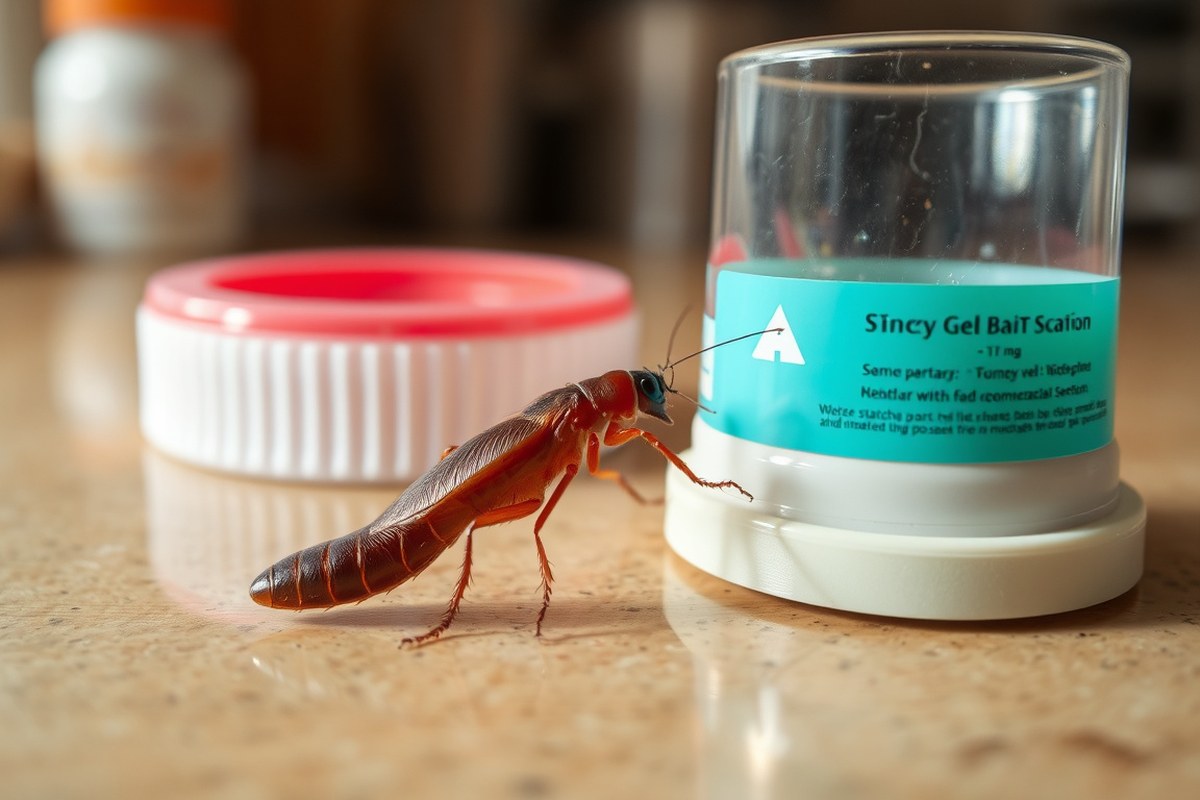
Gel baits are among the most effective cockroach killers available because they attract roaches to feed and carry poison back to the colony. Place these baits in cracks and crevices where roaches hide, such as under sinks, behind appliances, and along baseboards. Combining gel baits with insecticidal powders like boric acid or diatomaceous earth increases long-term control, as powders reach wall voids and other hidden spaces inaccessible to sprays or gels.
Sprays provide immediate knockdown of visible roaches and can be useful for quick control in heavily infested areas. However, many sprays need reapplication every few months and may not reach hiding places as well. Natural options like diatomaceous earth offer nontoxic, residue-free control that remains effective indefinitely, but they kill roaches more slowly and require careful, consistent application. Essential oils are less effective for severe infestations but can supplement other treatments or be used in less critical areas for mild repellent effects.
Selecting the right product depends on infestation severity, location, safety concerns, and your ability to apply treatments properly. Gel baits excel in effectiveness and ease of use for most indoor infestations, while powders and diatomaceous earth handle hidden or hard-to-reach areas over time. Sprays work best for fast knockdown but may need repeated treatments. Natural sprays and essential oils offer safer, eco-friendly options but typically trade off speed and potency.
| Product Type | Effectiveness | Cost | Safety | Speed of Action | Ease of Use |
|---|---|---|---|---|---|
| Gel Baits | High | Moderate | Moderate (keep away from pets/children) | Intermediate (days to weeks) | Easy (place in cracks, little cleanup) |
| Sprays (e.g., Raid Ant & Roach Killer) | Moderate to High | Low to Moderate | Moderate (ventilate, avoid porous surfaces) | Fast (immediate knockdown) | Moderate (spray surfaces, reapply every 3 months) |
| Powders (Boric Acid, Diatomaceous Earth) | Moderate | Low | High (nontoxic options available) | Slow (days to weeks) | Moderate (apply in voids, avoid overuse) |
| Diatomaceous Earth | Moderate | Low | High (nontoxic, safe for pets with care) | Slow (remains effective indefinitely) | Moderate (requires careful dusting) |
| Essential Oils (Natural Sprays) | Low to Moderate | Moderate | High (natural, less toxic) | Slow to Moderate | Easy (spray in open areas) |
Using gel baits alongside powders in hidden locations creates a layered defense that attacks roaches at multiple points. Avoid overusing sprays on porous or delicate surfaces like vinyl, as some products can cause damage. Natural sprays and oils work best as supplementary or preventive measures rather than primary solutions for a severe infestation. Consistent application and combining methods improve results, especially when monitoring with traps or reinforcements like insect growth regulators for lasting pest control.
2. How Does Diatomaceous Earth and Boric Acid Kill Roaches Safely

Diatomaceous earth and boric acid provide effective and low-toxicity options for killing roaches. They work by physically damaging or poisoning roaches while minimizing risks to humans and pets when applied carefully. Proper application and safety precautions are essential for best results.
How Diatomaceous Earth Destroys Roaches
Diatomaceous earth (DE) is a powder made from fossilized algae skeletons, with tiny sharp particles. These particles cut through the roaches’ protective outer layer, causing them to dehydrate and die, often over several days. It works by a mechanical rather than chemical action, which means roaches cannot develop resistance to it.
Apply food-grade diatomaceous earth in thin, even layers along roach pathways, cracks, and behind appliances. Avoid clumping or using too thick a layer, as this limits its effectiveness. DE must stay dry to work effectively since moisture clumps the powder and reduces its sharpness.
Proper Boric Acid Application Techniques
Boric acid kills roaches after they come into contact with it or ingest it while grooming themselves. It affects their stomachs and nervous systems, effectively controlling infestations. Unlike diatomaceous earth, boric acid requires precise application to avoid waste and ensure safety. Follow these steps to apply boric acid safely and effectively:
- Clean the targeted areas, especially kitchens, bathrooms, and under sinks, to remove food and moisture.
- Use a dust applicator or a squeeze bottle with a nozzle to apply a thin, even dusting of boric acid powder along roach trails, inside cabinets, behind appliances, and near wall edges.
- Keep the layer thin to avoid clumps that roaches can avoid. A layer about 1/8 inch thick works best.
- Avoid applying boric acid where it might get wet or be disturbed frequently, as moisture reduces its effectiveness.
- Reapply every three months or sooner if disturbed or cleaned away.
- Store unopened boric acid containers out of reach of children and pets.
Tip: Use a dust applicator for boric acid to get a fine, controlled application; this prevents overuse and reduces dust inhalation risks.
Safety Precautions Around Children and Pets
Boric acid and diatomaceous earth are generally less toxic to humans and pets than many chemical insecticides. Food-grade diatomaceous earth is safe to use around children and pets if applied properly and kept dry. However, avoid inhaling the dust during application as it can irritate lungs and eyes.
Boric acid carries a slightly higher risk if ingested directly in large amounts. Keep boric acid powders out of reach of children and pets and do not apply where pets can easily access them, such as open floors or pet bedding. Consider applying boric acid in hard-to-reach locations where roaches hide.
Always wash your hands after applying these powders and store them safely. Use protective masks and gloves during application to reduce exposure to dust.
3. Signs of a Cockroach Infestation and Common Hiding Places
Spotting a cockroach infestation early depends on knowing where to look and what to look for. Cockroaches hide in dark, warm, and moist places during the day, becoming active at night when they search for food and water. Identifying signs like droppings and egg cases, along with knowing their favorite hiding spots, helps you find and eliminate nests before the infestation worsens.
Early Indicators of Roach Presence
Catch a cockroach during daylight hours, and you’re likely dealing with a significant infestation, as they usually avoid light and come out only at night. Early signs include noticing small moving shadows in corners or hearing faint rustling sounds near walls or behind appliances. You might also see smudge marks or dark streaks along walls or cabinet edges caused by their movements. Other early indicators to watch for include:
- Strong, musty odor resembling oily or sweet scents
- Damaged packaging in food storage areas
- Empty eggshell cases shed by developing roaches
- Countless tiny, pepper-like droppings around potential hiding spots
Being vigilant about these signs can allow you to take action before roaches multiply significantly.
Typical Daytime Roach Shelters
During the day, roaches seek dark, sheltered spaces close to food and water but protected from light. They prefer tight gaps and areas rarely disturbed by humans. Common hiding places include cracks in walls, behind baseboards, and under sinks where moisture accumulates. Appliances like refrigerators and stoves create warm hiding zones, as do cluttered cabinets and pantry corners.
Roaches often nest near plumbing and electrical conduits, so check behind dishwashers, under kitchen sinks, and inside wall voids if possible. Cluttered storage areas in basements or garages can also serve as daytime refuges. Thoroughly inspecting these spots when your home is darkened and quiet will increase the chances of spotting nests or signs of activity.
Preferred Nighttime Roosting Spots
When darkness falls, roaches emerge to scavenge for food. They move quickly along walls, floors, and baseboards, especially in kitchens and bathrooms. Nighttime activity often focuses on areas with food crumbs, grease buildup, or standing water from leaks. Floors near trash receptacles, countertop edges, under cabinets, and behind appliances are prime targets to check.
Roaches may even venture into living spaces at night if an infestation is severe. Monitoring these areas with a flashlight or motion-sensitive camera can help you catch roaches in the act, revealing pathways and tainted zones. This information is important for targeted control efforts.
Roach Droppings and Egg Cases
Roach droppings are among the most reliable signs of infestation. These tiny, dark specks look like ground coffee or black pepper and tend to accumulate in corners, cabinet edges, inside drawers, and under sinks. Droppings often appear in clusters or streaks near hiding spots or food sources.
Egg cases, called oothecae, are oval-shaped and can contain multiple eggs. They often stick to hidden surfaces such as behind appliances, inside cracks, or within cabinets. Egg cases are firm and can be tan to brown in color. Locating and removing egg cases is critical to disrupt the breeding cycle and reduce population growth.
Unusual Odors Associated with Roaches
A strong, musty, or oily odor in your home is a less obvious but telling sign of a cockroach infestation. The smell comes from chemicals roaches produce and can linger in heavily infested areas. Ignoring this odor often means the infestation has been active for a long time.
The odor is most noticeable in enclosed, undisturbed spaces such as behind appliances, inside cupboards, or basements. Ventilate these areas and investigate thoroughly if you detect this scent. Alongside physical signs, this smell helps you pinpoint overlooked nests so you can focus your cleanup and treatment effectively.
4. Effective DIY Roach Control Steps for Kitchens and Bathrooms
Getting rid of roaches permanently means thorough preparation, proper application of control products, and consistent monitoring. Cleaning your kitchen and bathroom, sealing entry points, and following a regular treatment schedule are key steps to eliminate roaches and keep them from returning.
Preparing Your Home for Treatment
Before applying any roach control products, thoroughly clean the areas where roaches hide and feed. Roaches thrive in damp, cluttered spaces, especially kitchens and bathrooms, so removing their food and water sources starves them and improves product effectiveness. Sealing cracks and gaps lowers the chances of new roaches entering your home. Follow this checklist to prepare your kitchen and bathroom:
- Remove all food from countertops, cabinets, and pantry shelves, storing it in sealed containers.
- Wash dishes and clean up food crumbs or spills immediately, including under appliances.
- Empty trash cans and clean them thoroughly to eliminate odors and residue.
- Fix leaky faucets or pipes to remove water sources roaches need to survive.
- Declutter cabinets, cupboards, and under sinks to reduce hiding spots.
- Seal gaps, cracks, and holes around sinks, pipes, vents, and baseboards using caulk or weatherstripping.
Applying Roach Control Products Correctly
Applying the right product in the correct way increases the chances of killing roaches and preventing reinfestations. Most DIY products require placing bait or dust in areas where roaches travel and nest, such as behind appliances, inside cabinets, and along baseboards.
For example, using boric acid or diatomaceous earth involves dusting thin layers in dry spots where roaches crawl but is ineffective if applied in wet areas. Sprays like STEM Plant-Based Insecticide can be applied to cracks and crevices but should not saturate surfaces to avoid runoff.
Product labels often provide specific directions, including how much to use and where to place treatments. Following these instructions precisely and wearing gloves when applying chemicals improve safety and effectiveness.
Monitoring and Reapplying to Ensure Success
Roach control products rarely eliminate infestations after one application. Monitoring your home regularly helps track progress and know when to treat again. Use sticky traps to assess roach activity and focus follow-up treatments on problem areas.
Reapply bait or dust treatments every two to four weeks or as directed on the product label. Spray treatments may need monthly reapplication. Continued good sanitation and sealing all entry points are also essential to prevent new roaches from moving in.
Good results usually show decreasing roach activity over weeks, with fewer sightings and trapped roaches. If numbers remain high after several treatments, consider consulting a professional. Persistent infestations may require stronger products or additional measures beyond DIY efforts.
5. Natural and Essential Oil Remedies: What Really Works
Essential oils can repel cockroaches but are rarely effective for full control on their own. Roaches dislike strong smells such as peppermint, eucalyptus, tea tree, and citronella oils. These oils disrupt roaches’ sense of smell and make areas less inviting, which can help reduce activity temporarily. However, these natural repellents usually lose potency within a few days and require frequent reapplication to maintain any effect.
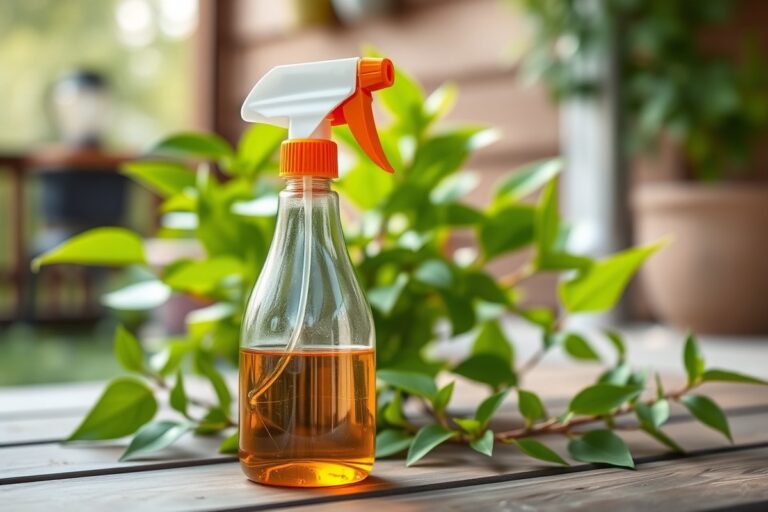
Natural remedies offer a safer option around children and pets since they lack harsh chemicals. You can apply essential oil solutions by mixing 10 to 20 drops of oil with water in a spray bottle, then spraying along roach entry points, crevices, and baseboards. Repeat every few days to sustain the barrier. Despite this, essential oils generally don’t kill roaches or eliminate infestations. They work better as supplements to other control methods rather than standalone solutions.
Compared to chemical pesticides, natural repellents provide mild, short-term relief. Chemical treatments tend to kill roaches more quickly and thoroughly but may carry safety considerations requiring careful handling, especially indoors. Combining essential oils with low-toxicity insecticides or physical controls like baits and traps can improve results. For example, some plant-based insecticide sprays combine essential oils with active ingredients to both repel and kill roaches, striking a balance between safety and effectiveness.
Long-term roach control is challenging with natural methods because essential oils evaporate quickly and don’t leave a lasting residue. Nano formulations of essential oils may soon extend their residual action, allowing slower release and longer effectiveness. Until then, routine applications every few days or weekly remain necessary.
Natural remedies can be cost-effective, often under $10 for a bottle of essential oil, but the investment in time, frequent spraying and monitoring, adds up. They suit light or preventive control in smaller or less severe infestations. For moderate to heavy infestations, professional treatment or stronger chemicals may be required.
Use essential oil sprays away from food preparation surfaces and sensitive materials to avoid damage and prevent residue build-up that can attract other pests.
6. When to Use Roach Bombs, Sprays, and Their Safety Considerations
Roach bombs, also called foggers, can kill many roaches on contact by releasing pesticide fumes throughout a room. They may help reduce large populations quickly but usually do not eliminate infestations completely. These foggers only treat exposed roaches, not those hidden deep inside walls, cracks, or nests. Frequent use may be necessary, which increases chemical exposure to your household. Sprays offer a more targeted approach, allowing you to aim pesticides directly at roach hiding spots like baseboards, under appliances, and around plumbing. This makes sprays more effective for ongoing control, but they require patience and careful application.
Using roach bombs comes with important safety considerations. Before setting off a fogger, you must remove people, pets, and plants from the area. Cover or unplug all smoke detectors and avoid staying in the treated space for several hours. Open windows and ventilate the room thoroughly before returning. Foggers release chemicals throughout enclosed spaces, so avoid leaving food uncovered or dishes unwashed. Follow the product’s label instructions exactly regarding room size, exposure time, and re-entry time to reduce risks.
For chemical sprays, wear gloves and ensure good ventilation. Apply the spray to cracks, crevices, and along roach travel paths without oversaturating surfaces. Avoid spraying food preparation areas directly; wipe down sprayed surfaces before use. Store insecticides out of reach of children and pets. Using sprays regularly is important because they provide residual effects, killing roaches that return later. However, repeated spraying can lead to pesticide resistance, making treatments less effective over time.
One downside of both roach bombs and sprays is that they contain harsh chemicals that may irritate skin, eyes, and respiratory systems. Overuse can expose your family and pets to potentially harmful toxins. Some home environments, such as those with asthma sufferers or young children, may call for natural or lower-toxicity alternatives instead. Cost varies but expect to spend $10 to $30 per aerosol or fogger product depending on brand and size. Professional treatments may involve stronger chemicals and higher costs but often produce more effective, longer-lasting results.
For best results, limit fogger use to severe infestations after removing food sources and reducing clutter. Follow fogger instructions step by step: close all doors and vents, activate the fogger while leaving the area promptly, then air out thoroughly before returning. Use sprays monthly or as directed, focusing on roach hotspots rather than broad surface spraying. Combining spray treatments with non-chemical methods like boric acid or diatomaceous earth can improve control while limiting chemical exposure.
7. Cost, Treatment Timeline, and What to Expect from Professionals
Expect the initial professional roach treatment to cost at least $200, with the total price varying depending on infestation severity, your location, and the service frequency chosen. Professionals often recommend multiple treatments spaced weeks apart to target eggs and newly hatched roaches. Follow-up visits may occur monthly, quarterly, or annually to maintain control, especially in persistent infestations.
DIY methods cost less upfront but require more time and effort from you. You’ll spend less in dollars but more in ongoing labor to monitor and reapply treatments, often without professional-grade products or targeted strategies. Professionals bring expertise and tools tailored to the roach species and infestation level, which typically achieves faster and more thorough elimination than DIY approaches. For ongoing problems, their integrated pest management plans combine inspection, sanitation advice, and chemical application for complete control.
The table below compares common professional service frequencies and their estimated costs. Choosing a monthly, quarterly, or annual treatment depends on how severe and persistent the problem is. For example, new or light infestations may only require quarterly visits, while chronic issues might demand monthly service to keep roaches at bay.
| Frequency of Pest Control Service | Estimated Cost per Treatment |
|---|---|
| Monthly | $100, $125 |
| Quarterly | $380, $420 |
| Annually | $1,100, $1,400 |
Results from professional treatments typically appear within 1 to 2 weeks as roach numbers drop, though full elimination can take several months based on infestation size and home conditions. DIY efforts might take longer and often face reinfestation risks without thorough follow-up and sanitation. When deciding between professional and DIY methods, weigh the upfront investment against your ability to apply treatments consistently and address underlying causes like food sources and moisture.
8. Common Mistakes and How to Prevent Future Roach Infestations
Many roach control efforts fail because of common mistakes that allow these pests to survive and come back. One top error is ignoring sanitation. Roaches need food, water, and shelter, so leftover crumbs, dirty dishes, and moisture leaks keep them thriving. Fix this by cleaning thoroughly every day and repairing leaks promptly. Another mistake is using the wrong products or applying them incorrectly. Some sprays or baits might not affect resistant species, so knowing which roach you’re dealing with is important. German cockroaches, for example, can become resistant to certain insecticides, so products like Harris Famous Roach Tablets combined with targeted sprays offer better results.
In apartments, controlling roaches can be tricky because infestations often spread from neighboring units. Treat your unit thoroughly but also communicate with your landlord or neighbors about the problem. Coordinated building-wide pest management prevents roaches from simply moving between walls. For houses, sealing cracks, gaps, and openings around doors, windows, and pipes stops entry points. Outdoors, removing rubbish and trimming vegetation near the foundation cuts down on places roaches hide.
Prevention starts immediately after treatment. Maintain cleanliness, fix structural issues, and avoid leaving out pet food overnight. Regularly check and replace baits or gels as directed to keep killing any roaches that return.
- Failing to remove food and water sources; fix by thorough, daily cleaning and drying.
- Using ineffective or wrong products for your roach species; identify species and follow label instructions.
- Neglecting to treat all infested areas, including hidden spots; inspect and treat thoroughly.
- Ignoring apartment-wide infestations; coordinate treatment with landlord and neighbors.
- Not sealing entry points around your home; caulk cracks and seal gaps to limit access.
- Stopping treatment too soon; continue monitoring and reapply baits or sprays as needed.
Consistent sanitation and sealing entry points can cut roach infestations significantly, but absence of these practices often leads to costly setbacks.
Species-specific control also involves understanding behavior. For example, German cockroaches prefer kitchens and bathrooms, so focus cleaning and treatments there. Larger roaches like American or Oriental types often live outdoors but enter to find food and water, so outdoor barriers and removing debris reduce their chance of reaching your home. Integrated Pest Management (IPM) combines these tactics, sanitation, exclusion, monitoring, and careful use of insecticides, to manage roaches effectively without overreliance on chemicals.
Step-by-Step Action Plan to Control and Prevent Roaches
Follow these practical steps to identify, treat, and prevent roach infestations using the best pest control methods safely and effectively.
- Before You Start: Inspect your home for signs of roaches like droppings and egg cases, focusing on kitchens and bathrooms. Knowing where roaches hide helps target your treatment effectively.
- Day 1: Apply boric acid or food-grade diatomaceous earth in cracks, under appliances, and behind sinks. These work slowly by damaging roach exoskeletons and are safe when used as directed.
- Day 2-3: Clean all food debris, grease, and standing water, especially in kitchen and bathroom areas. An absence of food and water discourages roaches from returning and improves treatment success.
- Week 1: Use natural repellents like essential oils in problem areas or set up sticky traps to monitor activity. Decreased roach sightings on traps indicates your control methods are working.
- Week 2: If roaches persist, use gel bait stations near common hiding spots instead of sprays or bombs. Baits provide targeted control with lower health risks and are preferred for indoor use.
- After 2 Weeks: Reassess infestation signs and clean treated areas lightly to maintain effectiveness. Reduced droppings and fewer live roaches show progress.
- Ongoing: Seal cracks and crevices, fix leaks, and remove clutter to prevent re-infestation. Regular home maintenance keeps roaches out long-term.
- If Infestation Continues: Contact a licensed pest control professional to evaluate and treat the problem. Professionals can handle severe infestations with appropriate chemical or integrated pest management methods.
Frequently Asked Questions
What Is the Best Pest Control for Roaches?
The best pest control for roaches combines bait traps with boric acid or diatomaceous earth for lasting results. These products kill roaches effectively and are safe for home use when applied correctly.
What Is the Most Effective Roach Control?
Bait traps with supellapyrone and targeted applications of boric acid are the most effective methods. They reduce cockroach numbers over time by attracting and killing them at the source.
What 100% Gets Rid of Roaches?
No method guarantees 100% removal because roaches reproduce quickly and hide well. However, integrated pest management using baits, sprays like Raid Ant & Roach Killer, and sanitation comes close with persistent use.
How Do I Get Rid of Roaches Permanently?
Permanent removal requires ongoing control with baits, regular cleaning, and sealing entry points. Maintain treatments every few months and fix leaks to prevent re-infestations.
What Is the Most Effective Cockroach Killer?
Raid Ant & Roach Killer Bug Spray is highly effective with immediate action and extended protection against common household roaches. It’s odorless but shouldn’t be used on vinyl or porous surfaces.
Can I Use Natural Oils to Repel Roaches Effectively?
Natural oils like peppermint can repel roaches temporarily but won’t eliminate infestations. Use them as a supplement, not a replacement, for proven chemical treatments.
Before You Go
Choosing the right pest control method for roaches depends on your specific situation, but using safe and effective options like boric acid or diatomaceous earth often works best for long-term control. You can start by inspecting your kitchen and bathroom today, targeting known hiding spots to reduce roach activity immediately. Taking swift action helps prevent a larger infestation and reduces your reliance on harsh chemicals or professional treatments later.