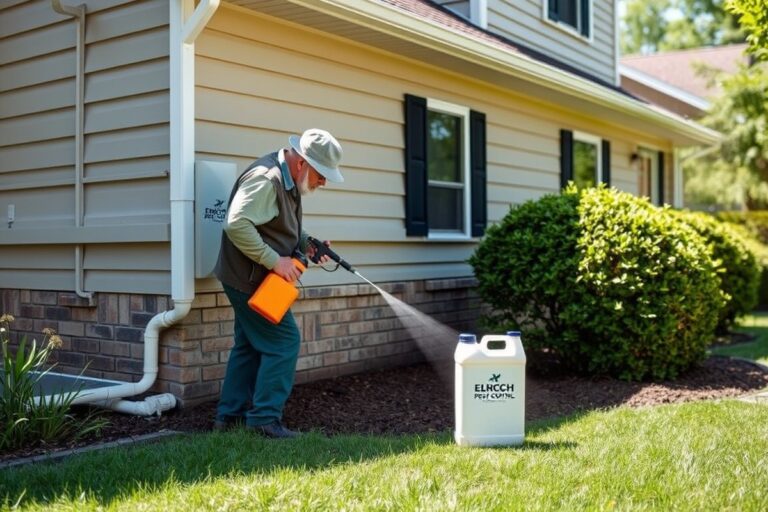
What Pest Transmits Salmonella: A Complete Guide to Identification and Prevention
Rodents, flies, cockroaches, and certain birds are the main pests that transmit salmonella by contaminating food, surfaces, and water with their saliva, feces, or urine. Salmonella spreads when these pests access food storage or preparation areas, often through unsanitary conditions and poor pest management. Knowing what pest transmits salmonella helps you target the specific risks linked to each species and reduce contamination effectively.
This information suits homeowners worried about food safety, food handlers aiming to prevent outbreaks, and pest control professionals tasked with stopping salmonella transmission. You’ll learn how to identify infestations, which environmental factors promote pest-related salmonella, proven control methods, common mistakes to avoid, inspection steps, and safe cleanup practices that follow health regulations. These details help you minimize salmonella risks connected to pests in practical, actionable ways.
Key Takeaways
- Rodents, flies, cockroaches, and birds can carry and spread Salmonella through contact with food and surfaces they contaminate.
- Salmonella spreads when pests contaminate food, water, or preparation areas with feces or body parts carrying the bacteria.
- Warm, humid, and unsanitary environments increase pest activity and boost Salmonella contamination risks significantly.
- Signs like droppings, nests, and pest sightings near kitchens or storage signal higher Salmonella transmission dangers.
- Regular cleaning, sealing entry points, and proper food storage reduce pest infestations and Salmonella spread effectively.
- Integrated pest management combining traps, baits, and professional treatments interrupts Salmonella transmission cycles efficiently.
Which Pests Are Known to Transmit Salmonella and How

Several pest species can carry and spread Salmonella bacteria, transmitting the infection through two main methods: mechanical and biological. Mechanical transmission happens when pests physically carry the bacteria on their bodies and deposit it on surfaces or food. Biological transmission involves the bacteria living and multiplying inside the pest, allowing it to spread through feces or bodily fluids.
Rodents as Salmonella Carriers
Rodents such as rats and mice are common carriers of Salmonella because they frequent unsanitary environments like garbage areas and sewers. They can carry Salmonella bacteria internally, shedding it in their feces. When rodents contaminate food, surfaces, or water sources with their droppings, they introduce the bacteria directly.
This transmission is biological because the bacteria multiply inside the rodent’s intestines. Rodents also spread Salmonella mechanically by carrying the bacteria on their fur or feet after contact with contaminated waste. Controlling rodent access to food storage and preparation areas is important to minimizing risk.
Flies and Other Insects’ Role in Transmission
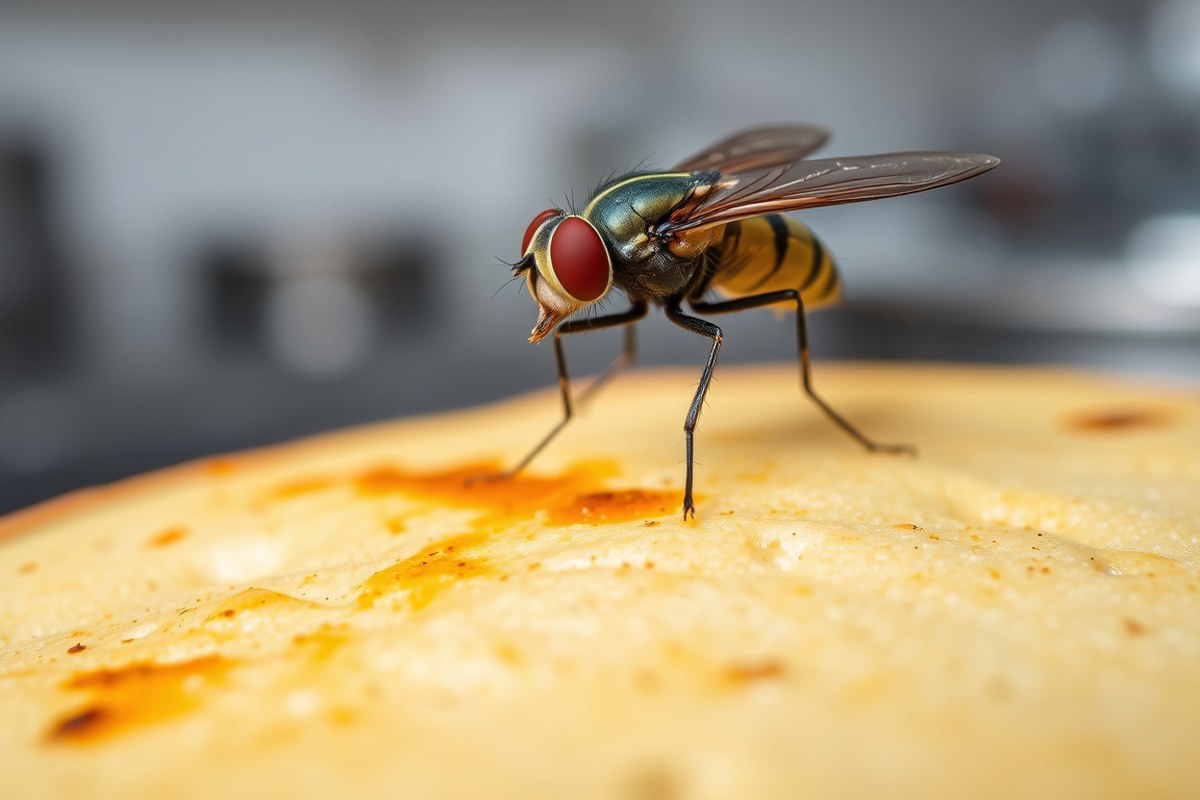
Houseflies and other flies transmit Salmonella primarily through mechanical means. They feed on feces, garbage, and decaying matter where the bacteria thrive, then land on food or kitchen surfaces, transferring Salmonella from their body parts like legs and mouthparts. Flies do not usually carry Salmonella inside their bodies, so the bacteria remain on their external surfaces.
Their ability to contaminate food surfaces means that even brief fly contact can pose a risk. For example, a single female housefly can visit dozens of potential contamination sources daily. Managing flies requires screens, proper waste disposal, and regular cleaning to break this transmission chain.
Cockroaches and Birds as Vectors
Cockroaches carry Salmonella both biologically and mechanically. They inhabit damp, dark areas rich in bacteria and can ingest Salmonella, allowing the bacteria to multiply inside them. Cockroach droppings and body parts can then contaminate food and surfaces. Their movement between garbage and food prep areas enables wide spread of the pathogen.
Birds, especially pigeons and sparrows, serve as mechanical vectors by picking up Salmonella from contaminated sites and depositing it through feces in outdoor food storage or processing areas. Although birds rarely carry Salmonella internally, their droppings can directly contaminate vulnerable environments.
How Salmonella Spreads from Rodents, Flies, Cockroaches, and Birds
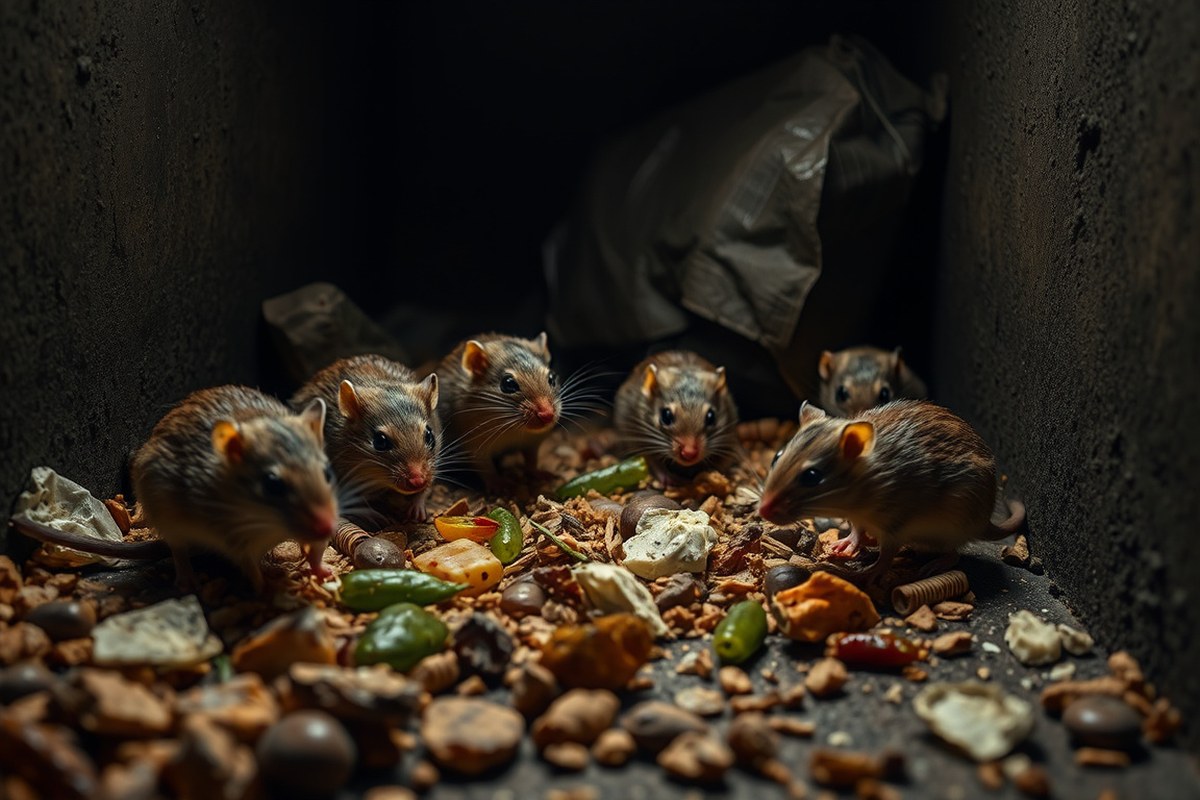
Salmonella spreads through pests mainly by contamination of surfaces, food, and environments with their droppings, body parts, or secretions. Rodents carry salmonella in their feces, urine, and nesting materials, which directly deposit bacteria where humans handle food. Flies transfer salmonella by landing on contaminated materials and regurgitating saliva. Cockroaches act as passive carriers by physically transporting bacteria on their bodies and legs. Certain bird species contribute by contaminating areas with droppings and through direct contact in shared spaces.
Rodents: Feces, Urine, and Nesting Materials
Rodents spread salmonella through feces, urine, and nesting materials that they deposit inside homes, food storage areas, and food production sites. Their droppings can contain high levels of salmonella bacteria, which contaminate surfaces and food directly if rodents gain access to kitchens or pantries. Urine also carries the bacteria, and contamination can occur when it dries and spreads through dust particles.
Rodents build nests using shredded materials like paper, fabric, or insulation that become contaminated with salmonella. These nests often lie hidden behind walls or under appliances, creating persistent contamination sources. When nest fragments spread or are disturbed during cleaning or pest control, they release bacteria into the air or onto nearby surfaces.
To reduce transmission, you must eliminate rodent access promptly and remove all contaminated debris and droppings using protective gloves and disinfectants registered for salmonella bacteria. This clean-up should be rigorous, targeting all likely rodent entry points such as gaps larger than 1/4 inch around pipes and vents. Ignoring rodent nests and droppings allows salmonella to linger, increasing infection risks.
Use a disinfectant capable of killing salmonella on all rodent droppings and nesting areas, and always wear gloves and a mask when cleaning these materials.
Flies: Contamination Through Landing and Regurgitation
Flies mechanically transfer salmonella by landing on contaminated sources like garbage, animal waste, or rotting food, then moving onto human food or surfaces. Their sponging mouthparts can pick up salmonella bacteria and spread it physically. Flies also regurgitate digestive fluids to liquefy solid food, potentially depositing salmonella directly onto surfaces or food during feeding.
Since flies travel repeatedly between waste and food, they can efficiently transmit bacteria within kitchens, restaurants, and food processing areas. They do not host salmonella inside but act as external carriers. In food handling environments, even a few flies landing on exposed food can introduce enough bacteria to cause illness.
Prevent fly-borne salmonella by keeping garbage sealed and away from food prep areas. Install screens on windows and doors and use insect traps judiciously to reduce fly presence. Regular cleaning of surfaces and prompt waste removal limits sites that attract flies and break the contamination cycle.
Fly control focuses on preventing contact with food: keep food covered and waste containers tightly closed at all times.
Cockroaches: Passive Carriers of Bacteria
Cockroaches carry salmonella mechanically on their bodies, especially on their legs, mouthparts, and the undersides of their exoskeletons. They pick up bacteria from contaminated environments like sewers, drains, and decaying matter, then transfer it to food preparation surfaces and stored food. Cockroaches do not become infected internally with salmonella but act as moving vectors spreading the bacteria physically.
They move quickly and hide in cracks, seldom seen directly, which makes them efficient at contaminating hidden areas. Their droppings, body parts, and shed skins can all contaminate surfaces with salmonella bacteria. The long term presence of cockroaches in a space increases the concentration of bacteria on kitchen surfaces and inside food packaging.
Effective control includes sealing entry points as small as 1/8 inch, maintaining clean and dry kitchen conditions, and using bait stations or insecticides formulated for cockroaches. Regular sanitation to remove food residues and water sources is critical to reduce cockroach attraction and prevent them from spreading bacteria to food-handling areas.
Check and repair leaky pipes and faucets to deprive cockroaches of water, a resource they need to survive and thrive.
Birds: Droppings and Direct Contact Risks
Some bird species, especially pigeons, sparrows, and starlings, are known to carry salmonella and spread it through their droppings. These droppings often accumulate on outdoor surfaces near food establishments, patios, and roofs, where they can contaminate water sources and food. Birds may also perch on food trucks, windowsills, or vents, directly depositing saliva and droppings that contain salmonella.
Contamination from bird droppings becomes a health risk when it is tracked indoors on shoes or through airflow as dried fecal dust. Birds nesting near food handling areas create ongoing salmonella reservoirs. Direct contact risks occur when people clean or disturb bird nests without protective equipment.
Prevent bird-associated salmonella by installing physical barriers like netting or spikes to deter roosting near food sites. Keep doors and windows closed or screened, and regularly remove droppings using appropriate disinfectants while wearing gloves and masks. Avoid feeding birds near food preparation areas.
Wear protective gear while cleaning bird droppings and nests to avoid inhaling contaminated dust or contacting salmonella directly.
Environmental Conditions That Promote Pest-Linked Salmonella Risks
Pest infestations grow more intense in warm, humid environments with abundant food sources and poor sanitation. These same conditions also prolong salmonella survival on pests and their droppings. Understanding these environmental factors helps you reduce both pest populations and salmonella risks effectively.
Warmth and Humidity Effects on Pest Activity
Warm temperatures speed up pest metabolism, breeding cycles, and movement, increasing the chances of salmonella transmission. Most common pests that carry salmonella, such as rodents, cockroaches, and flies, become more active when temperatures range between 70°F and 90°F. Humidity above 60% also favors their survival and reproduction. For example, cockroach eggs hatch faster in humid conditions, leading to exponential population growth.
Salmonella bacteria survive longer in moist environments because dryness deactivates them quickly. In humid settings, their survival time on pests’ bodies or droppings can extend from a few hours to several days. You can reduce these risks by controlling indoor humidity levels with dehumidifiers or ventilation systems, targeting a relative humidity below 50% if feasible. Keeping temperatures cooler in storage and food preparation areas also discourages pest activity.
Food Waste and Poor Sanitation as Attractants
Accumulated food scraps, improperly stored waste, and unclean surfaces create ideal conditions to attract pests that carry salmonella. For instance, open garbage cans or spilled food debris invite rodents and flies inside. Pests consume contaminated food, acquiring salmonella, then spread it through droppings and contact with surfaces.
Systematic cleaning schedules are important. Removing food residues daily, sealing trash in pest-proof containers, and cleaning drains regularly can significantly reduce pest access to nutrition. Avoiding clutter and maintaining orderly storage areas also limit pests’ hiding places. In food handling zones, cleaning should happen at least once per shift, with deep cleaning weekly to disrupt pest harborage.
Failure to address sanitation encourages persistent pest infestations, increasing the buildup of salmonella in the environment. This leads to higher contamination risk for food-contact surfaces and products.
Seasonal Patterns in Pest Behavior and Salmonella Risk
Spring through early fall typically sees heightened pest activity due to favorable temperatures and humidity. Rodents breed faster during these months, and fly populations explode as organic matter decomposes more rapidly. Salmonella risks rise alongside these peak periods of pest presence.
Winter brings drops in outdoor pest populations, but indoor infestations can persist, especially in heated buildings. Pests find refuge indoors, and salmonella can survive longer in protected spaces with steady temperature and moisture. Pest control efforts need to be consistent year-round. Focus on outdoor exclusion measures in warm months and indoor monitoring plus sanitation in colder months.
Urban vs Rural Environments: Differences in Risk
Urban areas often face pest problems linked to dense human populations, food establishments, and waste accumulation in confined spaces. These conditions increase the chances of pest-salmonella contact due to more available food sources and warmer microclimates in cities. Rodent infestations near restaurants, markets, and garbage dumps raise salmonella risks notably.
Rural environments may experience fewer concentrated infestations but contend with birds, farm animals, and rodents near crops and barns. These pests can carry salmonella from animal waste into human dwellings or food storage areas. Rural homes should prioritize separating living spaces from livestock and managing wild bird access to food supplies.
Each setting requires tailored pest control plans focused on its unique attractants, with sanitation and environment management being the foundation. Regular inspection and timely intervention prevent salmonella transmission regardless of location.
Signs of Pest Infestation Indicating Increased Salmonella Risk
Early identification of pest signs can prevent salmonella contamination. Visual cues such as droppings, smears, and breeding sites provide clear evidence. Recognizing odors linked to pests adds a sensory check to detect infestation risks swiftly.
Rodent Droppings, Tracks, and Gnaw Marks
Rodent droppings are one of the most obvious signs of infestation that pose salmonella risk. These droppings are typically dark, pellet-shaped, about 1/4 to 1/2 inch long, and often found near food storage or wall edges. Fresh droppings look shiny and soft, while older ones are dry and crumbly. Noticing these helps identify active rodent presence.
Rodents leave footprints and tail marks in dusty or muddy areas, especially along walls or under sinks. Look for pathways where dust is disturbed or floors appear scratched. Gnaw marks on food packaging, wood, or electrical wires are another definite indicator. Rodents use their teeth to open containers and nests, increasing salmonella spread risk by contaminating food or surfaces.
- Inspect food storage areas weekly for fresh droppings
- Check dark corners, baseboards, and behind appliances for rodent tracks
- Look for tiny tooth marks on wooden items and packaging
- Use a flashlight to spot droppings in hard-to-see locations
- Wear gloves when handling debris to prevent contamination
Consistent monitoring is important. Droppings or marks deeper inside food areas call for immediate pest control and sanitation to reduce salmonella risks.
Cockroach Sightings and Fecal Smears
Cockroach activity signals a high risk of salmonella contamination given their preference for unsanitary places. You may spot live insects mostly at night near water sources or dark crevices. Another sign is tiny dark fecal smears that look like pepper grains or streaks on surfaces, which indicate recent cockroach movement and contamination.
Look closely along kitchen cabinets, behind refrigerators, or inside cupboards. Cockroach eggs, in small, brownish cases about 1/4 inch long, also reveal infestation. These pests spread salmonella by transferring bacteria from feces or body parts onto food and surfaces.
- Inspect areas under sinks and appliances at night with a flashlight
- Check corners for fecal smears and speck-like droppings on walls
- Look for shed skins along baseboards or cabinet edges
- Seal cracks and crevices where cockroaches hide
- Clean food debris regularly to remove cockroach food sources
Early detection of cockroach signs lets you act before salmonella spreads extensively. Without timely intervention, these pests reproduce rapidly and increase contamination risk.
Fly Presence and Breeding Sites
Flies, especially houseflies and fruit flies, carry bacteria including salmonella from waste to food. Seeing many flies around food preparation or garbage bins signals contamination risk. Flies often rest on walls or window sills during the day and breed in organic matter like rotting food or soiled drains.
Check garbage cans, compost bins, and floor drains for larvae or maggots. Strong, sour, or musty odors near drains often indicate fly breeding. Addressing these breeding spots quickly stops further salmonella transmission via flies.
- Monitor fly activity near food and waste every day
- Inspect trash cans and compost areas for larvae in warm months
- Check floor drains and mop water for organic buildup
- Eliminate standing water and overripe fruit inside facilities
- Use fly screens and traps to reduce adult populations
Regular sanitation focused on breeding sites reduces fly numbers and salmonella risk. Ignoring these signs allows fly populations to grow fast, spreading bacteria widely.
Effective Preventative Measures to Limit Pest-Related Salmonella Spread
Proper sanitation, physical exclusion, and habitat modification cut down pest activity and lower the risk of salmonella contamination. Regular cleaning removes food and waste sources, sealing entry points stops pests from entering food areas, and changing environments makes them less suitable for pests to live and breed. These steps work together to reduce the chance pests carry and spread salmonella in homes and food handling facilities.
Sanitation: Cleaning and Waste Management
Sanitation focuses on removing food residues, waste, and moisture that attract pests carrying salmonella. Frequent cleaning of all food preparation surfaces, floors, and storage areas reduces detectable food sources. Pay special attention to cracks, corners, and under equipment where debris can accumulate.
Trash management is critical. Use covered, sturdy trash containers and empty them daily or more often if needed. Clean trash bins regularly to avoid buildup, and keep outdoor waste areas away from building entrances. Avoid leaving food or waste out overnight, as rodents and flies are most active then.
Failing to clean spills promptly encourages pests; a spill left for even 24 hours can attract flies and cockroaches.
- Clean food contact surfaces with sanitizer at least twice daily
- Sweep and mop floors often, focusing on food prep and storage zones
- Empty trash containers daily and clean bins weekly
- Store recyclables and waste away from food handling areas
- Fix plumbing leaks promptly to eliminate sources of moisture
- Inspect and clean under appliances monthly
These sanitation efforts may take 20 to 30 minutes daily in a residential kitchen; commercial settings may require hourly attention during operations. The payoff appears as fewer visible pests and fewer signs like droppings or odor.
Exclusion: Sealing Entry Points and Food Storage
Exclusion means physically blocking pests from entering sensitive areas. Seal gaps around doors, windows, pipes, and vents. Use materials such as caulk, steel wool, or weatherstripping to close even small openings, as mice can fit through holes as small as one-quarter inch.
Store food in pest-proof containers. Plastic or glass containers with tight lids prevent pests from accessing and contaminating food. Avoid using cardboard boxes for food storage unless inside an additional sealed container.
In food service settings, install self-closing doors and screens on windows and vents. Maintain door sweeps to close gaps under doors. Keep doors closed except when in use; open doors invite flying and crawling pests inside.
- Seal all cracks and gaps larger than 1/8 inch with appropriate materials
- Store dry goods in airtight containers made of glass or heavy plastic
- Ensure doors have properly fitted sweeps and self-closing mechanisms
- Install window and vent screens with mesh 16 to 18 per inch
- Arrange food storage away from exterior walls to reduce exposure
Good exclusion reduces pest entry and cross-contamination risk. Regular inspection for new entry points is important, especially after building repairs or weather events.
Habitat Modification: Removing Pest Shelters and Breeding Sites
Changing the environment removes places pests use for hiding and breeding, which lowers population growth. Remove clutter such as cardboard, paper, and unused equipment that could provide shelter for rodents and cockroaches. Avoid accumulating debris near building foundations where pests can nest.
Trim vegetation at least 12 to 18 inches from building walls. Dense shrubbery and wood piles close to structures provide cover for pests and facilitate their access indoors. Maintain proper drainage around buildings to prevent standing water that attracts flies and other pests.
Ignoring overgrowth and clutter can lead to pest populations growing unchecked around food areas, increasing salmonella risks.
- Keep building perimeter clear of vegetation for at least 1.5 feet
- Store firewood and materials at least 20 feet from buildings
- Eliminate standing water sources such as clogged gutters and planters
- Remove or compact leaf litter and mulch near entrances
- Maintain regular exterior cleaning schedules
These modifications may require a few hours monthly but prevent larger infestations that are costly and harder to control. For food service businesses, these steps also help meet health code standards and minimize pest-related closures.
Pest Control Methods Tailored to Interrupt Salmonella Transmission
Effective pest control against salmonella transmission relies on targeting rodents, flies, cockroaches, and birds through timely, targeted methods. Chemical controls combined with sanitation and habitat modification reduce pest populations and interrupt contamination cycles. Applying treatments at intervals matching pest life cycles ensures long-term reduction and lowers salmonella risk significantly.
Rodent Control Strategies
Rodents carry salmonella bacteria in their droppings and fur, so controlling them requires a mix of baiting, trapping, and exclusion practices. Snap traps placed along rodent travel paths work well to kill quickly and reduce contamination risk from live animals. Use tamper-resistant bait stations with rodenticides approved for the location, placed near walls or where droppings appear. Checking and rebaiting those stations every 7 to 10 days during an active infestation is necessary to maintain control because rodents reproduce rapidly and develop bait shyness.
Physical exclusion is critical since rodents enter through gaps as small as a quarter inch. Seal cracks, vents, and entry points with metal mesh or concrete to prevent reinfestation. In environments like food storage or preparation areas, rodent control should integrate routine inspections every week to detect new activity early. These inspections allow you to adjust control methods before populations reach critical levels.
Insect Control: Flies and Cockroaches
Flies and cockroaches pick up and spread salmonella by contacting waste, sewage, or contaminated surfaces, then moving to food or preparation areas. Chemical sprays and baits are effective when applied correctly, but sanitation holds equal or greater importance. Use residual insecticides labeled for indoor use on cracks, crevices, and baseboards where cockroaches hide. For flies, install UV light traps or fly strips near entrances and waste zones to reduce adults flying into sensitive areas.
Applying insecticides every 2 to 4 weeks matches many species’ life cycles and limits population resurgence. Avoid broad-spectrum insecticides indiscriminately because they can kill natural predators that help control pests. Instead, combine targeted chemicals with removal of food and water sources, such as spilled liquids and grease buildup, to remove breeding sites. Clean trash containers weekly and keep lids tight to reduce fly attraction.
Integrated Pest Management Approaches
Integrated Pest Management (IPM) combines biological, mechanical, chemical, and cultural methods designed to reduce salmonella risks by addressing pest populations sustainably. Start by improving sanitation and waste disposal to eliminate food sources and breeding sites. Mechanical controls include traps and barriers, which reduce pests without pesticides.
Selective use of chemical controls only when pest thresholds exceed acceptable levels prevents resistance and environmental harm. Some biological control options, like parasitic wasps for fly larvae or predatory beetles for cockroaches, exist but are less common in food environments due to regulatory and practical concerns. Biological means may supplement but seldom replace chemical treatments in salmonella-sensitive areas, especially commercial kitchens or food warehouses.
Regular documentation and monitoring form a important part of IPM, enabling you to adjust methods according to pest pressure and environmental changes. This approach saves cost by avoiding unnecessary pesticide applications and supports faster, safe pest reductions.
Frequency and Monitoring Best Practices
Scheduling pest control treatments depends on infestation severity and environmental conditions. High-risk settings near food demand monthly or biweekly applications of insecticides and weekly rodent inspections during active infestations. Routine monitoring includes visual inspections for droppings, damage, or live pests, plus use of sticky traps or bait stations with counters.
Data collected from monitoring guides timing and choice of treatments. For instance, if rodent activity reduces, you can extend bait station checks to every two weeks. Conversely, after heavy rain or waste buildup, increase inspection frequency because pests multiply faster under those conditions.
Good results show declining pest signs over several consecutive monitoring visits. Persistent activity signals flaws in sanitation, exclusion, or treatment coverage that need addressing. Record-keeping templates help maintain consistent monitoring schedules and provide proof of control efforts during regulatory audits or inspections.
Health Impacts and Outbreak Potential of Pest-Transmitted Salmonella
Salmonella infections cause symptoms that range from mild to severe and can escalate quickly after pests introduce the bacteria. Outbreaks linked to pests often develop in environments where food safety practices lag, and the infection can spread rapidly among people in close contact or shared spaces. Understanding the signs, outbreak potential, and transmission speed helps prevent widespread illness.
Common Symptoms of Salmonella Infection
Salmonella poisoning often starts 6 to 72 hours after ingestion with symptoms such as diarrhea, fever, abdominal cramps, and sometimes vomiting. The diarrhea can be watery or bloody, lasting four to seven days in most cases, which can lead to dehydration if untreated. Some people, especially infants, older adults, and those with weakened immune systems, may experience more severe symptoms like high fever or bloodstream infections that require medical attention.
The infection interferes with the intestines, which is why diarrhea is the most common symptom. Knowing the timing of symptom onset in relation to potential pest exposure is critical. For example, someone who ate food contaminated by rodent droppings or cockroach contact might show symptoms within a day or two, guiding healthcare providers to look for salmonella as a cause.
Outbreak vs Isolated Case Scenarios
Outbreaks of salmonella linked to pests occur when multiple people consume food or water contaminated by the same pest source, such as infected rodents contaminating a food storage area. Such outbreaks frequently happen in places like restaurants, grocery stores, or food processing plants where pest control is inadequate. Isolated cases are more common in home settings or small-scale exposures.
Outbreaks often follow a pattern where several people fall ill over a few days to weeks, requiring coordinated public health responses to identify, contain, and eliminate the contamination source. This is why regular pest inspections and prompt control actions in commercial kitchens and food handling establishments help reduce outbreak risks. An outbreak might escalate if pests carry salmonella from one contaminated spot to multiple food surfaces or storage areas.
Transmission Speed and Human Risk Factors
Once pests introduce salmonella into a food or water supply, bacteria can multiply rapidly in favorable conditions, especially at temperatures between 70°F and 100°F. A single pest can contaminate multiple surfaces or foods, allowing the infection to spread swiftly within hours to days, depending on how quickly contaminated items are consumed. This speed means you need immediate remediation and food disposal to stop exposure.
Human factors affect transmission speed and infection severity. People with compromised immune systems or existing health issues can experience faster onset and more serious illness. In crowded or shared environments, salmonella can spread further through poor hygiene or cross-contamination during food preparation. Preventing spread requires isolating suspected contaminated food, proper handwashing, and cleaning of all contact surfaces within 24 to 48 hours after discovery.
Common Pest Control Mistakes That Increase Salmonella Risks and How to Fix Them
Poor pest control can worsen salmonella risk by allowing pests to persist, move, and contaminate food or surfaces. Mistakes such as ignoring pest entry points, applying chemicals without cleaning, mishandling waste, and delaying inspections create conditions that help rodents, flies, cockroaches, and birds spread this bacteria. Correcting these errors requires targeted exclusion, thorough sanitation, proper waste management, and frequent pest monitoring.
Ignoring Entry Points and Partial Exclusion
Failing to seal cracks, gaps, and openings allows pests to enter and establish breeding sites. Closing only some entry points lets pests find alternative routes or concentrate along unsealed areas, increasing contamination risk. This problem worsens in places where moist waste or food residues are accessible, attracting pests indoors.
Use caulk, steel wool, door sweeps, and weather stripping to block all possible entryways. Check around pipes, vents, window frames, foundation cracks, and door thresholds. Pest exclusion is ongoing; inspect at least quarterly because materials degrade or new openings appear. Proper exclusion reduces rodent and insect entry by up to 80% in commercial kitchens and homes, lowering the chance they contact food or surfaces that lead to salmonella spread.
Overrelying on Sprays Without Sanitation
Relying solely on insecticides or rodenticides without cleaning leaves food residues and breeding sites intact, allowing pests to return quickly. Chemicals only kill on contact or shortly after ingestion; they do not prevent pests attracted to leftover crumbs or spills. In fact, pesticides might drive pests into hidden crevices, making infestations harder to detect.
Implement a sanitation routine that includes daily removal of food debris, deep cleaning floors and shelves weekly, and wiping down surfaces with a detergent solution. Use insecticides only as part of a broader integrated pest management (IPM) plan, applying treatments in cracks or voids where pests hide, not on exposed food prep areas. Following this approach helps reduce pest populations gradually, preventing reinfestation and reducing salmonella transmission from pest contact with raw or ready-to-eat foods.
Improper Waste Handling Practices
Storing garbage indoors or outside without tight seals encourages flies, rodents, and cockroaches that carry salmonella. Overflowing or poorly cleaned bins provide breeding grounds and transport points for contamination. The risk rises in warmer months or humid environments because pests multiply faster. Practice these waste handling tips to cut salmonella risk:
- Use bins with tight-fitting lids and close them immediately after use
- Empty indoor waste daily, especially kitchen scraps
- Sanitize bins weekly with diluted bleach or commercial disinfectants
- Keep dumpster enclosures clean and away from building walls
- Repair or replace damaged bins to prevent pest intrusion
- Store recyclables separately and rinse containers before disposal
Consistent waste control reduces pest attraction and breaks the contamination cycle linked to salmonella spread.
Even a small unsealed crack can let in mice or cockroaches that carry salmonella; sealing all openings is a cheap and effective prevention step.
Delayed or Infrequent Monitoring and Control
Skipping regular pest inspections or acting late after spotting pests allows populations to grow unchecked, increasing salmonella risk. Early detection catches infestations before pests contaminate food or surfaces extensively. Some pests are nocturnal or hide in walls, so visible signs appear only after numbers rise.
Set up a schedule to inspect pest-prone areas weekly or biweekly, using traps, visual checks, and monitoring devices like glue boards. Record findings and actions taken. Detecting rodents, cockroaches, or flies requires an immediate response with exclusion, sanitation, and targeted chemical or mechanical controls as needed. Frequent monitoring helps maintain pest levels below thresholds that pose salmonella hazards, improving food safety and reducing outbreaks.
Inspection and Reporting Scripts to Identify Salmonella Risks from Pests
Conducting a salmonella-focused pest inspection requires a structured approach to identify risks accurately and document them clearly. This ensures you catch early signs of contamination risk from pests like rodents or flies and provides a reliable record for follow-up actions. Below are detailed steps on preparing for the inspection, the actual walkthrough, and effective reporting of findings.
Pre-Inspection Preparation and Tools
Getting ready for an inspection helps you avoid missing critical signs of salmonella risk. Essential tools include a flashlight for low-light areas, a notepad or digital device to record observations, camera or smartphone for photos, and personal protective equipment like gloves. Preparation also involves reviewing any prior pest issues or history of salmonella contamination relevant to the site.
Understanding the layout of the area helps you allocate enough time and attention to high-risk zones such as food storage, waste disposal areas, and entry points for pests. Plan your inspection for early morning or late evening, when pest activity tends to peak, increasing the chance to observe signs firsthand.
Systematic Inspection Walkthrough
A thorough walkthrough follows a checklist to ensure nothing is overlooked. Focus your inspection on places where pests can carry or deposit salmonella, including food prep surfaces, garbage bins, drains, vents, and cracks or openings in walls and floors. Look for direct evidence like droppings, nests, dead insects, or live pests and indirect signs like greasy smears or gnaw marks.
- Start at the perimeter, inspecting doors, windows, and vents for pest access points.
- Move indoors to food handling and storage areas to spot contamination risks or pest activity.
- Examine waste storage zones for signs of rodents or fly breeding sites.
- Inspect drain areas for moisture buildup and insects, which attract pests and facilitate salmonella spread.
- Check ceilings and behind equipment for evidence of nesting or dead pests.
- Note conditions that support pest survival, such as accumulated food residue or clutter.
This walkthrough typically takes 30 to 90 minutes depending on the size of the facility or home. Take detailed notes during each step to avoid gaps and be sure to photograph any significant findings as evidence.
Documenting and Reporting Observations
Clear documentation backs up your inspection by providing a record that others can understand and act on. Use a consistent format, starting with date, time, and location of inspection, followed by a checklist of observed risks arranged logically by site area. Include photos adjacent to descriptions to make issues easier to identify later.
A sample reporting script could be: “On [date], inspection of [location] revealed rodent droppings near food prep area’s northeast corner, indicating recent activity. Pest entry was confirmed via holes below the door threshold. Waste bins contain fly larvae, suggesting inadequate sanitation practices.” Summarize findings into actionable items prioritized by risk level.
Keeping reports clear and precise helps whoever addresses the problem, whether it’s pest control or sanitation teams. Re-inspections can then compare current conditions with previous records to measure progress. Digital reporting software or templates can streamline this process, but paper forms work well in any context.
Safe Cleanup and Regulatory Standards for Pest-Related Salmonella Contamination
Cleaning areas contaminated by pests carrying salmonella requires thorough disinfection and careful waste handling to remove infectious agents and prevent further spread. Regulatory standards set clear pest management protocols to minimize salmonella risks, especially in food preparation and storage environments. Taking the right safety steps during cleanup protects you and others from exposure to bacteria.
Disinfection and Waste Disposal Procedures
Start cleanup by removing all visible pest droppings, nests, and dead insects or rodents using disposable paper towels or disposable cloths. Avoid sweeping or vacuuming dry droppings, which can release salmonella into the air. Instead, spray the area first with an EPA-registered disinfectant or a 10% bleach solution, letting it sit for at least 10 minutes to kill bacteria. Wipe the surface thoroughly afterward.
Dispose of all waste, including cleaning materials, in sealed plastic bags to prevent contamination from spreading. Remove trash from the area promptly and wash your hands thoroughly with soap and warm water for at least 20 seconds after disposal. For porous materials like carpet or upholstery heavily contaminated by pests, consider professional cleaning or replacement because salmonella can persist in these fabrics.
- Use EPA-registered disinfectants effective against bacteria
- Apply a 10% bleach solution if no disinfectant is available
- Let disinfectant sit for at least 10 minutes before wiping
- Seal waste in plastic bags before disposal
- Clean non-porous surfaces thoroughly after disinfection
- Launder washable fabrics in hot water when possible
- Replace porous items if contamination is extensive
Always ventilate the area well after cleaning to reduce inhalation risks from disinfectants and bacteria residues. Avoid allowing pets or children into treated spaces until surfaces are fully dry.
Regulatory Requirements and Compliance Tips
The Food and Drug Administration (FDA) and the U.S. Department of Agriculture (USDA) provide guidelines for managing salmonella risks linked to pests in food environments. Sanitation rules require pest exclusion, proper waste management, and routine cleaning with antimicrobial agents. You must document pest control activities and inspect affected areas regularly to meet health code standards, especially in commercial kitchens or food processing plants.
Follow local public health department regulations, which may specify specific disinfection methods for salmonella or limit the use of certain pesticides. Licensed pest control operators sometimes need to provide proof of training and compliance with integrated pest management (IPM) principles that focus on prevention rather than reactive treatment. Noncompliance can lead to fines, closure orders, or product recalls.
Personal Protective Equipment and Safety Measures
Wear nitrile gloves and disposable coveralls when cleaning pest-contaminated areas to avoid direct contact with salmonella bacteria. Use a well-fitted N95 respirator mask to protect your lungs from airborne particles stirred up during cleanup, especially in dusty or enclosed spaces. Eye protection such as goggles prevents irritants and disinfectants from splashing into your eyes.
Avoid touching your face during cleanup and wash hands immediately afterward. Remove PPE carefully to avoid spreading contaminants outside the cleanup area. Afterward, dispose of or properly sanitize PPE based on manufacturer instructions.
Following these safety steps reduces your risk of infection and cross-contamination. Do not skip protective gear even for brief cleaning tasks, especially in areas known for pest presence or salmonella outbreaks.
Step-by-Step Action Plan to Reduce Salmonella Risk from Pests
Start by identifying the key pests that carry Salmonella and the ways they spread it. Then, use targeted control and prevention steps to reduce chances of contamination at your site.
- Day 1: Inspect for Pest Presence, Examine food storage, preparation, and waste areas for signs of rodents, flies, cockroaches, and birds such as droppings, nests, or carcasses. Confirming pests sets the scope for control efforts.
- Day 2: Remove Food and Water Sources, Clean all crumbs, spills, and standing water immediately. Keep food sealed in pest-proof containers. Removing attraction points helps limit pest visits and Salmonella spread.
- Week 1: Seal Entry Points, Check for gaps around doors, windows, pipes, and vents; seal holes larger than 1/4 inch with steel wool and caulk or metal flashing. Blocking access prevents pests from entering and contaminating surfaces.
- Week 2: Implement Targeted Pest Control, Use traps for rodents; baits and insecticides labeled-safe for flies and cockroaches; remove bird nesting sites. Follow label instructions and local regulations to disrupt Salmonella carriers safely.
- Week 3: Establish Routine Monitoring, Set up scheduled inspections weekly to catch early signs of reinfestation. Documentation helps verify control success and signals when to intensify efforts.
- Immediately After Pest Signs Are Found: Clean and Disinfect Safely, Use EPA-registered disinfectants on contaminated areas wearing gloves and masks. Proper cleanup reduces environmental Salmonella and lowers infection risk.
- Monthly: Train Staff or Family on Pest and Food Safety, Educate about pest signs, sanitation practices, and reporting. Informed people spot problems early and limit pest-related health threats.
- Ongoing: Avoid Common Mistakes, Don’t ignore small infestations, skip sanitation steps, or use pesticides without safeguards. Each slip can increase risk, so maintain thorough practices consistently.
Frequently Asked Questions
Can Ants Transmit Salmonella to Humans?
Ants can carry salmonella bacteria on their bodies and feet after contacting contaminated food or waste. You should control ant infestations promptly to reduce the risk, especially in food preparation areas where ants may contaminate surfaces or food directly.
Do Fleas Play a Role in Spreading Salmonella?
Fleas are not commonly associated with spreading salmonella to humans. They mostly transmit other pathogens like plague bacteria. Focus your salmonella prevention efforts on pests like rodents, flies, and cockroaches instead.
Can Pets Carry Salmonella and Infect People?
Pets can carry salmonella bacteria, especially reptiles and some amphibians. Handling these pets or their environments without proper hygiene can transfer salmonella to humans, so wash hands thoroughly after contact.
Are Spiders Capable of Passing Salmonella?
Spiders do not transmit salmonella because they are predators that don’t typically contact the bacteria source. Control spiders for other reasons but not specifically for salmonella risk reduction.
How Do Mosquitoes Relate to Salmonella Transmission?
Mosquitoes do not spread salmonella; they primarily transmit viruses and parasites like malaria. Mosquito control is unrelated to managing salmonella risks.
Can Stored Product Pests Like Grain Beetles Carry Salmonella?
Stored product pests rarely transmit salmonella directly but can contaminate food with bacteria by moving between infected materials. Maintain clean storage to limit contamination risks.
Before You Go
Rodents, flies, cockroaches, and birds are the main pests that transmit salmonella by contaminating food and surfaces with their droppings and bodies. You can lower your salmonella risk today by inspecting food storage and prep areas for pest signs like droppings or smears, then sealing any cracks or gaps pests could use to enter. Regular, thorough cleaning paired with targeted pest control treatments interrupts salmonella transmission before it starts and keeps your environment safer. Following these steps reduces the chances of an outbreak linked to pests in homes, restaurants, or food facilities.