How to Get Rid of Dry Throat at Night: 8 Proven Strategies That Work
To get rid of dry throat at night, focus on staying hydrated, using a humidifier, and encouraging nasal breathing while you sleep. Avoid caffeine and alcohol before bed, and consider home remedies like lozenges or soothing teas. These steps target common causes such as mouth breathing, congestion, and dry indoor air, which often worsen throat dryness overnight.
This is for anyone who wakes up with a scratchy or parched throat and wants effective relief tailored to nighttime symptoms. You’ll find clear reasons why your throat dries out only at night, practical home treatments, lifestyle adjustments, and when to seek medical advice for ongoing issues.
Key Takeaways
- Use a humidifier to maintain indoor humidity between 40% and 60% to prevent airway dryness during sleep.
- Drink water or consume moist, easy-to-swallow foods before bedtime to help coat and hydrate your throat overnight.
- Consider sugar-free lozenges or gum to stimulate saliva production and ease dry throat symptoms at night.
- Avoid heating or air conditioning that reduces room humidity below 30%, which can worsen throat dryness while sleeping.
- Review all medications with your doctor, as over 500 drugs can cause dry mouth and throat as side effects.
- Modify your bedroom environment by using plants, water basins, or air purifiers aside from humidifiers for added moisture.
1. Why Does My Throat Get Dry at Night but Not During the Day?

Your throat often feels dry at night because of mouth breathing during sleep. When nasal passages are congested, due to allergies, sinus issues, or a deviated septum, you naturally switch from breathing through your nose to your mouth. Mouth breathing dries out the saliva that usually moistens your throat, causing that scratchy, uncomfortable sensation by morning. This happens during sleep because your mouth can remain open for hours, unlike during the day when you’re more likely to breathe through your nose and swallow frequently, keeping your throat moist.
Dehydration from the day plays a smaller role in dry throat at night. While low fluid intake, alcohol, or caffeine can reduce saliva production, most people don’t experience a truly dry throat from dehydration alone. The body’s hydration levels don’t drop enough overnight to cause severe dryness. Instead, the dryness results more from the lack of saliva circulation due to mouth breathing combined with dry air in the bedroom.
Low humidity in your bedroom commonly worsens throat dryness at night. Heating or air conditioning can reduce indoor humidity to levels below the recommended 30% to 50%, which dries out the mucous membranes in your throat. Dry air encourages mouth breathing since nasal passages can feel irritated or blocked, creating a cycle that intensifies dryness. Keeping bedroom humidity within this range can help protect your throat by preserving moisture.
Allergies and nasal congestion are another frequent cause of nighttime dry throat. Allergic reactions cause inflammation and mucus buildup in your nose, leading to blocked airways. This congestion forces you to breathe through your mouth while asleep, which bypasses your nose’s natural humidifying effect on air. According to the CDC, a significant number of adults have some form of allergic sensitization. Managing allergies with medication or avoiding triggers can reduce congestion and improve nasal breathing, reducing dryness.
Temperature also affects whether your throat dries out at night. Bedrooms warmer than 67°F (19°C) encourage mouth breathing because you may breathe faster and more heavily, increasing moisture loss. Keeping your room cool, between 60 and 67°F (16 to 19°C), supports comfortable nasal breathing and reduces dry throat risks.
In summary, mouth breathing due to nasal congestion and low room humidity are the main reasons your throat dries out at night but not during the day. Even mild congestion or slight dryness can make your mouth the primary airflow path when you sleep. Staying well hydrated during the day helps, but focusing on improving nasal breathing and indoor air quality creates the biggest difference. Using tools like nasal strips, a bedroom humidifier, and allergy treatments can lessen congestion and keep your throat moist through the night.
2. Common Causes of Dry Throat at Night: A Symptom Decision Guide
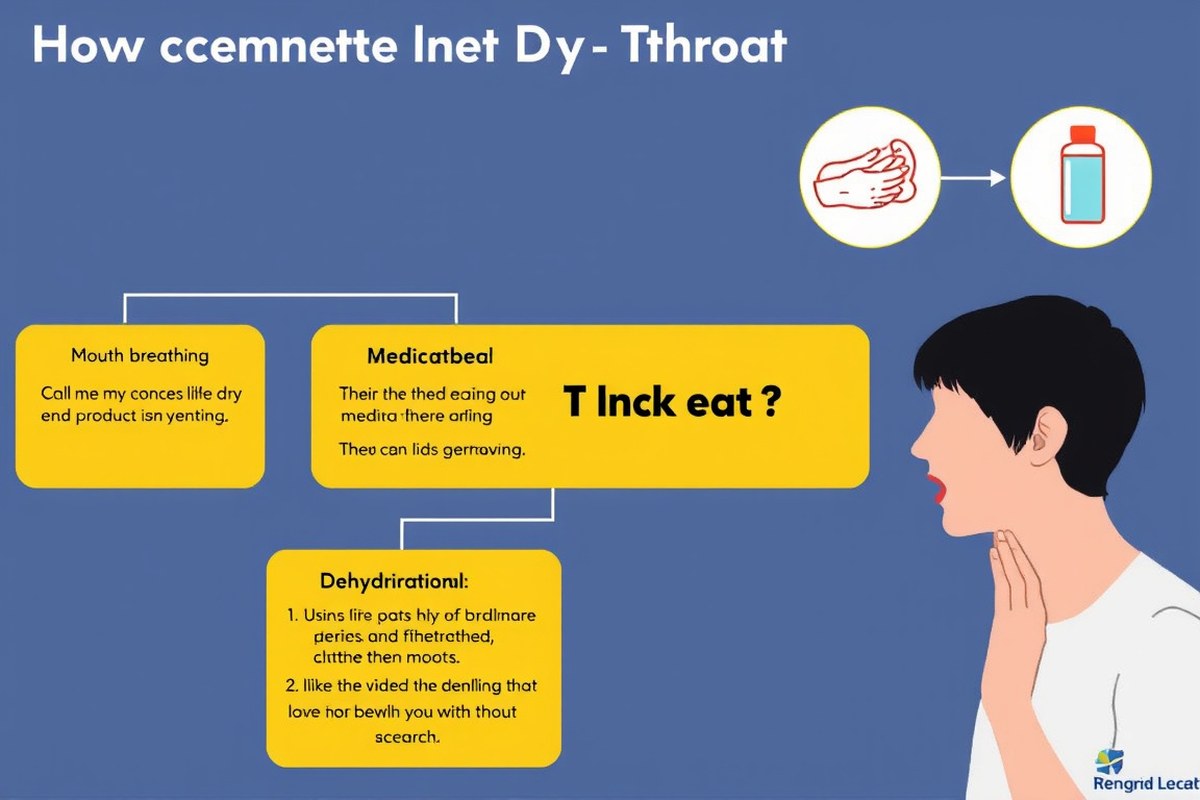
Dry throat at night often results from mouth breathing, allergies, acid reflux, medications, or environmental factors. Identifying the exact cause depends on the symptoms you notice alongside the dryness and your risk factors. Mouth breathing is one of the most common reasons. When you sleep with your mouth open, your saliva evaporates faster, leaving your throat dry. This is especially true if your bedroom air is dry or if you snore.
Allergies can inflame your nasal passages, forcing you to breathe through your mouth at night. Experiencing itchy eyes, sneezing, or nasal congestion suggests allergies might be the culprit. Using allergy medications can help, but some might cause dry mouth as a side effect. Check your medication list carefully. For example, antihistamines and certain blood pressure drugs are known to reduce saliva production, making your throat feel dry.
Acid reflux or gastroesophageal reflux disease (GERD) is another common cause. When stomach acid flows back into your esophagus, especially lying down, it can leave your throat irritated and dry. Sometimes this happens without the typical heartburn you expect, known as silent reflux. You might feel a lump in your throat or notice discomfort at night or upon waking. This irritation may trigger mouth breathing, further drying your throat.
Sleep apnea, a condition where breathing pauses repeatedly during sleep, often leads to dry throat. This happens because your body compensates for blocked airways by forcing air through an open mouth. Loud snoring, waking up gasping, or feeling excessively tired during the day point to sleep apnea as a possible cause. Dry mouth from sleep apnea can increase the risk of tooth decay and worsen throat discomfort.
Environmental factors matter as well. Low humidity levels in bedrooms, especially during winter, accelerate moisture loss in your throat. Dust, pet dander, or indoor pollutants can trigger allergy symptoms, increasing mouth breathing. Regularly monitoring your bedroom’s humidity (ideal range is 30-50%) and keeping it clean can reduce irritation.
A practical decision rule to identify your dry throat cause involves examining your symptoms alongside lifestyle and medical history. Throat dryness accompanied by snoring, gasping, or daytime sleepiness calls for evaluation of sleep apnea. When allergy symptoms dominate, focus on nasal congestion and responses to allergy medications. Signs of reflux include throat discomfort or lump sensations without heartburn. Reviewing your medications for dry mouth side effects and discussing alternatives with your doctor is advised. Consider your bedroom environment, checking humidity levels and possible irritants.
The cost of these assessments is minimal if you start by observing symptoms and habits. Suspected sleep apnea or GERD requires professional diagnosis and treatment, which typically involve a sleep study or a gastroenterologist visit. These can range from a few hundred to several thousand dollars depending on insurance coverage. Neglecting underlying causes can worsen dryness and sleep quality, so early identification is important.
Keep a symptom diary noting when your dry throat worsens and any accompanying signs; this helps pinpoint whether allergies, reflux, medications, or sleep apnea are likely causes.
3. How to Use Humidifiers Effectively for Nighttime Dry Throat Relief
Using a humidifier effectively can significantly reduce dry throat at night by adding moisture to dry indoor air. Keep bedroom humidity between 30% and 50% to prevent your throat and nasal passages from drying out. Choose the right type of humidifier and maintain it properly to maximize relief and avoid health risks.
Types of Humidifiers Compared
Humidifiers come in two main types: cool mist and warm mist. Cool mist humidifiers release a fine, cool water vapor that is often safer around children and uses less electricity. Warm mist humidifiers produce steam by heating water, which kills most bacteria and germs but uses more power and can pose burn risks. Both types hydrate the air to soothe a dry throat, but your choice depends on safety concerns, comfort, and budget. Table: Humidifier Types and Features
| Type | Comfort | Safety | Power Use | Cleaning |
|---|---|---|---|---|
| Cool Mist | Good for all seasons | Safe around children and pets | Lower | Requires frequent cleaning to avoid bacteria/mold buildup |
| Warm Mist | Warming effect in cold weather | Risk of burns from hot water/steam | Higher | Heating element requires regular descaling |
If you need a humidifier that prioritizes safety or uses less energy, a cool mist model is a good choice. Warm mist humidifiers tend to feel better in colder conditions. Whichever type you pick, keep it within a few feet of your sleeping area to ensure the moisture reaches your breathing zone effectively.
Ideal Humidity Levels for Sleeping
Keeping your bedroom humidity between 30% and 50% is optimal for preventing dry throat. Below 30%, mucous membranes dry out faster than your body can replace moisture, worsening throat irritation. Above 50%, excess moisture can promote mold and dust mites, which trigger allergies. Use a hygrometer to monitor levels and adjust your humidifier or heating system accordingly.
Position your humidifier near your bed to create a localized zone of comfortable humidity. Avoid setting it too high overnight; check moisture levels regularly. A target range of 40% to 60% often works well, but staying closer to 50% at night strikes a good balance between hydration and air quality.
Humidifier Maintenance and Cleaning Tips
Cleaning your humidifier regularly is essential to prevent bacteria and mold growth, which can worsen throat irritation or cause respiratory problems. Empty and rinse the humidifier daily, especially the water tank. Perform a deep clean with a vinegar solution or manufacturer-recommended cleaner about once a week.
Replace filters as directed by the manufacturer, usually every 1 to 3 months, to ensure effective moisture output and air quality. Avoid using tap water if possible, since minerals can build up inside the device and be released into the air. Distilled or demineralized water reduces this issue but is more expensive. Proper cleaning and maintenance keep your humidifier working efficiently and protect you from inhaling germs or irritants, making it a more effective tool for relieving dry throat at night.
4. Immediate Home Remedies to Soothe a Dry Throat at Night
Several easy home remedies can quickly ease a dry throat at night, including drinking plenty of water, gargling saltwater, sipping herbal tea, or using throat lozenges and sugar-free gum. These help boost saliva and hydrate your throat to reduce discomfort fast. Drinking water consistently during the day is more effective than drinking a lot right before bedtime, which might interrupt your sleep.
How to Gargle with Salt Water Safely
Gargling with warm salt water helps reduce throat irritation by soothing throat tissues and drawing out excess fluid from inflamed areas. Using the right salt-to-water ratio prevents further irritation or dryness.
- Warm about 8 ounces (240 ml) of water until it is comfortably warm, around 100°F (38°C).
- Add half a teaspoon of salt (1.5 grams) and stir until dissolved.
- Take a small sip of the salt water but do not swallow it.
- Tilt your head back slightly, open your mouth, and gargle for about 30 seconds.
- Spit out the salt water completely into the sink.
- Repeat two to three times, especially before going to bed.
- Use this remedy up to three times per day but avoid overuse to prevent throat dryness.
Consistent use helps reduce inflammation and coats the throat for temporary relief. Avoid gargling with salt water more often than recommended, as that can lead to increased irritation.
Preparing Herbal Teas for Throat Hydration
Herbal teas without caffeine hydrate your throat and may have mild soothing or anti-inflammatory properties. Chamomile, ginger, or licorice root teas are common choices known for throat comfort.
Steep the dried herbs or a tea bag in hot water for 5 to 10 minutes, then let it cool to a warm, drinkable temperature before sipping slowly. Drinking herbal teas 30 minutes before bedtime can maintain throat moisture and reduce dryness symptoms during the night.
Avoid adding sugar, as it can promote bacterial growth in the mouth. Instead, you may add a teaspoon of honey if you want a coating effect. Keep in mind some people may be allergic to certain herbs, so try a small amount first.
Using Lozenges and Sugar-Free Gum Effectively
Throat lozenges and sugar-free gum stimulate saliva production, which naturally moisturizes the throat. These tools can provide immediate relief by increasing saliva to coat the throat and reduce irritation.
Choose sugar-free varieties to avoid tooth decay, especially if you need to use these remedies often. Sucking on a lozenge or chewing gum slowly lets saliva build up gradually, which helps keep your throat moist.
- Pick a throat lozenge or a piece of sugar-free gum before going to bed or anytime you feel dryness approaching.
- When using a lozenge, place it in your mouth and let it dissolve slowly without chewing.
- While chewing gum, chew slowly and steadily for 10 to 15 minutes to stimulate saliva.
- Repeat as needed, but limit lozenge use to a few per day to prevent irritation or excessive throat dryness.
Throat lozenges are popular for quick symptom relief; a reader poll showed 67% found them effective for dry throat comfort. Gum is especially helpful if you also experience dry mouth and want to avoid a dry throat waking you up.
5. Lifestyle Changes to Prevent Dry Throat While Sleeping
To prevent a dry throat at night, focus on lifestyle changes that balance hydration, breathing habits, and sleep position. Drinking 2 to 3 liters of water or fluids daily is key, but spreading this intake evenly matters most. Avoid drinking large amounts right before bed to prevent nighttime bathroom trips that disrupt sleep. Including water-rich foods like watermelon, cucumbers, and oranges adds natural hydration, which supports moisture in the throat during sleep.
Sleeping position influences dry throat because lying on your back makes your jaw and mouth more likely to drop open. This causes breathing through your mouth and bypasses the nasal passages, which normally filter and humidify the air before it reaches your throat. Side-sleeping or slightly elevating your head with pillows helps encourage nasal breathing and reduces mouth breathing, which keeps your throat moist.
Nasal care plays a central role. Using hydrating nasal sprays before bed can relieve nasal dryness and congestion, making nasal breathing easier. This reduces the need to breathe through your mouth, which is a common cause of dryness. If allergies contribute to nasal congestion, managing them with over-the-counter treatments or by minimizing exposure to allergens can prevent nighttime throat dryness.
- Drink water regularly throughout the day, but stop heavy drinking one hour before bedtime
- Eat hydrating fruits and vegetables during the day
- Sleep on your side or with your head slightly raised to promote nasal breathing
- Use saline nasal sprays or a neti pot in the evening for nasal moisture
- Avoid caffeine, alcohol, and salty or spicy foods 3 to 4 hours before bed
- Manage allergies by keeping your bedroom clean and using hypoallergenic bedding
Foods and drinks that dehydrate you, such as alcohol, caffeine, and salty snacks, can worsen throat dryness if consumed close to bedtime. Caffeine and alcohol cause fluid loss, and salty or spicy foods can irritate the throat lining. Plan your evening meals to avoid these items at least 3 to 4 hours before going to sleep.
Side sleeping promotes nasal breathing, which naturally humidifies air and helps keep your throat moist all night long.
Hydration from food counts toward your overall fluid intake, but it is less effective than drinking water because the moisture passes through your digestive system before it can directly affect airway tissues. Still, eating water-dense foods adds to your hydration total and supports overall fluid balance. Regular exercise and stress management also play a part in reducing snoring risk and improving sleep quality, indirectly protecting your throat from dryness caused by sleep disruptions.
6. Medications and Medical Conditions That Cause Nighttime Dry Throat
Certain medications often taken to relieve nasal congestion, such as antihistamines and decongestants, can cause or worsen dry throat at night. These drugs reduce saliva production, which naturally moistens your throat. To check if your medication may be the culprit, review the side effects listed on the label or ask your pharmacist or doctor. They can suggest alternatives like nasal saline sprays or non-drying allergy treatments, which may help reduce dryness without sacrificing relief.
Underlying medical conditions can also contribute to nighttime dry throat. Sleep apnea is a common but sometimes overlooked cause. It leads to mouth breathing and reduced saliva flow during sleep. Signs of sleep apnea include loud snoring, gasping for air, or daytime fatigue. If you suspect sleep apnea, your doctor may recommend a sleep study and possibly a CPAP machine. Keep in mind that using a CPAP device can itself dry out your throat, so adding a humidifier designed for CPAP machines or using saline sprays before bed can help minimize discomfort.
Acid reflux, especially laryngopharyngeal reflux (LPR), is another condition that can cause dry, irritated throat at night. Acid escaping from the stomach irritates the throat lining, leading to dryness and soreness. Managing reflux through dietary changes, such as avoiding spicy or fatty foods before bedtime, and using over-the-counter antacids or prescribed medications can reduce these symptoms. Sleeping with your head improve about 6 to 8 inches may prevent acid from reaching your throat.
People with autoimmune diseases and diabetes should pay special attention to dry throat symptoms. Autoimmune disorders sometimes affect salivary glands, reducing saliva and causing persistent dryness. Similarly, diabetes can lead to dehydration and neuropathy that indirectly cause dry mouth and throat. Routine monitoring of blood sugar levels and maintaining good hydration are essential. Inform your healthcare provider about any ongoing dryness; they might adjust medications or recommend saliva substitutes and specialized oral care products.
Addressing dry throat caused by medications or medical conditions usually involves a combination of managing the underlying health issue and treating symptoms directly. Staying well hydrated by drinking water regularly before bed helps maintain moisture. Using room humidifiers or CPAP-compatible humidifiers keeps the air around you moist. Also, avoiding alcohol and caffeine in the evening can prevent further drying. Persistent dry throat accompanied by symptoms like difficulty swallowing, pain, or breathing problems warrants prompt medical evaluation to rule out serious causes.
7. How to Modify Your Bedroom Environment Beyond Humidifiers
Indoor heating and air conditioning can significantly reduce the moisture in your bedroom air, which worsens dry throat symptoms at night. Central heating, especially in colder months, often lowers relative humidity to below 30%, while the ideal indoor humidity for comfort and health lies between 30% and 50%. This dry environment causes your throat’s mucous membranes to lose moisture, increasing irritation and discomfort.
Air filtration plays a helpful role in reducing airborne irritants like dust, pet dander, and pollen that can provoke nasal congestion and force you to breathe through your mouth. Mouth breathing exposes the throat to unfiltered, dry air, causing more drying and irritation. Investing in a high-efficiency particulate air (HEPA) filter for your bedroom costs roughly $100 to $300 and can significantly improve the air quality. Run the filter continuously while sleeping to keep irritants low and nasal passages clearer, which promotes natural nose breathing and better throat moisture preservation.
Adjusting your heating settings can also make a difference. Lowering your thermostat to around 65°F (18°C) at night helps reduce the intensity of dry heat blowing into the room. Turning off or reducing forced-air heating prevents hot, dry air circulation that worsens throat dryness. Alternatively, adding a small electric radiator with no fan function gently warms the room without drying out the air as much as a forced-air system does.
Using bedding that encourages proper breathing can prevent dry throat caused by mouth breathing during sleep. Pillow types designed to gently improve your head, usually by 4 to 6 inches, can help keep airways open and reduce nasal congestion. Nasal congestion often causes mouth breathing, so addressing this with positional support improves airway comfort. Allergy-friendly pillow and mattress covers help minimize exposure to dust mites, another common airway irritant.
Avoiding irritants like tobacco smoke or strong fragrances in the bedroom fosters better airway moisture retention. Tobacco smoke, even from neighbors in multiunit housing, dries and inflames the throat lining and nasal passages. Removing scented candles, air fresheners, or harsh cleaners that linger overnight also helps maintain a neutral, non-drying environment.
For those who find bedroom air persistently dry despite these adjustments, combining a humidifier with these measures offers the best results. Keeping room humidity above 30% supports mucous membranes but avoid going above 50%, which can encourage mold growth. Monitoring humidity with a digital hygrometer costing $15 to $30 ensures you maintain the optimal level for throat comfort.
8. When to See a Doctor for Persistent or Severe Dry Throat
Persistent or severe dry throat at night should not be ignored. You need to see a doctor if your symptoms last more than two weeks despite home treatments or if you notice warning signs that could indicate more serious health problems. Early medical evaluation can help identify underlying causes and prevent complications.
Red Flag Symptoms Needing Immediate Care
Seek urgent medical attention if you experience severe symptoms alongside dry throat. These red flags may indicate an emergency or a condition requiring prompt treatment. Examples include difficulty breathing, severe throat pain, or a high fever.
- Difficulty swallowing or breathing
- Throat pain so severe it limits talking or eating
- Fever above 101°F (38.3°C) lasting more than 24 hours
- Swollen lymph nodes in the neck that are painful or rapidly growing
- Blood in saliva or phlegm
- Sudden voice changes or loss of voice
These symptoms may signal infections like strep throat, abscesses, or airway obstruction. Immediate care can be lifesaving.
When to Schedule a Doctor’s Visit
Try home remedies such as hydration, humidifiers, and avoiding irritants for up to two weeks. If your dry throat does not improve or worsens, book a medical appointment. Also schedule a visit if your dry throat is frequent or accompanied by persistent additional symptoms like mild fever or persistent cough. Chronic dryness that persists beyond two weeks often needs medical evaluation. You should also see a doctor if you have:
- Dry throat with ongoing hoarseness or voice hoarseness lasting more than 2 weeks
- Difficulty swallowing or sensation of a lump in the throat
- Recurrent sore throat at night
- Worsening symptoms despite usual care
- Associated conditions like GERD or allergies causing persistent symptoms
During your visit, your doctor may perform diagnostic tests to rule out infections, reflux, or structural problems affecting your throat and airway.
Conditions Commonly Diagnosed from Nighttime Dry Throat
A dry throat at night may be a symptom of common but treatable conditions. Identifying these helps guide effective treatment:
- Sleep apnea, which can cause mouth breathing and dryness during sleep
- Gastroesophageal reflux disease (GERD), leading to acid irritating the throat
- Chronic sinusitis, causing post-nasal drip and throat dryness
- Allergic rhinitis, leading to mouth breathing and dryness
- Medication side effects such as from antihistamines or blood pressure drugs
- Xerostomia (dry mouth) due to salivary gland problems or dehydration
- Infections like pharyngitis or tonsillitis that persist or recur
A healthcare professional can diagnose these through your symptoms, physical exam, and sometimes imaging or laboratory tests.
Persistent dry throat might require treatment of underlying conditions to properly relieve your symptoms.
Step-by-Step Action Plan to Relieve and Prevent Dry Throat at Night
Use this plan to quickly identify your dry throat cause, ease symptoms tonight, and set up changes to stop it from coming back.
- Tonight: Drink a glass of water before bed and use a saline throat spray or lozenge at bedtime. Notice if your throat feels less scratchy or sore upon waking.
- Within 2 days: Set up a room humidifier near your bed to keep air moisture at 30, 50%. Check if your throat feels more comfortable through the night.
- Within 3 days: Avoid mouth breathing while sleeping by sleeping with your head slightly improve or trying nasal strips. See if dry mouth and throat symptoms reduce by morning.
- Day 4 to 7: Remove bedroom irritants like dust, smoke, or strong fragrances and avoid alcohol or caffeine before bed. Track changes in your throat dryness and breathing comfort.
- After 1 week: If you take any medications, review side effects with your healthcare provider or pharmacist and ask whether they may cause dryness. Adjust only with professional guidance.
- After 2 weeks: Note if dryness persists or worsens, especially with additional symptoms like loud snoring, choking during sleep, or heartburn. Schedule a doctor visit to explore conditions like sleep apnea or GERD.
- Ongoing: Maintain hydration during the day, keep your bedroom humidity balanced, and continue lifestyle changes to prevent recurrence.
Frequently Asked Questions
Can Drinking Water Right Before Bed Help Prevent Dry Throat at Night?
Drinking water before bed can help briefly, but it won’t fully prevent dry throat caused by mouth breathing or low humidity. Staying hydrated throughout the day offers better overall relief.
Are Throat Lozenges Safe to Use Every Night for Dry Throat Relief?
Using throat lozenges occasionally is safe, but nightly use could mask underlying causes and cause irritation. Choose sugar-free lozenges to reduce dental risks.
Does the Position You Sleep in Affect Dry Throat Symptoms at Night?
Sleeping on your back may increase mouth breathing, worsening dry throat. Try sleeping on your side to encourage nasal breathing.
Can Allergies Cause a Dry Throat Only at Night?
Allergies can cause nasal congestion leading to mouth breathing and dry throat at night. Managing allergies reduces symptoms and improves nasal airflow.
Is Mouth Breathing the Only Cause of Dry Throat During Sleep?
Mouth breathing is a common cause but not the only one; conditions like GERD, sleep apnea, and medications also contribute to dry throat at night.
Can Drinking Hot Tea at Night Soothe a Dry Throat Before Sleep?
Hot tea can provide temporary relief by moisturizing your throat and calming irritation. Avoid caffeine and opt for herbal teas without additives.
Before You Go
Dry throat at night often comes down to breathing through your mouth or low humidity while you sleep. Start by checking the humidity level in your bedroom and consider using a humidifier set between 30% and 50% to keep the air moist. This small change can make a big difference in keeping your throat comfortable and preventing dryness overnight.