

How to Get Rid of Musty Smell in Basement: 8 Proven Steps for Lasting Freshness
To get rid of musty smell in basement, start by locating the source of the odor, such as mold, mildew, or moisture buildup. Control humidity levels with a dehumidifier and improve ventilation to stop the smell from returning. Clean surfaces safely, fix leaks, and use natural odor absorbers like white vinegar to neutralize lingering odors.
This guide is for homeowners or renters dealing with persistent basement odors. You’ll learn eight proven steps to eliminate musty smells, address moisture problems, and maintain a fresh basement environment for good. Following these tips helps you prevent recurring odors and keeps your basement comfortable and clean.
Key Takeaways
- Identify and eliminate the moisture source causing the musty smell before treating odors or cleaning mold in your basement.
- Use a hygrometer to monitor basement humidity, keeping it between 30-50% to prevent mold growth and musty odors.
- Clean moldy surfaces safely with appropriate cleaners and soak smelly fabrics in all-fabric bleach for at least 30 minutes.
- Improve airflow by drying out your basement and using fans or vents to reduce moisture buildup and odor development.
- Place bowls of white vinegar around the basement for 3-4 days to absorb and neutralize persistent musty smells naturally.
- Fix leaks and any water intrusion issues permanently to prevent recurring dampness that fuels mold and mildew growth.
1. Identify the Source of the Musty Smell in Your Basement

A musty smell in your basement usually signals excess moisture encouraging mold or mildew growth. That smell comes from microbial volatile organic compounds released by these organisms when they break down damp organic materials. Moisture can enter your basement in different ways. It might come from leaks, condensation on cold surfaces like pipes or foundation walls, or poor ventilation that traps humid air. Checking all these sources carefully is critical to finding and fixing the root cause.
Look for visible signs of moisture such as water stains or damp spots on walls, floors, and ceilings. Condensation often forms on cold metal or concrete surfaces, so run your hand over pipes and foundation walls to detect dampness. A well-insulated pipe won’t sweat, so condensation may indicate missing insulation or excessive basement humidity. Plumbing systems might also contribute if sewer gases or trapped odors are involved, especially near dry floor drains or unused sinks. Testing for indoor humidity above 50% with a hygrometer can guide your inspection, as humidity at this level supports mold growth. Follow these steps to find the source of your basement’s musty smell:
- Check for leaks. Inspect all visible plumbing connections, including pipes under sinks and water supply lines, for dripping or pooling water. Look along the foundation wall outside for cracks where water might seep inside. Even small leaks can keep walls or floors damp.
- Feel for condensation. Wear gloves and touch bare pipes, concrete walls, and floors to find wet, cold surfaces. Condensation leaves surfaces damp continuously, especially in warm, humid weather or during temperature swings.
- Inspect floor drains and P-traps. Pour water into rarely used drains or those with dry traps to block sewer gases that can cause musty odors. A mixture of water and two tablespoons of cooking oil poured down drains can help seal them temporarily from odors.
- Look behind stored items. Move boxes, furniture, and rugs away from walls to spot hidden mold or water stains. Organic materials in contact with damp surfaces worsen odor issues.
- Test basement humidity. Use a digital hygrometer to measure air moisture. Levels above 50% warrant moisture control steps to reduce conditions favoring mold growth.
- Observe ventilation. Poor airflow traps stale, humid air. Check whether vents open properly and consider whether a dehumidifier currently runs. Note if the basement feels stuffy or air stands still.
- Examine the foundation walls and floor joints. Look for cracks or gaps where water can enter, especially after heavy rain. Water entry from the soil worsens moisture problems and musty smells.
- Assess for sump pump or drainage issues. Verify sump pumps are working if installed. Excess groundwater not properly diverted raises basement dampness and supports mold.
Finding the musty smell source takes time and a close look at moisture in all its forms, liquid leaks, condensation, seepage, and trapped humid air. Doing this thoroughly helps you plan the right fixes and stops musty odors from coming back.
2. Measure and Control Basement Humidity Effectively
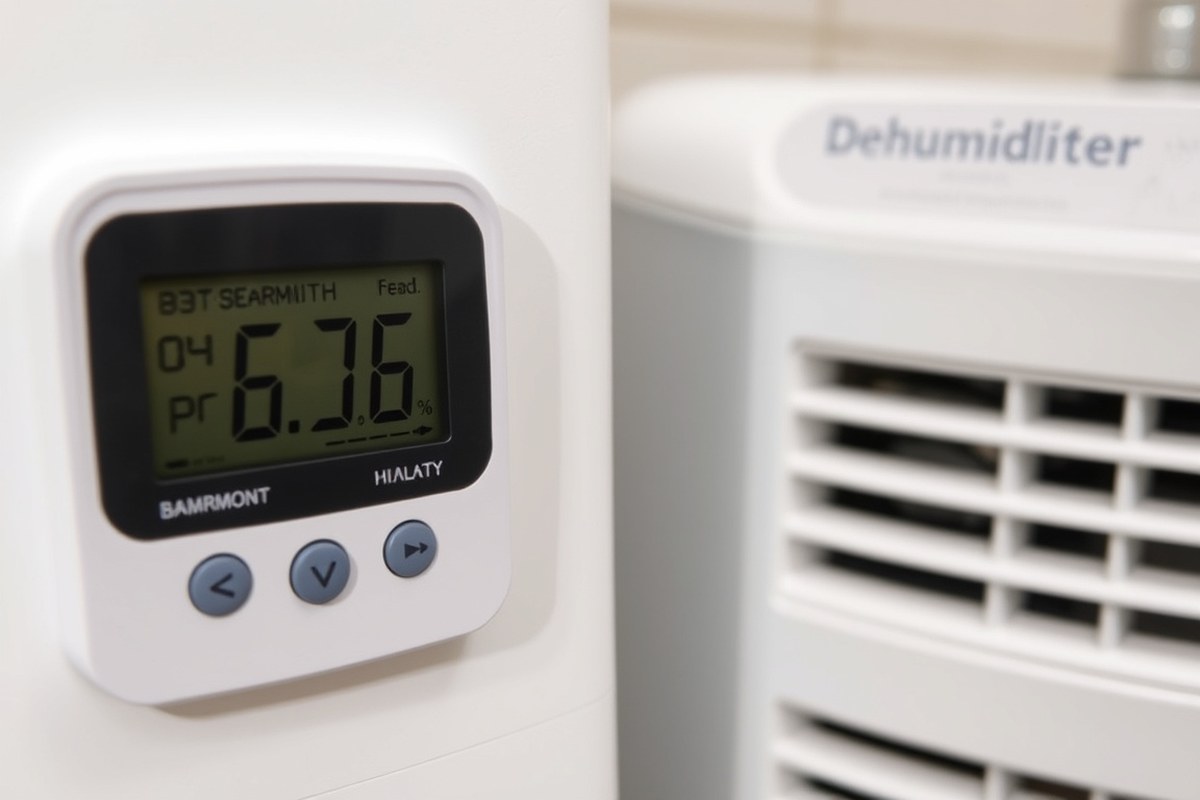
Measuring humidity in your basement and controlling it properly are essential steps to reduce the musty smell. Use a hygrometer to check moisture levels regularly, then choose a dehumidifier sized for your basement’s square footage. Aim to keep humidity below 50% for effective odor control. Depending on the conditions, it may take several days or weeks of running a dehumidifier continuously to noticeably reduce the smell.
Using a Hygrometer to Measure Humidity
A hygrometer is a simple device that measures relative humidity in the air. You can buy a digital hygrometer online or at hardware stores for around $10 to $30. Some dehumidifiers include a built-in hygrometer, which helps you monitor basement humidity without extra equipment.
Place the hygrometer in a central location away from direct moisture sources, such as sump pumps or open windows. Check the reading once or twice daily, especially during damp or rainy weather. Record the humidity levels to track any changes over time. This will help you decide whether your dehumidifier is doing its job or if you need to adjust settings.
Selecting the Right Dehumidifier Size
Dehumidifiers are rated by the number of pints of water they can remove from the air in 24 hours. For an average basement, a 50-pint dehumidifier is usually recommended to control moisture effectively. Larger or wetter basements might require a 70-pint or 90-pint unit. Using a unit that’s too small will result in slow moisture removal and persistent odors.
Also consider placing the dehumidifier in a central, open area of the basement to maximize airflow. Close windows and doors while running it to prevent outside moisture from entering. Many energy-efficient models cost between $150 and $300 and include features like adjustable humidistats and continuous drainage options.
Expected Timelines for Dehumidifier Effectiveness
Reducing musty smells is not instant. Once you start using a properly sized dehumidifier, expect initial noticeable improvement in humidity within 1 to 3 days. The musty odor may take 1 to 2 weeks to fade significantly as moisture levels drop and mold spores become less active.
Continuous operation is key during this period. Turning off the dehumidifier too soon can allow moisture to build up again. Some basements might require ongoing use during humid months, especially if there are underlying water intrusion issues.
Keep the dehumidifier running continuously until humidity stays consistently below 50%; otherwise, mold will continue to produce musty odors.
Humidity Levels to Target for Odor Control
Maintaining basement humidity between 30% and 50% prevents mold and mildew growth that cause musty smells. Anything above 60% is risky and encourages microbial growth. Lower than 30% can cause discomfort and damage to wood or drywall but is rarely necessary in basements.
A well-maintained dehumidifier should keep humidity below 50%, which also improves air quality and reduces bacterial activity linked to odors. Avoid using humidifiers in damp basements since they add moisture and worsen odor problems. Air purifiers alone don’t remove moisture but can help with airborne spores once humidity is controlled. Use the following table as a quick reference for humidity levels and their effects on your basement environment:
| Humidity Level | Effect on Basement | Recommended Action |
|---|---|---|
| Below 30% | Dry air; possible damage to wood | No action usually needed |
| 30%, 50% | Safe zone; mold growth unlikely | Maintain with dehumidifier |
| 51%, 60% | Increased risk of mold and mildew | Use dehumidifier; check for leaks |
| Above 60% | High risk of mold; musty odors likely | Run dehumidifier continuously; repair moisture sources |
Tracking and adjusting your basement’s humidity using these guidelines helps keep your space dry and odor-free. Dehumidifiers are your primary tool for this task, with success depending largely on choosing the right size and committing to consistent use.
3. Clean Mold and Mildew Safely from Basement Surfaces
To clean mold and mildew safely from your basement, use protective gear and effective cleaning agents suited to the surface. Remove or properly treat porous materials like carpets and clothing to eliminate musty odors, as these items can trap mold spores and smells. Proper cleaning targets mold growth and reduces the odor by removing mold’s food source and spores.
Personal Protective Equipment and Safety
Mold spores can cause allergic reactions or respiratory problems, so protect yourself during cleaning. Always wear gloves, goggles, and a mask rated for fine particles or mold (such as an N95 respirator). Use long sleeves and pants to avoid skin contact. Ensure the basement is well ventilated by opening windows or using a fan while you clean. Avoid mixing cleaning chemicals, as this can produce dangerous fumes. When mold covers a large area (greater than 10 square feet) or you experience health symptoms, it’s best to consult a professional rather than attempting a DIY clean-up.
Recommended Cleaning Agents and Application
For non-porous surfaces like concrete, tile, or painted walls, use a solution of water and detergent or a commercial mold cleaner. You can also use diluted household bleach (1 cup bleach per gallon of water) to disinfect, but never mix bleach with ammonia or other cleaners. Spray or apply the cleaner, scrub with a brush, and rinse well. Let the surface dry completely, as moisture encourages mold regrowth.
For mild mold growth, white vinegar sprayed directly can kill mold spores and reduce odor. Hydrogen peroxide (3%) is another option that can clean mildew while bleaching stains. Allow these to sit for 10 to 15 minutes before wiping off.
Avoid harsh chemical cleaners on painted drywall or delicate surfaces to prevent damage. In those cases, using a mild detergent with warm water and drying quickly is safer.
Handling and Disposing of Musty Belongings
Items such as carpets, clothing, fabric, or cardboard that smell musty often hold mold inside their fibers, making them difficult to fully clean. You have two options: clean thoroughly or discard. For washable fabrics, use hot water and add a cup of white vinegar or a mold-killing detergent. Dry items completely in direct sunlight or a hot dryer to inhibit mold growth. You may need to repeat washing if the odor persists.
Carpets and upholstered furniture are harder to salvage if they smell strongly musty, especially when mold is visible or the basement humidity remains high. Removal and disposal could be necessary when items are heavily contaminated or absorb moisture repeatedly to stop ongoing mold spread and smell.
To prevent cross-contamination, bag moldy items separately before moving them out of the basement. Cardboard boxes with mold or damp paper should be discarded immediately, as mold thrives on these materials.
- Put on gloves, goggles, and an N95 mask for protection.
- Ventilate the basement by opening windows or running a fan.
- Choose a cleaning agent: detergent solution for general use, diluted bleach for tough mold on non-porous surfaces, or vinegar for milder cases.
- Apply the cleaner, scrub surfaces gently, and rinse with clean water.
- Dry the area completely using fans or dehumidifiers to prevent mold regrowth.
- For musty fabrics, wash in hot water with vinegar or mold-cleaning detergent; dry thoroughly in sunlight or dryer.
- Remove and trash moldy porous items that cannot be effectively cleaned.
- Seal discarded moldy items in plastic bags to avoid spreading spores during disposal.
4. Dry Out Your Basement and Improve Airflow and Ventilation
Drying out a damp basement and improving its ventilation are key steps to reducing musty smells. Moisture trapped inside creates a breeding ground for mold and mildew, which cause that unpleasant odor. Proper air circulation helps prevent humid air from lingering and reduces condensation on cool basement surfaces, which is a common source of dampness.
Start by opening any windows and doors that lead outside, allowing fresh air to flow through the space. Use fans strategically placed to push stale, moist air out and draw drier air in. For example, position a fan facing out a window near one corner and another fan pulling air in from an opposite end to create cross-ventilation. This setup maximizes airflow and can lower moisture levels noticeably within days. Keep interior doors open to encourage air movement through the entire basement.
When living in a region with hot, humid summers, this natural ventilation works best during cooler or less humid periods, as outside air can bring moisture inside when it’s very humid outdoors. In such cases, running a dehumidifier alongside fans is more effective. Dehumidifiers typically cost between $150 and $300, depending on capacity, and help maintain basement humidity below 60%, which reduces mold growth. Continue this routine for at least two to four weeks to see significant odor improvement.
Removing damp items like rugs or upholstered furniture outside on a dry, sunny day also helps reduce basement moisture and odors. Sunlight and open air dry these items thoroughly, preventing them from reintroducing mustiness when brought back inside.
Ventilation doesn’t only improve air inside your basement; exterior landscaping and drainage have a direct impact on moisture levels too. Ensure soil slopes away from your foundation at a rate of at least 6 inches per 10 feet to prevent water pooling near the basement walls. Installing or maintaining proper gutters and downspouts that direct rainwater at least 3 to 4 feet away helps reduce water seeping through cracks or cove joints. Exterior drainage improvements reduce the amount of moisture entering your basement and make drying efforts inside more effective.
For basements with no windows or limited ventilation options, installing mechanical ventilation such as exhaust fans or an air exchange system may be necessary. These are more involved and costly, often requiring professional installation. Without adequate airflow, basement moisture can persist, and musty odors may return even after drying efforts.
Clearing clutter from basement corners, keeping vents unblocked, and sealing any cracks or openings where humid air enters contribute to consistent air circulation. Maintaining good ventilation and keeping your basement dry for several weeks usually leads to a significant reduction in musty smells. Persistent odors after this time may indicate hidden moisture problems requiring professional evaluation.
5. Use Natural Odor Absorbers to Neutralize Musty Smells
Natural odor absorbers like baking soda, vinegar, and activated charcoal can effectively neutralize musty smells in your basement. Unlike air fresheners that only mask odors, these substances trap and absorb odor molecules. Using them properly involves setting out small open containers around the basement, allowing the absorbers to work passively over several days.
To use baking soda, place multiple shallow bowls filled with it in different corners or near areas with the strongest smell. Baking soda is affordable, typically costing less than $1 per box, and absorbs odors by trapping moisture and neutralizing acidic and basic odorous compounds. Leave the bowls out for at least 48 to 72 hours before replacing the powder if needed. Activated charcoal works similarly by adsorbing odor molecules onto its porous surface. You can buy bags or loose charcoal for $5 to $10 and place them in open containers around the basement. Charcoal works best in cooler, dry environments and can last for several weeks before needing replacement.
| Odor Absorber | How to Use | Cost Range | Duration Before Replacement | Best for |
|---|---|---|---|---|
| Baking Soda | Place bowls of powder throughout the basement; stir occasionally | $0.50 – $1 per box | 2-3 days to 1 week | Quick neutralization of general musty odors |
| White Vinegar | Set out small open bowls; avoid spills on floors or furniture | $2 – $3 per quart | 2-3 days | Strong odors; works quickly but evaporates |
| Activated Charcoal | Place in breathable bags or bowls; keep dry | $5 – $10 per pack | Several weeks | Long-lasting odor absorption especially in cooler spaces |
| Commercial Moisture & Odor Absorbers (e.g., DampRid) | Follow product instructions; place in areas prone to dampness | $10 – $20 per container | Depends on product; up to one month | Persistent or strong musty smells from ongoing dampness |
White vinegar neutralizes odors rapidly by breaking down odor-causing molecules. Avoid placing vinegar near open electrical outlets or delicate surfaces, as its acidity can cause damage. Use vinegar mainly for quick deodorizing sessions, keeping bowls for just a day or two before replacing. If the odor is stubborn or the basement humid, combining baking soda or charcoal with a moisture absorber such as DampRid will improve results by targeting both moisture and odors simultaneously.
Use multiple bowls or pouches spread out evenly in the basement for the best coverage, and replace or refresh your odor absorbers every few days to maintain effectiveness.
Natural odor absorbers work best after you already clean the source of the smell and reduce humidity levels. They provide a low-cost, chemical-free solution to help clear residual mustiness. In basements with severe moisture issues, these absorbers may only partly reduce odors unless combined with moisture control and leak fixes. Remember to air out the basement and remove any damp fabrics or clutter to prevent odors from returning too quickly.
6. Fix Leaks and Water Intrusion Permanently
Preventing water intrusion is essential to eliminate musty basement smells. Permanent fixes target leaks in plumbing and foundation walls to stop moisture from entering your basement. Start by closely inspecting all accessible areas for signs of leaks and cracks. Addressing these issues promptly not only clears musty odors but also protects your home’s structural integrity. The repair approach varies depending on whether the problem is a plumbing leak, foundation crack, or general moisture intrusion. Here’s a checklist to guide you through the permanent repair process:
- Inspect all visible plumbing pipes, joints, and water heaters. Look for drips, corrosion, or pooling water. Use a flashlight and paper towel to check for wetness. Promptly fix any cracked or faulty pipes to stop leaks. For minor leaks, wrap with plumber’s tape or replace worn-out washers. Severe leaks or pipe damage may require professional plumbing service. Small repairs typically cost $100 to $300, while major plumbing fixes can range from $500 to $1,500.
- Examine basement walls and floors for cracks or damp spots. Check inside and outside the foundation wall for visible cracks or holes. Traces of efflorescence (white, powdery deposits) may indicate water seepage. Fix small foundation cracks using hydraulic cement or masonry patching compound. For larger cracks or persistent leaks, consider professional waterproofing. External waterproofing involves digging around the foundation and applying sealants, costing $3,000 to $10,000 depending on basement size and damage.
- Seal exposed soil and foundation gaps inside the basement. Cover any exposed dirt floor areas with plastic sheeting or concrete. Use caulk or foam sealant to close any small gaps or openings where water or humid air can enter. This reduces groundwater evaporation and prevents humid air movement.
- Install or check sump pump functionality if your basement is prone to flooding. Sump pumps collect and remove water from a pit in the basement before it accumulates. Test the pump by pouring water into the sump pit to ensure it activates and drains properly. Regular maintenance or a backup battery pump can prevent water damage during storms or power outages. Professional installation costs range from $1,000 to $3,000.
- Insulate cold water pipes and add vapor barriers on basement walls. Wrap pipes with foam insulation sleeves to limit condensation, a common source of moisture. Installing a vapor barrier on interior walls blocks humidity from passing through porous surfaces. Use polyethylene sheets at least 6 mil thick as a barrier. This step reduces condensation and mold growth significantly.
- Maintain proper grading and drainage around your home’s foundation. Direct rainwater away by ensuring the soil slopes downward at least 6 inches within the first 10 feet from the foundation. Clean gutters and downspouts regularly to avoid overflow near the basement walls. Add extensions to downspouts to guide water far from the foundation.
- Dry wet areas thoroughly after repairs are made. Use fans or dehumidifiers to reduce residual moisture. Keep basement humidity below 60% to prevent mold and musty odors from returning.
Permanent fixes ensure your basement stays dry and smells fresh longer. Persistent or widespread water intrusion often needs professional evaluation since some foundation repairs or extensive plumbing work exceed typical DIY capacity. Consistent inspection and maintenance can limit damage and save money on costly remediation over time.
7. Know When to Call a Professional Mold or Water Damage Expert
Call a professional mold remediation specialist if you find mold covering more than 10 square feet or if the musty smell does not fade after 2 to 4 weeks of consistent cleaning and drying efforts. Large mold infestations require specialized equipment and techniques to remove safely and prevent spores from spreading throughout your home. Professionals also handle hidden mold growth behind walls or under floors that you might not see but can produce persistent odors and health risks.
Persistent mold exposure can cause respiratory problems, allergic reactions, and irritation of the eyes, nose, and throat, especially for young children, the elderly, or people with asthma or weakened immune systems. If you or household members develop symptoms like coughing, wheezing, or frequent headaches during or after basement time, getting expert mold assessment and removal becomes more urgent.
Structural damage from prolonged water exposure in the basement is another sign to call in professionals. Cracks in foundation walls, warped floors, or efflorescence (white powdery deposits on masonry) indicate moisture problems that need thorough inspection and repair to avoid costly damage. Licensed contractors can recommend sealing, waterproofing, and repairs tailored to your basement’s condition.
Common mistakes when trying to eliminate musty basement smells include cleaning only visible mold without addressing moisture sources, using bleach on porous surfaces which can worsen the problem, or sealing off areas without proper drying and ventilation. These actions may temporarily reduce odor but allow mold to return or spread. Professionals follow protocols including containment, air filtration, and moisture control that suppress mold regrowth permanently.
When deciding to call professionals, consider the size of the mold patch, the duration and intensity of the smell, any health symptoms linked to mold exposure, and signs of structural damage. Contacting a licensed mold remediation expert early can save money by preventing serious damage, reduce health risks, and restore indoor air quality efficiently. Costs vary but typically range from $500 to several thousand dollars depending on the infestation size and required repairs. Waiting too long increases expenses and complexity.
Use this script to explain your situation when contacting experts: “My basement has a musty smell that has lasted over a month despite my cleaning and drying attempts. I see mold patches larger than a few square feet and notice some wall cracking. There are respiratory symptoms in my family possibly linked to mold. Could you assess the extent of mold growth and recommend remediation and repairs?” Having this information helps professionals provide precise advice and service estimates.
8. Maintain a Routine to Prevent Musty Odors Returning
Keeping musty smells away requires regular attention to basement conditions. Ongoing humidity checks, seasonal maintenance, routine inspections, and proper landscaping all work together to keep your basement fresh. A maintenance routine tailored to your climate and basement type makes the difference.
Monthly Humidity and Visual Checks
Monitor your basement’s humidity levels monthly using a hygrometer, aiming to keep it between 30 and 50 percent. This range helps prevent mold growth and reduces dampness that causes musty odors. Alongside humidity readings, visually inspect walls, floors, and corners for signs of moisture, mold, or water damage.
Note any musty smells or damp spots as early warning signs to address quickly. Running a dehumidifier or improving ventilation can fix rising humidity before mold develops again. Monthly checks typically take about 15 minutes and cost little beyond a $20 to $50 hygrometer.
Seasonal Weatherproofing Tasks
Seasonal maintenance targets issues that vary with temperature and precipitation changes. Perform these tasks at least twice a year, in spring and fall:
- Inspect and reseal basement windows and exterior walls to seal out moisture
- Clear gutters and downspouts to ensure water flows away from your foundation
- Check sump pump operation and clean its pit if applicable
- Verify foundation cracks or gaps are patched
- Clean air vents and replace furnace or HVAC filters
- Test and reset dehumidifier settings after seasonal temperature shifts
- Inspect insulation for dampness or damage
These tasks help prevent water intrusion and maintain dry air, which together reduce musty smells. Hiring a weatherproofing pro for annual foundation inspections generally costs $150 to $300, but DIY checks save that expense.
Landscaping and Drainage Maintenance
Proper landscaping supports basement dryness by directing surface water away from your home. Keep these landscaping practices in mind:
- Grade the soil with a slope of at least 6 inches over 10 feet away from the foundation
- Maintain clear drainage paths and regularly clean patios, decks, and driveways
- Trim back trees and plants near foundation walls to improve air circulation
- Install or check functioning French drains or rain gardens if water pools around your home
- Inspect and repair downspouts so water discharges at least 5 feet from the foundation
Good exterior drainage cuts basement humidity and blocks water seepage that causes odors. Ignoring landscaping may lead to persistent moisture problems and repeated musty smells despite interior fixes.
Standing water near your foundation increases basement humidity and promotes mold growth, so always fix drainage issues promptly.
Adapting Maintenance by Climate and Basement Type
Climate and basement construction affect maintenance needs. In humid regions, monthly humidity monitoring is critical, with dehumidifiers running longer seasons. Colder areas need more attention to insulation and vapor barriers to prevent condensation during winter.
For basements below grade, inspect sump pumps before rainy or snowmelt seasons. Walkout basements benefit from careful landscaping and regular door seal checks. Crawl spaces require sealing vents and using moisture barriers more aggressively due to their exposed nature.
Adjust your maintenance schedule based on your region’s average rainfall, temperature swings, and basement design. Consistent upkeep tailored to these factors prevents musty odors from returning and protects your home’s value.
Step-by-Step Action Plan to Get Rid of Musty Smell in Your Basement
Follow these clear steps to find, fix, and prevent musty odors in your basement, and understand when to seek professional help.
- Day 1: Identify the Source. Inspect your basement for visible mold, leaks, damp areas, or standing water. You’ll know this worked when you find specific spots causing the smell to target.
- Day 2: Measure and Control Humidity. Use a hygrometer to check basement humidity; aim for 30, 50%. Start running a dehumidifier or improving ventilation. Success shows when humidity stays in that range consistently.
- Day 3: Clean Mold and Mildew Safely. Wear protective gear and clean affected surfaces with appropriate cleaners. The musty smell should fade noticeably after thorough cleaning.
- Day 4: Dry Out Your Basement. Use fans and open windows or vents to increase airflow. The basement should feel and smell dryer within 24, 48 hours.
- After 1 Week: Use Natural Odor Absorbers. Place baking soda, activated charcoal, or cat litter containers around your basement. Reduced odor over several days indicates success.
- Within 2 Weeks: Fix Leaks and Water Entry. Seal cracks, repair plumbing leaks, or improve drainage outside your home. Check that water is no longer entering after rainfall or plumbing use.
- If Odor Persists: Call a Professional. Contact a licensed mold remediation or water damage expert for thorough inspection and treatment. Persistent musty smells despite your efforts signal the need for expert help.
- Ongoing: Maintain a Routine. Regularly monitor humidity, inspect for leaks, and clean your basement every few months to keep odors from returning.
Frequently Asked Questions
Can Sealing Basement Walls Help Prevent Musty Smells?
Yes, sealing basement walls blocks moisture entry, reducing dampness and odors. Use a waterproof sealer designed for basement masonry to keep moisture out.
What Role Does Basement Insulation Play in Musty Smells?
Poor basement insulation can trap moisture, worsening odors. Proper insulation helps control temperature and moisture levels, preventing mustiness.
How Often Should You Replace Dehumidifier Filters in a Basement?
Replace dehumidifier filters every 3 to 6 months to maintain efficiency. Clean filters reduce dust and prevent mold growth, improving air quality.
Can Houseplants Reduce Musty Basement Odors?
Certain houseplants like Boston ferns can absorb moisture and odors, modestly improving air quality. Avoid overwatering to prevent adding humidity.
Is Using Activated Charcoal Better Than Baking Soda for Basement Odors?
Activated charcoal absorbs odors more effectively over time than baking soda. Place it in open containers around the basement for ongoing odor control.
How Long Does It Take for Natural Odor Absorbers to Work in a Basement?
Natural odor absorbers like vinegar or baking soda typically take 3 to 4 days to reduce musty smells. Replace them regularly for continuous effect.
Final Thoughts
Getting rid of a musty smell in your basement depends on tackling the root cause and maintaining proper conditions over time. Start by checking the humidity level with a hygrometer today and consider running a dehumidifier if it’s above 60%. Taking this step immediately helps create an environment that discourages mold growth and keeps your basement smelling fresh.


