How to Get Rid of Cigarette Smell in House: 8 Proven Methods That Work
Getting rid of cigarette smell in a house requires thorough cleaning, proper ventilation, and odor absorption techniques. You can remove most of the smoke odor by washing fabrics, cleaning surfaces with vinegar or baking soda, using activated charcoal, and running air purifiers with HEPA and carbon filters. Changing HVAC filters and airing out your space also helps eliminate lingering smells.
This advice is for homeowners, renters, or property managers dealing with stubborn cigarette smoke odors. The article offers practical steps and compares odor absorbers, cleaning tips, and maintenance strategies to tackle cigarette smell effectively and keep your indoor air fresh. You’ll also learn when professional help is needed and how to avoid common mistakes that prolong the odor.
Key Takeaways
- Cigarette smell can be significantly reduced but rarely fully eliminated without thorough cleaning and professional smoke remediation services.
- Start by ventilating the house, then deep clean surfaces, upholstery, carpets, and use odor absorbers like baking soda or activated charcoal.
- Clean walls, ceilings, and furniture with appropriate cleaners; let baking soda sit on fabrics for 30 to 60 minutes before vacuuming.
- Activated charcoal effectively absorbs odors longer than baking soda, but both work best when regularly replaced and applied to source areas.
- Maintain HVAC systems by replacing filters and consider air purifiers with HEPA and activated carbon to reduce airborne smoke particles.
- Hire professional smoke remediation for severe or persistent odors, especially when smoke chemicals have deeply penetrated surfaces.
1. Can Cigarette Smell Be Completely Removed from a House?

Removing cigarette smell completely from a house is possible but can require thorough and persistent effort. Cigarette smoke leaves behind oily residues and particles that cling to walls, ceilings, carpets, furniture, and even HVAC systems. Because of this, surface cleaning alone usually won’t eliminate the smell completely. Effective removal depends on several factors, including how long smoking occurred in the space, the extent of buildup, and the materials affected.
Expect the process to take anywhere from a few days to several weeks. Initial steps like ventilating the house by opening windows and running fans can start reducing the smoke odor within a day or two. Complete cleaning that includes washing walls, ceilings, and all washable surfaces with solutions like vinegar water or baking soda can take several days, especially in larger homes. Fabrics such as curtains, upholstery, and carpets usually need deep cleaning or replacement, as they trap smoke odor long-term. Even after these efforts, placing odor absorbers such as bowls of dry coffee grounds, baking soda, or white vinegar around the house for several days helps neutralize remaining smells.
Several factors influence how successful and quickly you can remove cigarette smell. Length and frequency of smoking play a big role, homes with years of heavy smoking will require more intense cleaning than places with occasional cigarette use. Porous materials like drywall and fabrics absorb smoke deeply, often necessitating multiple cleanings or even repainting with sealant primers that block odor. HVAC systems and air filters that circulate smoke residue must be cleaned or replaced to avoid reintroducing the smell. Rooms with poor ventilation hold onto smoke odor longer, so improving airflow boosts removal speed. Also, neighboring units or outdoor sources can cause lingering cigarette smell that is harder to fully eliminate inside your home.
If regular cleaning and airing out do not remove the smell, professional smoke odor removal services might be necessary. These specialists use equipment and treatments such as ozone generators or thermal fogging to target smoke residues embedded in hard-to-clean areas. This approach can be more costly, but may be the only way to fully eradicate persistent odors.
Realistic expectations help in this process. Thorough cleaning and ventilation usually reduce cigarette odor significantly within one to two weeks. Complete elimination may take longer depending on conditions or require professional intervention. Residual smoke odors that feel faint but persist after cleaning often point to hidden reservoirs of smoke residue in materials or systems that need additional attention.
2. Prioritized Step-by-Step Checklist to Remove Smoke Odor Fast
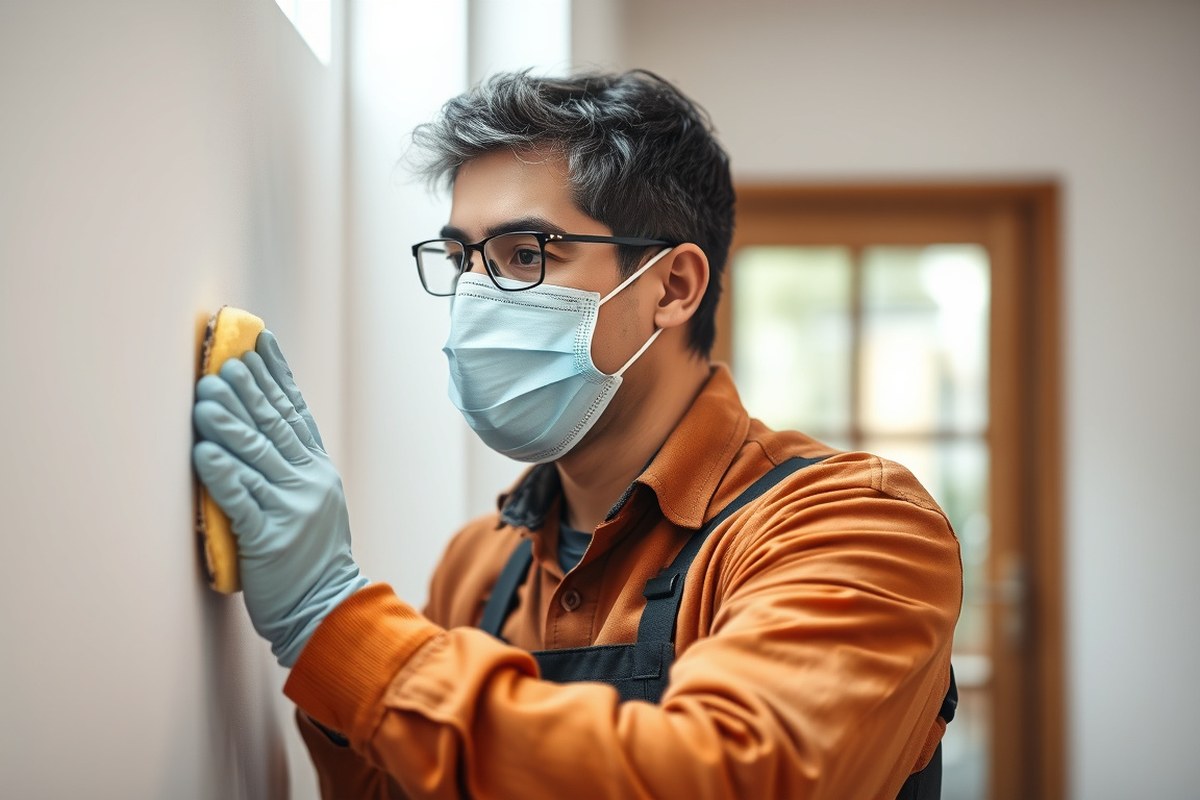
Start by ventilating the space to remove concentrated smoke particles in the air. Focus on cleaning walls, ceilings, and floors where smoke residue builds up most, then launder curtains, upholstery, and other fabrics. Using odor absorbers like baking soda and activated charcoal helps capture lingering smells for faster results.
Start with Thorough Ventilation
Open all windows and doors to create cross-ventilation, which dilutes and removes smoke particles suspended in the air. Smoke odor accumulates indoors and sticks to surfaces more when air is stagnant, so fresh air helps break that buildup quickly.
Run box or ceiling fans near open windows to push smoky air outside. Try to ventilate for at least 30 minutes to an hour several times a day during the initial cleaning. This step has the most immediate impact on reducing airborne smoke odor.
- Open windows and doors on opposite sides of your home for cross-breeze.
- Turn on fans to direct indoor air outdoors.
- Keep ventilation going for at least 30 to 60 minutes.
- Repeat multiple times daily during cleaning.
Limit ventilation on very humid days to prevent moisture buildup that can worsen odors in fabrics and walls.
Deep Clean Hard Surfaces and Floors
Smoke residue clings to walls, ceilings, floors, baseboards, and doors, so a thorough wash helps remove the particles causing odor. Use a mild soap or a cleaner designed for smoke odor, and scrub surfaces to lift the sticky film left by repeated smoking indoors.
Carpets and flooring often trap smoke smells deeply. Vacuum carpets and rugs with a HEPA filter vacuum, then treat them with a baking soda powder to neutralize odor before vacuuming again. Hard floors like hardwood or tile benefit from a mop and cleaner suitable for the material.
- Wash walls and ceilings with a mild detergent or smoke odor neutralizer.
- Wipe down baseboards, doors, and window sills thoroughly.
- Vacuum carpets and rugs using a HEPA-filter vacuum.
- Apply baking soda to carpets; let sit 15 to 30 minutes, then vacuum.
- Mop hard floors using a recommended cleaner.
- Replace HVAC filters after cleaning surfaces to avoid recirculating odor.
Test cleaning products on a small, hidden area first to prevent damage or discoloration, especially on painted walls or delicate flooring.
Wash All Fabrics and Soft Furnishings
Fabrics absorb cigarette smoke deeply and hold onto the odor, making this step critical for significant odor reduction. Wash curtains, cushion covers, bedding, and clothes in your washing machine using the hottest water recommended on the labels.
For upholstery and items that can’t be machine-washed, use steam cleaning or specialized fabric cleaners. Air dry fabrics outdoors if possible to help dissipate odors faster. Replace any fabric items that still smell of smoke after washing, as lingering residue may remain deep inside fibers.
- Wash curtains, bedding, clothes, and washable upholstery covers in hot water per care labels.
- Use appropriate detergent and add half a cup of baking soda to the wash cycle.
- Clean non-washable upholstery with steam cleaner or dedicated fabric deodorizer.
- Air dry fabrics outside or in a well-ventilated room.
- Discard fabrics that retain strong smoke odors after cleaning.
Repeated washing may be needed for heavy smoke exposure; residual toxins can remain embedded in fibers after one wash.
Use Odor Absorbers Strategically
Odor absorbers like baking soda, vinegar, and activated charcoal work by trapping smell-causing particles. Place bowls of these substances in rooms for at least 24 to 48 hours to pull odor from the air and surrounding surfaces.
For faster removal, sprinkle baking soda on carpets and upholstery before vacuuming. Activated charcoal packs can be left near HVAC vents and inside closets to catch airborne particles continuously.
- Put out shallow bowls of white vinegar or activated charcoal in rooms.
- Sprinkle baking soda on carpets and upholstery, let sit at least 15 minutes, then vacuum.
- Use odor-neutralizing sprays formulated for smoke on fabrics if needed.
- Replace HVAC filters with ones designed to trap small particles and odors.
- Keep absorbers in place for 1 to 2 days before removing or refreshing.
Don’t mix vinegar with bleach or ammonia cleaners; harmful gases may form and damage indoor air quality.
Maintain Regular Ventilation and Cleaning
To prevent cigarette smell from returning, continue ventilating regularly even after deep cleaning. Open windows daily for 30 minutes or longer, especially after any indoor smoking or when odors return.
Routine cleaning of surfaces, fabrics, and HVAC filters keeps odor-causing particles from settling and building up again. Setting a weekly schedule for vacuuming carpets and washing fabrics helps maintain fresh indoor air.
- Ventilate rooms daily by opening windows or using exhaust fans.
- Vacuum carpets and upholstery weekly with a HEPA vacuum.
- Launder washable fabrics every 1 to 2 weeks.
- Change HVAC filters every 3 months or as recommended.
- Wipe down visible surfaces regularly with soap or mild detergent.
3. How to Clean and Deodorize Surfaces and Furnishings Effectively
Cleaning and deodorizing surfaces and furnishings involves targeted methods with effective solutions to remove the smoke residue and neutralize odors. Using recipes based on household ingredients and regular detergents will help clean walls, ceilings, carpets, upholstery, and soft fabrics. Natural deodorizers like vinegar or coffee grounds can assist but generally work best combined with thorough washing.
Cleaning Walls, Ceilings, and Hard Surfaces
Walls and ceilings trap smoke residue due to the sticky tar left behind from cigarette smoke. To clean them, prepare a solution of warm water, mild dish soap, and 1 cup of distilled white vinegar per gallon of water. Use a soft sponge or microfiber cloth soaked in this mixture to gently scrub the surfaces, starting from the top and working downward to avoid streaks. For tougher stains, add ½ cup of baking soda to the solution for extra cleaning power. After scrubbing, rinse with clean water and wipe dry to prevent moisture damage.
Hard surfaces like doorframes, window sills, and light fixtures also absorb smoke particles. A bleach solution (1 cup bleach per gallon of water) can disinfect and remove odors but must be used with adequate ventilation and caution, especially on painted surfaces, as it can cause fading. Always wear gloves when using bleach and test it on a small area first. Cleaning these areas thoroughly removes much of the lingering smoke residue that contributes to the smell in your home.
Deodorizing and Washing Fabrics and Upholstery
Soft furnishings such as curtains, upholstery, mattresses, and carpets hold smoke smell deeply because fibers absorb the odor. Start by vacuuming all fabric surfaces thoroughly with a vacuum using a HEPA filter to remove loose particles. For washable fabrics like curtains or removable upholstery covers, use hot water and a heavy-duty detergent. Adding 1 cup of white vinegar to the wash helps neutralize odors during the cycle. Dry these items outside if possible, as fresh air and sunlight assist in odor removal.
For carpets, rugs, mattresses, and upholstery that cannot be machine washed, sprinkle baking soda liberally over the surface. Let it sit for at least 30 minutes, or overnight if possible, before vacuuming. Products like odor eliminating powders designed for fabrics can be similarly effective. It often takes repeated treatments to reduce heavy smoke smells completely, so regular deep cleaning every 8 to 12 months is recommended to maintain freshness.
Natural Deodorizers: Vinegar, Coffee Grounds, and Citrus
Natural products offer a chemical-free option for deodorizing, though they’re most effective when paired with thorough cleaning. White vinegar is especially useful for hard surfaces and washable fabrics because it neutralizes ammonia and acidic odors. Use it diluted in water for wiping and rinsing, or add cupfuls to laundry loads. The smell of vinegar disappears as it dries, taking odors with it.
Coffee grounds can absorb odors in confined spaces like closets or drawers but do not clean fabrics or walls. Place dry coffee grounds in open containers near smoke-affected areas to reduce the smell over time. Citrus peels, such as lemon or orange, release a fresh scent and mild acid to help mask smoke odor. Simmering citrus peels and water on the stove can add a pleasant aroma to the home but won’t eliminate embedded smoke residue.
4. Comparing Odor Absorbers: Activated Charcoal, Baking Soda, and More
Choosing the right odor absorber can make a significant difference when dealing with cigarette smell in your home. Among common household options, activated charcoal and baking soda stand out for their effectiveness. Activated charcoal works by trapping smoke particles and gases, making it especially useful in enclosed spaces and on fabrics. Baking soda neutralizes odors chemically and is excellent on upholstery and carpets. Vinegar and coffee grounds offer safe, natural alternatives but work best as part of a broader cleaning approach rather than as standalone solutions.
| Odor Absorber | How It Works | Application Tips | Time to Effect | Pros | Cons | Safety Considerations |
|---|---|---|---|---|---|---|
| Activated Charcoal | Adsorbs smoke particles and gases on porous surface | Place in breathable bags near smoke sources or with clothes | Several hours to days, depending on odor severity | Highly effective for trapped odors; reusable after airing | Not usually on hand; slow for large spaces | Non-toxic; keep out of reach of pets and children |
| Baking Soda | Neutralizes acids and bases from smoke molecules | Open boxes or sprinkle on carpets and upholstery; soak clothes in solution for stubborn odors | Several hours to overnight | Affordable; easy to use; works well on fabrics and surfaces | Limited air odor absorption; requires cleaning after use | Safe for most surfaces; avoid direct contact with eyes |
| White Vinegar | Neutralizes odors by breaking down odor-causing molecules | Set bowls around rooms or add to cleaning solutions | Overnight to 24 hours | Natural and inexpensive; deodorizes air effectively | Strong vinegar smell during use; less effective on surfaces | Safe but avoid direct contact with certain materials like marble |
| Coffee Grounds | Absorbs and masks odors with natural scent | Place dry grounds in open containers in small spaces or cabinets | Several hours | Natural smell; inexpensive | Less effective in large or heavily smoked areas; may attract pests | Generally safe; clean up promptly to avoid mold |
Activated charcoal generally outperforms baking soda when targeting smoke particles in the air and on fabrics over several days. Baking soda, on the other hand, excels on carpets and upholstery by neutralizing odors quickly and economically with an overnight application. Vinegar bowls effectively deodorize the air but require ventilation to remove their vinegar scent afterward. Coffee grounds provide a temporary masking effect for localized spots but don’t eliminate odors on surfaces or in larger areas.
For the best results, use these odor absorbers together alongside thorough surface cleaning and proper ventilation. Each method involves placing the absorber in smoke-affected rooms and allowing enough time for the substances to work before removal. Activated charcoal needs breathable containment, and baking soda should be vacuumed off surfaces afterward. Vinegar should be used where its acidity won’t damage materials, and coffee grounds must be kept dry to avoid mold growth. Combining these household options with deep cleaning can restore a fresher environment even after stubborn cigarette smoke exposure.
5. Maintaining HVAC Systems and Using Air Purifiers for Smoke Odor Removal
Maintaining your HVAC system with regular filter changes and cleaning helps stop cigarette smoke particles from recirculating inside your home. Using air purifiers equipped with HEPA and activated carbon filters targets both fine smoke particles and odors effectively. Together, these steps reduce lingering cigarette smell and improve indoor air quality.
Replacing HVAC Filters Regularly
Smoke particles get trapped by HVAC filters but can build up and reduce airflow, making your system less efficient and allowing odors to persist. Replace HVAC filters every 1 to 3 months during heavy cigarette smoke exposure. For best results, use high-efficiency pleated filters rated MERV 8 or higher to capture fine particles in the air.
Check your filter monthly, especially if the home has frequent smokers or the smell lingers. Clogged filters not only spread odors but can damage your HVAC system over time.
Professional Duct and System Cleaning
Cigarette smoke particles can settle deep inside air ducts and HVAC components, causing odors to continuously circulate. Professional duct cleaning removes trapped particles that regular filter changes won’t reach. Schedule duct cleaning if the smell returns after cleaning or if smoke buildup has lasted for years.
Ensure the service includes cleaning coils, fans, and vents, as these areas also collect residue. Combined with regular filter replacement, this can significantly reduce smoke odors in your whole home.
Choosing HEPA Air Purifiers
HEPA filters remove at least 99.97% of particles as small as 0.3 microns, including fine smoke particles suspended in the air. Using a HEPA air purifier helps clear airborne smoke particles that settle on surfaces or get recirculated by the HVAC system. Portable air purifiers can speed up odor removal in specific rooms, such as living areas or bedrooms.
Select models designed for your room size and running hours. Expect to spend between $150 and $500 for a good-quality HEPA air purifier suited to smoke odor removal.
Benefits of Activated Carbon Filters
Activated carbon filters capture volatile organic compounds (VOCs) and gases responsible for cigarette smoke odors. While HEPA filters trap particles, carbon filters neutralize smells at the molecular level. Air purifiers combining both HEPA and activated carbon filtration offer the most effective smoke odor control.
Look for air purifiers with an integrated activated carbon layer, such as the BreatheSmart FLEX or the Alen Fresh VOC/Smoke filter. Carbon filters usually need replacement every 3 to 6 months depending on usage and smoke intensity.
- HEPA filters capture fine smoke particles effectively
- Activated carbon filters neutralize odor-causing gases
- Carbon filters require periodic replacement to maintain odor control
- Combined filters offer complete smoke removal
- Choose units rated for your room size to maximize efficiency
- Continuous use helps prevent smoke smell buildup
- Keep filter replacement schedules to avoid reduced performance
Using only air fresheners or neutralizers isn’t enough, since these products mask rather than remove odors.
Proper Air Purifier Placement
Position air purifiers in high-traffic living spaces or areas with the strongest smoke smell. Running the unit continuously on a medium or high setting speeds up smoke particle and odor removal. Avoid placing purifiers in corners or behind furniture where airflow is restricted.
Place the device 1 to 3 feet away from walls and away from windows or doors that might reduce efficiency. For whole-home coverage, combine multiple units or use purifiers designed for larger spaces. Keep them running even after the initial cleaning phase to maintain fresh indoor air.
Replace HVAC and air purifier filters regularly, failure to do so can cause smoke odors to return and reduce air quality.
6. When to Choose Professional Smoke Remediation Services
Professional smoke remediation becomes necessary when cigarette odor persists despite thorough DIY cleaning or when dealing with long-term smoke contamination. Homes with years of indoor smoking often accumulate thirdhand smoke, which clings to surfaces and penetrates deep into materials. In such cases, household cleaners and standard deodorizing agents cannot remove the smell completely, and professional services that use specialized equipment and cleaning agents are the best option.
Consider professional remediation if you’ve tried baking soda, activated charcoal, and standard ventilation without success. Strong odors that linger after cleaning walls, repainting, and furniture shampooing indicate the need for expert intervention. Smoke from past fires or heavy, repeated smoking may also require restoration services to address lingering toxins and odors fully.
Professional companies like SERVPRO and Biocide Systems offer 24/7 service and use industrial-strength cleaners and methods such as ozone treatments, deep ductwork cleaning, and thermal fogging. These services can restore your property to “pre-loss condition,” which is especially important if you plan to sell or lease the home. The cost for professional cigarette smell removal varies considerably depending on the service’s scope and severity of contamination.
| Service Type | Typical Cost Range | When to Choose |
|---|---|---|
| Basic Smoke Odor Cleaning | $200 to $600 | Mild to moderate cigarette smell on surfaces |
| Deep Cleaning (Walls, Floors, Carpets) | $600 to $2,000 | Heavy smoke stain and odor buildup; years of indoor smoking |
| Ductwork Cleaning | $300 to $1,500+ | Persistent odor traced to HVAC systems |
| Full Smoke Remediation with Deodorizing & Ozone | $1,000 to $5,000+ | Severe contamination, fire-related smoke, or thirdhand smoke |
| Odor-Blocking Painting | $400 to $1,000 | After deep cleaning, when smoke odor remains |
Professional remediation often takes several days to weeks, depending on how extensive the smoke damage is. Expect technicians to test surfaces, clean with specialized solvents, deodorize with ozone or fog treatments, and clean ductwork during this time. You should also prepare for possible repainting or replacing porous materials that retain smoke odor.
While professional services come with higher upfront costs, they save time and reduce the risk of health issues related to thirdhand smoke exposure. These services also preserve property value by thoroughly eliminating odors that harm resale potential. Tradeoffs include scheduling delays and the inconvenience of allowing chemical treatments in your home temporarily. Use professionals when the smell compromises comfort, sale value, or lease renewal, especially after long-term indoor smoking or fire incidents. Otherwise, mild odors might be manageable with regular cleaning and odor absorbers.
7. Common Mistakes That Make Smoke Smell Linger Longer
One of the most common mistakes that makes cigarette smell linger longer is trying to mask the odor instead of removing it. Using air fresheners, scented candles, or strong-smelling cleaning products might cover up the smell for a short time, but these do not eliminate the smoke residue embedded in your home’s surfaces. The smell will often return because the source of the odor remains untouched.
Another frequent error is neglecting porous surfaces such as carpets, upholstery, curtains, and even the walls and ceilings. Cigarette smoke settles onto these materials and soaks in, making it difficult to remove without thorough cleaning or replacement. Simply wiping surfaces or vacuuming is not enough to get rid of the deep-seated residue. Following a deep cleaning routine for these materials is important to prevent the smell from lingering.
Insufficient cleaning is also a big factor. Smoke residue clings to many areas people might overlook, like air vents, HVAC filters, and inside drawers or cabinets. Failing to address these spots means the smoke smell can continue to circulate or seep back out after cleaning the more obvious areas. A thorough approach that includes all nooks and crannies, cleaning or changing filters, and washing washable fabrics will improve results.
- Relying solely on scented products to cover the smell instead of cleaning deeply.
- Ignoring porous materials such as carpets, curtains, and fabric furniture that trap smoke particles.
- Skipping HVAC cleaning or filter replacements, allowing smoke odor to recirculate.
- Only surface wiping or spot cleaning instead of full area cleaning of walls, ceilings, and floors.
- Not washing or removing items like lampshades, blinds, or bedding that absorb smoke.
- Painting over walls without washing them first, which traps the smell underneath.
You can tell if the cigarette smell is truly gone or just temporarily masked by paying attention to changes over time. Immediately after applying a strong deodorizer or scent, the house might smell fresh. However, if the odor returns after a few hours or days, it likely means the smoke residue remains. Instead of a strong artificial fresh scent, a smoke-free home should smell clean and neutral without any chemical or floral notes overpowering it.
Removing cigarette smell well involves addressing each layer of contamination: wash walls and ceilings thoroughly before repainting, deep clean or replace carpets and fabrics, service HVAC systems, and use odor-neutralizing products designed to break down smoke molecules. Professional cleaners often use specialized equipment and solutions to target smoke residue deeply embedded in materials, which is why their results often last longer than DIY attempts.
8. Preventing Future Cigarette Smell Buildup in Indoor Spaces
Preventing cigarette smell buildup indoors starts with controlling where and how smoking happens. The most reliable way to reduce smoke odor is to avoid smoking inside the home altogether. If stopping isn’t an option, smoking near open windows or using exhaust fans can help vent smoke outside, minimizing residue on surfaces. Keeping doors to other rooms closed prevents the smell from spreading throughout your house. Use high-efficiency air purifiers equipped with HEPA and activated carbon filters to capture smoke particles before they settle.
Routine cleaning is key to maintaining freshness and preventing persistent odors. Smoke particles cling to walls, fabrics, carpets, and furniture, so cleaning these surfaces every two to four weeks helps stop buildup. Wash curtains and cushion covers regularly and wipe hard surfaces with a mixture of water and mild detergent. Carpet cleaning can be done with baking soda sprinkled before vacuuming to absorb lingering odors. Investing in professional cleaning every few months can significantly reduce trapped residues and is especially important for heavy smokers or large indoor spaces.
Health risks linked to thirdhand smoke make prevention important beyond comfort. Smoke residues contain toxic chemicals that stick to clothing, hair, and indoor surfaces, increasing risks of respiratory problems, asthma flare-ups, headaches, and even contributing to lung cancer risks. Children and nonsmokers are especially vulnerable to these residues. Proper ventilation during and after smoking lowers pollutant concentration. Washing hands and changing clothes after smoking also reduces the spread of harmful particles throughout your home.
Cigarette smoke can degrade indoor air quality, causing symptoms such as fatigue and nausea, which clear only when smoke particles are effectively removed. Frequent airing out of rooms by opening windows for at least 15 to 30 minutes daily helps dilute smoke concentrations. This habit also supports the effectiveness of air purifiers by circulating fresh air into the space.
Not addressing smoke odor often or using only air fresheners will trap and mask the smell rather than eliminate it. When cleaning, target the source by removing residue on all surfaces and fabrics. Combining a rigorous schedule of surface cleaning every two weeks, washing soft furnishings monthly, and monthly vacuuming or carpet treatments maintains the best results. Smoke odor can linger if you skip these maintenance steps or neglect ventilation, causing odors and particles to accumulate.
Ventilate your home for at least 15 minutes after smoking indoors to reduce lingering smoke particles and protect indoor air quality.
Step-by-Step Action Plan to Remove Cigarette Smell from Your Home
Follow this clear plan to reduce or eliminate cigarette odor effectively. Each step builds on the last to help you restore fresh indoor air.
- Before You Start: Open all windows and doors to ventilate the space. You’ll notice a fresher airflow, signaling the first smoke particles are clearing.
- Day 1: Clean all washable surfaces with a mild detergent and water solution, including walls, ceilings, and floors. The surfaces should feel residue-free and look visibly cleaner.
- Day 2: Wash or steam-clean furniture fabrics, curtains, and removable covers. Fabrics smell noticeably less smoky or neutral after drying.
- Day 3: Place multiple odor absorbers like activated charcoal and baking soda around each room. Check that these materials start to trap odors without adding new scents.
- Week 1: Replace or clean HVAC filters and run air purifiers with HEPA and carbon filters continuously. The air should feel less dense and less smoky.
- Week 2: Reassess the smell; if persistent, schedule professional smoke remediation services, especially for deeply embedded odors. A professional assessment ensures effective treatment beyond DIY methods.
- Ongoing: Ban indoor smoking and maintain good air circulation plus routine cleaning. Consistent freshness and absence of smoke buildup confirm long-term success.
Frequently Asked Questions
Can You Really Get Cigarette Smell Out of a House?
Yes, cigarette smell can be significantly reduced with thorough cleaning, ventilation, and odor absorbers, but complete removal may require repeated effort and professional services if buildup is heavy.
How Long Does It Take for Cigarette Smell to Go Away in a House?
Smoke odor can linger for weeks or months depending on cleaning and ventilation; thorough airing out plus cleaning accelerates the process.
What Neutralizes Cigarette Smell?
Vinegar, baking soda, white vinegar, and activated charcoal can neutralize cigarette odors effectively by absorbing and neutralizing smoke particles.
What Absorbs Smoke the Most?
Activated charcoal absorbs smoke odors best, followed by baking soda and coffee grounds, making them helpful for reducing smoke smells indoors.
Can Candle Smoke Remove Cigarette Odor from a Room?
Candle smoke generally masks rather than removes cigarette odors and is not an effective solution for odor elimination.
Does Cigarette Smell Soak into Walls or Just Furniture?
Cigarette smoke penetrates walls, ceilings, fabrics, and furniture, requiring cleaning of all surfaces to fully tackle the odor.
Before You Go
Eliminating cigarette smell from your house is challenging but achievable with thorough cleaning and consistent care. Start today by targeting the fabrics and soft surfaces in your home, such as curtains and upholstery, since these areas trap odor the most. Regularly using odor absorbers combined with proper ventilation will make a noticeable difference in freshness over time.