

How to Get Rid of Skunk Smell: 8 Effective Methods for Fast Removal
To eliminate skunk odor rapidly, mix 1 quart of 3% hydrogen peroxide with 1/4 cup of baking soda and 1 teaspoon of liquid detergent. This blend changes the sulfur compounds that cause the smell, making it a fast and effective option for cleaning skin, pets, and fabrics. Improving airflow indoors by opening windows and using fans can further help diminish the smell inside your home.
This information is useful for homeowners, pet owners, and renters dealing with skunk odor on skin, pets, clothing, or indoor surfaces. You’ll find practical methods for effective odor removal, tips for targeted cleaning around your property, and advice on when to seek professional help if the smell persists.
Key Takeaways
- Combine 1 quart of 3% hydrogen peroxide, 1/4 cup baking soda, and 1 teaspoon of detergent to quickly get skunk smell off your skin and hair.
- Apply the same peroxide-baking soda-detergent mix on pets, lather for 5 minutes, then rinse to safely neutralize skunk odor.
- Air out skunk-sprayed clothing on a porch for 2 days before washing to reduce odor effectively.
- Place bowls of vinegar in every room for 24 to 48 hours to absorb and neutralize skunk smells indoors.
- DIY peroxide and baking soda remedy chemically alters skunk spray’s sulfur compounds and works better than most commercial products.
- Inspect your yard and under your home for 3-4 inch-wide holes to identify and block skunk spray entry points.
1. Fastest Ways to Remove Skunk Smell from Skin and Hair
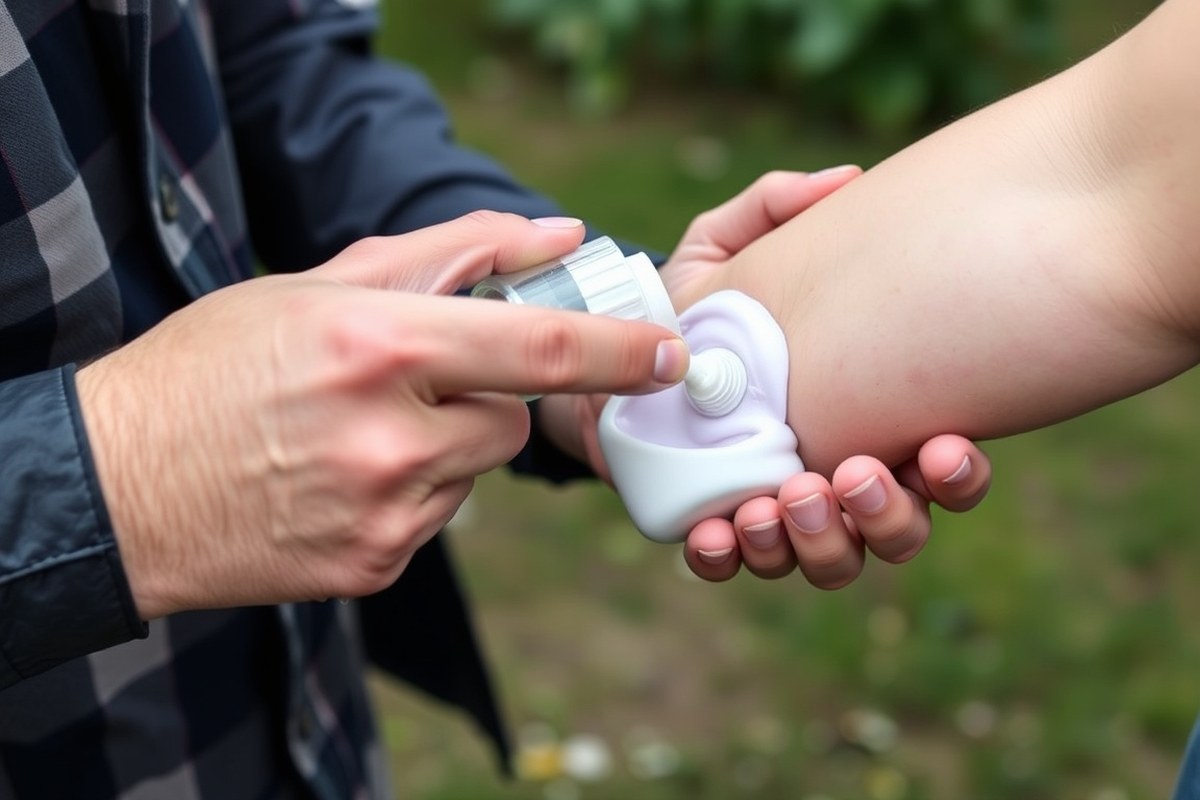
The fastest way to remove skunk smell from your skin and hair is to carefully wash with a freshly mixed solution of hydrogen peroxide, baking soda, and liquid dish soap. This mixture chemically neutralizes the sulfur compounds in the spray, which cause the strong odor. Using this homemade remedy promptly after exposure provides the best results and reduces lingering smell more effectively than water or soap alone.
For safety, use only 3 percent hydrogen peroxide, which is considered household strength. Avoid getting the mixture in your eyes or mouth because the solution can irritate sensitive tissues. Do not prepare the mixture in advance, as it loses potency quickly and can build pressure if sealed. People with sensitive or very dry skin may want to rinse thoroughly after treatment and apply moisturizer, since baking soda can be drying. Follow each step carefully and act quickly to minimize the time the skunk odor has to set into your skin and hair.
- Make the solution just before applying. Mix 1 quart of 3% hydrogen peroxide, 1/4 cup of baking soda, and 1 teaspoon of liquid dish soap in an open container. Use the mixture within 15 minutes, as it loses its power after that time.
- Protect your eyes and mouth. Apply petroleum jelly around your eyes and lips, or wear goggles, to prevent irritation. Avoid splashing the solution in your face, and if it happens, rinse immediately with water.
- Wet your hair and skin with warm water. This helps the mixture spread evenly and start breaking down the skunk oils. Use lukewarm water, as hot water can irritate your skin and cold water won’t clean as well.
- Apply the solution gently. Using a clean cloth or your gloved hands, work the mixture into your hair and skin without scrubbing harshly. Start with your hair roots and scalp, then move to exposed skin areas. Let it sit for 5 minutes, but do not leave it on longer as it may bleach your hair or dry your skin.
- Rinse thoroughly. Use a gentle shower or hose rinse with plenty of lukewarm water to remove the solution and dissolved skunk oils. Repeat the application once if the smell persists, waiting at least 10 minutes between treatments.
- Shampoo and condition your hair. Use your regular hair products afterward to restore moisture and remove any residual odor or solution. Follow with a mild moisturizer on your skin if needed to reduce dryness or irritation.
- Ventilate and dry well. Getting fresh air and allowing your skin and hair to dry naturally helps dissipate any remaining smell and supports skin recovery.
2. How to Safely Neutralize Skunk Odor on Pets
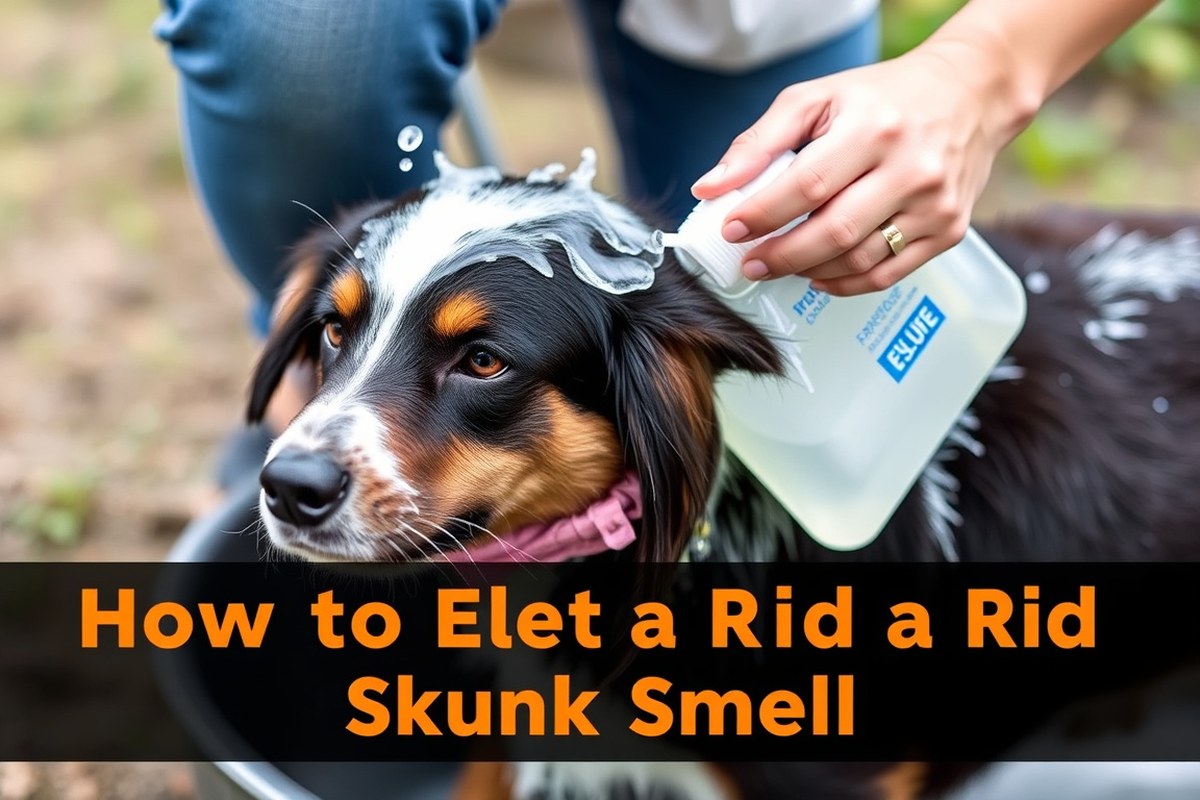
To safely neutralize skunk odor on your pet, act quickly with a proper cleaning solution and gentle handling. Prompt treatment limits the odor from settling and reduces discomfort for your pet. Use a peroxide-based mixture carefully, avoiding eyes and sensitive areas, and rinse thoroughly within about five minutes to prevent fur bleaching or skin irritation.
Immediate Actions to Take After Spraying
Avoid letting your pet wander around to prevent spreading the smell. Check where the spray hit most heavily, usually around the face and neck. Keep your pet calm and confined in a well-ventilated area while you prepare to clean them. Put on gloves to avoid transferring the smell to yourself.
Dry or lightly dampen cloths can gently wipe excess spray oil before washing, but don’t rub vigorously. Acting within minutes is important because the longer the oils stay on the fur, the harder the smell will be to remove.
Preparing a Safe Cleaning Solution
The most effective homemade treatment uses hydrogen peroxide, baking soda, and liquid soap. Mix the ingredients just before use because the chemical reaction will reduce the solution’s effectiveness over time. This mixture breaks down the sulfur compounds in skunk spray, neutralizing the odor rather than just masking it.
This solution is generally safe for most dogs and cats, but avoid use on very young, elderly, or sensitive pets until you check with a vet. Never store the mixture in a closed container as pressure can build and cause an accident.
- Measure 1 quart (4 cups) of 3% hydrogen peroxide.
- Add 1/4 cup of baking soda (sodium bicarbonate).
- Mix in 1 teaspoon of liquid dish soap.
- Stir gently to blend completely.
- Use immediately for best results.
Do not use undiluted hydrogen peroxide or higher concentration, as this can bleach and harm your pet’s fur and skin.
Step-by-Step Pet Washing Procedure
The washing process aims to cover the pet’s sprayed areas thoroughly and allow the solution to neutralize odor without harming the skin or eyes. Work outdoors if possible, and keep your pet secure during the bath to prevent escape or distress.
- Wet your pet’s fur with lukewarm water, avoiding the head at first.
- Apply the peroxide mixture evenly over the sprayed fur, especially where the odor is strongest.
- Gently massage the solution into the fur for 3 to 5 minutes; do not leave it on longer to avoid bleaching.
- Rinse thoroughly with lukewarm water until the solution is completely removed.
- If the head is affected, use a damp cloth with the solution cautiously, keeping it away from eyes and nose.
- Repeat washing if necessary, but no more than twice in one session to prevent skin irritation.
- Dry your pet with towels and keep them warm until fully dry.
Protecting Your Pet’s Eyes and Skin
Skunk spray can irritate your pet’s eyes and sensitive facial skin, so take precautions during washing. Apply a protective ointment recommended by your vet if your pet’s eyes appear red or watery after exposure.
Use the cleaning solution carefully around the face, using a wet cloth rather than pouring. Keep your pet’s head tilted so the solution doesn’t drip into eyes, ears, or mouth. Rinse any accidental contact immediately with plain water.
Avoid getting the peroxide mixture in your pet’s eyes; use a damp cotton ball or cloth with plain water to clean the face instead.
Importance of Quick Odor Treatment
Treating your pet as soon as possible after a skunk encounter prevents the smell from fully setting into fur and skin oils. The longer the spray remains untreated, the harder it becomes to remove and the more distress it causes your pet. Prompt action also limits the spread of odor to your home and belongings.
Neutralizing the skunk spray quickly minimizes skin irritation and reduces the chances of your pet licking the chemicals and oils, which could cause stomach upset or other health issues. Consider keeping the cleaning solution ready during peak skunk activity seasons for faster response.
3. Removing Skunk Smell from Clothing and Laundry
Removing skunk smell from clothing requires careful washing and air drying to avoid setting the odor permanently. Use household ingredients for pre-treatment, wash fabrics with appropriate detergents, and always air dry clothes until the smell is completely gone.
Pre-Treatment Solutions Using Common Ingredients
Pre-treating skunk-sprayed clothing helps break down the stubborn sulfur compounds responsible for the odor. A mixture of baking soda, liquid laundry detergent, and water works well to neutralize the smell before washing.
Mix about half a cup of baking soda with one cup of laundry detergent and enough water to soak the clothing. Let the affected clothes soak in this solution for at least 30 minutes to an hour. This extra step loosens and begins to eliminate the skunk oils trapped in the fabric fibers.
Effective Washing Techniques for Skunk Odor
Proper washing is key to fully removing skunk odor from fabrics. Use hot water if the fabric care label permits, as higher temperatures help dissolve odor-causing oils better than cold water.
Wash the clothes more than once if needed. Skunk smell can be very persistent, so running a second wash cycle with fresh detergent and baking soda ensures that residual odor gets removed. Avoid mixing skunk-sprayed clothes with other laundry to prevent scent contamination.
- Pre-treat clothes by soaking them in a mixture of half a cup baking soda, one cup liquid detergent, and enough water to cover.
- Wash clothes using the hottest water safe for the fabric, adding additional baking soda during the wash cycle.
- Run a second wash cycle if any odor remains after the first wash.
- Do not use fabric softeners or dryers until all odor is removed.
- Separate skunk-sprayed items from regular laundry.
Choosing the Right Detergents for Fabrics
Standard laundry detergents work best when combined with baking soda; this combination helps neutralize the skunk oils rather than just masking the smell. Avoid relying on tomato juice or scented products, as these only cover the odor temporarily and can complicate full removal.
For heavily soaked items, consider detergents formulated for odor removal or enzymatic cleaners designed to break down organic compounds. These can be found in most grocery stores for around $10 to $15 per bottle. Using these detergents may reduce the number of washes needed.
Drying Methods to Prevent Odor Setting
Never put skunk-sprayed clothes in the dryer until you are sure the smell is completely gone. Heat from the dryer causes the skunk oils to set permanently into the fabric fibers, making the odor much harder to remove and potentially requiring professional cleaning.
Air dry clothes outdoors on a sunny, breezy day. Fresh air and sunlight both help break down odor compounds naturally. Typically, the complete dissipation of skunk smell from clothing takes about 2 to 3 days of air drying, depending on the fabric thickness and weather conditions.
Handling Delicate and Non-Washable Fabrics
Some fabrics like leather, suede, and certain shoes cannot be submerged in water or washed traditionally. For these, air them outdoors for several days, away from direct sunlight to prevent damage, and use odor-neutralizing sprays made for delicate materials.
For items labeled “dry clean only,” inform your dry cleaner about the skunk exposure so they can apply the appropriate treatments. Avoid home dry cleaning kits as they may not remove the odor effectively.
4. Neutralizing Skunk Odor Inside Your Home
Skunk odor can linger indoors for days because the spray contains oily compounds that easily stick to surfaces and fabrics. To neutralize the smell effectively, start by airing out your home as much as possible. Open windows and doors to allow fresh air to circulate. This can help reduce the intensity of the odor by dispersing volatile compounds into the outside air.
Placing shallow bowls filled with white vinegar in smelly rooms is an affordable and effective way to absorb skunk odors from the air. Set the bowls near carpets, furniture, and curtains and keep them out for 24 to 48 hours or until the smell fades. The vinegar’s sharp scent will disappear as it pulls the skunk odor out of the room. This method is low-cost and requires only placing and removing the dishes.
Skunk spray transfers easily from pets to soft furnishings like furniture and carpets. For these surfaces, steam cleaning is the most efficient option. A steam cleaner combined with a detergent designed to break up oils can remove the oily residue and neutralize odors. Many rental centers offer steam cleaners for around $30 to $50 per day. When a steam cleaner isn’t an option, wiping hard surfaces with a solution of nine parts water to one part white vinegar can help reduce lingering smells on tables, countertops, and floors.
For fabric items like curtains and cushion covers, use steam cleaning or wash them if possible. Avoid leaving skunk spray untreated since the longer it sits, the deeper it will penetrate, making the smell harder to remove. It’s also helpful to replace or clean HVAC filters to prevent recycled air from spreading the odor throughout your home. Spraying a non-toxic room deodorizer can provide temporary relief but should be combined with vinegar bowls and proper cleaning for lasting results.
In homes where pets have been sprayed, keeping them outside during cleaning will prevent the odor from spreading to indoor fabrics. When the smell persists after these steps, hiring a professional odor removal service is advisable, as they have specialized products and equipment to tackle strong skunk odors in complex indoor environments.
5. Comparing DIY Remedies and Commercial Skunk Odor Products
Removing skunk odor involves choosing between homemade remedies and commercial products, which differ in cost, safety, ease of use, and effectiveness. DIY solutions commonly use household items like baking soda, hydrogen peroxide, and dish soap. These are usually safe when properly diluted and inexpensive, often under $5 for a batch. They work well on skin, fur, and clothing because they neutralize the oils causing the smell.
Commercial skunk odor eliminators are formulated for wider use, including tough situations like mattresses and car interiors. Products like Nature’s Miracle Skunk Odor Remover are safe for pets and often provide quicker results. However, they can be pricier, typically $10 to $20 per bottle. Some commercial sprays are also convenient for spot treatments and less messy than preparing solutions from scratch.
| Method | Cost | Safety | Effectiveness | Best Use | Cons |
|---|---|---|---|---|---|
| Homemade Remedy (baking soda, peroxide, soap) | Under $5 per batch | Safe if used promptly and in correct amounts | Highly effective on skin and hair | Pets, skin, clothes | Requires mixing; can bleach fabrics; short shelf life |
| Commercial Skunk Odor Eliminators | $10, $20 per bottle | Generally safe, many formulated for pets | Effective on various surfaces including mattresses | Furniture, vehicles, pet spray | More expensive; some products less effective on heavy soils |
| Store-Bought Pet Deodorizing Sprays | $8, $15 per bottle | Safe for pets if used as directed | Good for minor or residual skunk smells | Pets, quick freshening | Not a substitute for full wash if heavily sprayed |
Use a homemade mixture by combining 1 quart of 3% hydrogen peroxide, ¼ cup of baking soda, and 1 teaspoon of dish soap. Apply immediately to affected areas and rinse after 5 to 10 minutes to avoid skin irritation or bleaching. This method neutralizes the thiols in skunk spray effectively. Alternatively, commercial sprays simplify the process with ready-to-use formulations suited for sensitive areas or quicker treatments.
Never store homemade peroxide and baking soda mixtures; they lose effectiveness quickly and can build pressure in sealed containers.
Choosing commercial products makes sense for persistent odor in places like mattresses or vehicle interiors, where rinsing is difficult. For pets, store-bought deodorizing sprays are safe but should be used only after thorough washing with a more potent solution if the odor is strong. Ventilating the area well by opening windows and running fans helps all methods work better by dispersing airborne odors along with chemical neutralization.
6. Targeted Cleaning for Surfaces, Vehicles, and Outdoor Areas
Removing skunk odor from vehicles requires prompt ventilation and targeted cleaning. Start by opening all the car windows to air out the smell, which can dissipate in as little as 24 hours if circulated well. For the interior upholstery, use a steam cleaner to help break down and lift the oily skunk spray trapped in fabrics. Steam cleaning heats water to a minimum of 212°F, which loosens odor-causing oils without using harsh chemicals. When a steam cleaner is not available, a mixture of mild detergent and warm water applied with a soft cloth can be effective, but avoid saturating the fabric to prevent mold growth. After cleaning, placing an air freshener designed to neutralize odors, not just mask them, helps reduce any lingering scent.
For hard surfaces like car dashboards, door panels, and vinyl seats, wipe them down with a 10 percent bleach and 90 percent water solution. This ratio, about one cup of bleach per gallon of water, disinfects while breaking down the skunk oils adhering to these surfaces. Test a small, hidden area before full cleaning to ensure the bleach solution won’t damage or discolor. Always wear gloves and ensure ventilation when working with bleach. Avoid mixing bleach with ammonia or other cleaners to prevent toxic fumes.
Decks, porches, and outdoor wood surfaces often absorb skunk spray, especially because the oil can settle up to 10 feet away from the spray site and penetrate porous materials. Scrub these surfaces with the same 1:9 bleach-water solution, using a stiff brush to help remove the smelly oils. Rinse thoroughly with water to avoid leaving bleach residue that can damage plants or wood. For natural stone walkways or composite decking, test bleach on a small area first to avoid staining or erosion. Should that solution prove too harsh, a commercial outdoor wood cleaner designed for odor removal may be safer.
Soft indoor surfaces, such as carpets, furniture upholstery, mattresses, and curtains, pose a bigger challenge. Skunk oil binds to fibers, so surface spraying or light wiping often isn’t enough. Instead, rent or hire a professional steam cleaner to treat these soft surfaces. Steam penetrates deep into the fabric, helping to lift the oils and reduce odor without damaging most fabrics. For spot treatments, look for enzymatic cleaners formulated for pet odors, as these break down the organic compounds in skunk spray. Avoid saturating furniture with water, as excess moisture can lead to mold and worsen odor problems.
Temporary odor masking products like Febreze can provide limited relief on furniture or curtains but don’t eliminate the underlying skunk oils. Repeat cleaning efforts may be necessary depending on the intensity and how long the spray has lingered. Cost-wise, a gallon of bleach costs around $3 to $5 and homemade cleaning solutions are budget-friendly, while professional steam cleaning rentals or services range from $30 to $100 or more depending on the size of the area and equipment type.
Taking these steps promptly and using the appropriate cleaning methods for each surface type can significantly reduce skunk odor. Mistakes like waiting too long to air out or applying only water without cleaning agents often leave behind the pungent smell. In indoor and vehicle situations, combining ventilation, steam cleaning, and suitable odor-neutralizing products offers the best outcome without risking damage.
7. Preventive Tips and Identifying Skunk Spray Locations
Identify where skunks have sprayed by looking for distinct dark stains and oily residues on walls, fences, or ground surfaces near your home. Skunks often spray as a defensive response when surprised, so areas with narrow pathways, dark corners, or under decks are common spray spots. To confirm their activity around your yard, sprinkle a light dusting of flour or talcum powder on the ground overnight. You’ll see skunk tracks in the powder if they’ve passed through. Avoid direct contact and keep children and pets away from these areas to prevent provoking new sprays.
Skunk behavior changes by season and region, which affects how you manage prevention. In early spring, skunks are more active while searching for mates, increasing spray incidents. In warmer southern areas, they remain active year-round, while in northern climates, they tend to hibernate during winter months. Knowing your local skunk activity pattern helps you time prevention efforts better.
Natural repellents can discourage skunks from settling near your home but require regular application. Predator urine, available online or at garden stores, fools skunks into thinking a threat is nearby. Homemade sprays using cayenne pepper or ammonia-soaked rags are cost-effective options but must be refreshed every few days, especially after rain. Citrus peels scattered around your yard also act as a mild deterrent. Rough-textured vegetable plants like thorny bushes or prickly leaves act as natural barriers where you don’t want skunks digging or denning.
- Check for dark stains or oily residues on surfaces near your home
- Sprinkle flour or talcum powder overnight to detect skunk tracks
- Keep kids and pets away from suspected spray or den sites
- Apply predator urine or homemade pepper/ammonia sprays regularly, especially after rain
- Scatter citrus peels around garden and entry points
- Plant rough, thorny vegetables to block skunk access in vulnerable spots
Consistency in applying these methods is key. Natural repellents do not kill or trap skunks but reduce the chance they’ll take up residence close by. Checking spray locations periodically during the mating and breeding seasons helps catch new activity early, preventing more intense odors and potential contact with pets or family members.
8. Troubleshooting Persistent Skunk Odor and When to Call Professionals
Persistent skunk odor can be tough to eliminate without the right approach. Avoid common mistakes that spread or mask the smell, and know when it’s time to call in professionals for effective cleanup or wildlife control.
Mistakes That Worsen Skunk Odor
Treating skunk odor with perfumes, scented candles, or air fresheners only masks the smell temporarily and often creates a mixed scent that’s harder to tolerate. Applying cleaning products meant for general odors instead of those containing oxidizers or enzymatic agents can fail to break down the skunk oils. Another frequent error is waiting too long to treat the affected area; allowing the spray to dry and soak in makes removal much harder.
Repeatedly washing or scrubbing without using an appropriate neutralizer can also spread the skunk oil, making the odor linger or intensify. Using hot water on fabrics tends to set the smell rather than removing it, so laundering clothes or upholstery in cold water with odor-neutralizing detergent is recommended.
- Avoid scented sprays and candles as primary treatments.
- Use cleaning products with oxidizing agents like hydrogen peroxide.
- Treat the odor as soon as possible before it dries.
- Wash clothing and fabrics in cold water only.
- Don’t scrub skin or surfaces aggressively without neutralizers.
- Ventilate indoor spaces thoroughly but avoid spreading oils further.
Applying these precautions helps prevent making the odor worse and supports faster removal.
Signs You Need Professional Cleaning
If multiple treatments fail to reduce the odor noticeably after several days, it likely requires professional intervention. Persistent smell inside the home, especially deep within carpets, furniture, or ventilation ductwork, often needs specialized cleaning methods such as ozone treatment or professional-grade enzymatic cleaners. Similarly, if the skunk spray has soaked into vehicle interiors, professional detailing might be necessary to avoid damage and lingering scent.
Long-lasting smell outdoors after rains or snow melts that reactivate the oils also indicates thorough cleaning or replacement of affected materials is needed. It’s important to act within two weeks since research from wildlife experts shows that skunk smell naturally fades after about 14 days, but ongoing odor suggests residual oil remains. Costs vary widely, but expect professional de-skunking services to range from $100 to $500 depending on severity and area treated.
Delaying proper treatment beyond a few days increases the difficulty and cost of eliminating skunk odor significantly.
How to Find Wildlife Control Experts
For recurring skunk encounters or if you need skunk removal along with odor treatment, seek licensed wildlife control professionals. They offer humane trapping and relocation services and provide guidance on preventing future sprays. Online directories, local government animal control contacts, or recommendations from pest control companies can help you find reliable experts.
Check that the company has experience with skunks specifically and ask about their cleanup services. Many offer combined packages for removal and odor neutralization, often with discounts or coupons. Call during regular business hours or emergencies, as many providers operate 24/7. Confirm licensing and insurance before hiring to ensure safety and compliance with local wildlife regulations.
Step-by-Step Action Plan to Eliminate Skunk Smell
Follow these steps promptly to remove skunk odor from your skin, pets, clothing, and home effectively. Completing each phase will help you confirm the smell is neutralized.
- Immediately after exposure: Wash skin and hair with a solution of 1 quart hydrogen peroxide (3%), 1/4 cup baking soda, and 1 teaspoon liquid soap. Rinse thoroughly. You’ll know it worked when your skin no longer smells strongly of skunk.
- Within an hour: Bathe pets outdoors using the same peroxide mixture or a pet-safe commercial skunk odor remover. Avoid eyes and mouth. The pet should stop releasing the skunk scent after thorough rinsing and drying.
- Within 2 hours: Pretreat and launder contaminated clothing in warm water with a heavy-duty detergent and add 1/2 cup baking soda. Smell the items after drying; persistent odor means repeating wash or applying an enzymatic cleaner.
- Same day: Ventilate your home by opening windows and running fans. Clean hard surfaces with a diluted vinegar solution (1 part vinegar to 3 parts water) or a commercial odor neutralizer. The air and surfaces should smell fresher once dry.
- Next 24, 48 hours: Treat vehicles and outdoor areas with appropriate cleaners explained in the article, focusing on known spray zones. The leftover odor on items and around your property should fade significantly.
- Following week: Monitor the home and belongings for lingering odors. Use commercial skunk odor products designed for stubborn smells if needed. Consult a professional odor removal service if strong skunk smell persists beyond this point.
- Ongoing: Implement preventive measures like sealing entry points and using motion-activated lights or repellents to discourage skunks. Confirm no new spray areas appear near your home to avoid repeat issues.
Frequently Asked Questions
What Is the Best Homemade Mixture to Remove Skunk Smell?
Mix 1 quart 3% hydrogen peroxide, 1/4 cup baking soda, and 1 teaspoon liquid detergent. This combination breaks down the sulfur compounds causing the odor.
Can I Use the Same Skunk Odor Remedy on My Pet?
Yes, the same hydrogen peroxide, baking soda, and detergent mix works safely on pets when applied carefully. Avoid getting it in their eyes or mouth.
How Long Does It Take to Remove Skunk Smell from Clothes?
Treat clothes promptly and wash them separately using the peroxide-baking soda mix for best results. Drying in sunlight also helps speed up odor removal.
What Should I Do If Skunk Smell Lingers Inside My Home?
Ventilate your home by opening windows and running fans. Placing bowls of vinegar in rooms for 24-48 hours can absorb stubborn odors.
Are Commercial Skunk Odor Products More Effective Than DIY Solutions?
Most commercial products mask odor temporarily, while the peroxide and baking soda combo chemically neutralizes it. DIY remedies are often more reliable and affordable.
When Should I Call a Professional to Remove Skunk Odor?
Contact a professional if the smell persists after home treatments or if large areas like crawl spaces or vehicles need deep cleaning. They have specialized equipment for tough cases.
Before You Go
Getting rid of skunk smell takes prompt and proper action using the right methods for skin, pets, clothing, and your home. Focus on neutralizing the odor quickly with recommended solutions like specialized skunk odor removers or a mixture of baking soda, hydrogen peroxide, and dish soap on affected areas. Start by treating your pet safely today to prevent the smell from spreading, then address other areas as needed for the best results.





One Comment