How to Get Rid of Gag Reflex: 8 Practical Methods That Really Work
Getting rid of your gag reflex starts with simple, practical methods you can try at home or during dental visits. Techniques like breathing control, desensitization exercises, and acupressure have proven effective for many people. Using these approaches can help you stay calm, reduce sensitivity, and make oral care easier.
This article is for anyone struggling with a sensitive or strong gag reflex that interferes with eating, dental treatments, or daily oral hygiene. You’ll learn eight practical ways to manage or reduce your gag reflex, from body positioning and relaxation techniques to safe use of numbing agents and professional strategies for severe cases.
Key Takeaways
- The gag reflex naturally moves further back in the mouth with age, becoming less sensitive after about 6 to 7 months of life.
- A hypersensitive gag reflex affects 10-15% of dental patients and can be triggered by dental tools or substances like impression material.
- Practicing controlled breathing and adjusting your body position can help you suppress or delay gag reflex responses during oral care.
- Regular desensitization exercises focused on the trigger areas in the oropharynx can gradually reduce gag reflex sensitivity.
- Applying hand pressure or acupressure on specific points may alleviate gagging quickly, supported by pilot research on acupuncture effectiveness.
- Use topical numbing agents cautiously and follow guidelines to safely reduce gag reflex without causing harm or masking serious issues.
1. What Is the Gag Reflex and Why Does It Happen?
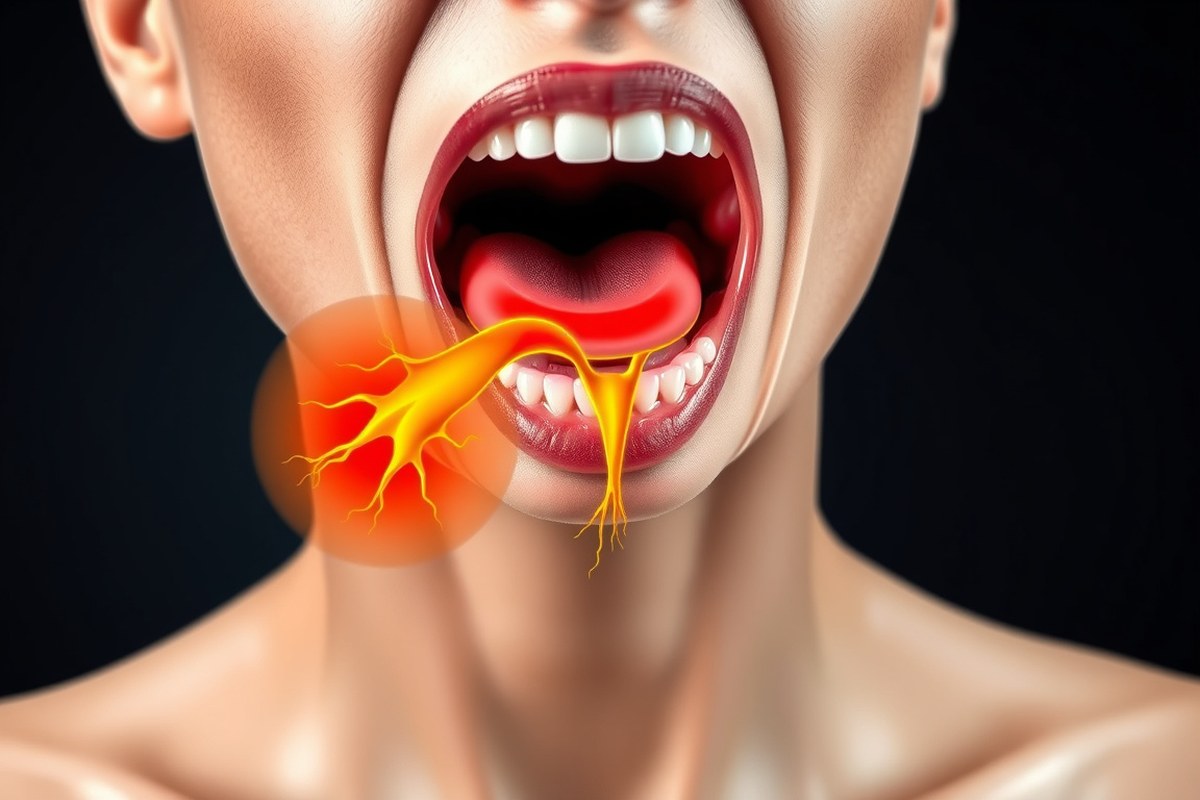
The gag reflex, also known as the pharyngeal reflex, is an involuntary protective response your body uses to prevent choking or aspiration of foreign materials into the airway. It causes a quick contraction of the muscles at the back of your throat when an object touches certain sensitive areas inside your mouth or throat. This reflex is a normal, built-in safety mechanism designed to keep your respiratory system safe from noxious or potentially dangerous substances. It’s an automatic neuromuscular response that kicks in within milliseconds of stimulation.
Physiologically, the gag reflex starts when sensory nerves in the oropharynx detect stimulation. These nerves send signals to the brainstem, which then triggers muscle contractions in the throat to eject or block the foreign object. This reflex involves coordinated activity between the glossopharyngeal nerve (cranial nerve IX) that senses the touch, and the vagus nerve (cranial nerve X) that controls the muscle movement. The entire process happens very quickly and without conscious control, making it a powerful defense against choking.
Common triggers that set off the gag reflex include physical touch to the soft palate, the rear of the tongue, the tonsillar pillars, or the throat area. For example, when a dentist inserts a dental instrument too far back, the gag reflex may activate unexpectedly. Besides touch, psychological factors like anxiety, fear, or negative thoughts about dental visits can also provoke this reflex. Sounds, smells, and even the sight of dental tools have been reported to trigger gagging in sensitive individuals.
The sensitivity and location of the gag reflex can vary among people. Some people have a hypersensitive gag reflex that reacts too easily to small stimuli, making routine oral care or dental treatments difficult. Around 10 to 15 percent of dental patients experience this heightened sensitivity. In infants, the reflex is very sensitive but gradually moves farther back in the mouth and becomes less intense as they grow, reaching near the tonsillar area by age four. Adults typically have the reflex located further back on the tongue’s posterior third.
Understanding this reflex is key to managing it during oral hygiene or dental visits. Trying to trigger the reflex in a controlled way, like gently brushing the back of your tongue or placing a toothbrush handle where the reflex usually kicks in, can help you recognize your personal triggers. This knowledge lets you work on strategies to reduce sensitivity over time, such as gradual desensitization or relaxation techniques, making oral care more comfortable and successful.
2. Why Is My Gag Reflex Suddenly More Sensitive?

A sudden increase in your gag reflex sensitivity often stems from changes in physical or emotional health. Anxiety and stress play a major role by tightening muscles in your throat and increasing saliva production. They also overstimulate the vagus nerve, which controls sensation in your mouth and throat, making your body more reactive to touch or pressure.
Certain illnesses can also make your gag reflex more sensitive. Conditions like acid reflux or postnasal drip cause irritation in the throat that triggers gagging more easily. These issues often create a persistent feeling of throat discomfort, which primes your gag reflex to activate at lighter triggers than usual. Sometimes infections or inflammation in the mouth or throat have a similar effect.
Medications are another common cause. Some drugs cause dry mouth, increased mucus, or change nerve sensitivity, affecting your gag reflex. For example, medications that alter saliva flow or cause throat dryness can make swallowing effort feel different and lead to increased gag responses. It is important to review any recent medication changes with your healthcare provider if you notice a sudden rise in gag reflex sensitivity.
To understand what might be causing your sudden gag reflex sensitivity, try this checklist: note if you’ve experienced increased stress or anxiety lately, any recent illness like a cold or reflux symptoms, and if you’ve started or changed any medications recently. Recognizing these triggers helps you decide the best way to manage the sensitivity.
Practicing relaxation methods such as deep diaphragmatic breathing can reduce muscle tension and lower your body’s sensitivity to gag triggers. You may also find it helpful to focus on nasal breathing, which prevents the airflow from irritating the soft palate and uvula, common sensitive spots that worsen gagging.
Try breathing slowly through your nose when you feel a gag reflex coming on; this can prevent throat irritation that might worsen the response.
Remember, your gag reflex is a natural protective mechanism. Increases in its sensitivity due to anxiety or health changes are often temporary and manageable. If these techniques do not reduce your gag reflex, or if you suspect medication or a medical condition is responsible, consulting a healthcare professional is advisable. They can help identify specific causes and recommend treatments tailored to your situation.
3. Breathing and Body Position Techniques to Control Gag Reflex
Controlling your gag reflex quickly during brushing, dental visits, or eating often comes down to how you breathe and position your body. Breathing through your nose using deep, diaphragmatic breaths helps relax your throat muscles and reduces the urge to gag. Adjusting your head and tongue position can also ease gagging by shifting sensitive areas away from triggers.
How to Practice Diaphragmatic Breathing Correctly
Diaphragmatic breathing is a simple way to calm your gag reflex by engaging your diaphragm and slowing your breathing. This method reduces throat tension and helps you focus away from the trigger sensation. Practicing daily and using it in acute moments can provide relief during brushing or dental procedures.
- Sit comfortably with your back straight or lie down flat.
- Place one hand on your chest and the other on your abdomen.
- Inhale slowly through your nose, aiming to raise your abdomen while keeping your chest still.
- Exhale gently through your nose or slightly parted lips, feeling your abdomen lower.
- Repeat this breathing rhythm for 2 to 5 minutes, focusing on steady, slow breaths.
- Use this technique whenever you feel the gag reflex starting, such as during teeth brushing or dental work.
Diaphragmatic breathing is easy to learn and requires just minutes each day. Its calming effect can quickly suppress the gag reflex by reducing throat tightness and diverting your brain’s focus.
Best Head and Body Positions to Minimize Gagging
Changing your head or body angle can prevent contact with sensitive areas that trigger gagging. When brushing your teeth or swallowing pills, tilting your head slightly forward or chin down can help reduce gag sensations. During dental visits, dentists may adjust your chair or ask you to lean back gently to avoid stimulating the back of your throat.
For swallowing pills, looking slightly down rather than up prevents your tongue from pushing against your soft palate, lowering the gag response. Some people find lying down flat with their head raised on a pillow helps slow the gag reflex in dental settings.
Using Tongue Placement to Reduce Gag Response
Firmly pressing the tip of your tongue against the roof of your mouth helps block nerves that trigger gagging. This technique is especially effective during toothbrushing or when something touches the back of your mouth.
- Before starting to brush or swallow, gently press your tongue tip against the hard palate (the roof of your mouth just behind your front teeth).
- Maintain this tongue position throughout the activity that normally triggers gagging.
- Breathe slowly and deeply through your nose while holding your tongue in place.
This tongue press creates a physical barrier and relaxes the throat muscles, making it easier to tolerate objects near the throat area without gagging.
4. Effective Desensitization Exercises to Reduce Sensitivity
Desensitization exercises help reduce the sensitivity of your gag reflex by gradually training your throat and mouth to tolerate stimuli that normally cause gagging. These practices take consistent daily effort, and many see noticeable improvement within two to four weeks. Assessing your progress regularly and adjusting your routine based on specific triggers will help you gain better control in the long term.
Gradual Exposure Using a Toothbrush or Finger
One effective way to desensitize your gag reflex is through systematic, gentle exposure to the back of your mouth using familiar objects. This approach helps your brain and nerves become accustomed to sensations that usually cause gagging.
- Start by placing your finger or a clean toothbrush gently on the tip of your tongue and hold for 10 seconds without triggering gagging.
- Move the finger or toothbrush a little further back each day, pressing gently until you feel a slight trigger but stop before gagging occurs.
- Practice this twice daily in a calm environment to reduce anxiety and increase tolerance.
- Introduce mild distractions like soft music or deep breathing during sessions to make the process easier.
- After two weeks, try extending the duration of contact up to 30 seconds as comfort increases.
- Progress to gently touching the soft palate and sides of the throat, which are common trigger points.
- Stop and rest if gagging becomes severe and restart the exercises the following day at the previous tolerance level.
Tracking Progress and Sensitivity Levels
Assessing your gag reflex sensitivity regularly helps you understand how your tolerance improves over time and guides when to increase or pause the exercises. A simple at-home test involves gentle touch to the back of your tongue or throat and noting the reaction.
Keep a daily log recording the distance you can place the finger or toothbrush without gagging, the time you can hold it, and any changes in the strength of your gag reflex. This log will help track gradual progress and keep motivation high.
Expect some variation, stress, illness, or fatigue can temporarily increase sensitivity. Consistency over weeks is key, as improvements usually appear after about 14 to 28 days of practice, according to most oral health observations.
Adjusting Exercises Based on Individual Triggers
Not all gag reflex triggers are the same. Some people react more to touch on the soft palate; others react to pressure near the tonsils or the sides of the throat. Once you identify your most sensitive areas, tailor your exercises to focus on those zones carefully.
You can vary the tools used for exposure, switch between your finger, a toothbrush, or even a small oral hygiene device designed for desensitization, depending on what feels manageable. Avoid pushing too hard or too fast, which can worsen sensitivity.
Integrating breathing techniques and relaxation into your routine can also reduce muscle tension, making it easier to tolerate stimuli. If progress stalls, consider consulting a dental professional for personalized advice on additional therapies or adjusted exercises.
5. Hand Pressure and Acupressure Tricks to Alleviate Gagging
The thumb-squeezing technique and acupressure target specific points on your hands to reduce gag reflex sensitivity. Applying firm pressure to these spots helps distract your nervous system and may calm the reflex triggered in your throat. These methods take only moments and involve no medications, making them handy for quick relief during oral care or dental visits.
How to Perform the Thumb Squeeze Trick Step-by-Step
This simple hand pressure trick involves squeezing a spot on your palm to lessen your gag reflex. A study from 2008 found that pressure just below the base of the thumb on the palm consistently altered gag reflex responses in volunteers, suggesting it can work for you too.
- Hold your non-dominant hand out with the palm facing upward.
- Locate the fleshy pad at the base of your thumb, near where it joins the palm.
- Use the thumb of your dominant hand to apply firm, steady pressure to this area.
- Squeeze with enough strength to feel some discomfort but not pain.
- Maintain pressure continuously for about 30 to 60 seconds.
- Release and repeat once or twice if you feel the gag reflex returning.
This technique works well if you start squeezing just before a trigger, like dental impressions or brushing near the back of your mouth. It doesn’t require tools or special equipment and can be done discreetly.
Press firmly but never hard enough to cause pain or bruising on your palm to avoid injury.
Key Acupressure Points Linked to Gag Reflex Control
Acupressure applies direct pressure to traditional Chinese acupoints, which may help balance your nervous system and reduce the urge to gag. One commonly targeted spot is the P6 point, located on the inner forearm about two inches above the wrist crease, between the two tendons.
Besides the palm base near the thumb, stimulating P6 and other anti-gagging points can soothe the gag reflex during dental work or eating. Pressing these points activates nerves that influence the medulla oblongata, the brain region controlling the gag and swallowing reflexes, potentially calming hypersensitivity there.
Applying pressure to these points for one to two minutes before dental procedures often shows noticeable relief. You can also use circular motions or gentle tapping with your fingers along these areas.
Guidelines for Safe Use of Acupressure Techniques
Use only moderate pressure to avoid causing bruising or nerve irritation. Applying acupressure should not replace professional advice if you have serious gag reflex issues or underlying health conditions. Avoid pressing on broken skin, rashes, or swollen areas.
Practice acupressure in a relaxed setting to avoid tensions that counteract the calming effects. Combine it with deep breathing or relaxation techniques for better results. If you feel dizziness, numbness, or increased discomfort, stop immediately.
Consult your dentist or healthcare provider for persistent gag reflex problems that acupressure alone does not control effectively.
6. Using Topical Numbing Agents Safely for Gag Reflex Control
Topical numbing agents like benzocaine and lidocaine sprays or gels can be helpful tools to manage a gag reflex during oral care by temporarily numbing sensitive areas inside your mouth. These products work by blocking the nerve signals in the soft palate, uvula, and other parts of the oral cavity that typically trigger the reflex. Using them can make dental visits or brushing less uncomfortable, especially if your gag reflex interferes with your ability to keep your mouth open or tolerate oral instruments.
Applying a topical anesthetic is generally safe if you follow the instructions carefully. You usually spray or apply a small amount of gel directly to the back of your tongue, soft palate, or throat area about 5 to 10 minutes before starting oral care. Avoid swallowing excess amounts, since these medications are intended for local numbing, not systemic sedation. Typically, the numbing effect lasts for 15 to 30 minutes, long enough for a cleaning or inspection.
Side effects can include a temporary loss of sensation, odd taste, or mild irritation. In rare cases, overuse or swallowing large quantities may cause numbness beyond the mouth, leading to difficulty swallowing or speaking. Some people might experience an allergic reaction, though that is uncommon. Take special care if you have allergies to local anesthetics or other health conditions. Children, pregnant women, and individuals with certain medical issues should consult a healthcare provider before use.
Topical numbing agents are only a short-term solution. They do not fix the underlying cause of an overactive gag reflex. Overuse can reduce sensitivity too much, increasing the risk of choking or biting the tongue without realizing it. Use these products as a temporary aid, not a daily habit.
Applying numbing sprays or gels effectively requires precision. Avoid applying near the throat where it could numb swallowing muscles directly. Use the smallest effective amount and wait about 5 minutes after application to feel the full effect. Spit out any excess to reduce the chance of swallowing. Dental professionals often recommend starting with a lower concentration product to see how your body reacts.
| Aspect | What to Do | Benefits | Risks and Precautions |
|---|---|---|---|
| Use | Apply a pea-sized amount or 1-2 sprays to back of tongue, soft palate 5-10 minutes before care | Reduces oral sensitivity; helps tolerate dental instruments and brushing | Avoid swallowing large amount; don’t use if allergic or medically contraindicated |
| Timing | Wait 5 minutes after application; effect lasts 15-30 minutes | Provides temporary relief during procedure or oral routine | Don’t apply repeatedly within a short period to prevent overdose |
| Limitations | Used as temporary aid only | Improves comfort during oral care sessions | Does not treat underlying gag reflex sensitivity; risk of decreased protective reflexes |
| Side Effects | Monitor for irritation, numbness beyond mouth, allergic reactions | Usually mild and temporary if instructions followed | Stop use if trouble swallowing or speaking occurs; seek medical advice if reactions worsen |
7. Psychological and Relaxation Methods to Manage Gag Reflex
You can manage your gag reflex through several psychological and relaxation techniques that reduce anxiety and shift your focus away from triggers. Stress and anxiety often worsen the gag reflex by narrowing your attention to uncomfortable sensations in the mouth and throat. Techniques such as cognitive behavioral therapy (CBT), relaxation breathing, hypnosis, and distraction help you control or even suppress the reflex by calming your mind and body.
Relaxation breathing is a cost-free, simple method to lower stress and diminish gag reflex sensitivity. It involves taking slow, deep breaths through your nose, expanding your belly as you inhale for about four seconds, holding the breath for two seconds, and then exhaling slowly through your mouth for six seconds. Repeat this pattern for two to five minutes before or during a triggering situation. This technique reduces throat tension and redirects your focus from gag-inducing sensations.
Grounding techniques also help by diverting your mind and calming anxiety. You might try the 5-4-3-2-1 method: name five things you see, four things you can touch, three sounds you hear, two things you smell, and one thing you taste. This scripted exercise pulls your attention outward, lessening the chance the gag reflex will take over. For instance, during a dental visit, use this to stay calm by looking at objects in the room or feeling the texture of your dental bib.
Cognitive behavioral therapy works by addressing the anxious thoughts that trigger your gag reflex. A therapist might guide you to recognize and challenge fears related to oral care or dental treatments. Over time, this mental reframing reduces the gag reflex by decreasing the emotional response tied to it. If anxiety is particularly strong or persistent, consider consulting a licensed mental health professional trained in CBT.
Distraction strategies vary depending on your environment. Listening to calming music or engaging in conversation during dental procedures can divert your brain from gag stimuli. Some people find that using low-cost eye massagers during treatment lowers anxiety and gag reflex sensitivity. While not a replacement for professional care, these can supplement relaxation by providing a soothing sensory focus.
Hypnosis and suggestion involve focused attention and guided imagery to change how your brain reacts to gag-triggering sensations. This method usually requires a trained practitioner and takes multiple sessions. Results differ based on individual responsiveness, and it may not be immediately effective for everyone.
The key to these psychological methods is consistent practice. Relaxation and grounding take just minutes and can be done anywhere without extra costs. More involved therapies like CBT or hypnosis can require multiple appointments and moderate expense but often provide lasting relief. Avoid forcing exposure without preparing your mind and body first, as sudden attempts may increase gag sensitivity instead of reducing it.
8. Dental and Professional Strategies for Severe Gag Reflex
Your dental professional can take several steps to help manage a severe gag reflex during treatment. They may start by adjusting the dental procedures to avoid triggering areas in your mouth, such as working in shorter sessions or using smaller instruments. Communication is key, so the dentist might explain each step clearly and invite you to signal if you feel discomfort. Good communication helps reduce anxiety, which often worsens gag reflex sensitivity.
Many dentists also use topical numbing agents to reduce oral sensitivity in specific areas, which can make procedures more tolerable. When these options fall short, sedation dentistry often comes into play for patients with a severe gag reflex that interferes with care. Sedation ranges from mild, such as nitrous oxide (laughing gas), to moderate sedation with oral medications or intravenous (IV) sedation, which helps you relax deeply or even stay semi-conscious. These methods allow dental work to proceed without triggering your gag reflex, making treatment safer and less stressful.
Sedation, however, involves additional costs, preparation, and sometimes requires a companion to accompany you due to lingering drowsiness. Prices vary widely but nitrous oxide may cost around $30 to $60 per visit, while IV sedation can be several hundred dollars or more per procedure, depending on the practice and location. Also, sedation requires screening for medical conditions and may not be suitable for everyone. Your dentist or an anesthesiologist will evaluate whether sedation is a safe and effective option for you.
When your gag reflex is so severe that home strategies and in-office adjustments don’t work, discussing more specialized options with your dentist makes sense. Some cases have been resolved through surgical procedures targeting nerve pathways involved in the gag reflex, but these are rare and only considered when all other interventions fail. You may also want to explore acupressure techniques advised by some dental specialists, who recommend applying pressure to a specific point on your hand before or during treatment to help control the reflex.
Trusting your dental provider to tailor the approach is essential. They can assess what triggers your gag reflex, whether it is physical, psychological, or a combination. Modifying treatment plans to be shorter or less invasive, practicing relaxation methods at the office, and possibly scheduling appointments at times when you feel least stressed can improve your experience. Continuously sharing feedback during visits enables your dental team to make real-time adjustments, ultimately minimizing gagging episodes and ensuring treatment proceeds comfortably.
Let your dentist know immediately if you start feeling like gagging, they can pause, adjust their technique, or give you time to breathe and recover before continuing.
Step-by-Step Action Plan to Manage Your Gag Reflex
Follow these simple steps to start controlling your gag reflex today and build lasting relief over time. Track your progress by how often you can tolerate triggers without gagging.
- Day 1: Practice slow, deep breathing through your nose while sitting upright to calm your body. Notice if this reduces immediate gagging during oral care or dental visits.
- Day 2, 4: Try gentle desensitization by brushing your tongue near the back daily, increasing the distance slightly each day. You’ll know it’s working when you can brush without gagging or with less intensity.
- Day 5: Apply firm hand pressure on the web between thumb and index finger for 30 seconds before oral care. See if this lessens your gag reflex during brushing or dental procedures.
- Week 2: Use a safe topical numbing agent briefly as directed before situations that trigger gagging, like dentist appointments. Confirm effectiveness by noting reduced gag sensitivity without numbness loss afterward.
- Week 3: Practice relaxation techniques such as mindfulness or guided imagery daily before oral care. Check if calming your mind reduces the urge to gag during triggers.
- Week 4: Adjust your body position by leaning slightly forward or down during oral tasks, combined with breathing and pressure methods. Observe if these combined actions further reduce gag reflex episodes.
- After 1 Month: Assess your gag reflex sensitivity. If problems persist or worsen, schedule a consultation with a dental professional for tailored treatments and support.
Frequently Asked Questions
Can You Train Yourself Out of Having a Gag Reflex?
Yes, you can reduce your gag reflex sensitivity through gradual desensitization exercises that train your body to stay calm when the throat is touched, improving control over time. Consistent practice usually leads to noticeable improvement within weeks.
Does Squeezing Your Thumb Turn Off Gag?
Squeezing your left thumb inside a closed fist can interrupt the gag reflex by distracting your nervous system, which helps reduce gagging triggered by anxiety or sudden stimuli. It works best as a quick, temporary relief method.
Do Gag Reflexes Go Away?
The gag reflex typically diminishes with age and experience but never fully disappears since it’s a natural protective mechanism. Around 6 to 7 months of age, the reflex becomes less sensitive and it moves further back in the mouth as you grow older.
Is There a Trick to Reduce Gag Reflex?
Several tricks exist, including specific breathing techniques, tongue positioning with salt, and the thumb pressure trick, all aimed at calming nerves and reducing gag sensitivity quickly. You can try these methods before dental visits or meals.
Can an Eye Massager Help Get Rid of Gag Reflex?
Using an eye massager may relax facial muscles and reduce anxiety, which can indirectly help control your gag reflex during dental visits. However, this method requires more study, so consider it a supplementary relaxation aid.
Does Tongue Position Affect Gag Reflex Sensitivity?
Yes, placing the tongue against the roof of the mouth can help suppress gagging by creating counter-pressure and calming the reflex. This simple adjustment often helps during brushing or dental work.
The Bottom Line
Reducing your gag reflex takes practice and patience but using techniques like controlled breathing or gentle desensitization can make a noticeable difference. You can start today by trying simple breathing exercises during your daily oral care routine to build your control gradually. If you find these steps challenging, consider consulting a dental professional for tailored advice and support.