

How to Get Rid of Bad Breath: 8 Effective Strategies That Work
To get rid of bad breath, you need to target the bacteria in your mouth through good oral hygiene, proper hydration, and smart lifestyle choices. Chewing gum can also provide quick relief when a toothbrush isn’t available. These steps work fast and help you eliminate odors for good.
This advice is for anyone struggling with persistent bad breath who wants effective, lasting solutions. You’ll learn about causes, proven home treatments, how to test your breath, when to see a dentist, and how to avoid common mistakes that can make bad breath worse.
Key Takeaways
- Bad breath originates in the mouth in about 85 to 90 percent of cases, mainly due to bacteria producing sulfur compounds.
- Brush twice daily, clean your tongue, floss daily, and replace your toothbrush every 3 to 4 months to maintain fresh breath.
- Chewing sugar-free gum for at least 15 minutes and eating yogurt regularly can reduce bad breath by controlling oral bacteria.
- Use oral care products with zinc or antibacterial agents proven to lower bad breath for months with consistent use.
- Test your breath at home using floss or a spoon and smell the residue to recognize genuine bad breath early.
- See a dentist if bad breath persists, since 80 percent of cases are linked to dental issues needing professional care.
1. What Causes Bad Breath and How Bacteria Play a Role
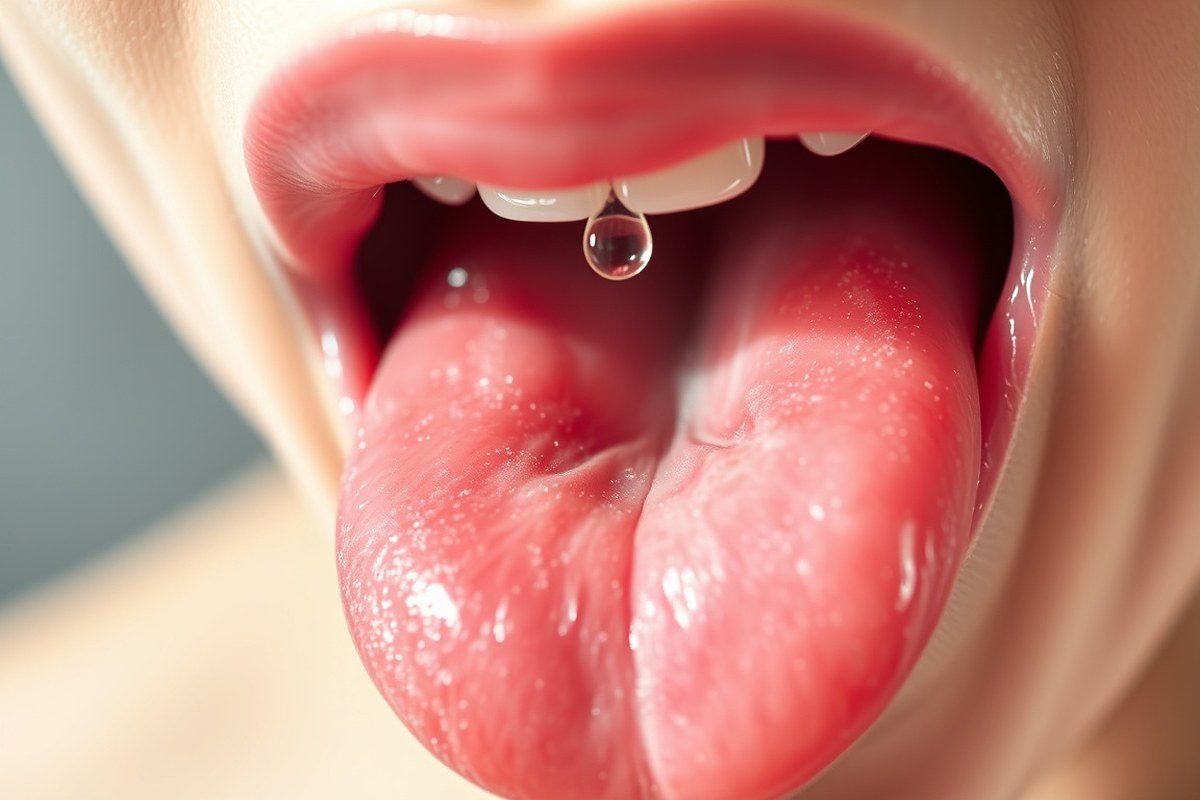
The number one cause of bad breath is poor oral hygiene. When you don’t brush and floss properly, bacteria build up on your teeth, gums, and especially your tongue. These bacteria break down food particles and release sulfur compounds that cause foul odors. This process is the main source of bad breath in the mouth.
Bacteria thrive in places where food residue remains. Leftover bits of sugary or processed foods feed these microorganisms, increasing their activity. The more bacteria you have, the stronger and more unpleasant your breath becomes. Brushing twice a day, including your tongue, and flossing daily physically remove bacteria and food debris to prevent this buildup.
Dry mouth, also known as xerostomia, worsens bad breath because saliva is essential in washing away bacteria. Without enough saliva, bacteria multiply faster and odors increase. Drinking plenty of water throughout the day keeps your mouth hydrated and helps saliva flow. Avoiding alcohol and tobacco also helps because both cause dry mouth and harm your oral tissues, which can contribute to bad breath known as smoker’s breath.
Bad breath can come from other health problems outside the mouth, too. Conditions like sinus infections, respiratory tract illnesses, stomach issues, and diabetes can affect your breath smell. These conditions often cause bad breath by producing unusual compounds or by dry mouth, so addressing underlying health problems is important if oral care alone doesn’t work. A dentist or doctor can identify these causes through a checkup and recommend appropriate treatment.
To reduce bad breath, focus on controlling oral bacteria by brushing every morning and night for at least two minutes, paying attention to your tongue’s surface where bacteria gather. Floss daily to remove particles stuck between teeth where a toothbrush can’t reach. Using an antiseptic mouthwash further lowers the bacteria count, helping prevent bad breath and other problems like gingivitis. Practicing this routine consistently keeps bacterial levels low, which is key to fresh breath.
2. How to Establish an Effective Oral Hygiene Routine for Fresh Breath

To keep bad breath away, brush your teeth twice a day, floss once a day, and clean your tongue daily. Replace your toothbrush every three months or sooner if the bristles fray. Consistently following these steps removes bacteria and food particles that cause odors.
Brushing Techniques and Timing
Brush your teeth for two full minutes twice daily, once in the morning and once before bed. Use a soft-bristled toothbrush and fluoride toothpaste. Proper brushing removes plaque, a buildup of bacteria responsible for bad breath.
Brush all surfaces of your teeth: front, back, and chewing surfaces. Hold your toothbrush at a 45-degree angle to your gums and use gentle circular motions. Avoid scrubbing hard, which can harm your gums and tooth enamel.
- Wet your toothbrush and apply a pea-sized amount of fluoride toothpaste.
- Start brushing the outer surfaces of your upper teeth using small circular motions.
- Brush the outer surfaces of the lower teeth the same way.
- Move to the inner surfaces, tilting the brush and continuing circular strokes.
- Brush the chewing surfaces with back-and-forth strokes.
- Brush your tongue gently to remove odor-causing bacteria.
- Rinse your mouth thoroughly with water after brushing.
Replace your toothbrush every three months or as soon as bristles become frayed to maintain brushing effectiveness.
Effective Flossing Steps
Floss at least once daily to remove food debris and plaque between teeth, areas brushing misses. This prevents bacteria buildup that causes bad breath. Use about 18 inches of floss, wrapping most around your middle fingers.
Gently slide the floss between each tooth, curving it around the base of each tooth and beneath the gumline. Move it up and down to remove trapped particles without cutting your gums.
- Break off an 18-inch piece of floss.
- Hold the floss tightly between your thumbs and index fingers.
- Guide the floss gently between your teeth using a sawing motion.
- Curve the floss into a C shape around each tooth.
- Slide the floss under the gumline carefully.
- Move the floss up and down to clean the tooth surface.
- Repeat for all teeth, using clean floss sections as needed.
Do not snap or force floss between teeth to avoid gum injury, which can worsen bad breath.
Proper Tongue Cleaning Method
Tongue cleaning is essential, as bacteria on the tongue produce volatile sulfur compounds causing bad breath. Use a tongue scraper or a soft toothbrush to clean your tongue daily, preferably in the morning.
Scrape from the back to the front of your tongue to remove layers of bacterial buildup and debris. Rinse your scraper frequently in water during cleaning and clean it after use.
- Stick out your tongue for easy access to the surface.
- Place the tongue scraper or toothbrush at the back of your tongue.
- Apply gentle pressure and scrape forward toward the tip of your tongue.
- Rinse the scraper or brush under running water.
- Repeat 3 to 4 times or until the tongue surface feels clean.
- Rinse your mouth with water or an antiseptic mouthwash afterward.
Tongue cleaning can reduce bad breath-causing compounds by up to 75%, helping your breath stay fresh longer.
3. Home Remedies and Lifestyle Changes That Actually Eliminate Bad Breath
Hydration, diet, quitting tobacco, chewing sugar-free gum, and using probiotics can all help eliminate bad breath from home. Each approach targets the causes of odor differently, so combining them increases your chance of lasting freshness.
Importance of Staying Properly Hydrated
Drinking enough water keeps your mouth moist, which is essential because dry mouth allows odor-causing bacteria to thrive. Saliva naturally washes away food particles and bacteria, preventing bad breath. Aim to drink at least eight 8-ounce glasses of water daily to maintain moisture and support oral health.
Rinsing your mouth with water after meals also helps flush out trapped food that can lead to bad breath. When plain water is unappealing, herbal or decaffeinated teas without added sugar can contribute to hydration as well. Proper hydration complements good brushing and flossing to reduce unpleasant odors permanently.
Dietary Adjustments to Reduce Odor
Certain foods can worsen bad breath by promoting bacterial growth or leaving strong odors in your mouth. Avoid or limit foods like garlic, onions, and spicy dishes, which contain sulfur compounds known to cause noticeable breath odor. Sugary snacks and drinks feed harmful bacteria that produce foul smells and increase the risk of cavities and gum disease.
Incorporate fresh, crisp vegetables like celery or carrots, which stimulate saliva flow and mechanically clean your teeth. Fresh herbs such as parsley and pineapple have natural deodorizing effects and can help neutralize unpleasant smells. When bad breath relates to digestion, reducing acidic or fatty foods may also improve breath quality over time.
Impact of Tobacco on Breath Quality
Smoking and using other tobacco products severely affect breath by drying out the mouth and increasing bacteria that cause odor. Tobacco also stains teeth and irritates gums, raising the risk of gum disease, which is a common cause of persistent bad breath. Quitting tobacco improves saliva production and oral tissue health, reducing bad breath risk significantly.
Stopping smoking or chewing tobacco usually requires commitment and support, but the benefits to your breath and overall mouth health are worth it. Your breath may improve noticeably within days after quitting, with further progress as gums and teeth recover. Avoiding tobacco also lessens your chance of oral cancer and other dental problems linked to bad breath.
Benefits of Sugar-Free Chewing Gum
Chewing sugar-free gum stimulates saliva flow, which naturally cleanses the mouth and neutralizes acids that can cause bad breath and tooth decay. For best results, chew gum for about 10 to 15 minutes after meals or when you notice your breath starting to fade. Look for gums sweetened with xylitol, which also helps reduce cavity-causing bacteria.
Chewing gum is a convenient option when you can’t brush immediately after eating. It helps remove food particles while freshening your breath slightly. However, gum alone won’t fix bad breath caused by medical conditions or poor dental hygiene, so use it as a supplement to regular oral care habits.
Role of Probiotics in Oral Health
Probiotics in yogurt and supplements may reduce bad breath severity by balancing the bacterial community in your mouth. They can crowd out odor-causing bacteria, improving breath odor over time. Choose plain yogurt with live active cultures for the best effect, and try to include it in your diet regularly, such as a daily serving or every other day.
Probiotic benefits depend on consistent use and good oral hygiene. They are not an instant cure but can support your efforts to maintain healthy breath. Persistent bad breath despite lifestyle changes warrants a consultation with a dentist to rule out underlying issues.
4. Comparing Oral Care Products for the Best Bad Breath Control
Choosing the right oral care products helps target the bacteria that cause bad breath effectively. Toothpaste, mouthwash, and tongue scrapers each serve different purposes in controlling odors. Understanding their benefits and limitations will help you pick the best combination for lasting fresh breath.
| Product | What It Does | Key Ingredients to Look For | Effectiveness for Bad Breath | Pros | Cons |
|---|---|---|---|---|---|
| Toothpaste | Removes plaque on teeth, reduces bacteria | Fluoride, zinc compounds, probiotics | High when used twice daily | Reduces bacteria, supports enamel health | Less impact on tongue bacteria |
| Mouthwash | Neutralizes odor-causing compounds, freshens breath | Zinc, chlorine dioxide, alcohol-free formula | Moderate to high, lasting up to 6 months with zinc | Quick freshening, reduces odor-causing bacteria | Alcohol-based can dry mouth and worsen breath |
| Tongue Scraper | Removes bacteria from tongue surface | Usually plastic or metal blade | Slight reduction in bad breath | Targets bacteria buildup on tongue | Less effective alone, must be gentle |
Look for toothpaste formulas containing zinc compounds or probiotics. Zinc helps neutralize odor-causing sulfur compounds, while probiotics have been shown to inhibit bacterial breakdown of proteins. Using toothpaste twice a day cuts bacterial buildup on teeth and gums, which is a primary source of bad breath.
Mouthwashes designed for bad breath typically include zinc or chlorine dioxide and avoid alcohol to prevent dry mouth. Alcohol-free mouthwash reduces bacteria and masks odor without causing dryness, which can actually worsen bad breath. Regular use of zinc-containing mouthwash can reduce bad breath for at least six months.
A tongue scraper targets the bacteria on the tongue’s surface, where many odor-causing bacteria reside. While tongue scrapers only slightly reduce bad breath on their own, adding this step to your routine can improve overall breath freshness. Be sure to clean the scraper after each use to avoid reintroducing bacteria.
5. How to Recognize If Your Bad Breath Is Real and Test It at Home
You can tell if you really have bad breath by conducting simple self-checks at home. These quick tests help separate genuine halitosis from worries based on your own perception. Knowing the difference guides you toward the right action.
Distinguishing Halitosis from Normal Breath
Bad breath, or halitosis, happens when unpleasant odor comes from your mouth. Occasional mouth odor might just be from foods, morning breath, or dry mouth and not true halitosis. True halitosis tends to persist despite brushing, flossing, and mouth rinses. When you smell your breath and detect a strong, foul odor repeatedly, it shows real halitosis. Perception alone can be misleading because you get used to your scent and it’s harder to smell your own breath accurately.
Understanding this is important so you don’t overreact to harmless breath changes or miss an underlying problem. Breath that only smells bad after eating garlic or coffee but clears up with cleaning is probably normal temporary odor, not chronic halitosis. Persistent unpleasant odor that bothers others or prompts complaints points to real halitosis.
Using the Mirror and Smell Test
One simple way to check on your breath is the mirror test. Stand in front of a mirror under bright light, open your mouth wide, and stick out your tongue while breathing out slowly. Look for any white coating or discoloration on your tongue, especially at the back. A thick, coated tongue is often linked to odor-producing bacteria.
Next, cup your hands around your mouth and nose and exhale gently. Take a sniff of the air you just exhaled. Repeat this test at a few different times of day, such as in the morning and after a meal. Detecting a bad smell each time suggests real halitosis. The mirror and smell test costs no money and takes only 5 minutes but can clearly indicate whether your breath needs attention.
Breath Test with a Spoon or Toothpick
Another home test uses a clean spoon or toothpick to sample your breath odor directly. Gently scrape the back of your tongue with the spoon or toothpick, because bacteria in this area often cause halitosis. Hold the item about 6 inches from your nose and smell the residue immediately. A strong, unpleasant odor suggests actual bad breath.
This method focuses on the part of your mouth where smelly compounds come from and avoids the uncertainty of smelling your breath directly. It costs nothing, and you can repeat the test anywhere discreetly if you want to check again after brushing or rinsing. Be careful to use a clean utensil each time to avoid introducing new bacteria.
Assessing Odor Through Cotton Swab Method
Using a cotton swab to check your breath odor provides a more sensitive test. Take a fresh cotton swab and gently rub it along the back of your tongue or under your tongue for about 5 seconds. Then smell the swab close to your nose. This picks up volatile sulfur compounds that cause bad breath in many cases.
People with normal breath typically notice no strong or unpleasant odor on the swab. When the swab smells sour, rotten, or foul, your breath is likely halitosis. This quick method costs under a dollar for the cotton swabs and takes less than a minute. It’s especially useful if you want more accuracy than just smelling your exhaled air.
When to Consult a Professional
Self-tests can identify real bad breath, but they don’t diagnose underlying causes. Persistent halitosis that lasts more than two weeks despite good oral hygiene should prompt a visit to your dentist. Your dentist can evaluate for infections, gum disease, or other oral problems. A referral to a primary care physician may be necessary to check for sinus issues, reflux, or other medical conditions that cause bad breath.
Professional help matters because untreated halitosis can indicate health issues requiring treatment beyond mouthwash and brushing. Don’t delay consulting a professional if your breath odor is stubborn, or if others mention a bad smell you can’t get rid of.
Use a spoon or toothpick to gently scrape the back of your tongue, then smell the utensil to check your breath odor quickly and accurately.
6. When to See a Dentist and How They Diagnose and Treat Bad Breath
Visit a dentist if your bad breath persists despite regular brushing, flossing, and using mouthwash. Persistent bad breath can signal underlying issues such as gum disease, tooth decay, or infections that need professional treatment. You should also seek dental help if you notice swollen, red, or bleeding gums, chronic dry mouth, or a coated tongue, as these symptoms often accompany bad breath linked to oral health problems.
During your appointment, the dentist will perform a thorough examination to diagnose the cause of your bad breath. This typically includes inspecting your teeth and gums for plaque buildup, tartar, cavities, and signs of gum disease like gingivitis or periodontitis. The dentist may use tools to measure gum pockets and check for inflammation or infection. They can also assess other potential sources such as the tongue coating and oral hygiene habits. In some cases, the dentist may ask about your medical history or refer you to a physician when systemic conditions like sinus infections, diabetes, or kidney disease seem related.
Treatment depends on the diagnosis. Removing plaque and tartar through professional dental cleaning is a common first step. When gum disease is the cause, your dentist might recommend specialized procedures like scaling and root planing, deep cleaning techniques that remove bacteria under the gums and smooth the roots to promote healing. For gum inflammation, treatments may include antimicrobial mouth rinses and improved home care routines. In cases of tooth decay, the dentist will provide fillings or other restorative treatments.
Your dentist may propose a care plan that involves routine visits every three to six months aimed at controlling and preventing halitosis. They might also suggest particular oral hygiene products designed to reduce bacterial buildup. For breath problems linked to health issues like sinus infections or acid reflux, treating the main condition usually helps improve the smell. If systemic factors are suspected, the dentist will collaborate with your primary healthcare provider to manage the cause.
Here is a simple script to communicate your concerns to the dentist: “I’ve noticed my breath has a persistent bad odor, even though I brush and floss regularly. I also sometimes have bleeding gums and a coated tongue. Can you check for any signs of gum disease or other problems that might be causing this? What treatments do you recommend to get rid of it for good?”
Regular professional care not only eliminates bad breath but also reduces the risk of tooth loss by managing gum disease and cavities early. Dentists offer solutions that go beyond masking symptoms, targeting the root causes for lasting fresh breath and improved oral health. The cost of professional cleaning and treatments varies widely but typically ranges from $75 to $200 per visit, depending on location and services provided. Investing in dental care prevents more expensive and complex problems later on.
7. Managing Bad Breath Linked to Medical Conditions and Dry Mouth
Bad breath can sometimes stem from medical conditions that reduce saliva production or cause infections in other parts of the body. Conditions such as acid reflux, sinus infections, diabetes, kidney failure, and liver problems may contribute to unpleasant breath odors. These issues often produce odors through the breakdown of compounds in the body or by allowing bacteria to thrive in places like the throat or stomach. Experiencing persistent bad breath despite good oral hygiene warrants consulting a healthcare provider to rule out or manage these underlying health problems.
Dry mouth, or xerostomia, plays a significant role in causing bad breath because saliva is essential for washing away food particles and controlling bacteria in the mouth. When saliva flow decreases, it creates an environment where bacteria can flourish and produce foul odors. Several factors cause dry mouth, including dehydration, smoking, mouth breathing during sleep, certain medications (such as antihistamines, decongestants, and antidepressants), and medical conditions like sinus infections and acid reflux. Besides bad breath, dry mouth can lead to discomfort, difficulty swallowing, and increased risk of cavities.
Treatment for bad breath linked to medical conditions involves addressing the root cause. For example, managing acid reflux through dietary changes, medications, or doctor-recommended therapies can reduce stomach-related odors. Sinus or throat infections need prompt medical treatment with antibiotics or other applicable therapies to clear infections that contribute to postnasal drip and bad breath.
Managing dry mouth requires a combination of hydration, lifestyle changes, and sometimes medical products. Drinking water regularly helps keep your mouth moist and flushes out food debris before bacteria break it down. Avoiding tobacco, reducing caffeine and alcohol intake, and breathing through your nose instead of your mouth help maintain saliva flow. Over-the-counter saliva substitutes or oral moisturizers can relieve dry mouth symptoms. In cases where medications cause dry mouth, speak with your healthcare provider about possible alternatives or adjustments.
Good results from these treatments are seen when bad breath reduces noticeably after addressing the underlying condition and improving saliva flow. Without proper management of dry mouth or medical issues, bad breath may persist or worsen. Chronic bad breath that does not improve with oral hygiene efforts often signals the need for professional medical or dental evaluation to identify causes beyond the mouth.
8. Common Bad Breath Treatment Mistakes and How to Avoid Them
Overusing mouthwash is a common mistake that can actually make bad breath worse. Many mouthwashes contain alcohol or strong antiseptics that disrupt your mouth’s natural balance. Using mouthwash multiple times a day can dry out your mouth, reducing saliva flow and allowing odor-causing bacteria to multiply. Limit mouthwash use to once or twice daily, and choose an alcohol-free formula made for fresh breath.
Neglecting the tongue during cleaning is another frequent error. The tongue’s surface holds bacteria that produce sulfur compounds causing bad breath. Brushing only your teeth without gently scraping your tongue leaves this bacterial layer untouched. Use a tongue scraper or a toothbrush with a tongue-cleaning feature every time you brush. Make sure to clean the entire tongue, not just the tip.
Some people depend only on quick fixes, like pineapple juice, expecting instant relief. While pineapple contains enzymes that may freshen breath temporarily, it doesn’t address the root causes such as plaque buildup or gum disease. Effective treatment for bad breath includes regular oral hygiene and may require professional dental care. Don’t replace brushing, flossing, and tongue cleaning with dietary tricks alone.
- Don’t brush too hard or too often; twice daily brushing is enough to protect enamel.
- Avoid overusing mouthwash, which can dry your mouth and worsen odor.
- Clean your tongue completely, not just the tip, to lower bacteria buildup.
- Floss daily to remove debris between teeth where bacteria gather.
- Stay hydrated to keep saliva flowing and help naturally cleanse your mouth.
- When you suspect medical conditions cause your bad breath, seek professional advice instead of self-treating.
Cleaning your mouth carefully is essential. Brushing and flossing should each take at least two minutes. Spend 10 to 15 seconds gently scraping your tongue from back to front. Mouthwash can be used after brushing and flossing, but don’t rinse your mouth with water right after, as this can wash away fluoride from toothpaste. Consistent use of these steps should improve breath within a few days. Persistent bad breath may indicate underlying dental issues needing a dentist’s attention.
Use a gentle tongue scraper daily and rinse your mouth thoroughly after brushing without washing away toothpaste with water to improve lasting freshness.
Step-by-Step Action Plan to Eliminate Bad Breath
Follow this straightforward plan to identify the cause of your bad breath and use proven oral care and lifestyle changes to get fresh breath quickly and keep it lasting.
- Day 1: Test Your Breath and Identify Causes, Use a simple home test like the floss test or the spoon test to check for real bad breath. Note any dry mouth symptoms or recent diet changes that may contribute.
- Days 2-3: Establish a Thorough Oral Hygiene Routine, Brush teeth twice daily for two minutes with fluoride toothpaste, floss once daily, and gently brush your tongue. Expect fresher breath by day 3 if bacteria buildup is the main cause.
- Week 1: Add Targeted Oral Care Products, Choose an antimicrobial mouthwash and a toothbrush with soft bristles based on product labels for bad breath control. Monitor if breath improves after one week.
- Week 2: Implement Lifestyle Adjustments, Increase water intake to reduce dry mouth, avoid strong-smelling foods like garlic and onions, and quit smoking if applicable. You should notice a reduction in odor intensity.
- Weeks 3-4: Evaluate and Adjust, Continue hygiene and lifestyle steps, and track breath freshness daily. If breath still smells, consider if medication or medical conditions might be involved.
- After 4 Weeks: Consult a Dentist, If bad breath persists despite consistent care, schedule a dental checkup. The dentist can diagnose hidden oral issues and suggest professional treatments.
- Ongoing: Maintain Habits and Avoid Mistakes, Do not skip flossing or tongue cleaning, and avoid overusing mouthwash which can cause dry mouth. Keep habits consistent to prevent bad breath recurrence.
Frequently Asked Questions
What Is the #1 Cause of Bad Breath?
The main cause of bad breath is bacteria accumulating in your mouth, especially on the tongue and between teeth. These bacteria produce sulfur compounds that create a foul odor, so keeping your mouth clean is key to controlling bad breath.
What Drink Kills Bad Breath Fast?
Chewing gum helps kill bad breath fast by stimulating saliva, which naturally cleans the mouth and neutralizes odors. Drinking plenty of water also helps by keeping your mouth hydrated and reducing bacteria growth.
How Do I Stop My Breath from Smelling so Bad?
To stop bad breath, brush your teeth twice daily, clean your tongue, floss regularly, and stay hydrated. Avoid tobacco and certain foods that cause odors. Regular dental checkups help catch underlying issues causing bad breath.
How Do I Smell My Bad Breath?
To check your breath, lick the inside of your wrist, wait a few seconds, then smell it. This simple test can give a quick idea of how your breath smells to others.
Can Mouthwash Alone Get Rid of Bad Breath?
Mouthwash helps reduce odor-causing bacteria but won’t fix bad breath alone. Combining it with brushing, flossing, and tongue cleaning is more effective for long-term control.
Does Eating Certain Foods Affect Bad Breath?
Yes, foods like garlic, onions, and spicy dishes can worsen bad breath temporarily. Avoiding them or brushing afterward can help maintain fresher breath.
The Bottom Line
To eliminate bad breath permanently, maintaining a detailed oral care routine is key. Begin by gently brushing your tongue with a soft toothbrush right after you brush and floss tonight; this helps remove odor-causing bacteria. Sticking to this practice every day supports fresh breath and lessens reliance on quick solutions such as mints or mouthwashes alone.






One Comment