How to Get Rid of a Hangover Fast at Home: 8 Proven Remedies That Work
To get rid of a hangover fast at home, focus on rehydration, rest, and gentle symptom relief. Drinking plenty of water or coconut water, eating antioxidant-rich foods, and using over-the-counter painkillers safely can help you feel better quicker. While no remedy completely cures a hangover immediately, these practical steps ease nausea, headache, and fatigue.
People dealing with hangover symptoms after drinking alcohol will find effective, safe home treatments here. The article covers easy ways to relieve discomfort, explains why hangovers happen, compares hydration options, debunks common myths, and highlights when to seek medical help. These proven remedies work best when combined thoughtfully for faster recovery.
Key Takeaways
- Start hangover relief by drinking water or electrolyte-rich fluids like coconut water to rehydrate quickly and reduce symptom severity.
- Hangovers usually last 24 to 72 hours, peaking when blood alcohol levels approach zero, so rest and hydration are key until then.
- Use painkillers like ibuprofen cautiously for headaches, avoiding acetaminophen due to liver strain after drinking excessively.
- Eat nutrient-rich foods to restore blood sugar and vitamins; honey taken every 2 hours helps provide a quick energy boost.
- Skip “hair of the dog” remedies, as consuming more alcohol delays recovery and can worsen hangover symptoms over time.
- Short cold water showers of 1, 3 minutes may ease nausea and fatigue, providing temporary symptom relief during a hangover.
1. Fast Steps to Relieve a Hangover Quickly at Home
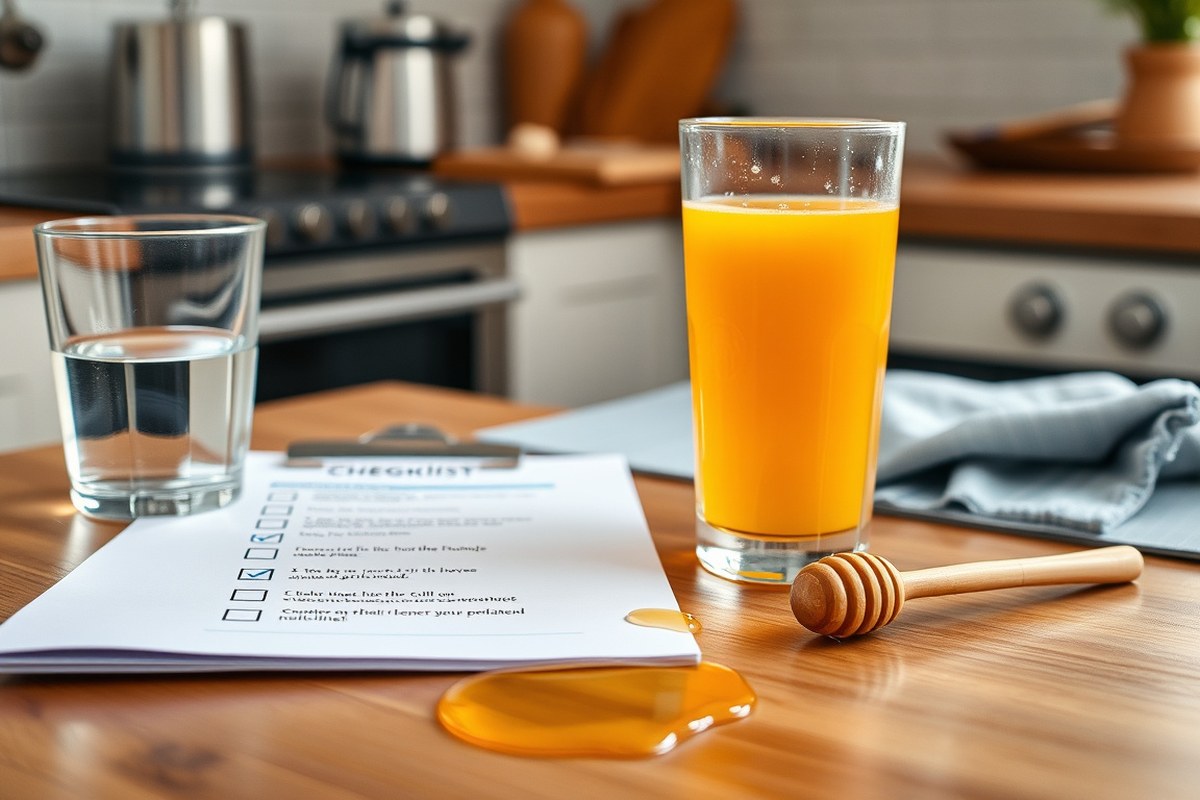
Waking up with a hangover calls for a clear, practical plan to reduce symptoms as quickly as possible. The first priority is to rehydrate your body, followed by gentle nourishment and rest. Drinking water or coconut water soon after waking helps replace fluids and electrolytes lost during drinking. Avoid caffeinated drinks initially, as they may worsen dehydration.
To maximize relief, follow these step-by-step actions carefully within the first hour of waking. Timing matters: start hydration immediately, eat mild foods about 20-30 minutes later, and rest after that. Each step addresses key hangover effects including dehydration, low blood sugar, and inflammation.
- Drink 16-20 ounces of water or coconut water right away. This quickly replenishes fluids and electrolytes. Coconut water is a natural source of potassium and magnesium, which can ease cramps and fatigue.
- Prepare and sip a warm cup of ginger tea within 20 minutes. Ginger helps reduce nausea and speeds alcohol metabolism. Brew fresh ginger slices in hot water and sip slowly.
- Eat a light meal rich in antioxidants and vitamins after your tea. Choose foods like scrambled eggs, toast, or fruit such as apples or citrus juice. These foods supply nutrients your body needs to repair and stabilize blood sugar. Avoid greasy or heavy foods initially to prevent stomach upset.
- Take an anti-inflammatory such as ibuprofen with your meal, if needed. This can reduce headache and body aches. Take the lowest effective dose and avoid acetaminophen if you suspect liver sensitivity from alcohol.
- Rest quietly for at least 30 minutes after eating. Lying down or sitting calmly helps your body recover and prevents dizziness or faintness.
- Gradually hydrate with additional water or coconut water throughout the next hours. Drink small amounts regularly to maintain fluid balance and avoid stomach discomfort from drinking too fast.
- Take a brief cool shower (1-3 minutes) once you feel stable. Cold water can help ease headache and refresh your senses, but don’t stay under too long to avoid straining your body.
2. Why Hangovers Happen and How Long They Typically Last

Hangovers happen because your body reacts to the toxic effects of alcohol and dehydration after a night of drinking. Symptoms like headaches, nausea, and fatigue result from these biological processes and usually peak when your blood alcohol concentration drops near zero. Most hangovers last about 24 hours, although some symptoms can linger longer depending on how much you drank and personal factors.
Dehydration’s Role in Hangovers
Alcohol acts as a diuretic, causing your body to produce up to four times as much urine as usual. This leads to dehydration, which is a main driver of hangover symptoms like headaches, dry mouth, dizziness, and fatigue. When you lose fluids, your blood volume drops, which decreases oxygen and nutrient delivery to your brain and muscles, causing discomfort and weakness. Hormonal changes triggered by dehydration also affect your body’s balance and energy levels.
Rehydrating after drinking reduces these symptoms. Drinking water or other fluids helps restore your body’s fluid balance, supporting faster recovery. Staying hydrated while drinking can prevent your symptoms from worsening by counteracting the fluid loss caused by alcohol.
Impact of Alcohol Metabolism
Your body breaks down alcohol into acetaldehyde, a toxic substance more harmful than alcohol itself. Acetaldehyde causes inflammation and interferes with your normal biological functions, contributing to nausea, sweating, and sensitivity to light and sound. This process strains your liver and other organs, slowing down as you continue to drink, which prolongs hangover symptoms.
Alcohol also causes a drop in your blood sugar levels. Since your brain relies on glucose for energy, low blood sugar leads to headaches, irritability, and fatigue. This explains why many feel weak and sluggish while experiencing a hangover. Hormonal imbalances from alcohol can Also, disrupt your sleep cycle, making recovery feel slower.
Common Physical Symptoms
Headaches, nausea, fatigue, thirst, dizziness, and stomach discomfort are typical hangover symptoms. Headaches result both from dehydration and the expansion of blood vessels caused by alcohol’s effects on your nervous system. Nausea and upset stomach occur as your body reacts to acetaldehyde and other byproducts damaging your digestive system. Fatigue happens because your brain and muscles operate with less energy due to dehydration and low blood sugar.
Many people experience heightened sensitivity to light and sound as part of the overall discomfort. Muscle aches and weakness accompany dehydration and poor sleep quality. These symptoms vary depending on your drinking habits, body size, and other individual factors.
Typical Symptom Duration
Hangover symptoms usually begin several hours after your blood alcohol level starts to fall and reach their worst point when your blood alcohol concentration approaches zero. The discomfort can last anywhere from 12 to 24 hours. Even without treatment, most hangovers will improve significantly within a day. For some, symptoms like tiredness and mood changes might persist a bit longer but should not last more than 48 hours.
Heavy or binge drinking increases both symptom severity and duration. Poor sleep and dehydration during drinking also affect how quickly you recover. Allowing your body time to restore normal fluid levels and blood sugar can speed relief. Avoiding further alcohol consumption after heavy drinking prevents prolonging the hangover state.
Drink water throughout and after drinking alcohol to help reduce dehydration and shorten hangover symptoms.
3. Comparing Rehydration Options: Water, Coconut Water, Sports Drinks, and More
After a night of drinking, your body needs more than just water to recover effectively. Alcohol causes dehydration and depletes essential electrolytes such as potassium and sodium. Drinking plain water is important, but sports drinks and coconut water also replenish these lost minerals, helping you feel better faster. Ideally, you should aim for at least 16 to 32 ounces (about 500 to 1000 ml) of fluids in the morning, sipping slowly over a couple of hours to avoid upsetting your stomach.
Coconut water offers electrolytes similar to sports drinks without artificial sweeteners, added sugars, or food dyes, making it a healthier choice according to nutrition experts. Sports drinks do replace electrolytes but often come with excess sugar and artificial additives, which could add to dehydration in the long term. Fruit juices such as pear or tomato juice provide vitamins and antioxidants along with hydration; for example, drinking 220 ml of pear juice before drinking alcohol may reduce hangover severity. Herbal teas, especially those with ginger or peppermint, can soothe nausea while providing mild hydration.
| Drink Type | Key Benefits | Nutrient Highlights | Recommended Amounts for Hangover |
|---|---|---|---|
| Water | Pure hydration, headache relief | None (just fluids) | At least 16-32 oz (500-1000 ml) spread over 2 hours |
| Coconut Water | Hydration plus electrolytes, natural, low sugar | Potassium, sodium, magnesium | 1 cup (240 ml) throughout the morning |
| Sports Drinks (e.g., Gatorade) | Hydration plus electrolytes and carbs | Electrolytes + added sugars and artificial dyes | 1 cup (240 ml); watch for sugar content |
| Pear Juice | Vitamin boost, may reduce hangover severity | Natural sugars, vitamins | 220 ml before drinking alcohol; also good after |
| Tomato Juice | Hydration and antioxidants | Vitamin C, lycopene | 1 cup (240 ml) in the morning |
| Herbal Teas (e.g., ginger or peppermint) | Soothes nausea, mild hydration | Herbal compounds | 1-2 cups as needed |
Drinking water steadily through the day is essential to maintain hydration and support recovery. Adding coconut water or a low-sugar sports drink helps replace the electrolytes your body lost. If you prefer natural options, fruit juices can give both hydration and nutrients, but watch sugar intake to avoid blood sugar spikes. Herbal teas offer gentle hydration and symptom relief without caffeine, which can worsen dehydration if consumed in excess. Avoid sugary or caffeinated drinks in large amounts, as they might aggravate symptoms.
4. Safe Use of Painkillers and Antacids for Hangover Symptom Relief
Taking painkillers like ibuprofen or acetaminophen can help reduce a hangover headache, but you need to use them carefully. Ibuprofen is often recommended for headaches and body aches related to hangovers because it reduces inflammation, but it should be taken with food to protect your stomach lining. Acetaminophen (Tylenol) also relieves pain but poses a risk to your liver, especially after drinking alcohol, because both alcohol and acetaminophen stress the liver. Avoid taking acetaminophen if you consumed a large amount of alcohol or have liver issues.
A good rule of thumb is to take ibuprofen only if your stomach feels stable and you have no history of ulcers or kidney problems. Take 200-400 mg with a meal or a glass of milk, and do not exceed 1,200 mg in a 24-hour period unless directed by a doctor. When using acetaminophen, keep doses under 3,000 mg daily, but avoid it if you drank heavily the night before. Should you notice stomach pain, unusual bruising, or worsening symptoms, stop using these drugs and consult a healthcare provider.
Antacids can be helpful if your hangover includes nausea, heartburn, or indigestion caused by excess stomach acid. Over-the-counter antacids neutralize acid and ease discomfort. Choose non-effervescent forms, chewable tablets or liquids, because fizzy options can add gas and pressure, worsening nausea and pain. A common dose is 1-2 chewable tablets or 10-20 ml of liquid when symptoms arise, but follow package instructions strictly.
When nausea and stomach upset appear, avoid acidic or spicy foods that can irritate your stomach further. Instead, eat bland, nutrient-rich foods once you can keep something down. Combining antacids with small, frequent meals helps calm your stomach and prevent acid spikes that often worsen hangover discomfort.
Never mix painkillers or antacids with alcohol still in your system, and avoid taking multiple medications simultaneously without clear guidance. Should painkillers fail to improve your symptoms or your stomach discomfort worsen, seek medical advice promptly. Using these remedies safely requires reading labels carefully and considering personal health conditions.
5. Foods and Drinks That Speed Up Hangover Recovery
Eating food after drinking helps restore your blood sugar and replaces nutrients lost from alcohol. Certain foods and drinks, like toast with honey, bananas, and ginger tea, can soothe symptoms and speed recovery. Having a light meal before sleeping after drinking is helpful, especially if it includes carbs and vitamins.
Best Foods to Restore Blood Sugar
Alcohol lowers your blood sugar, which contributes to fatigue and headache during a hangover. Eating breakfast or a small meal with carbohydrates helps bring blood sugar back to normal. Toast with honey is a popular choice because honey has fructose, which may speed up alcohol metabolism if alcohol is still in your system.
Foods high in potassium, like bananas, help replenish electrolytes depleted by alcohol. Potassium supports muscle and nerve function and can reduce symptoms like weakness or cramps. Pairing carbohydrates with potassium-rich foods offers a balanced recovery boost.
- Toast with honey for quick sugar and fructose intake
- Bananas for potassium and other important minerals
- Whole-grain cereal or oatmeal for complex carbs and fiber
- Fresh fruit juice, like orange or pear juice, to restore vitamins and natural sugars
- Eggs for protein and B vitamins which support liver function
Eating a simple balanced meal before bed after drinking is beneficial, as it supports a more stable blood sugar level overnight and can reduce discomfort the next day.
Benefits of Ginger Tea and Honey
Ginger tea has anti-nausea properties that can ease stomach upset, a common hangover symptom. Making fresh ginger tea involves steeping sliced ginger root in hot water for about 10 minutes. Adding honey improve the tea’s soothing qualities and provides a mild sugar boost to help stabilize blood sugar.
Unlike fizzy ginger ale, natural ginger tea avoids carbonation that can irritate your stomach. The warmth also promotes hydration and relaxation. Drinking a cup of ginger tea with a teaspoon of honey in the morning or anytime symptoms arise can reduce nausea and support digestion.
Skip fizzy drinks like ginger ale during a hangover, as carbonation may worsen stomach discomfort.
Ideal Drinks for Nutrient Replenishment
Hydration is key during a hangover, but some drinks also replenish lost nutrients. Pedialyte or sports drinks contain electrolytes like sodium and potassium, which help restore balance after alcohol-induced dehydration. Non-caffeinated drinks without high sugar content prevent further blood sugar crashes.
Fruit juices, especially pear juice, are good for replenishing vitamins and antioxidants and aiding alcohol elimination. Pears contain water, natural sugar, and fiber, which accelerate detoxification and may reduce memory loss or light sensitivity. A banana smoothie with honey is another nutrient-rich option that restores blood sugar and electrolytes in one easy drink. Try these options to rehydrate and replenish nutrients efficiently:
- Pedialyte or electrolyte drinks without excess sugar
- Natural fruit juices like pear or orange juice, diluted if too sweet
- Banana shake blended with honey and water or milk
- Herbal teas such as ginger or lemon tea
- Water, consumed throughout to maintain hydration
Choosing nutrient-rich drinks supports quicker recovery and can reduce common hangover symptoms like headache and fatigue.
6. Why ‘Hair of the Dog’ and Other Myths Don’t Help Hangovers
Drinking more alcohol to cure a hangover, known as the “hair of the dog” method, does not help and can make things worse. This approach works by temporarily easing withdrawal symptoms since a hangover reflects your brain’s response to the absence of alcohol after heavy drinking. Although you might feel momentary relief, consuming more alcohol only delays your body’s recovery. The hangover symptoms typically come back stronger once the additional alcohol wears off, extending your discomfort.
Trying “hair of the dog” regularly can interfere with your body’s ability to heal and may promote unhealthy drinking patterns or alcohol dependence over time. Experts advise against this method because it prevents your body from detoxifying and repairing itself properly after drinking. Instead, focus on hydration and rest to support recovery, which will ultimately shorten the hangover’s duration. Drinking plenty of water while consuming alcohol is one of the few effective preventative measures to reduce hangover severity.
Many hangover myths circulate, like the idea that greasy food or caffeine can cure symptoms instantly. Although these might provide some comfort or stimulate alertness, they don’t address the dehydration, inflammation, or toxin buildup caused by alcohol. For example, caffeine can worsen dehydration, and greasy foods may irritate your stomach further. Avoid falling into traps like taking excessive painkillers without guidance; some medications can harm your liver, especially after heavy drinking.
The type of alcohol you consume matters because congeners, chemical by-products produced during fermentation, affect hangovers. Darker alcohols, such as whiskey, bourbon, and red wine, contain more congeners and often lead to worse hangovers compared to lighter drinks like vodka or gin. Choosing beverages with fewer congeners might reduce hangover severity, but it does not eliminate the risk entirely if you consume excess alcohol.
Preventing a hangover remains the best choice. Moderating alcohol intake and drinking water alongside each alcoholic beverage helps keep dehydration in check. Drinking slowly and eating during drinking sessions also slows alcohol absorption, giving your body more time to process it. These practical steps protect your body and reduce the chance of a troublesome hangover.
7. How Age, Sex, and Drinking Habits Affect Hangover Severity and Treatment
Men and women often experience hangovers differently due to variations in body composition and metabolism. Women typically have a higher proportion of body fat and lower water content than men, causing alcohol to become more concentrated in their blood. This can lead to stronger hangover symptoms even when they consume less alcohol. To manage this, women should focus on hydration and electrolyte replenishment, drinking at least 16 ounces (about 500 ml) of water between alcoholic beverages and a similar amount before bed. Men usually process alcohol faster but can still face strong symptoms if drinking heavily or without breaks between drinks. Allowing 30 to 60 minutes between alcoholic drinks helps the liver metabolize alcohol steadily, reducing hangover severity for both sexes.
Age also influences how severe a hangover feels and how long it takes to recover. As people get older, their bodies produce fewer enzymes that break down alcohol, leading to slower clearance and more pronounced symptoms. Older adults may also have a naturally reduced water content, increasing alcohol concentration in the blood. For those over 40, hangover remedies should emphasize gentle hydration through water or low-sugar sports drinks and light, easy-to-digest meals containing carbs and protein to support liver function. Avoiding heavy, greasy foods is better since digestion tends to slow with age. Older drinkers should also limit alcohol intake and include longer breaks between drinks to allow their bodies more time to process alcohol properly.
Individual drinking habits and overall health affect hangover experiences and treatment choices. Habitual heavy drinkers might build some tolerance yet are at risk of prolonged or more severe hangovers due to liver strain. Conversely, infrequent drinkers might experience stronger symptoms even after moderate consumption. Personal health issues, like diabetes, high blood pressure, or gastrointestinal problems, require tailored hangover management. For example, diabetics should avoid sugary sports drinks and stick to plain water and balanced meals to maintain stable blood sugar. Those with sensitive stomachs might prefer bland foods such as toast or bananas and should avoid acidic or spicy remedies. It’s best to consult a healthcare professional about any medications you take because some painkillers or antacids can interfere with existing conditions.
Adjusting remedies based on your body type matters. People with lower body weight typically feel effects faster and might recover more slowly, so smaller alcohol amounts and attentive hydration are key. Taller or heavier individuals might tolerate more alcohol but still need frequent hydration breaks and adequate sleep to recover well. Factors such as tiredness and dehydration worsen hangovers, so resting in a quiet, dark environment is beneficial regardless of age or sex. In practice, adapt your recovery routine by drinking plenty of fluids, eating light meals, and pacing alcohol consumption next time.
To reduce hangover severity, leave at least a 30-minute gap between drinks to give your body time to process alcohol. Before sleeping, drink a full glass of water and have a small snack containing protein and carbohydrates. The exact amount depends on your size and metabolic rate but aim for about 200 calories worth of food. Throughout recovery, stick to gentle hydration and rest. These adjustments based on your age, sex, and drinking habits can help you feel better faster and reduce the risk of repeat hangovers.
8. Recognizing When to Seek Medical Help During a Hangover
Seek professional medical help if your hangover symptoms worsen beyond typical discomfort or include severe signs like confusion, irregular heartbeat, or persistent vomiting. Noticing these key symptoms early can prevent complications, while tracking your hangover progress helps determine if home treatment is effective or if a doctor’s evaluation is necessary.
Signs That Require Urgent Care
Severe symptoms that go beyond a standard hangover could indicate alcohol poisoning or other health emergencies. Call emergency services or visit an emergency room if you experience loss of consciousness, uncontrollable vomiting, seizures, difficulty breathing, chest pain, severe dehydration marked by little or no urination, or disorientation and confusion that worsens.
Other urgent signs include pale or blue-tinged skin, a rapid or irregular heartbeat, and a temperature above 101°F (38.3°C). These symptoms suggest your body could be reacting dangerously to alcohol or its toxins. Immediate medical attention ensures hydration through IV fluids and monitoring of important signs.
Monitoring Symptoms Effectively
Tracking your symptoms helps you understand if your hangover is improving or heading toward a more serious issue. Start by recording your baseline symptoms right after waking, noting headache intensity, nausea level, dizziness, and hydration status (frequency of urination and thirst). Check and record symptoms every two to three hours. Use this simple symptom tracker template:
- Time: Note each observation time (e.g., 8 AM, 10 AM, 12 PM)
- Headache (0, 10): Rate from no pain (0) to worst pain (10)
- Nausea (none, mild, moderate, severe): Choose the best description
- Dizziness (yes/no): Indicate presence
- Urination frequency: Record number of times in past 4 hours
- Other symptoms: Add fatigue, sweating, confusion, or chest pain
If symptoms like headache and nausea significantly decrease within 12 to 24 hours and urination returns to normal frequency, your body is likely recovering. If symptoms worsen or new problems like confusion or chest pain arise during tracking, seek medical care immediately.
Medication Interactions to Watch For
You should be cautious combining hangover remedies with medications you are already taking. Over-the-counter painkillers such as acetaminophen or ibuprofen may cause liver or stomach issues when alcohol is still in your system. Antacids can interact negatively with some prescription drugs.
Consult your pharmacist or doctor before taking any new medication to relieve hangover symptoms, especially if you are on blood thinners, diabetes medications, or have liver or kidney conditions. Avoid mixing supplements like vitamin C with medications without advice, as some combinations can alter drug effectiveness or increase side effects.
Keep a list of your current medications handy and inform any medical provider if your hangover symptoms escalate or you seek treatment.
Step-by-Step Action Plan to Get Rid of a Hangover Fast at Home
Use this simple plan to ease your hangover symptoms quickly and safely, helping you return to your normal routine with less discomfort.
- Immediately after waking up: Drink a large glass of water or coconut water to start rehydrating. You’ll know it’s working when you begin to feel less thirsty and your headache eases.
- Within the first hour: Take an over-the-counter painkiller like ibuprofen, following the label instructions, to reduce headache and muscle aches. Avoid acetaminophen if you have liver concerns. Relief from pain confirms it’s effective.
- During breakfast: Eat a light meal rich in carbohydrates and fruits, such as toast with banana slices, to replenish energy and nutrients. Feeling more stable and less shaky signals recovery progress.
- Mid-morning: Drink another hydrating beverage like a sports drink or electrolyte solution to restore minerals. Improved hydration signs include easier swallowing and clearer thinking.
- Throughout the day: Rest and avoid alcohol (“hair of the dog” doesn’t help). Notice a gradual reduction in nausea and fatigue as your body recovers naturally.
- By evening: If stomach upset persists, consider an over-the-counter antacid to ease discomfort. Relief of acid-related pain means it’s working.
- If symptoms worsen or do not improve after 24 hours: Seek medical attention, especially if you experience severe vomiting, confusion, or breathing difficulties, to rule out serious conditions.
Frequently Asked Questions
What Is the Fastest Way to Reduce Hangover Symptoms at Home?
Drinking plenty of water or coconut water is the fastest way to relieve hangover symptoms at home because it rehydrates your body and replaces lost electrolytes. Adding ginger tea can help speed up alcohol elimination from your system.
Can Eating Specific Foods Help Clear a Hangover Faster?
Yes, eating a nutritious breakfast with antioxidant-rich foods and potassium can help your body recover faster. Tomato juice and citrus juices offer vitamins and minerals that replenished what alcohol depleted.
Is Drinking Coffee a Good Remedy for a Hangover?
Drinking one cup of strong black coffee in the morning can help relieve hangover symptoms by boosting alertness and easing headaches. Avoid excessive caffeine since it may dehydrate you further.
How Does Increasing Potassium Intake Affect Hangover Recovery?
Increasing potassium intake helps restore electrolyte balance lost due to alcohol’s diuretic effect, which can improve hangover symptoms like fatigue and muscle cramps. Foods like bananas or tomato juice are good sources.
Can Taking Anti-Inflammatory Medications Help with Hangover Pain?
Over-the-counter anti-inflammatories like ibuprofen can relieve headache and muscle aches from a hangover, but follow dosing instructions carefully and avoid acetaminophen, which can stress your liver.
Is Ginger Tea an Effective Home Remedy for Hangovers?
Ginger tea is effective because it promotes digestion and may help your body eliminate alcohol faster. Drinking it warm can also soothe nausea and upset stomach caused by a hangover.
Final Thoughts
Relieving a hangover fast at home starts with proper hydration and balanced nutrition, alongside careful use of painkillers if needed. Take action by drinking a glass of water or coconut water right now and eat a light, nutritious meal to begin easing your symptoms. Staying attentive to your body’s signals and responding with these steps can speed up your recovery safely. If symptoms worsen or don’t improve, consult a healthcare professional promptly.