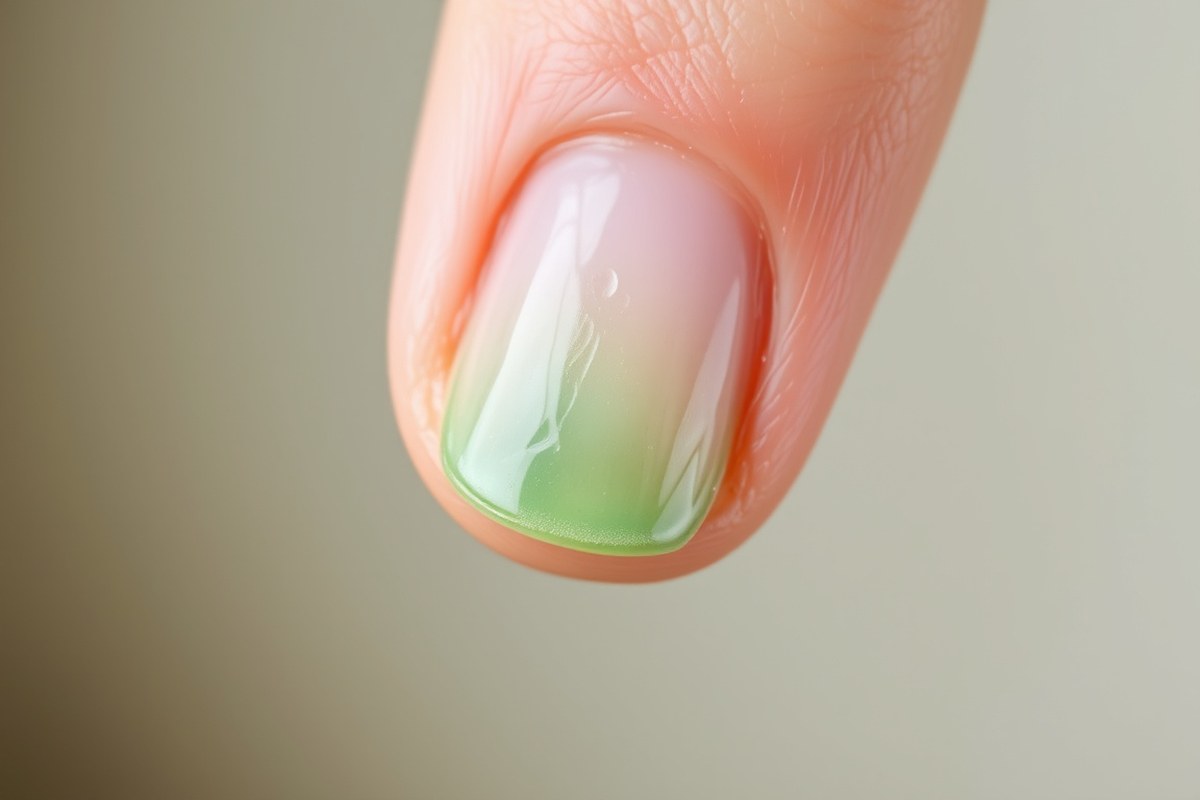
How to Get Rid of Green Nails: A Complete Guide with Proven Treatments
To get rid of green nails, start by identifying the cause, usually a bacterial infection from Pseudomonas aeruginosa, especially common after artificial nail use or nail trauma. Effective home treatments like vinegar soaks and gentle brushing with whitening toothpaste or baking soda can help remove discoloration. Daily nail care, avoiding trapped moisture, and proper nail salon practices also speed healing and prevent recurrence.
This information helps you if you’ve noticed green discoloration that won’t buff out or appears after gel or press-on nails. You’ll learn to tell bacterial infections from fungus, manage symptoms safely at home, understand when medical help is needed, and avoid myths that could risk nail health.
Key Takeaways
- Green nails result from bacterial pigment left by infections, typically fading as the nail grows out over 6 to 12 weeks.
- Distinguish green nail bacterial infections by the green pigment; fungal infections usually present different discoloration and texture.
- Soak nails daily in a 50-60% vinegar solution for 10 to 15 minutes to help clear green discoloration effectively at home.
- Use a soft toothbrush with whitening toothpaste or baking soda to lightly scrub your nails for 5 to 10 minutes, helping to lift surface stains and promote faster recovery.
- Keep nails bare and clean for at least 24 hours before reapplying artificial nails to prevent green nail syndrome recurrence.
- Seek medical care if skin around nails is red, swollen, warm, painful, or infection spreads after 7 days of home treatment.
What Causes Green Nails and How to Identify Green Nail Syndrome
Green nails generally result from an infection called Green Nail Syndrome, which is caused by the bacterium Pseudomonas aeruginosa. This bacterium thrives in moist environments and produces a green pigment that stains the nail. The condition appears as a green or blue-green discoloration on the surface of the nail, often with a clear border between the infected nail and healthy skin. It usually affects the nail plate’s surface rather than the deeper layers, and unlike nail fungus, it does not cause thickening or crumbling of the nail.
Artificial nails and nail glue can contribute to Green Nail Syndrome by creating the perfect environment for bacterial growth. When fake nails are applied, moisture can become trapped between the natural and artificial nail, especially if the fake nail lifts or is not properly sealed. This trapped moisture allows Pseudomonas aeruginosa to multiply. In some cases, chemicals from nail glue or colored powders may react with moisture to cause a greenish stain without an actual bacterial infection, but this is less common. The key problem is that artificial nails can disrupt the protective barrier of the natural nail, increasing the risk of infection.
Nail trauma also plays a significant role in developing green nails. Injuries that damage the nail or its surrounding skin break the epidermal seal, which normally protects against bacterial invasion. Even minor trauma from filing too aggressively or lifting fake nails can allow bacteria to enter underneath the nail. Constant exposure to water or damp environments worsens this risk, as moisture supports bacterial growth. For example, individuals who frequently wash their hands or work in wet conditions are more prone to the syndrome.
Recognizing Green Nail Syndrome involves looking for distinct green discoloration, often near the cuticle or under the nail where moisture is trapped. The nail surface usually remains smooth without thickening. The green color can vary from light green to darker bluish-green or blackish-green shades. Because this condition is bacterial and not fungal, antifungal treatments are ineffective. It’s important to notice that the infection can clear in 2 to 4 weeks as the nail grows out, provided the moisture and bacterial environment are controlled.
How to Differentiate Green Nail Bacterial Infection from Fungus
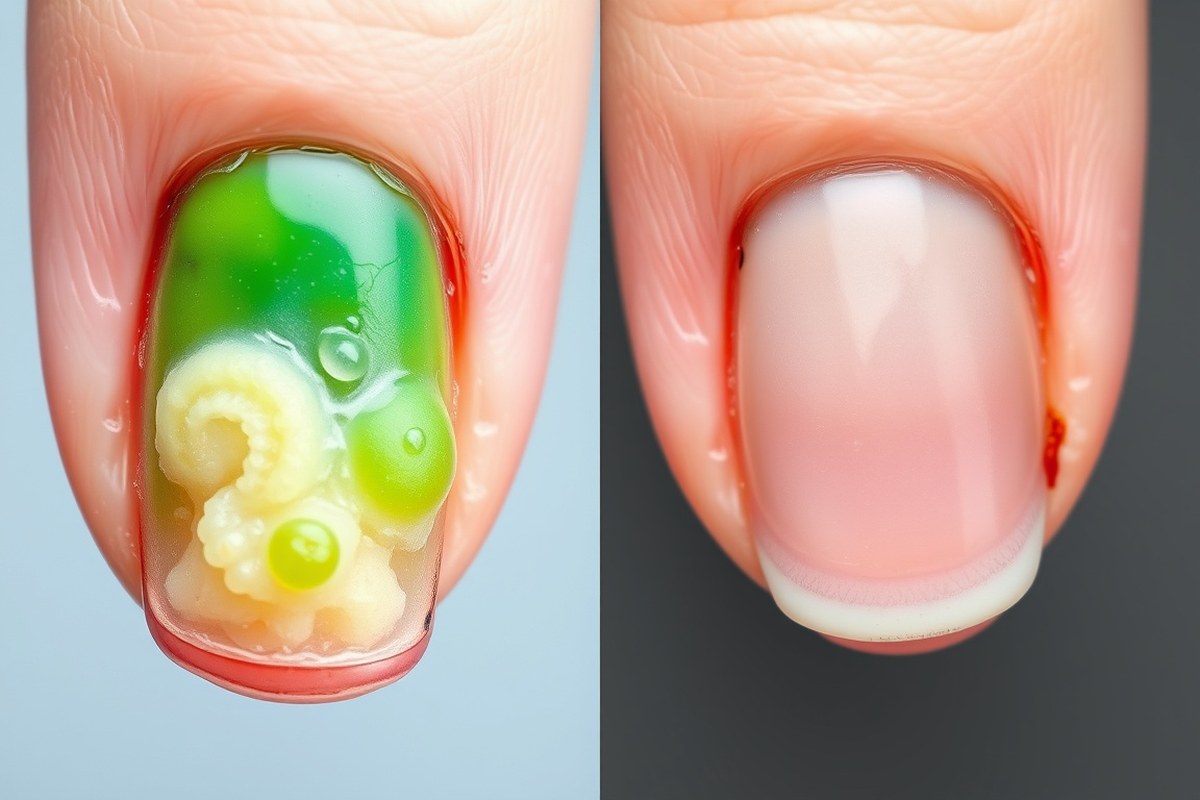
Determining whether a green discoloration on your nail is caused by a bacterial infection or a fungal infection matters for choosing the right treatment. Green nails most commonly result from an infection by the bacterium Pseudomonas aeruginosa, especially after acrylic nails or nail trauma. Nail fungus, or onychomycosis, usually presents different symptoms and changes the nail texture and color differently. Correct diagnosis helps you avoid ineffective treatments and speeds recovery.
Use the following comparison to spot major differences between bacterial green nail infections and fungal infections. This quick reference clarifies key signs so you know which condition you are dealing with and how to proceed.
| Characteristic | Bacterial Green Nail Infection | Fungal Infection (Onychomycosis) |
|---|---|---|
| Typical discoloration | Green, smooth pigmentation often confined under or around the nail | Yellow-white or yellow-brown; not green |
| Texture and surface changes | Nail remains mostly smooth but may lift or separate | Thickened, brittle, crumbly, or ragged nail edges |
| Growth and progression | Develops rapidly, often after artificial nail application or trauma; may clear within 1-3 weeks of treatment | Develops slowly over weeks or months, worsening without treatment |
| Common causes | Pseudomonas aeruginosa, often from wet conditions or nail salon issues | Various fungi invading the nail bed |
| Treatment | Antibacterial solutions like 0.1% octenidine dihydrochloride or tobramycin eye drops | Antifungal medications prescribed by a doctor; topical or oral |
| Duration until nail returns to normal | Infection clears in 1-3 weeks; green pigment grows out in 6-12 weeks | Months; nail may take longer to fully recover after treatment |
| Pain or discomfort | Possible tenderness or pain if nail is lifting | Usually not painful unless severe or secondary infection |
The green color you see in bacterial infection is produced by pigments created by the pseudomonas bacteria. It is unrelated to fungal causes, which look and feel very different. Sometimes, a green nail can be a simple stain or trauma-related, but an infection that lifts or causes pain needs medical evaluation. A virtual nail consultation can help identify the cause if you are unsure. Early diagnosis makes treatment more effective, avoiding unnecessary antifungal use when bacteria are at fault.
Keep your nails dry and avoid prolonged water exposure to reduce the risk of pseudomonas growth under your nail.
Effective Home Treatments for Green Nails with Vinegar Soaks and More
The most effective home treatment for green nails involves regular vinegar soaks combined with proper nail hygiene. Vinegar’s acetic acid helps reduce the bacterial growth that causes green discoloration. You can also use topical antibiotics if the condition worsens or persists beyond a few weeks.
Preparing a Vinegar Soak Correctly
White vinegar contains acetic acid, which fights the bacteria responsible for green nails. Using it diluted prevents skin irritation while maintaining effectiveness. Proper dilution and preparation ensure safe and consistent treatment. Follow these steps to prepare your vinegar soak:
- Measure 1 part white vinegar (such as distilled white vinegar or regular household white vinegar).
- Measure 4 parts clean lukewarm water (about body temperature, around 95°F to 105°F).
- Combine the vinegar and water in a small bowl or cup large enough to hold the affected finger or toes comfortably.
- Stir the mixture gently to ensure it’s well blended.
- Check the temperature is comfortable to avoid burning your skin.
- Set the soak aside ready for use.
How Often and How Long to Soak Nails
Consistent soaking helps clear the bacteria that cause green nails. You should soak the affected nail two to three times daily. Each session should last between 5 and 10 minutes.
Soaking for less than 5 minutes may be ineffective, while soaking longer than 15 minutes risks drying out or irritating your skin. Always dry your nail completely after each soak to keep it dry, as moisture encourages bacterial growth.
Expect to see gradual improvement within 2 to 3 weeks of regular vinegar soaks. If the green color returns or does not improve by then, consult a pharmacist or doctor for further treatment options.
Topical Antibiotics and Antiseptics Explained
If vinegar soaks alone do not resolve the green nails, topical antibiotics may be helpful. These come in creams, gels, or ointments and target the Pseudomonas bacteria that commonly cause green nail syndrome. Common over-the-counter antiseptics like iodine or hydrogen peroxide can assist in managing the infection but are generally less effective than antibiotics prescribed by a healthcare provider.
In more stubborn cases, a doctor may recommend prescription topical antibiotics such as gentamicin or oral antibiotics. These are usually reserved for infections that do not respond to home care and require medical supervision.
Step-by-Step Daily Nail Care Routine to Speed Healing
Treating green nails requires careful daily care to help the nail heal fully and prevent the infection from worsening or spreading. Key steps include removing any artificial nails, keeping the nail clean and dry, avoiding nail polish or fake nails until the discoloration clears, and monitoring the nail’s progress. Neglecting these steps can prolong healing or cause the infection to return.
Removing Artificial Nails Safely
Removing artificial nails promptly is essential once you notice any green discoloration. The bacteria causing green nail syndrome thrive in moist environments trapped beneath fake nails, so continuing to wear them worsens the infection. Removing artificial nails also allows the natural nail to breathe and speeds healing. Follow these steps to safely remove artificial nails at home without damaging your natural nail:
- Soak your nails in warm, soapy water for 10 to 15 minutes to soften the artificial nail.
- Gently lift the edge of the fake nail using an orange stick or cuticle pusher; do not force it off to avoid nail damage.
- Should the nail not lift easily, apply a small amount of acetone-based nail polish remover on a cotton ball to the nail and wrap it with foil for 10 to 15 minutes.
- Gently slide off the artificial nail once loosened; repeat soaking and acetone application if necessary.
- Wash your hands thoroughly with soap and water after removal.
- Trim and file the natural nails lightly if rough edges are present.
- Do not immediately reapply artificial nails; keep the nails bare while the infection clears.
Keeping Nails Dry and Clean Daily
Maintaining dry, clean nails helps prevent bacteria growth under the nail and promotes faster recovery. Moisture trapped under nail enhancements creates the perfect environment for Pseudomonas bacteria, the main cause of green nail syndrome. Take these daily care steps:
- Wash your hands regularly with mild soap, focusing on cleaning under the nails.
- Dry your nails completely with a clean towel or air dry after washing.
- Avoid prolonged soaking of the hands; wear waterproof gloves for tasks like washing dishes.
- Apply an antibacterial ointment or home remedy like vinegar soaks as directed to reduce bacterial presence.
- Inspect your nails each day for changes or signs of improvement or worsening.
- Avoid picking or scraping at the nails, which can cause trauma and delay healing.
Avoiding Nail Polish and Irritants
Applying nail polish or artificial nails during treatment can trap moisture and bacteria, delaying healing. Many experts recommend not using any nail polish or fake nails for at least 7 to 14 days until the green discoloration has completely grown out. Common mistakes impacting recovery include:
- Applying polish or fake nails before the nail has fully recovered, which may cause persistent infection or require longer treatment.
- Using harsh nail products or acetone repeatedly, which can dry and irritate the skin, reducing its ability to heal.
- Ignoring proper drying and hygiene, which keeps the infection active.
Waiting for the nail to clear and ensuring it remains dry and clean before considering artificial nails again helps prevent recurrence. When nail polish is necessary, choose breathable formulas and remove them frequently to allow air circulation.
How Long It Takes for Green Nails to Grow Out and Disappear
The green discoloration on your nails is a pigment left behind by bacteria, known as green nail syndrome, and it typically fades as your natural nail grows out. Expect a healing timeline of about 6 to 12 weeks for the green stain to disappear completely. The nail needs to grow fully beyond the affected area because the pigment does not vanish on its own but is physically pushed out as new nail forms at the base and extends forward.
Fingernails grow approximately 2 to 3 millimeters per month on average, so when the green pigment covers most of the visible nail, it could take up to three months to see complete regrowth with no discoloration. Some factors can affect this timeline, such as your overall nail health, age, or any underlying issues like ongoing trauma or fungal infection, which may slow healing or encourage bacterial growth underneath the nail edges. Presence of these conditions can cause the green tint to persist longer until they are resolved.
Tracking your progress means regularly observing the boundary between the green-stained area and new, clear nail growth near your cuticle. Photograph your nails weekly against a neutral background for comparison, noting changes in size and colour. It’s also helpful to keep your nails clean and dry while avoiding artificial enhancements that could trap moisture or bacteria, allowing your nails to breathe and heal more efficiently.
During this period, maintaining diligent daily care with potential treatments like vinegar soaks or applying 91% alcohol can sanitize the nail and reduce bacterial presence. These home treatments do not speed up nail growth but help prevent further pigmentation or infection. Should green colour spread onto adjacent nails or the affected nail thicken or change texture, seek professional advice promptly to rule out more serious conditions.
Never try to glue down lifted artificial nails as it can trap bacteria and worsen green nail syndrome over weeks.
When to See a Doctor About Green Nails and Medical Treatment Options
You should see a doctor or dermatologist about green nails if the discoloration is painful, spreading, or accompanied by swelling or pus. Mild cases without symptoms can often be managed at home, but worsening signs require professional evaluation. Treatment by a healthcare provider may involve prescription topical or oral antibiotics, and sometimes antifungal medications depending on the infection type.
Signs You Need Medical Care Immediately
Seek prompt medical attention if the green stain on your nail rapidly spreads or darkens, especially if you notice increasing pain, redness around the nail, swelling, or oozing pus. These symptoms suggest the infection might be deeper or spreading beyond the nail itself, raising the risk of complications. A fever or general feeling of illness alongside these signs warrants urgent evaluation. Avoid delay, as early treatment can prevent more serious infection or permanent nail damage.
Painful swelling or pus generally means that home remedies alone will not clear the problem. The infection may require prescription medications or even minor surgical intervention to remove damaged tissue or part of the nail. A healthcare provider can determine the severity and the best treatment based on your symptoms and nail appearance.
How to Describe Symptoms Clearly to Your Doctor
When contacting a doctor or dermatologist, clearly describe the color changes, how quickly the stain spread, and any pain or discharge. Use specific words like “green discoloration started two weeks ago and has spread under the nail,” or “There is swelling and pus with a throbbing pain.” Mention any treatments you have already tried, such as vinegar soaks or over-the-counter creams, and whether the nail trauma or artificial nails preceded the symptoms.
Describe any other symptoms, such as fever, chills, or general malaise, and note if the infection worsens despite your attempts to manage it. Providing a timeline of the infection and its progression helps the doctor decide if oral antibiotics or other prescription treatments are necessary.
Here’s a simple script you can use when calling your doctor’s office: “I have green discoloration on my fingernail for the past two weeks, and it has recently spread with some pain and swelling. I also noticed some pus coming from beneath the nail. I tried home remedies but it’s getting worse. Can I schedule an appointment for evaluation and possible treatment?”
Medical Treatment Options and Expectations
Doctors often prescribe topical antibiotics like gentamicin for mild to moderate pseudomonas infections causing green nails. The medication is usually applied directly to the nail and surrounding skin daily. In cases where the infection spreads beyond the nail bed or causes deeper tissue infection, oral antibiotics may be necessary. These drugs can take several weeks to fully resolve the infection, and it’s important to complete the prescribed course even if symptoms improve quickly.
Antifungal prescription medications may be recommended if the infection involves fungal elements, which often coexist with bacterial infections under artificial nails or after nail trauma. Complete nail removal is rarely required but may be considered if the infection is severe and does not respond to medical treatment.
Medical treatments do not speed up the growth of the nail but target the infection source effectively. Treatment costs vary widely depending on your insurance and medication type, with topical antibiotics generally costing less than oral antibiotics or antifungals. Follow-up visits may be necessary to monitor healing and prevent recurrence, especially if the infected nail has been damaged or has persistent discoloration.
Preventing Green Nail Syndrome After Artificial Nail Application
Green nail syndrome, marked by greenish discoloration and onycholysis (lifting of the nail), often occurs when moisture gets trapped under artificial nails. Acrylic, gel, or press-on nails can create pockets where water and bacteria accumulate, increasing the risk of this infection. Preventing it starts with keeping the nail bed dry and ensuring that your artificial nails adhere properly without lifting.
Nail glue or acrylic powders alone usually do not cause green discoloration unless they contribute to lifting or create a moist environment beneath the nail. Re-gluing over a damp or previously lifted nail is a major trigger. This is why it’s essential to let nails dry fully before applying artificial nails or reapplying glue. The trapped moisture becomes a breeding ground for the bacteria responsible for green nail syndrome.
When visiting a nail salon, minimize risk by choosing a reputable establishment that follows strict hygiene practices. Avoid salons that reuse tools without sterilization or apply artificial nails aggressively, causing trauma or lifting. If you do your nails at home, use high-quality products and follow package instructions carefully. Avoid excessive filing that thins and weakens your natural nails, as well as applying nails on damaged or wet nails.
- Ensure nails are completely dry before applying acrylic, gel, or press-on nails
- Never re-glue or reapply press-ons over lifted or damp nails
- Replace or remove artificial nails at the first sign of lifting or damage
- Choose salons that sterilize tools and maintain clean workstations
- Avoid excessive filing to prevent nail thinning and trauma
- Allow a 1-2 week recovery without artificial nails after green discoloration appears
Waiting at least one to two weeks after green nail syndrome symptoms appear before resuming artificial nail wear allows the nail bed to dry and heal, reducing the chance of recurrence. Clean, dry nails look healthy and free of discoloration or lifting. Symptoms like persistent green staining or pain signal that further care or professional treatment may be necessary. Preventing moisture buildup and damage is the best defense to keep your nails healthy after application of acrylic or press-ons.
Common Myths, Risks, and Safety Tips for Treating Green Nails at Home
At-home treatments for green nails can help, but they carry risks that you should watch closely. Using abrasive substances like whitening toothpaste or baking soda might seem like a quick fix, but these can cause skin irritation or damage the nail matrix if applied too often or left on too long. Green nails often indicate an infection by Pseudomonas bacteria, which lives beneath or around the nail where moisture gets trapped. When green nails spread or worsen after 5 to 7 days of home care, stop self-treatment and see a healthcare provider. This worsening is a sign that the infection is deeper and needs professional treatment.
One common myth is that scrubbing hard or using harsh chemicals will clear the green discoloration faster, but it can actually make the problem worse or damage your nail bed. You should only gently clean the nail and avoid aggressive buffing or picking at the nail because that can allow the bacteria to penetrate deeper. Tobramycin eye drops have been recommended by some professionals as a safe topical application for Pseudomonas infections on nails, but even such treatments should be under guidance, especially if symptoms persist.
Green nails often return after treatment because the bacteria thrive in the moist environments around artificial nails or nail injuries. When nails don’t dry thoroughly before applying polish or acrylic nails, moisture can remain trapped underneath, creating an ideal environment for bacteria growth. Repeated exposure to water without proper drying, or wearing gloves with damp hands inside, also increases the chance of reinfection. That’s why prevention involves thorough drying, careful nail hygiene, and avoiding prolonged moisture exposure.
Safe practices for treating green nails at home begin with daily cleaning using mild soap and water, then thoroughly drying your hands and nails. Avoid overly aggressive home remedies and do not rely solely on whitening agents or household cleaners, as these are not proven to kill Pseudomonas bacteria and can harm your skin. When choosing a home soak, vinegar diluted with water at a 1:2 ratio can assist but should not replace a doctor’s care if the infection worsens. Watch carefully for signs like spreading color or pain. Nail infections that fail to improve in one to two weeks usually require medical evaluation, including possible prescription antibiotics or specialized topical treatments.
Stop home treatment if your nail discoloration spreads or worsens after a week; persistent green nails often need professional care to avoid complications.
Step-by-Step Action Plan to Get Rid of Green Nails
Follow these clear steps to identify, treat, and prevent green nails effectively. Track your progress and know when professional care is needed.
- Before you start: Examine your nails carefully to confirm green nail syndrome, looking for green discoloration under or around the nail and any swelling or tenderness. Identifying it correctly helps you target treatment properly.
- Day 1: Begin daily vinegar soaks by mixing one part white vinegar with two parts warm water and soaking the affected nail for 10 minutes. Notice if the green tint starts to fade over the first few days.
- Week 1: Adopt a daily nail care routine, keep nails clean and dry, avoid artificial nails or acrylic repairs, and apply an antibiotic ointment after soaks if recommended. Healing signs include reduced discoloration and less nail tenderness.
- Week 2: Monitor nail growth; some green nails grow out within a few weeks, but full clearing depends on nail growth rate. Healthy nail tips without green indicate the treatment is working.
- After 2 weeks: Assess progress. If green color persists or worsens, or if pain or swelling develops, schedule a visit to a healthcare professional for possible bacterial culture or prescription treatments.
- Post-healing: Prevent recurrence by avoiding prolonged moisture exposure, choosing reputable salons for artificial nails, and applying barrier creams before nail services. Success means no new green discoloration after artificial nail application.
- Ongoing: Debunk myths by not using harsh chemicals or unproven treatments that can worsen symptoms or damage nails. Follow safety tips, and never pick or force off affected nails to avoid infection spread.
Frequently Asked Questions
How Long Does It Take for Green Nails to Go Away?
Green nails typically grow out and disappear in a few weeks as the nail health improves. Avoid reapplying fake nails or polish until your natural nail fully recovers to prevent prolonging the infection.
Can You Paint Your Nails If You Have Greenies?
You should not paint over green nails because it can trap moisture and worsen the bacterial infection. It’s best to wait for the green discoloration to fully grow out and the nail to look healthy before applying polish again.
Can I Get My Nails Done If One Is Green?
It is strongly recommended to avoid getting your nails done when one has green discoloration to prevent spreading the bacteria. Let the infected nail heal completely and keep your tools sanitized before any new nail application.
Why Are My Nails Green from Fake Nails?
Your nails turn green from fake nails due to a bacterial infection called Green Nail Syndrome caused by trapped moisture under lifted fake nails, which creates an environment for Pseudomonas aeruginosa to grow.
Can Whitening Toothpaste Really Help Remove Green Nail Discoloration?
Yes, brushing your nails with whitening toothpaste or baking soda for 5 to 10 minutes can help lighten green discoloration by breaking down the stains. Use this along with regular nail hygiene for better results.
Will Green Nail Syndrome Go Away Without Treatment?
Green nail syndrome may improve with proper nail care but often requires treatment to fully clear the bacterial infection. Leaving it untreated can lead to worsening or spreading, so prompt care is important.
Key Points to Remember
Addressing green nails early with proper care and hygiene can clear the infection and restore your nail health. Try starting a daily vinegar soak routine to reduce discoloration and support healing. Keep an eye on your nails for changes, and consult a healthcare professional if you notice worsening or persistent symptoms. Taking these steps today can help you avoid complications and get your nails looking normal sooner.