

How Much Sleep Do Adults Need: A Complete Guide to Healthy Sleep Habits
Most adults require between 7 and 9 hours of sleep nightly to support good health. Consistently sleeping under 7 hours raises the chance of developing physical and mental health problems. Knowing the sleep needs for adults allows you to focus on getting enough rest and boosting your well-being.
This information is especially useful if you struggle to get enough sleep or want to improve your sleep habits. The following key points focus on sleep quantity, quality, lifestyle effects, and practical steps to achieve better rest.
Key Takeaways
- Aim for 7 to 9 hours of sleep nightly to support brain function and physical health.
- Consistent sleep shorter than 7 hours impairs mental performance and raises health risks.
- Quality sleep matters; disturbances reduce restorative benefits even if total sleep time is adequate.
- Regular schedules strengthen your circadian rhythm, making it easier to fall asleep and wake refreshed.
- Limit caffeine and screen time in the evening to improve sleep onset and depth.
- Physical activity promotes better sleep but avoid vigorous exercise close to bedtime.
How Many Hours of Sleep Do Adults Need?
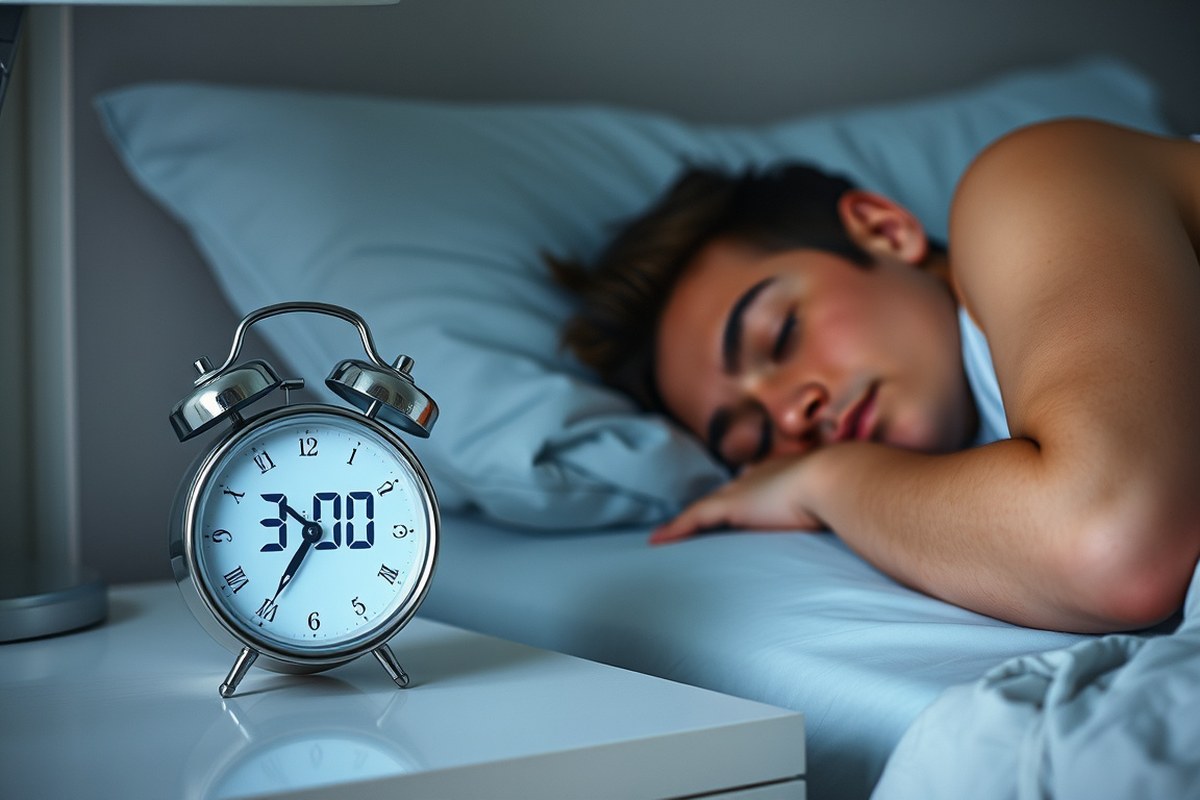
Adults generally need between 7 and 9 hours of sleep each night to function at their best. This recommendation comes from experts like the National Sleep Foundation and the American Academy of Sleep Medicine, who base these guidelines on numerous studies linking adequate sleep to physical health, mental well-being, and cognitive function. For adults aged 18 to 64, 7 to 9 hours is considered the ideal range, while those 65 and older are typically advised to aim for 7 to 8 hours.
Sleep needs do shift somewhat with age, but not as drastically as many assume. Older adults often report sleeping less, but this does not mean they need less. The suggestion that people over 65 can consistently get by on 5 or 6 hours ignores current research and clinical recommendations. Instead, even in older age, most adults still require at least 7 hours to reduce the risk of health issues and preserve quality of life.
The exact amount within the recommended range depends on individual differences such as genetics, lifestyle, overall health, and recent sleep history. Some adults can feel rested and alert with slightly less than 7 hours occasionally, but routinely getting only 6 hours or fewer is linked to negative effects. On the other hand, some may require more than 9 hours, especially younger adults, those recovering from sleep loss, or people with certain illnesses.
Generally, sleep specialists emphasize total 24-hour sleep time rather than just nighttime sleep. This means that naps can contribute, though they do not fully replace a full night’s rest. For example, sleeping about 8.1 hours regularly at night reduces the need for daytime naps. It’s important to recognize that the quality of those hours matters as much as the quantity.
Regarding sleep stages, adults typically spend around 20 to 25 percent of their sleep time in rapid eye movement (REM) sleep. This stage is important for memory consolidation, emotional regulation, and brain health. On average, that translates to about 90 to 110 minutes of REM sleep per night when total sleep is 7 to 9 hours. Lack of sufficient REM sleep can lead to cognitive impairments and mood disturbances. Different age groups require drastically different total sleep times, which reflects developmental needs:
| Age Range | Recommended Sleep Hours |
|---|---|
| Newborns (0-3 months) | 14 to 17 hours |
| Infants (4-11 months) | 12 to 16 hours |
| Toddlers (1-2 years) | 11 to 14 hours |
| Preschool (3-5 years) | 10 to 13 hours |
| School age (6-12 years) | 9 to 12 hours |
| Teens (13-17 years) | 8 to 10 hours |
| Adults (18-64 years) | 7 to 9 hours |
| Older adults (65+ years) | 7 to 8 hours |
This table highlights that as the brain and body mature, sleep needs decrease but do not disappear. Adults should aim for at least 7 hours and adjust based on how refreshed they feel during the day. None of these numbers are a strict rule; listen to your body and consider factors like stress, activity level, and health conditions when determining your ideal sleep amount.
What Happens When Adults Don’t Get Enough Sleep?

Adults who don’t get enough sleep face several health risks, cognitive difficulties, and emotional problems. Lack of sleep weakens your immune system, increasing your chances of infections. It also raises the risk of weight gain, type 2 diabetes, high blood pressure, heart disease, and stroke. These conditions develop over time and significantly affect long-term health.
Your brain functions poorly without enough rest. Sleep deprivation reduces attention span, slows reaction times, and impairs decision-making. Studies show that adults restricted to six hours or less for two weeks perform on cognitive tests as badly as people kept awake for two consecutive nights. Memory, creativity, and productivity all suffer.
Emotions become harder to control when you miss sleep. Negative emotional responses jump by 60 percent after just one night of insufficient rest. You may feel more irritable, anxious, or depressed. This emotional instability can lower your quality of life and increase stress. Look for these signs of sleep deprivation to catch the problem early:
- Frequent daytime sleepiness or nodding off unintentionally.
- Difficulty focusing or concentrating on tasks.
- Irritability or mood swings without clear reasons.
- Slow reaction times or poor coordination.
- Increased appetite or cravings for sugary, high-carb foods.
- Weakened immune response and frequent illnesses.
- Problems with memory or learning new information.
Getting fewer than seven hours of sleep regularly puts you at risk of these effects. About 40 percent of American adults don’t meet this minimum, according to the American Sleep Apnea Association. Young adults and parents with children under 18 are especially vulnerable. Wearing a sleep tracker can help measure your true sleep time versus how much you think you get.
Prioritize setting a consistent bedtime and wake-up time to avoid chronic sleep deprivation and its health consequences.
When you improve sleep duration and quality, you boost cognitive function, mood stability, and overall wellness. Long-term lack of sleep increases the risk for serious health issues and hampers your ability to function safely and effectively every day. Catching sleep problems early makes it easier to protect your health and daily life.
How Does Sleep Quality Affect the Benefits of Sleep?
Sleep duration refers to how many total hours you spend asleep, while sleep quality measures how well those hours are spent sleeping. Getting the recommended seven to nine hours of sleep doesn’t mean much if the sleep is fragmented or doesn’t include enough restorative stages. Quality sleep involves cycling properly through the four stages: N1, N2, N3, and REM. N1 and N2 are lighter sleep stages, N3 is deep sleep important for physical recovery, and REM sleep supports memory, learning, and emotional health.
For adults, about 20 to 25 percent of your total sleep time should be REM sleep, which typically happens in longer periods toward the morning. Deep sleep, N3, usually makes up 13 to 23 percent of the night’s rest. These stages matter because the benefits of sleep, such as muscle repair, brain detoxification, and memory consolidation, occur primarily during deep and REM sleep. Poor quality sleep often means fewer cycles or shorter periods in these phases, leaving you feeling tired even after enough hours in bed.
The difference between quality and quantity can be seen in how rested you feel and how well you function during the day. For instance, falling asleep easily, waking up feeling refreshed, and staying alert all day are signs of good quality sleep. Conversely, frequent waking, difficulty concentrating, and daytime sleepiness point to poor quality, even if total sleep time looks adequate.
Tracking sleep quality has become easier with modern technology. Wearable devices like smartwatches and fitness trackers can estimate sleep stages by detecting heart rate and movement. These devices usually cost $50 to $300. Smartphone apps, often paired with wearables, provide summaries of sleep duration and quality. For more precise tracking, consumer home sleep monitors offer detailed data but generally cost over $200. Persistent sleep problems call for professional sleep studies such as polysomnography to accurately measure sleep stages and quality.
You can also track sleep quality at home with a simple sleep diary. Record the time you go to bed, how long it takes to fall asleep, any awakenings during the night, and how rested you feel in the morning. Note lifestyle factors like caffeine intake and screen time before bed. Comparing these notes over several weeks helps identify patterns that affect your sleep quality.
To improve quality, reduce or stop using electronics at least 30 to 60 minutes before bedtime, as blue light exposure can disrupt natural sleep cycles. Create a comfortable sleep environment with a cool temperature around 65 degrees Fahrenheit and low noise levels. Frequent night awakenings or difficulty entering deep and REM sleep stages warrant a healthcare provider’s consultation to check for conditions like sleep apnea or restless leg syndrome.
How Lifestyle Factors Influence Adult Sleep Needs
Your daily habits have a strong impact on how much sleep you need and how restful that sleep is. Exercise can help you fall asleep faster and improve sleep quality, but intense workouts close to bedtime may cause disruption. Try to finish any vigorous activity at least three hours before you plan to sleep. For older adults, moderate daily exercise may reduce the need for daytime naps, promoting more consolidated nighttime sleep.
Your diet and substance intake also matter. Consuming caffeine within 6 hours of bedtime can reduce total sleep time and lower sleep quality, according to the CDC. Alcohol might help you fall asleep initially but often fragments sleep later in the night. Limiting caffeine to morning hours and avoiding alcohol near bedtime can support more consistent sleep duration and deeper rest.
Technology use increases exposure to blue light, which suppresses melatonin release, making it harder to fall asleep. Avoid screens from phones, computers, and TVs at least 30 to 60 minutes before bed. For those who must use devices late, using blue light filters or glasses can lessen the sleep impact.
Stress plays a significant role as well. High stress levels and anxiety can increase sleep onset latency and reduce deep sleep phases. Implementing relaxation techniques such as mindfulness or controlled breathing before bedtime may improve sleep quality, especially on high-stress days.
Certain lifestyle situations require adjustments to sleep routines. Shift workers and parents of young children often struggle with shorter or fragmented sleep. Shift workers should aim for at least 7 hours of sleep during off-hours, using blackout curtains and white noise machines to improve sleep environment. Parents might benefit from short naps when possible, and prioritizing sleep hygiene during available nighttime windows.
- Exercise moderately and avoid vigorous activity within three hours of bedtime.
- Limit caffeine to mornings and avoid alcohol near bedtime for less fragmented sleep.
- Reduce screen time 30, 60 minutes before sleep or use blue light filters.
- Practice relaxation techniques to manage stress before bed.
- Shift workers should create a dark, quiet sleeping area and maintain consistent sleep times.
- Parents may need to use naps strategically due to fragmented night sleep.
Environmental factors like light, noise, and temperature also influence your sleep quality. An optimal bedroom temperature is about 65°F (18°C), helping your body maintain the core temperature that supports deep sleep. Adjusting your environment and lifestyle habits together can improve both how long and how well you sleep every night.
How to Build a Consistent Sleep Schedule That Works
Building a consistent sleep schedule improves both how long and how well you sleep. Set fixed bedtimes and wake times, follow the 10 3 2 1 0 rule for bedtime hygiene, and adjust gradually to avoid disrupting your body’s rhythm. Recovering from sleep debt might take several days of good sleep, but steady habits help you maintain energy and mood long-term.
Setting Your Ideal Bedtime and Wake Time
Pick a sleep schedule that lets you get 7 to 9 hours of rest, which suits most adults. Stick to the same bedtime and wake time daily, even on weekends, to keep your body’s rhythm steady. This steady pattern makes it easier to fall asleep quickly and wake up feeling alert. Include calming activities in your routine, such as brushing your teeth, changing into pajamas, or doing light stretching to help your brain recognize it’s time to relax.
The 10 3 2 1 0 rule helps improve sleep hygiene before bed: no caffeine 10 hours before bedtime, no food 3 hours before, no work 2 hours before, no screens 1 hour before, and no alcohol the night before. This approach reduces disruptions that affect sleep quality and prepares your body for rest.
Adjusting Your Schedule Gradually
Changing your sleep schedule overnight can cause tiredness and poor sleep, so adjust by 15 to 30 minutes every few days. For example, if you want to shift your bedtime from midnight to 10:30 p.m., move it earlier by 15 minutes every two or three nights. Maintain the same gradual change for your wake time to avoid hurting your circadian rhythm. Using natural morning light and avoiding bright light at night supports this adjustment.
- Select your target bedtime and wake-up time, ensuring 7 to 9 hours of sleep.
- Apply the 10 3 2 1 0 rule consistently for better sleep quality.
- Begin with your current schedule and shift your bedtime 15 minutes earlier or later as needed.
- Adjust your wake time by 15 minutes in the same direction after your bedtime shift settles.
- Create a relaxing pre-sleep routine lasting 30 to 60 minutes each night.
- Keep your wake-up time consistent every day, avoiding sleeping in on weekends.
- Expose yourself to natural light soon after waking to regulate your internal clock.
- Avoid naps longer than 30 minutes, especially late in the day, to maintain sleep drive.
Tracking Progress and Staying Flexible
Use a sleep diary or app to record your bedtime, wake time, sleep quality, and daytime alertness. This helps identify patterns and shows improvements or struggles with your routine. Look for signs of feeling rested and clear-headed during the day rather than just total sleep hours alone. Persistent tiredness despite enough sleep may need professional advice.
Recovering from sleep debt depends on how much you lost, but typically requires several nights of sufficient, uninterrupted sleep. For example, after a week of sleeping 6 hours instead of 8, plan 1 to 2 additional hours of sleep for several nights to restore full function. Flexibility to adjust your schedule when life changes occur ensures you don’t lose consistency long-term.
Tip: Avoid sudden large changes to your sleep times and keep your wake time steady even on weekends to maintain your sleep rhythm effectively.
What Practical Tips Help Adults Sleep Better Nightly?
Improving your nightly sleep comes down to controlling your environment, managing light exposure, and establishing calming pre-sleep routines. Simple changes can reduce disruptions and help your body prepare for rest. These adjustments are safe, practical, and often don’t require extra spending.
Creating a Comfortable and Dark Sleep Environment
Your bedroom needs to encourage deep sleep by staying quiet, cool, and free of light. Sudden noises might interrupt your sleep without you noticing. Experts suggest setting your bedroom thermostat between 60 and 67 degrees Fahrenheit for better rest. Keeping the room dark lowers stimulation, helping your brain recognize it’s time to relax.
Start by limiting sources of light and sound in your room. Blackout curtains or a sleep mask can block streetlights or early morning sunlight effectively. White noise machines or earplugs are options for sound reduction if needed. Make sure your mattress and pillows feel supportive and comfortable to avoid tossing and turning.
Using Light Strategically for Better Sleep
Exposure to light controls your circadian rhythm, which governs your sleep-wake cycle. Bright blue light from screens and overhead lighting can interfere with your ability to fall asleep by suppressing melatonin, a sleep hormone. It helps to get plenty of natural light during the day, especially in the morning, to strengthen your internal clock.
About 1 to 2 hours before bed, dim household lights and avoid looking at smartphones, tablets, or computer screens. Consider wearing blue light-blocking glasses if you need to use electronics later in the evening. Using warm-colored lamps or candles can encourage melatonin production and prepare your brain for sleep.
Winding Down: Avoiding Stimulants and Screens
Caffeine and alcohol can disrupt your ability to fall asleep and the quality of your sleep cycle. Limit caffeine intake, such as coffee, tea, or energy drinks, to before early afternoon, ideally no later than 2 p.m. Alcohol may make you feel sleepy initially but often causes fragmented sleep later in the night. Developing a relaxing bedtime routine helps signal your body it’s time for rest. Here’s a checklist to support this routine:
- Stop caffeine intake at least 6 hours before bedtime
- Avoid alcohol at least 3 to 4 hours before sleep
- Turn off electronic devices 1 to 2 hours before bedtime
- Engage in calming activities like reading or gentle stretching
- Keep bedroom for sleep only, avoid work or stressful discussions there
- Take a warm bath or shower 30 minutes before bed to relax muscles
- Use a consistent pre-sleep routine to build a sleep association
These steps cost little or nothing but can lead to noticeably better and more restorative sleep over time. Avoiding screens and reducing stimulants signals your brain to slow down, helping you fall asleep faster and wake up feeling more refreshed.
When to See a Doctor About Sleep Problems
Seeing a doctor is a good idea when daytime drowsiness continues even after getting the recommended 7 to 8 hours of sleep each night. Persistent tiredness during the day, waking up without feeling refreshed, or struggling to stay awake in activities like driving or meetings can mean your sleep doesn’t restore your energy. Medical attention is also necessary if you experience loud snoring with pauses in breathing, symptoms linked to sleep apnea, or if you suddenly need much more sleep than usual. These could signal sleep disorders requiring professional diagnosis and care.
Chronic medical conditions such as thyroid disorders, acid reflux, chronic pain, and heart failure can interfere with sleep quality. These conditions disrupt the body’s ability to restore itself during sleep, leading to unrestful nights and further health consequences. Experiencing worsening sleep or extreme tiredness alongside existing health conditions warrants a conversation with your healthcare provider. Identifying and managing the root medical cause can improve both your sleep and overall health.
Deciding when to seek medical advice can follow a simple rule: if sleep problems affect your daily functioning for more than two weeks, especially if symptoms worsen or are accompanied by symptoms like loud snoring, gasping for air, morning headaches, or difficulty concentrating, schedule an appointment. During the evaluation, a doctor may recommend keeping a sleep diary recording your bedtime, wake time, and quality of sleep or possibly undergoing a sleep study to diagnose issues like sleep apnea or restless leg syndrome.
Be cautious with self-medicating using melatonin or over-the-counter sleep aids. While melatonin can help regulate sleep cycles in specific circumstances, improper or prolonged use may cause side effects or mask a serious sleep disorder. Sleep aids can lead to dependence or worsen sleep quality long term. Always talk to a doctor before starting any sleep medication, especially if you have underlying health conditions or are taking other medications.
Professional evaluation can range from a consultation with a primary care provider to a referral to a sleep specialist. Costs vary depending on insurance coverage but initial visits may be around $100 to $300. Sleep studies, if needed, can run several hundred to over a thousand dollars without insurance. Good results mean diagnosing the exact problem and tailoring treatment to improve sleep quality, daytime alertness, and overall health. Ignoring persistent sleep problems increases risks for accidents, worsening medical conditions, and reduced quality of life.
Common Mistakes Adults Make About Sleep and How to Fix Them
Many adults underestimate how much sleep they genuinely need or have habits that unintentionally harm their sleep quality. Recognizing and correcting these common mistakes can help you achieve better rest and improve your overall well-being.
Believing You Can Function Well on Very Little Sleep
Some adults think they can manage just fine on four to six hours of sleep per night, but research shows otherwise. Most healthy adults require seven to nine hours to function optimally. Chronic sleep deprivation increases the risk of mistakes, accidents, and reduced mental sharpness.
Acting on this means prioritizing longer sleep rather than sacrificing it for extra work or screen time. Pay attention to your daytime energy and mood, these often signal if you’re not getting enough rest. Trying to “catch up” on weekends may temporarily help but won’t replace consistent sleep during the week.
Relying on Caffeine or Screens Before Bedtime
Using caffeine late in the day disrupts your ability to fall asleep. Caffeine can remain in your system for up to six hours, so drinking coffee or energy drinks after mid-afternoon reduces sleep quality. Similarly, screen exposure before bed suppresses melatonin, delaying sleep onset.
To fix these mistakes, stop caffeine consumption by 2 p.m. And limit screen time at least 60 minutes before bed. Use “night mode” settings on devices if early shutdown isn’t possible. Instead, try reading a book or practicing relaxation techniques like deep breathing to wind down effectively.
- Set a caffeine curfew, ideally by early afternoon
- Turn off digital devices at least one hour before sleep
- Use blue light filters if you must use screens in the evening
- Switch to caffeine-free herbal tea after the early afternoon
- Create a calming bedtime routine to signal your body it’s time to sleep
Avoid caffeine and screens close to bedtime to fall asleep faster and improve sleep quality.
Inconsistent Sleep and Wake Times
Going to sleep and waking up at different times each day confuses your body’s internal clock. The National Sleep Foundation stresses that consistent sleep and wake times improve health, safety, and performance. When your schedule varies, falling asleep and waking refreshed become harder.
Fix this by picking a regular bedtime and wake time you can follow every day, even weekends. Your body adjusts to a stable schedule, helping you fall asleep quicker and sleep more deeply. Making these times realistic and aligned with your daily responsibilities reduces the temptation to deviate.
Your First Week: A Quick-Start Sleep Improvement Plan
Follow these targeted steps to start improving your sleep quality and duration immediately. Each step includes a way to check if it’s working for you.
- Tonight: Set your bedtime for 7, 9 hours before your alarm and go to bed at the same time. Notice how you feel the next morning, more rested or still tired?
- Day 2: Remove screens from your bedroom and avoid bright light 30 minutes before bed. Track if falling asleep gets easier.
- Day 3: Limit caffeine after 2 PM. Observe if you can fall asleep faster and stay asleep longer.
- Day 4: Create a calming pre-sleep routine, such as reading or gentle stretching. See if your mind feels less busy at bedtime.
- Day 5: Make sure your sleep environment is cool, dark, and quiet. Note improvements in how often you wake up at night.
- Day 6: Keep your sleep and wake times consistent, including weekends. Check if waking up feels more natural and less groggy.
- Day 7: Reflect on your week’s sleep log and adjust your bedtime or habits based on how rested you feel each day.
Frequently Asked Questions
Do Adults Need 10 Hours of Sleep?
Most adults do not need 10 hours of sleep; generally, 7 to 9 hours is enough. Sleeping longer can sometimes signal health issues or disrupt your natural sleep cycle.
I Haven’t Slept in 4 Days. What Should I Do?
Not sleeping for 4 days is a serious health risk; seek medical help immediately. Prolonged sleep deprivation can cause cognitive problems, mood changes, and physical health issues.
What Is the 10 3 2 1 0 Rule for Sleep?
The 10 3 2 1 0 rule guides healthy sleep habits: stop caffeine 10 hours before bed, heavy meals 3 hours, hard exercise 2 hours, screens 1 hour, and aim for 0 distractions. It helps improve sleep quality by reducing stimulation before bedtime.
How Much Sleep Is Needed According to Age?
Adults 18-64 need 7 to 9 hours, and those 65 and older need 7 to 8 hours of sleep per night. Children and teens require significantly more, with newborns needing up to 17 hours.
Can Naps Replace Lost Nighttime Sleep?
Naps can help temporarily but don’t fully replace lost nighttime sleep. Consistent nighttime sleep of 7-9 hours is best for overall health and functioning.
Is It Okay to Sleep Less Than 6 Hours Sometimes?
Occasionally sleeping less than 6 hours might be manageable, but regularly doing so can harm your health. Aim for at least 7 hours to support memory, mood, and immune function.
Final Thoughts
Adults generally need 7 to 9 hours of quality sleep nightly to support overall health and daily functioning. Taking small, consistent steps to improve your sleep habits will help your body get the rest it needs. Start tonight by choosing a regular bedtime and sticking to it for a week to feel the difference firsthand.


