How to Get Rid of a Corn Safely at Home: Effective Steps and Prevention
To get rid of a corn safely at home, start by removing the source of friction and soaking the affected area in warm, soapy water for about 10 minutes to soften the skin. After soaking, gently file the corn and use over-the-counter salicylic acid pads as directed to help slough off dead skin. Protecting the area from further irritation while you treat it is key to easing pain and speeding recovery.
This information suits anyone dealing with stubborn foot corns who wants effective, safe home treatment options. You’ll learn how to soften and remove corns properly, discover the role of medicated and natural remedies, understand when professional care is necessary, and find out how to prevent corns from returning.
Key Takeaways
- Before attempting to remove or file a corn, soak it in warm, soapy water for 10 to 15 minutes to help soften the skin.
- Use a pumice stone gently after soaking to file the corn without harming healthy skin.
- Apply over-the-counter salicylic acid pads containing about 40% salicylic acid as directed for safe, effective corn removal.
- Natural remedies like apple cider vinegar or vitamin E oil lack strong evidence; warm soak and gentle filing remain best.
- Protect corns from friction by wearing cushioned, properly fitting footwear or foam pads to reduce pain and speed healing.
- See a doctor if the corn shows signs of infection, such as redness, swelling, or pus, or if you have diabetes.
What Is a Corn and How Does It Differ from a Callus?
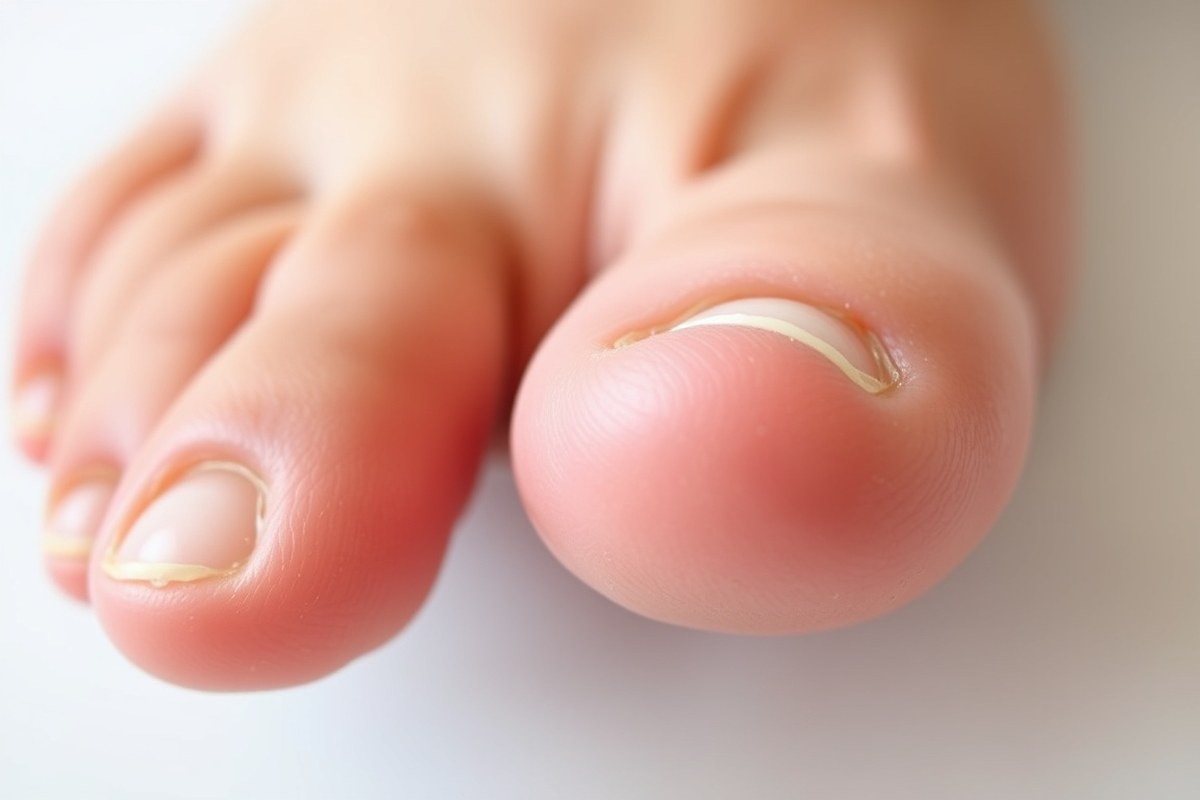
A corn is a small, hard area of thickened skin that usually forms on the tops or sides of toes or on the balls of your feet. These bumps develop as your body’s natural way to protect itself from repeated friction or pressure. Corns often have a central core and can be painful when touched or pressed. This pain distinguishes them from calluses, which are also thickened skin but tend to be larger and not painful when touched.
Calluses typically appear on the soles of your feet, especially under the heels or balls, and form in response to repeated rubbing or pressure too. Unlike corns, calluses are flat and spread out without a defined center. Both corns and calluses develop from friction caused by factors like tight or poorly fitting shoes, uneven weight distribution when walking, or abnormal foot mechanics due to arthritis or foot deformities.
Corns usually form where your toes rub against each other or your shoes. Hard corns are the most common type and appear as dense, compacted areas of hardened skin. Soft corns can appear between toes where moisture keeps the skin soft, making them more prone to irritation. The presence of long toenails can also force your toes to press against shoes, increasing pressure and leading to corn formation over time.
These protective responses take time to develop, so continuous pressure or friction is necessary. Wearing tight shoes that pinch your toes is one of the main reasons corns form, so choosing footwear with enough room to avoid squeezing can help prevent them. Corns may also result from joint changes due to arthritis, which alters how pressure is placed on toes and feet.
Because corns are painful, you’ll often notice discomfort when walking or wearing shoes. Their size resembles small kernels of corn, which is how they got their name. On the other hand, calluses generally don’t cause pain but may feel thick and rough. Both conditions involve skin thickening but differ mainly in location, pain level, and shape.
Understanding what causes corns and how they differ from calluses can help you decide on the right treatment. Avoiding tight shoes or footwear that rubs on specific spots reduces pressure and friction that cause corns. This is key to both preventing new corns and stopping existing ones from getting worse.
How to Soften a Corn Before Removal Using Safe Soaking Methods

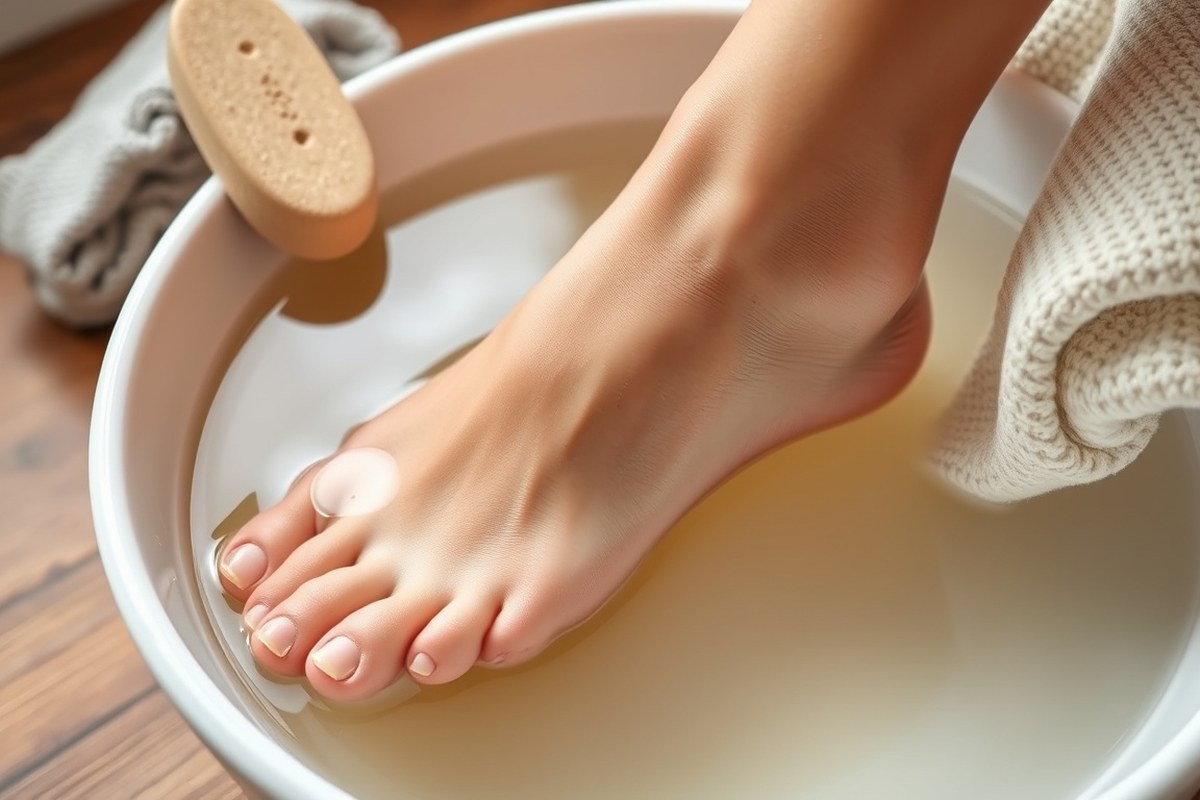
To treat a corn safely and successfully, softening it first is key. Soak your feet in warm water for 10 to 15 minutes, using plain water, a mild soap, or a baking soda mixture. Doing this regularly can gradually soften even stubborn corns, making removal less painful and gentler.
Choosing the Right Water Temperature
The water should be warm enough to soften the hard corn but not so hot that it burns or irritates your skin. Typically, a comfortable temperature ranges from 92°F to 100°F (33°C to 38°C). Water hotter than this can cause skin damage or worsen sensitivity, especially if you have diabetes or poor circulation.
Check the temperature with your hand or a thermometer before soaking. Keeping the water steady within the warm range maximizes softening without causing discomfort or dryness.
Best Soaking Solutions for Softening Corns
Plain warm water works well to relax and soften the corn’s hardened skin. Adding mild soap creates a gentle cleansing effect and helps loosen dead skin, improving the softening process. A few drops of mild liquid soap are sufficient for a foot bath.
Baking soda is a helpful addition to warm water when soaking your feet. Use 2 to 3 tablespoons (30 to 45 ml) in the water to naturally exfoliate and soften the corn’s dead skin. This may speed up the process by loosening the hardened layers. Small amounts of lemon juice or apple cider vinegar can also be added if you like, but their benefits are less proven.
Ideal Soaking Duration and Frequency
Soak your feet for 10 to 15 minutes each session. This duration is enough for most people to notice the corn softening, making it ready for gentle filing or other removal methods. If a corn is particularly hard or large, you can soak daily for several days to gradually soften the bump without causing pain or damage.
Consistent regular soaking, such as once daily, supports the gradual breakdown of hardened skin and prepares the corn for effective removal. Avoid soaking longer than 20 minutes to prevent excessive skin drying or irritation. Follow these steps to safely soften a corn before removal:
- Fill a shallow basin or foot bath with warm water, maintaining a temperature between 92°F and 100°F (33°C to 38°C).
- Add 2 to 3 tablespoons of baking soda or a few drops of mild soap to the water if desired for improve softening.
- Place your foot with the corn into the water, fully submerging the affected area.
- Soak for 10 to 15 minutes, allowing the corn to absorb moisture and soften.
- Gently pat your foot dry with a clean towel after soaking.
- Proceed with gentle filing or another removal step if comfortable, or repeat soaking daily for tougher corns.
- Moisturize your feet after treatment to maintain skin softness and prevent cracking.
Tip: Avoid soaking feet in hot water that feels uncomfortably warm to prevent burns or skin damage, especially if you have sensitive skin or conditions like diabetes.
How to Safely File a Corn Without Damaging Healthy Skin
Filing a corn safely involves using a pumice stone or foot file gently on softened skin to avoid harming the healthy tissue around it. Applying too much pressure or using the wrong tool can cause skin breaks and increase the risk of infection. Careful, slow filing after soaking the foot helps remove hardened skin while protecting healthy skin around the corn.
Selecting the Right Tool for Your Corn Type
Choosing the correct tool depends on how hardened the corn is and your skin sensitivity. A pumice stone is best for thick, dry corns, as its porous texture gently wears down dead skin. For softer or smaller corns, an emery board, nail file, or a rough washcloth may work better and reduce the chance of over-filing.
Avoid metal files or very coarse tools which can cause skin cuts or irritation. Also, remember that pumice stones and files are not sterile, so clean them regularly and avoid sharing them to prevent infection.
Proper Filing Technique to Avoid Skin Damage
When filing a corn, work slowly and carefully, targeting only the thickened dead skin. Begin by soaking your foot in warm water for 10 to 15 minutes to soften the corn and nearby skin, which lowers the chance of irritation or harm. Follow these steps to safely file your corn:
- Soften the corn by soaking your foot in warm water for 10 to 15 minutes before any treatment.
- Dry your foot carefully, leaving the corn slightly damp but not wet.
- Dip the pumice stone or file in warm water to keep it moist and gentle on your skin.
- Use the tool with light pressure, rubbing the corn in slow, small circular motions.
- File only the hardened skin and avoid rubbing healthy surrounding skin to prevent breaks.
- Limit filing sessions to 5 minutes per foot to avoid excessive skin removal.
- Rinse the area and apply a moisturizing lotion or foot cream to keep skin soft.
Repeat this process once or twice a day but stop if you notice pain or increased redness.
Signs You Should Stop and Adjust Your Method
Pain, bleeding, or redness beyond the corn indicate that filing is too aggressive. Micro-abrasions or skin breaks can lead to fungal or bacterial infections if untreated. If your foot becomes swollen or you see any signs of infection, stop filing immediately and consult a healthcare professional.
People with diabetes or poor circulation should avoid filing or using acid-based products at home without medical advice. In these cases, gentle protection and seeking professional treatment is safer than self-removal.
Using Salicylic Acid Pads and Medicated Lotions Safely and Effectively
Salicylic acid pads and medicated lotions can effectively remove corns by breaking down thickened skin when used correctly. Products with about 40% salicylic acid concentration, applied according to instructions, are both safe and effective for most healthy adults. Careful application and monitoring help prevent irritation or burns to the surrounding skin.
Choosing the Right Salicylic Acid Strength
Most over-the-counter (OTC) corn remover pads contain 40% salicylic acid, which is strong enough to dissolve the keratin protein in corns. This concentration balances effectiveness with safety for people without complicating conditions. Creams or lotions mixing salicylic acid with urea or ammonium lactate are gentler options to soften thick skin over time without risking acid burns. Avoid salicylic acid products if you have diabetes, poor foot circulation, or fragile skin, as these conditions increase the risk of harm.
Step-by-Step Pad or Lotion Application
Follow each step carefully to apply salicylic acid pads or medicated lotions safely and get the best results. Pads usually stay on for about 48 hours, while lotions can be applied daily until the corn improves. Avoid applying salicylic acid on healthy skin around the corn to prevent irritation or chemical burns.
- Cleanse the foot with warm water and mild soap to remove dirt and soften the corn.
- Dry the area thoroughly to ensure good adhesion for pads or better lotion absorption.
- Peel off the protective backing and place the medicated side of the pad directly onto the corn.
- Secure the pad with the adhesive, avoiding coverage of surrounding healthy skin.
- Apply a thin, even layer of lotion over only the corn with a cotton swab or your finger.
- Cover the treated area with socks or footwear to protect it and prevent the pad or lotion from rubbing off.
- Leave the pad on for up to 48 hours as instructed, then remove and wash the area gently.
- For lotions, repeat daily until the corn softens and reduces in size, usually within 1 to 2 weeks.
Precautions to Prevent Skin Irritation or Burns
High-strength salicylic acid can damage healthy skin if it spreads beyond the corn area. Protect adjacent skin by placing a small barrier of petroleum jelly around the corn before applying treatments. Stop using the product at any sign of redness, severe irritation, or excessive burning. Wash the area immediately with warm water and mild soap to remove residual acid if irritation occurs.
Those with health issues like diabetes or poor circulation should consult a healthcare provider before using salicylic acid treatments, as foot injuries in these populations risk infection or delayed healing. Do not use salicylic acid on open sores or cracked skin. Consistent monitoring during treatment helps reduce the chance of side effects and improves treatment outcomes.
Do Natural Remedies Like Vitamin E Oil or Apple Cider Vinegar Actually Work?
Natural remedies like vitamin E oil, castor oil, and apple cider vinegar can help soften and moisturize the skin around a corn, making it easier to manage, but they usually don’t remove corns quickly on their own. Vitamin E oil contains antioxidants that can promote healing and improve skin health, while castor oil is known for treating various skin conditions by providing moisture. Apple cider vinegar’s mild acidity may help break down the hard skin if left in contact with the corn for an extended period.
Applying these remedies properly is important for safety and effectiveness. For vitamin E oil or castor oil, lightly massage the oil onto the corn and surrounding skin twice a day, then cover with a slip-on sock overnight to let the oil penetrate. This can soften the corn, making it easier to gently file with a pumice stone later. Apple cider vinegar should be used cautiously: soak a small bandage or cotton ball with vinegar and press it on the corn, securing it with a bandage for 24 to 48 hours. Overuse or leaving vinegar on too long may cause skin irritation or burns. The table below compares natural remedies commonly tried for corn relief along with tips for how long to apply them and what to expect:
| Remedy | How to Apply | Recommended Duration | Expected Outcome |
|---|---|---|---|
| Vitamin E Oil | Massage onto corn twice daily; cover overnight | Several days to 2 weeks | Softens skin, supports healing, eases filing |
| Castor Oil | Apply to corn after soaking; cover with sock | Daily for up to 2 weeks | Hydrates and helps reduce hardness |
| Apple Cider Vinegar | Dab soaked bandage on corn; secure firmly | 24 to 48 hours per application | May break down hard skin; risk of irritation |
| Lemon or Onion Juice | Apply juice to corn; cover with dressing | Repeated daily applications | Some report mild softening; less evidence |
Natural remedies can be most effective when combined with good foot care habits and footwear that reduces pressure on the corn. Using these treatments alone may take several days to weeks and don’t guarantee complete removal, especially for thick or stubborn corns. Avoid harsh scrubbing or cutting the corn yourself, which can cause injury or infection.
Never leave apple cider vinegar on the skin longer than recommended to prevent burns or irritation.
For persistent corns that do not improve after trying home remedies for a couple of weeks, consulting a healthcare professional is the safer option. Medical treatments can more effectively remove the hardened skin and prevent complications, especially if you have diabetes or poor circulation.
Protecting Corns from Friction to Speed Healing and Reduce Pain
To protect a corn from further friction or pressure during treatment, reduce contact between the corn and your footwear by using padding designed for this purpose. Corn pads, especially those shaped like a doughnut, redistribute pressure around the corn by cushioning the area while avoiding direct contact. This reduces pain and allows the skin to heal without constant irritation.
Using the right kind of corn pads and making adjustments to your shoes are essential because corns form due to repeated pressure or friction. When these forces aren’t relieved, corns can worsen or come back after treatment. Protecting the area with something soft but supportive minimizes rubbing and prevents new corns from developing in the same spot. Consider the following tips based on your specific corn location and activities:
- Place adhesive donut-shaped corn pads around the corn to offload pressure; these typically cost $5 to $15 for a package and are available at drugstores.
- For corns located between toes, use soft toe separators or cotton pads to prevent skin-on-skin friction during walking.
- For corns caused by tight shoes, switch to footwear with a wider toe box, softer materials, and low heels to reduce pressure points.
- Wear cushioned socks to add extra padding between your feet and the inside of your shoes.
- For ongoing problems, a podiatrist may recommend custom orthotic inserts that redistribute foot pressure and correct abnormal gait or foot structure.
- After removing a corn, avoid tight shoes and high-impact activities that stress the treated area until the skin fully heals, which can take several weeks.
- Corns that occur due to bone deformities or persistent pressure require professional evaluation; surgical correction might be needed to stop recurrence.
Applying a protective corn pad correctly means cleaning and drying the foot first. Position the pad so the hole surrounds the corn completely without touching it, and press down firmly to secure the adhesive. Change the pad daily or if it becomes wet or loose to prevent irritation or infection.
Good results show as reduced pain when walking and a noticeable shrinking of the corn over days to weeks. Worsening pain or signs of infection require prompt medical attention. Without proper protection, corns may continue to thicken and cause discomfort despite other treatments.
When to See a Doctor: Signs of Infection and High-Risk Situations
Seek medical care for a corn if you notice pain, swelling, redness, or discharge such as pus or clear fluid. These signs suggest infection, which can worsen without treatment and sometimes requires prescription antibiotics. Avoid attempting to remove or treat an infected corn yourself, as this can spread infection or damage surrounding healthy skin.
People with diabetes, poor circulation, or fragile skin face higher risks from corns and infections. For these groups, self-treatment can lead to serious complications including ulcers or delayed healing. Always consult a podiatrist or healthcare provider before trying home remedies if you have any of these conditions. Your provider can safely diagnose the corn, suggest appropriate treatment, and help prevent recurrence by addressing underlying causes like pressure points or shoe fit.
- Persistent pain or swelling around the corn
- Redness spreading beyond the corn area
- Discharge of pus or clear fluid
- Fever or general feeling of illness
- Diabetes or peripheral artery disease diagnosis
- Fragile skin or poor circulation in feet
- Corns not improving after two weeks of home treatment
Considering costs, a doctor or podiatrist visit generally ranges from $100 to $300 without insurance. This often includes foot examination and possible corn removal, which is a small investment compared to potential complications. Treatment could involve minor debridement or prescribing protective padding. Delayed care may increase expenses if infections develop.
Before starting any home treatment, assess your pain level and check for swelling or open sores. If your corn causes intense pain that limits walking or everyday activities, professional assessment is recommended. Home removal methods should be gentle and involve soaking, careful filing, or using medicated pads, but never cutting or picking at the corn. When in doubt, scheduling an appointment with a healthcare provider ensures safe and effective management tailored to your situation.
Professional Treatments and Preventing Corns from Coming Back
When corns cause significant pain or persist despite home treatments, professional care provides targeted options like debridement. During debridement, a podiatrist carefully trims away the thickened skin using a scalpel. This procedure offers immediate relief and helps to reduce pressure on the affected area. Although debridement is typically an outpatient process and does not require anesthesia, it needs to be performed by a medical expert to avoid injury or infection. In cases where corns are deep-rooted or result from bone deformities such as hammertoes or bunions, surgery may be recommended. Surgery involves removing or correcting the underlying bone problem to prevent the corn’s recurrence. This option is usually reserved for severe or repeating cases and requires recovery time that varies based on the procedure’s extent.
Corns can often return if the underlying causes are not addressed. Improperly fitting footwear remains the primary factor leading to their recurrence. Shoes that are too tight, narrow, or lack enough cushioning often cause repetitive friction, which thickens the skin and forms new corns. To prevent this, choose shoes that provide adequate room for your toes and support for your arches. Using custom orthotic inserts may also help redistribute pressure evenly across the foot. Also, foot deformities like bunions or hammertoes contribute to abnormal friction points, so consulting a podiatrist about these conditions can guide you toward durable solutions.
Maintaining proper foot hygiene is another important prevention method. Regularly washing and thoroughly drying your feet reduces bacterial and fungal growth around corns and other foot issues. Applying a moisturizer can prevent excessive dryness and cracking that might worsen skin vulnerability. Using protective pads or cushions over corns can relieve pressure during daily activities, promoting healing and comfort.
Distinguishing corns from warts or infections is important because treatments differ significantly. Warts often have tiny black dots and may disrupt the normal skin lines, whereas corns exhibit hard, yellowish or translucent thickened skin localized over a pressure point. Infections tend to present with redness, swelling, warmth, or pus around the area. Seeking professional diagnosis is advisable if self-care methods do not improve the condition, or if the lesion changes in color, size, or causes unusual pain.
Always follow professional advice and avoid attempting deep corn removal by yourself to prevent infection and damage to healthy skin.
Step-by-Step Action Plan for Getting Rid of a Corn
Follow this clear plan to safely treat your corn at home, know when to get medical help, and prevent corns from returning.
- Before You Start: Soak your foot in warm, soapy water for 10 to 15 minutes to soften the corn. You’ll know it’s ready when the skin feels softer and less rigid.
- Day 1: Gently file the softened corn using a pumice stone or foot file, being careful not to damage surrounding healthy skin. Successful filing reduces the corn’s thickness without causing pain or bleeding.
- Days 2, 7: Apply salicylic acid pads or medicated lotions as directed on the package, avoiding nearby healthy skin. Notice a gradual shrinking or softening of the corn; stop use if irritation worsens.
- Ongoing: Protect the affected area by using cushioned pads or adjusting your footwear to reduce pressure and friction. You should feel less pain and see fewer signs of irritation during daily activities.
- After 1 Week: Check your corn’s size and pain level. When it feels smaller and less painful, continue care until fully healed. Should the corn worsen, show signs of infection (redness, swelling, pus), or if you have diabetes or poor circulation, schedule a visit with a healthcare professional immediately.
- After Healing: Prevent new corns by regularly moisturizing your feet, wearing properly fitted shoes, and using protective padding in pressure areas. Healthy skin and reduced pressure help stop corns from returning.
Frequently Asked Questions
How Long Should I Soak My Foot Before Removing a Corn?
Soak your foot in warm, soapy water for about 10 minutes until the skin softens. This softening makes filing or treatment much easier and reduces the risk of damaging healthy skin.
Can I Use Baking Soda to Help Remove a Corn?
Yes, soaking your foot in warm water with baking soda for 15 minutes can soften the corn. The baking soda acts as a natural exfoliant, helping to remove dead skin and start the healing process.
How Safe Is It to Use Salicylic Acid Pads on Corns?
Salicylic acid pads are safe if used as directed and not on broken skin. They help peel away hardened skin but should be used carefully to avoid irritation, especially for sensitive skin.
What Should I Do If My Corn Is Very Painful or Infected?
Seek medical advice promptly if a corn becomes painful, red, or shows signs of infection. Professional treatment can prevent complications and is particularly important for people with diabetes or poor circulation.
Are Natural Remedies Like Apple Cider Vinegar Effective for Corns?
Apple cider vinegar may help soften corns, but evidence is limited. It’s best combined with other treatments like soaking and protective padding rather than relied on alone.
Is It Normal for Corns to Return After Treatment?
Yes, corns can return if the cause of friction isn’t removed. Changing footwear or using protective padding can help prevent future corns.
The Bottom Line
To properly remove a corn while protecting your skin and easing pressure, start by soaking your feet in warm water for 10 to 15 minutes. This softens the corn and allows you to gently file it down with a pumice stone or emery board. This basic step helps other treatments work better and promotes faster healing without hurting healthy skin.