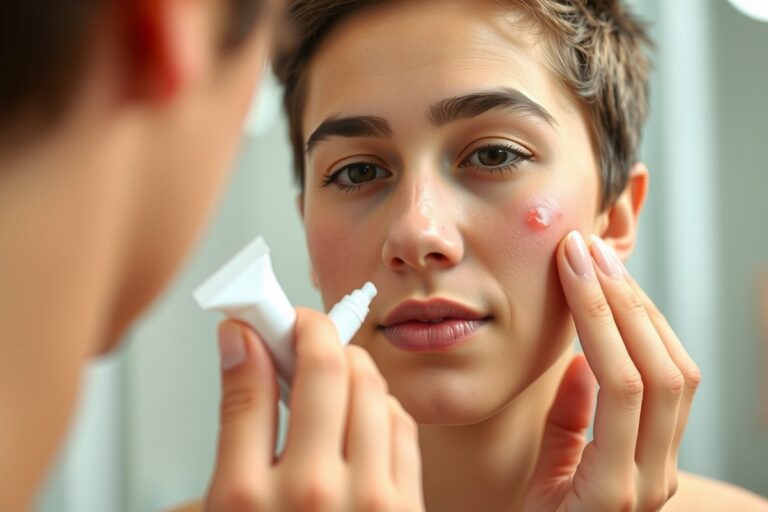
How to Get Rid of Molluscum: A Complete Guide with 8 Proven Steps
You can get rid of molluscum by allowing the body’s immune system to clear the virus naturally, which usually takes 6 months to 3 years. For faster results, treatments like topical potassium hydroxide, imiquimod cream, and FDA-approved berdazimer gel offer effective options. Choosing the right approach depends on factors such as age, immune status, and the number of lesions.
Whether you have a child, are an adult with molluscum, or care for someone with the infection, this article covers how to get rid of molluscum safely. It offers proven steps for treatment, prevention, and when to see a dermatologist, helping you manage the condition confidently at home or with medical support.
Key Takeaways
- Molluscum contagiosum usually resolves without treatment within 6 to 12 months but can last up to 3 years in some cases.
- You should consider treatment if lesions cause discomfort, spread widely, or if quick resolution is needed for social or school reasons.
- Home treatments like 10% potassium hydroxide and podophyllotoxin cream are effective but must be used carefully following safety guidelines.
- Over-the-counter options and prescription treatments such as berdazimer gel or imiquimod cream require healthcare provider guidance for proper use.
- Prevent spreading by covering lesions, avoiding skin-to-skin contact, and not sharing towels or clothing at home, school, or daycare.
- Watch for healing signs like lesion shrinking and absence of new bumps; consult a dermatologist if lesions worsen or show infection.
1. What Is Molluscum Contagiosum and How Does It Spread?

Molluscum contagiosum is a common viral infection of the skin that causes small, raised bumps. These bumps usually appear white, pink, or flesh-colored and may be itchy or irritated. The infection only affects the surface of the skin and does not cause serious illness in most children or adults. It is most common in children under 10 but can affect people of any age.
The infection is highly contagious and spreads easily through direct skin-to-skin contact. Shared items like towels, clothing, or bathwater can also transmit the virus, making close contact environments such as schools or daycares common places for spread. Because of this, the virus can enter the skin through tiny breaks or scratches. Once infected, it may take weeks for bumps to develop and several months for them to disappear.
The typical signs of molluscum contagiosum are small, round bumps with a smooth and shiny surface. These bumps often have a small dimple or central indentation. Bumps may occur in clusters on the face, neck, arms, or torso. Although the bumps can be mildly itchy or uncomfortable, they usually do not cause pain.
Once infected, the bumps usually remain for several months. Most clear up without intervention within 6 to 12 months, but some cases can last as long as 3 years. The infection typically resolves by itself, but the virus stays on the skin as long as bumps are visible, making the contagious period last until they disappear. During this time, the virus can be passed to other areas of your skin or to other people.
Because molluscum contagiosum spreads easily, taking steps to avoid sharing personal items like towels or clothing can reduce transmission. Washing hands regularly and covering bumps if possible also help limit spread. Maintaining a strong immune system supports the natural clearance of the virus and reduces the chance of new lesions forming.
Understanding how molluscum contagiosum spreads and knowing its appearance are essential for managing outbreaks. Prompt recognition allows you to take precautions to protect others and prevent the infection from worsening or spreading. If bumps become irritated, increase in number, or you have concerns about your child or yourself, consulting a healthcare professional can provide guidance on treatment options.
2. How Long Does Molluscum Contagiosum Last Without Treatment?

Molluscum contagiosum usually resolves without treatment, as the body’s immune system clears the virus over time. For most people, the lesions will go away on their own within several months to a few years, often without leaving scars. Patience is important because even though it is not dangerous, molluscum can take a long time to fully disappear naturally.
Typical Duration in Children and Adults
In children, molluscum contagiosum often clears up within 6 to 12 months without treatment. Some cases resolve faster, while others may take up to 3 years before all lesions disappear. Adults experience a similar timeline, though healing may sometimes take longer depending on their immune system.
The natural course is generally mild, with most lesions gradually shrinking and resolving. The wait time may feel long, but this approach avoids risks associated with some treatments. Medical interventions can speed up clearance but are not essential for safe resolution.
Stages of Natural Resolution
At first, small, raised papules develop and spread slowly. Over several weeks or months, the immune system begins an inflammatory response to the virus. This response can cause some lesions to become red or irritated, which can be mistaken for worsening but usually signals the body is attacking the virus.
Following inflammation, the lesions shrink, scab, and eventually fall off. Complete clearance happens gradually as the immune system recognizes and eliminates the infected cells. After all lesions are gone, the skin typically returns to normal without scarring.
Factors Influencing Healing Time
The speed at which molluscum resolves depends on several factors. Age plays a role: young children’s immune systems may respond differently than adults’, sometimes leading to longer persistence. The number of lesions and their location also matter; widespread or clustered lesions may take longer to clear.
Immune health is important. People with normal immune function tend to clear molluscum faster than those with compromised immunity. Other skin conditions or irritation from scratching can extend healing time and increase the risk of infection.
Risks of Leaving Untreated
Molluscum contagiosum lesions are usually painless and harmless, but leaving them untreated carries some risks. Scratching or picking at the bumps can cause skin irritation, scarring, or secondary bacterial infections. Inflammation from the immune response might make lesions temporarily larger or redder, which can be uncomfortable.
On rare occasions, untreated molluscum lesions can become infected by bacteria, leading to pain, swelling, or pus. If this happens, prompt medical attention is needed. Despite these risks, most individuals tolerate the infection well as it runs its natural course.
Resist scratching or squeezing lesions to prevent infection and scarring while waiting for natural resolution.
Variability Based on Immune Response
The body’s immune defense against molluscum contagiosum varies widely from person to person. Some people develop a strong immune reaction that clears the lesions quickly, often marked by mild inflammation signaling healing. Others have a weaker or delayed response, causing lesions to persist longer.
Occasionally, visible inflammation or molluscum dermatitis appears, showing that the immune system is actively fighting the virus. This is generally a good sign that the lesions will resolve soon. However, suppressed immunity, such as in people with HIV or on immunosuppressive medications, can lead to prolonged or more severe outbreaks.
3. Deciding When to Treat Molluscum or Wait: A Step-by-Step Checklist
Deciding whether to treat molluscum contagiosum or monitor it without intervention depends on several factors, such as the number of lesions, their location, the patient’s age, and immune status. You may choose to wait if lesions are few, located on less sensitive areas, the patient is otherwise healthy, and the bumps are not causing discomfort or spreading rapidly. For children with intact immune systems, molluscum often resolves on its own over several months to years, which may suit families wanting to avoid treatment side effects or discomfort.
Treat molluscum when lesions are numerous, in areas prone to irritation (like the face or genitals), causing symptoms such as itching or dermatitis (which affects about 10% of patients), or if there’s a risk of spreading to other parts of the body or close contacts. Immunocompromised individuals should pursue treatment sooner because they often have more persistent, treatment-resistant molluscum that can lead to complications. Young children may also benefit from treatment options that are gentle and FDA-approved for their age group, like cantharidin, which is approved for those 2 years and older. For some children under 10, oral cimetidine has shown success at doses of 40 mg/kg daily for two months in clinical studies, resolving lesions in about 70% of cases.
The potential complications of untreated molluscum include the development of molluscum dermatitis, secondary bacterial infections from scratching, and wider spread of lesions, especially in those with weakened immune systems. Your dermatologist will consider these risks alongside practical aspects such as the total lesion count and their visible locations. They will also factor in patient comfort, treatment costs (which vary by method, ranging from topical applications to office-based procedures every few weeks), and the patient’s or parents’ preferences.
- Count the number of molluscum lesions: less than 5 may warrant monitoring; more than 10 suggests treatment.
- Check lesion location: face, genitals, or irritated areas favor treatment.
- Assess patient’s age: children 2+ years can use FDA-approved treatments like cantharidin safely.
- Evaluate immune status: immunocompromised patients need earlier and possibly more aggressive treatment.
- Monitor for symptoms: itching, redness, or signs of secondary infection indicate a need to treat.
Following this checklist can help you decide the right time to start treatment or safely observe molluscum’s natural course. Treatment timing balances clearing lesions efficiently against the possibility that the body, especially in healthy children, will clear molluscum without medical help. Whenever the decision feels uncertain or if complications arise, consulting a dermatologist ensures you get guidance tailored to your specific situation.
4. Comparing Molluscum Treatment Options: Home Remedies to Medical Procedures
Treating molluscum contagiosum involves choices from home remedies, over-the-counter (OTC) products, to professional medical procedures. Each method varies in effectiveness, duration, potential side effects, and suitability depending on the individual’s situation.
Home remedies like tea tree oil mixed with iodine, lemon myrtle oil, and apple cider vinegar have shown some promise, especially in children. Tea tree oil has antibacterial and antiviral properties that may help reduce molluscum bumps if no allergic reaction occurs within 24 hours of application. Apple cider vinegar is popular but lacks strong scientific support. These options are affordable and can be started immediately but usually require consistent application over weeks to months. Mild skin irritation or redness may occur with home use.
OTC products such as benzoyl peroxide and hydrogen peroxide are sometimes recommended by dermatologists, although none are officially FDA-approved specifically for molluscum. They can help by gently irritating or drying the lesions, encouraging faster clearing. Expect to apply these daily for several weeks. Using OTC products without guidance can risk skin irritation.
Professional treatments tend to be faster and more controlled but involve doctor visits, possible discomfort, and costs ranging from $100 to $300 per session depending on the method and location. Common dermatology options include cryotherapy (freezing lesions), curettage (scraping off lesions), and topical application of cantharidin, a blistering agent applied only by healthcare providers. Cantharidin is safe and effective when administered in the office but should never be used at home due to risks of severe pain and scarring. These treatments typically clear molluscum within 1 to 4 sessions spaced weeks apart. Mild pain, bruising, or temporary pigmentation changes can occur as side effects.
Prescription medications include imiquimod cream 5% (an immune response modifier) and oral cimetidine, usually reserved for persistent or widespread cases. Imiquimod requires several weeks and can cause redness, itching, and irritation. Cimetidine taken twice daily for two months is generally well tolerated but may cause mild side effects. Other immunotherapies and antiviral drugs exist but are less commonly used due to side effects or limited evidence. The table below compares key treatment options to help you understand what fits your needs and situation best.
| Treatment Type | Examples | Duration | Effectiveness | Side Effects | Cost and Access |
|---|---|---|---|---|---|
| Home Remedies | Tea tree oil with iodine, apple cider vinegar, lemon myrtle oil | Weeks to months of daily application | Moderate; may speed clearance | Mild irritation, risk of allergic reaction | Low cost; readily available |
| Over-the-Counter Products | Benzoyl peroxide, hydrogen peroxide | Several weeks of daily use | Variable; off-label use | Skin dryness, irritation | Moderate; pharmacy purchase |
| Professional Procedures | Cryotherapy, curettage, cantharidin application | 1, 4 sessions over weeks | High; rapid clearance | Pain, bruising, pigmentation changes, risk of scarring if misused | Higher cost; requires healthcare visit |
| Prescription Medications | Imiquimod cream 5%, oral cimetidine | 2 weeks to 2 months | Moderate to high; recommended for persistent cases | Redness, itching, mild systemic effects | Cost depends on insurance; prescription required |
Choosing the best molluscum treatment depends on age, lesion number, symptom severity, and personal preference. Starting with gentle home remedies may be appropriate for mild cases, but persistent or spreading molluscum usually benefits from medical treatments. Always follow your dermatologist’s guidance to avoid side effects such as chemical burns, scarring, or pigmentation issues. Avoid applying professional-only treatments like cantharidin at home to reduce risks. Safety and effectiveness increase when you use treatments as directed and under healthcare supervision.
5. Safe At-Home Molluscum Treatment Protocols and Common Mistakes
You can treat molluscum contagiosum safely at home using topical medications prescribed by a dermatologist. Proper preparation, application, and careful monitoring can speed healing and reduce spread, but mistakes like applying to healthy skin or over-washing can cause irritation or delay recovery.
Preparing the Skin for Treatment
Start by gently cleaning the affected area with mild soap and water, then pat it dry with a clean towel. Avoid scrubbing or irritating the skin, as this can worsen the lesions or spread the virus. Keep the skin cool and dry before applying any treatment.
Always apply topical treatments using a cotton swab or an applicator instead of your fingers to lower the chance of spreading the virus to new spots on your skin or to others around you. Keep fingernails short to prevent scratching the skin accidentally, which can increase the chance of infection.
Applying Treatments Safely and Correctly
Only use treatments prescribed or recommended by your healthcare provider. Common topical options include cantharidin, nitric oxide-releasing gels, or other dermatologist-approved ointments. Follow the instructions carefully regarding dosage, frequency, and duration. Never apply treatment to skin without molluscum lesions to avoid irritation or chemical burns.
After applying, avoid covering lesions with tight or occlusive dressings unless your doctor advises it. Let the medication dry naturally. Do not attempt to wash off topical treatments the same day unless instructed; most products should stay on for about 24 hours before washing.
- Apply treatment only to visible molluscum bumps
- Use a clean applicator for each lesion
- Wash hands thoroughly before and after treatment
- Keep treated areas uncovered unless otherwise directed
- Wait 24 hours after application before cleaning the area
- Repeat treatment as prescribed, but avoid overuse
- Inform your doctor if you have eczema or sensitive skin
Monitoring for Side Effects and Knowing When to Stop
Watch for any signs of irritation such as redness, swelling, pain, or itching lasting more than 24 hours after treatment. Mild discomfort or blistering can be expected with treatments like cantharidin, but severe or prolonged reactions require stopping the treatment and contacting your healthcare provider promptly.
If you develop unusual symptoms, including a burning sensation or skin changes beyond the lesions, discontinue use immediately. Avoid self-treating broken or infected lesions. Ongoing redness or pain can indicate irritation or allergic reaction.
Stop using any prescribed treatment and seek medical advice if you experience persistent pain, swelling, or redness lasting more than one day after applying medication.
6. Preventing Molluscum Spread at Home, School, and Daycare
To prevent molluscum contagiosum from spreading, practice careful hygiene and avoid direct contact with the bumps. Cover lesions with clothing or a waterproof bandage to stop the virus from spreading to other parts of your body or to others. This also lowers the risk of a secondary bacterial infection, which can occur if lesions are scratched or picked.
Wash your hands often, especially after touching affected areas, to remove any virus particles. Use gentle cleanser products recommended for sensitive skin, such as CLn BodyWash or CLn Sportwash, which help keep the skin clean without causing irritation. Avoid scrubbing lesions harshly, as this can worsen spread or cause skin damage.
Do not share personal items like towels, clothing, washcloths, or toys that touch the skin. The virus can survive on these surfaces briefly and spread indirectly. At home, have each person use their own bath products and change towels daily during an active infection.
- Cover all visible molluscum bumps with a bandage or clothing, especially during activities like swimming or sports.
- Wash hands thoroughly with soap and water for 20 seconds after any skin contact with lesions.
- Do not share towels, bedding, swimwear, or clothing that contacts affected areas.
- Have children bathe separately and avoid sharing bath sponges or washcloths.
- Use gentle cleansers like CLn BodyWash daily to maintain skin hygiene.
- Trim fingernails to avoid spreading the virus by scratching or picking at bumps.
- Clean and disinfect surfaces and objects that might contact lesions regularly.
Follow-up care is important if you or your child undergo treatment for molluscum. Treatments often require repeat sessions every 3 to 6 weeks until bumps clear. Between visits, continue hygiene practices to reduce the chance of new lesions forming or infecting family members. Lesions that are healing should stay covered, and personal items should not be shared until the bumps fully disappear.
Molluscum contagiosum can clear on its own over months to years, but removing bumps faster lowers the chances of spreading the virus. New lesions appearing after treatment or spreading to other body parts require contacting your healthcare provider for further guidance and possible additional treatment. Applying these preventive measures consistently helps protect everyone in your household and community settings like schools and daycare.
7. Recognizing Healing, Treatment Success, and When to See a Dermatologist
Knowing if molluscum contagiosum is healing or if treatment is working involves monitoring the appearance and number of bumps over several weeks. Healing typically means the bumps shrink, lose their characteristic dent or “dimple,” become less raised, and eventually disappear. You might notice the bumps become red and scab over before clearing. A reliable way to track progress is to count the lesions at the start of treatment and again weekly. A decrease in lesion count or size signals improvement. Your healthcare provider might also check this during visits to evaluate treatment success objectively.
It is common for molluscum to last several months if untreated, but treatments speed up healing. Sometimes treatments cause mild irritation or redness, which is normal, but watch for increased pain, swelling, or signs of infection like pus. These could mean complications and are reasons to see a dermatologist promptly. A professional check is also important if the number of lesions rapidly increases, if new bumps keep appearing after initial healing, or if large clusters develop.
Removing molluscum yourself is generally not recommended. Self-removal attempts can cause scarring, infection, and spread of the virus to other parts of the body. Dermatologists use safe procedures such as gentle squeezing with a scalpel or forceps to remove the central core of the lesion or may apply FDA-approved treatments like cantharidin. Cantharidin treatment sessions typically involve applying up to two applicators, suitable for treating 80 to 100 lesions per session. These approaches are done under controlled conditions aimed at minimizing discomfort and preventing complications.
After treatment, molluscum can occasionally recur. The virus lies dormant in the skin and may reactivate weeks or months later, especially if the immune system is weakened. Persistence or recurrence of bumps warrants follow-up with a dermatologist to adjust or change treatment strategies.
For parents managing molluscum in children or adults with the infection, a practical approach includes gently cleaning the affected skin area daily and avoiding scratching or picking at the bumps. Using separate towels and clothes reduces spread. Noticing a reduction in bumps without new lesions appearing or seeing the existing bumps become flatter and less visible within 4 to 6 weeks of starting treatment suggests the infection is likely resolving. Consult a dermatologist if itching or discomfort increases, lesions become painful, or if you want advice on prescription options like podophyllotoxin cream (0.5%) for adults, remembering it is not safe during pregnancy.
Dermatology professionals provide clear guidance and confirm treatment is working, especially when over-the-counter or home methods don’t produce expected improvements within 6 to 8 weeks. They also recommend treatments tailored to your specific case, balancing effectiveness and safety to minimize scarring and prevent the spread of molluscum contagiosum.
8. Special Considerations: Molluscum in Children, Immunocompromised, and Adults
Treating molluscum contagiosum differs based on age, immune status, and location of the lesions. Young children often need gentler approaches, while people with weakened immune systems might require more aggressive treatment. Molluscum on adult genital areas can be a sexually transmitted infection and requires specific precautions.
Managing Molluscum in Young Children
Young children commonly get molluscum contagiosum, and their treatment focuses on gentle care and preventing spread. Avoid harsh treatments like imiquimod cream, which is not recommended for young kids due to possible irritation. Instead, keep the child’s skin clean and dry, and avoid scratching or picking at the bumps to prevent secondary bacterial infections. Teach simple hygiene steps, like washing hands frequently and not sharing towels, so even toddlers can help reduce spreading.
Parents need to watch for signs of infection in lesions, like growing redness, warmth, or pus, which may require medical care. Molluscum often clears up on its own in 6 to 12 months without treatment. If bumps become large or numerous, a healthcare provider might recommend gentle removal options such as curettage or cryotherapy that are safe for children.
Considerations for Immunocompromised Individuals
Molluscum contagiosum can be more severe in people with weakened immune systems, such as those undergoing chemotherapy or living with HIV. Lesions may grow larger than the typical 5 mm size and appear in greater numbers. This group often needs active medical treatment rather than waiting for natural resolution.
Doctors may prescribe oral antiviral medications or immune-stimulating creams for more widespread or persistent infections in immunocompromised patients. These treatments aim to control the virus and reduce lesion size. Watch closely for bacterial infections around the lesions, as these can become serious and require antibiotics. Because of the risks, consult your healthcare provider early to tailor treatment safely.
Seek medical advice promptly if your immune system is weakened and molluscum lesions multiply or worsen, to avoid complications.
Understanding Genital Molluscum and STD Concerns
In adults, molluscum contagiosum can affect the genital area and spread through sexual contact, classifying it as a potential sexually transmitted infection. When you notice smooth, pearl-like bumps around the genitals or inner thighs, avoid sexual contact until a healthcare provider confirms the diagnosis and recommends treatment.
While molluscum is not dangerous, it signals close skin contact that may transmit other infections. Doctors may use topical treatments or minor procedures to remove genital lesions more quickly, especially if they cause discomfort or psychological distress. Molluscum appearing in children’s genital areas prompts healthcare providers to carefully evaluate the situation to rule out possible abuse, since molluscum is not typically considered evidence of sexual abuse on its own.
Step-by-Step Action Plan to Get Rid of Molluscum Contagiosum
Follow this plan to understand, treat, and prevent molluscum contagiosum safely and effectively. Each step guides you when and how to act and how to check progress.
- Before You Start: Identify molluscum lesions clearly by their small, raised, pearly or flesh-colored bumps with a dimpled center. Confirm the diagnosis with a healthcare provider if unsure.
- Day 1: Begin preventing spread by covering lesions with clothing or waterproof bandages. Wash hands thoroughly and avoid scratching or touching the bumps. Success means no new bumps appear on your skin or others’.
- Week 1: Decide whether to treat based on the number, location of lesions, and personal factors. Use the checklist: Are lesions widespread, on sensitive skin, or causing discomfort? When these conditions apply, proceed to treatment; when they do not, monitor.
- Week 1 to 4: Start safe at-home treatments such as gentle cleansing and applying recommended OTC solutions carefully. Avoid common mistakes like picking or using harsh chemicals. Improvement shows fewer new bumps and some flattening of existing ones.
- After 4 Weeks: Evaluate progress. Lesions that persist, multiply, or cause pain warrant consultation with a dermatologist to discuss medical options like cryotherapy or other procedures. Success here means visible reduction or removal of lesions.
- Ongoing: Maintain hygiene practices to prevent reinfection and spread to others at home, school, or daycare. Use separate towels and bedding, and keep lesions covered. No new cases in close contacts show this is working.
- As Needed: Follow special care advice for children, immunocompromised people, or adults with molluscum, adjusting treatments and prevention steps per medical guidance.
Frequently Asked Questions
Is Molluscum Contagiosum an STD?
Molluscum contagiosum can be sexually transmitted in adults, but it mostly spreads through skin contact or contaminated objects. It’s common in children and not always an STD.
Will Molluscum Eventually Go Away?
Yes, molluscum usually goes away without treatment within 6 to 12 months, though in some cases it may take up to 3 years. Giving it time often leads to natural resolution.
Does Molluscum Mean I Have HPV?
No, molluscum contagiosum is caused by a poxvirus, not the human papillomavirus (HPV). They are different viruses causing different types of skin infections.
Can I Remove Molluscum Myself?
You should avoid trying to remove molluscum bumps yourself because improper treatment can cause irritation or spread. Use safe at-home methods or see a healthcare provider for proper care.
Can Molluscum Come Back After Treatment?
Molluscum can return if the virus is still present on the skin or another exposure occurs. Treatments reduce but don’t always eliminate the risk of new bumps.
Is Molluscum Contagious After Treatment?
Molluscum can remain contagious until all bumps fully heal, even after treatment. Cover lesions and follow hygiene steps to reduce spreading.
Final Thoughts
Getting rid of molluscum contagiosum takes patience and careful attention to treatment and hygiene. Start by gently cleaning affected areas daily and avoiding sharing towels or clothing to limit spread. If you notice no improvement in a few weeks or the lesions grow, contact your healthcare provider for tailored advice and possible medical treatments.