
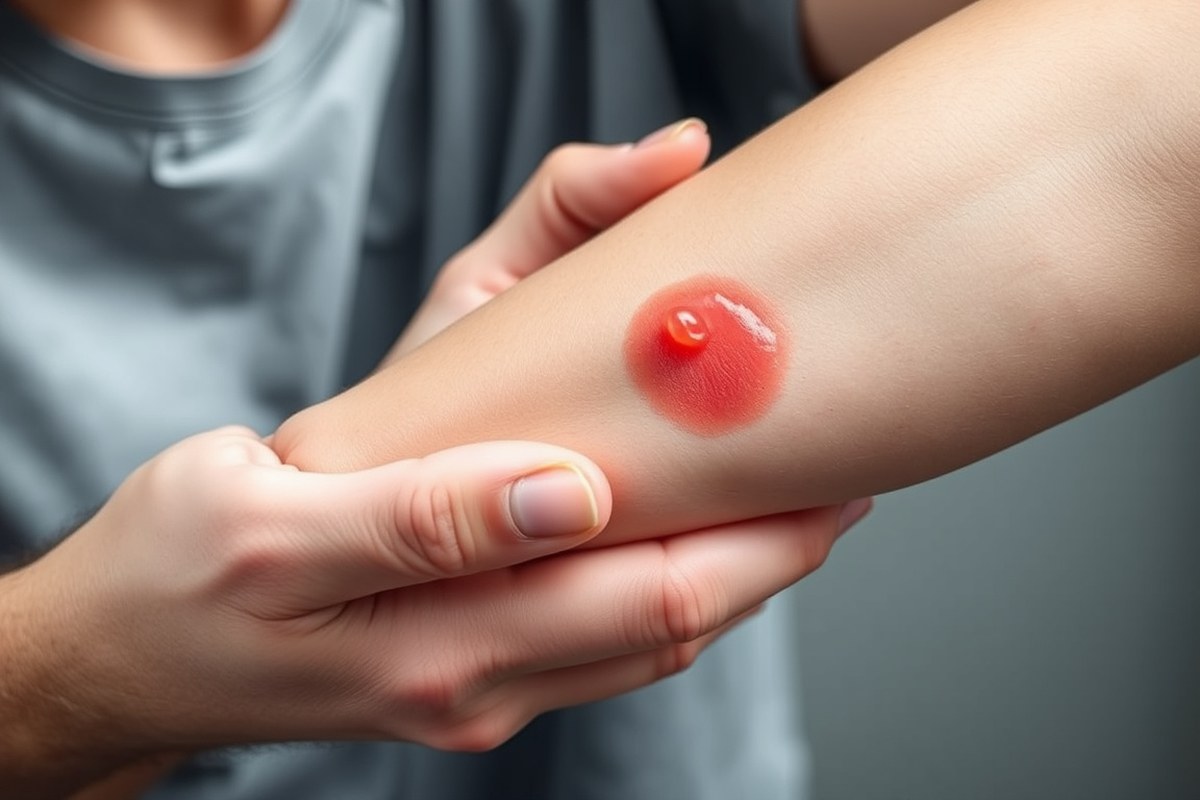
How to Get Rid of a Boil: Safe Home Treatments and When to See a Doctor
To get rid of a boil safely, regularly apply warm compresses for 15 to 20 minutes, three to four times a day, to help it drain and heal faster. Avoid squeezing or popping the boil yourself to prevent spreading infection. If the boil lasts more than two weeks, becomes very painful, or shows signs of worsening, see a doctor for possible medical treatment or a small drainage procedure.
This information is for anyone dealing with painful or persistent boils. You will learn how to identify, treat, and help a boil drain safely at home, plus when to stop home care and seek medical help. You’ll also find tips to prevent boils and handle repeated infections. This approach keeps your skin safe and supports faster healing.
Key Takeaways
- Apply a warm compress to the boil for 10-20 minutes, three to four times daily, to encourage drainage and reduce pain.
- Do not try to squeeze or pop the boil to avoid spreading infection and prolonging healing time.
- If a boil lasts longer than one week or grows larger than 2 inches, seek medical evaluation promptly.
- After a boil opens, expect pus drainage for 3 to 4 days and continue applying warm compresses to support healing.
- Stop home treatment and contact a doctor if the boil has not improved after two weeks or symptoms worsen.
- Use antibacterial nasal ointment as directed for 5-7 days when recommended to reduce bacterial colonization and prevent recurrence.
What Is a Boil and How Does It Form?
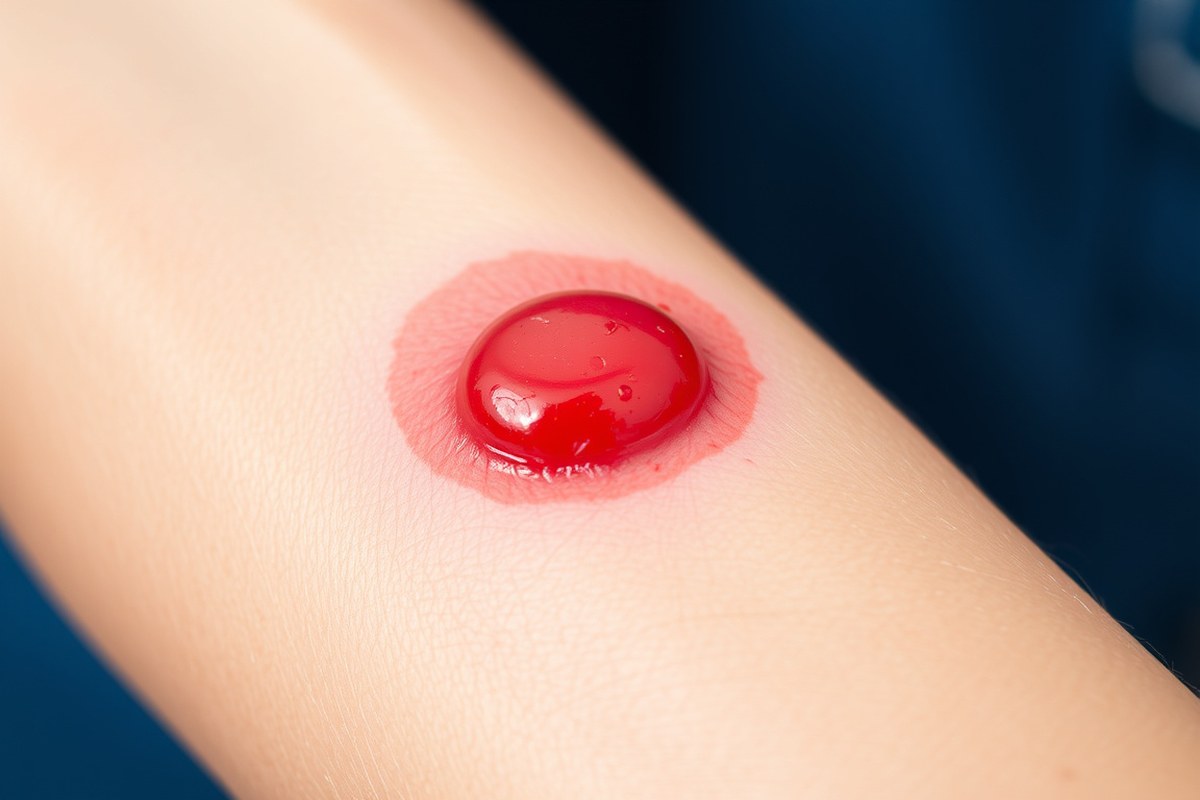
A boil is a painful, pus-filled bump that forms under the surface of your skin due to a bacterial infection in a hair follicle. This infection triggers your body’s immune response, causing redness, swelling, and pain. The skin over the boil eventually forms a large pimple or tender lump, often less than half an inch (12 mm) across for early stages. Over time, the center of the boil may soften and fill with pus, signaling that it might be ready to drain. If several boils cluster together, this condition is called a carbuncle and indicates a more severe infection spreading beneath the skin.
Boils differ significantly from acne, cysts, and abscesses, even though these conditions might appear similar at first glance. Acne usually develops when oil, dead skin cells, and inflammation block pores, causing whiteheads or blackheads, and sometimes inflamed bumps. Acne lesions are typically superficial and not caused by deep bacterial infection like boils. Cysts are non-infectious sacs filled with fluid or semi-solid material that form beneath the skin; they do not contain pus from infection and are generally not painful unless inflamed or infected. Large boils, in medical terms, are skin abscesses, but not all abscesses start as boils. Abscesses can develop anywhere in the body from a localized collection of pus following an infection but are not necessarily related to hair follicles.
The formation of a boil begins when bacteria, commonly Staphylococcus aureus, enter a hair follicle through a small cut or break in the skin. The surrounding tissue becomes inflamed as white blood cells move to fight the infection, locking the bacteria in a pocket of pus. You can recognize an early boil by a tender, red lump that develops over a few days, swelling and becoming increasingly painful. The skin around it may feel warm, and the pus under the surface may be yellow or white. This process explains why boils are much more painful and raised than typical pimples or cysts.
Boils often develop in warm, sweaty areas of the body like the neck, face, armpits, and thighs where hair follicles are more exposed to irritation and bacteria. Protecting your skin’s barrier by maintaining good hygiene and treating minor cuts and scrapes quickly can reduce the chances of a boil forming. Unlike acne treatment, boils require careful care to avoid spreading infection. Draining a boil too early or by an untrained person can lead to complications like spreading bacteria or forming carbuncles. For these reasons, understanding the difference between boils and similar skin conditions helps you choose the right treatment and when to seek medical help.
Common Causes and Risk Factors for Boils
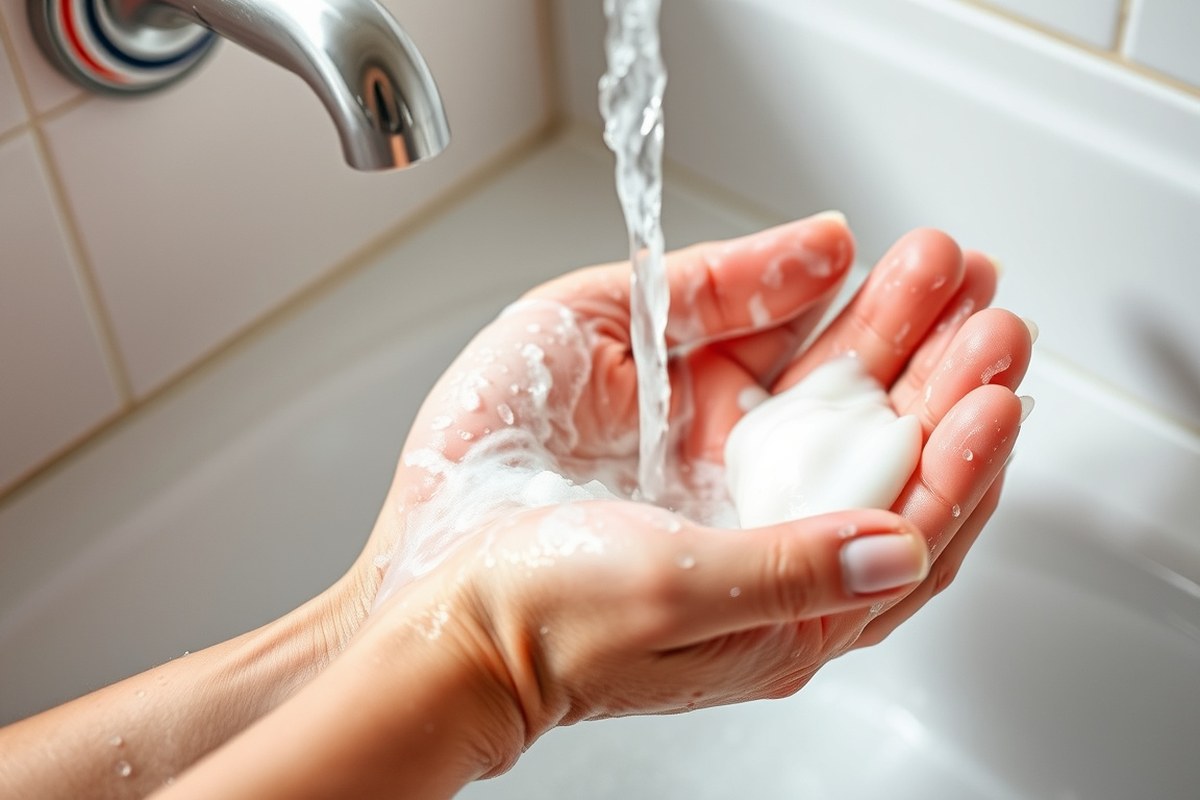
Boils develop when bacteria, most often Staphylococcus aureus, infect hair follicles or oil glands on the skin. These bacteria usually live harmlessly on your skin surface but can enter through small cuts, irritation, or damaged follicles, causing an infection that leads to a painful, pus-filled bump. Factors like poor hygiene can increase bacterial presence, but boils are not solely caused by cleanliness. Skin irritation from tight clothes or shaving can create entry points, raising the risk of boil formation. If you have obesity, the chances rise further because of compromised immune function, poor circulation, and skin folds that trap moisture and bacteria.
Your immune system plays a key role in preventing boils. People with weakened immunity, such as those with diabetes, HIV/AIDS, or undergoing chemotherapy, face a higher risk of developing boils. Diabetes not only weakens your ability to fight infections but also slows healing, which means you should contact a doctor even if you notice a small boil. Some underlying health conditions affect your body’s ability to fight off bacterial infections, making boils more likely and sometimes more severe.
Boils can be contagious, especially through close contact with someone who carries the Staphylococcus bacteria. They spread via skin-to-skin contact or sharing personal items like towels. Avoiding contact with infected areas and keeping your hands clean helps reduce transmission. Boils are a sign of a localized infection, but occasionally they may mark a more serious systemic infection, which is why monitoring for fever, unusual fatigue, or larger clusters of boils is important.
Diet does not directly cause boils, but poor nutrition can weaken your immune system, decreasing your body’s ability to fend off infections. Eating a balanced diet rich in vitamins and minerals supports immune health and skin repair. Hydration and avoiding excessive sugar intake can also contribute to better skin health, lowering the risk of boils reappearing.
Never try to squeeze or pop a boil yourself; this can spread bacteria deeper into your skin or to others, increasing the risk of serious infections.
How to Identify and Track Boil Progression and Healing
Boils typically progress through several stages over a period of one to three weeks. They start as a tender, red bump that gradually becomes filled with pus, potentially growing up to 2 inches in diameter. Over the course of 5 to 7 days, the boil may form a white or yellow tip as it starts to open and drain. This drainage is a sign that the boil is healing. Applying a warm compress for 15 to 20 minutes, three to four times a day can promote this natural drainage and reduce discomfort.
Generally, small boils heal on their own in 2 to 3 weeks, although the initial tender stage can last from 2 days to a week before drainage begins. Boils need to fully open and drain to resolve properly. When a boil does not heal within two weeks or seems to worsen, it is important to see a doctor for further evaluation. Symptoms indicating that a boil might be getting worse include increasing redness beyond the boil area, swelling, fever, or the development of multiple boils or carbuncles.
| Boil Development Stage | Typical Timeline | What to Do |
|---|---|---|
| Initial Bump and Redness | 1 to 3 days | Apply warm compresses 15-20 minutes, 3-4 times daily |
| Growth and Pus Formation | 4 to 7 days | Continue warm compresses; protect skin, avoid squeezing |
| Opening and Draining | Up to 1 week | Allow pus to drain naturally; maintain hygiene; use antibiotic cream if advised |
| Healing and Skin Repair | 1 to 3 weeks | Keep area clean and dry; watch for signs of infection |
| Non-healing or Worsening | More than 2 weeks | See a healthcare professional for evaluation |
Monitoring a boil’s development means observing shifts in its dimensions, soreness, color, and any fluid discharge. Regularly clean the affected area and cover it, while applying warm, moist compresses multiple times daily to encourage recovery. Do not squeeze the boil as it can cause the infection to spread. Applying antibacterial treatments such as castor oil, neem oil, or an antibiotic cream overnight might help lower bacterial presence and speed recovery. Promptly consult a healthcare professional if redness extends, or you experience fever, chills, or multiple boils to prevent further issues.
Safe Home Treatments: Applying Warm Compresses and Pain Relief
The safest and most effective home treatment to help get rid of a boil is applying warm compresses regularly. This encourages the boil to drain naturally and eases pain. Proper application involves using a clean, warm cloth pressed gently on the boil multiple times a day for about 10 to 15 minutes each time.
Preparing a Warm Compress Safely
Preparing a warm compress correctly is essential to avoid burns and infection. Use clean materials, such as a fresh washcloth or small towel, to prevent introducing bacteria to the boil. Water temperature should be warm but not hot, ideally around 100°F to 110°F (38°C to 43°C), so it feels comfortable on the skin but does not cause irritation. Follow these steps to prepare a warm compress for your boil:
- Heat clean water until warm but not scalding. You can use tap water adjusted to hand-hot or warm slightly in a microwave for 20-30 seconds.
- Soak a clean washcloth or small towel in the warm water, then wring out excess water so it’s damp, not dripping.
- Fold the cloth to a size that fully covers the boil with some overlap around the edges.
- Ensure your hands are clean before handling the cloth to avoid spreading bacteria.
- Hold the compress gently but firmly against the boil, avoiding any pressure that causes pain or skin damage.
How Long and How Often to Apply It
Applying the warm compress regularly helps increase blood flow to the area, promoting natural drainage and easing discomfort. Keep each warm compress on the boil for about 10 to 15 minutes. You should repeat this process about three to four times a day for the best results.
Continue using warm compresses until the boil starts to drain and heal, which usually takes a few days. Even after the boil opens, you can keep applying heat for up to 3 days to help clear any remaining pus and speed up healing.
Pay attention to the boil’s progress during treatment. If it grows rapidly, becomes very painful, or the surrounding skin becomes bright red or shows red streaks, stop home treatment and seek medical care.
Pain Relief Options and Safe Use
Pain from a boil can be managed safely at home using over-the-counter medications like acetaminophen (Tylenol) or ibuprofen (Advil, Motrin). These can reduce pain and inflammation, making it easier to tolerate the compress treatments.
Follow dosing instructions on the medication packaging carefully. Avoid using pain relievers if you have allergies, certain medical conditions, or are taking other medications that might interact without first consulting your doctor or pharmacist.
Avoid applying any topical creams or ointments unless specifically recommended by a healthcare professional. Keeping the skin clean and using warm compresses remain the best home strategies for pain relief combined with these medications.
How to Help a Boil Drain Safely Without Spreading Infection
It’s best not to pop or squeeze a boil yourself since this can spread infection and make things worse. You can support natural drainage by gently applying warm compresses and keeping the area clean. Let the boil open on its own or seek medical help if it does not improve.
When and How to Help Drainage Safely
Attempting to drain a boil yourself is not recommended because squeezing or piercing the skin can push bacteria deeper, causing the infection to spread. Instead, encourage the boil to drain by applying a clean warm compress for about 10 to 15 minutes three to four times daily. The heat increases blood flow and softens the boil, promoting natural drainage.
Only consider gentle assistance if a boil has developed a visible head and is naturally beginning to drain. Use sterile materials like a clean cotton swab or gauze, and never use sharp objects. Should the boil remain painful, grow larger, or fail to drain after several days, visit a healthcare provider for proper treatment, which may include a professional incision and drainage.
- Wash your hands thoroughly with soap and water for at least 20 seconds.
- Apply a warm compress (use a clean cloth soaked in warm water at about 104°F to 113°F) to the boil for 10 to 15 minutes.
- Repeat the warm compress 3 to 4 times daily to help the boil come to a head naturally.
- Avoid squeezing or attempting to pop the boil yourself.
- When drainage occurs, gently clean the area with mild soap and water.
- Cover the drained boil with sterile gauze or a bandage to absorb pus and protect the skin.
- Change dressings daily or whenever they become wet or dirty.
- Seek medical care if the boil worsens, spreads, or shows signs of deeper infection.
Never try to squeeze or pierce a boil yourself; doing so increases the risk of spreading the infection and may cause larger skin problems.
Hygiene Practices to Prevent Contamination
Maintaining strict hygiene limits the spread of bacteria from the boil to other parts of your body or to others. Avoid touching the boil unless cleaning or applying treatment, and wash your hands immediately afterward. Use separate towels, clothing, and bedding when possible, and launder these items in hot water to kill bacteria.
Keep the affected area clean and dry. Avoid using harsh or scented soaps which can irritate the skin. Should you notice redness or swelling spreading, do not delay contacting a healthcare professional as this might indicate the infection is worsening.
Aftercare to Promote Healing and Prevent Spread
Once a boil drains, continued care is needed to support healing and avoid spreading the infection. Clean the area with mild soap and warm water daily, and apply an antibiotic ointment if recommended by your healthcare provider. Keep the wound covered with a clean, dry bandage until it fully heals.
Dispose of used dressings carefully, washing your hands afterward to prevent contaminating surfaces or other people. Avoid sharing personal items like towels or razors during the healing process. Watch for symptoms like increasing pain, fever, or new boils, and seek medical advice if any appear.
When to Stop Home Care and See a Doctor
Stop home treatments and see a doctor if your boil shows any signs of worsening or does not improve after about one week of proper care. A boil that remains painful, increases in size, or continues to drain pus without healing needs medical evaluation. Boils larger than 2 inches (5 cm) across can be severe and should prompt timely medical attention. A boil lasting longer than two weeks or repeatedly returning also requires a doctor’s assessment to rule out underlying infection or other complications.
Watch for symptoms that suggest the infection is spreading or becoming more serious. These include fever, red streaks extending from the boil toward your heart, increased swelling beyond the boil area, or new boils appearing nearby. Experiencing chills, feeling generally unwell, or developing swelling in your lymph nodes near the affected area signals that the infection might be systemic, which needs urgent care.
Some groups face higher risks and should seek medical care sooner. Infants younger than one year, especially newborns, and people with diabetes, weakened immune systems, or other chronic illnesses should not delay consulting a healthcare professional when a boil develops. A healthcare provider can perform appropriate drainage, prescribe antibiotics, or offer additional treatments your body may need to heal safely.
- Boil larger than 2 inches (5 cm) in diameter
- Boil lasting longer than 1 to 2 weeks without healing
- Increased redness, swelling, or pain spreading from the boil
- Fever, chills, or feeling generally unwell
- Red streaks extending from the boil toward the heart
- New boils appearing nearby or multiple boils forming
- Age under 1 year or having diabetes or immune system problems
Use this checklist to decide whether to keep managing the boil at home or see a doctor. Keep track of the boil’s size, how long it has lasted, and symptoms around it. Home care typically costs little and involves warm compresses and keeping the area clean, but you should not wait beyond 7 to 10 days if there is no improvement. Medical visits can vary in cost depending on location and insurance but usually lead to faster healing and lower risk of complications through professional drainage or antibiotics when necessary.
Medical Treatments and Risks of Improper Boil Care
A healthcare professional may provide specific treatments to address a boil, especially if it is large, painful, or not healing properly on its own. One common medical procedure is incision and drainage. During this treatment, the doctor makes a small cut in the boil using sterile equipment to open it. This allows the pus to drain out completely, which helps reduce pain and speeds up healing. Sterile gauze is then used to absorb the pus and keep the area clean. This procedure is usually done in a medical setting to prevent further infection and ensure proper wound care afterward.
In addition to drainage, doctors might prescribe antibiotics to treat the bacterial infection causing the boil. Antibiotics can come in topical form, applied directly to the skin, or oral form, taken by mouth depending on the severity of the infection. Prescribed antibiotics help destroy the bacteria inside the boil and can prevent the infection from spreading to other parts of the body. It’s important to take the full course of antibiotics exactly as directed, even if the boil starts to improve before finishing the medication.
Failing to treat a boil properly, especially through improper popping or squeezing at home, can lead to serious complications. Popping a boil on your own increases the risk of pushing the infection deeper into the skin or spreading bacteria to nearby areas, potentially causing new boils or cellulitis, a more widespread skin infection. It can also lead to scarring or a longer healing time. Improper handling might increase the chance of developing abscesses, which are larger collections of pus that usually require professional drainage.
If a boil does not improve or worsens within one to two days after starting antibiotic treatment, it is important to contact a doctor again. A non-responsive boil might require additional medical intervention or a change in treatment. Leaving a boil untreated can result in serious health risks like blood infections, especially in people with weakened immune systems or those who have underlying conditions such as diabetes. For this reason, medical evaluation is important not only to perform drainage safely but also to ensure that the infection is controlled effectively with the right medication.
Proper medical care usually leads to quicker relief and reduces the risk of complications. Incision and drainage performed by a healthcare professional is typically a brief procedure that significantly improves symptoms. Following the doctor’s instructions for wound care and finishing all prescribed antibiotics supports healing and helps prevent a recurrence. Avoid attempting to treat large or persistent boils on your own to minimize risks and get proper care that addresses the infection safely.
How to Prevent Boils and Manage Recurrent Infections
Preventing boils and managing recurrent infections focuses on maintaining clean skin, addressing underlying health issues like diabetes, and adopting lifestyle habits that reduce skin irritation and bacterial growth. No method guarantees complete prevention, but these steps lower your risk and help control outbreaks.
Hygiene and Skincare Habits
Consistent and thorough hygiene practices reduce the chance of boils by limiting bacterial buildup. Wash affected or prone areas daily with antibacterial soap, then gently pat dry to keep skin clean without causing irritation. Avoid sharing towels, clothing, or bedding, which can spread infection.
Applying antibacterial nasal ointment for 5 to 7 days may be recommended to reduce bacteria in the nose, a common bacterial reservoir. Choose loose-fitting, breathable clothing to reduce sweating and friction, particularly in skin folds, which are frequent sites of boil development.
Lifestyle and Diet Considerations
Maintaining a healthy weight can reduce skin folds where bacteria thrive. Being overweight increases the risk of boils because skin folds trap moisture and bacteria. Losing excess weight decreases this environment and helps prevent recurrent infections.
Eating an anti-inflammatory diet that supports immune health may also assist with prevention. Foods rich in antioxidants and vitamins can boost skin healing, while avoiding excessive sugar intake helps if you have or are at risk for diabetes, as high blood sugar impairs infection-fighting ability.
Special Precautions for Children and Diabetics
Children with boils require careful hygiene and sometimes medical assessment to avoid spreading infections. Proper skin care routines combined with monitoring can help prevent recurring boils and scarring.
People with diabetes or immunodeficiencies must pay special attention to blood sugar control and consult a healthcare provider if boils are recurrent or severe. Chronic conditions like hidradenitis suppurativa cause repeated boils in skin folds and may require specialist treatment.
Boils can affect different body areas with varying risks, and prevention strategies can change depending on location. The table below compares common sites, risk factors, and targeted tips for prevention.
| Boil Location | Risk Factors | Prevention Tips |
|---|---|---|
| Skin folds (armpits, groin) | Moisture, friction, obesity | Keep these areas dry, wear breathable clothes, manage weight |
| Face and neck | Oil gland clogging, poor hygiene | Wash face daily with antibacterial products, avoid picking skin |
| Nostrils | Bacterial colonization inside nose | Use antibacterial nasal ointment as directed for short periods |
| Pubic area | Skin friction, sweating | Practice hygiene, wear loose underwear, avoid shaving irritation |
Consistent application of targeted prevention measures reduces boil recurrence by limiting bacterial exposure and skin irritation at vulnerable sites. Watch for early signs and maintain skin health to prevent escalation.
Do not squeeze or pick at boils, especially in sensitive or skin-fold areas, as this can spread infection and worsen the condition.
Step-by-Step Action Plan for Managing a Boil
Follow these steps to identify, treat, and prevent a boil safely at home while knowing when to seek medical care.
- At First Sign: Gently apply a warm compress to the boil for 10 to 15 minutes, three to four times a day. You’ll know it’s working when the boil softens and the pain lessens.
- Day 2 to Day 5: Continue warm compresses and keep the area clean using mild soap and water. Watch for the boil to form a yellow or white tip, indicating it’s ready to drain naturally.
- When Draining Starts: Let the boil drain on its own; do not squeeze or pop it. Use sterile gauze to absorb fluid and change dressings frequently to prevent infection. Healing is progressing if redness and swelling decrease after drainage.
- Ongoing Care: Take over-the-counter pain relievers as needed for discomfort, following label directions. Check daily for increasing redness, swelling, or fever, which signal complications.
- If No Improvement by Day 7 or Symptoms Worsen: Schedule a visit with your healthcare provider. Medical treatment may include antibiotics or professional drainage to avoid spread or deeper infection.
- After Healing: Practice good hygiene by washing hands often and keeping skin clean. Avoid sharing towels or clothing to reduce the risk of new boils.
- For Recurrent Boils: Consult your doctor to discuss further prevention strategies and possible underlying conditions.
Frequently Asked Questions
What Causes Boils to Develop on the Skin?
Boils usually form when bacteria infect and inflame a hair follicle or oil gland. This infection causes a painful, pus-filled lump that grows as your body fights the bacteria.
Do Poor Hygiene Habits Cause Boils?
Boils are not directly caused by poor hygiene but by bacterial infection. Keeping skin clean helps reduce risk, but boils can happen even with good hygiene.
Can a Boil Clear Up Without Treatment?
Yes, some boils heal on their own as your immune system fights the infection. Applying warm compresses speeds healing by improving circulation to the area.
How Do You Safely Draw Out a Boil at Home?
Use a warm compress for 15-20 minutes several times a day to soften the skin and encourage drainage. Avoid squeezing to prevent spreading infection.
Is It Normal for Boils to Leave Scars After Healing?
Boils can leave scars, especially if they were large or repeatedly irritated. Keeping the area clean and using gentle skin care reduces scarring risk.
Can Boils Be Contagious to Others?
Boils can spread bacteria through direct contact or shared items. Avoid touching and sharing towels or clothing to prevent spreading the infection.
Before You Go
Getting rid of a boil safely involves careful attention to hygiene, applying warm compresses to encourage drainage, and avoiding squeezing to prevent infection spread. Watch your boil closely, and if it worsens or doesn’t improve in a week, seek medical advice. Today, you can start by setting a reminder to apply a warm compress for 10 to 15 minutes, three to four times daily, which helps reduce pain and speeds healing.





5 Comments