

How to Get Rid of Inflammation: 8 Proven Strategies That Work Fast
Getting rid of inflammation involves a mix of dietary changes, regular moderate exercise, stress management, and good sleep habits. You can reduce inflammation safely by avoiding certain foods, adding anti-inflammatory supplements, and making lifestyle adjustments that support your body’s natural healing process. These strategies work quickly and effectively when used together.
This is for anyone experiencing inflammation symptoms, dealing with chronic inflammatory conditions, or wanting to improve overall wellness. You’ll learn which foods and exercises lower inflammation, how stress and sleep impact it, the role of supplements, and how to maintain long-term improvements.
Key Takeaways
- Switch to an anti-inflammatory diet to reduce key inflammation markers like C-reactive protein by up to 40% within one week.
- Aim for 20 to 30 minutes of moderate exercise most days, focusing on low-impact activities and resistance training to lower inflammation effectively.
- Practice mindfulness meditation daily, even just 10 minutes, to reduce stress and help decrease inflammation levels.
- Improve sleep hygiene by establishing consistent routines and prioritizing quality sleep to support inflammation reduction.
- Limit smoking and alcohol intake while supporting gut health to prevent inflammation triggers and promote healing.
- Consider safe supplements proven to reduce inflammation but always follow label directions and consult a healthcare professional.
1. What Is Inflammation and How Does It Affect Your Body?
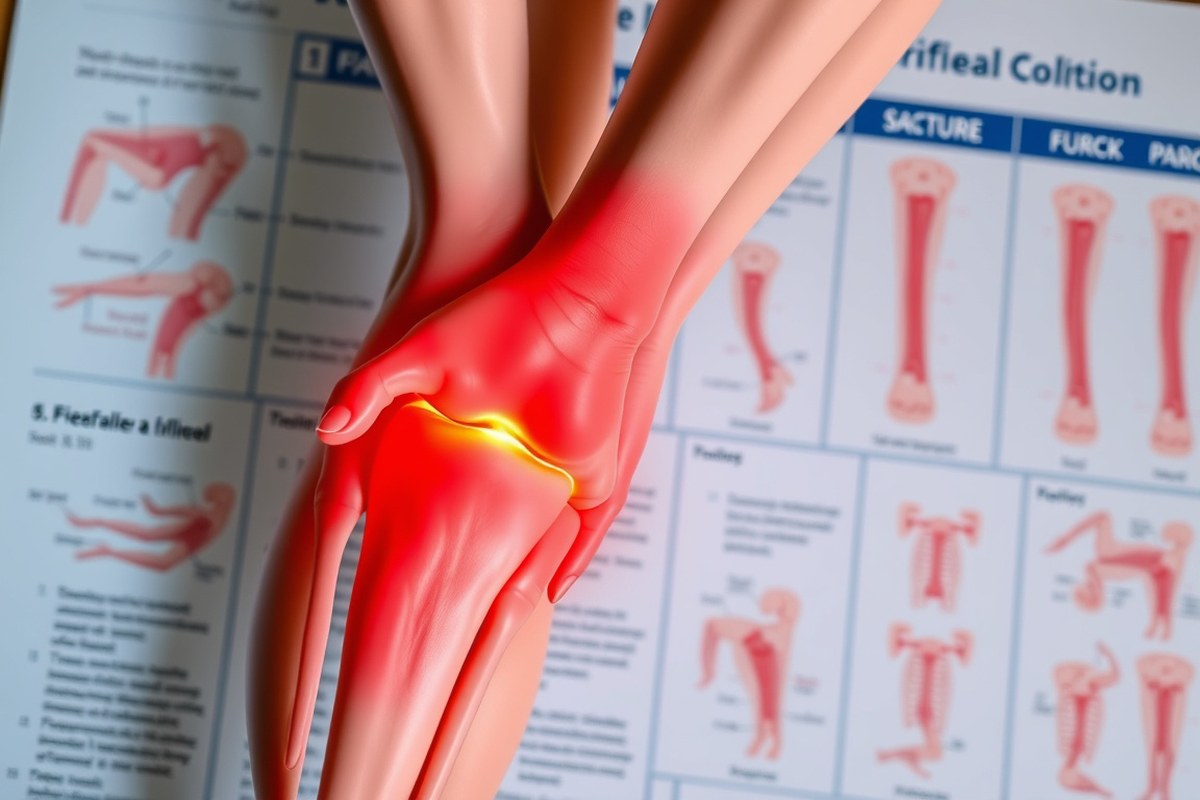
Inflammation is your body’s natural response to injury, infection, or harmful stimuli. It involves immune cells, blood vessels, and molecular mediators working together to protect and repair the body. This process typically results in redness, swelling, heat, and pain at the affected area. While inflammation is essential for healing, it can become problematic when it persists longer than necessary.
There are two main types of inflammation: acute and chronic. Acute inflammation is short-term, usually lasting a few days to a few weeks. It helps your body fight infections and repair damaged tissues efficiently. For example, if you get a cut or an insect bite, the redness and swelling you notice are signs of acute inflammation working to heal the injury.
Chronic inflammation occurs when inflammation persists at a low level over months or years. This type of inflammation doesn’t produce obvious symptoms like acute inflammation but can slowly damage tissues and organs. It is linked to several health problems, such as rheumatoid arthritis, heart disease, and some autoimmune conditions. In chronic cases, your immune system may mistakenly attack healthy tissues, keeping the inflammatory process active without real injury or infection.
Understanding the difference between acute and chronic inflammation matters because they require different approaches for management. Acute inflammation often resolves on its own once the underlying cause is addressed. You can support healing by resting the affected area, applying ice, or taking anti-inflammatory medications as directed by a healthcare provider.
Chronic inflammation, however, needs ongoing attention to reduce its harmful effects on overall health. It contributes to decreased heart function, joint pain, and can affect organs throughout your body. Addressing chronic inflammation often involves lifestyle changes, like improving your diet, increasing regular physical activity, managing stress, and ensuring adequate sleep quality. Each of these supports your body’s ability to lower persistent inflammation safely over time.
Since inflammation is a natural part of your body’s defense, eliminating it entirely isn’t possible or desirable. Instead, the goal should be to keep inflammation balanced and to prevent it from becoming chronic. Monitoring your health with regular checkups can help catch signs of excessive inflammation early. Steps like eating more anti-inflammatory foods, avoiding tobacco, and managing stress also contribute to regulating your body’s inflammatory response and protecting long-term health.
2. Which Foods Help Reduce Inflammation and Which Should You Avoid?
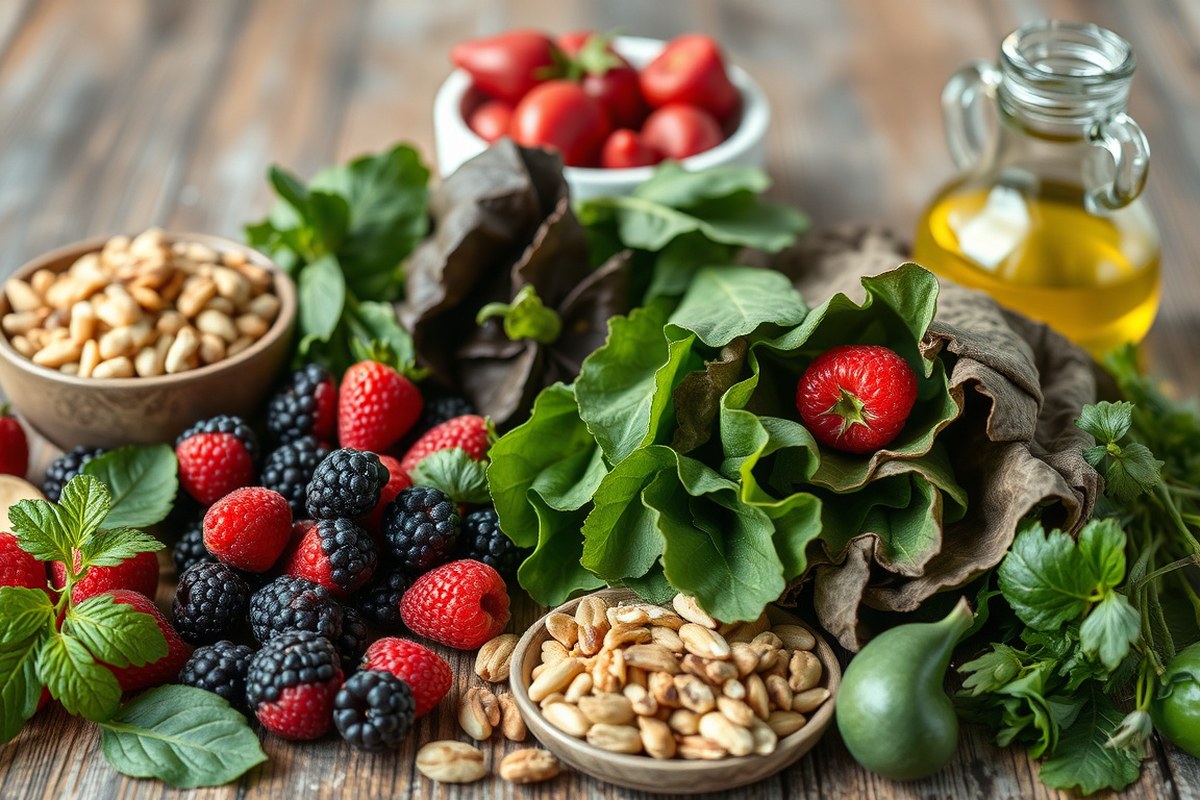
Eating specific foods regularly can reduce chronic inflammation, helping lower the risk of diseases like diabetes, heart conditions, and certain cancers. Focus on plant-based foods that are rich in antioxidants, polyphenols, and fiber, plus healthy fats such as omega-3s. Replacing sugary drinks, highly processed foods, and refined carbohydrates with whole foods reduces triggers of inflammation. Aim for diverse intake of at least 30 different plant foods per week to support gut health, which plays a key role in immune and inflammatory responses.
Frequency and serving sizes depend on the food type, but a general recommendation is to include fruits and vegetables in most meals, about 3 to 5 servings daily. Whole grains and legumes should appear several times weekly, while fatty fish rich in omega-3s (like salmon or mackerel) are best eaten at least twice a week. Healthy fats such as olive oil can be used daily in place of less healthy fats. Avoid foods high in added sugars, trans fats, excessive red and processed meats, and refined grains as often as possible, ideally limiting them to rare treats.
| Food Category | Examples | Recommended Serving Size | Frequency |
|---|---|---|---|
| Fruits & Vegetables | Leafy greens, berries, cherries, broccoli, tomatoes | 1 cup (raw), ½ cup (cooked) | 3, 5 servings daily |
| Whole Grains | Oats, brown rice, quinoa, whole wheat | ½ cup cooked | Daily or several times per week |
| Legumes & Beans | Lentils, chickpeas, black beans | ½ cup cooked | 3, 4 times per week |
| Fatty Fish | Salmon, sardines, mackerel | 3, 4 ounces cooked | At least 2 times per week |
| Healthy Fats | Extra virgin olive oil, nuts, seeds | 1 tablespoon oil, ¼ cup nuts | Daily |
| Inflammatory Foods to Avoid | Sugary drinks, highly processed snacks, refined grains, excessive red & processed meat | As little as possible | Rarely or never |
Adjust anti-inflammatory diets to accommodate allergies or special diets by substituting suitable alternatives. For example, use gluten-free whole grains like quinoa for those with gluten intolerance. Plant-based sources of omega-3 such as flaxseeds or walnuts can replace fish for vegans or those allergic to seafood. Simply focusing on the variety and quality of whole foods within allowed restrictions supports inflammation control effectively.
Consuming a wide range of plant foods each week supports gut bacteria that produce compounds directly linked to reduced inflammation.
3. How Much and What Type of Exercise Is Best for Lowering Inflammation?
To lower inflammation effectively, aim for about 30 minutes of moderate exercise most days of the week. Choosing low-impact or moderate activities like walking, swimming, or yoga helps reduce inflammation without overloading your body. Short bouts under 20 minutes can also be beneficial, especially when you’re just starting exercise or managing higher inflammation levels.
Recommended Exercise Duration and Frequency
Health authorities recommend at least 150 minutes of moderate aerobic exercise weekly, which breaks down to roughly 30 minutes on five days. This amount helps regulate the immune system and reduce chronic inflammation associated with many diseases. For intense workouts, 75 minutes a week of vigorous exercise serves as an alternative, but high-impact or very intense activities may increase inflammation if your body isn’t ready.
Short sessions of exercise, even 10 to 20 minutes, deliver anti-inflammatory benefits when done consistently. These shorter bouts work well when inflammation is severe, or you’re easing into a fitness habit. The key is regularity; spreading physical activity throughout the week promotes better inflammation control than infrequent, intense exercise.
Exercise Types Suited for Different Inflammation Levels
Low-impact activities are best for higher inflammation levels because they support movement without excess joint or tissue stress. For example, brisk walking, swimming, cycling, and yoga all lower inflammation while protecting your body.
When inflammation is mild or well-managed, adding strength training to your routine can help by reducing body fat and improving muscle support. Avoid high-impact exercise like running on hard surfaces during flare-ups, as this might worsen inflammation or cause injury. Mindfulness-based exercises, such as yoga or Tai Chi, are additional options that combine gentle movement with stress reduction, contributing to inflammation control by lowering stress hormones.
Tips for Avoiding Exercise-Related Inflammation Flare-Ups
Preventing extra inflammation from exercise comes down to respecting your body’s limits and progressing gradually. Overdoing it can lead to injury and prolonged inflammation, so listen to signals like pain or excessive fatigue. Here’s how to approach your exercise plan safely:
- Start with low-impact, moderate activities if inflammation is high
- Increase duration or intensity slowly, by about 10% per week
- Include rest days to allow your body to recover
- Incorporate stretching and mobility exercises to maintain flexibility
- Stay hydrated and maintain balanced nutrition to support recovery
- Use mindfulness or breathing techniques to reduce stress around workouts
- Consult a healthcare provider if pain or swelling worsens after exercise
Applying a decision rule based on your inflammation severity can guide your exercise choices: when pain or swelling intensifies during or after activity, switch to gentler movements or shorten sessions. Feeling well allows you to gradually increase exercise duration toward the recommended 30 minutes per day most days to build anti-inflammatory benefits safely.
4. How Does Stress Influence Inflammation and How Can You Manage It?
Stress directly influences inflammation by activating your body’s immune response, setting off a chain reaction that raises inflammatory markers in the blood. Managing stress effectively can lower these markers, reducing chronic inflammation and improving overall health. Mindfulness and meditation offer practical, low-cost methods to calm your body’s stress response and help control inflammation.
How Stress Triggers Inflammation Biologically
When you experience chronic stress, your sympathetic nervous system, known for triggering the fight-or-flight response, remains activated. This persistent activation promotes the release of stress hormones such as cortisol and adrenaline. Over time, this leads to the activation of a protein complex called NF-kB, which acts like a switch to turn on genes responsible for producing inflammatory chemicals.
This biological reaction means your body is constantly in a heightened state of inflammation, which has been linked to higher levels of C-reactive protein (CRP) and interleukin-6, two key markers used to measure systemic inflammation. Stress can also disrupt your sleep and appetite, further worsening inflammation by affecting your body’s natural ability to regulate immune responses.
Simple Mindfulness Exercises for Beginners
Mindfulness focuses on paying attention to the present moment without judgment, which helps reduce the biological signs of stress that cause inflammation. Practicing mindfulness requires no special equipment and can be done almost anywhere, making it accessible and easy to incorporate into daily life. Here are steps for a beginner-friendly mindfulness breathing exercise that can help calm your nervous system and lower inflammatory markers:
- Find a quiet, comfortable place to sit or lie down.
- Close your eyes and take a slow, deep breath through your nose, counting to four.
- Hold your breath for a count of four.
- Exhale slowly through your mouth for a count of six.
- Repeat this breathing cycle for five to ten minutes, focusing your attention on the sensations of your breath.
- When your mind wanders, gently bring your focus back to your breath without judgment.
Regular practice for at least five minutes a day can lower stress hormones and inflammatory chemicals. You can increase the duration as you become more comfortable.
Short Meditation Script to Lower Inflammation Markers
This meditation script combines deep breathing with visualization, which has been shown to reduce stress and the corresponding inflammatory response in the body. It takes roughly 7 to 10 minutes and is suitable for most situations, including at home or during a break at work.
- Sit comfortably with your back straight and shoulders relaxed. Close your eyes.
- Take three slow, deep breaths, inhaling through your nose and exhaling through your mouth.
- Shift your attention to your breathing, noticing the rise and fall of your chest or abdomen.
- Visualize a warm, soothing light starting at the top of your head and slowly moving down your body, relaxing each muscle group as it passes.
- As you visualize, silently say to yourself, “I am calm, I am safe, I am letting go of stress.”
- If your mind wanders, gently guide it back to your breath and the visualization.
- After a few minutes, deepen your breath, wiggle your fingers and toes, and slowly open your eyes.
Practicing this meditation daily can reduce inflammatory markers, aid in better sleep, and help balance your immune response. Avoid forcing relaxation; this mediation works best with gentle persistence over time rather than immediate results.
5. Why Sleep Matters for Inflammation and How to Improve Your Sleep Hygiene
Sleep plays a major role in managing inflammation. Poor or insufficient sleep disrupts the balance of gut bacteria, which in turn can promote inflammation throughout your body. Chronic lack of restful sleep also increases inflammatory markers in the blood and raises stress hormones like cortisol, which worsen inflammation. Most adults need about 7 to 9 hours of quality sleep nightly to support immune health and dampen inflammatory processes.
Improving your sleep hygiene directly impacts your body’s ability to control inflammation. Start by keeping a consistent bedtime and wake time, even on weekends, to regulate your internal clock. Create a sleep environment free of noise, light, and electronic screens; darkness triggers melatonin production, which helps reduce inflammation. Aim for a bedroom temperature between 60 and 67 degrees Fahrenheit to encourage restorative sleep. Going to bed at the same time every night also helps you fall asleep faster and stay asleep longer, which are both critical for lowering inflammation.
Certain habits throughout your day also influence how well you sleep and how inflammation reacts. Avoid caffeine after 2 p.m. And limit alcohol since it can fragment sleep and raise inflammation. Light exercise during the day can promote deeper sleep, but intense workouts late at night may interfere with it. A brief wind-down routine before bed, such as reading or gentle stretching, engages your parasympathetic nervous system and lowers stress hormones linked to inflammation.
For those experiencing difficulty falling asleep, incorporating relaxation techniques like deep breathing or progressive muscle relaxation can ease tension and reduce inflammatory effects tied to poor sleep. Taking supplements such as vitamins A, C, or D might support immunity and inflammation control, but you should discuss these with a healthcare provider before starting. If sleep disruptions are severe or persistent, professional evaluation may uncover specific conditions like sleep apnea that contribute to inflammation.
Consistently going to bed and waking up at the same time every day, including weekends, is one of the simplest and most effective ways to reduce inflammation related to poor sleep.
6. Which Supplements Are Proven to Help Reduce Inflammation Safely?
Supplements can play a helpful role in reducing inflammation safely, especially when dietary intake is insufficient or when inflammation symptoms persist despite lifestyle changes. Omega-3 fatty acids are among the most reliably proven supplements for lowering inflammation. Found naturally in fatty fish such as salmon, sardines, and mackerel, omega-3s reduce key pro-inflammatory markers like TNF-alpha, CRP, and IL-6. For those who do not consume enough fish, supplements like fish oil, krill oil, or algal oil provide a practical alternative. A typical effective daily dose for inflammation management is between 1,000 and 3,000 mg of combined EPA and DHA, the main active omega-3 fatty acids.
Vitamin D is another supplement with solid evidence for reducing inflammation, especially if you have a deficiency. Vitamin D3 (cholecalciferol) is more effective than D2 at raising blood vitamin D levels. Low vitamin D status correlates with higher inflammation and autoimmune risks, so supplementing to reach a sufficient level (usually serum 25(OH)D above 30 ng/mL) can help blunt inflammatory responses. Typical vitamin D3 doses vary from 1,000 to 4,000 IU daily but should be guided by blood tests and healthcare advice.
Herbal extracts like turmeric (curcumin) and ginger contain bioactive compounds that may help reduce inflammation through antioxidant and anti-inflammatory pathways. Curcumin, in particular, requires higher doses (500, 2,000 mg daily) and formulations with improved absorption to be effective. These supplements complement dietary and lifestyle approaches but are generally less potent than omega-3 or vitamin D supplements.
Choose supplements over dietary changes when you have documented nutrient deficiencies, limited access or tolerance for anti-inflammatory foods, or specific inflammatory conditions where higher nutrient doses are needed. Otherwise, focusing on whole foods rich in these nutrients can be more sustainable and provides additional benefits from fiber, vitamins, and minerals.
- Omega-3 supplements: 1,000, 3,000 mg EPA+DHA daily to reduce inflammatory markers.
- Vitamin D3: 1,000, 4,000 IU daily, adjusted by blood test results to achieve normal vitamin D levels.
- Turmeric (curcumin): 500, 2,000 mg daily, preferably with a formula that improve absorption.
- Ginger extract: typical doses around 500 mg daily for mild anti-inflammatory effects.
- Prioritize supplements if dietary intake is low, intolerances exist, or blood tests show deficiencies.
- Consult a healthcare provider before starting supplements, especially if taking medications or managing chronic conditions.
Effectiveness depends on consistent use and combining supplements with a balanced diet, physical activity, and adequate sleep. Adverse effects are rare with these supplements at recommended doses but watch for digestive upset or interactions with blood thinners when using fish oil or turmeric. Regular monitoring and gradual adjustments improve safety and results.
7. How Smoking, Alcohol, and Gut Health Influence Inflammation
Drinking alcohol can raise inflammation by upsetting your gut bacteria, harming liver function, and impacting brain health. Consuming alcohol in moderation, which means up to one drink per day for women and two for men, might reduce certain inflammation markers. However, drinking more than these limits often triggers systemic inflammation linked to chronic illnesses. More intense hangovers usually indicate higher inflammation levels that could cause long-term problems like liver damage and inflammation in the intestines. Taking breaks from alcohol or quitting it entirely helps lower chronic inflammation by giving your gut and liver time to heal.
Smoking, whether from cigarettes, vaping devices, or hookahs, damages both your gut and lung tissues by causing inflammation. Chemicals in cigarette smoke lead to inflammation in the airways and harm lung tissue, raising your chances of lung cancer and other health issues. When you stop smoking, some inflammation decreases quickly because your body starts to repair itself soon after toxin exposure ends. Lung inflammation can lessen in a matter of weeks, but some markers related to long-term diseases might take months or more to improve. Quitting tobacco reduces the risk of inflammation-related illnesses and promotes better health in your lungs and gut.
Your gut microbiome plays a major role in controlling inflammation because about 70% of your immune cells live there. A diverse and balanced gut microbiome strengthens your immune system and keeps inflammation in check. When alcohol or smoking disrupt this balance, harmful bacteria can overgrow, damaging your gut lining and triggering chronic inflammation. Supporting your gut health involves eating a variety of fiber-rich fruits and vegetables that feed beneficial bacteria and including anti-inflammatory spices like ginger, known for calming digestive inflammation. Avoiding processed foods, limiting alcohol, quitting tobacco, managing stress, and getting enough sleep also contribute to a healthy microbiome and reduce inflammation.
Supporting your gut microbiome doesn’t require expensive supplements. Focus on whole foods such as leafy greens, berries, nuts, and fermented products like yogurt or sauerkraut to encourage beneficial bacteria growth. A daily intake of 25 to 30 grams of fiber can nurture your microbiome and lower inflammation markers. Keeping alcohol consumption at moderate levels or abstaining, alongside quitting smoking, not only improves your gut health but also lowers the constant immune activation that fuels chronic inflammation.
8. How to Track Improvements and Sustain Long-Term Anti-Inflammatory Changes
Monitoring your progress against inflammation involves checking both how you feel and what tests show. Notice less swelling, pain, and fatigue, and expect to see measurable improvements within a few weeks, especially with diet and lifestyle changes. Avoid common mistakes like reverting to processed foods or neglecting stress management, and commit to habits long-term for lasting benefits.
Identifying Physical Signs of Reduced Inflammation
Physical signs often provide the first clues that inflammation is going down. Watch for less redness, swelling, and pain in affected areas as key indicators. You might also notice fewer episodes of fatigue, joint stiffness, or skin rashes. Improvements in energy levels and overall function are signals that your body is shifting from a state of inflammation to healing.
Pay attention to how your body responds day-to-day, especially within the first week to month of adopting new habits. Early changes can include a reduction in joint pain or less frequent flare-ups if you have a chronic condition.
Tracking Lab Markers Like CRP and When to Test
C-reactive protein (CRP) is a common blood marker used to track inflammation. Studies show CRP can drop 30% to 40% in as little as one week after starting an anti-inflammatory diet, making it a useful test to assess your early progress. If you have chronic inflammation or a condition requiring monitoring, ask your healthcare provider about CRP testing every few months to gauge treatment success.
Routine inflammation testing usually isn’t necessary for most people. Focus on your symptoms first. Testing is more valuable if you have diseases like rheumatoid arthritis or Crohn’s disease or if guided by your doctor. Other markers include erythrocyte sedimentation rate (ESR) and interleukin-6 (IL-6), but these are less commonly measured in general practice.
Common Pitfalls and How to Fix Them
Setting unrealistic expectations about how quickly inflammation resolves is a frequent mistake. Although some markers improve rapidly, full relief can take weeks to months, especially in chronic cases. Fluctuations are normal, so avoid giving up after a setback.
Neglecting the combined effects of diet, exercise, sleep, and stress management limits results. Processed foods sneak back in easily, undoing gains by fueling internal inflammation even if outward signs seem better. Not consulting a healthcare professional before changing medication or diet is risky, especially with underlying health conditions.
Avoid relying solely on supplements or diet changes; inflammation responds best to a combined approach including stress management and sleep.
Building a Sustainable Daily Anti-Inflammatory Routine
Long-term success depends on turning anti-inflammatory habits into routine parts of your day. This approach lowers the chance of reverting to old patterns and helps maintain lower inflammation over months and years. Consistency is key to sustaining benefits, especially if inflammation stems from chronic conditions.
Stack strategies by eating a Mediterranean-style diet, exercising moderately most days, managing stress with techniques like meditation, getting 7 to 9 hours of quality sleep, and supporting your gut health. Combine these for the strongest overall effect rather than relying on one isolated fix. Follow these steps to build a sustainable routine:
- Plan meals around whole, anti-inflammatory foods like vegetables, nuts, and fatty fish to avoid processed foods.
- Schedule moderate activity such as brisk walking or yoga 4 to 5 times a week to reduce inflammation.
- Practice stress-reducing techniques daily, such as deep breathing or meditation, for at least 10 minutes.
- Create a consistent sleep schedule aiming for 7 to 9 hours per night and improve sleep hygiene.
- Track symptom changes weekly to stay motivated and adjust habits as needed.
- Stay in communication with your healthcare provider, especially if you have ongoing inflammatory conditions or take medications.
- Reflect monthly on your progress and set small goals to keep gradually improving over time.
- Commit to persistence, knowing long-term habits produce the best inflammation control.
Step-by-Step Action Plan to Reduce Inflammation
Start taking control of your inflammation with these clear, timed steps. Track your progress and adjust as you learn what works for your body.
- Before you start: Identify inflammation symptoms like persistent aches, swelling, or fatigue to establish your baseline. Note how you feel and any related health issues. This helps you track improvements later.
- Day 1: Adjust your diet by adding anti-inflammatory foods such as leafy greens, berries, fatty fish, and nuts. Cut back on processed foods, sugar, and fried items. You’ll notice reduced bloating or energy shifts within a week if your diet is making a difference.
- Week 1: Begin moderate exercise like brisk walking or swimming, aiming for 30 minutes most days. Avoid intense workouts if new to exercise. You should feel more energized and experience fewer aches after a couple of weeks.
- Week 2: Practice daily stress management techniques such as deep breathing, meditation, or gentle yoga for 10 minutes. Track your mood and sleep quality to see if stress levels drop, reflecting lowered inflammation.
- Week 3: Improve your sleep hygiene by setting a regular bedtime, limiting screens before sleep, and creating a restful environment. Monitor your sleep duration and how refreshed you feel, since better sleep supports inflammation control.
- Week 4: Consider adding supplements with evidence-based benefits, such as omega-3 fatty acids or turmeric, following label instructions and consulting your doctor if needed. Watch for changes in your inflammation symptoms or lab markers if available.
- Week 5 and beyond: Avoid smoking and limit alcohol intake as these worsen inflammation. Support gut health with probiotics or fiber-rich foods. Keep tracking your symptoms and lifestyle to maintain gains and adjust habits for long-term results.
Frequently Asked Questions
Can Weight Loss Reduce Inflammation Effectively?
Losing even a few pounds can lower inflammation and reduce risk for type 2 diabetes, which itself causes chronic inflammation. Maintaining a healthy weight supports whole-body inflammation control.
Is It Possible to Have Inflammation Without Symptoms?
Yes, chronic inflammation can occur silently without obvious signs, increasing risks for heart disease and other conditions. Monitoring markers like C-reactive protein can help detect it early.
How Quickly Can Diet Changes Impact Inflammation Levels?
Shifting to an anti-inflammatory diet can reduce key markers like C-reactive protein by 30% to 40% within one week, showing diet’s rapid effect. Consistent healthy eating supports long-term inflammation control.
Does Resistance Training Lower Inflammation Better Than Other Exercises?
Resistance training lowers inflammation by improving insulin sensitivity and reducing visceral fat, helping release anti-inflammatory substances. It’s effective alongside aerobic exercise for balanced inflammation management.
Can Mindfulness Meditation Really Lower Inflammation?
Regular mindfulness meditation, even 10 minutes daily, can reduce stress and inflammation over time. Consistent practice is key to gaining these benefits.
What Role Does Yoga Play in Managing Chronic Inflammation?
Yoga has been shown to reduce inflammation linked to chronic conditions through stress reduction and improved physical function. It can be a helpful part of an anti-inflammatory lifestyle.
The Bottom Line
Reducing inflammation is about making consistent choices that support your body’s natural balance. Start today by adding one anti-inflammatory food, such as leafy greens or berries, to your meals to begin easing your body’s response. Small changes like this build a foundation for better health and help you manage inflammation over time.


